Mirrorless Camera Gimbal FAQ: What to Look for for Smooth, Reliable Video
If you are shopping for a reliable gimbal for a mirrorless camera, the biggest questions usually come down to payload, balance, portability, and real-world usability. Whether you shoot with a Sony full-frame body, a compact travel setup, or a lightweight hybrid camera, choosing the right stabilizer starts with understanding how your camera and lens combination affects performance.
At Unique Photo, we recommend evaluating your complete shooting setup instead of buying a gimbal based on camera body alone. Lens size, accessory weight, battery options, and the type of footage you want to capture all play a major role in how smooth and dependable your results will be.
What kind of gimbal should I look for if I use a Sony mirrorless camera with a standard zoom?
A Sony full-frame mirrorless camera paired with a standard zoom is one of the most common gimbal setups for weddings, events, documentaries, and commercial video. For this type of kit, look for a 3-axis motorized gimbal with enough payload capacity to comfortably support the body, lens, battery, memory cards, and any mounted accessories. A good rule is to avoid choosing a stabilizer that is only barely rated for your camera package. Extra headroom helps the motors perform more smoothly and reduces strain during longer shoots.
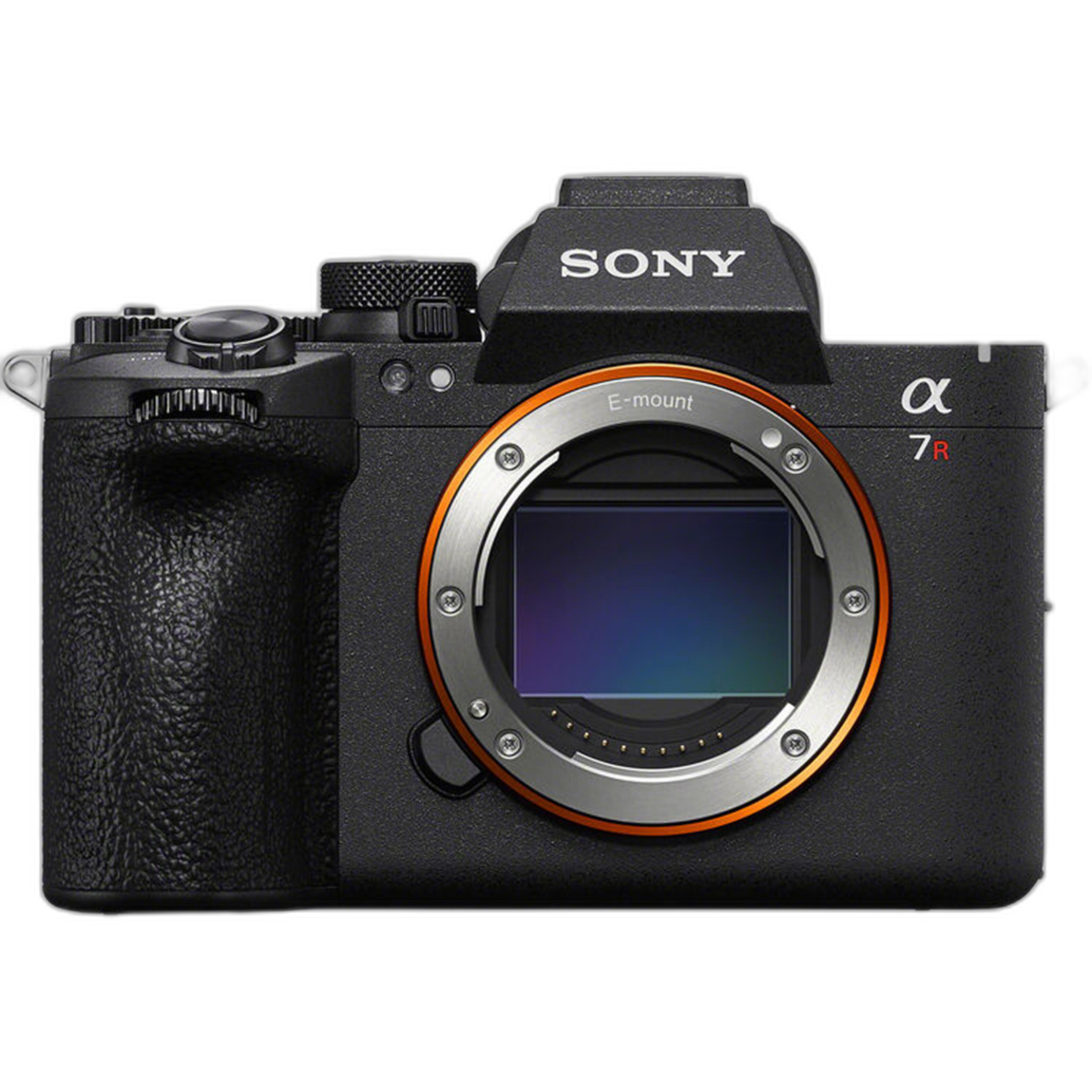
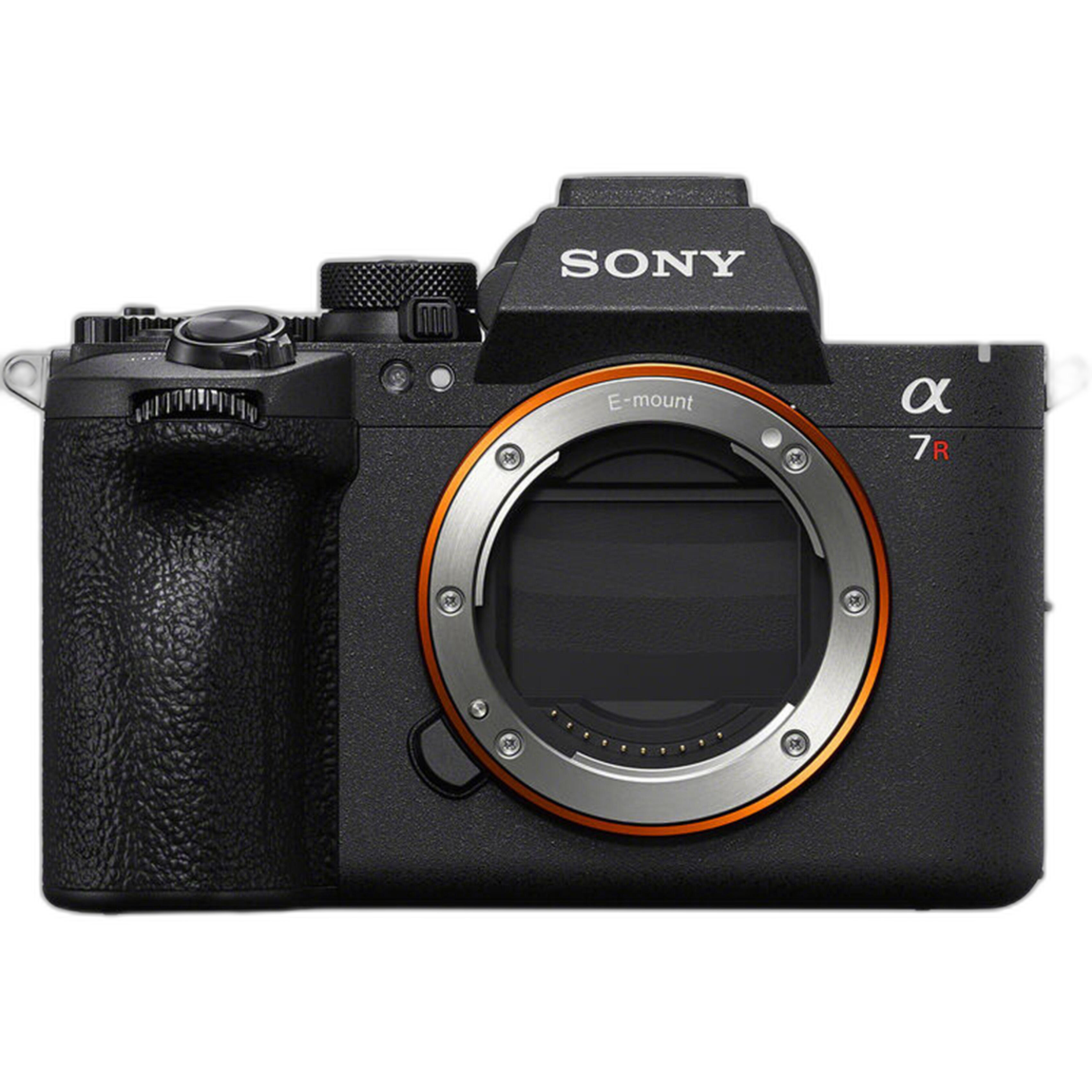
If you shoot on a high-resolution Sony body, a camera like the Sony a7R VI Mirrorless Camera represents the kind of advanced full-frame system many video creators want to stabilize for handheld footage. Pairing a body in this class with a standard zoom means you should prioritize strong motors, quick balancing controls, and a comfortable grip design for extended use.
In practical terms, the ideal gimbal for this setup should offer adjustable axis locks, an easy-to-read screen, customizable follow modes, and enough clearance for a medium-sized zoom lens. Those features make setup faster and help you get more consistent footage in the field.
Are compact gimbals a good choice for travel videography?
Compact gimbals can be an excellent choice for travel, especially if your priority is carrying less gear and moving quickly between locations. The tradeoff is that smaller stabilizers usually work best with lighter camera and lens combinations. If you travel with a compact mirrorless body and a lightweight prime or short zoom, a compact gimbal can be far more pleasant to carry all day than a larger, heavier rig.
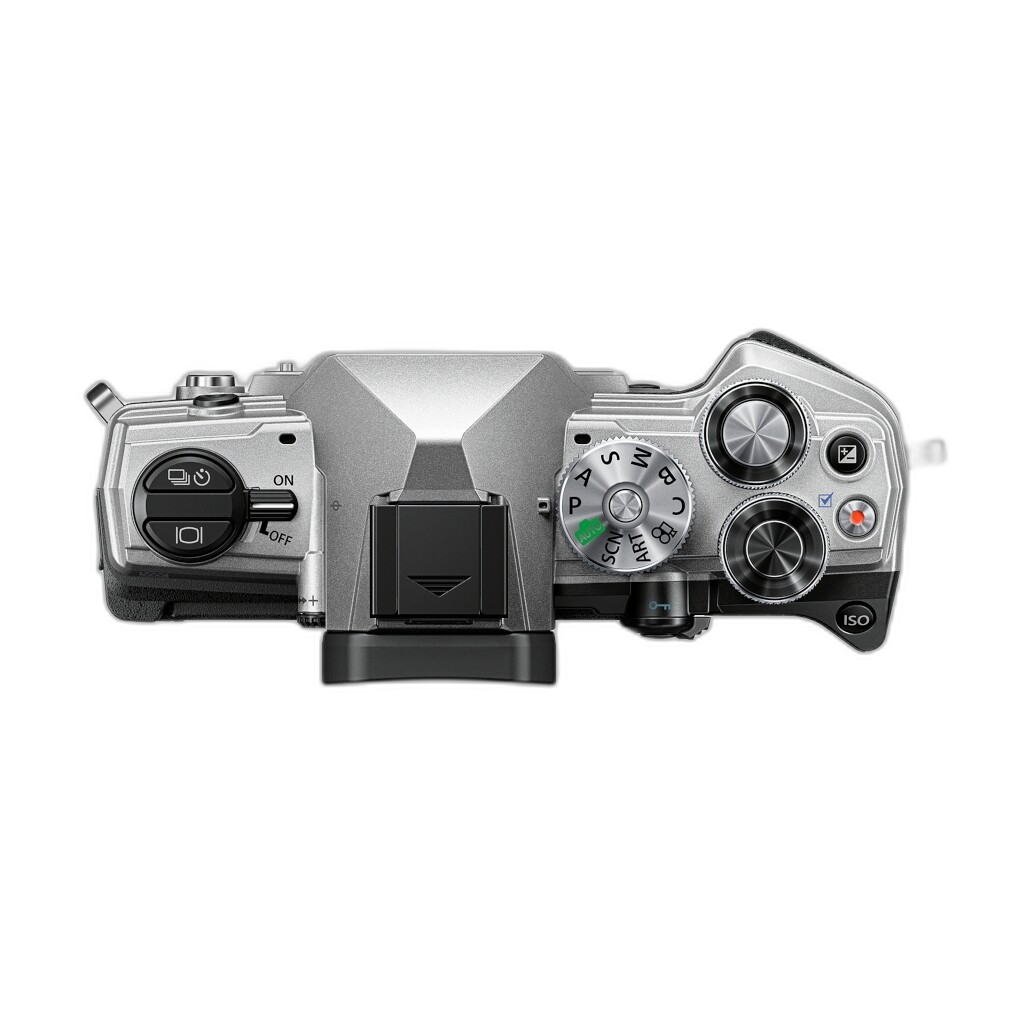
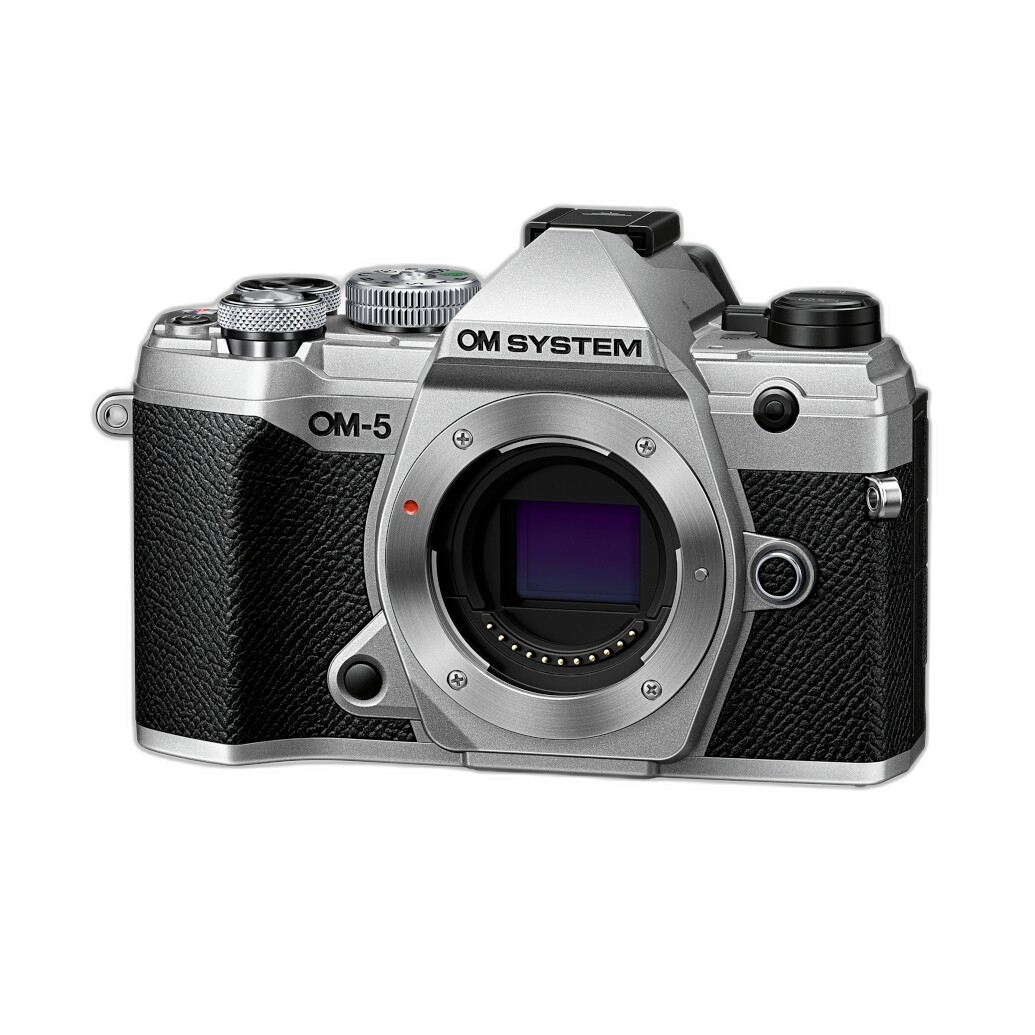
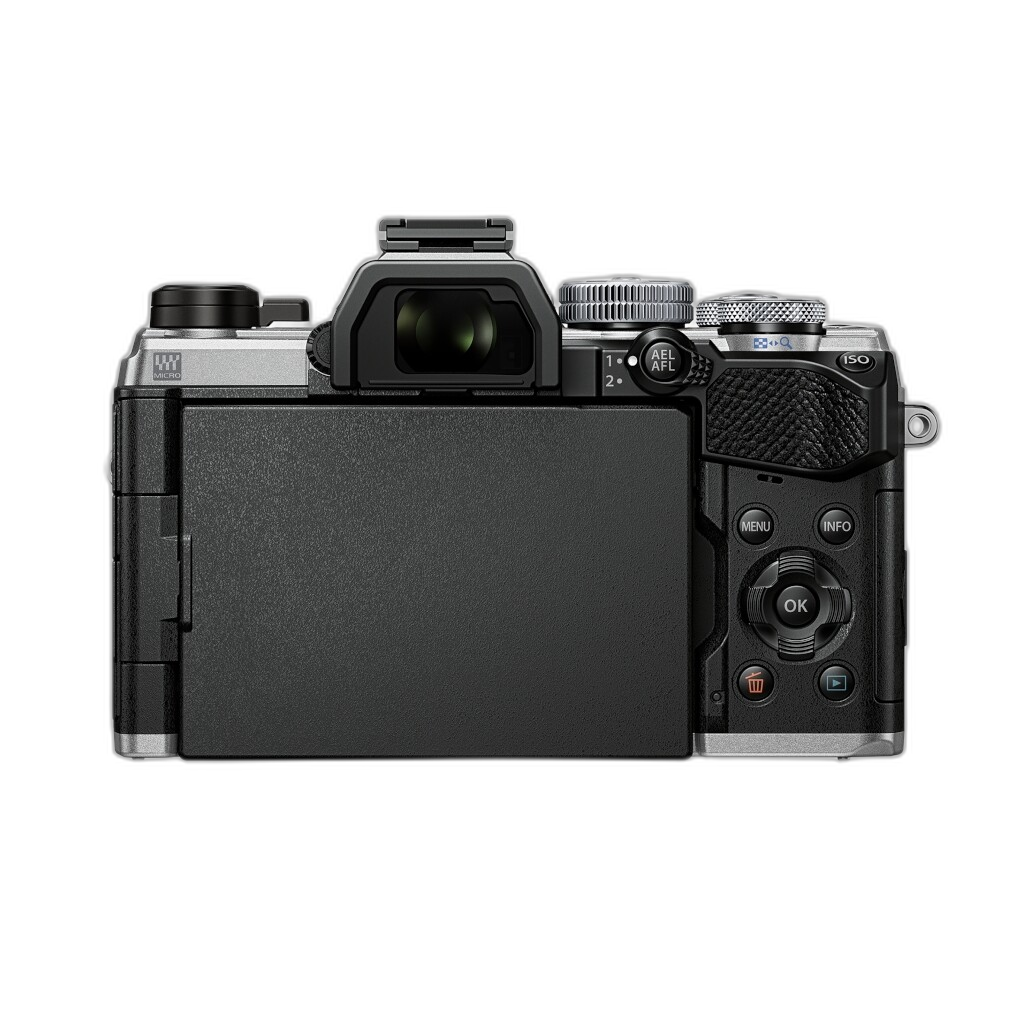
Smaller camera systems are often ideal for travel-focused stabilization. For example, the OM SYSTEM OM-5 Mirrorless Camera is the kind of lightweight mirrorless body that pairs naturally with a more portable support setup. A lighter camera package generally means easier balancing, less arm fatigue, and faster repositioning when you are filming on the go.
When comparing compact gimbals, focus on folded size, battery life, setup speed, and whether the unit still leaves room for your preferred lens. Travel shooters also benefit from a gimbal that packs easily into a backpack and can be rebalanced quickly after changing locations or lenses.
What features matter most for getting smooth footage?
Smooth footage is not just about buying any gimbal with three motors. The most important features are sufficient payload capacity, accurate balance adjustment, responsive stabilization algorithms, and useful shooting modes. Fine adjustment knobs or sliding plates make balancing more precise, while axis locks keep the rig steady during setup and transport.
Look for features such as pan follow, tilt follow, lock mode, and creative motion modes for reveal shots or tracking movement. A comfortable handle design and intuitive controls also make a major difference because operator fatigue often shows up in footage long before the gimbal itself fails to stabilize properly.
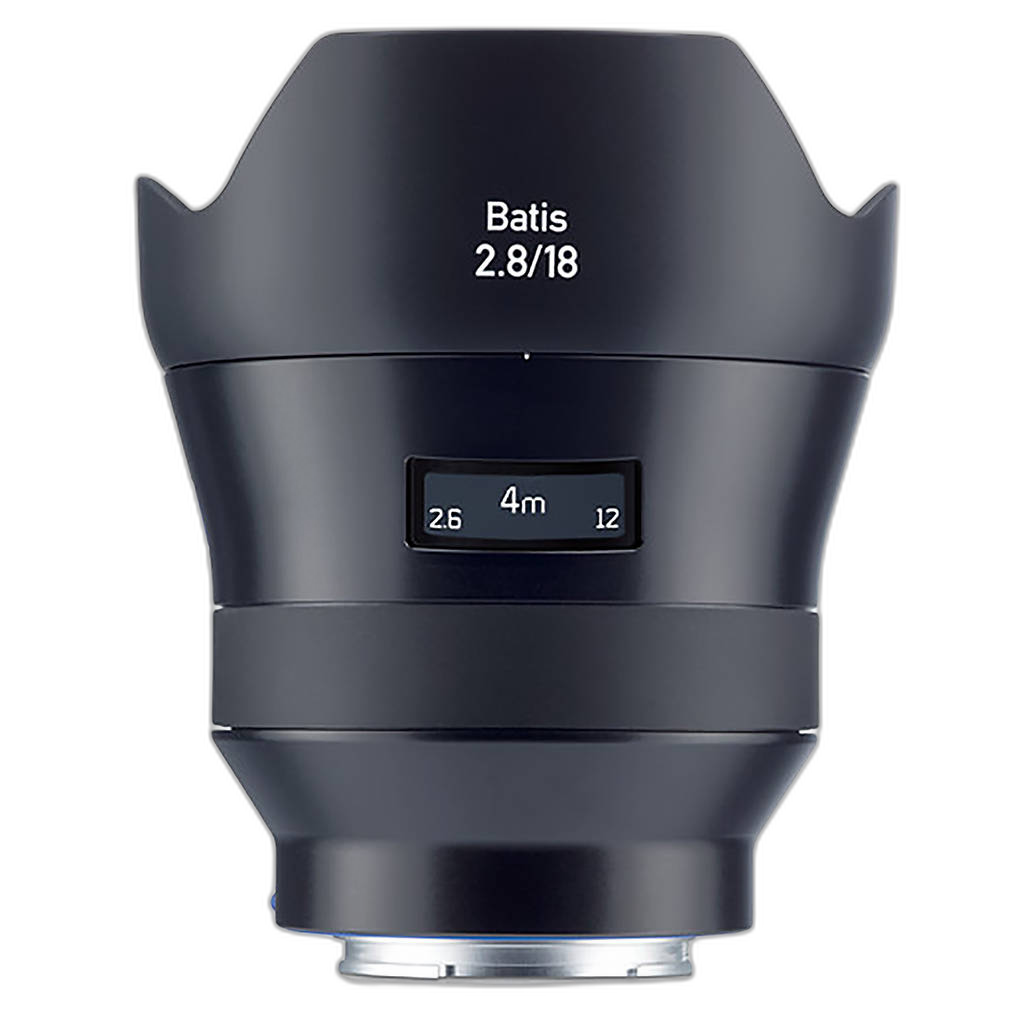
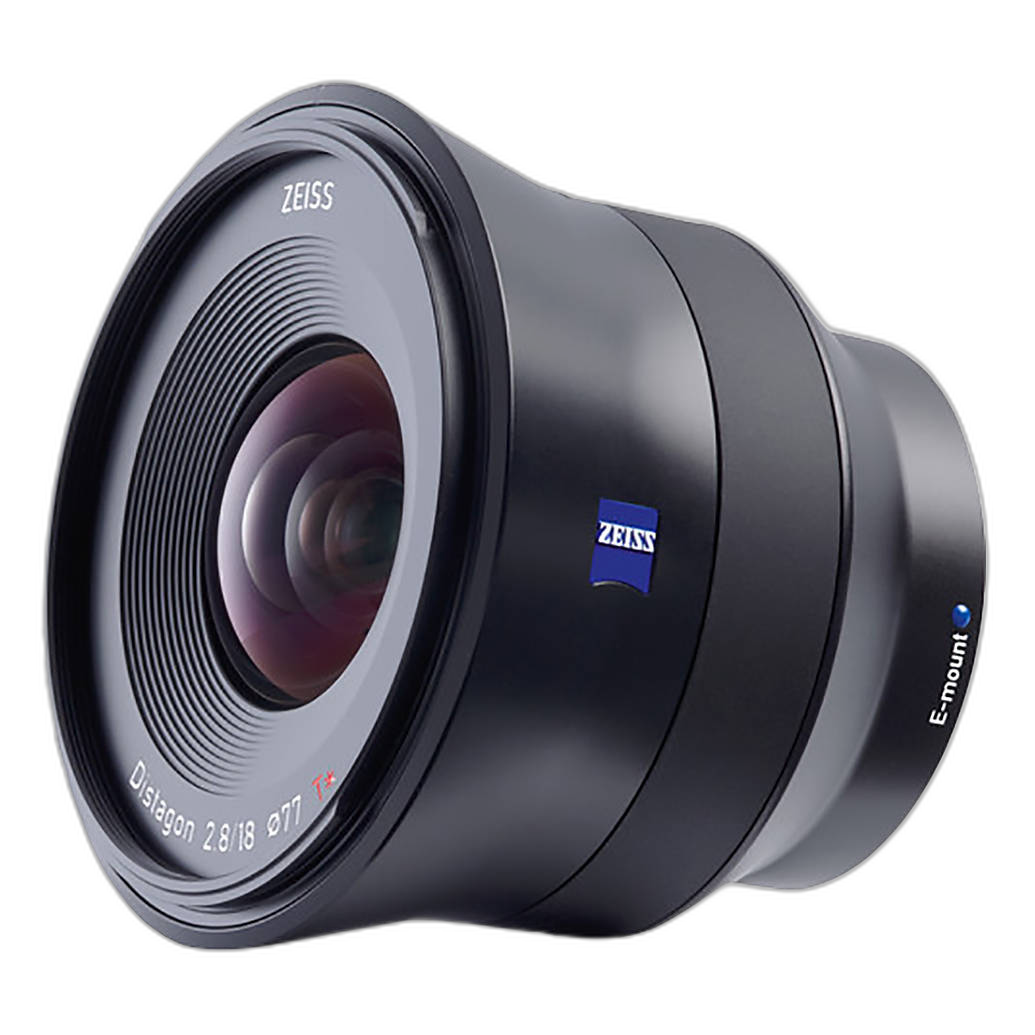
Lens choice is another major factor. Wider lenses are generally easier to stabilize and make motion look smoother. For Sony shooters, a lightweight wide-angle option like the Zeiss Batis 18mm f/2.8 AF lens for Sony Full Frame E-Mount Cameras can be especially useful for travel films, real estate clips, establishing shots, and moving handheld sequences where you want a broader field of view with less exaggerated shake.
In many cases, smoother footage comes from the combination of a well-balanced gimbal, a sensible lens choice, and controlled operator movement rather than raw motor power alone.
How difficult is it to balance different mirrorless camera setups on modern gimbals?
Modern gimbals are much easier to balance than earlier generations, but balance still matters. Even the best stabilization system performs better when the camera package is physically balanced on each axis before you power the motors on. Today’s designs often include axis locks, marked sliding plates, memory positions, and app-assisted tuning, all of which simplify the process.
If you regularly change lenses, balancing will take a little extra time, especially when moving between a compact prime and a heavier zoom. That said, once you understand the process, most mirrorless setups can be dialed in quickly. The more consistent your camera build stays from shoot to shoot, the faster balancing becomes.
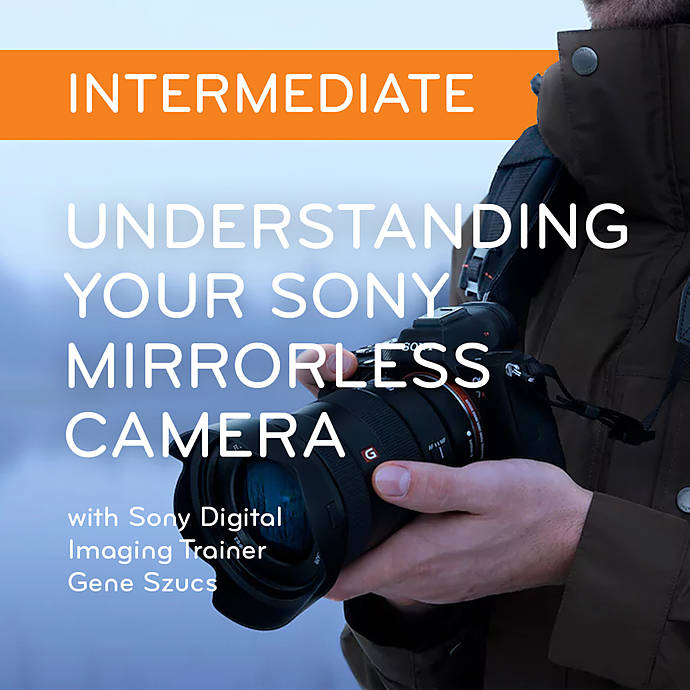
Creators using advanced Sony cameras can also benefit from improving their menu knowledge and video settings so the gimbal and camera work together more efficiently. Unique Photo offers education like Understanding Your Sony Mirrorless Camera: Intermediate, which can help users better understand their Sony setup and improve real-world results.
Balancing itself is not hard, but doing it carefully is one of the biggest keys to stable footage, longer battery life, and more reliable motor performance.
Do wider and lighter lenses really make gimbal shooting easier?
Yes. In many situations, a lighter lens improves both comfort and stabilization performance. Heavier lenses shift the center of gravity, take more time to balance, and place greater demand on the gimbal motors. Wider focal lengths also tend to hide small vibrations better than longer lenses, which makes them a favorite for walking shots and travel sequences.
That is why many videographers keep one wide, relatively lightweight lens dedicated to gimbal work. A lens such as the Zeiss Batis 18mm f/2.8 fits this type of role well for Sony full-frame shooters who want an option that supports dynamic movement without making the rig overly front-heavy.
If your main lens is a 24-70mm zoom, that can still work very well on the right gimbal. Just be aware that keeping the zoom at a repeatable focal length and making sure the lens does not extend unpredictably can make balancing more consistent.
When should I consider accessories for a more advanced gimbal build?
Accessories become more important when you move from a basic handheld setup into longer-form production, event coverage, or cinema-style rigging. If you plan to add external power, monitors, wireless transmitters, or ring-style support, you should think beyond the gimbal body itself and plan your accessory ecosystem carefully.
For example, the Tilta Gimbal Ring Adapter for Mini V-Mount Battery Plate is the kind of accessory that becomes useful when building out a more advanced support configuration. A setup like this can improve handling options and power management for more demanding productions, especially when you want to run accessories for longer stretches without constantly swapping smaller batteries.
These add-ons are not necessary for every creator, but they can make a significant difference once your workflow grows beyond simple handheld clips. The key is to make sure every accessory is justified, because extra weight can reduce the portability advantages that make gimbals so useful in the first place.
Is a full-frame camera always the best choice for gimbal video?
Not necessarily. Full-frame cameras offer excellent image quality and shallow depth of field, but they are not automatically the easiest or best option for every stabilized video workflow. Lighter systems can be easier to balance, easier to carry, and often more practical for travel, casual content creation, and extended handheld sessions.
A full-frame body like the Sony a7R VI Mirrorless Camera may be ideal when image quality and system flexibility are top priorities, while a lighter body such as the OM SYSTEM OM-5 may be better when portability matters most. The best camera for gimbal work is the one that fits your shooting style, lens choice, and endurance needs.
For many shooters, the smartest approach is to build a dedicated gimbal setup with a lighter lens or even a lighter camera body, while reserving heavier combinations for tripod, monopod, or shoulder-mounted work.
What is the best way to make sure my gimbal footage looks professional?
Professional-looking gimbal footage comes from preparation and technique as much as gear selection. Start by balancing the camera carefully, updating firmware, and choosing a lens that suits motion well. Then focus on movement: bend your knees slightly, walk heel-to-toe, and avoid sudden starts or stops. Use slower, deliberate camera moves and let the gimbal do its job instead of forcing the shot.
It also helps to match your camera settings to the kind of motion you are recording. Appropriate shutter speed, frame rate, autofocus behavior, and image profile choices all influence the final look. If you are building around a Sony system, pairing a capable body with a gimbal-friendly wide lens can create a very polished workflow for both client work and personal projects.
At Unique Photo, we recommend testing your intended camera and lens combination before a major shoot whenever possible. A little planning goes a long way toward getting cleaner footage and a more comfortable operating experience.
Choosing the right gimbal for a mirrorless camera is really about building a balanced system that suits your shooting style. If you are ready to refine your video kit, explore cameras, lenses, accessories, and educational resources at Unique Photo to create a setup that delivers smoother footage with less guesswork.