
Mirrorless Camera FAQ: Value, Performance, and Future-Proofing
Choosing a mirrorless camera today can feel complicated because nearly every major system offers excellent image quality, fast autofocus, and strong video features. The real question is not simply which brand is “best,” but which camera system delivers the right balance of performance, lens options, portability, and long-term value for the way you shoot.
At Unique Photo, we help photographers look beyond headline specs and focus on practical ownership. That means considering ergonomics, lens ecosystem, upgrade path, and whether a camera will still make sense for your work in the next several years.
Is mirrorless really the best choice for most photographers right now?
For most buyers, yes. Modern mirrorless cameras offer excellent autofocus performance, real-time exposure preview, advanced subject tracking, and strong lens support across multiple brands. They are especially appealing to photographers who want a lighter kit than a traditional DSLR setup without giving up professional-level image quality.
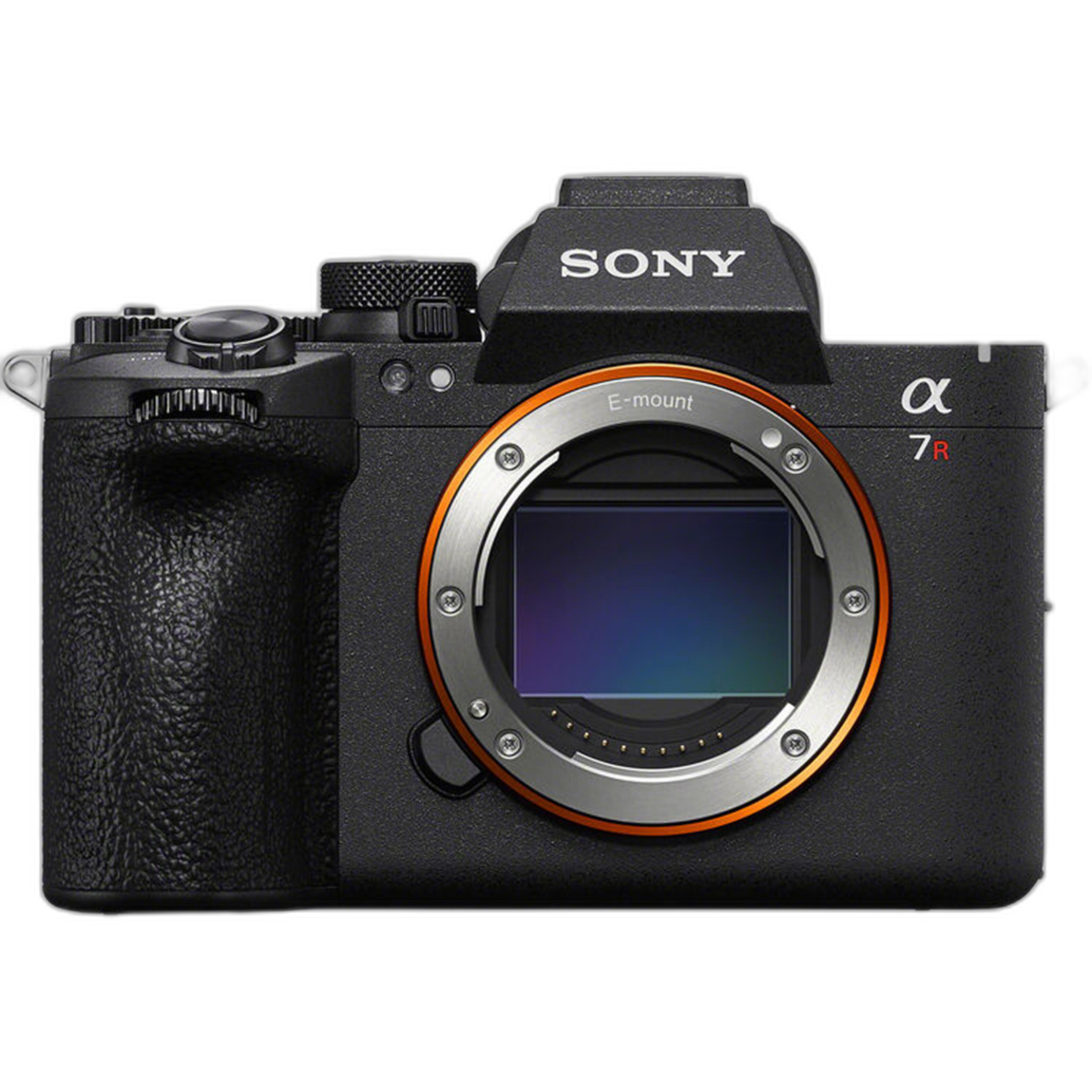
That said, the best reason to choose mirrorless is not trend-following. It is versatility. Whether you prioritize resolution, speed, travel-friendly size, or hybrid photo/video use, there is a mirrorless system that fits. For photographers who want a high-end full-frame body with cutting-edge capability, the Sony a7R VI Mirrorless Camera is a strong example of where the category is headed: high resolution, modern autofocus, and a broad native lens ecosystem.
How do I decide between full-frame and Micro Four Thirds for long-term value?
This depends on what “value” means to you. Full-frame can offer greater dynamic range, shallower depth of field, and more flexibility at very high resolutions. It is often the better fit for commercial, studio, landscape, and advanced hybrid shooters who want maximum file quality and room to grow.
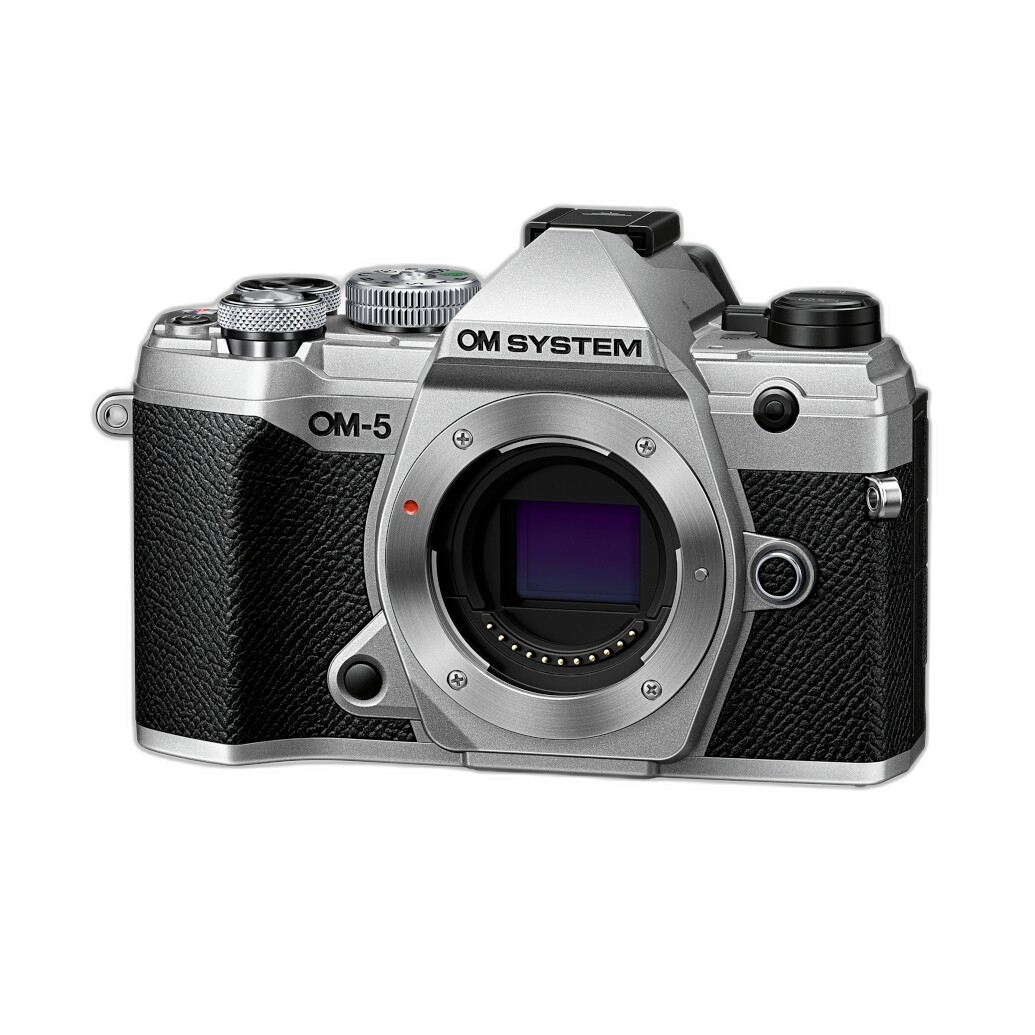
Micro Four Thirds, on the other hand, can provide excellent value through smaller bodies, lighter lenses, and a more portable system overall. If you travel often, hike with your gear, or want a capable everyday camera that is easier to carry, a body like the OM SYSTEM OM-5 Mirrorless Camera can be a very smart investment. It gives you strong imaging performance in a compact form factor, which matters more in real-world shooting than spec sheets sometimes suggest.
Should I buy the highest-spec body I can afford, or invest more in lenses?
In most cases, lenses are the better long-term investment. Camera bodies evolve quickly, but good lenses remain useful for years and often across multiple generations of bodies within the same mount. If you are trying to future-proof your system, it usually makes sense to buy a body that meets your needs today and pair it with strong glass that will continue to perform as you upgrade later.
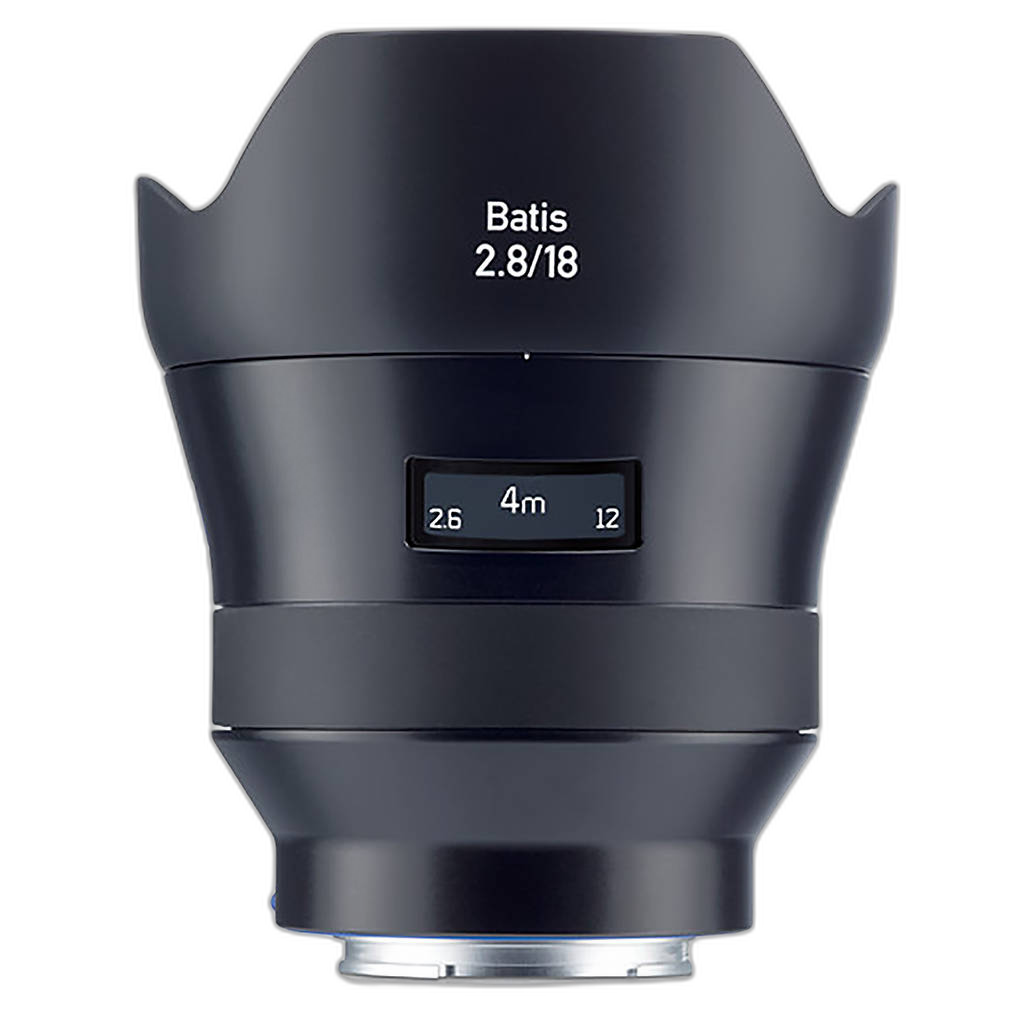
For Sony shooters building around full-frame E-mount, the Zeiss Batis 18mm f/2.8 AF lens is a good example of a meaningful lens investment. A quality ultra-wide lens can serve landscape, architecture, interiors, travel, and environmental portrait work across several Sony body generations. That type of purchase often impacts your photography more than chasing every new body release.
Which mirrorless system is the safest bet if I want to future-proof my purchase?
The safest choice is usually the system with the lens roadmap, accessories, and performance profile that align with your goals. Sony remains a very compelling option for photographers who want a mature full-frame mirrorless platform with broad lens support from both first-party and third-party manufacturers. That depth can make future upgrades easier and more flexible.
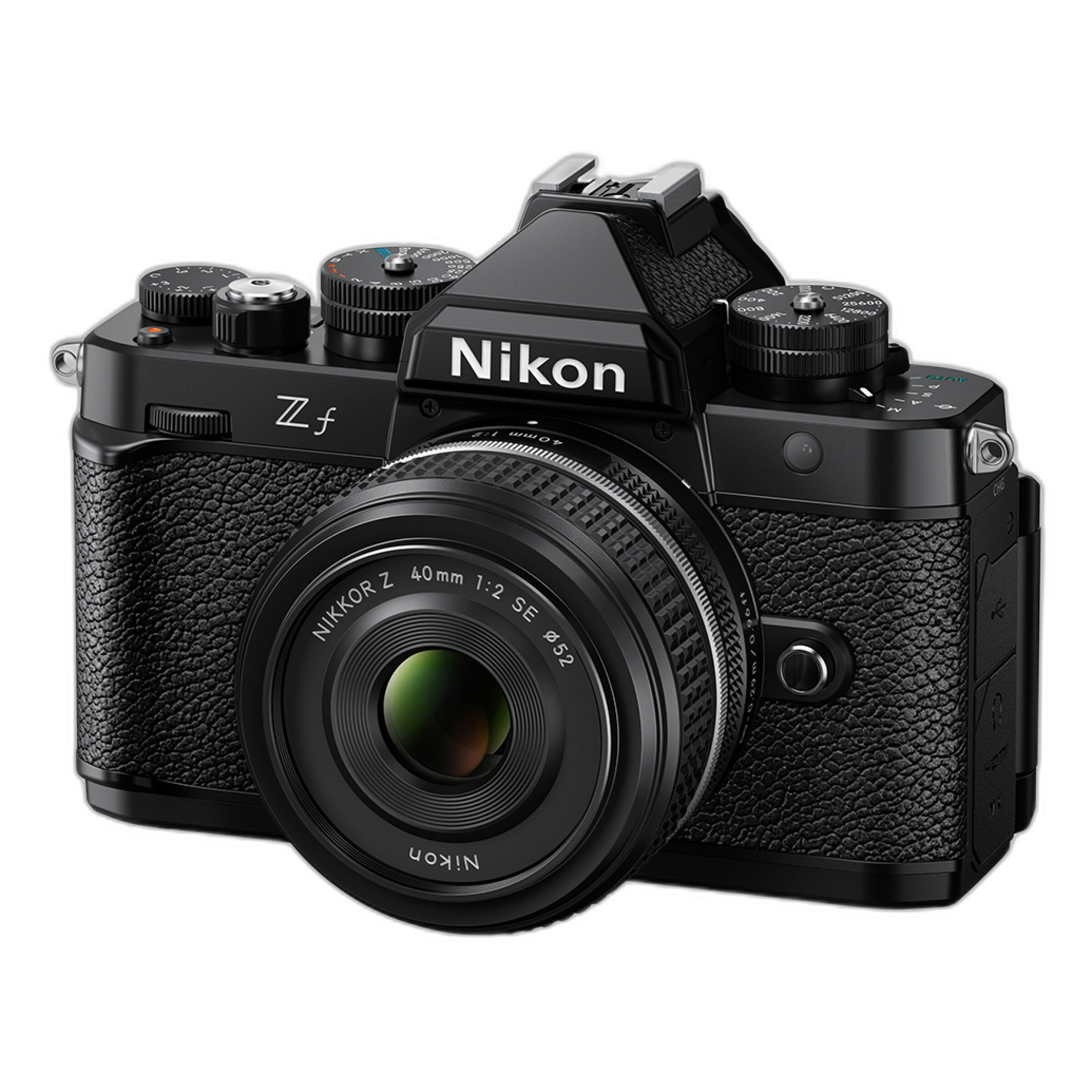
Nikon and Canon also offer powerful mirrorless options, and for many photographers, buying used is one of the smartest ways to enter those systems. A used Nikon Zf with 40mm f/2 SE lens can be especially attractive if you want a stylish, capable full-frame setup with a classic shooting experience. Likewise, a used Canon EOS R3 can be a strong value for photographers who need top-tier speed and professional durability without paying new-in-box pricing.

Is buying used mirrorless gear a smart way to get more performance for my budget?
Absolutely. Used gear can be one of the best ways to maximize value, especially if you are shopping in enthusiast or professional categories. Buying used may let you step into a higher-performing body, a better lens, or a more complete system than you could afford new.
At Unique Photo, used gear is especially appealing for photographers comparing performance-per-dollar across brands. For example, a used flagship or enthusiast body may deliver autofocus, build quality, and handling advantages that matter more than having the newest release. If your priority is capability rather than bragging rights, used mirrorless equipment is well worth considering.
How important is portability when choosing a mirrorless camera system?
It is more important than many buyers realize. A camera that is comfortable to carry is a camera you are more likely to use consistently. Smaller mirrorless kits can be ideal for travel, street photography, family documentation, and daily creative work, while larger full-frame systems may make more sense when ultimate image quality or specialized lenses are the priority.
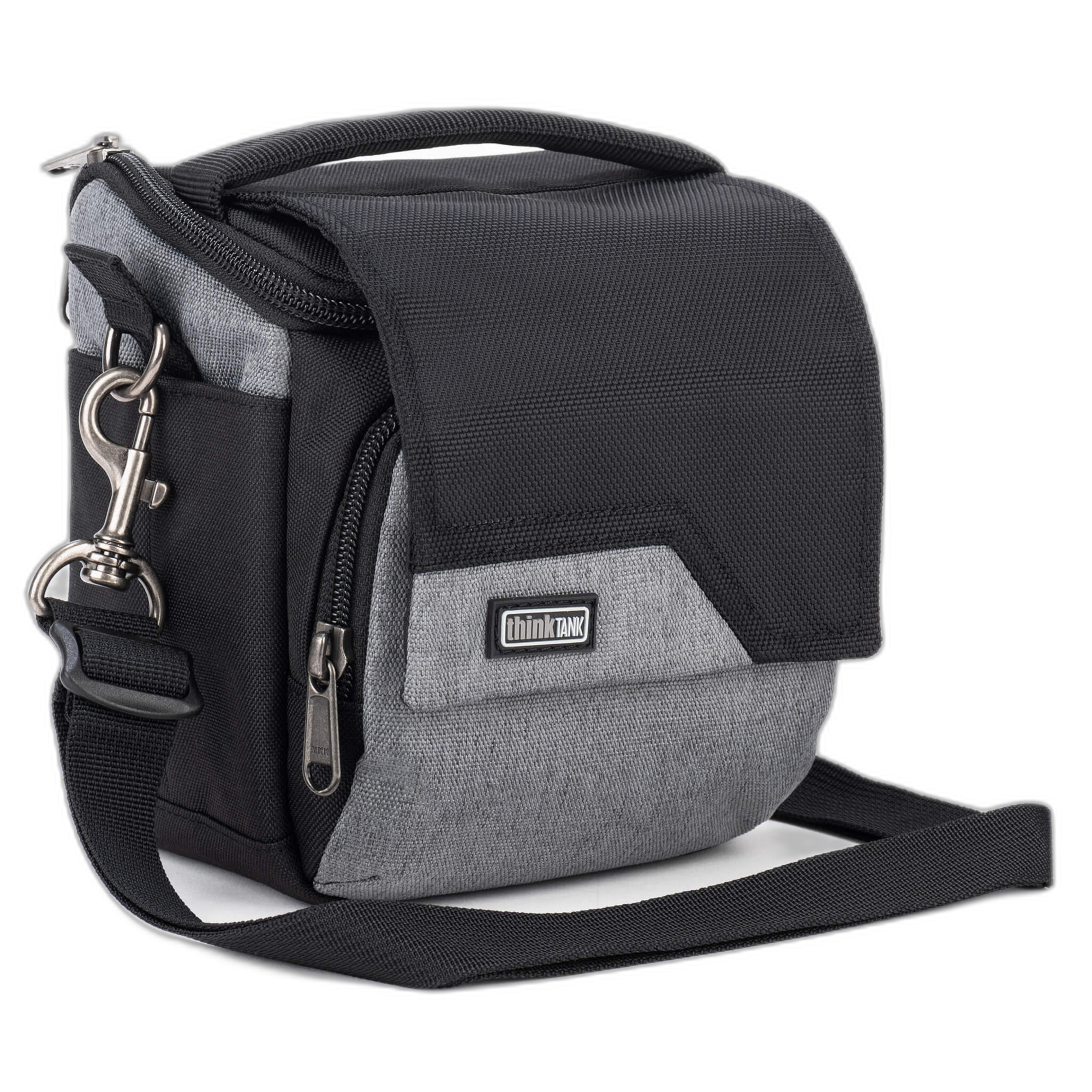
Your carrying solution also affects the experience. A compact shoulder bag like the Think Tank V2 Mirrorless Mover 10 can make a lightweight mirrorless setup more practical for daily use. That is especially valuable if you are trying to build a streamlined kit around one body and one or two lenses rather than hauling everything you own.
Do I need to worry about learning curve when switching to mirrorless?
Yes, but it should not stop you. Mirrorless systems offer many advantages, but they also introduce menu systems, customization options, autofocus modes, and electronic viewfinder behavior that can take time to master. The good news is that once you learn how to tailor a mirrorless camera to your workflow, the shooting experience can become faster and more intuitive than older systems.
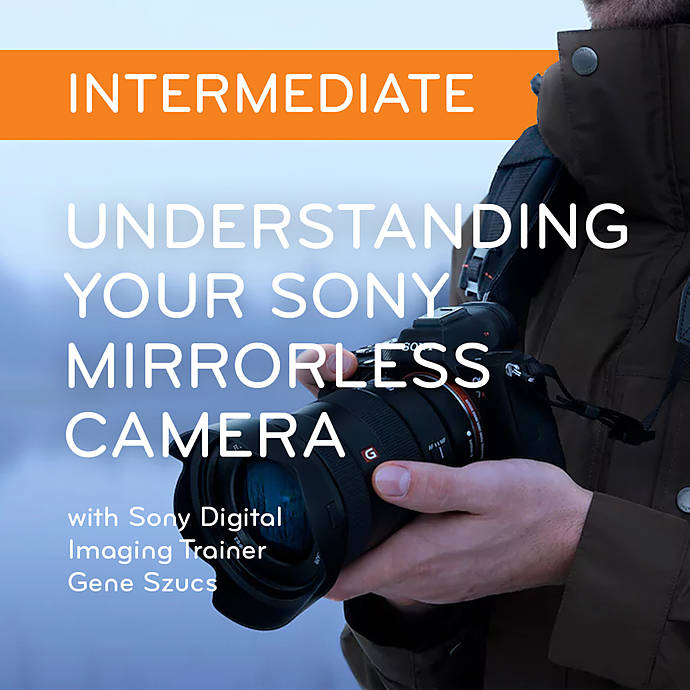
For Sony users especially, education can make a major difference. Unique Photo offers resources such as the Understanding Your Sony Mirrorless Camera: Intermediate class, which can help photographers get more out of autofocus settings, custom buttons, and overall camera operation. Investing in training is another form of future-proofing because it helps you use your gear more effectively from day one.
What matters more: raw performance or overall system value?
For most photographers, overall system value matters more. Raw performance is exciting, but it only tells part of the story. A camera with incredible resolution or autofocus does not automatically become the best choice if the lenses are too expensive, the body is too large for your workflow, or the controls do not suit the way you shoot.
The smarter approach is to evaluate the complete package: body price, lens costs, handling, portability, accessory support, and realistic upgrade options. A high-resolution Sony body may be ideal for one photographer, while a compact OM SYSTEM setup or a carefully chosen used Nikon or Canon body may be the better long-term buy for someone else. Future-proofing is less about guessing the next trend and more about choosing a system you will genuinely enjoy using for years.
If you are weighing mirrorless options and want guidance tailored to your shooting style, Unique Photo can help you compare bodies, lenses, bags, and even used gear to build a system with real staying power. Explore our mirrorless selection online or connect with our team to find the right setup for your budget and creative goals.