Travel tripod discussions usually come down to the same real-world questions: how light is too light, when is carbon fiber worth the premium, and what actually feels stable once you are out shooting in wind, crowds, or uneven terrain? If you are comparing recent travel tripod models for photography on the go, the best choice is rarely about specs alone. It is about matching the tripod to your shooting style, lens setup, and tolerance for carrying weight all day. These practical tips can help you sort through the pros and cons with more confidence.

Start with the kind of travel photography you actually do
1. Match tripod size to your trip, not just your wishlist
One of the biggest mistakes photographers make is buying for the occasional extreme use case instead of their everyday travel needs. If you mostly shoot cityscapes, environmental portraits, and sunrise landscapes while moving frequently, a compact travel-focused design will usually get used more often than a larger support system left at home.
The Peak Design Pro Tall Tripod Black Carbon Fiber Legs is a good example of the kind of model travelers often praise for portability and packability. Carbon fiber helps keep weight down, and the streamlined folded profile is especially appealing if you are working out of a backpack or carry-on. If your priority is bringing a tripod everywhere rather than only when you expect to need one, that matters a lot.
Understand the real tradeoff between carbon fiber and alloy
2. Carbon fiber saves weight, but price matters
Travel tripod debates often center on materials for good reason. Carbon fiber is popular because it can reduce fatigue over a long day of walking while also helping damp vibrations. For many travel shooters, that combination is worth paying more for, especially if the tripod is coming on flights, hikes, or all-day street sessions.
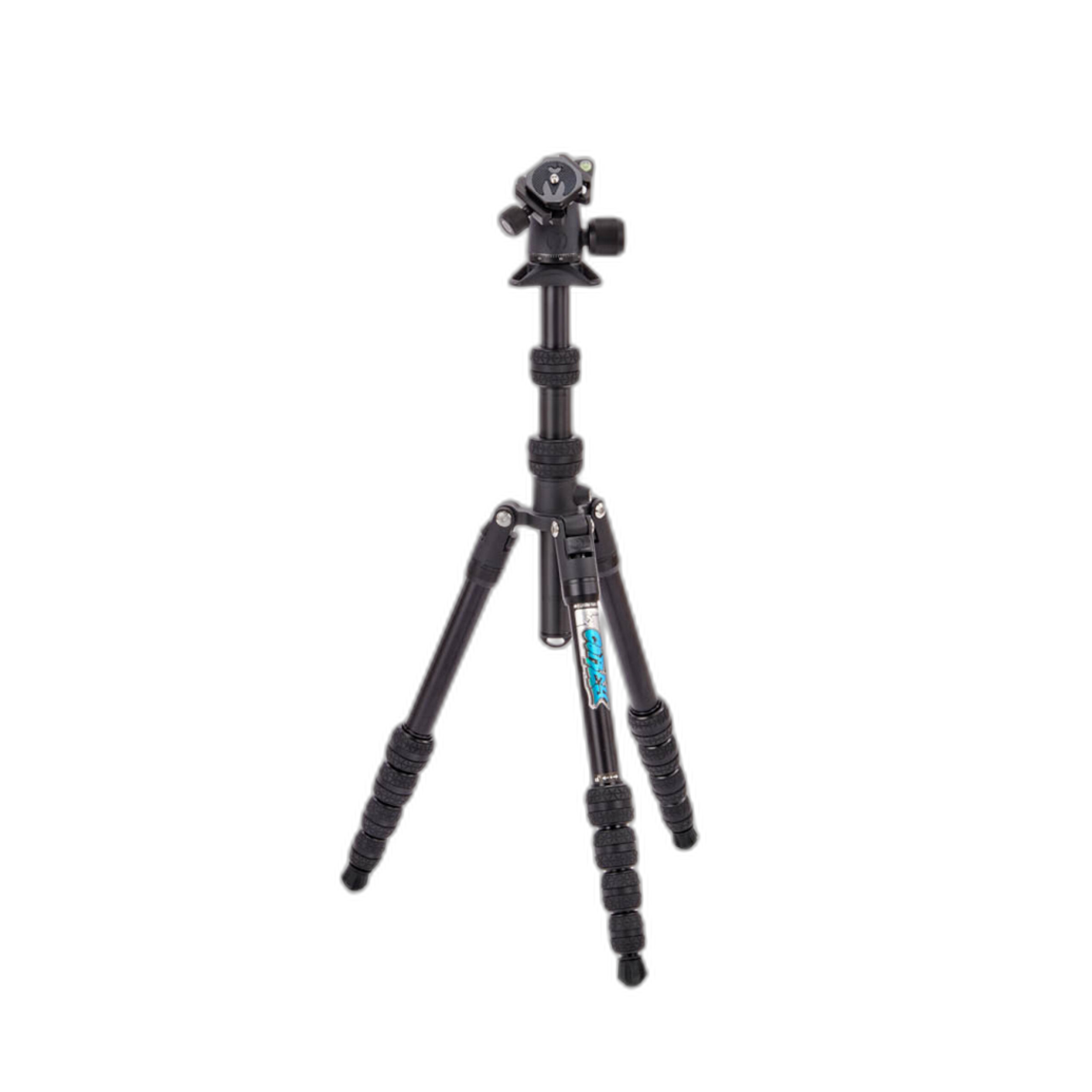
That said, magnesium alloy or aluminum-based options can still be excellent values. The 3 Legged Thing Punks Corey 2.0 Magnesium Alloy Tripod with AirHed Neo 2.0 is the kind of option that appeals to photographers who want a capable support system without automatically jumping to the highest-priced carbon model. Many users find that a well-designed alloy tripod offers enough stability for general travel photography, particularly when paired with lighter mirrorless kits.
Think about your heaviest lens, not just your camera body
3. Lens balance affects tripod performance more than many travelers expect
A travel tripod can feel solid with a compact body and small prime, then become much less confidence-inspiring once you add a longer or front-heavy lens. If you shoot macro, telephoto details, or product images while traveling, lens support becomes even more important.
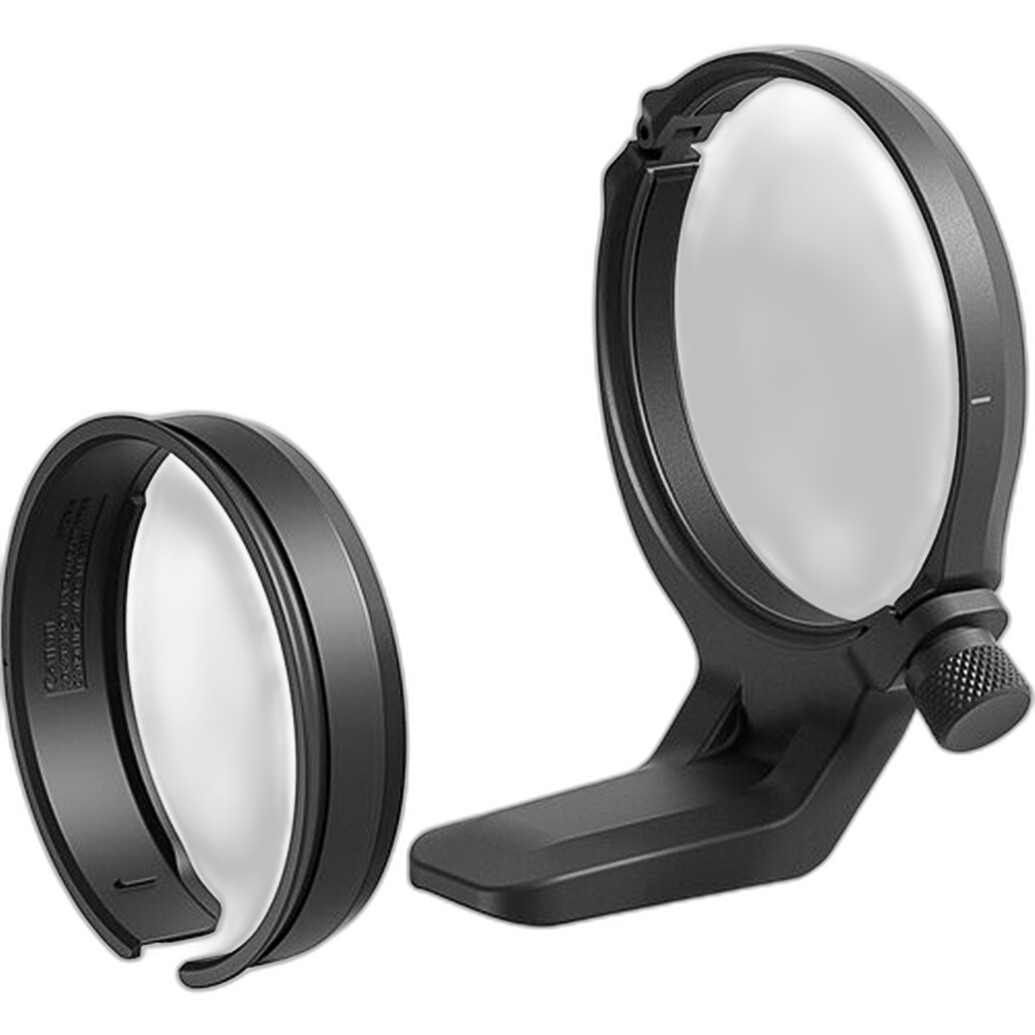
For photographers using the RF 100mm f/2.8L Macro, the Canon Tripod Mount Ring and Adapter for RF 100mm f/2.8L Macro IS USM Lens can improve balance by shifting support closer to the lens center of gravity. This kind of accessory is easy to overlook in tripod conversations, but it can make a noticeable difference in stability, especially when working carefully at slower shutter speeds or composing macro shots with precision.
Stability is about design, not just weight rating
4. Pay attention to leg locks, center column use, and footprint
Many photographers compare travel tripod models by published load capacity, but in practice, stability comes from the whole design. Narrow leg diameters, extended center columns, and small foot placement can make a lightweight tripod feel less planted than expected, even if the official rating looks generous.
Users who prioritize a more compact folded shape often accept some compromise here. That is why it helps to think beyond spec sheets and ask how often you shoot in wind, on rocky ground, or with longer exposures. A travel tripod that performs beautifully for urban twilight work may feel less secure on a coastal overlook in gusty conditions.
If you are refining an existing setup, accessories like the Benro GDHAD1 Metal Tripod Spacer can be part of the broader conversation around leg positioning and support control, especially for photographers who want to tune the behavior of their tripod system rather than replace it immediately.
Be honest about how tall you need your tripod to be
5. Maximum height affects comfort more than people realize
Height is one of those features travelers tend to underestimate until they spend a week crouching. If you are taller, or if you regularly shoot eye-level compositions for architecture, street scenes, or stitched panoramas, a taller travel tripod can be worth both the added cost and the slightly larger packed size.
This is one reason some photographers gravitate toward a model like the Peak Design Pro Tall Tripod Black Carbon Fiber Legs rather than choosing the smallest possible option. The extra height can reduce reliance on the center column and make longer shooting sessions more comfortable. The best travel tripod is not always the tiniest one; it is the one you can use comfortably and consistently.

Used gear can be a smart way to buy better support
6. Consider pre-owned options if your budget is tight
Tripods are one of the camera accessories where buying used can make a lot of sense, especially from a trusted retailer. If your budget puts premium travel models just out of reach, pre-owned support gear may let you step into a stronger or lighter system without stretching too far.
A product like the Used Excellent Peak Design Pro Tall Tripod Black Carbon Fiber Legs can be appealing for exactly that reason. Travelers who want modern design and carbon fiber portability often find the used market opens better options than buying new at the same spend level. The key is to inspect lock mechanisms, leg extension smoothness, head operation, and general wear.
Not every tripod should be a travel tripod
7. Know when ultra-compact support is the wrong tool
There is always a temptation to make one tripod do everything, but serious long-lens, studio, or ultra-precise work may call for a completely different class of support. A giant, heavy-duty option like the Used Gitzo GT5563GS Tripod Kit clearly sits outside the normal travel category, yet it illustrates an important point: maximum stability usually comes with maximum bulk.
For travel photographers, the goal is often to find the best compromise rather than the absolute most rigid platform. Once you accept that, your shortlist becomes easier to manage. You are not trying to replace a studio tripod with a carry-on-friendly one; you are trying to pick the smartest balance for the road.
Practice better tripod technique before blaming the gear
8. Small setup habits can improve results with almost any model
- Extend thicker leg sections first whenever possible.
- Avoid raising the center column unless you really need the extra height.
- Keep tripod legs wider in windy conditions.
- Hang or add weight cautiously only if it improves stability and does not introduce sway.
- Use a remote release or self-timer for slower shutter speeds.
Many complaints about travel tripod stability come from technique rather than design alone. Good setup habits can make even a compact model perform more confidently in the field.
Build a lightweight travel kit around the tripod
9. Your carry system and accessories affect whether the tripod gets used
A tripod that is easy to carry is far more likely to leave the hotel room with you. Thinking about your overall kit matters just as much as choosing the tripod itself. A compact bag solution and a streamlined lens setup can make a bigger difference to real travel usability than shaving a few ounces off tripod specs alone.
If you prefer to keep your non-camera essentials separate from your main photo bag, something like the Peak Design Travel Crossbody 3L Sage can help simplify how you move through airports, cities, and day trips while keeping your tripod-carry workflow less cluttered.
Keep learning from real shooting situations
10. Evaluate your tripod after a trip, not just after unboxing
The most useful opinions about travel tripod models usually come after photographers have lived with them on real trips. Did it fit in your luggage the way you expected? Did you avoid using it because setup felt annoying? Did it feel stable enough at blue hour or with a macro lens? Those answers matter more than first impressions.
As your photography grows, your support needs may change too. Educational opportunities can also help you get more from your gear overall. Workshops like Understanding Light Modifiers with John Ricard and Models are a reminder that technique and experience often improve images just as much as hardware upgrades.
Conclusion
The best travel tripod is the one that balances portability, price, and confidence for the way you really shoot. For some photographers, that means investing in a carbon fiber option like the Peak Design model. For others, a magnesium alloy tripod such as the 3 Legged Thing Punks Corey 2.0 may deliver the right value and performance mix. Focus on realistic travel use, lens balance, working height, and your tolerance for carrying weight, and your choice becomes much clearer.
If you are ready to compare travel tripod options, accessories, and pre-owned gear, Unique Photo is a great place to keep researching and build a setup you will actually want to bring on every trip.