Film has a beautiful way of rewarding careful technique. While latitude can be generous with some negative stocks and less forgiving with slide film, consistent exposure still starts with reliable metering habits. Whether you shoot a simple folding camera or a waist-level medium format system, learning how to read light the same way every time helps you get more printable, more repeatable negatives. Below are practical metering tips to help you build confidence and consistency on film cameras.
Start With a Metering Baseline You Can Trust
1. Rate your film consistently
One of the easiest ways to improve consistency is to stop changing variables. Pick an ISO setting method and stick with it for the entire roll. If you prefer exposing color negative film a little generously, rate it slightly slower than box speed and keep that approach consistent. If you use a camera setup with a finder-based meter, such as a medium format body fitted with a prism-style meter like a Used Kiev TTL Finder for Hasselblad 500 Cameras, make sure the meter is functioning properly and compare it against a known-good handheld meter or meter app before relying on it in the field.
2. Confirm your camera meter before important shoots
Older film cameras can drift over time, so a quick comparison test is worth doing. Meter the same evenly lit scene with your camera, a handheld meter, and a smartphone app. If one device is consistently off by the same amount, you can compensate mentally or with ISO adjustment. This is especially helpful when working with vintage gear such as a Used Voigtlander Perkeo I 6x6 120 Film Camera, where the simplicity of the camera means your exposure judgment matters even more.
Learn to Meter for the Subject, Not the Whole Scene
3. Use reflected readings thoughtfully
Most built-in meters read reflected light, which means they measure the brightness bouncing off your subject. That works well, but only if you remember that very bright scenes can fool the meter darker, and very dark scenes can fool it brighter. When metering a backlit portrait, for example, move in close and take a reading from the subject's face rather than the entire frame. This simple adjustment can make a dramatic difference in negative quality and scan consistency.
4. Prioritize midtones in high-contrast scenes
Film responds best when you know what tone you want to protect. In harsh sunlight, try metering off a midtone area in the same light as your subject: weathered pavement, green grass, or neutral clothing often work well. Then lock those settings in. This method keeps you from chasing constantly changing meter suggestions as you recompose.
Use the Sunny 16 Rule as a Reality Check
5. Build confidence without depending entirely on electronics
The Sunny 16 rule is still one of the best sanity checks in film photography. On a bright sunny day, set aperture to f/16 and shutter speed to the reciprocal of your film speed, such as 1/125 at ISO 100. From there, adjust for clouds, open shade, or backlighting. Even if you primarily use a meter, this rule helps you catch mistakes quickly. If your meter suggests something wildly different from what the light looks like, pause and re-evaluate.
6. Keep a small exposure notebook
Consistency improves fast when you write things down. Note the film stock, box speed or rated speed, lighting conditions, meter reading, and final settings. After processing, compare your notes to the negatives or scans. Over time, you'll see patterns, such as always needing a little extra exposure in open shade or finding that a specific camera's meter reads slightly cool or hot.
Take Advantage of Accessories That Help You Read Light Better
7. Waist-level and prism viewing can influence how you meter
How you compose affects how carefully you meter. A prism or TTL finder can make eye-level shooting more intuitive, and with metered accessories on modular systems, it can streamline your workflow when shooting quickly. If you work with a Hasselblad setup, a finder option like the Used Kiev TTL Finder for Hasselblad 500 Cameras can be useful for photographers who want a more direct through-the-lens metering experience while maintaining that classic medium format approach.
8. Be careful when using filters
Any filter that reduces light requires compensation unless your meter reads through the filter. Neutral density filters are a classic example. Even though something like the Polarpro Mavic Air Cinema Series Exposure 3 Pack is designed for drone use, it serves as a useful reminder of how dramatically ND filtration can change exposure. The habit to build on film cameras is simple: always account for filter factor before pressing the shutter. Forgetting a dense ND is one of the fastest ways to underexpose a roll.
Meter Differently for Negative Film and Slide Film
9. Give negative film a little more protection in the shadows
Color negative and most black-and-white negative films tend to handle overexposure better than underexposure. If you're unsure, lean toward protecting shadow detail. Slight overexposure usually scans and prints more gracefully than thin negatives.
10. Be much more precise with transparency film
Slide film has far less latitude, so your meter technique needs to be tighter. In contrasty light, take multiple readings and decide exactly which highlight you want to hold. Bracketing is often worth the extra frames, especially for landscapes or travel work where the scene cannot be repeated.
Bracket Intelligently When the Light Gets Tricky
11. Use small brackets, not random guesses
Bracketing works best when it is methodical. In difficult scenes, expose one frame at the meter reading, one at +1 stop, and one at -1 stop. With medium format, where every frame matters, even a half-stop bracket can be enough. This gives you a practical learning tool and improves your keeper rate without wasting an entire roll.
12. Bracket only the scenes that truly need it
Once you gain confidence, reserve bracketing for mixed lighting, snow, beach scenes, dark interiors, or backlit portraits. In stable light, trust your process and shoot consistently. That discipline is what makes your results repeatable.
Evaluate Your Results in Print, Not Just on a Screen
13. Review exposures as physical prints when possible
Scans can vary based on lab settings, but prints often reveal exposure patterns more clearly. Looking at a set of prints side by side can show whether your negatives are consistently thin, dense, or just right. If you like reviewing your work in a traditional output workflow, materials tied to print production and finishing, like Fujifilm DIGITAL PRO glossy paper, are a good reminder that exposure decisions ultimately show up most clearly when images leave the screen and become physical photographs.
14. Standardize your development and scanning when testing
If you are trying to refine your metering technique, avoid changing too many variables at once. Use the same lab, similar development practices, and comparable scanning settings across multiple rolls. That way, when you see changes in your results, you can more confidently connect them to your metering choices rather than processing differences.
Practice With One Camera and One Lens Combination
15. Reduce variables while you build your eye
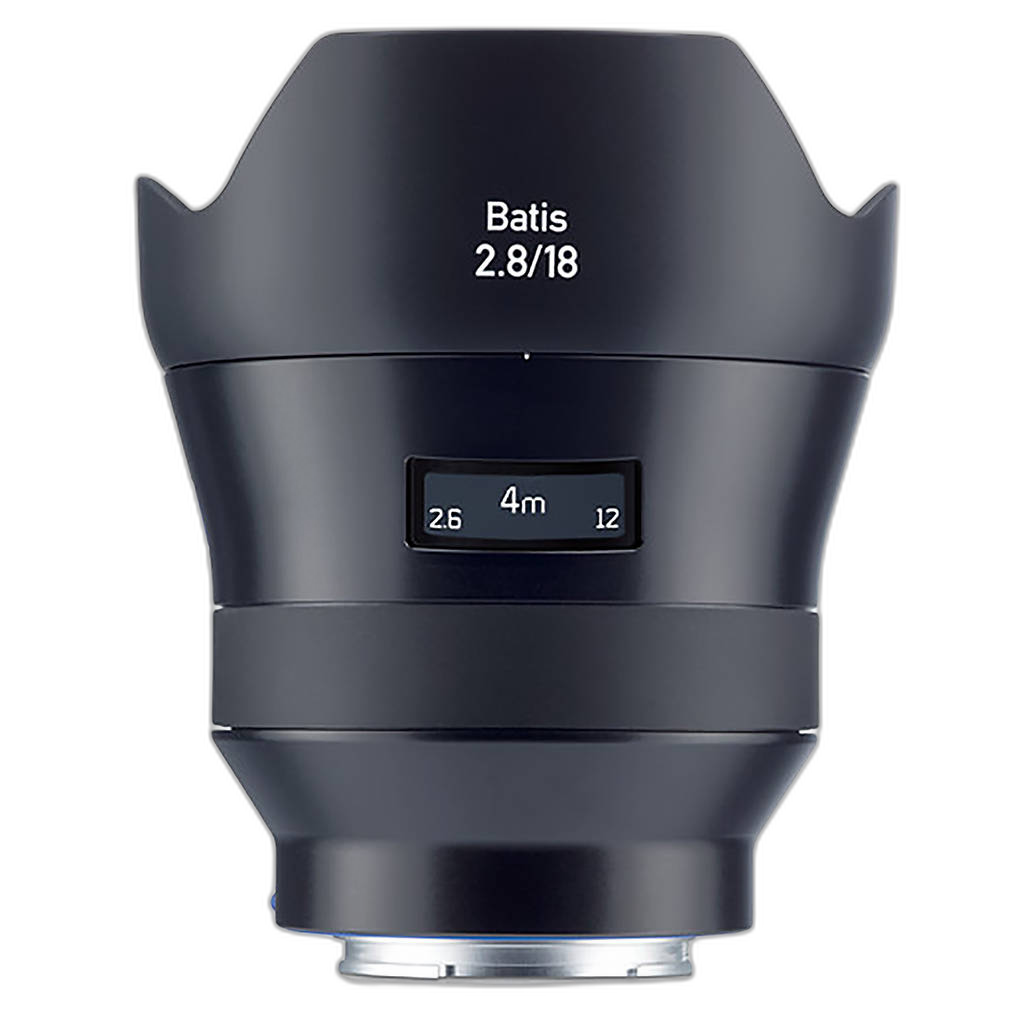
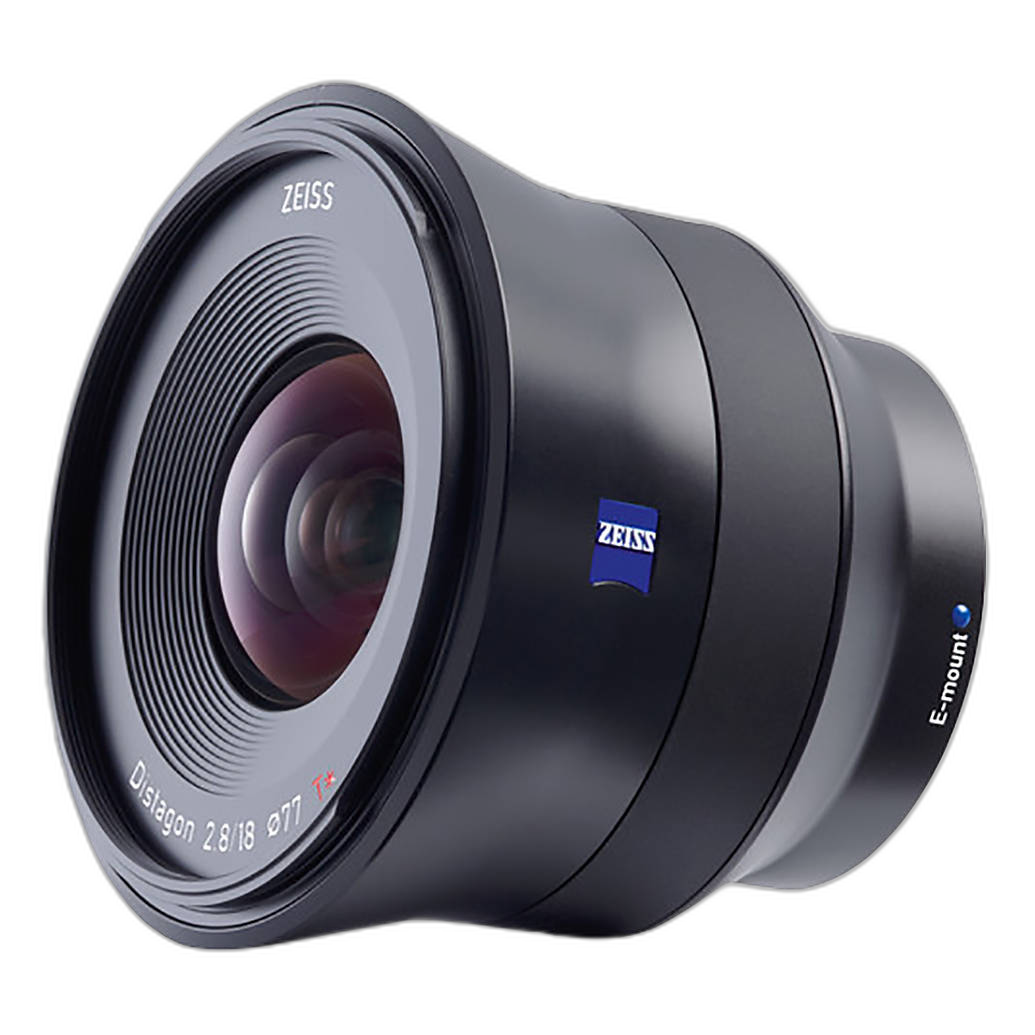
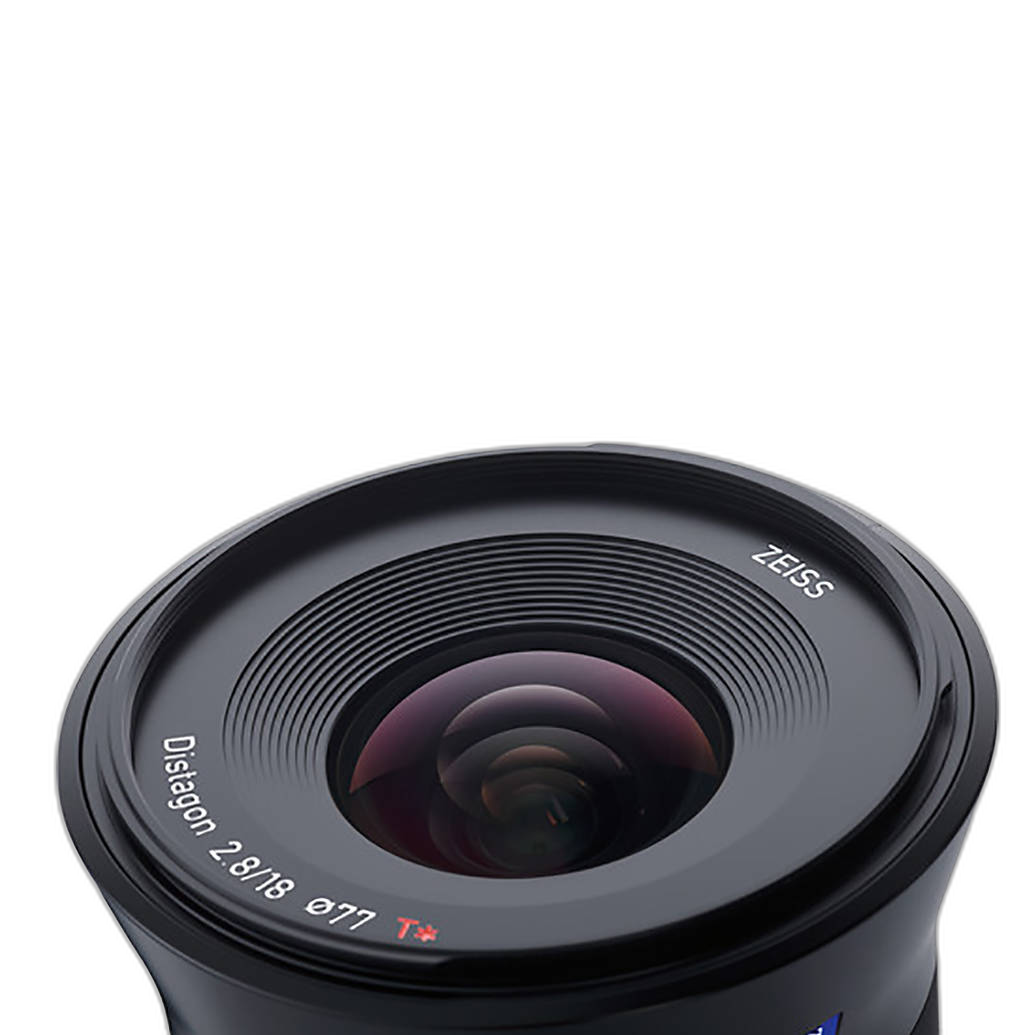
Consistency comes faster when you spend time with one familiar setup. The more you learn how a particular camera, lens, and meter behave together, the more instinctive exposure becomes. Even photographers who also shoot modern systems with optics like the Zeiss Batis 18mm f/2.8 can benefit from carrying that same discipline into film work: know your tools, understand the light, and repeat what works.
Conclusion
Consistent exposure on film cameras is less about chasing perfect readings and more about building repeatable habits. Rate your film carefully, meter for the subject, use Sunny 16 as a backup, and keep notes so you can learn from every roll. With practice, you'll spend less time second-guessing and more time making photographs. If you're looking for film gear, accessories, and inspiration for your next shoot, Unique Photo is a great place to keep your kit and workflow moving forward.