Introduction: Better Metering, Better Negatives
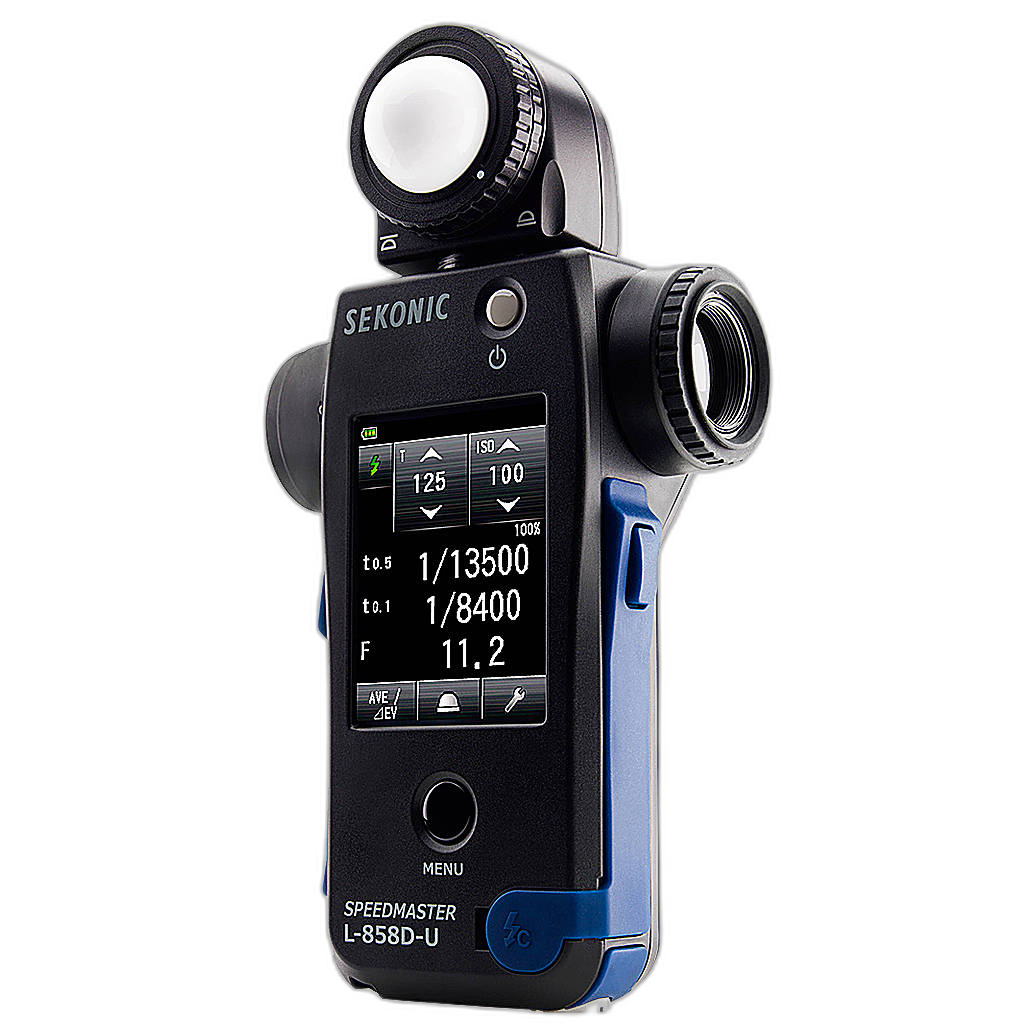
When shooting film, exposure discipline matters more than many photographers expect. Film can be forgiving in some situations—especially negative stocks—but it also rewards consistency, intention, and accurate readings. That is why a dedicated light meter remains one of the most useful tools in a film photographer’s kit. For this review, the Sekonic L-858D-U Speedmaster Light Meter stands out as a premium solution for photographers who want dependable readings across 35mm, medium format, available light, and flash work.
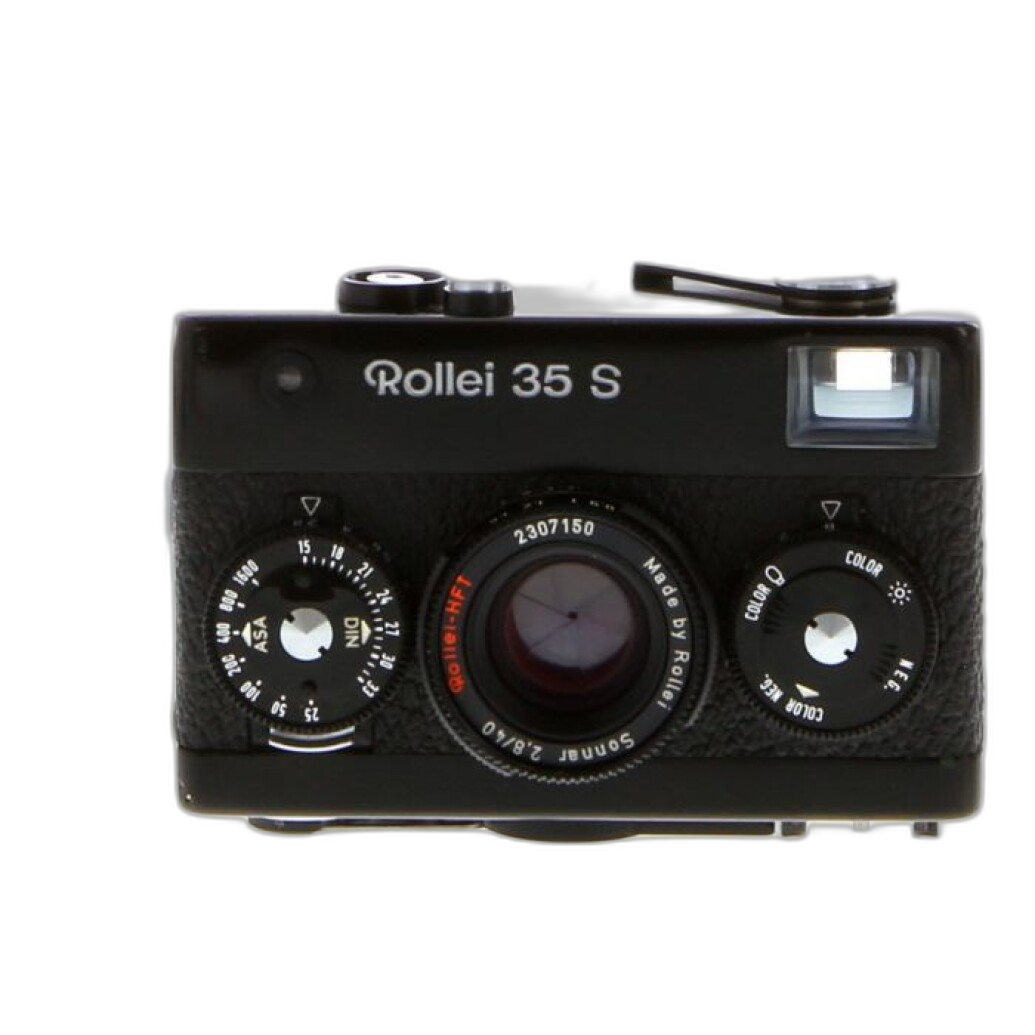
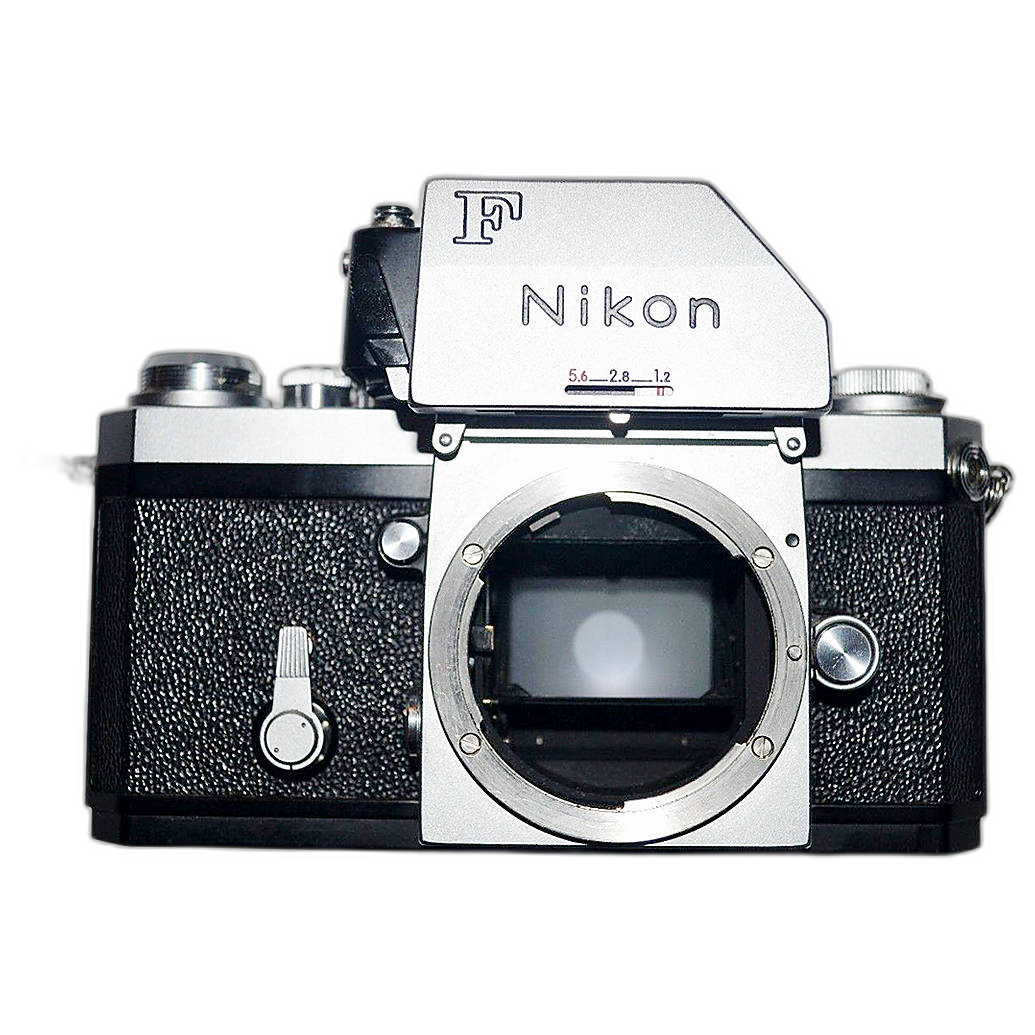
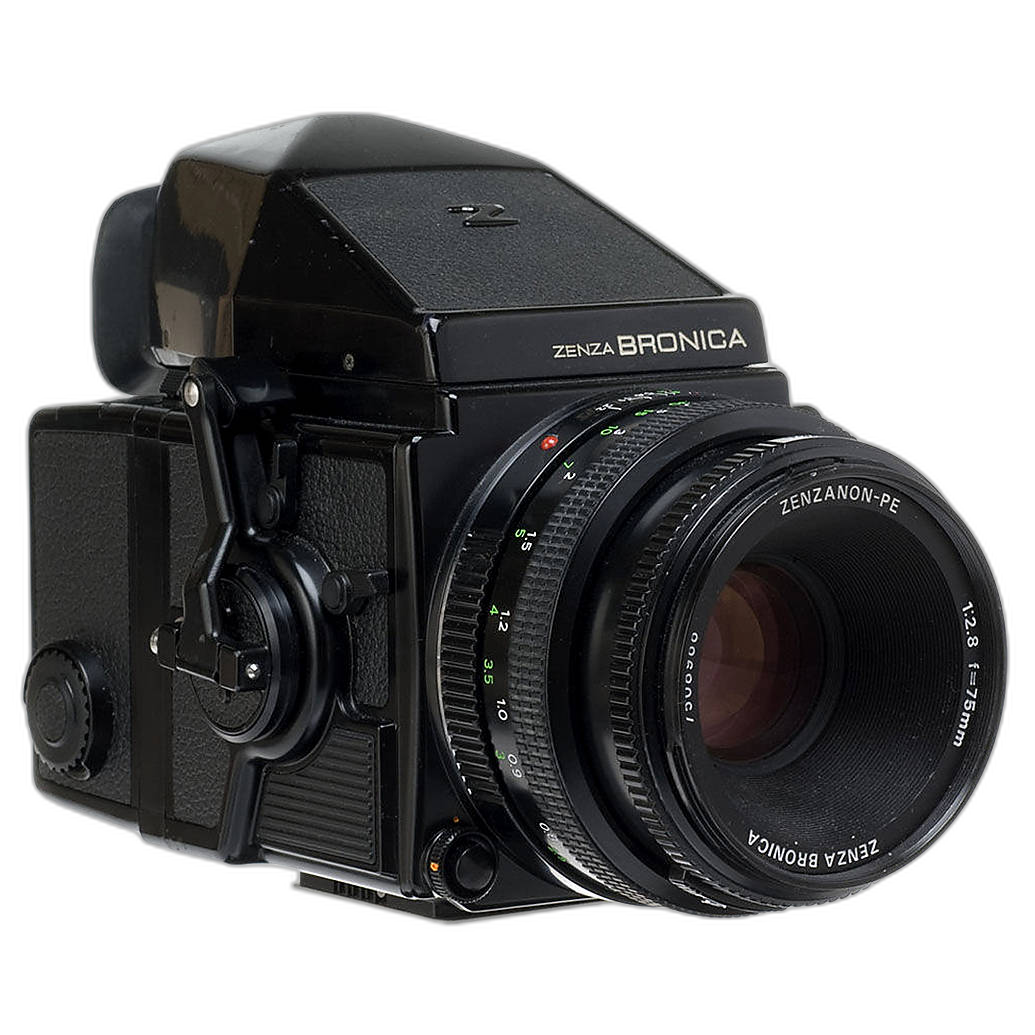
Whether you are pairing it with a compact classic like the Rollei 35S, a mechanical SLR such as the Nikon F with FTN meter, or a medium format system like the Bronica ETRSI with metered finder, the L-858D-U offers a more modern, precise, and flexible approach to exposure. For film shooters learning how to meter scenes with confidence, it is not just an accessory—it is often the difference between guesswork and repeatable results.
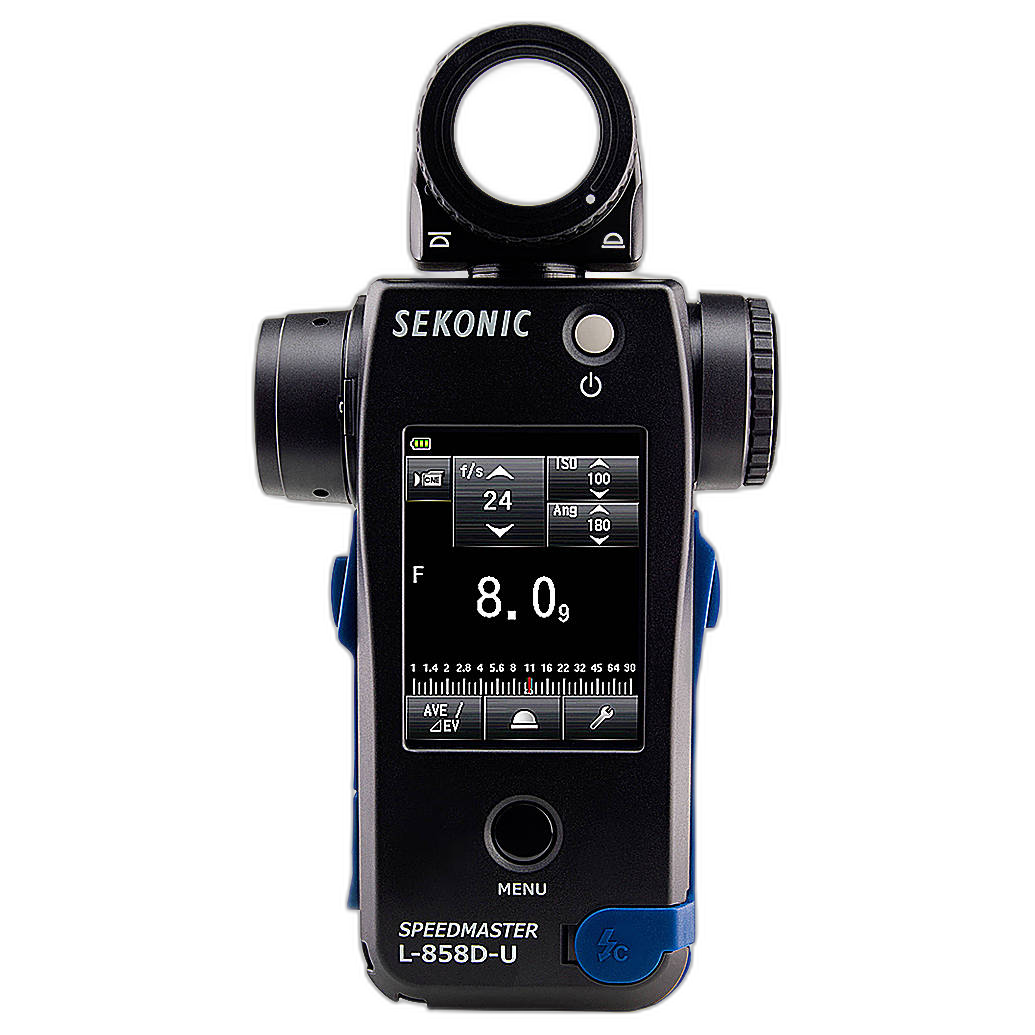
In practical use, the L-858D-U is especially valuable because it supports the way experienced film photographers actually work: metering shadows for negative film, protecting highlights for slide film, checking mixed light, and validating old in-camera meters that may drift over time. If your goal is to improve your hit rate on film, this is the kind of tool that makes an immediate difference.
Why a Dedicated Meter Still Matters for Film Photography
Many film cameras include internal meters, but age, battery differences, limited metering patterns, and inconsistent calibration can all affect performance. A handheld meter gives you an independent exposure reference. That matters with cameras like the used Rollei 35S listed here, which specifically notes a light meter issue, and it also matters with vintage bodies such as the Nikon F, where even a working meter may not deliver the same consistency as a modern handheld unit.
For film, metering strategy changes based on the stock. Color negative film usually benefits from exposure that favors shadow detail. Black-and-white often invites more interpretive control. Slide film demands tighter precision. A meter like the Sekonic L-858D-U helps photographers build exposures around the medium instead of relying on broad assumptions.
Key Features
Accurate Incident and Ambient Metering for Film
The core strength of the L-858D-U is precision. Incident metering is one of the easiest ways to get reliable exposures on film because it measures the light falling on the subject rather than the reflectivity of the scene. That means fewer mistakes when shooting bright sand, dark clothing, snow, or backlit portraits. For film users, this is a major advantage because it simplifies decision-making and helps preserve usable density in the negative.
If you are learning exposure tips for film, this is one of the most important: use incident readings whenever possible for portraits, controlled scenes, and consistent outdoor light. The L-858D-U makes this process fast and professional.
Excellent for Flash and Studio Film Work
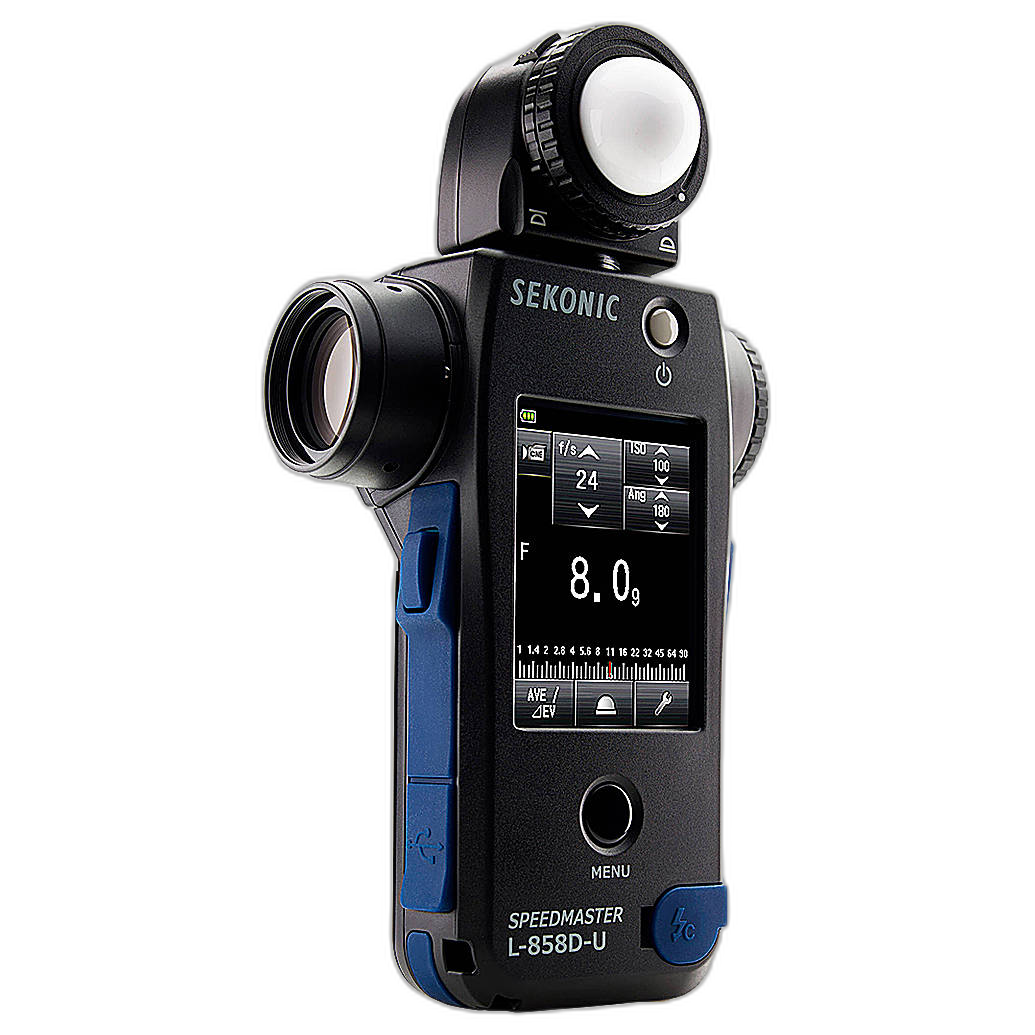
Film shooters using strobes or mixed lighting setups need more than a basic ambient meter. The Speedmaster is particularly strong for flash photography, making it a natural fit for studio portraiture, fashion, and medium format work. If you are shooting a camera like the Bronica ETRSI, where each frame counts and lighting control is often deliberate, accurate flash metering helps maximize every roll.
For film photographers, this means you can establish lighting ratios, check fill, and avoid wasting frames on bracketing. That efficiency is especially important when shooting 120 film, where each exposure carries more cost and intention.
Useful for Validating Vintage Camera Meters
One of the best uses for a handheld meter is as a benchmark for older cameras. If you own a Nikon F with FTN meter, a Rollei 35S, or any classic film camera with uncertain metering performance, the L-858D-U lets you compare readings and quickly determine whether the built-in meter is still trustworthy.
This is especially valuable for photographers building a film kit from used gear. Instead of guessing whether exposure problems come from the camera, the film, or your technique, a dedicated meter gives you a known standard.
Advanced Control for Serious Film Shooters
The L-858D-U is not just a simple meter; it is a highly capable tool designed for demanding workflows. That means there is room to grow into it. Beginners can use it for straightforward ambient readings, while advanced users can take advantage of deeper features for flash analysis and refined exposure control. If you are moving from casual film shooting into more intentional portrait, editorial, or studio work, this meter scales with you.
Exposure Tips When Shooting Film With a Meter Like This
Meter for the Shadows With Negative Film
Color negative and many black-and-white films generally benefit from generous exposure. A practical tip is to meter the shadow area where you want detail, then place exposure to preserve that information. The L-858D-U helps you do this consistently, which leads to denser, more printable negatives.
Be More Precise With Slide Film
Transparency film has less latitude, so exposure tolerance is tighter. Here, the L-858D-U becomes especially useful because small errors are more visible. Accurate readings reduce the risk of blocked highlights or muddy underexposure.
Use Incident Readings for Portraits
If your subject is the priority, incident metering is often the best choice. Walk to the subject, take a reading from their position, and expose accordingly. This removes the guesswork caused by dark jackets, pale skin tones, or reflective backgrounds.
Check Mixed Lighting Before You Commit a Roll
Indoor film photography often involves window light, lamps, or flash. A dedicated meter helps you identify where your key exposure should come from and whether your lighting is balanced. This is much more efficient than discovering inconsistencies after processing.
How It Compares to Other Metering Options Here
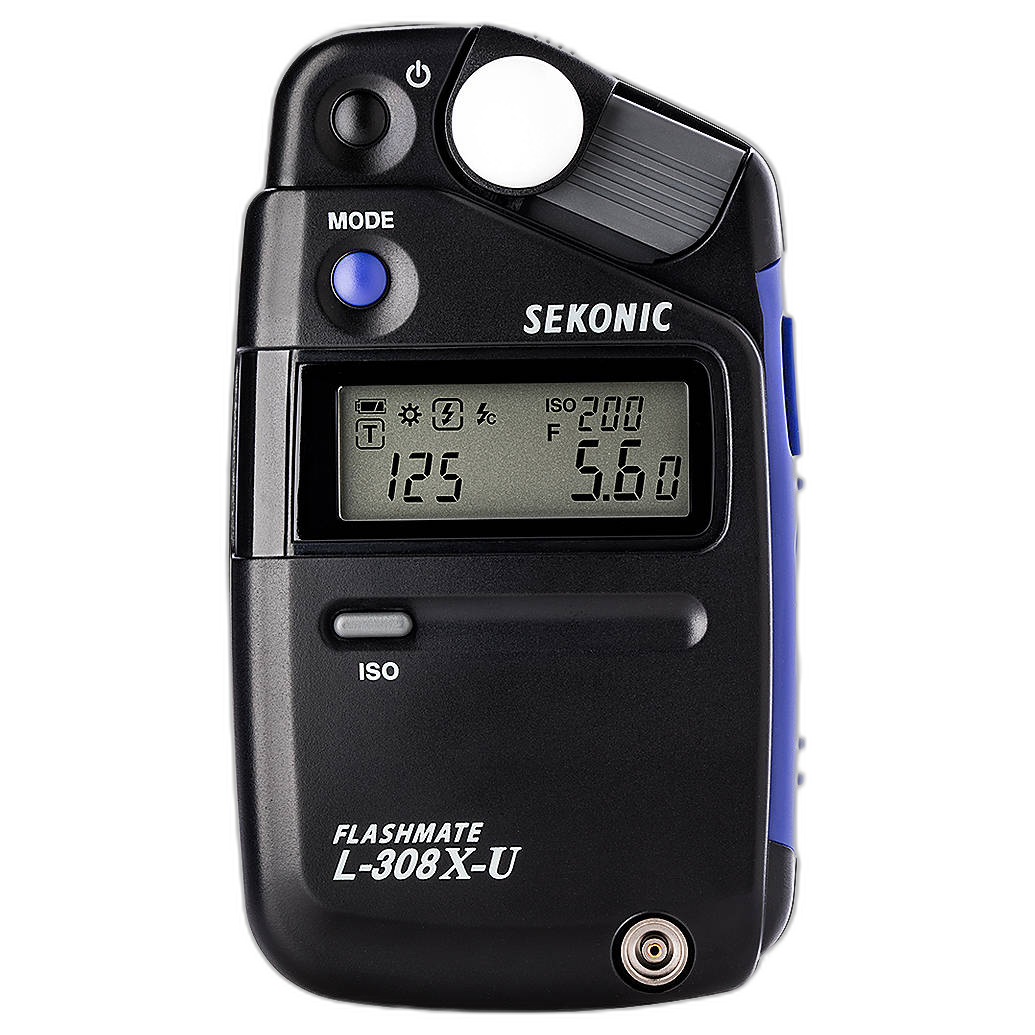
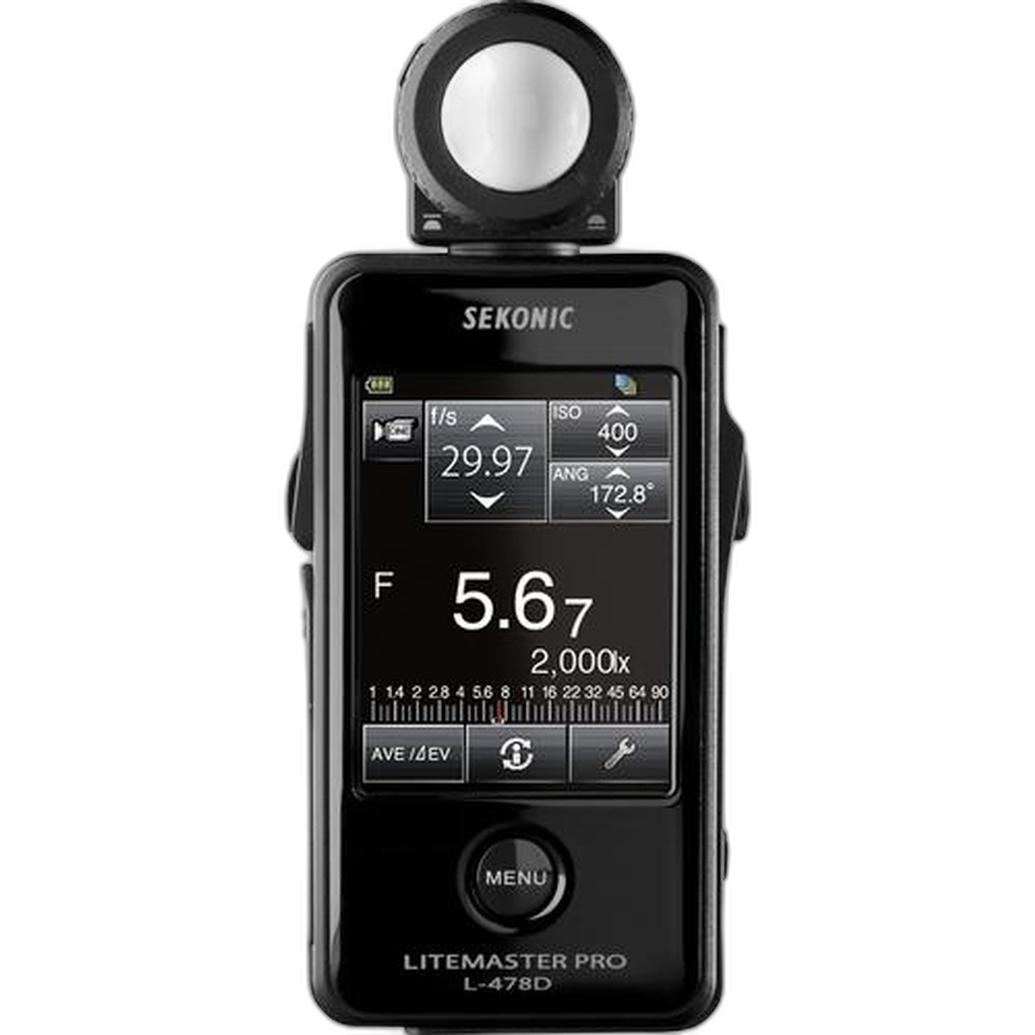
The Sekonic L-308X-U Flashmate is a strong compact alternative for photographers who want a simpler and more affordable handheld meter. The Sekonic L-478D LiteMaster Pro offers another capable modern option with a different interface approach. The Hensel Strobe Master Light Meter also serves photographers focused on lighting workflows. Still, the L-858D-U feels like the most complete choice in this group for serious film photographers who want top-tier flexibility for both ambient and flash use.
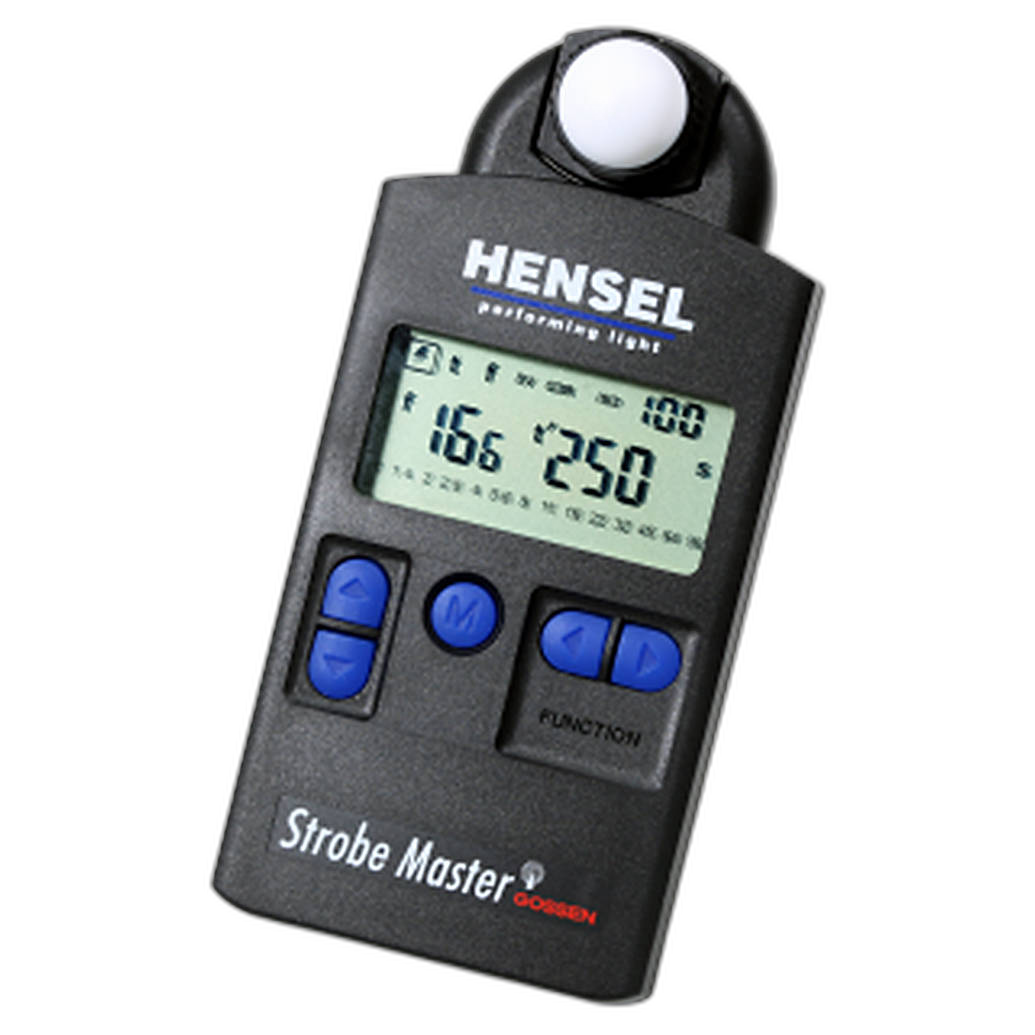
There is also a used Sekonic L-858D-U Speedmaster Light Meter available, which may be an excellent option for photographers who want this level of capability at a lower cost.
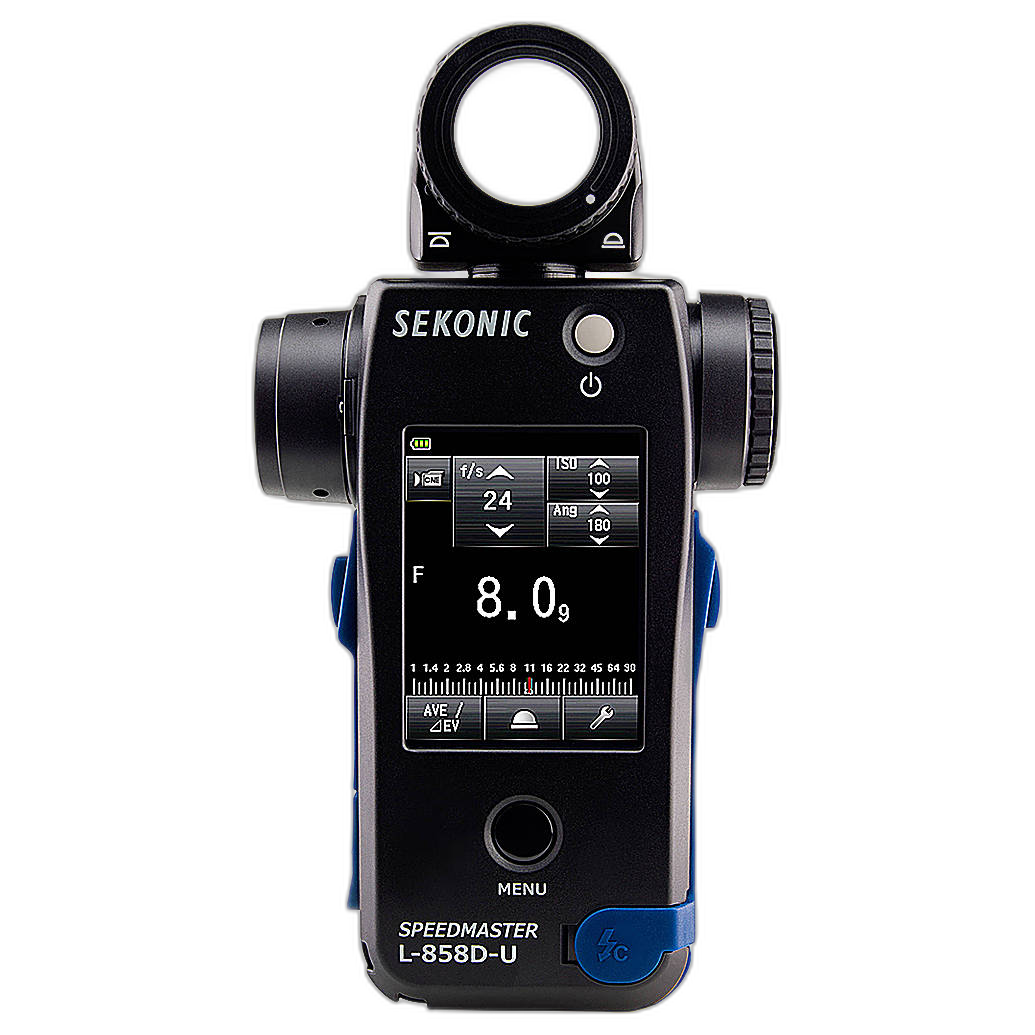
Pros and Cons
Pros
- Highly accurate metering for film and digital workflows
- Excellent for both ambient and flash exposure
- Ideal for checking and supplementing vintage camera meters
- Helps improve consistency with negative, black-and-white, and slide film
- Advanced feature set with room for long-term growth
Cons
- More meter than casual shooters may need
- Premium pricing compared to simpler handheld models
- Advanced functions may require some learning time
Verdict
If you are serious about improving exposure accuracy when shooting film, the Sekonic L-858D-U Speedmaster Light Meter is one of the strongest tools you can add to your kit. It brings modern precision to vintage workflows, helps eliminate uncertainty when using older cameras, and supports both natural light and flash with confidence. For photographers shooting anything from a Rollei 35S or Nikon F to a Bronica medium format setup, it is a practical investment in better negatives and more repeatable results.
For those ready to buy, Unique Photo is an excellent place to shop for the Sekonic L-858D-U, alternative light meters, and used film cameras that benefit from dependable handheld metering.