Tripods, Gimbals, or Both? Stabilization Solutions for Hybrid Shooters
Hybrid creators often need to switch between stills and video without slowing down, which makes stabilization one of the most important gear decisions you can make. If you shoot with a camera like the Sony A7 IV, cover events, or regularly work with heavier zoom lenses, the right support system can improve both image quality and efficiency on set.
At Unique Photo, we usually recommend thinking about stabilization as a toolkit rather than a single purchase. A gimbal, tripod, or support accessory each solves a different problem, and choosing the right combination depends on your camera setup, your shooting style, and how much mobility you need.
What’s the best gimbal for a Sony A7 IV with a heavy zoom lens?
For a Sony A7 IV paired with a heavier zoom, a full-size gimbal is usually the smartest choice. You want enough payload capacity, motor strength, and balancing flexibility to support the camera body, lens, and any extras like a shotgun mic, monitor, or wireless transmitter. A compact gimbal can work for lighter primes, but heavier zooms benefit from a more robust platform that reduces strain and makes balancing less frustrating.
The DJI RS 4 Gimbal Stabilizer is an excellent fit for hybrid shooters who need modern stabilization performance and room to grow into larger setups. It is especially appealing if you move between photo and video assignments and want a current-generation gimbal that can handle demanding rigs with confidence.
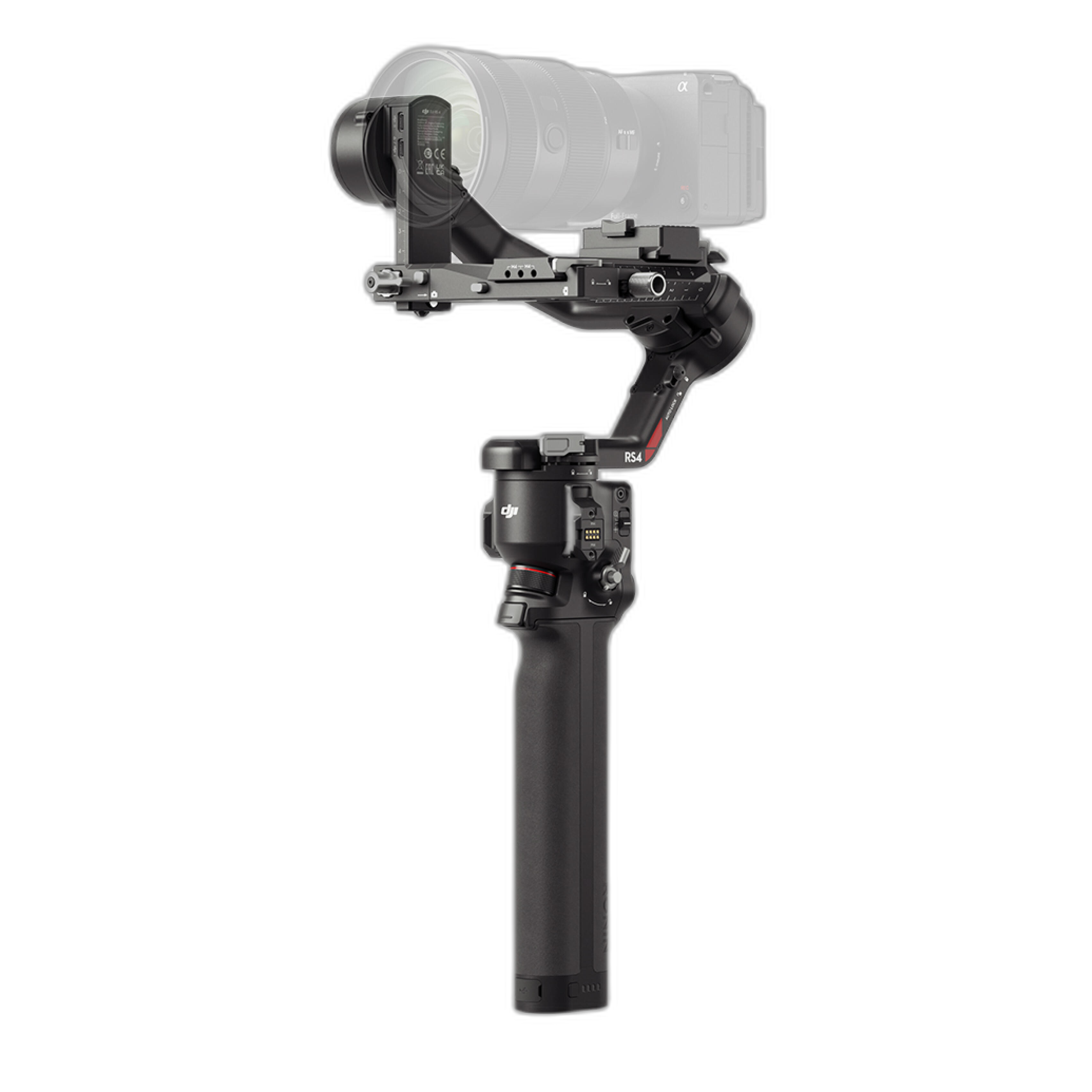
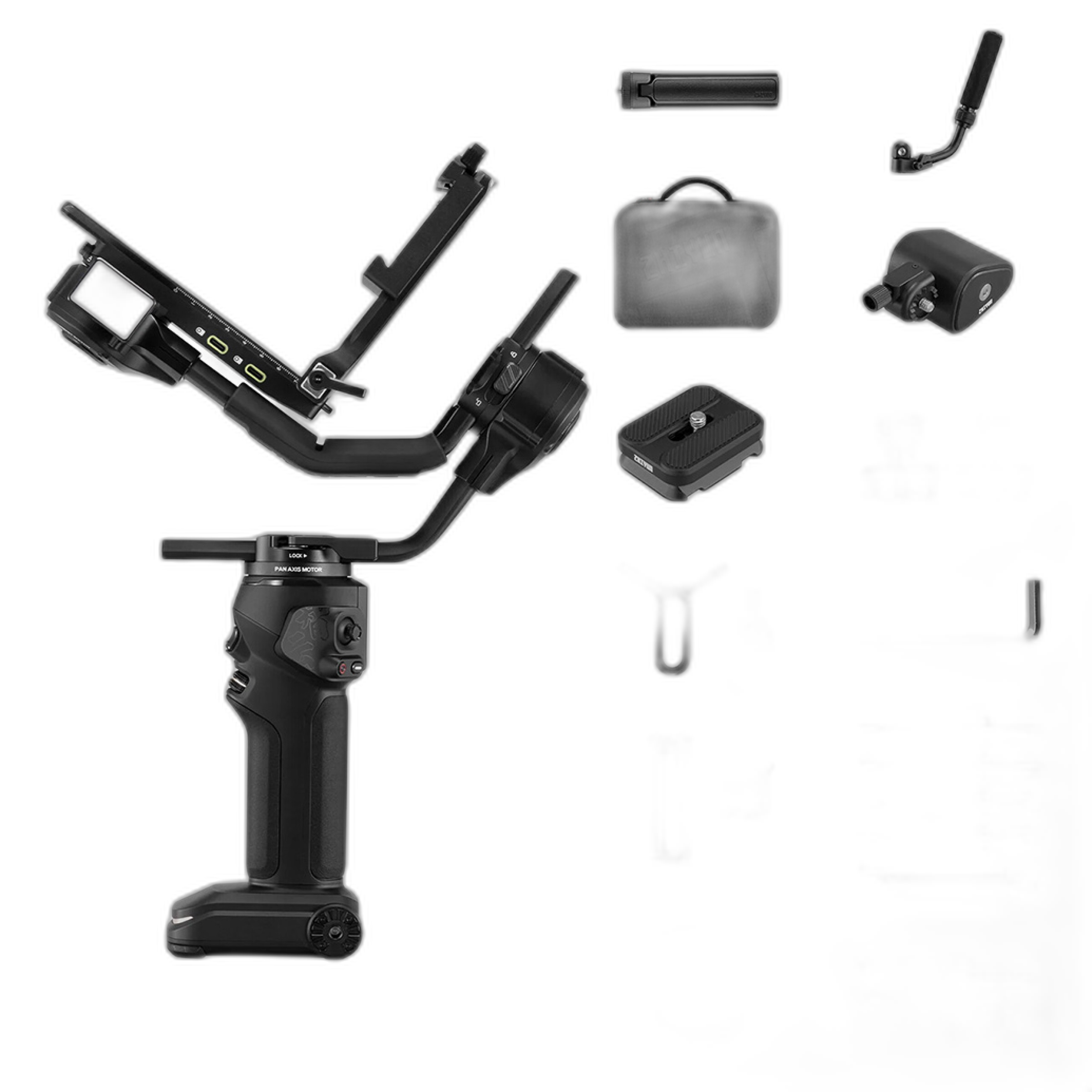
If you want another strong option for heavier camera builds, the Zhiyun CRANE 4 3-Axis Handheld Gimbal Stabilizer Combo Kit is also well suited to larger mirrorless rigs. It makes sense for shooters who prioritize ergonomic handling and plan to build out their rig over time.
Is it still worth investing in a quality tripod if my camera has in-body image stabilization?
Yes. In-body image stabilization helps reduce handheld shake, but it does not replace a tripod. IBIS is great for smoothing small movements during handheld shooting, especially for stills at moderate shutter speeds and for light walking shots in video. A tripod serves a completely different purpose: it gives you a locked-off frame, repeatable composition, and true stability for long exposures, interviews, product work, architectural images, time-lapses, and formal event coverage.
For hybrid shooters, a tripod remains essential because it provides consistency that camera stabilization alone cannot. If you shoot ceremonies, speeches, static B-roll, portraits, landscapes, or low-light scenes, a tripod is still one of the most valuable support tools in your kit. The practical takeaway is simple: IBIS improves handheld work, while a tripod gives you precision and reliability.
For event videography, should I prioritize a monopod, gimbal, or invest in both?
If you shoot events regularly, investing in both is often the most flexible solution. A gimbal is ideal for movement-driven footage such as entrances, venue walkthroughs, dance floor coverage, and cinematic establishing shots. A monopod-style support or locked support tool is better when you need fast repositioning with less fatigue during speeches, ceremonies, and extended coverage.
When budget forces a first choice, ask how you shoot most often. If your work emphasizes motion and highlight reels, start with a gimbal. If you spend more time covering long-form moments from a stable position, a monopod or tripod may deliver more day-to-day value. Many event shooters eventually carry multiple support options because no single tool does everything equally well.
How do I decide between a full-size gimbal and a more compact model?
The decision comes down to camera weight, lens size, and how often you need to carry the setup for long periods. Full-size gimbals are better for cameras like the Sony A7 IV when used with standard zooms, telephoto zooms, or accessories. They typically offer stronger motors and more comfortable balancing for real-world hybrid rigs. Compact gimbals are best for smaller cameras and lighter lenses where portability matters more than maximum payload.
For example, the Zhiyun CRANE M3S Handheld Gimbal Stabilizer Combo is attractive if your setup is lightweight and you want maximum portability. It is a better match for small-lens builds than for a heavy zoom configuration.
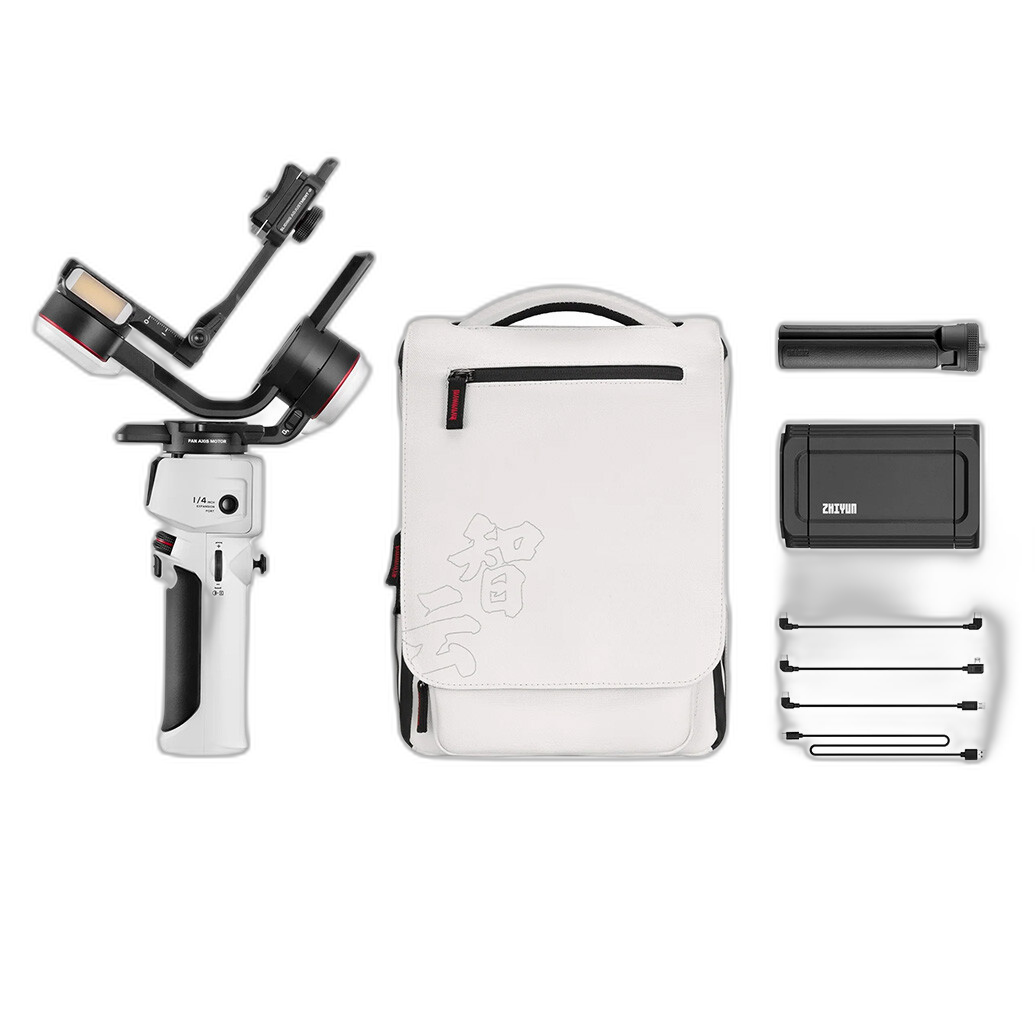
By contrast, the DJI RS 4 and Zhiyun CRANE 4 make more sense if your setup is built around versatility and heavier lens combinations.
Are used gimbals a smart buy for hybrid shooters?
Used gimbals can be a very smart way to get into professional stabilization while keeping costs under control. For many hybrid shooters, especially those building an event or freelance kit, a well-maintained used model offers strong value. The key is choosing a gimbal with enough capacity for your current setup and a little extra room for future lenses or accessories.
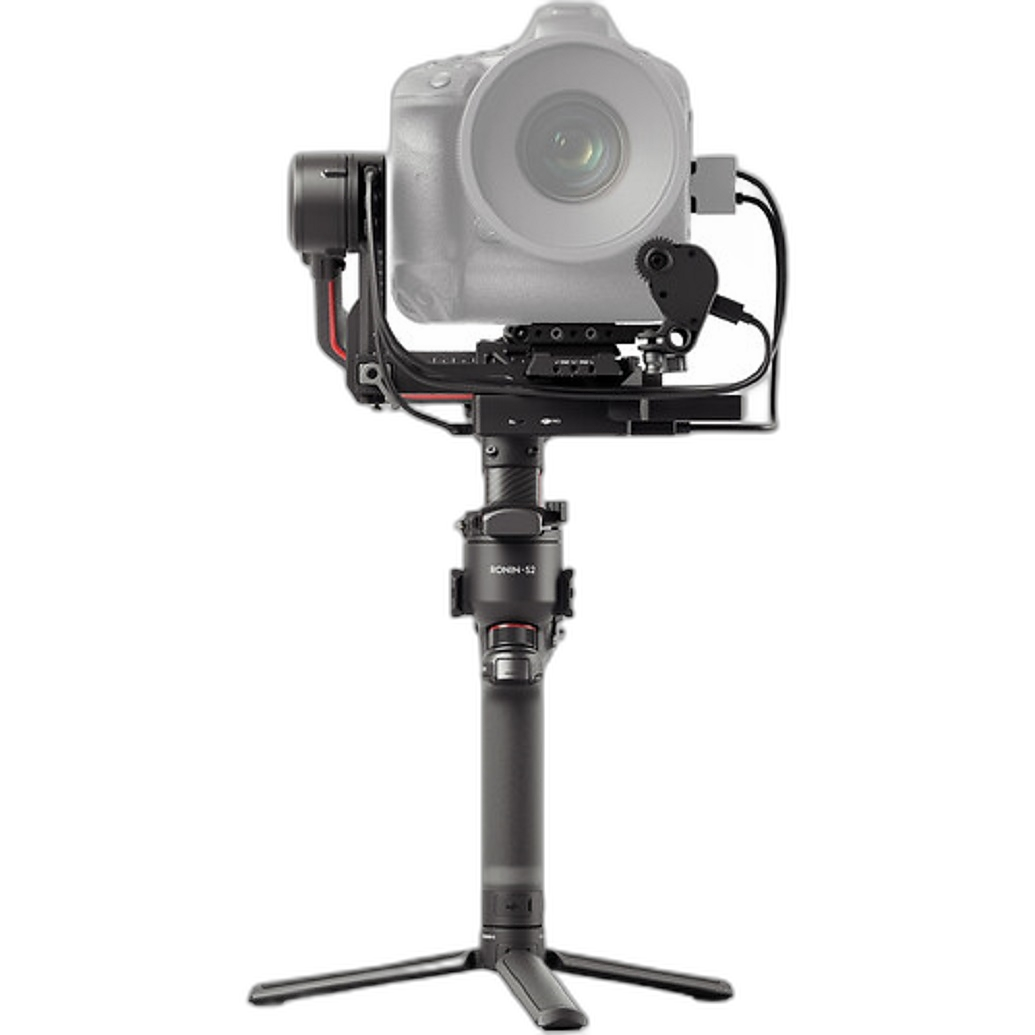
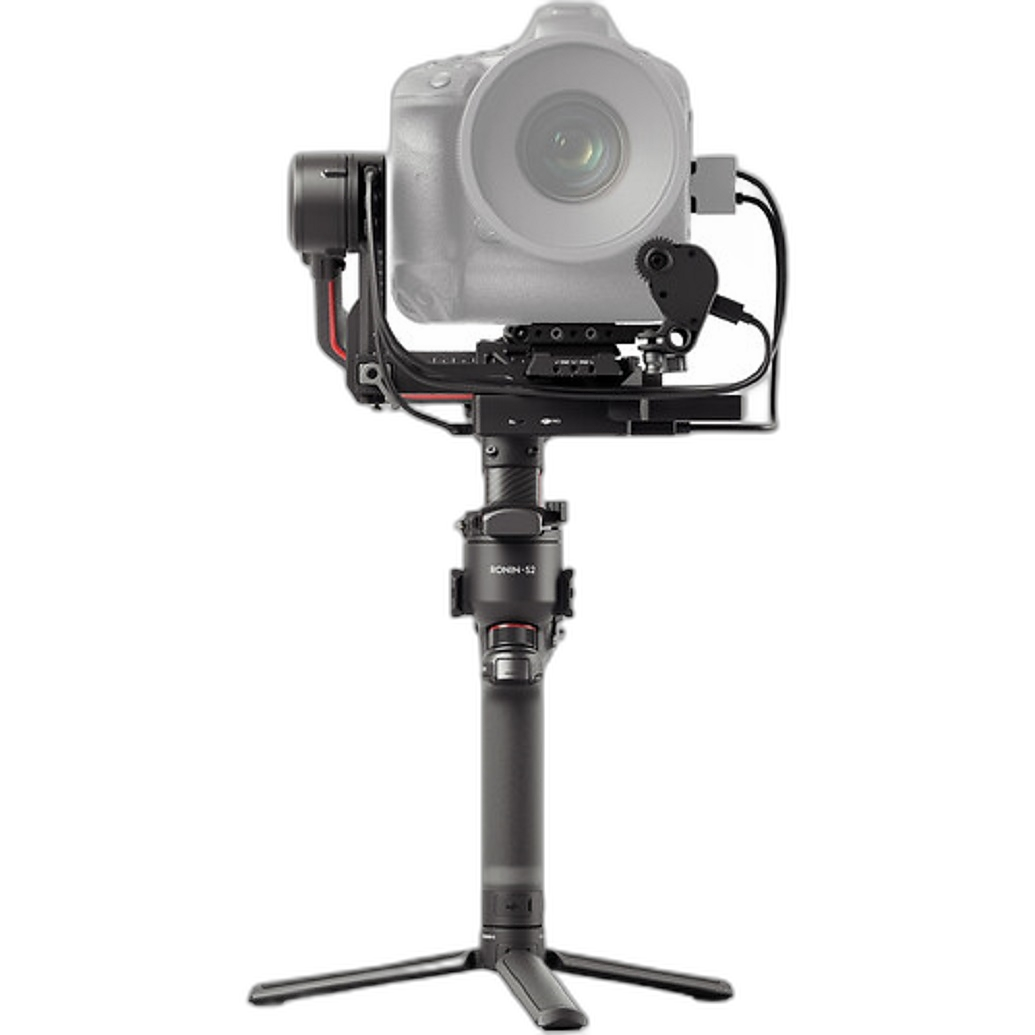
At Unique Photo, used options like the Used Excellent DJI RS 2 Gimbal Stabilizer Pro Combo can be especially appealing for creators who want advanced stabilization features without stepping all the way up to a brand-new model.
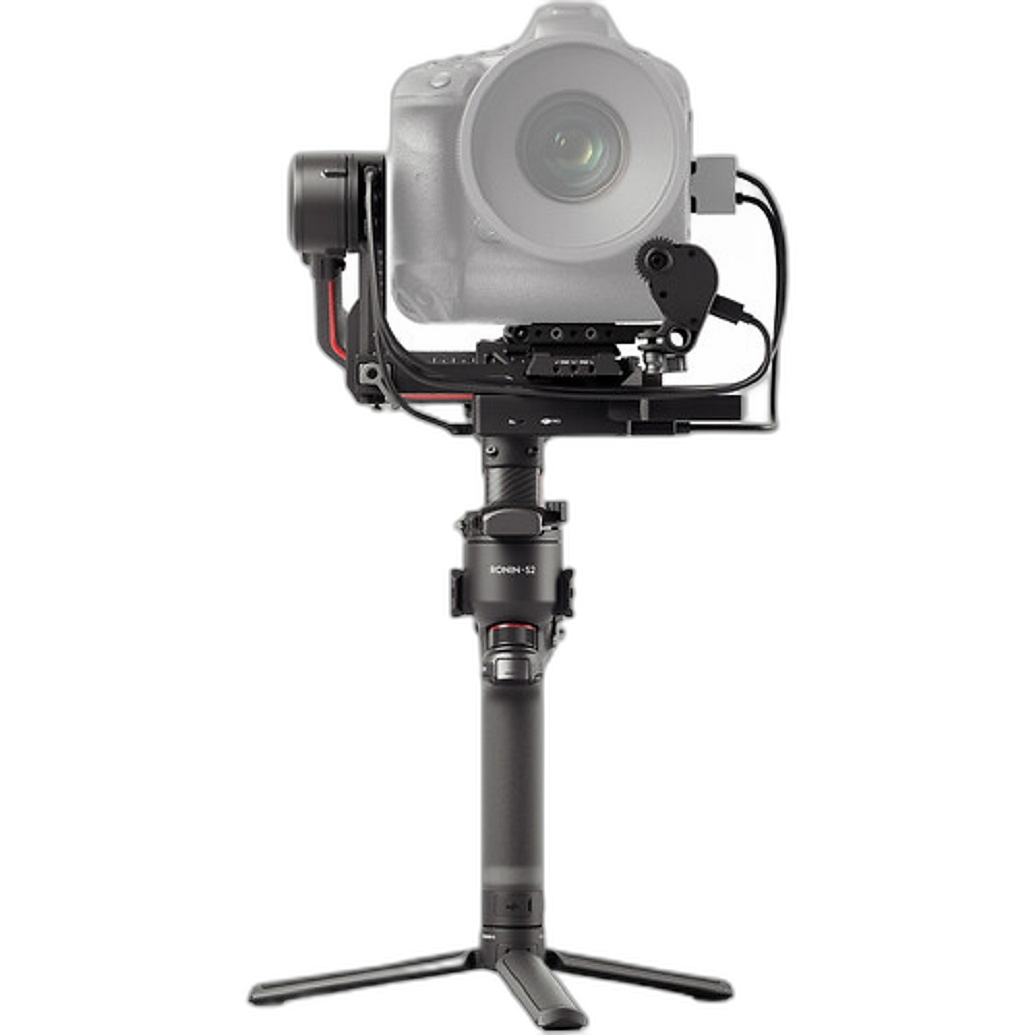
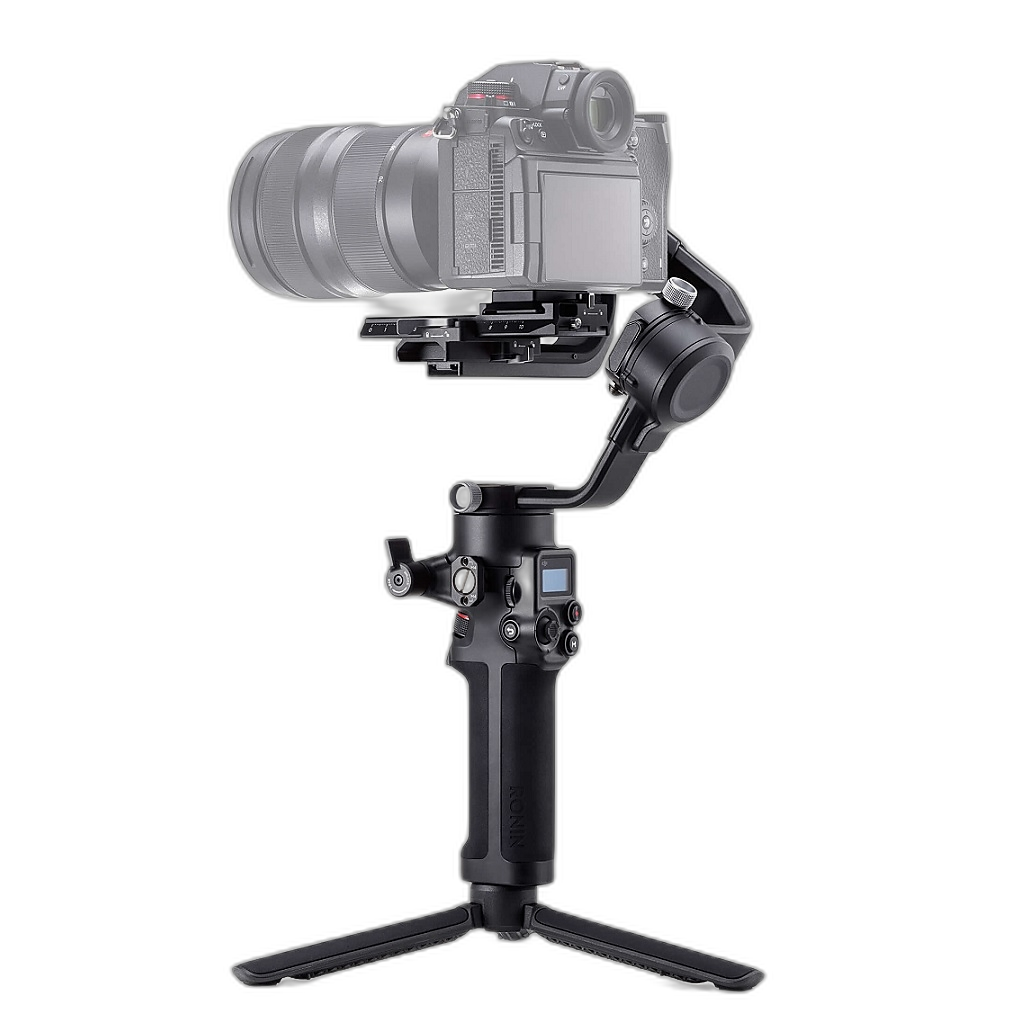
Budget-minded shooters may also want to consider options such as the Used Fair DJI RS 2 Gimbal Stabilizer Pro Combo, the Used DJI RS 2 Gimbal Stabilizer Pro Combo - Good, or the Used DJI RSC 2 Gimbal Stabilizer - Excellent. These can be excellent fits for creators who want proven stabilization performance at a more accessible price point.
What matters most when balancing a gimbal with a heavy zoom lens?
Balance is critical for performance, battery life, and motor health. With a heavy zoom, the most important factors are lens extension, accessory placement, and whether your shooting setup changes during the day. Zoom lenses can shift weight distribution depending on focal length, so many shooters balance at a commonly used focal length or the most demanding front-heavy position.
You should also account for every accessory before balancing, including cages, microphones, quick release plates, and monitor mounts. A stronger gimbal makes this process more forgiving, which is one reason full-size systems are often worth it for hybrid creators using versatile zoom lenses instead of compact primes.
How can I reduce fatigue during long shoots with a gimbal?
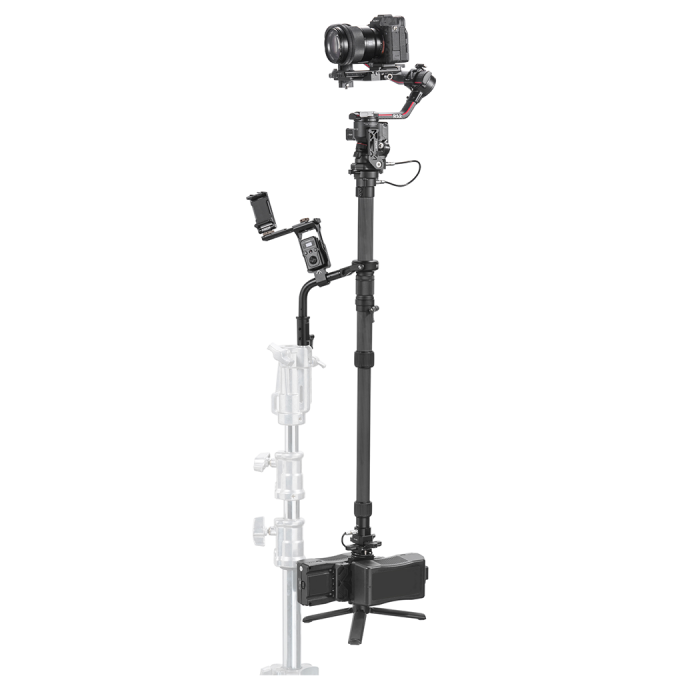
Even the best handheld gimbal becomes tiring during weddings, live events, and full-day productions. If you shoot extended moving sequences, adding a support system can dramatically improve endurance and shot consistency. This is especially useful when working with heavier combinations like a full-frame body and fast zoom lens.
The Tilta Float Handheld Gimbal Support System for DJI RS2/3 - Gold Mount is designed for shooters who need to keep a gimbal in action for longer periods with less physical strain. For demanding productions, accessories like this can make the difference between getting a few great clips and maintaining stable operation all day.
What’s the best stabilization strategy for a hybrid shooter who does both photo and video?
The best strategy is to match the tool to the job instead of expecting one support system to cover every scenario. For still photography, a tripod remains the most useful choice when you need precision, consistency, and low-light confidence. For video, a gimbal adds controlled movement and a more polished feel to your footage. For events and fast-paced assignments, combining a gimbal with a stable support option gives you the flexibility to move quickly without sacrificing reliability.
If your work includes portraits, events, commercial clips, interviews, and social media video, a strong first step is choosing a dependable full-size gimbal and pairing it with your existing support gear. That approach gives you immediate improvement in motion footage while preserving the value of a tripod for static shots and stills.
Whether you are upgrading your Sony A7 IV rig, comparing used gimbals, or deciding how to build a smarter event kit, Unique Photo can help you choose the right stabilization tools for the way you actually shoot. Explore our selection of DJI, Zhiyun, and support accessories to build a setup that works for both photography and video.