Local Photography Competition FAQ: How to Choose, Title, and Print Winning Entries
Entering a local photography competition can be one of the best ways to sharpen your editing, presentation, and storytelling skills. Whether you're submitting to a community art show, camera club contest, or regional fair, the strongest entries usually combine technical polish with a clear creative point of view.
At Unique Photo, we often help photographers prepare work for display and review, from image selection to presentation decisions. Below, we answer some of the most common questions about what judges notice, how to make your image stand out, and when professional output matters most.
What are judges usually looking for in small community photography contests?
In many local contests, judges are responding to a mix of technical quality, visual impact, and emotional clarity. A sharp, well-exposed image helps, but technical perfection alone rarely carries an entry. Judges also notice whether your subject is clear, whether the composition feels intentional, and whether the photograph gives the viewer a reason to stay with it for more than a second.
For community-level competitions, strong storytelling can be just as important as advanced technique. A simple portrait with meaningful expression or a clean landscape with excellent light may outperform a more complicated image that feels confusing or overprocessed. Before submitting, ask yourself: What is the subject? What is the mood? What do I want the judge to remember?
If you are building work specifically for competition, lens choice can influence how refined your final image looks. For example, the Fujifilm FUJINON GF 55mm f/1.7 R WR Lens is a strong option for portraits, environmental details, and shallow-depth-of-field images that isolate the subject elegantly.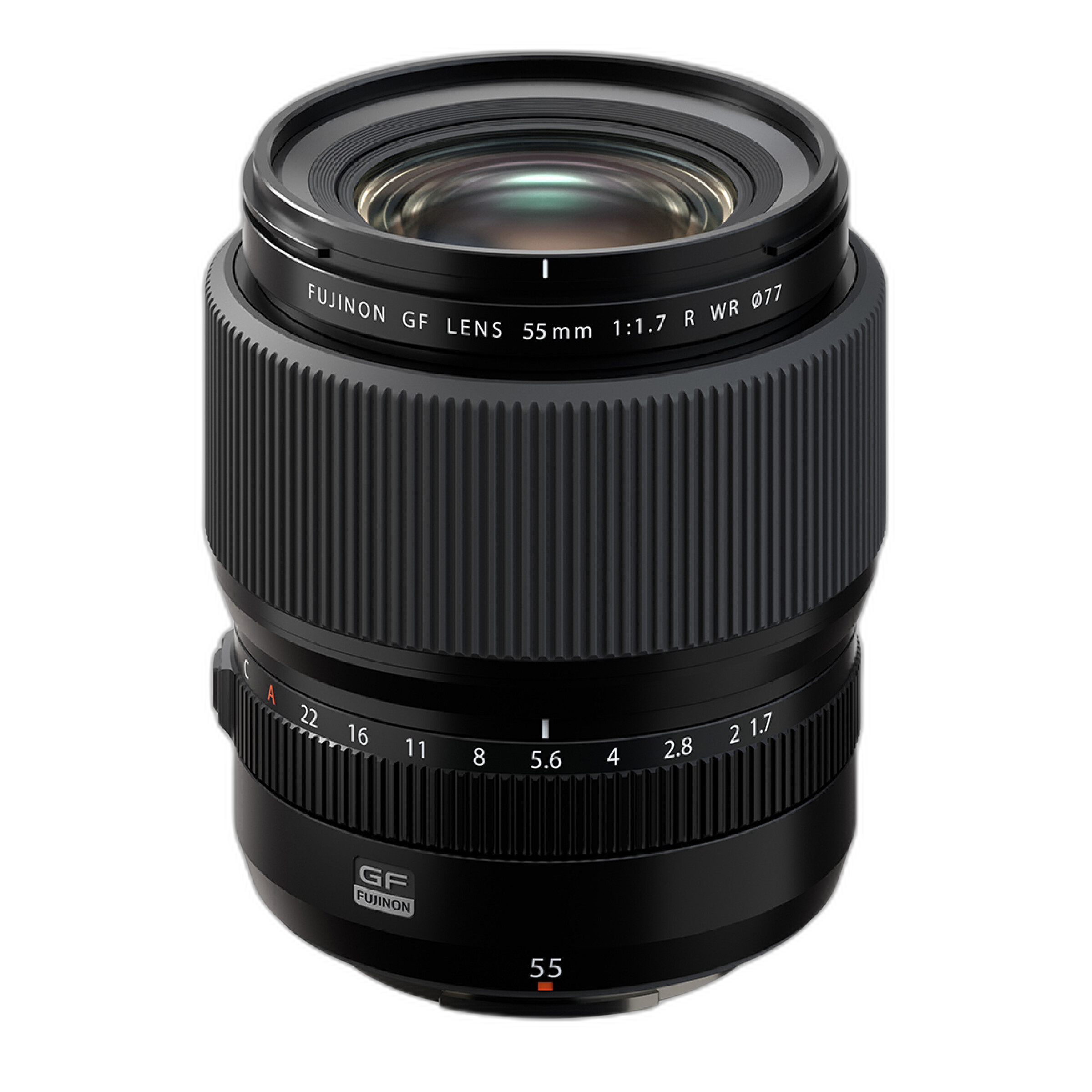
How do I choose the best photo to submit?
Start by narrowing your selection to images that are easy to read at a glance. In a judged setting, photographs are often viewed quickly at first, so strong structure matters. Look for a clear subject, controlled distractions, and lighting that supports the mood rather than competing with it.
It also helps to compare several candidate images side by side. When possible, view them on a properly arranged review setup so you can judge tonal transitions, edge distractions, and fine detail accurately. Accessories that improve your workspace, such as the Tether Tools Local Vu Monitor Bracket, can be useful when you want a cleaner monitor placement while reviewing and presenting files during your editing process.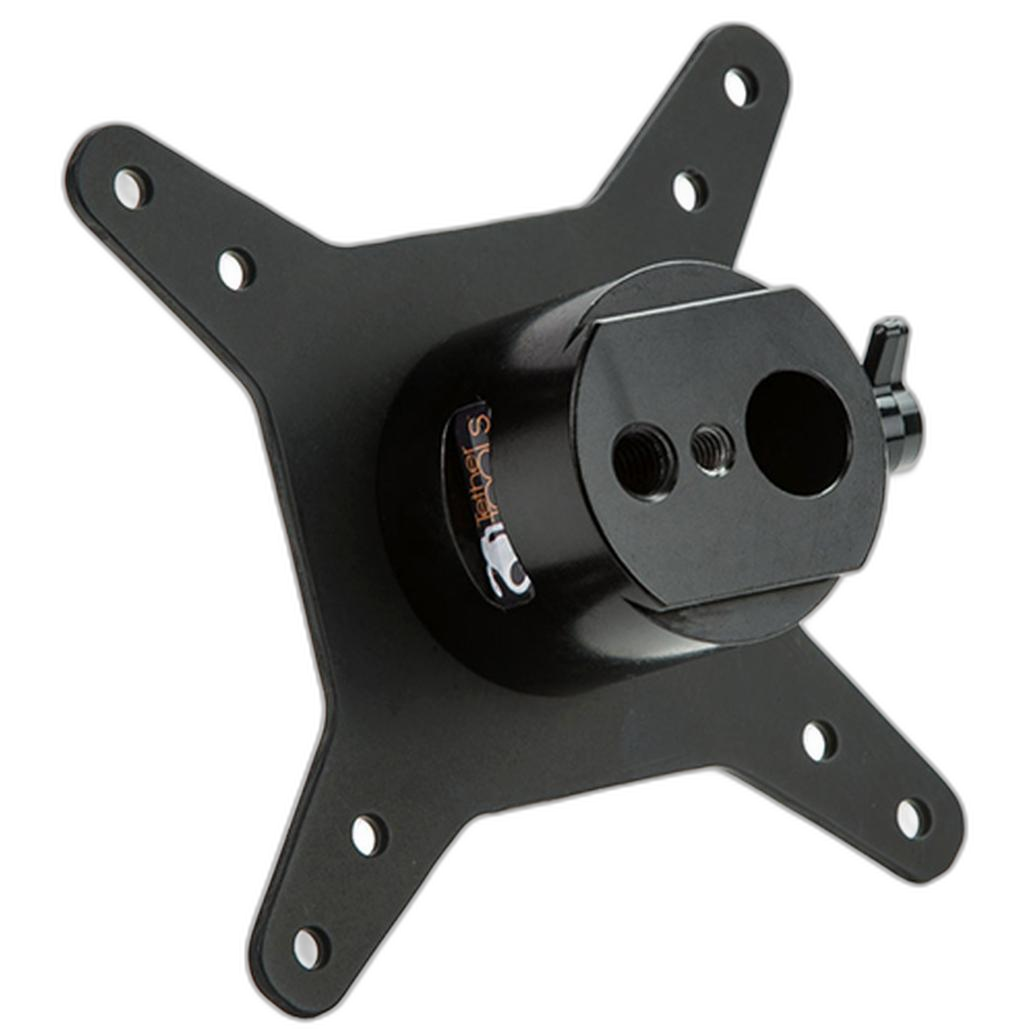
One more tip: choose the image that still feels strong after repeated viewing. If a photograph impresses you only because of a dramatic effect or novelty, it may not hold up under judging. Images with strong composition and authentic subject matter tend to last longer in the viewer's mind.
Is it better to submit a safe, classic image or something more unusual?
The best answer is usually: submit the image that is both distinctive and well executed. Classic compositions work because they are proven, readable, and often visually satisfying. But if your image feels generic, it may blend into the field. On the other hand, a highly unusual concept can be memorable, but only if the execution supports the idea.
Creative risk is worthwhile when it strengthens the photograph rather than distracting from it. A fresh viewpoint, unusual light, or a strong sense of place can help your work stand out without feeling forced. For architectural or fine-art work where perspective control matters, specialized tools like the Fujifilm FUJINON GF 30mm f/5.6 T/S Lens can help create polished images with a more intentional look.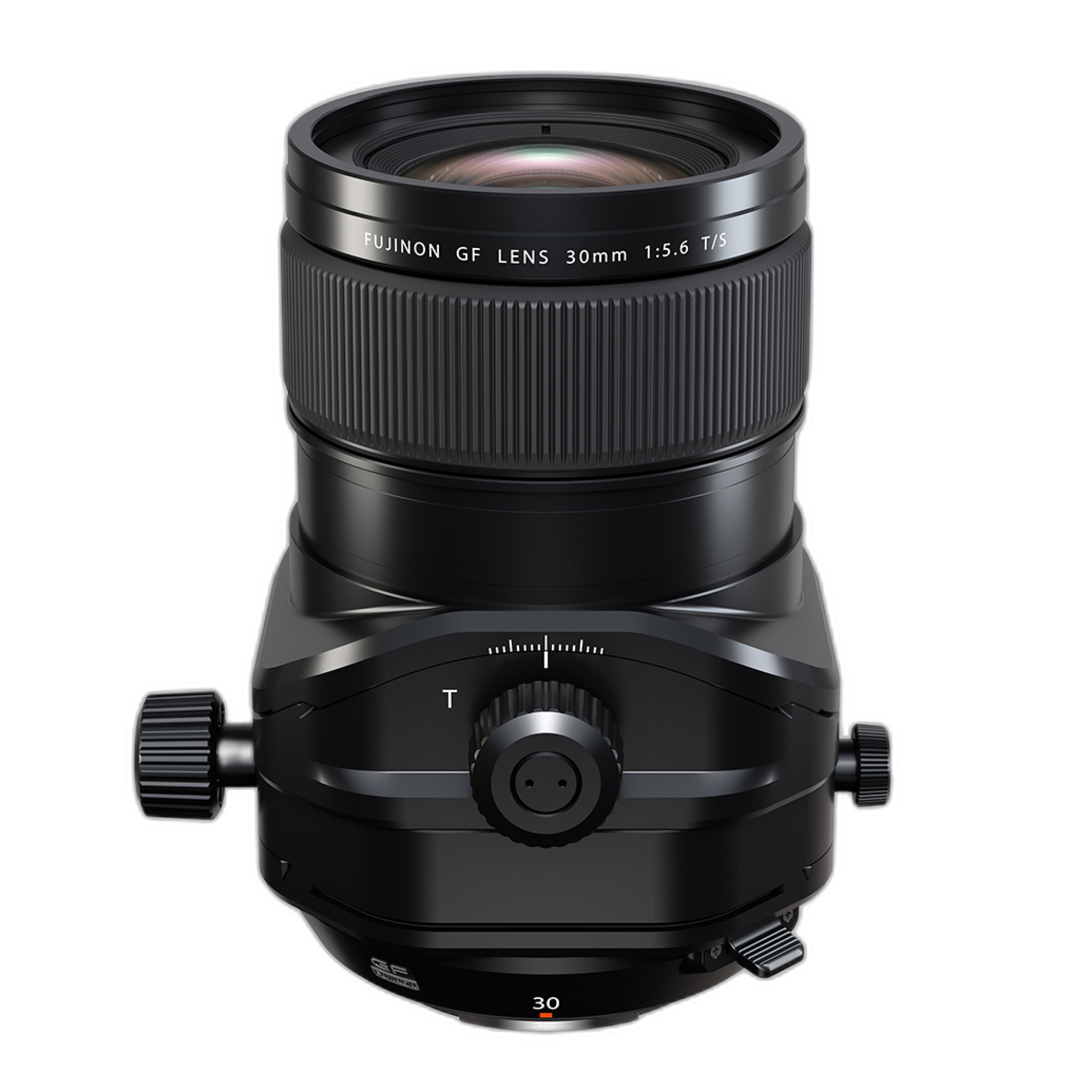
Likewise, close-up detail, product-style still life, or controlled perspective work can benefit from the Fujifilm FUJINON GF 110mm f/5.6 T/S Macro Lens, especially when precision and visual separation are central to the image idea.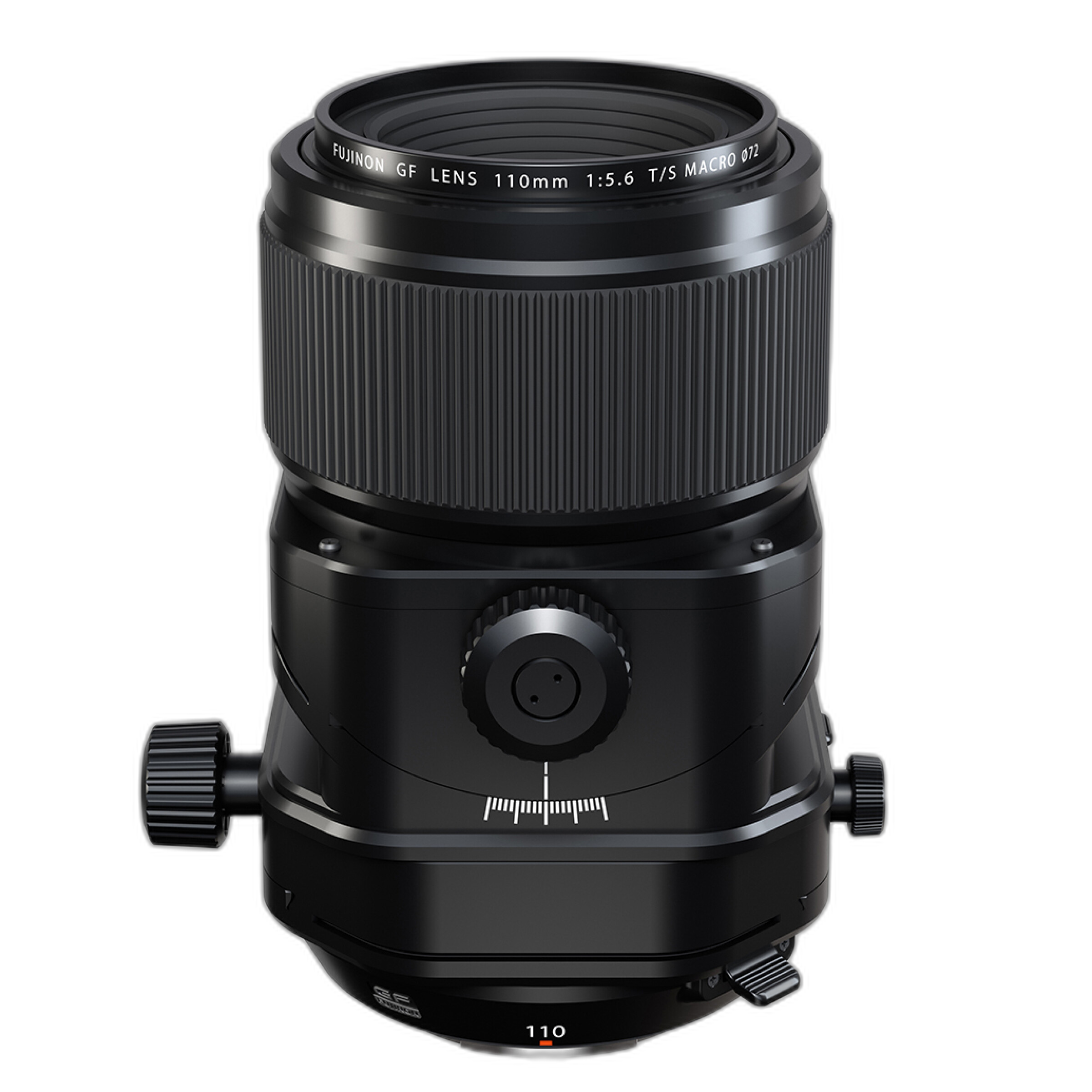
If you are deciding between a safe image and a bold one, ask which file feels most complete. Judges tend to reward confident photographs, not just unusual ones.
How important are titles and captions in a photo competition?
Titles matter more than many photographers expect. A good title can guide interpretation, reinforce mood, and make a strong image more memorable. A weak title can feel generic, overly literal, or overly clever in a way that distracts from the photograph itself.
In general, aim for titles that add meaning without explaining everything. If the image already shows a red barn in winter, calling it Red Barn in Winter may be accurate but not especially memorable. A stronger title might suggest atmosphere, place, or tension without overdescribing the scene.
If the contest allows captions, keep them short and relevant. Provide context only when it genuinely enhances the viewer's understanding. Avoid writing a paragraph to rescue a weak image. The photograph should still do most of the work.
Should I edit specifically for judges, or stay true to my own style?
You should absolutely know your audience, but you should not strip away your photographic identity just to chase approval. Local competitions often reward images that feel approachable and finished, so it makes sense to refine your presentation. That said, consistency of style can become one of your strengths over time.
The smartest approach is to edit with restraint. Make sure color, contrast, and sharpening support the image rather than announcing themselves. Heavy-handed adjustments can reduce credibility, especially in genres where realism matters. A judge may not know your workflow, but they will notice when an image feels overworked.
If competition success is part of your broader photography business or growth strategy, educational resources can help you think more intentionally about presenting your work professionally. A title like Best Business Practices for Photographers by John Harrington can be helpful for photographers who want to approach submissions, client-facing work, and career planning more strategically.
Should I print my entries myself or use a professional lab?
If the competition requires prints, professional lab output is often the safer choice, especially for important entries. A high-quality lab can provide better consistency in color, density, paper handling, and finishing. That matters because judges often respond not just to the image, but to the print as an object. Uneven trimming, color casts, weak blacks, or surface damage can all undermine a strong photograph.
Printing at home can still work well if you have a color-managed workflow, a dependable printer, and enough experience testing papers. In fact, home printing can be excellent for iterative proofing before placing a final order. But if you are unsure whether your print matches your screen, professional output usually reduces risk.
Whichever route you choose, test before the deadline. View the print in lighting similar to the competition venue if possible, and pay close attention to shadow detail, skin tones, and highlight retention.
Does presentation really affect judging that much?
Yes. Presentation will not save a weak image, but it can absolutely influence how a strong one is perceived. Clean borders, proper mounting, accurate color, and a print size that suits the subject all help communicate seriousness and craftsmanship.
A small, intimate image can benefit from modest sizing that invites closer viewing, while a sweeping landscape may need more space to breathe. Avoid sizing that exposes technical flaws or makes the image feel physically lost on the display surface. If rules allow matting or mounting choices, keep them simple and professional unless the contest specifically encourages experimental presentation.
Your digital presentation matters too. If entries are submitted online, export files exactly to the contest specifications. Incorrect sizing, poor compression choices, or mismatched color spaces can hurt the impact of your work before judging even begins.
What kind of gear helps create competition-worthy images?
Competition-worthy photographs are made by photographers, not by gear alone, but quality tools can expand your options. A lens like the Fujifilm FUJINON GF 55mm f/1.7 R WR Lens offers excellent subject isolation and rendering for portraits and editorial-style entries, while the used excellent version can be a smart value for photographers building a serious kit on a budget.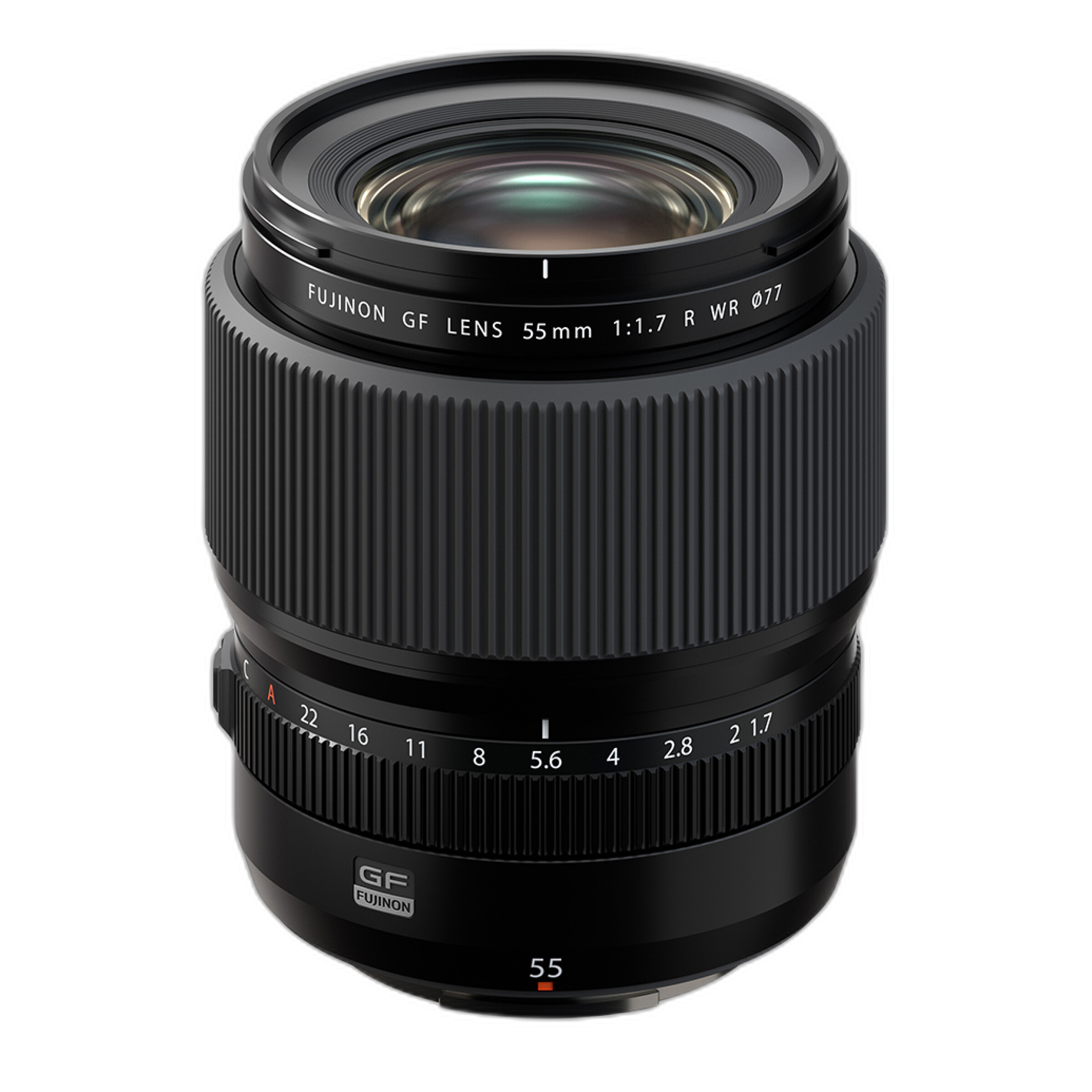
For photographers exploring dramatic perspective or architecture, the Fujifilm GF tilt-shift lenses mentioned above offer advanced control that can elevate technical precision. And for those working on careful image review and tethered workflows, monitor support accessories can make your editing environment more efficient and consistent.
The most important gear decision, though, is choosing tools that suit the type of images you want to make repeatedly and well.
How can I improve my chances over time if I do not win right away?
Treat every contest as feedback, even when you do not receive comments from judges. Look at the winning work and identify patterns in subject choice, print quality, emotional tone, and composition. Then compare those qualities honestly to your own submissions.
Build a small shortlist of your strongest images throughout the year rather than scrambling just before a deadline. Revisit them after some time away, and ask trusted peers for critique. Many photographers improve their results simply by becoming more selective. Enter fewer images, but enter stronger ones.
Most of all, keep making work. Success in local competitions often comes from a combination of consistency, presentation, and better editing decisions over time.
Ready to refine your next contest entry? Unique Photo offers carefully selected lenses, accessories, and photography resources to help you create, review, and present your best work with confidence.