Photography Contest FAQ: Copyright, Releases, and Entry Risks Explained
Entering a photo contest can be exciting, but it is also one of the easiest ways photographers accidentally agree to terms they do not fully understand. At Unique Photo, we always recommend reading contest rules as carefully as you would evaluate a camera body, lens, or lighting setup before an important shoot.
Below, we answer the most common questions about copyright, model releases, online contest risks, and how to protect your images before you submit them.
Do I give up my copyright when I submit to a photo contest?
Not always, but sometimes photographers grant far more rights than they realize. In many contests, you technically keep copyright ownership while giving the organizer a broad license to use, reproduce, edit, publish, or even sublicense your image. That can still be a major issue if the license is perpetual, worldwide, royalty-free, and unrestricted.
A fair contest usually asks for limited rights only to promote the contest, announce winners, or display entries in a related gallery. A problematic contest may claim the right to use every submitted image for marketing or commercial purposes whether you win or not. Before entering, look for language about exclusivity, perpetual usage, sublicensing, commercial use, and whether compensation is offered.
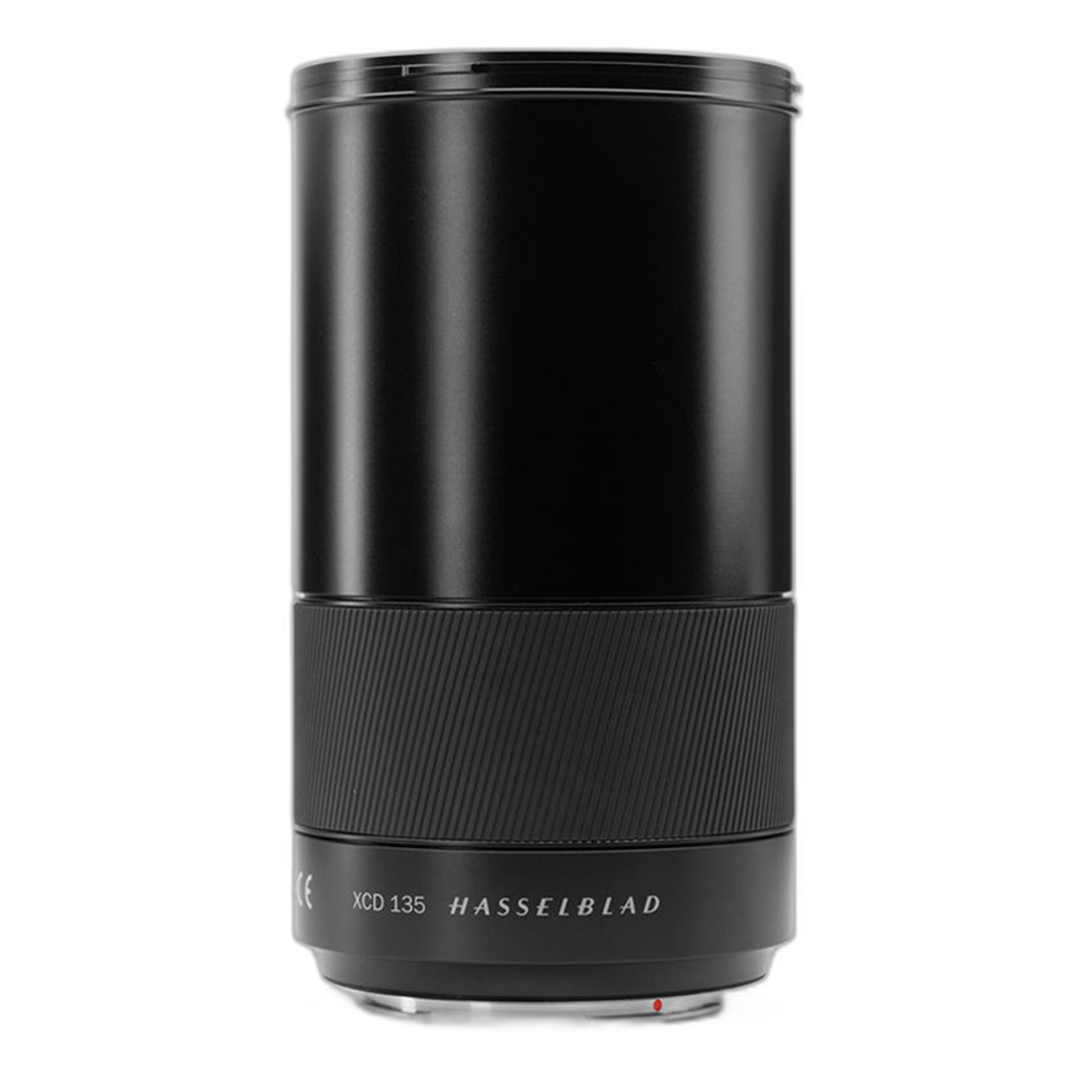
If the rules are unclear, assume you need to be cautious. Strong, carefully crafted images made with premium optics can have lasting commercial value, so it is worth protecting them. For example, a standout portrait or compressed landscape created with a lens like the Hasselblad XCD 135mm f/2.8 Lens with 1.7x Teleconverter may be exactly the kind of work you do not want tied up in overly broad licensing terms.
What contest terms should I read most carefully?
The most important sections are usually buried in the official rules. Focus on copyright ownership, license scope, usage duration, territory, editing rights, compensation, exclusivity, and dispute resolution. If a contest says it can use your photo in any media now known or later developed, that is a very broad grant. If it says your image may be used for advertising, sponsor promotion, or partner campaigns, that is another red flag.
You should also check whether entering means you confirm that you have all required permissions from recognizable people, private property owners, or trademark holders. Many contests place all legal responsibility on the photographer. That means even if the organizer publishes the work, you may still be the one dealing with a claim later.
A good habit is to save a PDF or screenshot of the rules at the time you enter. Terms can change, and having a record helps if questions come up later.
Can I submit a photo with recognizable people if I do not have a model release?
It depends on how the image will be used and what the contest rules require. Editorial-style contests may sometimes accept images without a model release, especially if the scene was captured in a public setting and is being judged as documentary or artistic work. But if the contest reserves the right to use entries in advertising, promotional campaigns, or sponsor marketing, a model release is often essential.
Even if local law does not always require a release for capture itself, contest entry terms may still require one as a condition of submission. If a person is clearly identifiable, the safest approach is to get written permission before entering. That is especially true for portraits, lifestyle images, family sessions, and commercial-looking photographs.
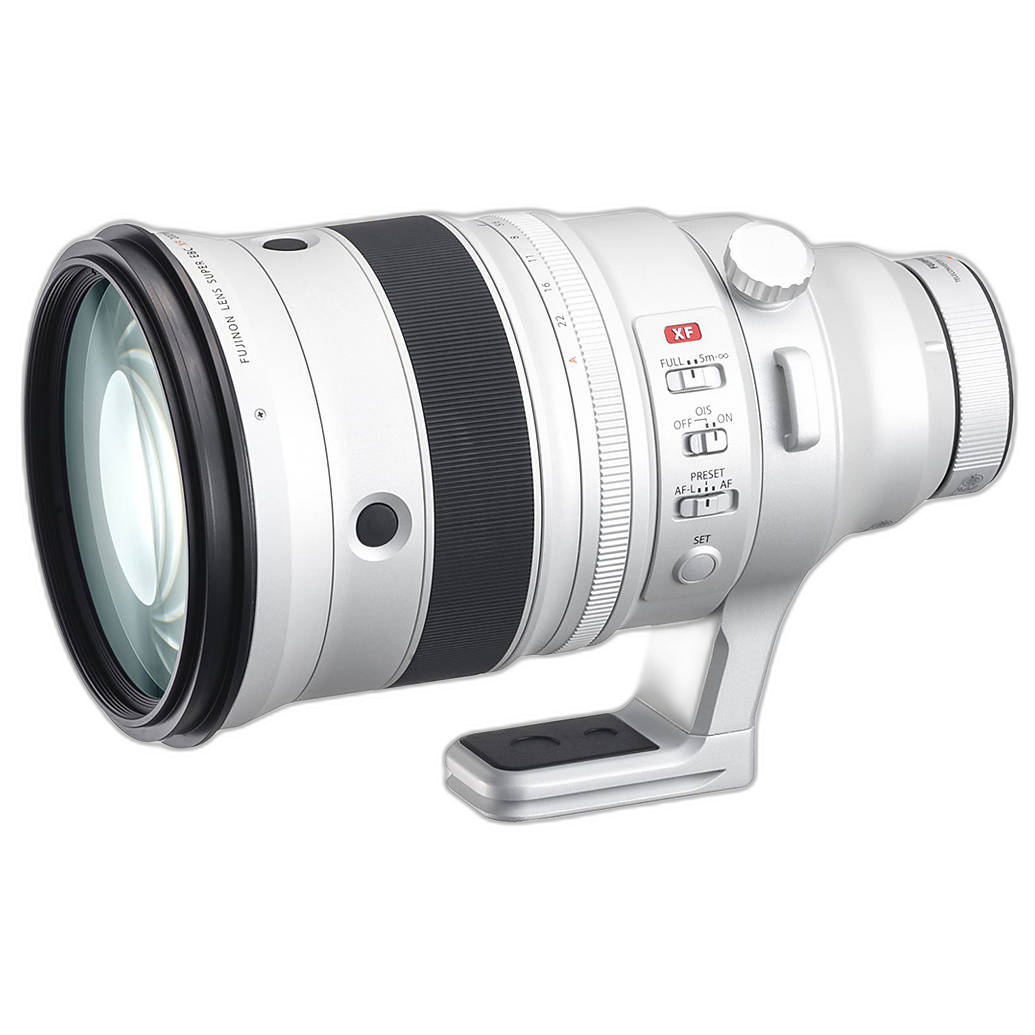
Long lenses often create beautiful, isolated portraits and candid moments, but they can also make people especially identifiable. If you are shooting sports, performances, or tight portrait work with the Fujifilm FUJINON XF 200mm f/2 R LM OIS WR Lens with XF1.4x Teleconverter, make sure your paperwork is as strong as your images when a contest asks for releases.
What are the biggest risks of entering online photography contests?
The biggest risks are rights grabs, unauthorized reuse, vague judging standards, and poor data security. Some online contests are designed more to collect content than to reward photographers. Others may use broad legal language that gives them long-term marketing assets at little or no cost.
There is also the risk of image scraping. Once files are uploaded and publicly displayed, they may be copied, reposted, or circulated beyond the original contest platform. In some cases, low-resolution uploads reduce risk, but they do not eliminate it. Watermarking can help deter casual theft, though heavy watermarks may affect judging depending on the contest rules.
Another overlooked concern is brand association. By entering, you may be permitting your work to appear next to sponsors, endorsements, or messaging you would not otherwise choose. That matters if you license your work commercially or are building a consistent professional brand.
Has work ever been used without permission after a contest entry?
Yes, that can happen, although the details vary. Sometimes the use is technically allowed by contest terms the photographer did not notice. In other cases, the image is copied outside the contest process by third parties who find it online. The key point is that a contest submission can expand where your image appears and who sees it, increasing the chance of unwanted reuse.
This is why we recommend keeping organized records: original capture files, metadata, registration details where applicable, screenshots of contest terms, and proof of authorship. If a dispute arises, documentation matters. It is also smart to upload only the file size required by the contest and retain your full-resolution master offline.
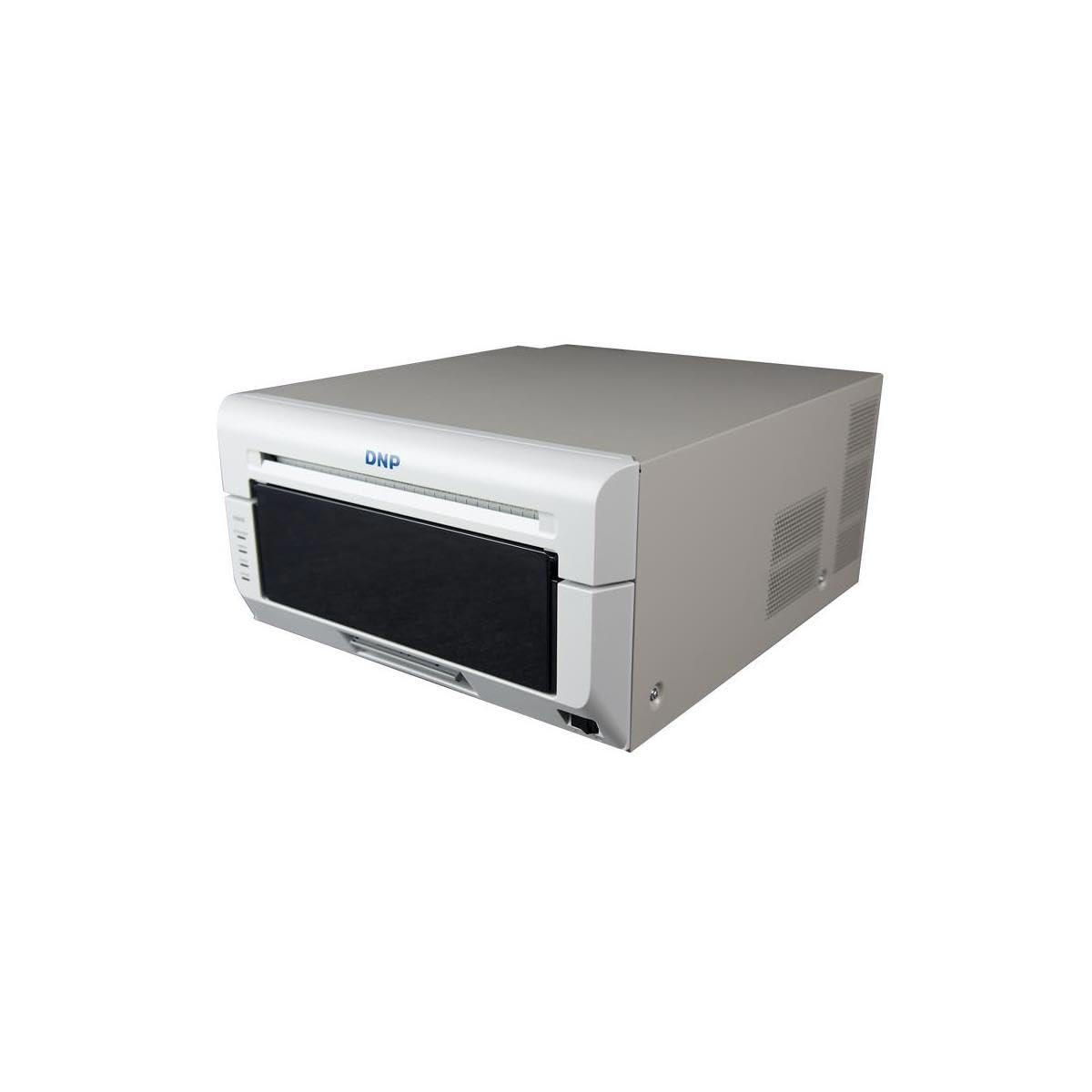
For photographers who want a physical archive or a professional-quality print record of submission-ready images, a dedicated printer can be useful as part of a broader workflow. The DNP DS820A Professional Photo Dye Sublimation Printer is a strong option for producing polished prints for juried submissions, studio records, or portfolio review copies.
Should I watermark my contest entries?
Watermarking is a judgment call. A visible watermark may discourage casual copying, but many contests prohibit it because it can interfere with anonymous judging or the visual presentation of the image. If a contest allows watermarks, use them sparingly and place them in a way that does not dominate the composition.
If watermarks are not allowed, other protective steps still help. Export only the required resolution, keep your metadata intact when possible, register important images where appropriate, and avoid submitting your highest-value commercial files to contests with overly broad usage terms. The more valuable and distinctive the image, the more carefully you should evaluate whether the exposure is worth the rights you may be granting.
How can I protect myself before submitting to a contest?
Start with a checklist. Read the rules line by line, confirm who owns copyright after entry, verify exactly what license you are granting, and check whether the organizer can use non-winning images. Then review whether you need model releases, property releases, or permissions for artwork, logos, or private locations visible in the frame.
Next, prepare your files thoughtfully. Keep layered edits and RAW originals, export only what is required, and maintain clear naming conventions. If your image was created as part of a larger project, ask whether the contest could interfere with later gallery, editorial, or client licensing opportunities.
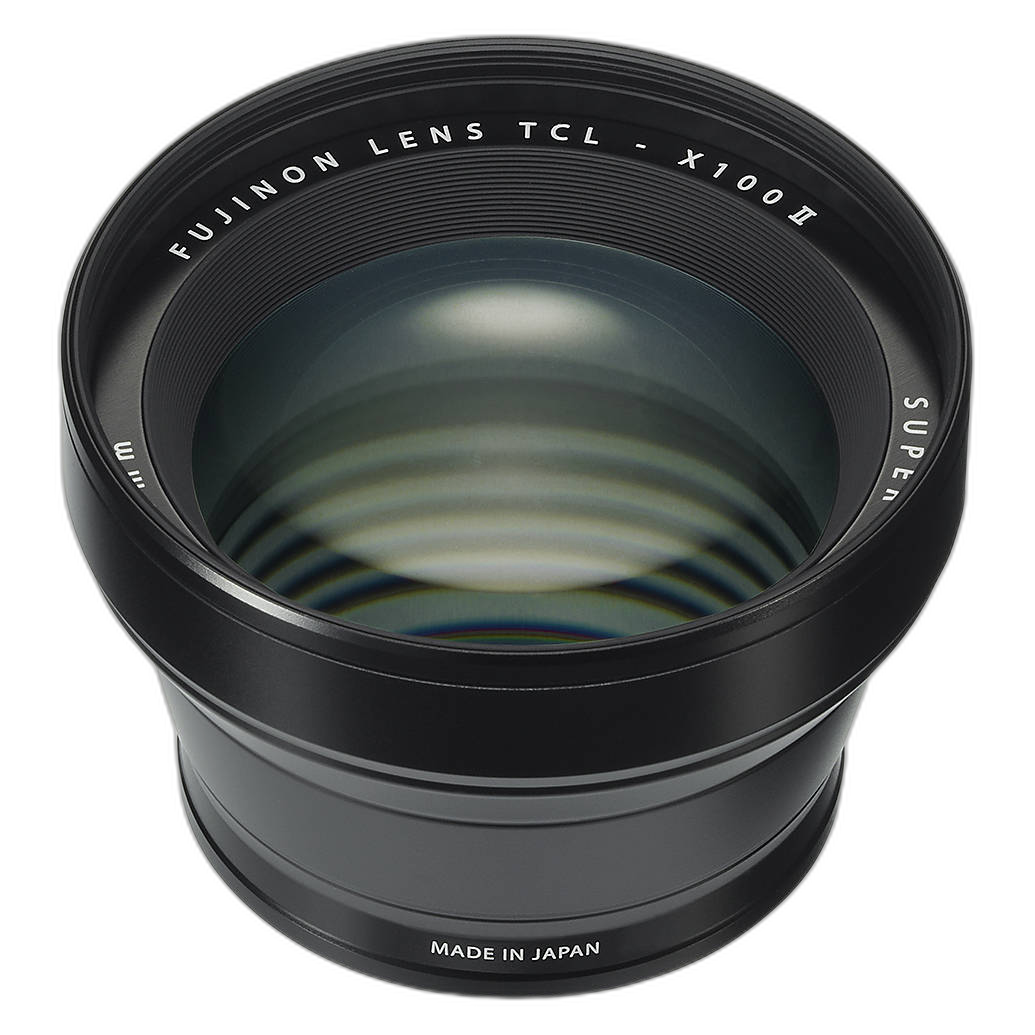
It also helps to think ahead at the capture stage. For instance, if you are building contest work around street portraits or travel scenes with a compact setup such as the Fujifilm TCL-X100 II Tele Conversion Lens for X100-series cameras, decide in advance whether those images are intended for editorial presentation or broader commercial use. That affects how important releases may become later.
Are there any signs that a contest is trustworthy?
Yes. Reputable contests clearly explain eligibility, judging, deadlines, prizes, and image usage. Their terms are written in plain language, and the usage rights are narrow and directly related to running and promoting the contest. They do not claim ownership of all entries, and they typically limit promotional usage to credited displays connected to the event.
Trustworthy contests also identify the organizer, list contact information, and avoid exaggerated promises. If the prizes seem vague, the rules are difficult to find, or the sponsor wants sweeping rights to every image submitted, it is worth moving on. There are many strong opportunities available, so you do not need to accept bad terms just for exposure.
What if I want to enter contests and still preserve future licensing value?
The best strategy is selective entry. Submit images that fit the contest well, but avoid giving away broad rights to the photographs you may want to license later for editorial, commercial, fine art, or brand work. When possible, look for contests that use winning images only for contest-related promotion and that do not demand unrestricted commercial usage from all entrants.
You can also maintain value by controlling distribution. Use lower-resolution files, keep detailed records, and make sure the image is not encumbered by unclear permissions. If the image depends on a recognizable subject, a branded location, or a sensitive private setting, evaluate whether future licensing would require documents you do not currently have.
Contest participation should support your photography career, not complicate it. The strongest approach is combining creative ambition with careful rights management from the start.
Have questions about building a professional workflow for contest-ready images, prints, or portfolio development? Unique Photo is here to help with expert advice and gear from trusted brands, whether you are refining your submission process or shopping for lenses, accessories, and printing tools to support your next project.