National Geographic Photo Contest Tips: FAQ for Stronger Entries
Major photo contests attract thousands of technically polished images, so success usually comes down to more than sharpness alone. If you are preparing work for a National Geographic-style competition, the goal is to combine storytelling, authenticity, timing, and presentation into a submission that feels memorable from the first glance.
At Unique Photo, we encourage photographers to think like editors as well as image-makers. The strongest contest entries often show a clear point of view, careful craft, and subject matter that reveals something meaningful about wildlife, people, culture, landscape, or the natural world.
What kinds of subjects tend to perform well in National Geographic-style contests?
Images that do well in prestigious editorial-style competitions usually go beyond simple beauty. Judges often respond to photographs that reveal behavior, emotion, place, scale, or a story unfolding in a single frame. Wildlife interactions, environmental portraits, cultural moments, conservation themes, remote landscapes, and scenes with a strong human connection all tend to resonate when they feel honest and distinctive.
That does not mean you need an exotic destination to compete. A compelling local story, rare weather event, unusual animal behavior, or intimate portrait of everyday life can be just as powerful if the image feels personal and well observed. Rather than chasing a generic “epic” look, focus on making a subject specific, layered, and visually clear.
How can I make my contest submission stand out from the crowd?
The fastest way to stand out is to show judges something they have not seen presented in the same way. This can come from timing, access, perspective, light, or narrative clarity. Ask yourself what makes your image yours: is it the split-second gesture, a strong foreground-to-background relationship, a surprising use of negative space, or a visual detail that deepens the story?
It also helps to edit ruthlessly before you submit. Contest judges review large volumes of work quickly, so your image should read immediately at thumbnail size and still reward a longer look. Simplify clutter, refine your crop carefully, and make sure the subject is unmistakable. If your scene benefits from extra reach for wildlife or distant details, a tool like the Fujifilm GF 1.4X TC WR Teleconverter can help GFX shooters frame tighter without changing the overall handling of a favorite lens.
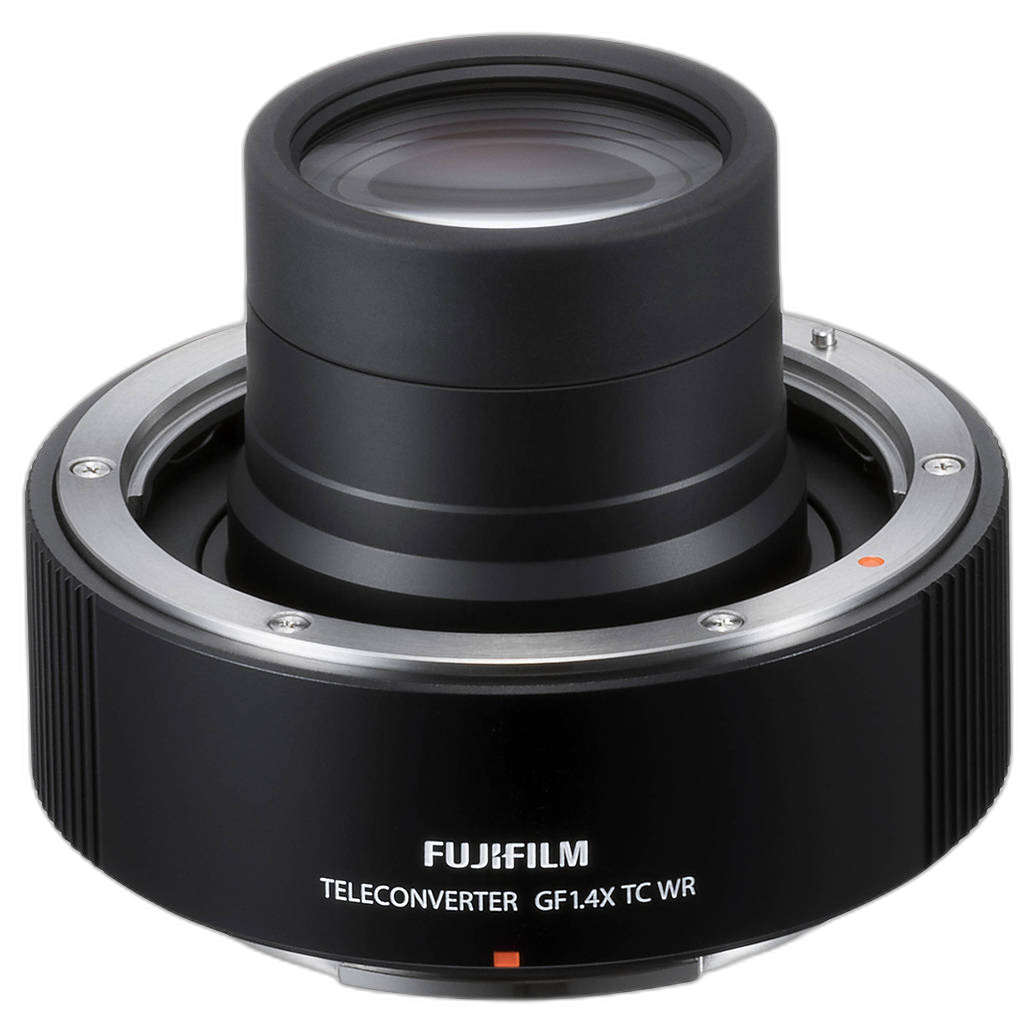
For photographers working in controlled, deliberate setups such as environmental details or compressed landscape storytelling, a longer focal length can also help isolate your subject and create a more graphic composition. That kind of intentional framing is often what separates a good image from a contest-worthy one.
Do judges prefer dramatic images or subtle storytelling?
Both can succeed, but only when they feel purposeful. A dramatic image may win attention instantly through action, weather, scale, or color contrast. A subtle image may draw viewers in through mood, restraint, and quiet detail. What matters most is whether the photograph communicates clearly and leaves a lasting impression.
In many top-tier contests, subtle storytelling can actually have an advantage because it feels more original and less dependent on obvious visual tricks. A quiet frame with impeccable composition and emotional depth may outlast a flashy image that lacks substance. If your photo depends on atmosphere, make sure your processing supports that mood without becoming heavy-handed.
What are the most common mistakes to avoid when entering?
One of the biggest mistakes is submitting an image that is technically strong but emotionally empty. Sharp feathers, perfect sunsets, and symmetrical travel scenes are common; what matters is whether the frame says something more. Another frequent problem is overediting. Excessive HDR, unnatural saturation, harsh clarity, and obvious sky replacement can make a photo feel less credible, especially in contests inspired by documentary and editorial traditions.
Other mistakes include poor cropping, distracting borders or watermarks, visible sensor dust, weak captions, and ignoring contest rules. Some photographers also submit their personal favorite image instead of the image that best fits the competition's style and judging criteria. Before entering, review your file at 100%, read the rules carefully, and ask whether every element in the frame supports the story.
How much post-processing is appropriate for this type of competition?
In general, thoughtful post-processing is expected, but it should strengthen the photograph rather than call attention to itself. Basic adjustments like exposure correction, contrast control, color balancing, dodging and burning, sharpening, and moderate cleanup are standard. The aim is to present the scene at its strongest while preserving believability.
For National Geographic-style judging, authenticity matters. If your edits alter the factual content of the image, combine elements that were not originally together, or push color and texture to the point of looking artificial, you may weaken your chances or even violate contest rules. Always check the specific competition guidelines. As a safe rule, edit with a light touch and ask whether your processing serves the story or competes with it.
Does gear matter when entering a major photo contest?
Great gear does not win contests by itself, but the right equipment can help you capture moments with more precision and intention. Reach, subject isolation, and image quality all matter when the scene is difficult to access or happens quickly. If you shoot Fujifilm GFX, the Fujifilm GF 1.4X TC WR Teleconverter is a practical option when you need more framing flexibility for distant wildlife, layered landscapes, or compressed storytelling without carrying another large lens.
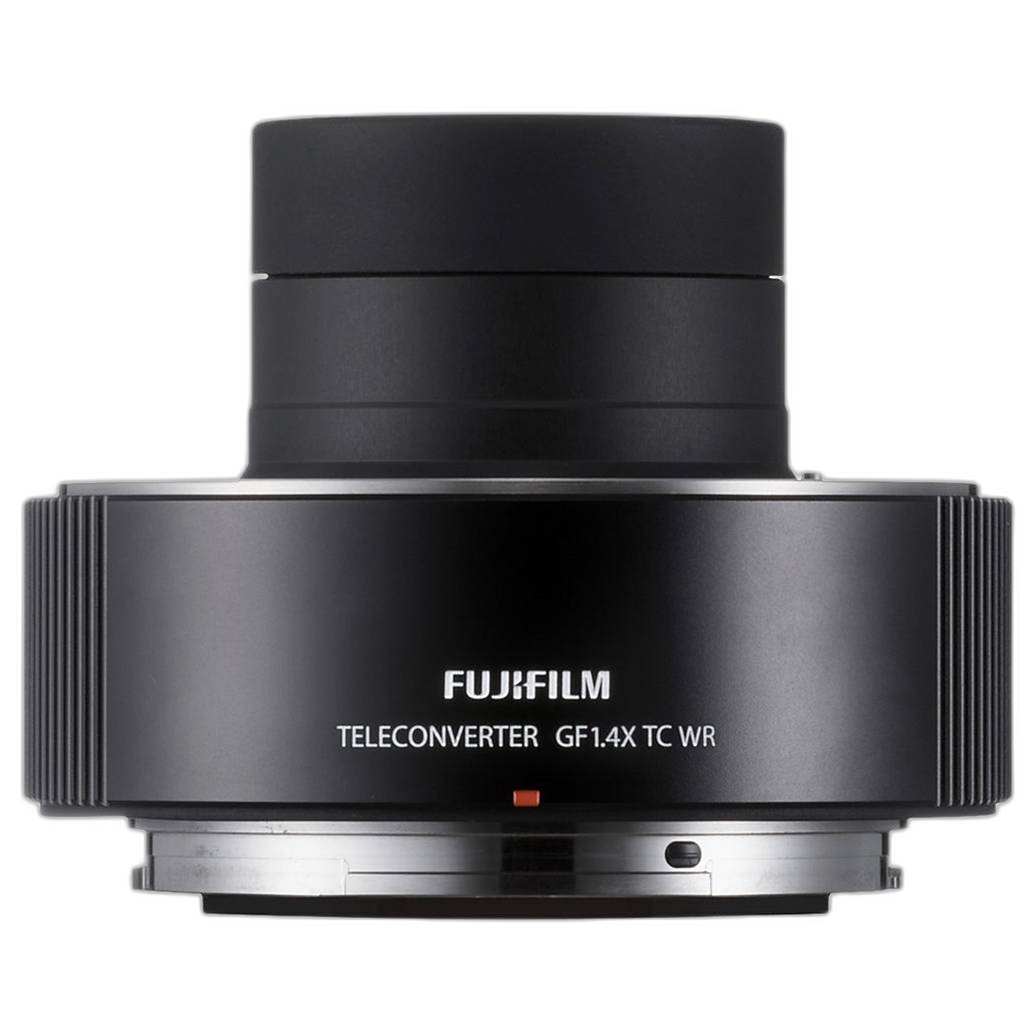
For photographers creating highly controlled visual narratives, especially hybrid shooters who also produce motion work, a long telephoto cinema lens can be useful for selective framing and elegant background compression. The Irix Cine Lens 150mm T3.0 line is available in multiple mounts, including Sony E, Canon EF, Nikon Z, L-mount, Fuji X, MFT, and Canon RF. While cinema lenses are not the usual first recommendation for still-photo contests, they can be valuable for creators who work across both video and still storytelling and want a consistent long-lens look.
Should I submit my most technically perfect image or my strongest story?
Ideally you want both, but if you have to lean one way, choose the stronger story. Contest images need a baseline level of technical quality, of course, but judges often remember photographs because of meaning, not perfection. A frame with a little grit, motion, or imperfection can still perform extremely well if those qualities contribute to the feeling of the moment.
That said, technical weaknesses should look intentional, not accidental. Motion blur should support action. Shallow depth of field should guide attention. High ISO noise should not distract from the subject. The best contest entries often feel effortless because every technical choice reinforces the message of the image.
How important are captions, titles, and submission details?
They matter more than many photographers realize. A strong image may lose impact if the caption is vague, confusing, or missing key context. In editorial-minded contests, a clear caption can help judges understand why a moment is significant, where it took place, and what they are seeing. Keep the writing concise, factual, and specific.
Your title should support the image rather than explain it too heavily. Avoid clichés and overblown language. If the contest requests a story statement, treat it like an extension of your visual editing process: direct, relevant, and honest. Accuracy is especially important for travel, wildlife, and documentary work.
How should I choose my final image from several strong options?
Start by comparing your best images at small size first. Which one grabs attention immediately? Then review them larger and ask which one keeps revealing more over time. The strongest contest image usually combines instant impact with lasting depth. It should have a clean visual entry point, emotional or narrative pull, and a composition that holds together under scrutiny.
It can also help to show a small shortlist to a trusted editor, instructor, or experienced photographer who understands contest judging. Ask them not which image they like personally, but which one feels most publishable, memorable, and appropriate for the competition. That shift in thinking often leads to a smarter final submission.
What is the best strategy for preparing a winning entry?
Think in stages: capture with intention, edit for clarity, process with restraint, and submit with precision. Research the contest categories, study past winners for themes rather than imitation, and choose work that balances visual excellence with genuine storytelling. If a longer focal length will improve your framing in the field, consider adding tools that support that approach, such as the Fujifilm GF 1.4X TC WR Teleconverter for GFX users.
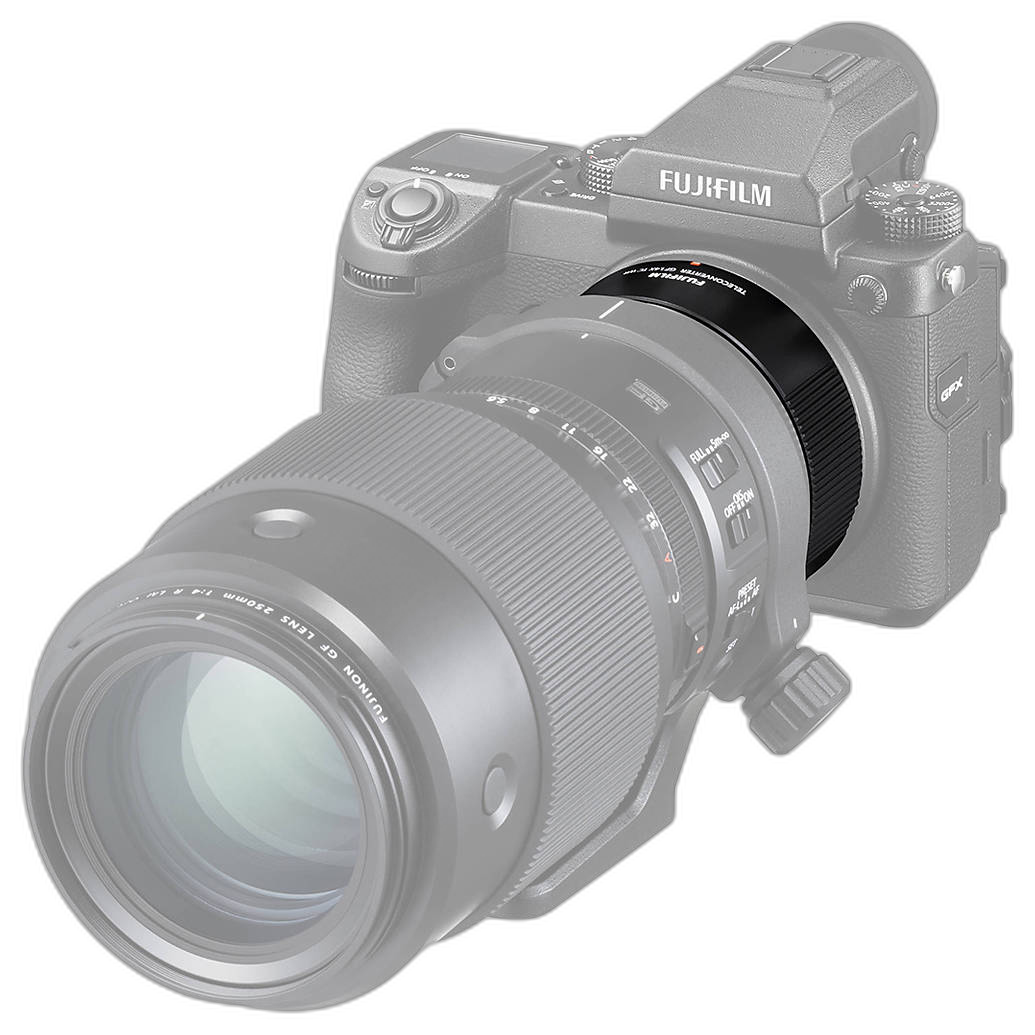
The best entries feel intentional from capture to final export. When every decision supports the story, your image has a better chance of rising above the crowd.
If you are refining your contest kit or looking for long-lens solutions for wildlife, landscape, or documentary work, Unique Photo can help you choose the right tools for your style. Explore our gear selection, get expert advice, and prepare your next submission with confidence.