Light Is Your Storytelling Tool
Great feature photography hinges on how you shape light to reveal character, mood, and context. Whether you work with window light, speedlights, or LEDs, the principles below will help you craft images editors love—clean, intentional, and emotionally resonant.
Practical Tips You Can Use Today
1) Define your key light and build everything around it
- Decide what you want the viewer to notice first, then place your key to sculpt that subject.
- Start simple: one key light, then add fill, rim, or background light only if the story demands it.
- Feather softboxes and angle LEDs to control falloff and avoid hotspots.
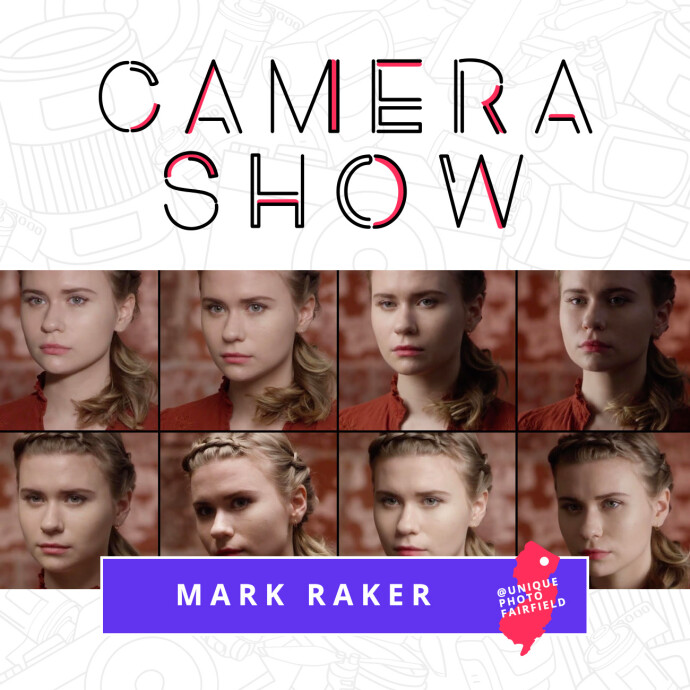
Want a hands-on deep dive? CS: Key Lighting Methods with Mark Raker (Nanlite) explores how to place, size, and shape a key for drama or delicacy, perfect for editorial portraits and environmental features.
2) Control contrast with intentional fill
- Use negative fill (black flags) to deepen shadows for drama; add white bounce for open, friendly faces.
- Fine-tune fill with distance—the inverse square law is your best friend for precise ratios.
- Keep it subtle: just enough fill to hold detail without flattening form.
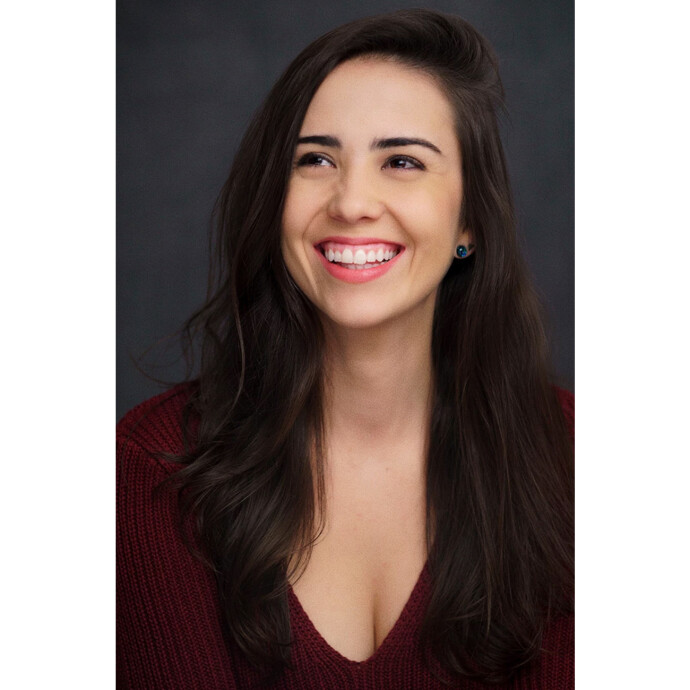
Portrait Lighting Made Easy with Joel Grimes (Westcott) is a great refresher on building clean, consistent portrait looks that editors can drop right into layout.
3) Use classic patterns to express mood
- Rembrandt for gravitas, loop for approachable professionalism, butterfly for glam/editorial sheen.
- Rotate the subject, not just the light, to keep eye direction and catchlights intentional.
- Check the shadow under the nose—it tells you when your pattern is dialed in.
4) Mix ambient and flash on location
- Ambient exposure = shutter speed; flash exposure = aperture/flash power/ISO (in most cases).
- Drag the shutter to keep scene context; use gelled flash to harmonize with practicals.
- Meter for the background first, then add flash to lift your subject.
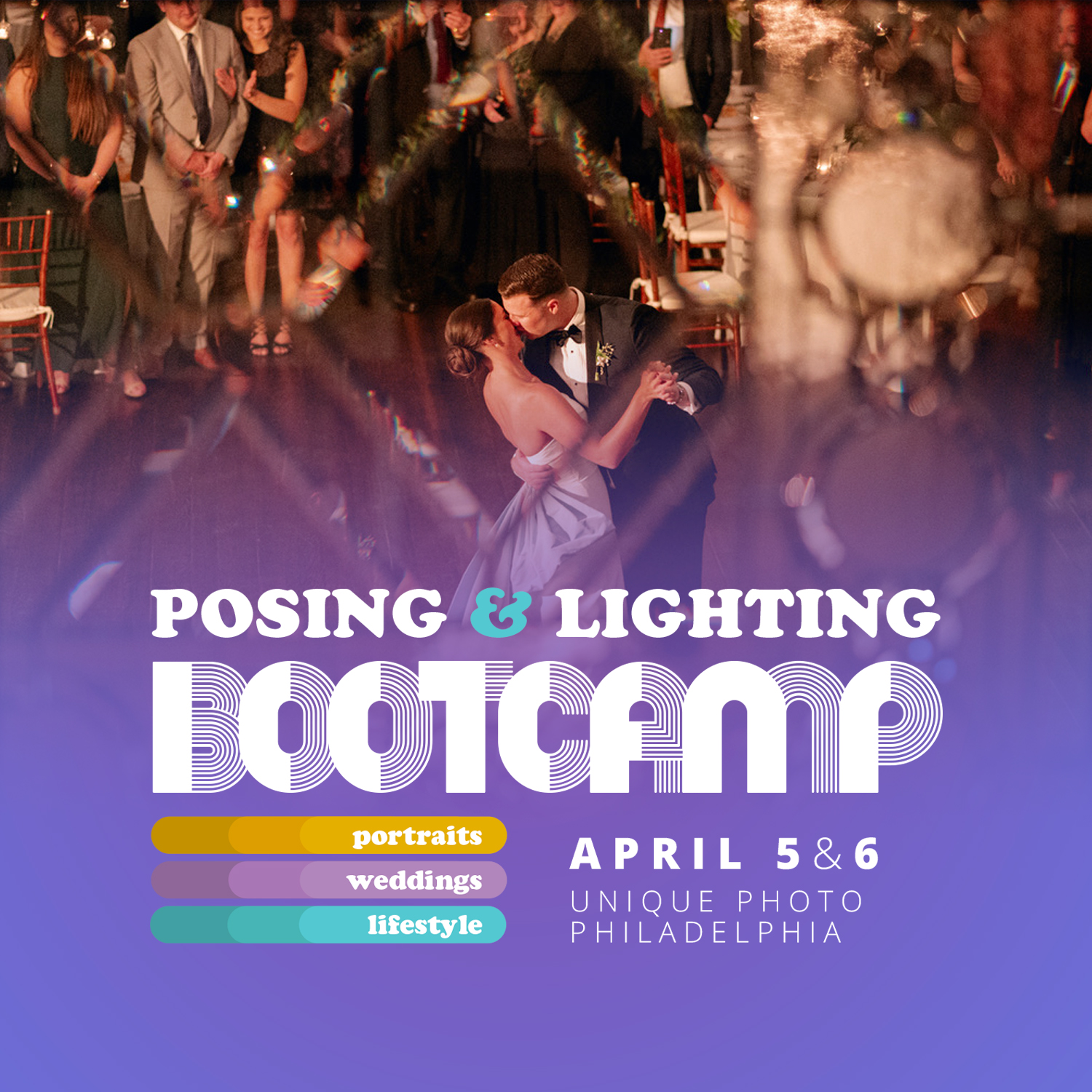
Posing and Lighting Bootcamp: Reception Lighting w. Magda and Simon (Philly) demonstrates strategies you can apply to fast-moving, mixed-light feature assignments.
5) Shape with practicals and color contrast
- Add practical lights (lamps, neons) for depth and narrative cues; place them where your story needs emphasis.
- Use complementary gels (e.g., teal key vs. warm background practicals) to separate subject from environment.
- Dim or distance practicals to avoid blown highlights while preserving glow.
6) Master natural light like a studio
- Window = giant softbox; rotate your subject for edge, loop, or butterfly patterns without moving gear.
- Use a 5-in-1 reflector: white for soft lift, silver for punch, black for shadow control.
- Shoot during open shade or golden hour to preserve texture and avoid squinting.

Macro and Landscape Photography at Duke Farms with Michael Downey will sharpen your eye for shaping natural light—skills that translate beautifully to environmental features.
7) For product features, light the surfaces, not the object
- Create smooth gradients with large diffusers and scrims positioned just out of frame.
- Control specular highlights by increasing source size and adjusting angles to the camera.
- Build a clean, reflective base or matte backdrop to match the product’s character.

Product Photography and Post Production Editing with Blake Taylor dives into repeatable setups editors love for gear, food, and lifestyle features.
8) Own low light: night features and light painting
- Stabilize on a tripod; expose for ambient first, then add selective light with a dimmable LED or flashlight.
- Use short, controlled light passes to avoid hotspots; flag your beam for crisp edges.
- Mind white balance: cool ambient city light vs. warm accent light can be striking.
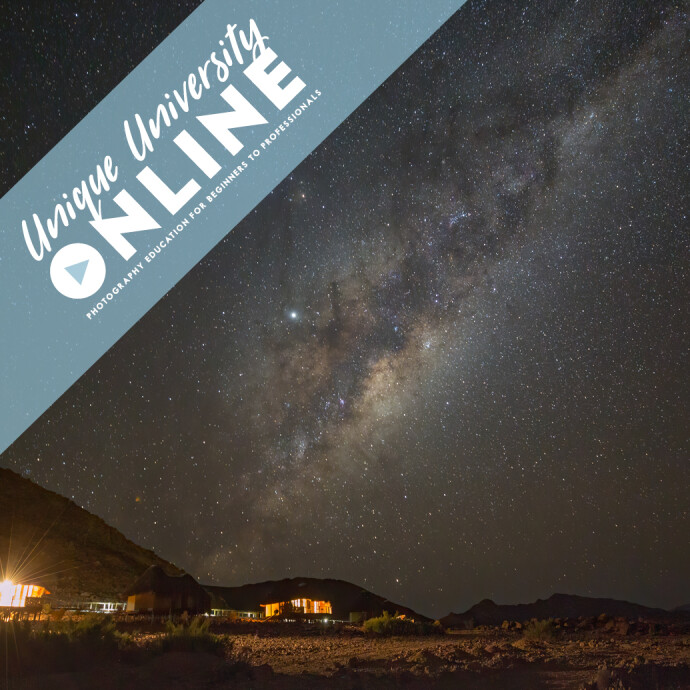
UUOnline: Astrophotography 4-Part Series with Temu Nana (Session 2) helps refine exposure discipline and noise control—critical for clean night features.
9) Finish the shot in post with light-aware edits
- Dodge and burn to guide the eye; think of it as post-production lighting.
- Use local contrast and color grading to reinforce mood without overprocessing.
- Match skin tones and neutral targets so prints hold up in editorial spreads.
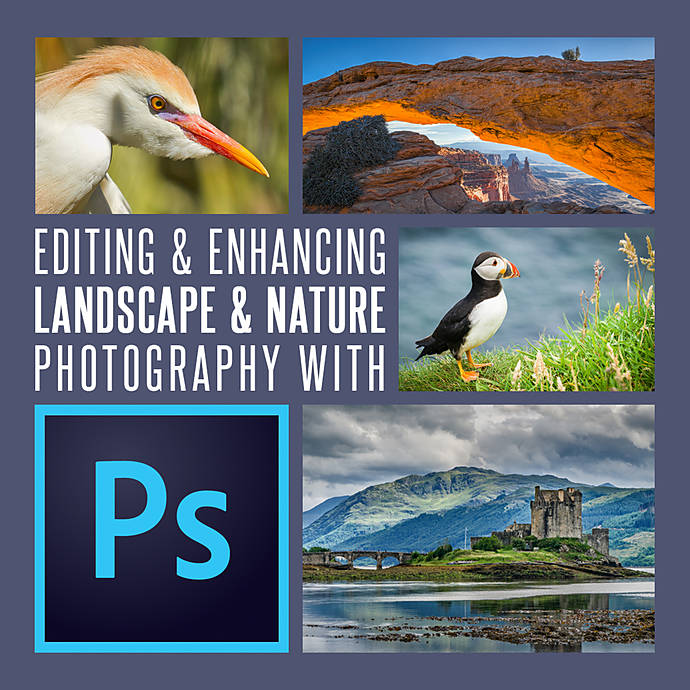
Editing and Enhancing Landscape and Nature Photography with Photoshop covers practical, tasteful adjustments that keep images publication-ready.
10) Know your camera’s flash features
- High-speed sync for bright-day portraits, rear-curtain for motion trails, flash compensation for quick trims.
- Set custom buttons for faster ambient/flash balancing on assignment.
- Test sync limits and recycle times before a critical shoot.
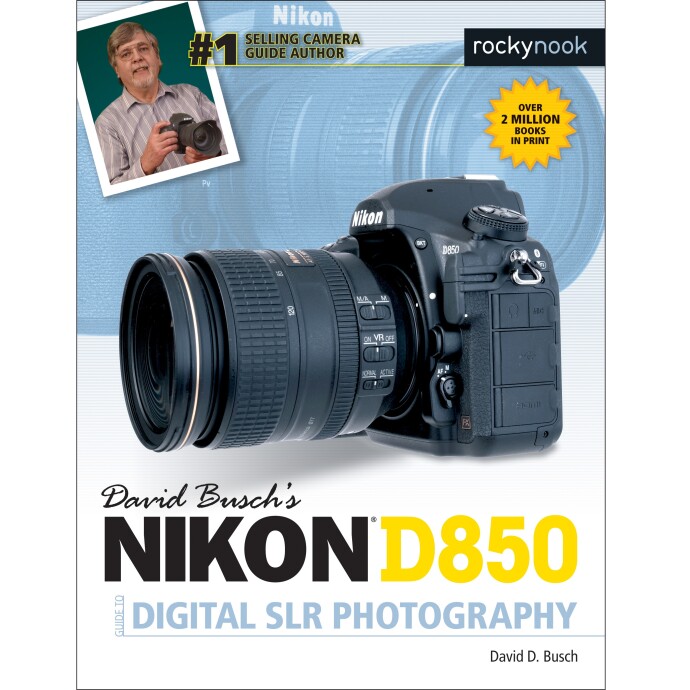
Nikon D850 Guide to Digital SLR Photography by David Busch is a handy reference for mapping flash and exposure controls so you can work faster under pressure.
Bring Your Features to Life
Light with intention, keep sets simple, and iterate toward the mood your story needs. If you want hands-on practice or expert guidance, explore Unique University classes and resources at Unique Photo—our team is here to help you create compelling, publishable work.