Tell Stronger Visual Stories with Your Feature Photography
Feature photography goes beyond a single pretty frame. It captures people, place, and moment with enough context and emotion to make viewers feel present. Whether you’re shooting a community profile, a cultural event, or a quiet slice-of-life, these tips will help you build sequences, earn authentic moments, and guide your audience through a compelling visual narrative.
10 Tips for Capturing Emotion and Context
Define your angle before you lift the camera
Ask: Who is my subject? What’s the central tension or joy? Where does the story unfold? Jot a short thesis and a simple shot list (wide for context, medium for action, tight for detail) so you’re intentional—not reactive—when moments happen.
Establish place to ground the viewer
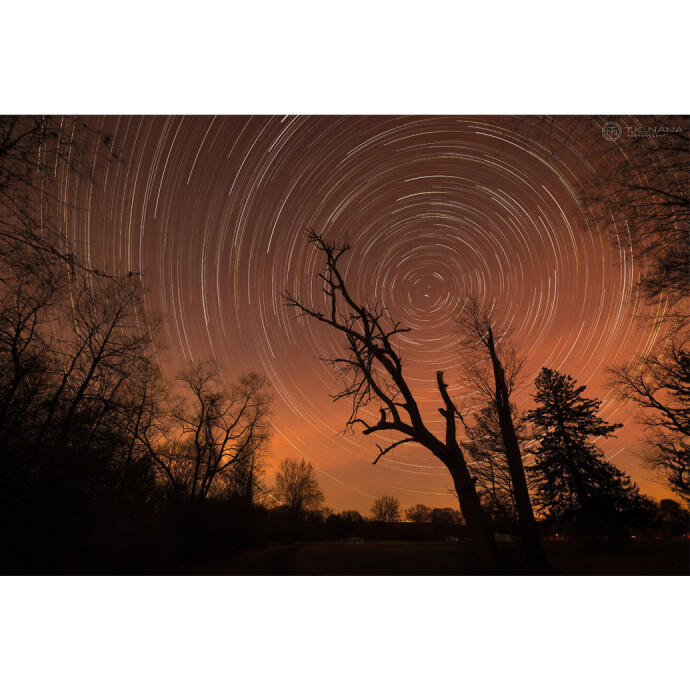
Start with an environmental frame that shows setting, time of day, and atmosphere. Foreground layers, leading lines, and people in context help your audience understand the world your subject inhabits. Practicing landscapes and scene-building will sharpen this skill—sessions like Macro and Landscape Photography at Duke Farms with Michael Downey are great for learning how to compose environment-forward frames with purpose.
Anticipate the emotional peak
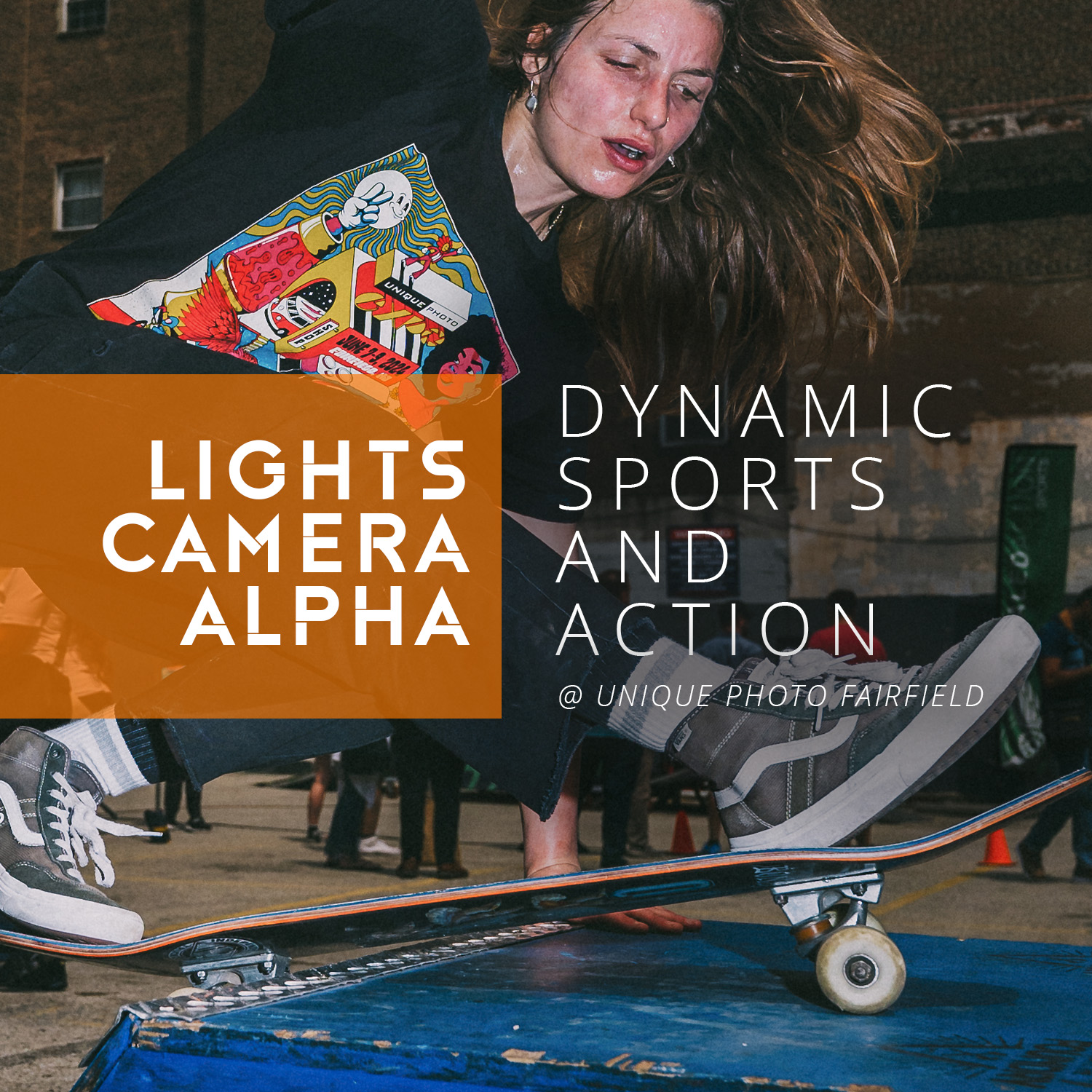
Feature stories thrive on gestures and micro-expressions—laughter, resolve, relief. Watch hands, eyes, and interactions, then pre-focus and wait for the moment. Timing drills from action-oriented workshops, like Lights, Camera, ALPHA: Dynamic Sports and Action Photography (Sony), translate beautifully to human moments in features.
Build sequences, not singles
Think in threes: opener (wide), body (medium), detail (tight). Sequences guide viewers through a story arc and give editors options. After the shoot, refine the sequence through careful selects and subtle post. If you want to polish tones and continuity, Editing and Enhancing Landscape and Nature Photography with Photoshop covers techniques that also elevate feature sets—especially color harmony and local contrast control.

Use light to carry mood
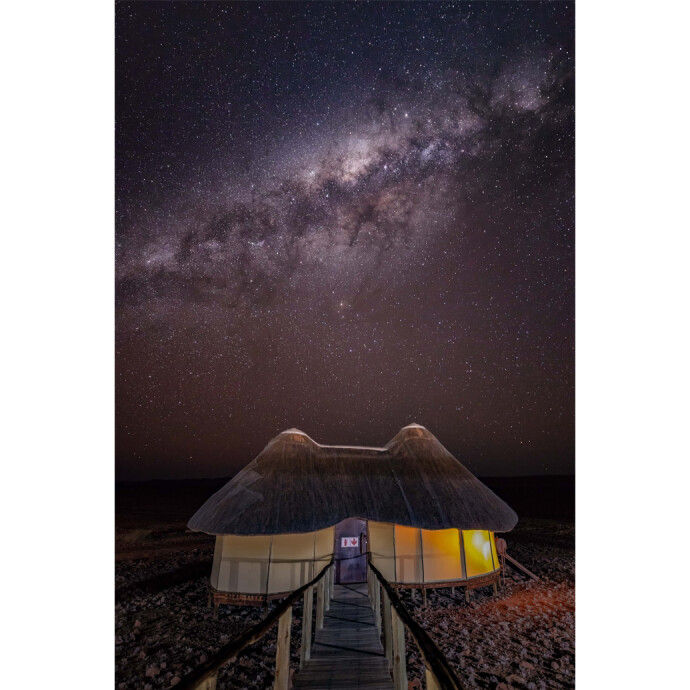
Backlight for hope, sidelight for texture and nuance, overcast for quiet intimacy. Night scenes can feel contemplative—embrace practicals (street lamps, neon) and let shadows breathe. If you’re curious about reading light in challenging conditions, the UUOnline: Astrophotography 4-Part Series with Temu Nana helps you understand darkness, dynamic range, and color temperature in a way that pays dividends in everyday storytelling.
Let details speak as characters
Objects carry biography: worn boots, a well-used spatula, a hand-written score. Make quiet still-lifes that add subtext. Skills from studio-style classes like Product Photography and Post Production Editing with Blake Taylor can help you shape light on small details so they feel intentional, not incidental.

Choose focal length and exposure as storytelling tools
Wider lenses invite environment and energy; longer lenses isolate emotion and simplify backgrounds. Expose for highlights to preserve skin detail and tonal nuance, especially in mixed light. For camera-specific mastery—metering modes, autofocus behavior, and customization—reference guides like Nikon D850 Guide to Digital SLR Photography by David Busch to make your camera an extension of your intent.

Shape color and tonality for coherence
Pick a palette—warm and inviting, cool and contemplative—and maintain it through the set. Gentle color grading and consistent white balance help disparate moments feel like one story. Keep saturation restrained and let moments, not effects, carry the emotion.
Explore formats that influence feel
Film slows you down, encourages deliberate frames, and brings tactile grain and color that many viewers feel is honest and timeless. If you’re curious, the Film Lovers Event: Intro to Film Photography (Philly) is a fun on-ramp to shooting and rating film, metering, and getting scans you can sequence with your digital work.

Caption with care and uphold ethics
Names spelled correctly, roles identified, and details verified. Be transparent with subjects, avoid staging key moments, and respect privacy. Thoughtful captions provide the context that transforms strong pictures into a complete, trustworthy story.
Bring Your Stories to Life
Great feature photography is intentional, observant, and empathetic. Practice often, edit tightly, and keep learning. When you’re ready to push further, explore workshops, books, and classes at Unique Photo to sharpen craft and confidence—so every frame you make has something to say.