Build a lens toolkit for compelling feature stories
Feature photography is about shaping a complete narrative—from the establishing opener to the intimate detail and the evocative closer. The lenses you choose determine perspective, subject emphasis, and how your audience feels inside each scene. Use the recommendations below to match focal lengths and optics to different feature genres, and to plan a versatile kit that keeps your story flowing.
Recommendations by genre
1) Portrait & human-interest features
- Classic looks: 85mm f/1.8–f/1.4 for flattering compression and shallow depth; 50mm f/1.4 for environmental context with subject intimacy.
- Versatile zoom: 70–200mm f/2.8 for quick reframing during candid moments and tight headshots.
- Environmental portraits: 35mm f/1.4–f/1.8 to include setting without warping faces.
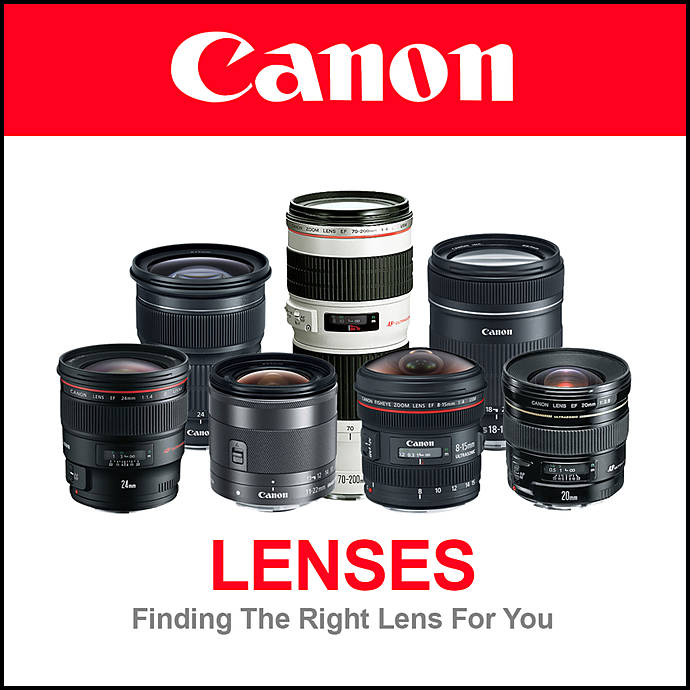
Canon shooters looking to dial in the right focal lengths and apertures for portraits can benefit from Canon Lenses: Finding the Right Lens for You, which demystifies the lineup and helps match glass to your style.
2) Documentary & street-driven features
- Story-first primes: 28mm–35mm for a natural field of view that keeps you close and inside the action.
- Flexible coverage: 24–70mm f/2.8 for everything from wide scene-setters to tight moments without changing lenses.
- Stealth matters: prioritize quiet AF and compact builds to remain unobtrusive.
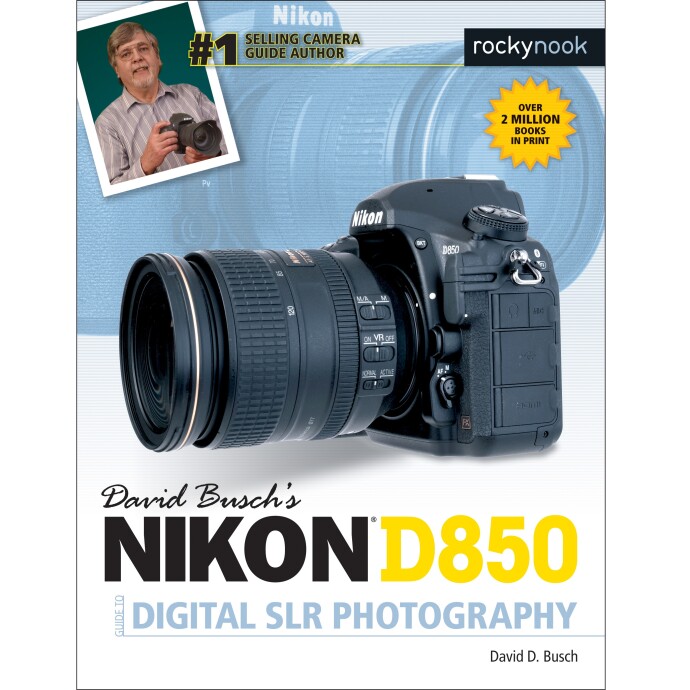
Nikon users building a lightweight, responsive kit will appreciate system-specific guidance found in Nikon D850 Guide to Digital SLR Photography by David Busch—helpful for pairing focal lengths with custom AF and shooting setups.
3) Landscapes & environmental storytelling
- Establishing frames: 14–24mm or 16–35mm to capture the breadth of a location.
- Contextual midrange: 24–105mm for flexible coverage when moving through a scene.
- Compression for mood: 70–200mm to isolate layers and simplify chaotic backgrounds.
Want hands-on practice composing grand scenes and subtle vignettes? Macro and Landscape Photography at Duke Farms with Michael Downey offers on-location strategies for focal-length choice and framing.
4) Macro & detail cutaways
- True 1:1 magnification: 90–105mm macro for textures, hands-at-work details, and small storytelling objects.
- Working room: 100mm–150mm macro for skittish subjects or controlled product-like scenes.
- Technique: employ focus stacking for razor-thin depth of field—especially at high magnifications.
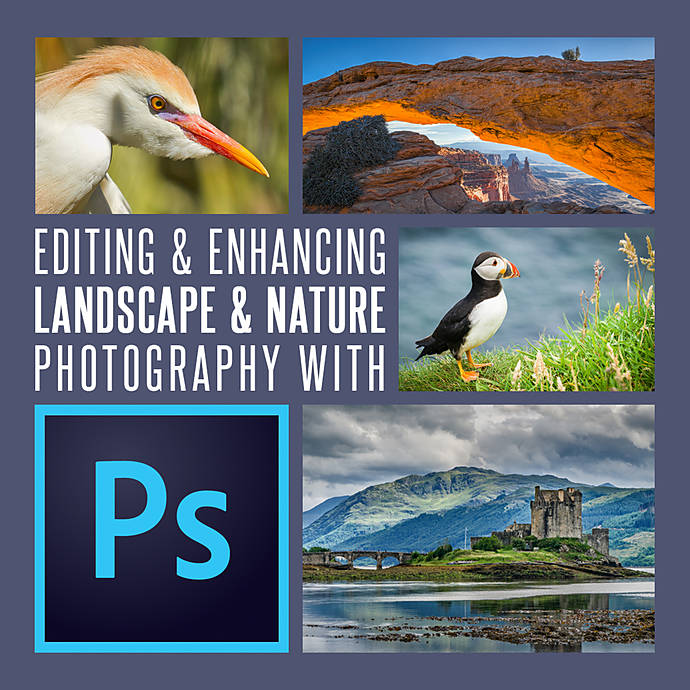
For polishing tiny details and executing focus stacks that hold up in print, see Editing and Enhancing Landscape and Nature Photography with Photoshop—its techniques translate beautifully to macro features.
5) Product & food features
- Go-to choices: 100mm macro for tight product frames; 50mm or 60mm macro for tabletop scenes in tighter spaces.
- Keep lines straight: consider a 90mm or 100mm tilt-shift for food and packaging to control plane of focus and perspective.
- Consistency: lock down on a tripod and keep focal length fixed for series continuity.
Sharpen your lighting and lens workflow in Product Photography and Post Production Editing with Blake Taylor—ideal for building repeatable setups and styling details.

6) Sports & action features
- Sideline staple: 70–200mm f/2.8 for fast AF and subject isolation.
- Reach when you need it: 100–400mm or 120–300mm f/2.8 for field sports; 300mm f/2.8 for night games.
- Settings synergy: use AF-C/Tracking tuned to your sport and keep shutter speeds at 1/1000s+.
Pairing lens choices with pro-grade autofocus settings is easier with resources like the Nikon D850 Guide to Digital SLR Photography by David Busch, which breaks down camera configurations that complement telephoto glass.
7) Architecture & interiors
- Perspective control: 17mm or 24mm tilt-shift lenses keep verticals straight and elevate editorial polish.
- Ultra-wide options: 14–24mm for dramatic lobbies and small spaces; mind edge distortion with people in frame.
- Tripod + level: slower shutter speeds are fine—stability ensures tack-sharp lines.
8) Night & astrophotography features
- Fast ultrawides: 14–24mm f/2.8 or 20mm f/1.8 to capture sky and environment with minimal coma.
- Method: shoot wide open, ISO 3200–6400, and expose using the 500/NPF rule to control star trailing.
- Story angle: blend a lit foreground with a starry sky for narrative context.
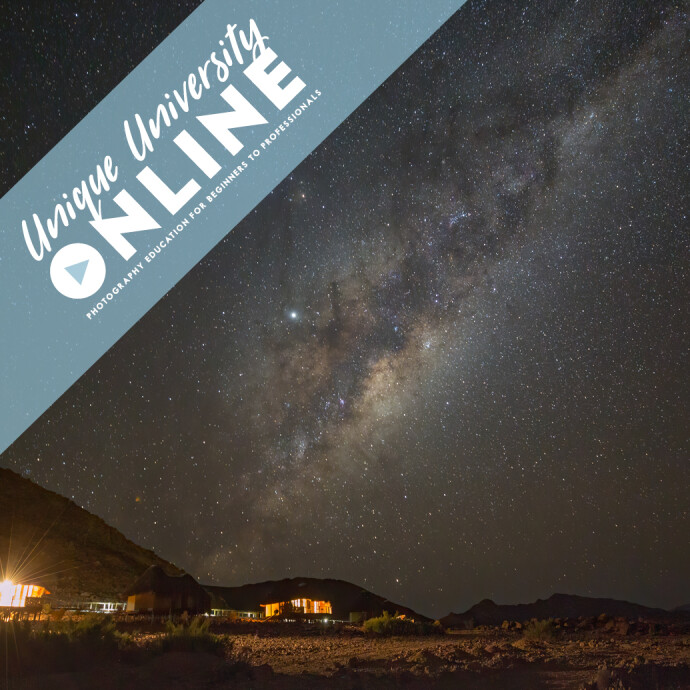
Deepen your low-light lens craft and astro workflow with UUOnline: Astrophotography 4-Part Series with Temu Nana (Session 2), which explores practical field techniques.
9) Hybrid stills + cinematic features
- Cine zooms for continuity: parfocal designs and geared rings aid repeatable moves during multimedia assignments.
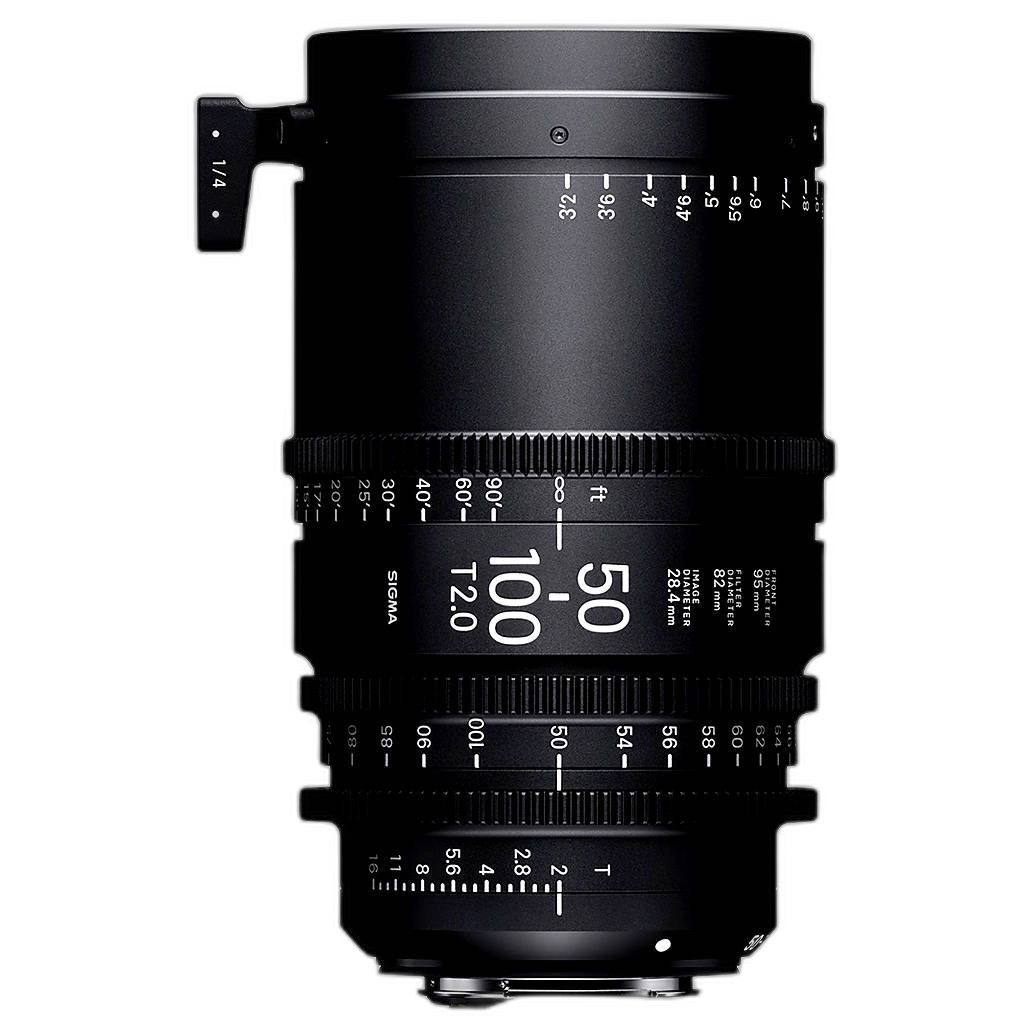
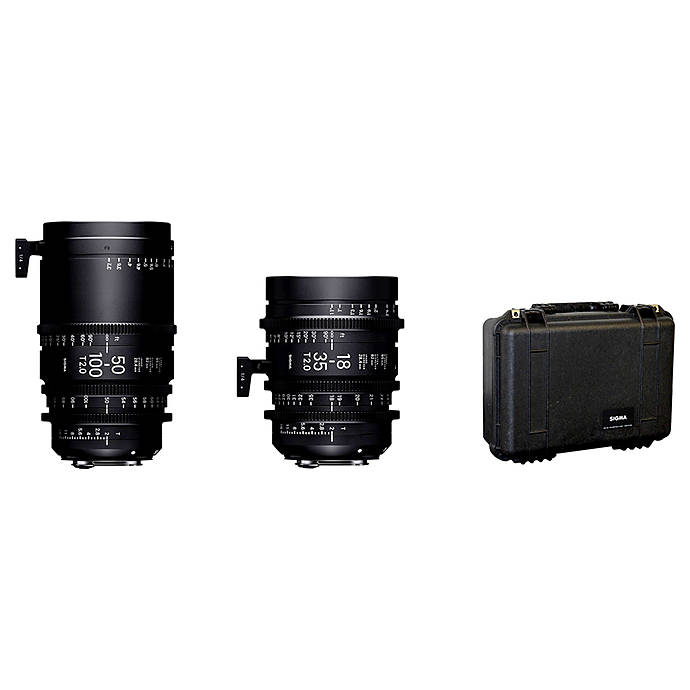
- Core range: an 18–35mm T2 for establishing and medium shots, plus a 50–100mm T2 for portraits and compression.
- Why T-stops: consistent transmission simplifies exposure matching across segments.
The Sigma 18-35mm T2 and 50-100mm T2 Lenses with Case (Canon EF) are a compact, two-lens cine kit that covers most editorial visuals with crisp optics and consistent handling.
10) Film aesthetics for narrative mood
- Timeless focal lengths: 35mm and 50mm primes on 35mm film deliver classic, immersive perspectives.
- Meter for highlights: protect roll latitude for printable tonal range.
- Integrate: mix a film sequence within your feature for mood and texture.
Curious about starting with analog for your features? The Film Lovers Event: Intro to Film Photography (Philly) is a friendly way to explore film workflows and lens choices for classic looks.
Wrap-up
Build your feature kit around the perspectives you use most, then fill gaps to ensure you can capture openers, moments, and details without hesitation. Whether you need a fast portrait prime, a workhorse 24–70mm, a macro for storytelling cutaways, or cine zooms for hybrid assignments, the right lens turns good scenes into unforgettable features. Explore classes, guides, and gear at Unique Photo to refine your choices and keep your storytelling sharp.