Great feature stories aren’t just about what you include—they’re about how you frame it. Choosing between a wide-angle and a telephoto lens shapes perspective, emotion, scale, and ultimately how readers experience your subject. Use these practical tips to decide when to go wide, when to reach long, and how to build a kit that keeps your storytelling nimble.
Go Wide to Set the Scene
-
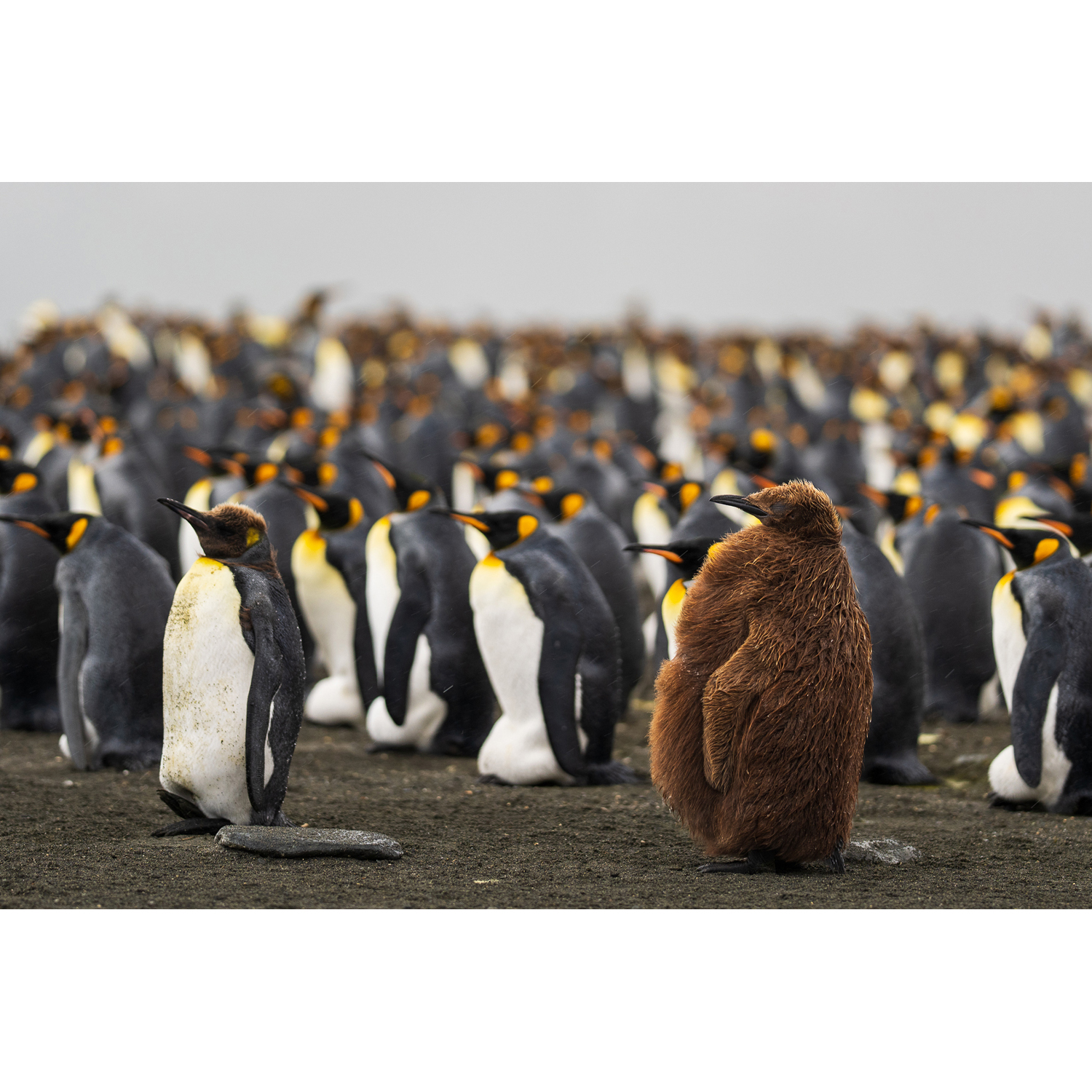
Set the scene with ultra‑wide perspectives
Use an ultra‑wide to plunge your audience into the environment. Think sweeping interiors, tight alleyways, or crowd energy where foreground and background interact. A fast ultra-wide like the Sony FE 12–24mm f/2.8 GM keeps edges sharp and light levels workable in dim spaces, so you can capture layered context and decisive moments without a tripod.
-
Control edges and keep lines honest
With wide‑angles, what’s near the frame edges stretches. Keep important faces and hands toward the center and tilt your camera carefully to avoid converging verticals. When glare or sky detail is a factor, consider filter solutions designed for extreme wides—if you work with a 14mm prime, a dedicated system like the NiSi 100mm Filter Holder for Sony FE 14mm f/1.8 GM maintains ND/polarizer flexibility without vignetting.
-
Tell stories through foreground
Feature pieces thrive on relationships. Place narrative anchors in the foreground—tools on a workbench, a protest sign, a plate in a kitchen—and let the background carry supporting detail. Aim for a clean three‑layer composition: foreground subject, midground action, and background context.
Reach Long to Isolate the Moment
-
Compress to reveal emotion
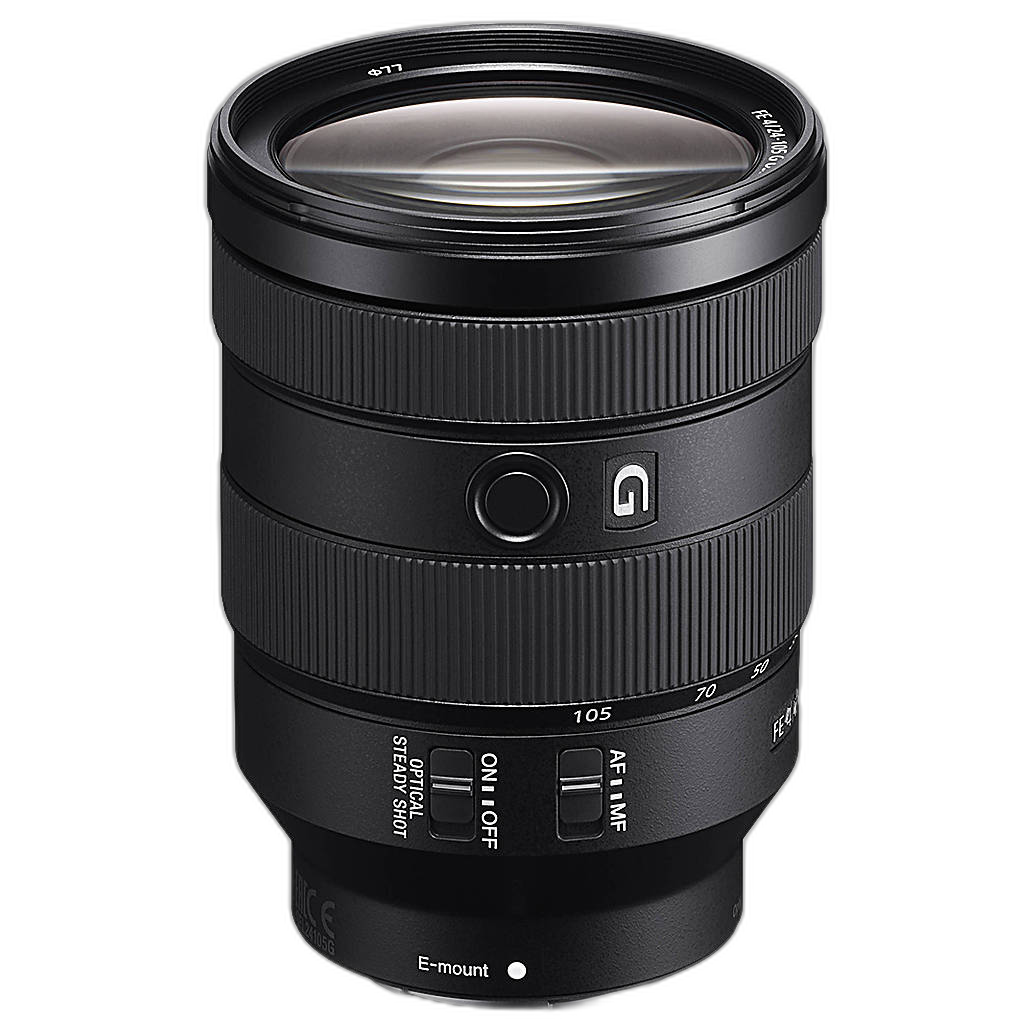
Telephoto focal lengths minimize spatial gaps, stacking elements and isolating expressions. A flexible mid‑tele zoom like the Sony FE 24–105mm f/4 G OSS gives you portrait‑friendly reach at 70–105mm while keeping transitions smooth as you move between scenes. It’s a strong one‑lens solution when you need to move fast and stay discreet.
-
Stabilize and mind your shutter
Longer focal lengths amplify shake. Optical stabilization and steady technique are your friends—brace on a doorframe, exhale gently, and keep shutter speeds high enough for the focal length. The Sony 24–105mm’s OSS helps you hold detail in lower light without sacrificing mobility.
-
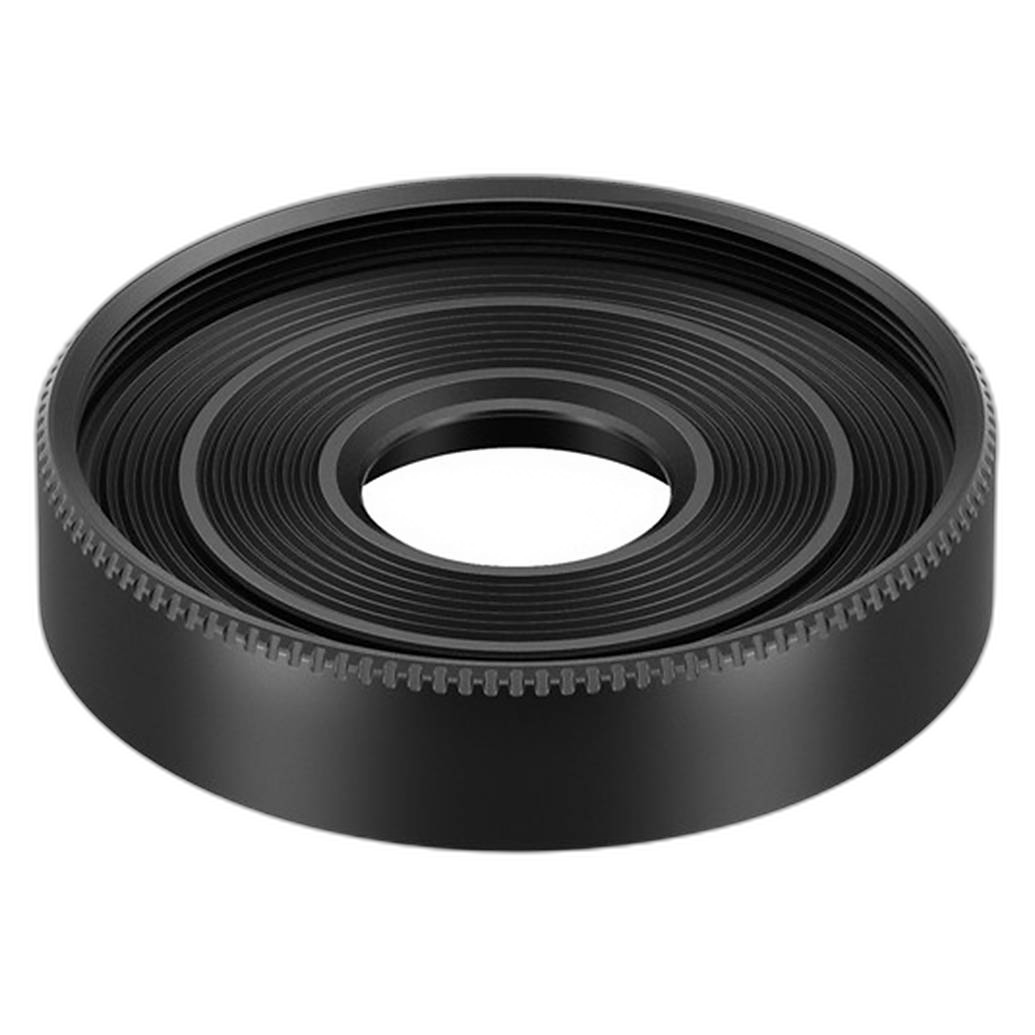
Cutaway details with flare control
Feature narratives benefit from tight cutaways—hands, textures, tools—that break up wider coverage. Use a lens hood to tame stray light and keep contrast punchy. For dedicated detail work on compact systems, small hoods like the Canon ES‑22 Lens Hood (for the EF‑M 28mm Macro IS STM) are simple tools that keep reflections at bay when you’re shooting reflective surfaces or backlit subjects.
The Middle Ground: Natural Perspective and Pocketability
-
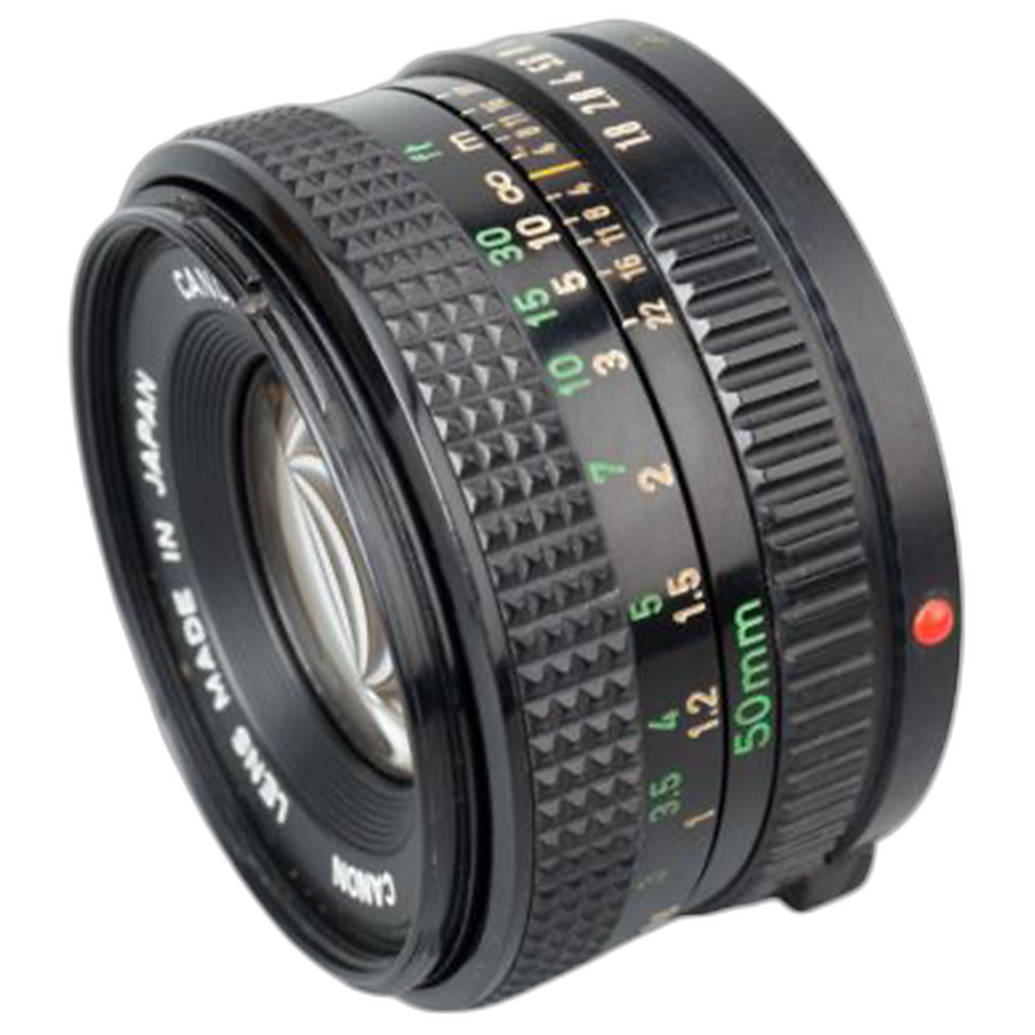
Lean on a 50mm for authenticity
Normal primes render scenes with a familiar perspective that feels honest and intimate—great for day‑in‑the‑life features. A classic like the Used Canon FD 50mm f/1.8 is compact, bright, and encourages careful framing. Adapted to modern mirrorless or paired with a film body, it’s a budget‑friendly tool that sharpens your storytelling discipline.
-
Carry a compact for serendipity
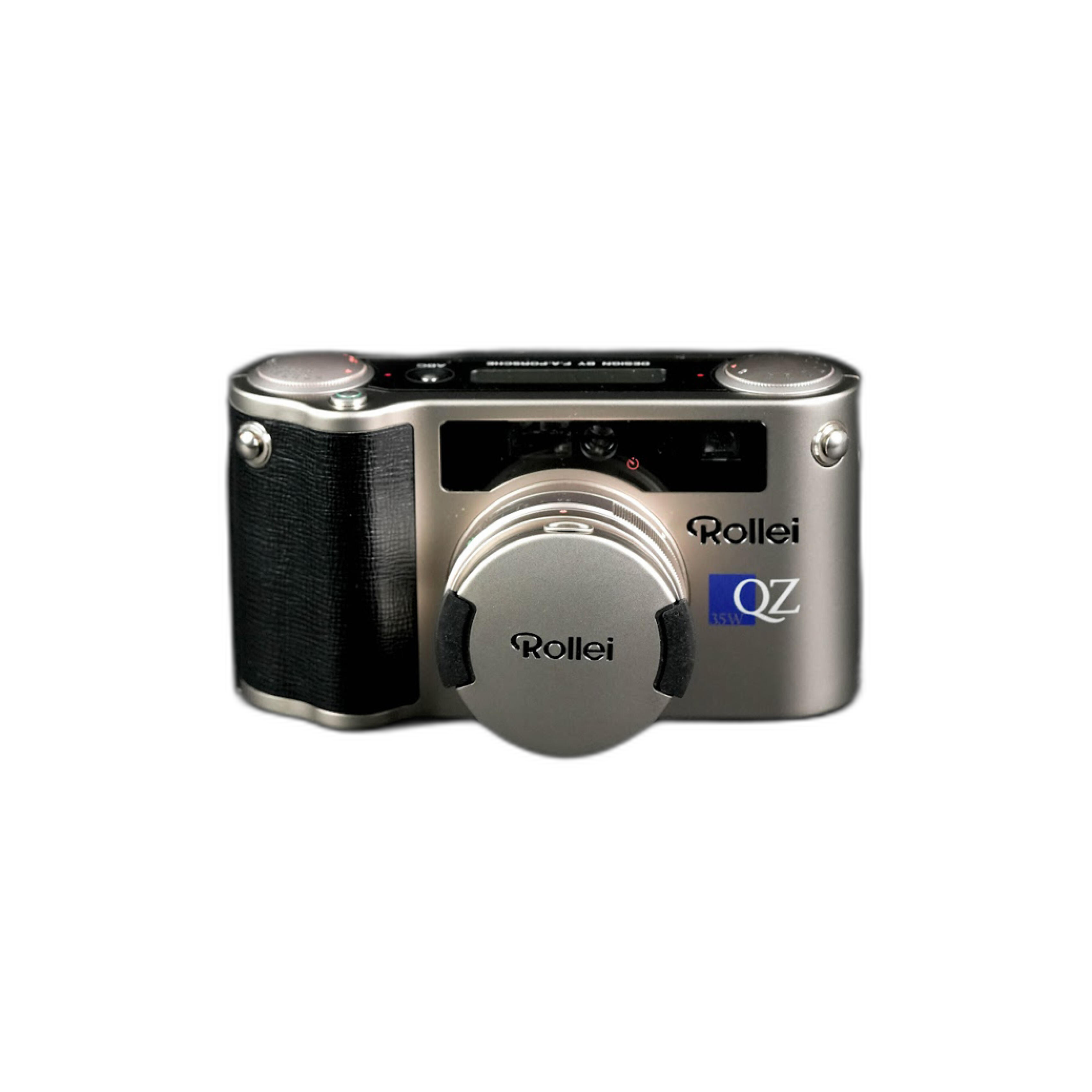
Some of the best feature frames happen between assignments. A pocketable camera with a modest zoom keeps you ready without the bulk. The Used Rollei 35QZ with 28–60mm covers wide-to-normal in a tiny package—perfect for quick vignettes, scene‑setters, or personal touches that round out a story.
Build a Feature-Ready Kit
- Two‑zoom versatility: Pair an ultra‑wide like the Sony FE 12–24mm f/2.8 GM for immersive establishing frames with the Sony FE 24–105mm f/4 G OSS for portraits, moments, and details. You’ll cover everything from environmental context to isolated emotion without switching systems.
- Prime‑plus‑zoom: Add a 50mm prime for low light and natural perspective, then rely on a 24–105mm for flexibility. The prime slows you down for thoughtful frames; the zoom speeds you up for unpredictability.
- One‑lens travel option: For Micro Four Thirds shooters, an all‑in‑one like the OM SYSTEM M.Zuiko Digital ED 12–200mm f/3.5–6.3 keeps weight down while covering wide to super‑tele—handy for travel features when access is limited.
Field Workflow Tips
-
Pre‑visualize perspective changes
Before changing lenses, decide what the story needs: place (go wide) or person (go tele). A quick mental checklist saves time and keeps your coverage intentional.
-
Preset focal lengths
On zooms, park at known storytelling focal lengths—24mm for scene‑setters, 50mm for natural perspective, 85–105mm for portraits—so you can react fast without hunting.
-
Keep learning from the field
Study how others balance context and intimacy. Workshops like EXPO: Stories from the Road – Photography Across Worlds with Matt Borowick can spark new approaches to lens choice and sequencing.
Conclusion
Whether you go wide to place the reader in the scene or reach long to distill emotion, your lens choice is a storytelling decision first. Build a kit that supports both perspectives, practice switching with intent, and let the story dictate your focal length. Explore these lenses and more at Unique Photo—your partner in gear, education, and inspiration.