Make Your Features More Cinematic: Lens Choices That Shape Story
Forum debates around feature photography often zero in on lenses: field of view, flexibility, depth of field, and how each choice can amplify or dilute the emotional beat of a scene. Whether you favor nimble zooms or disciplined primes, the glass you pick will steer perspective, rhythm, and audience focus. Use the tips below to translate those debates into practical on-set decisions.
Tips for Choosing Lenses That Serve Your Story
Start with field of view as a character
Wide lenses situate your subject in a world; telephotos isolate and compress. Let the scene’s purpose guide you: convey place and tension with a wide focal length up close; reveal subtle performance beats with a longer lens that simplifies background and draws attention to faces.
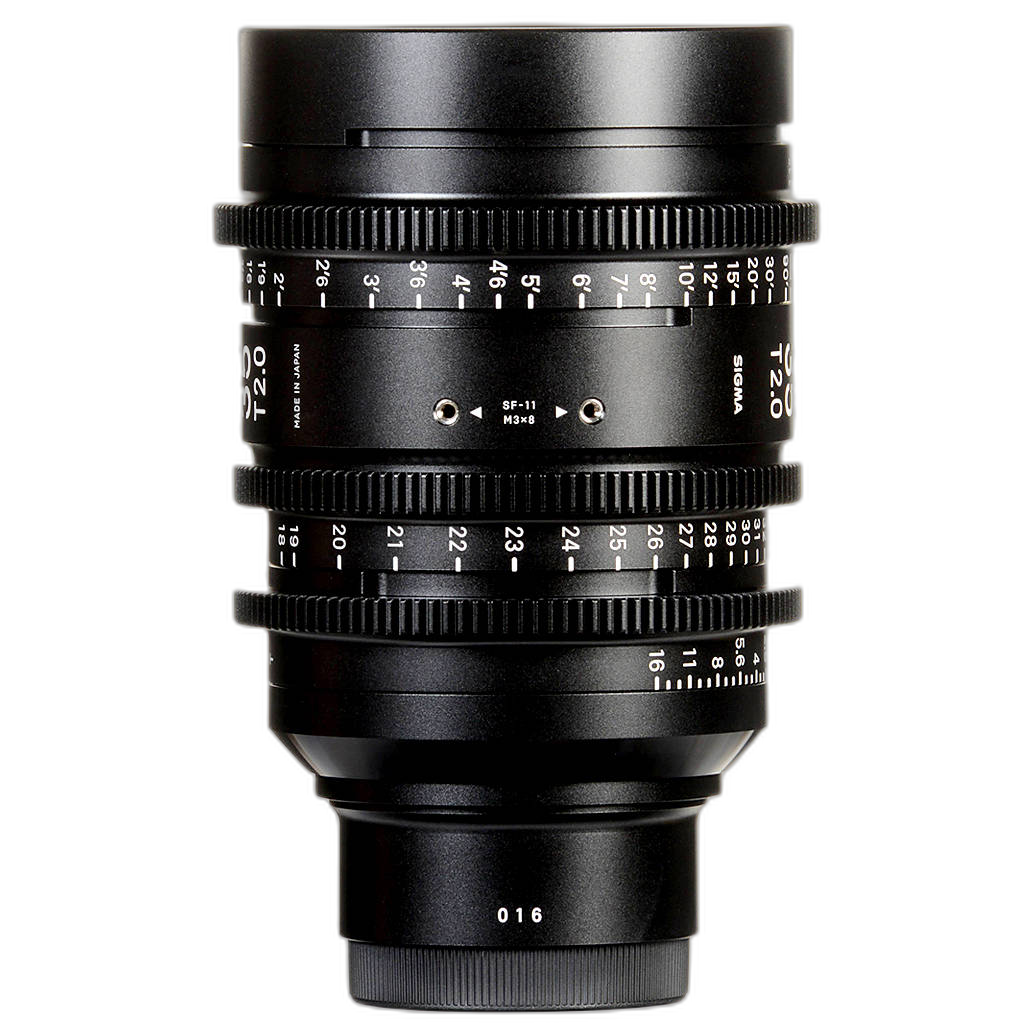
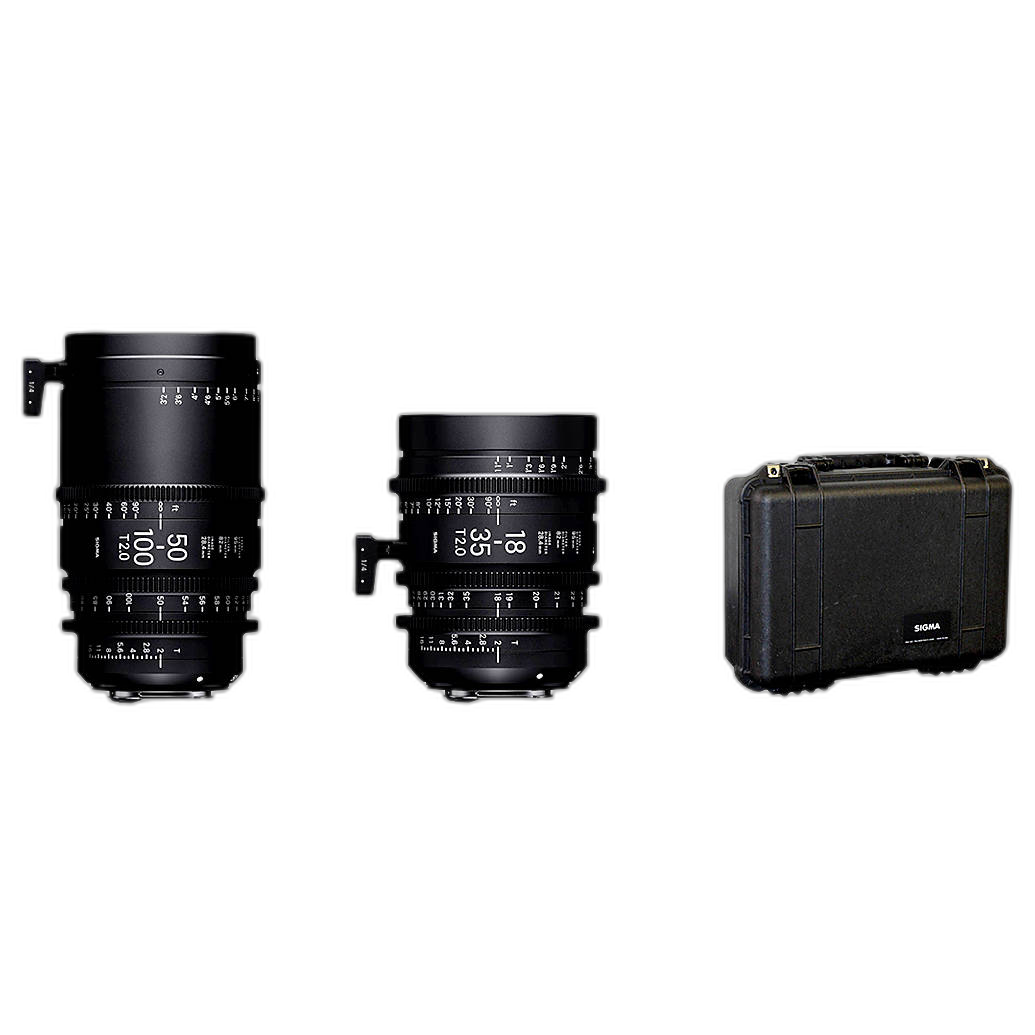
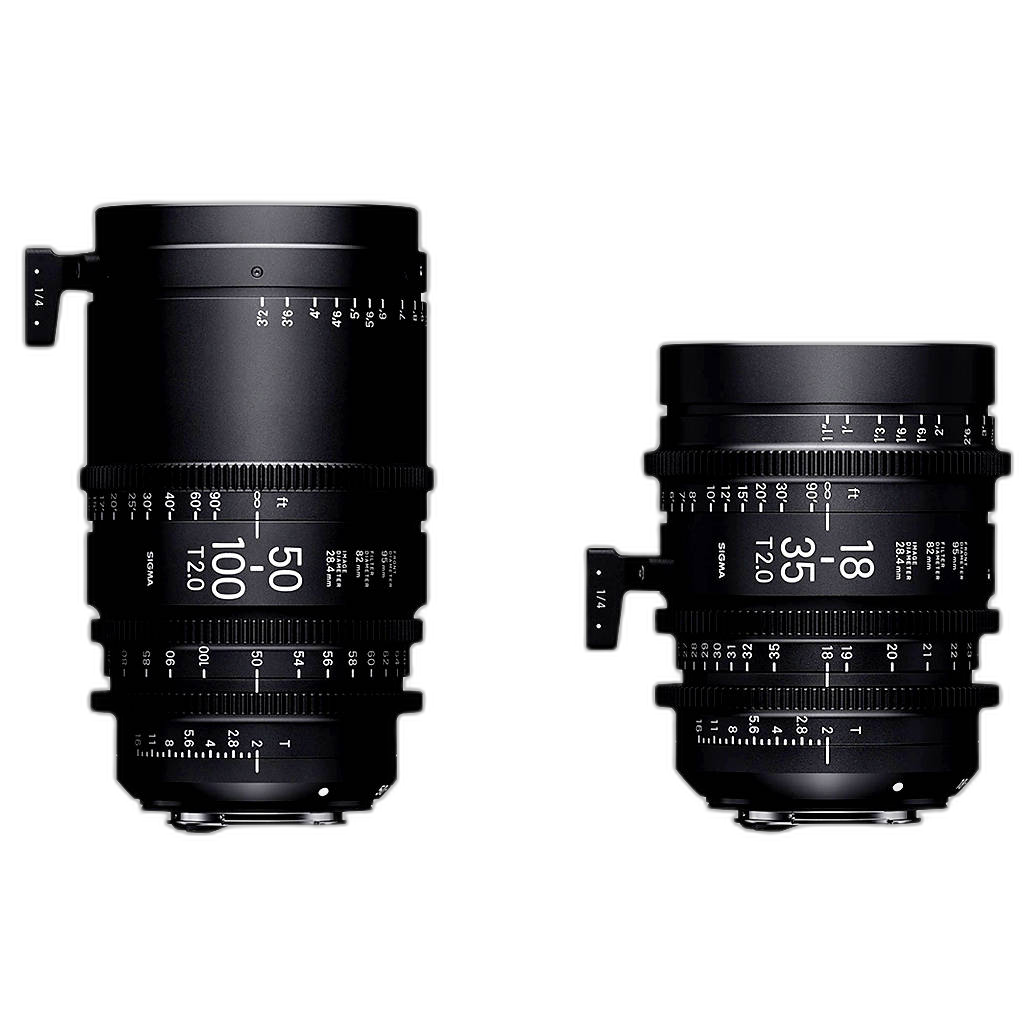
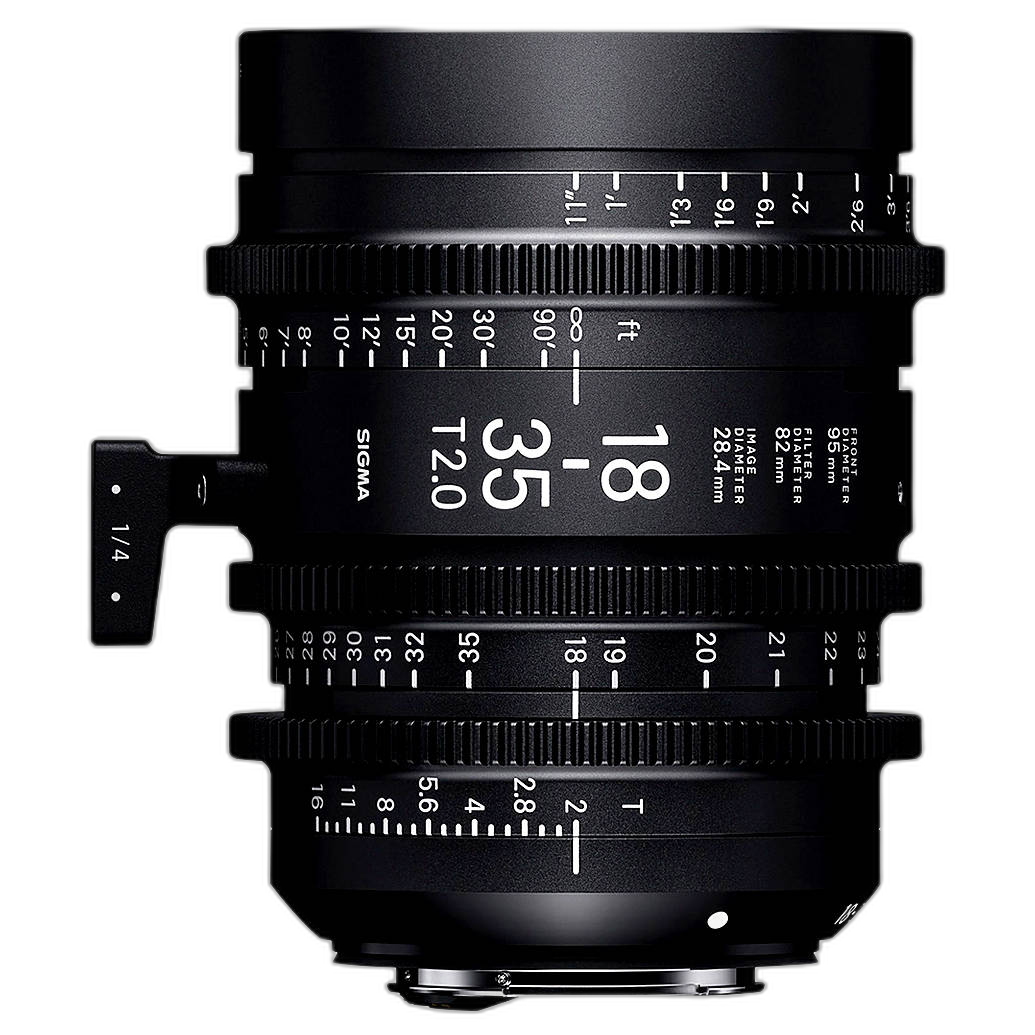
For agile coverage on narrative sets, a cine duo like the Sigma 18–35mm T2 and 50–100mm T2 (Canon EF) spans establishing frames to intimate close-ups with just two lenses—making it easier to keep a consistent look as you move through setups.
Choose flexibility where pace demands it
Primes encourage discipline and can offer nuanced rendering, but fast workflow often wins when time is tight. Two cine zooms at a constant T2 let you pivot from master to coverage without changing lenses, preserving continuity and momentum. The Sigma kit’s constant transmission and matched mechanics keep exposure and handling predictable during fast company moves.
Depth of field is a storytelling dial
Shallow depth of field can heighten intimacy; deeper focus can let performances breathe within a space. Don’t default to the widest aperture—stop down when the environment matters or when blocking involves multiple planes. With constant T2 glass, you can ride exposure while shaping depth to fit the beat of the scene.
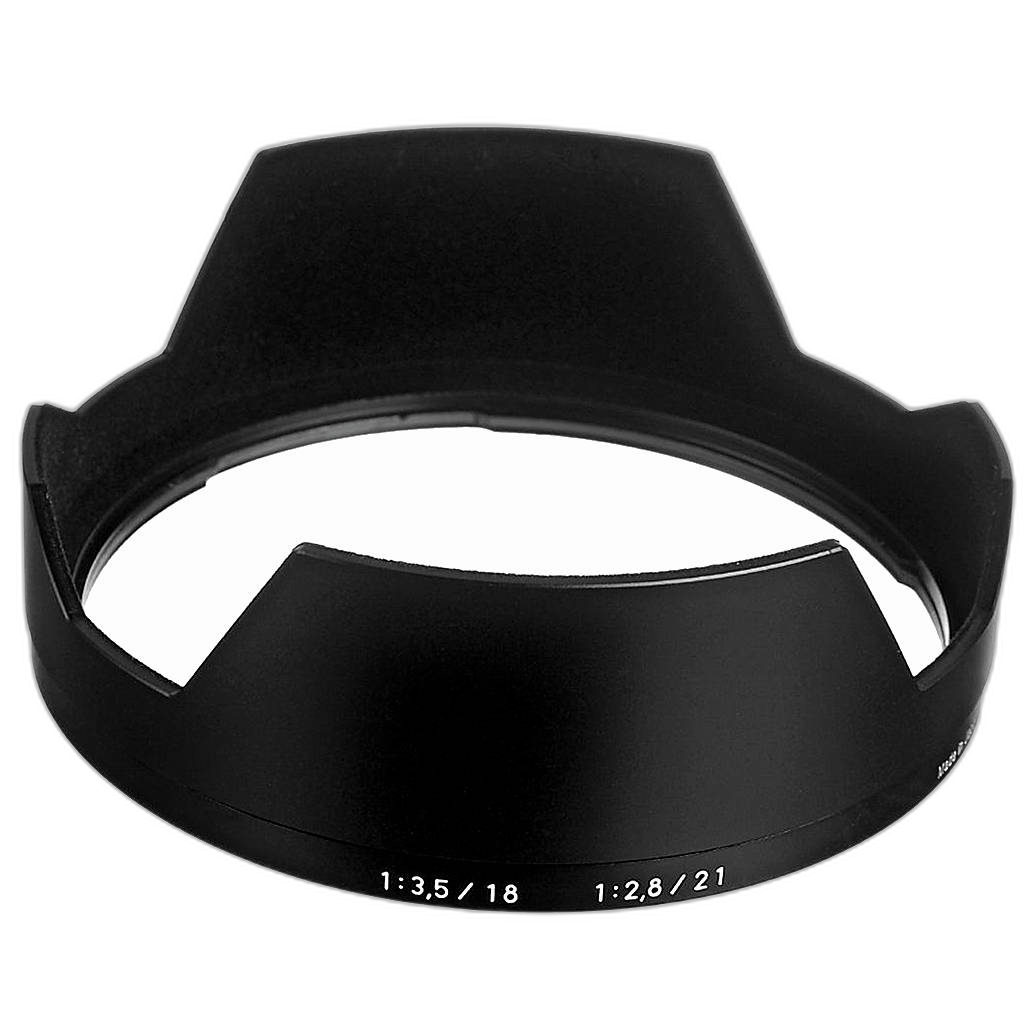
When you do reach for wider lenses or shoot into practicals, controlling flare helps keep contrast where you want it. A dedicated hood like the Zeiss Lens Shade for 18mm f/3.5 and 21mm f/2.8 primes helps maintain blacks and midtone separation for moodier narratives.
Keep the look consistent across camera bodies
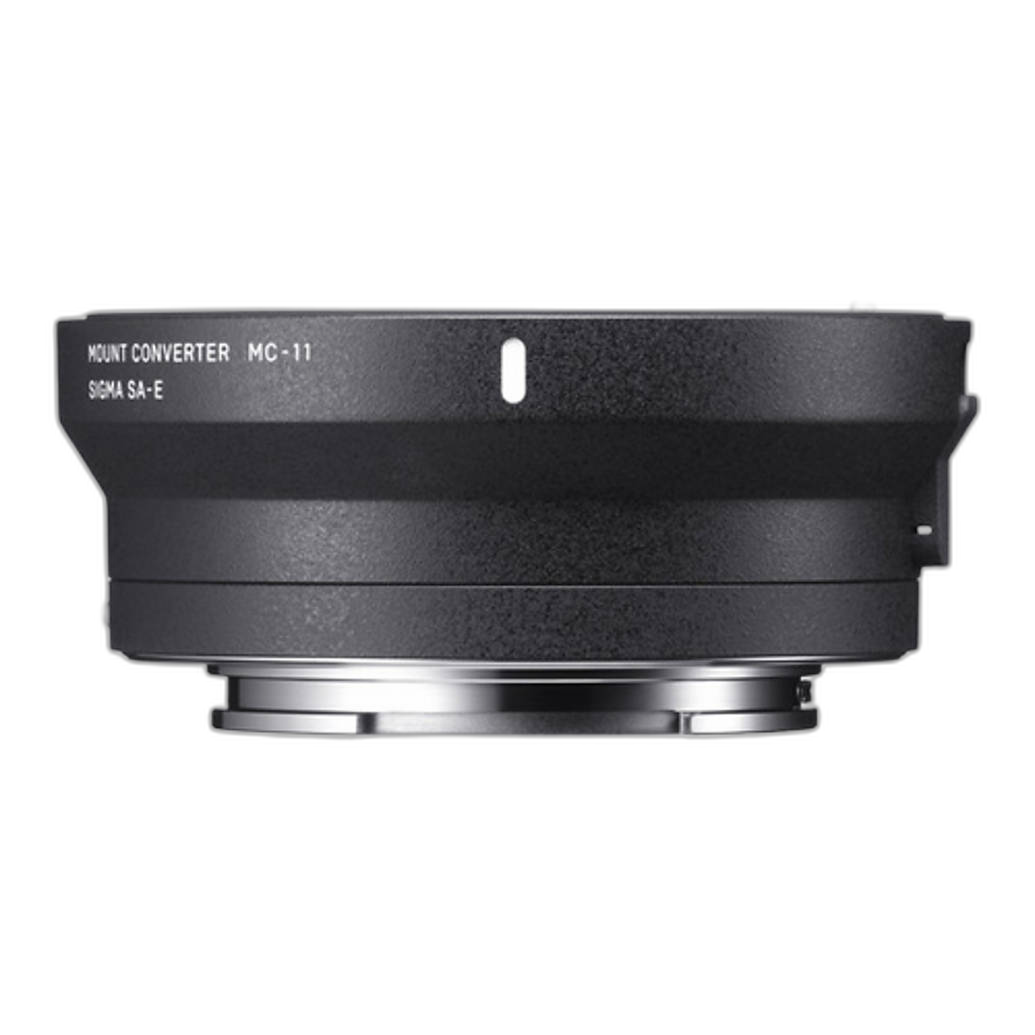
If your A-cam is Sony E-mount but your preferred optics are EF, a quality adapter preserves your plan. The Used Sigma MC-11 Mount Adapter (Canon EF to Sony E) can bridge systems—retaining electronic communication for many EF still lenses, and providing a solid, reliable interface for manual cine glass—so you can keep one lens family’s color and contrast across bodies without compromising mounts.
Plan blocking and coverage around lens personality
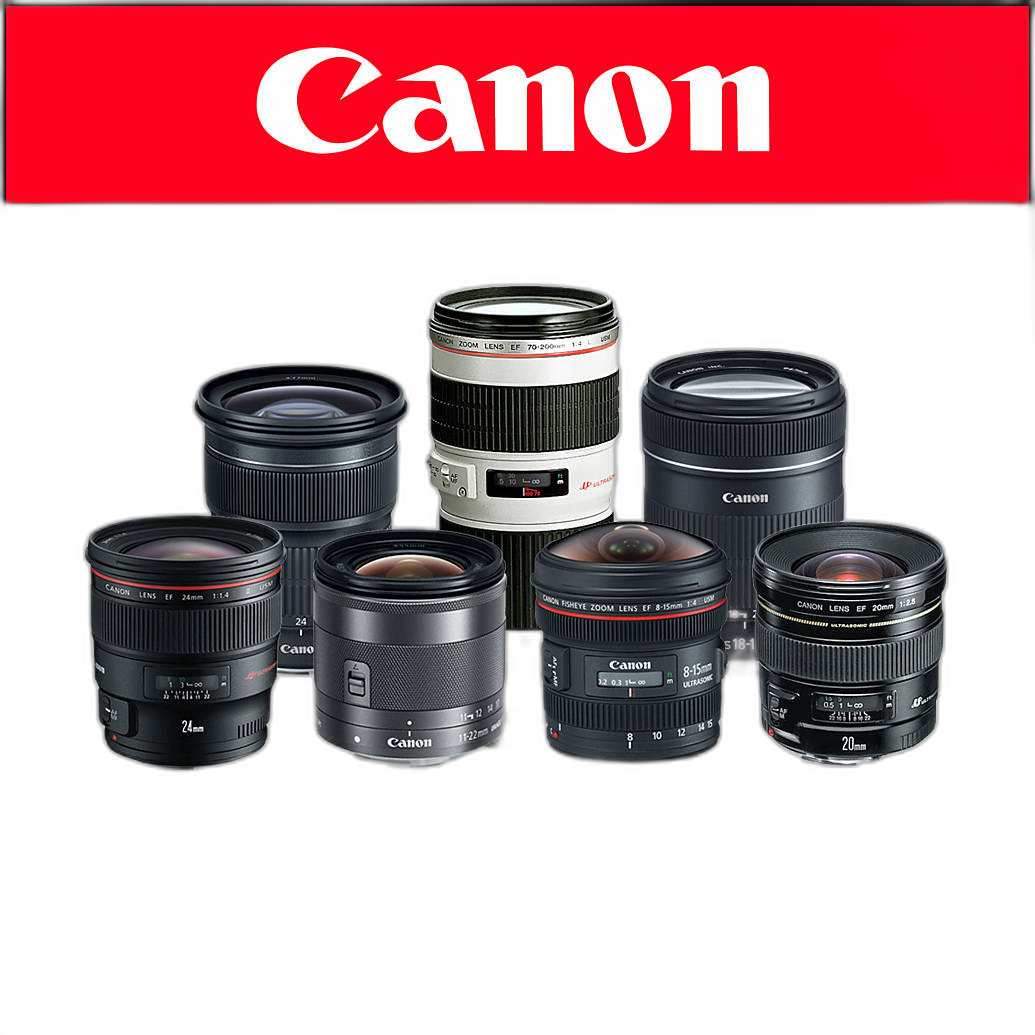
Wide and close feels urgent and kinetic; long and distant feels observational or isolating. Pre-visualize with stills or storyboards marked by focal length, then build your shot list around how each lens supports the beat. For an at-a-glance resource, Unique Photo’s guide ‘Canon Lenses: Finding the Right Lens for You’ is a solid primer when you’re exploring focal lengths and perspective for a Canon-based kit.
Control flare and micro-contrast to match mood
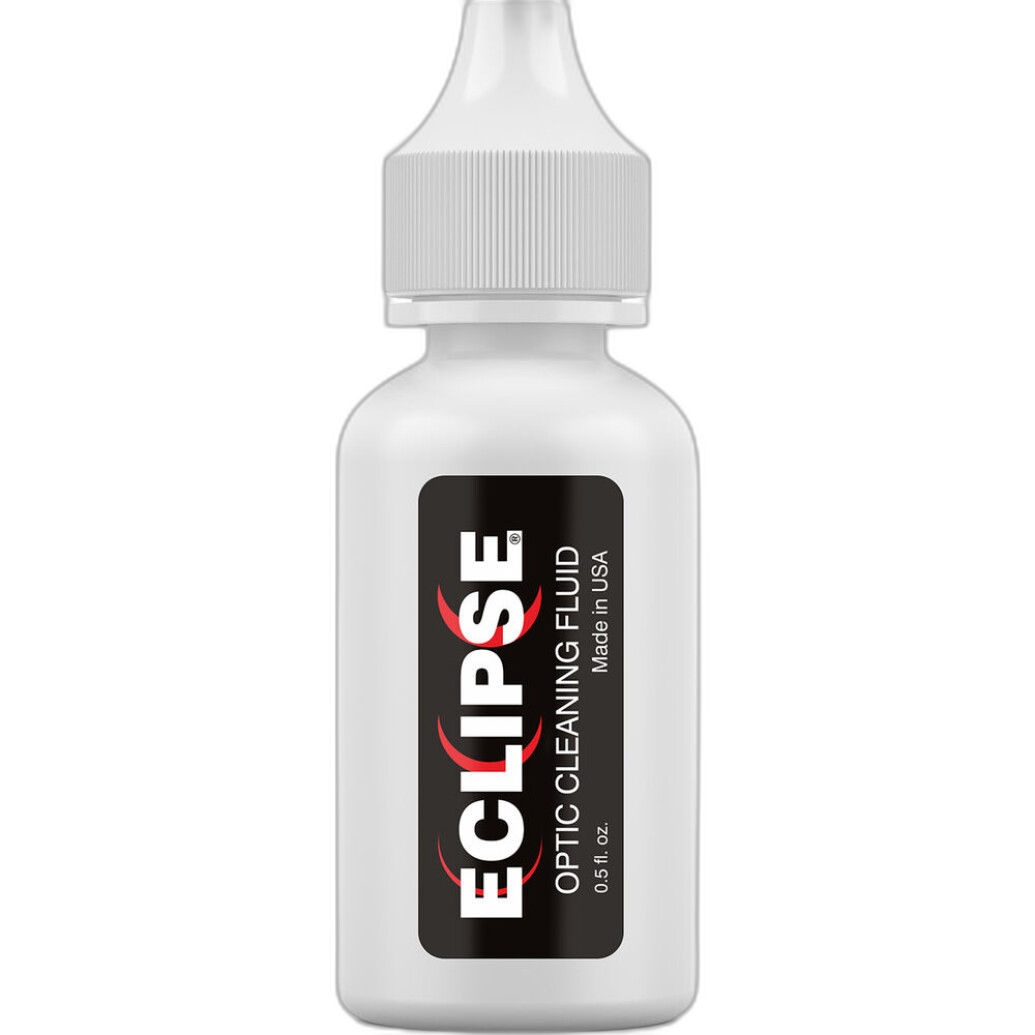
Veiling flare can flatten blacks and wash color—great for dream sequences, not for noir. Use hoods and keep front elements clean to protect contrast. A reliable cleaning solution like Photographic Solutions Eclipse Optic Cleaner helps remove oils and smudges that knock down micro-contrast. Always follow manufacturer instructions and use appropriate swabs or cloths for lenses versus sensors.
Protect and insure your lens kit
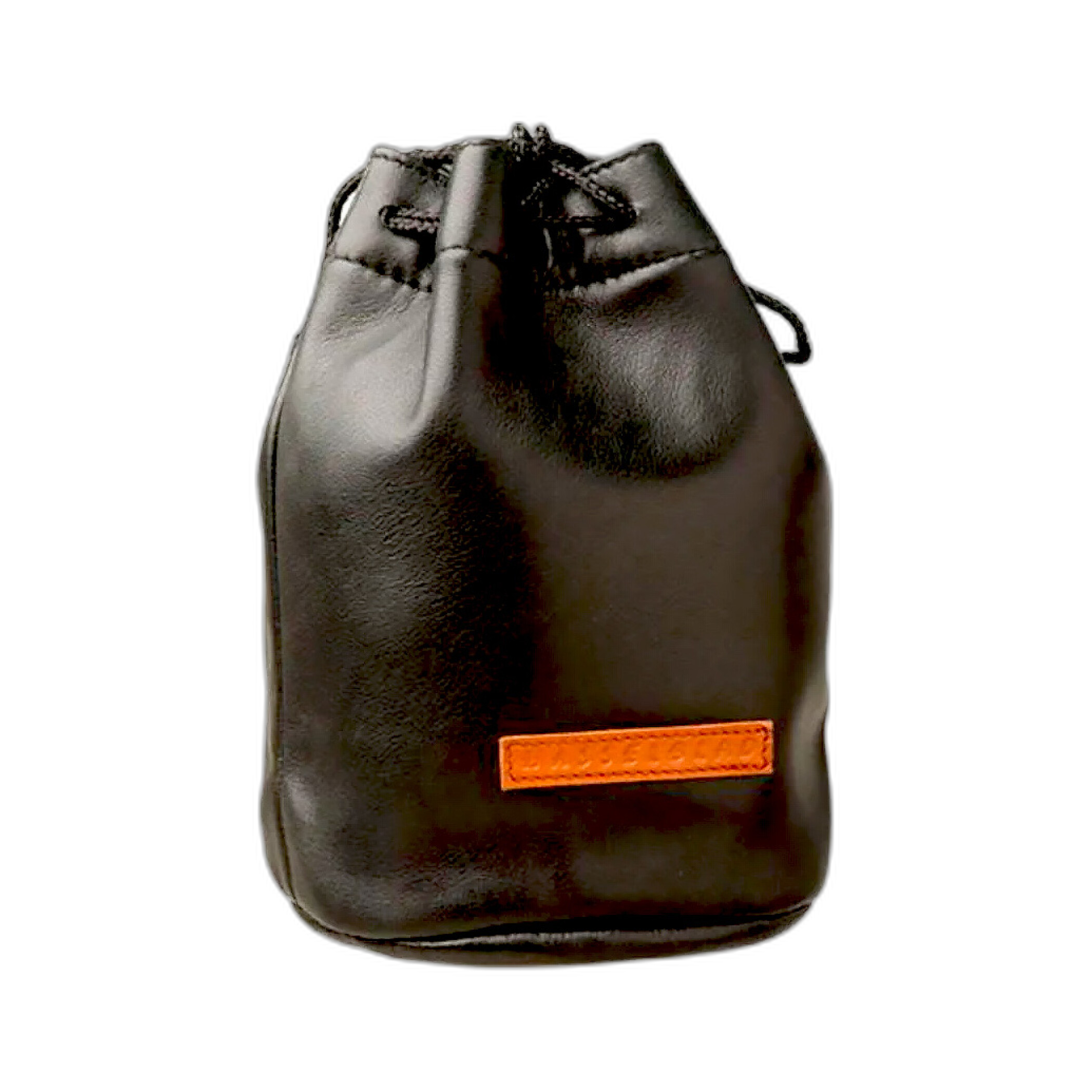
Features are marathons—transport and set changes invite risk. Keep glass padded and organized. If you’re running a Hasselblad HC setup, the Hasselblad Lens Pouch HC/2 offers a tidy, protective home; for other systems, use similar padded pouches sized to your lenses.
For cinema glass, consider coverage like Canon CarePAK PRO Accidental Damage Protection (2-Year) for Canon Cinema Lenses to safeguard the investment and keep you shooting if the unexpected happens.

Update and maintain firmware for predictable focus
If your kit includes Canon RF-mount lenses from third-party makers, a lens station (such as the Used Samyang Lens Station for Canon RF Mount) lets you update firmware and fine-tune behavior so focus performance stays consistent across bodies and shoots. Consistency buys you time—and time buys you options on set.
Build a short prep-day ritual
Before each company move or shoot day: confirm focal lengths cover your shot list; verify focus marks; check adapters; fit hoods; and clean front and rear elements. Keeping your cine pair organized—like the Sigma 18–35mm T2 and 50–100mm T2 in their case—saves minutes that add up to extra takes when the performance magic happens.
Wrap-up
Lens choice is story choice. Let field of view set perspective, flex your kit to match pace, and use depth of field and flare control to sculpt mood. Test, take notes, and lock a look you can repeat under pressure. When you’re ready to refine or expand your kit, visit Unique Photo for expert guidance and gear that keeps your narrative power front and center.