Entering a photo or video contest is exciting, but before you upload your best work, it is worth taking a careful look at the legal side of your entry. Rights, permissions, and model releases can affect whether your image or film is eligible, whether it can be published, and whether you are protected if questions come up later. The good news is that a few smart habits can make contest submissions much smoother. Here are practical tips to help you stay organized and submit with confidence.
Start by Reading the Contest Rules Closely
1. Check what rights you are giving the organizer
Not all contests ask for the same usage rights. Some only request permission to display your work in connection with the contest, while others may seek broad promotional or commercial use. Read the terms carefully so you understand whether you are licensing limited display rights or something much more expansive. This matters whether you shot on a classic camera like a Used LE Furet Model 1 35MM Camera With 35MM F/3.5 or created a polished short film with a modern cinema setup.
If the contest includes video, pay special attention to soundtrack, voice, and interview rights too. For projects with dialogue or live performances, keeping good audio records and consent notes alongside your files can be just as important as protecting the visuals.
Know When a Model Release Is Needed
2. Get written permission from recognizable people whenever possible
A model release is commonly needed when a recognizable person appears in work that may be published, promoted, or used commercially. Contest use can fall into a gray area depending on the rules, so obtaining a signed release is often the safest route. If your subject is clearly identifiable, a release helps avoid disputes later.
This is especially important for portrait entries, lifestyle shoots, and narrative films. If you are producing cinematic contest content with lenses like the Irix Cine Entry Set for Canon RF, Sony E, or Canon EF, and your project features actors or directed scenes, releases should be part of your standard workflow from day one.
Be Extra Careful With Minors
3. Always get a parent or guardian signature for children
If your contest entry includes minors, you generally need consent from a parent or legal guardian. A child cannot usually sign their own binding release. Make sure the form clearly identifies the minor, the parent or guardian, and the scope of permission being granted.
This applies whether you are entering a still image, a documentary short, or a stylized scene captured with a cinema kit such as the Irix Cine Entry Set (21/30/45mm) Fuji X or MFT version. The more professionally produced the work looks, the more likely it is to be shared widely by contest organizers, making proper paperwork even more important.
Property Releases Matter Too
4. Do not forget locations, artwork, and private spaces
Even if you have your subject's permission, the location or objects in the frame can raise separate issues. Private homes, distinctive interiors, murals, branded displays, and some venues may require a property release or prior permission. Contest rules sometimes specifically prohibit entries that infringe on third-party rights.
For filmmakers building a polished entry with a lens package like the Irix Cine Entry Set (21/30/45mm) PL, securing location permission in advance is much easier than trying to replace a key shot later because the backdrop was not cleared.
Audio Has Rights Issues of Its Own
5. Clear music, performances, and spoken content
Video contest entries often run into trouble because of music rights. If you did not create the music yourself or license it properly, your entry could be rejected or muted. The same goes for recorded performances, readings, and sometimes even ambient audio captured in a public event.
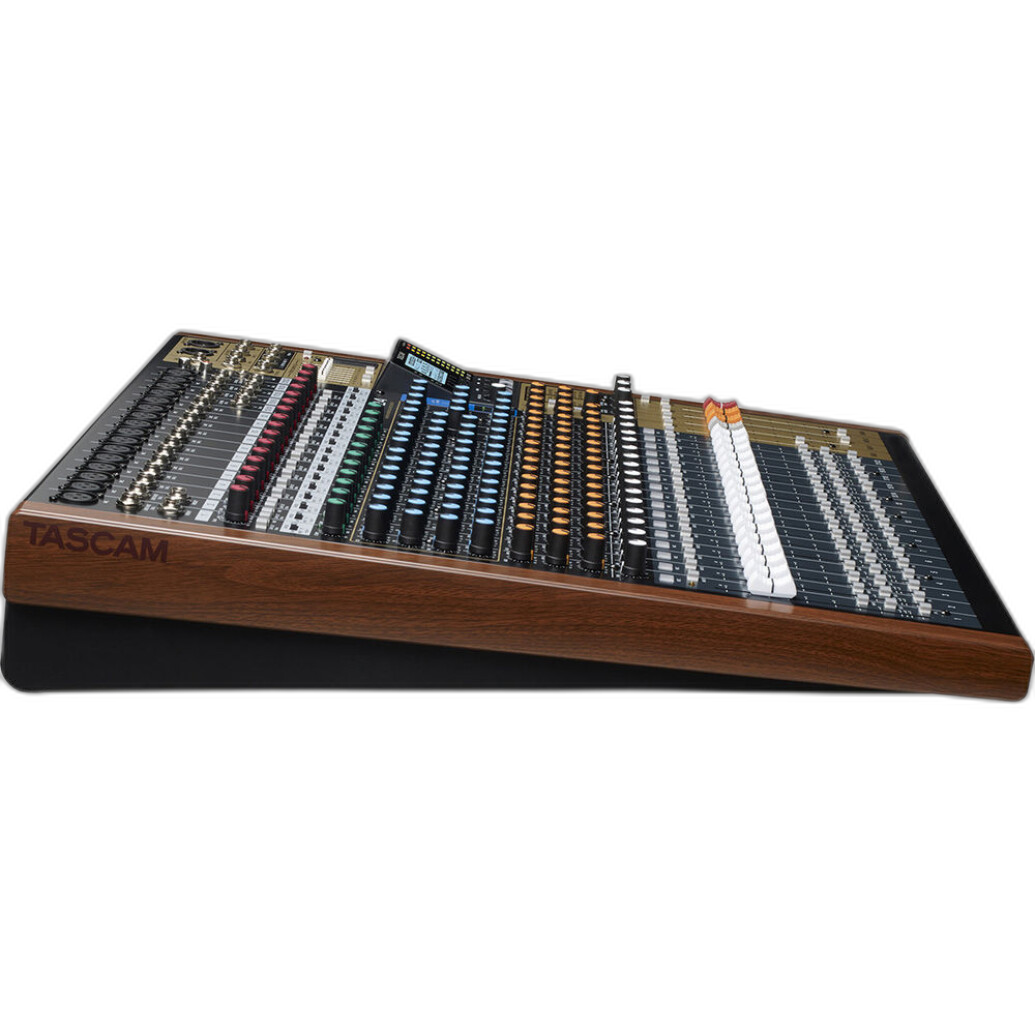
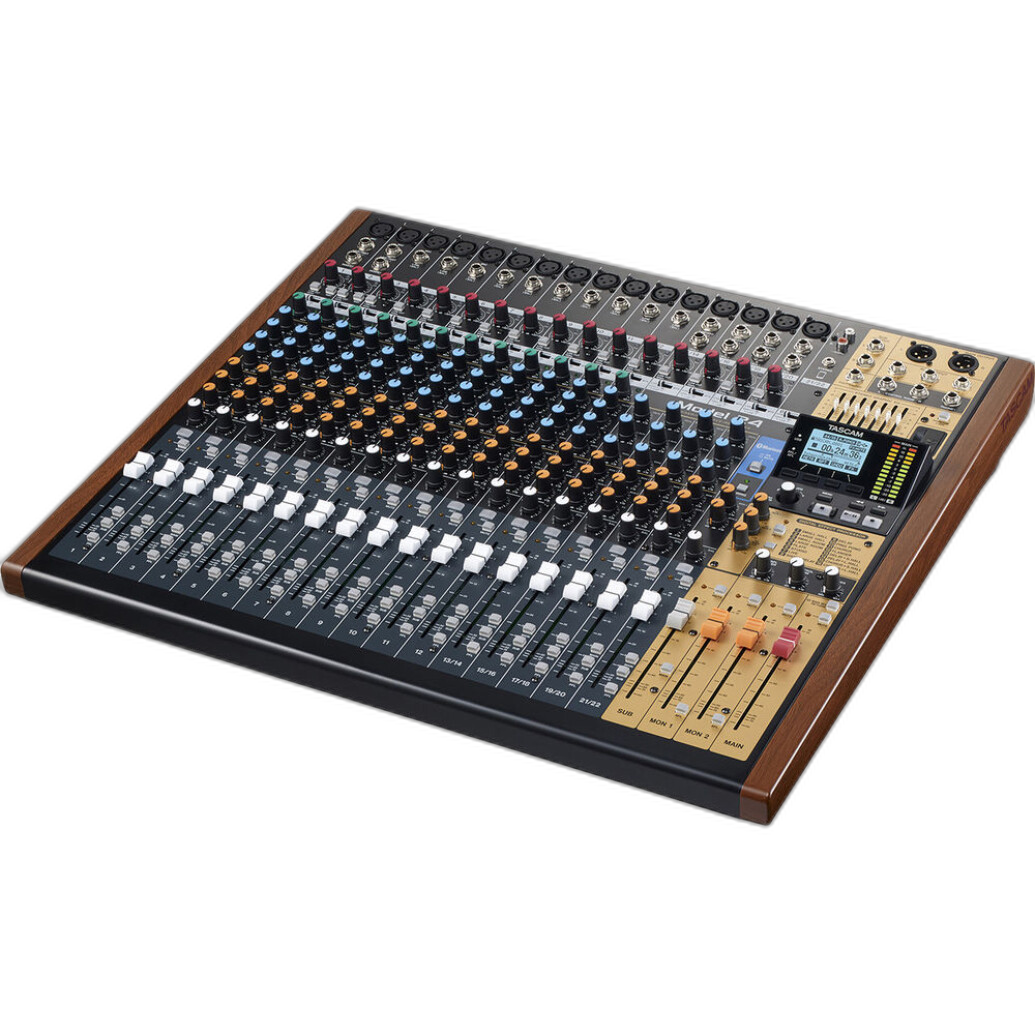
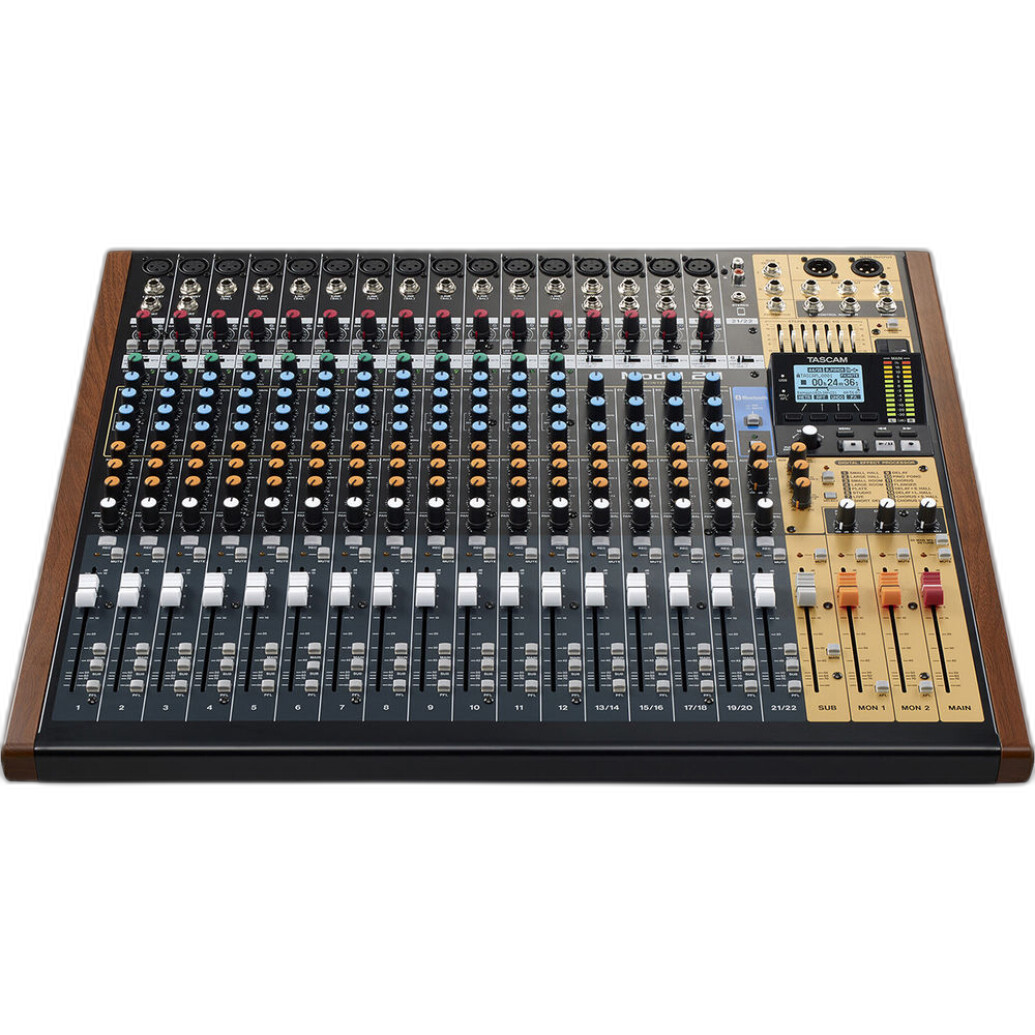
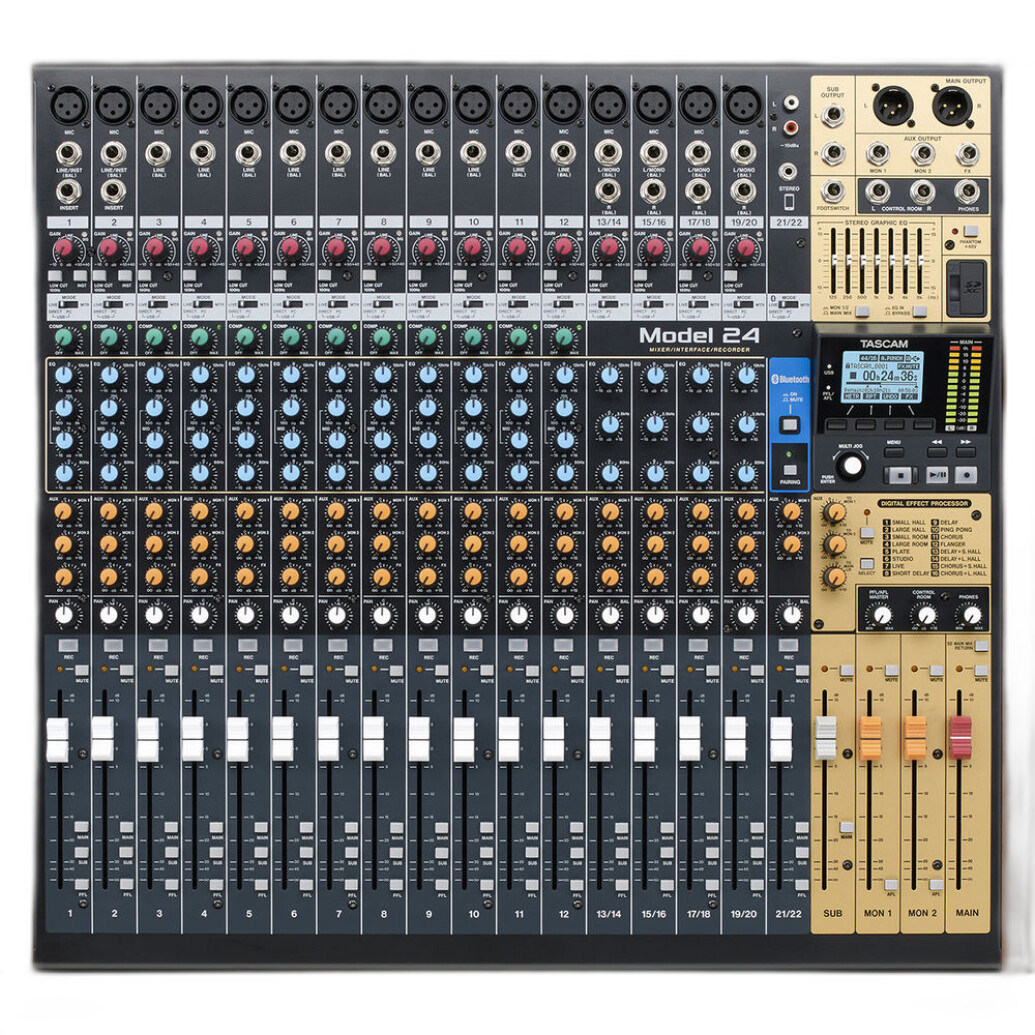
When recording interviews, live sessions, or multi-person productions, a tool like the Tascam Model 24 - Digital Mixer, Recorder, and USB Audio Interface can help keep audio capture organized, especially when you need clear documentation of who was miked and recorded during a session. Clean production practices make it easier to match releases and permissions to your final edit.
Keep Your Paperwork Organized
6. Match releases to file names, shoot dates, and subjects
One of the most useful habits is creating a system for paperwork. Save releases with the project name, date, subject name, and version number. If a contest organizer asks for proof of permission, you do not want to search through old downloads minutes before a deadline.
- Create a folder for each contest project
- Store scans or PDFs of all model and property releases
- Include contact details and shoot dates
- Keep a note of where and how the work was created
This applies equally to film and photography, whether your entry came from a vintage still camera or a professional cinema package like the Irix Cine Entry Set (21/30/45mm) Sony E.
Understand Editorial vs. Commercial Use
7. Do not assume a contest is purely editorial
Some creators believe a release is unnecessary because a contest feels editorial or artistic. But many contests promote winners in ads, social posts, banners, catalogs, and sponsor materials. That promotional use can create a stronger need for valid releases. When in doubt, get permission in writing.
If your image or short film is strong enough to win, it is also strong enough to be featured widely. Planning ahead protects both your work and your reputation.
Check Copyright Ownership Before You Enter
8. Make sure you actually own every part of the submission
You should only enter work you fully own or have properly licensed. That includes the visuals, the audio, graphics, and any stock elements. If you collaborated with others, confirm who owns the final piece and who has authority to submit it. Crew-made films, client projects, and school productions can all involve shared rights.
For example, if you built a cinematic piece using the Irix Cine Entry Set (21/30/45mm) Canon EF and separately recorded a performance mix, make sure all contributors understand how the finished work may be used by the contest organizer.
When in Doubt, Get More Permission Than Less
9. A simple release now can save a major problem later
Many legal issues in contest submissions come down to missing paperwork rather than bad intent. If there is any chance a person, location, or performance may need approval, get that release before the shoot or immediately afterward. It is far easier to collect signatures when everyone is present than weeks later.
For multimedia creators producing polished entries with advanced tools, from cinema lens kits to the Tascam Model 24, building release collection into your production checklist is one of the smartest professional habits you can develop.
Conclusion
Contest entries should showcase your creativity, not get derailed by preventable legal issues. By reading the rules, collecting model and property releases, clearing audio rights, and organizing your paperwork, you can submit with much greater confidence. If you are building your next contest-ready still or video project, Unique Photo offers gear for every kind of creator, from used classics to cinema lenses and audio tools that support a more professional workflow.