If you're trying to get smoother handheld video, you've probably asked the same question many creators do: do you really need a gimbal, or is in-body image stabilization (IBIS) enough? This guide is for hybrid shooters, filmmakers, vloggers, mobile creators, and anyone comparing camera stabilization to a dedicated handheld gimbal. The short answer is that both help, but they solve different problems. IBIS is excellent for reducing small handheld shake, while a gimbal is usually more effective when you want that floating, cinematic movement while walking, tracking, or revealing a scene.
If your footage still looks jittery even with stabilization turned on, or if you're shopping for better motion control, this guide breaks down when IBIS is enough, when a gimbal is the better tool, and which gimbals at Unique Photo make the most sense for different setups.
IBIS vs. Gimbal: What's the Difference?
IBIS is built into certain cameras and physically shifts the sensor to counteract small movements. It's convenient, always with you, and especially useful for handheld shooting with photo lenses, documentary work, or static shots where you want to avoid micro-jitter.
A gimbal is an external motorized stabilizer that actively keeps your camera or phone level across multiple axes. It is generally more effective than IBIS for moving shots, walking shots, push-ins, follow shots, and footage where you want polished motion instead of simply reduced shake.
In practical terms:
- IBIS is best for: quick setups, minimal gear, run-and-gun shooting, handheld interviews, and reducing subtle shake.
- Gimbals are best for: walking shots, event coverage, real estate video, cinematic movement, tracking subjects, and heavier camera motion.
- Using both together can often produce the best results, as long as your camera and lens combination behaves well and doesn't introduce unwanted warping.
Which Is More Effective for Smooth Handheld Video?
For pure handheld smoothness while standing still or making small adjustments, IBIS can be surprisingly good. Modern cameras can make static handheld shots look much cleaner than older bodies ever could.
But when the goal is motion through space—walking with a subject, gliding through a venue, or capturing dramatic reveal shots—a gimbal is typically more effective. IBIS can't fully remove the up-and-down bounce of footsteps or keep horizon drift under control the way a 3-axis gimbal can.
That means the best choice depends on how you shoot:
- If you mostly shoot short clips, social content, or handheld B-roll without much movement, IBIS may be enough.
- If you shoot weddings, commercial work, tours, vlogs, or client video where movement quality matters, a gimbal is usually worth it.
- If you use a smartphone, a dedicated mobile gimbal can produce a major jump in polish compared to software stabilization alone.
Quick Comparison: IBIS vs. Gimbal
| Feature | IBIS | Gimbal |
|---|---|---|
| Built into camera | Yes | No |
| Extra gear to carry | No | Yes |
| Best for walking shots | Moderate | Excellent |
| Best for static handheld shots | Excellent | Good |
| Setup speed | Fast | Slower due to balancing |
| Cinematic movement | Limited | Excellent |
| Works with smartphones | No | Yes, with phone gimbals |
| Best choice for professional motion control | Sometimes | Usually |
When a Gimbal Makes the Biggest Difference
A gimbal is often the smarter buy if any of the following sound familiar:
- You shoot walkthroughs, property tours, or venue videos.
- You regularly follow moving people.
- You want cleaner movement for weddings or events.
- You use longer lenses or heavier camera setups.
- You create polished content for clients and need repeatable motion.
Below are some strong options depending on whether you shoot with a mirrorless camera, compact rig, or smartphone.
Best Gimbals to Pair With or Replace Heavy Reliance on IBIS
Zhiyun CRANE 4 3-Axis Handheld Gimbal Stabilizer Combo Kit
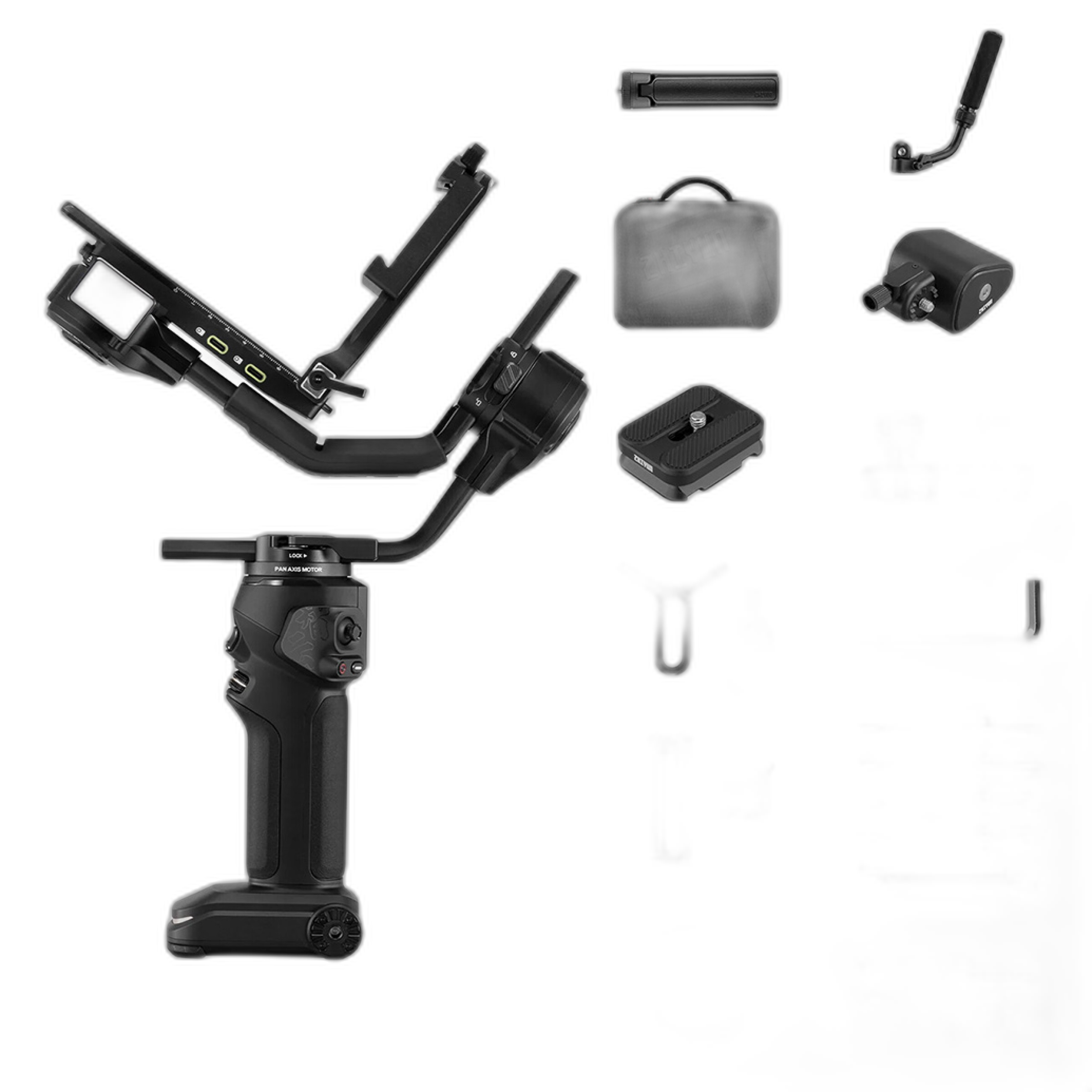
If you're comparing IBIS to a serious camera stabilizer, the Zhiyun CRANE 4 represents the kind of tool that clearly shows what a dedicated gimbal can do better. This is the pick for creators using larger mirrorless or cinema-style builds who need smoother tracking shots, controlled movement, and more confidence with heavier setups.
Compared to IBIS alone, a gimbal like the CRANE 4 is far more effective at smoothing motion while walking and maintaining a stable horizon. It's especially appealing for wedding filmmakers, commercial shooters, event videographers, and anyone who wants more advanced camera support than basic internal stabilization can provide.
Best for: advanced shooters, heavier cameras, professional video work, cinematic movement.
Why buy it: if your projects demand the most polished handheld motion, this is where a dedicated gimbal starts to pull well ahead of IBIS.
Our Pick: Best overall choice for creators who want the clearest upgrade over IBIS.
Zhiyun CRANE M3S Handheld Gimbal Stabilizer Combo
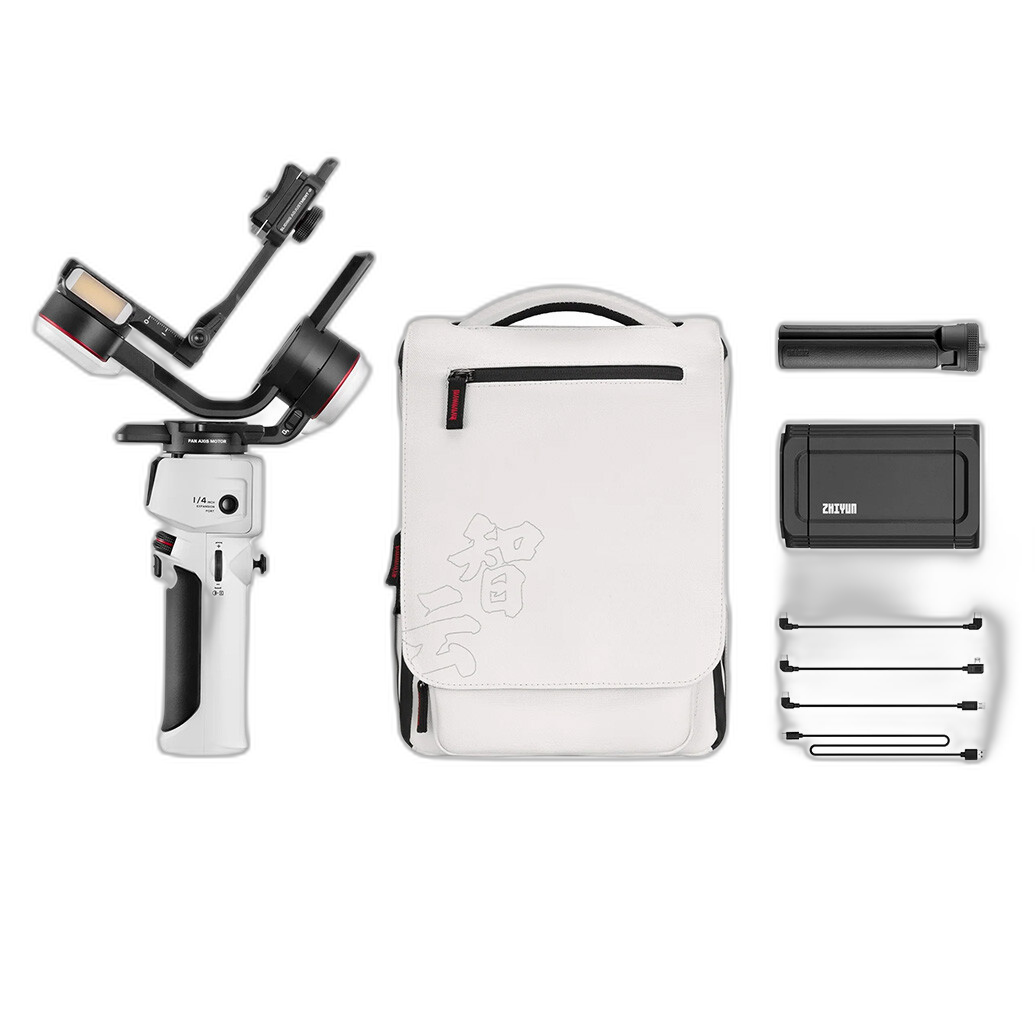
The Zhiyun CRANE M3S is a smart option for mirrorless shooters who want a more compact gimbal without jumping to a larger system. If IBIS gets you part of the way there but your walking shots still need help, a smaller gimbal like this can be the ideal next step.
It makes a lot of sense for content creators, travel videographers, and hybrid shooters working with lighter camera-and-lens combinations. In the real world, this is the sort of gimbal that can turn decent handheld footage into much smoother, more intentional-looking motion.
Best for: lightweight mirrorless kits, travel creators, hybrid shooters.
Why buy it: easier to carry than a larger gimbal, but still a meaningful upgrade over IBIS for moving shots.
Zhiyun Smooth 5S AI PRO Phone Gimbal
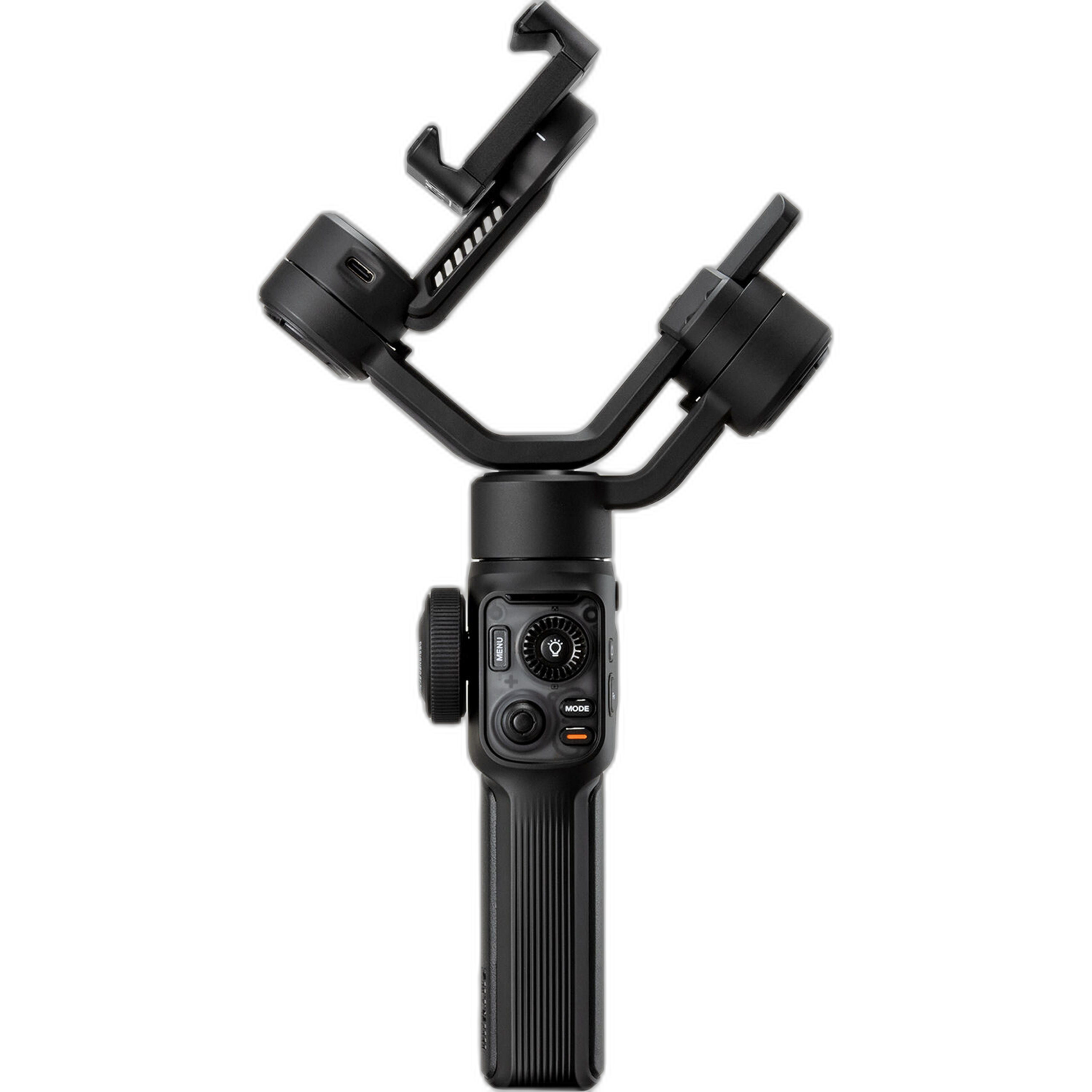
If you shoot primarily on a smartphone, IBIS isn't really the comparison point—digital and optical stabilization are. A dedicated mobile stabilizer like the Zhiyun Smooth 5S AI PRO can make a big difference for creators who want more controlled movement, better pans, smoother walking footage, and a more professional look from a phone.
For mobile filmmaking, vlogging, social media content, and travel clips, this kind of gimbal is often one of the fastest ways to elevate video quality. It helps especially when you're moving with the camera instead of shooting static clips.
Best for: mobile creators, vloggers, social-first video, smartphone filmmaking.
Why buy it: much more effective than relying on phone stabilization alone when you want polished movement.
Benro 3 Axis Handheld Gimbal for Smartphone
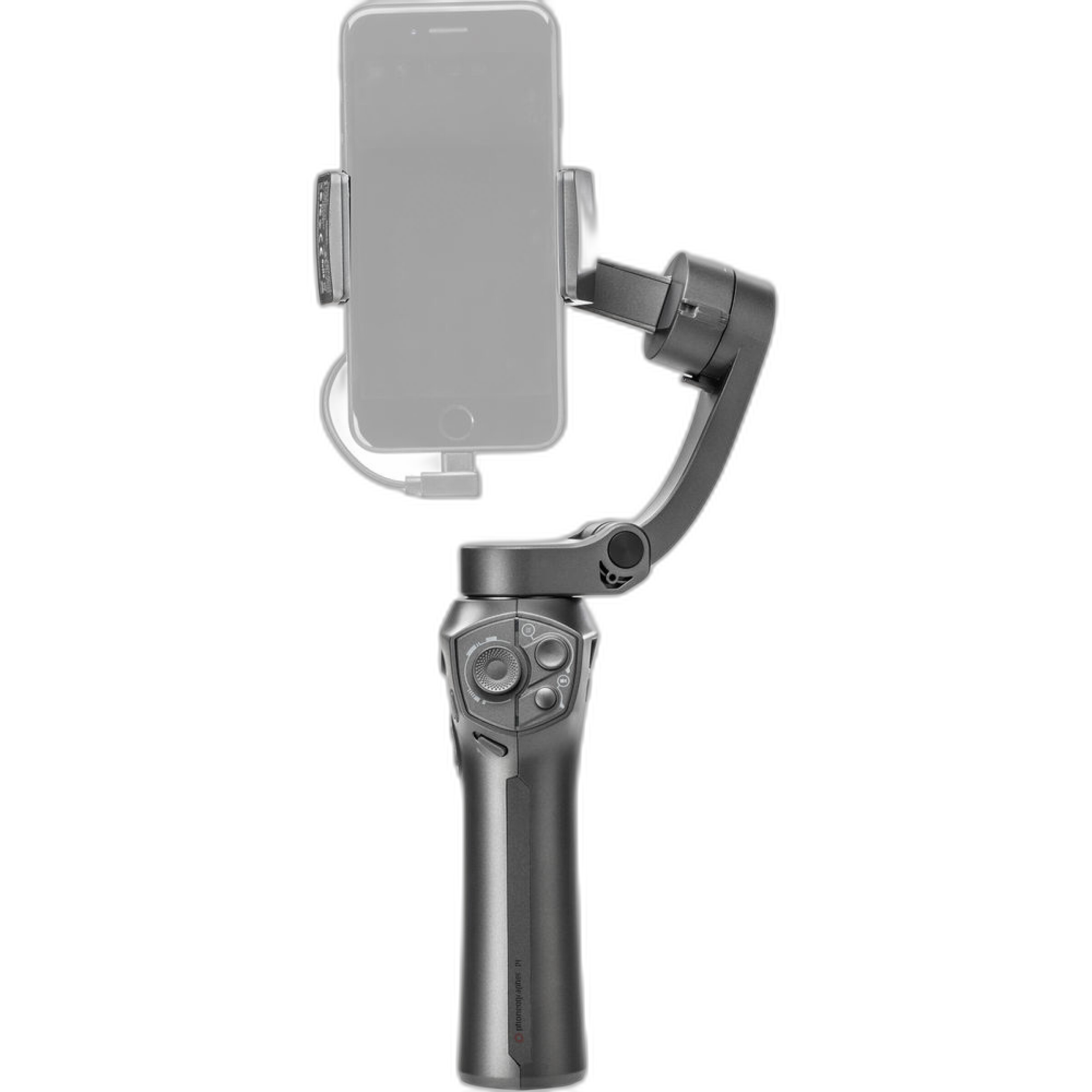
The Benro 3 Axis Handheld Gimbal for Smartphone is a practical alternative for creators who want smoother phone footage without stepping into a more advanced mobile rig right away. If your priority is better handheld movement for casual content, travel, or beginner mobile video, this is an accessible category to consider.
It won't replace strong camera technique, but it can still deliver a more stable look than handheld phone shooting by itself, especially for pans, walk-and-talk clips, and everyday content creation.
Best for: beginner smartphone video, travel clips, casual content creation.
Why buy it: a straightforward way to improve mobile footage beyond what built-in stabilization can typically do on its own.
Used ikan PIVOT Angled 3-Axis Handheld Gimbal Stabilizer - Excellent
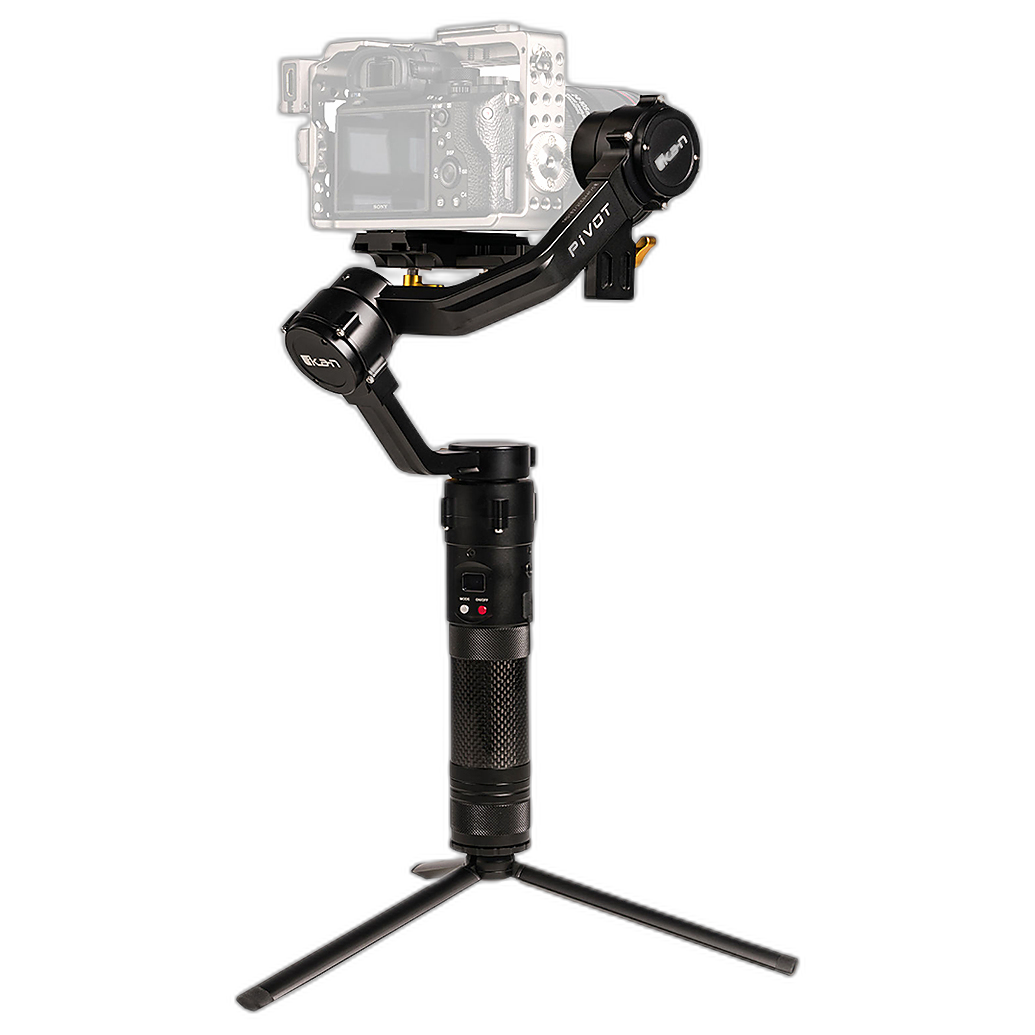
Buying used can be a smart path if you know you need more stabilization than IBIS offers but want to keep costs down. The Used ikan PIVOT is worth a look for budget-conscious shooters who want a dedicated gimbal for smoother handheld motion without buying new.
Used gear can be especially attractive for students, first-time filmmakers, or creators building out a kit on a tighter budget. The biggest advantage here is simple: you can step into motorized stabilization at a lower cost and decide how much it improves your workflow before investing further.
Best for: budget-minded filmmakers, students, first-time gimbal users.
Why buy it: a more affordable entry into dedicated stabilization than relying on IBIS alone and hoping for cinematic movement.
Used Pilotfly H2 3-Axis Handheld Gimbal Stabilizer - Good
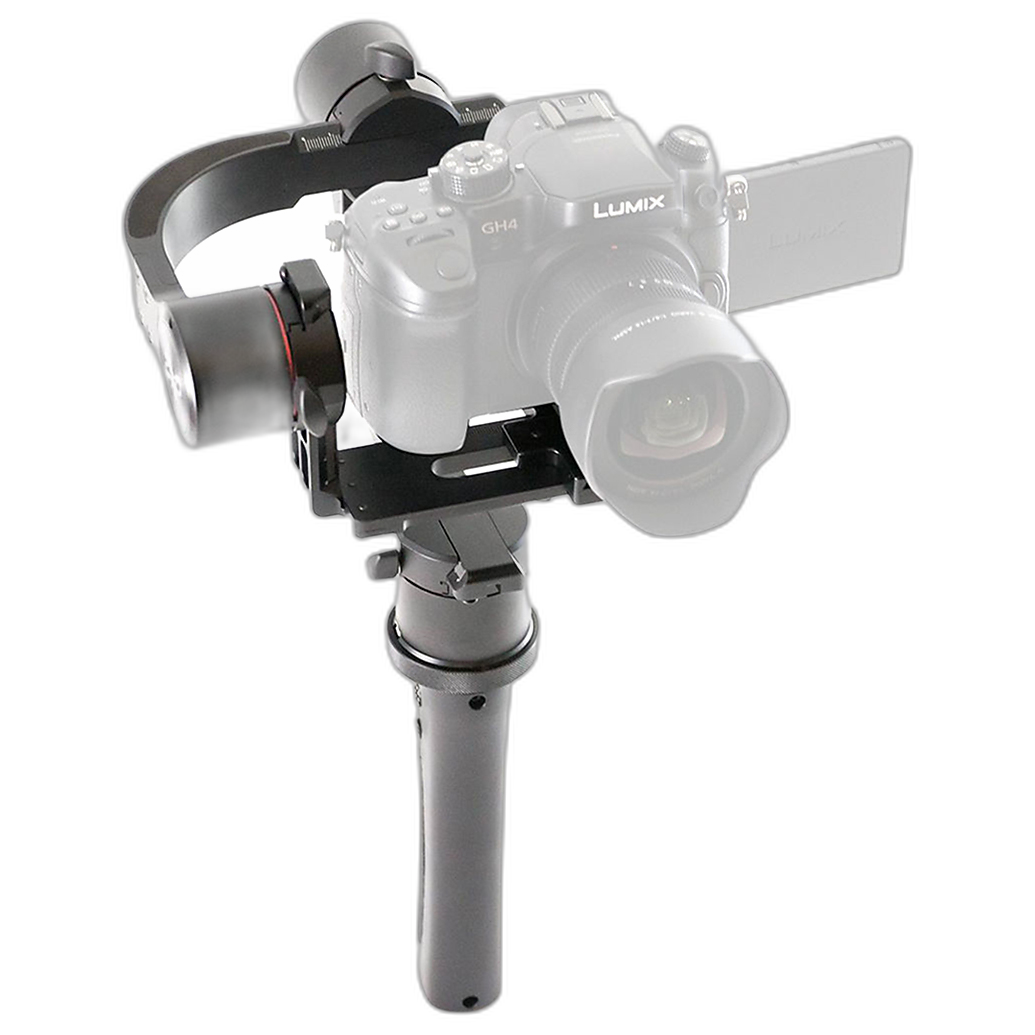
The Used Pilotfly H2 is another worthwhile used option for shooters who want to experiment with gimbal-based motion on a budget. If your camera has limited or no IBIS, a used gimbal may provide a more noticeable improvement than upgrading bodies just for stabilization.
This kind of purchase makes sense for creators who need smoother footage for occasional projects, B-roll, or learning camera movement techniques without committing to a premium new stabilizer right away.
Best for: occasional video shooters, budget kits, learning camera movement.
Why buy it: a cost-conscious route to smoother handheld footage and better motion control.
Used Excellent Zhiyun CRANE M3S Handheld Gimbal Stabilizer
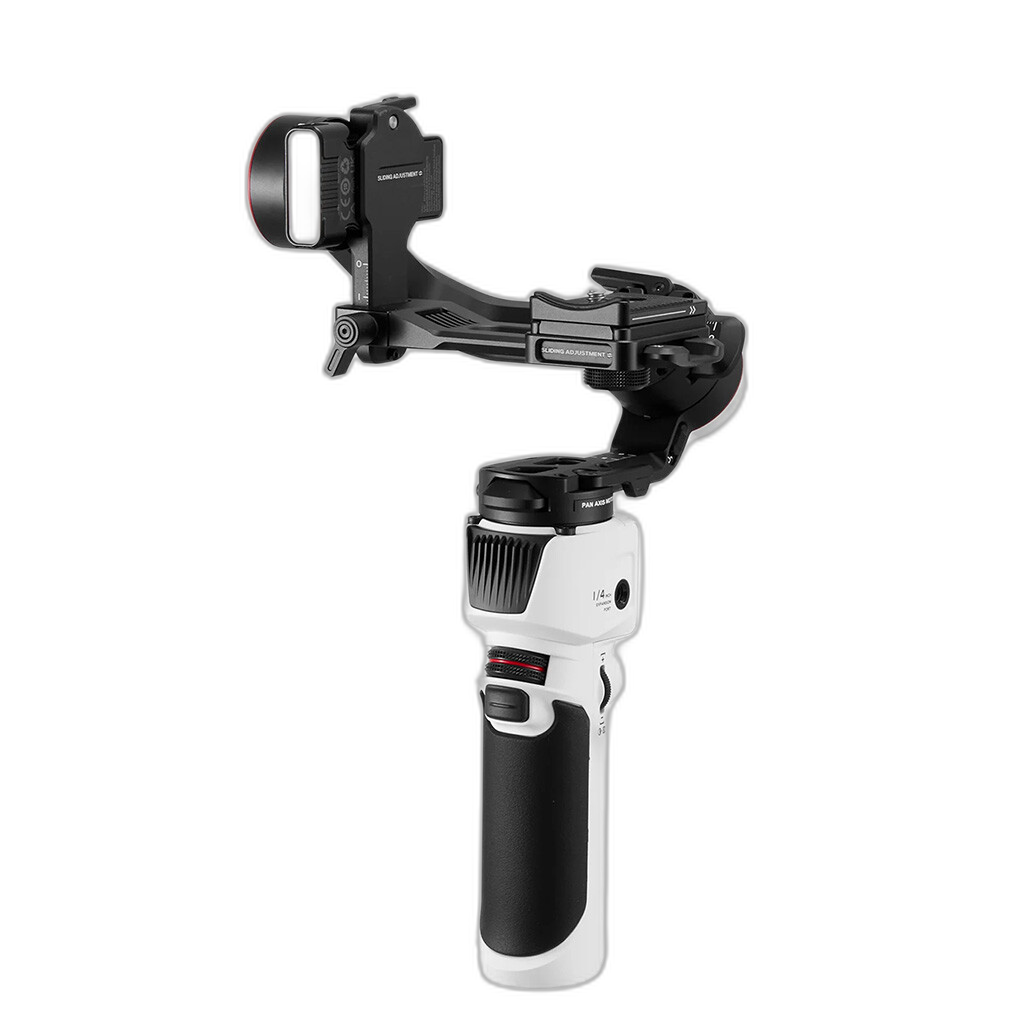
If you like the compact appeal of the CRANE M3S but want to save money, the Used Excellent Zhiyun CRANE M3S is a particularly compelling middle ground. It offers the practical benefits of a modern compact gimbal while potentially lowering the investment barrier.
For many mirrorless shooters, this is the sweet spot: more stabilization performance than IBIS for moving shots, but in a more approachable package than a larger pro-oriented gimbal.
Best for: mirrorless users seeking value, travel shooters, content creators.
Why buy it: a balanced mix of portability, motion control, and used-gear value.
Best Choice by Shooting Style
| Shooting Style | What to Choose | Recommended Product |
|---|---|---|
| Professional mirrorless/cinema work | Dedicated gimbal over IBIS alone | Zhiyun CRANE 4 |
| Compact mirrorless travel kit | Compact gimbal plus IBIS if available | Zhiyun CRANE M3S |
| Smartphone filmmaking | Phone gimbal | Zhiyun Smooth 5S AI PRO |
| Beginner mobile content | Entry smartphone gimbal | Benro 3 Axis Handheld Gimbal for Smartphone |
| Budget camera stabilization | Used gimbal | Used ikan PIVOT or Used Pilotfly H2 |
Should You Rely on IBIS Alone?
IBIS alone is often enough if:
- You mostly shoot short handheld clips without walking.
- You prefer minimal gear and fast setup.
- You create documentary, photojournalism, or behind-the-scenes content.
- You use wider lenses and have steady technique.
But if you've ever watched your footage and noticed floating corners, step bounce, horizon drift, or distracting handheld sway, that's usually where a gimbal becomes the more effective tool.
Final Verdict
So, gimbal vs. IBIS for smooth handheld video: which is more effective? For moving shots, walking shots, and polished cinematic motion, a gimbal is generally more effective. For convenience, fast shooting, and reducing subtle handshake, IBIS is incredibly useful. Most creators benefit from IBIS as a baseline and a gimbal as the upgrade when motion quality really matters.
If you want the strongest overall recommendation, the Zhiyun CRANE 4 3-Axis Handheld Gimbal Stabilizer Combo Kit is our top pick for serious video creators who want a clear improvement over IBIS. If you prefer a lighter setup, the Zhiyun CRANE M3S is an excellent compact alternative, while smartphone shooters should look closely at the Zhiyun Smooth 5S AI PRO.
For help choosing the right stabilizer for your camera or phone setup, shop gimbals and used video gear at Unique Photo, where you can compare options for every budget and shooting style.