Landscape photographers using Sony cameras often ask the same question: which wide-angle lens is best for sweeping vistas, dramatic foregrounds, and travel-friendly versatility? If you are exploring Sony Lens Compare Beta tools or narrowing down focal lengths before your next trip, this guide from Unique Photo breaks down how to think about wide-angle choices for landscape photography in a practical way.
From ultra-wide perspectives to flexible zoom ranges, the right Sony lens depends on your shooting style, subject distance, light, and whether you prioritize maximum field of view or all-around versatility. Below, we will cover focal length strategy, composition tips, field techniques, and where lenses like the Sony FE 12-24mm f/2.8 GM Lens and Sony FE 24-105mm f/4 G OSS Lens fit into a landscape kit.
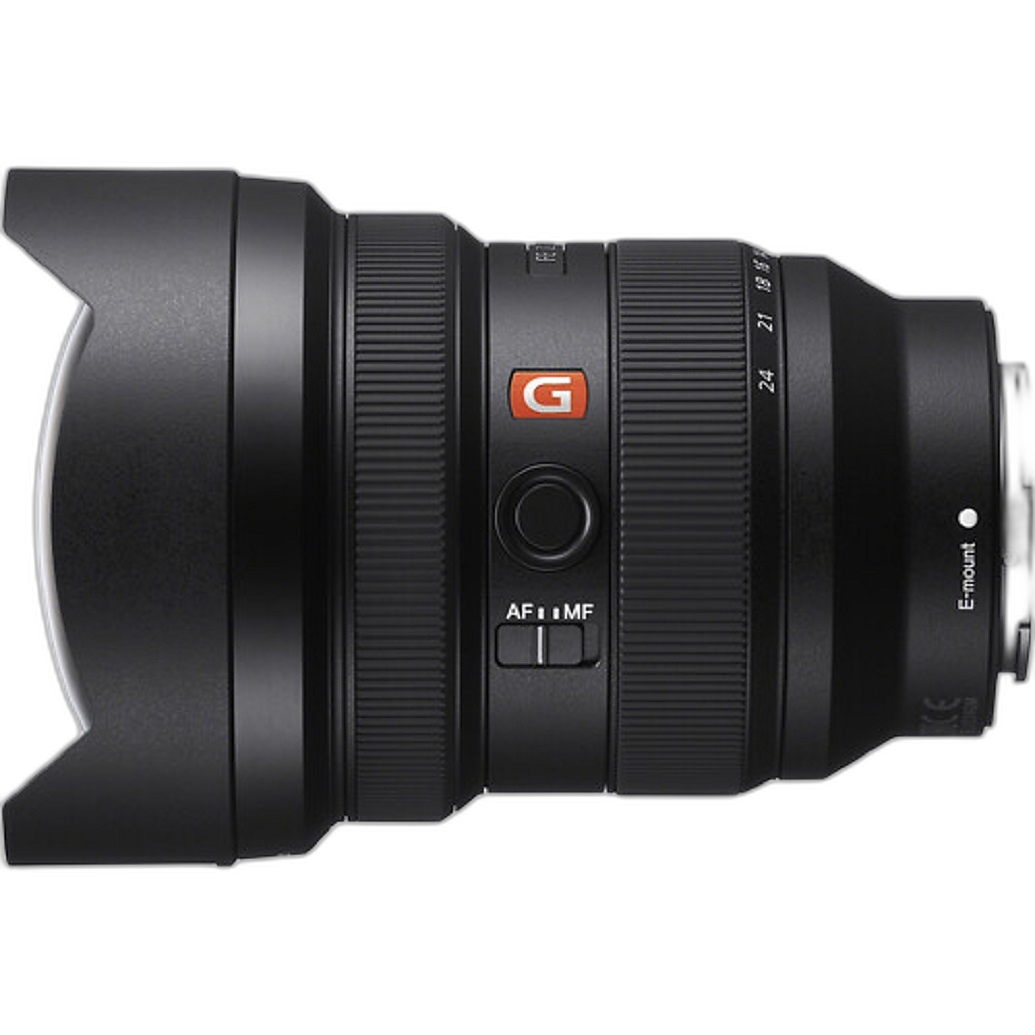
Best Sony Wide-Angle Lens Focal Lengths for Landscape Photography
When comparing Sony lenses for landscapes, focal length is usually the first and most important decision. Wide-angle lenses typically start around 24mm and go wider from there. For Sony full-frame shooters, these ranges are especially useful:
- 12mm to 16mm: ideal for expansive scenes, dramatic skies, interiors, canyons, and foreground-heavy compositions.
- 17mm to 24mm: a classic landscape range that feels wide without pushing distortion too aggressively.
- 24mm to 35mm: better for more natural perspective, layered mountains, stitched panoramas, and environmental scenes.
The Sony FE 12-24mm f/2.8 GM Lens stands out for photographers who want ultra-wide coverage with premium optics. At 12mm, it can capture an immense field of view that makes it easier to include sky, foreground texture, and leading lines in one frame. At 24mm, it shifts into a more traditional wide-angle perspective that still works beautifully for many landscape scenes.
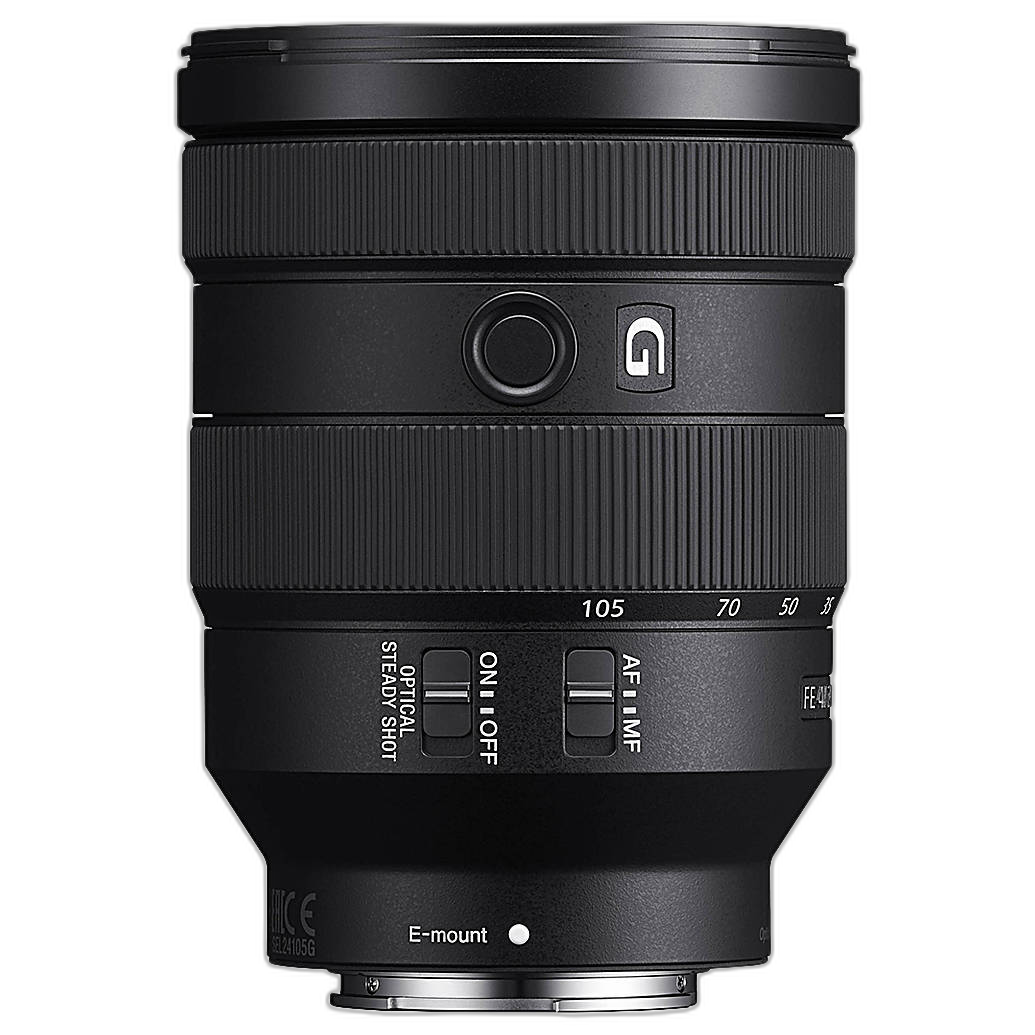
Meanwhile, the Sony FE 24-105mm f/4 G OSS Lens offers a very different advantage. While it does not reach ultra-wide territory, 24mm is still a reliable landscape focal length, and the extended zoom range allows you to isolate mountain ridges, compress distant elements, or frame tighter scenes without changing lenses.
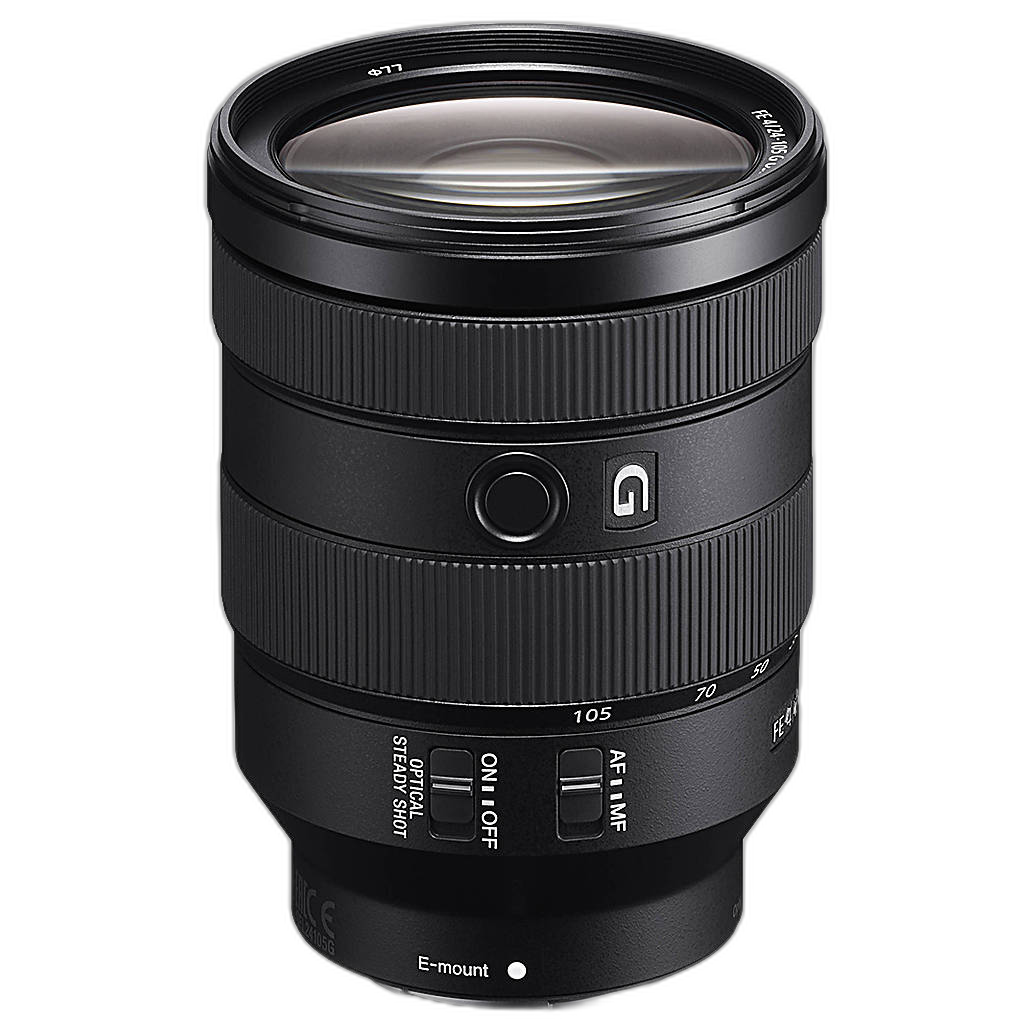
Sony FE 12-24mm f/2.8 GM vs Sony FE 24-105mm f/4 G OSS for Landscapes
If you are using a Sony Lens Compare Beta feature or simply shopping at Unique Photo, this is one of the most useful comparisons for landscape shooters. These lenses serve different purposes, and understanding that difference helps you buy with confidence.
Choose the Sony FE 12-24mm f/2.8 GM Lens if you want:
- Maximum width for epic landscapes
- Strong foreground emphasis
- Flexibility for astrophotography and low-light scene work
- A premium ultra-wide zoom for high-resolution Sony full-frame bodies
Choose the Sony FE 24-105mm f/4 G OSS Lens if you want:
- A more versatile walkaround landscape lens
- One-lens convenience for travel
- The ability to go from wide scenic frames to medium telephoto detail shots
- A balanced option for landscape, travel, and general photography
For pure wide-angle landscape impact, the 12-24mm GM is the stronger specialty tool. For photographers who want to pack lighter or handle varied subjects in one outing, the 24-105mm G OSS is often the more flexible everyday choice. Unique Photo customers often find that the best answer depends on whether they shoot destination landscapes intentionally or prefer a broader all-purpose kit.
How to Use Ultra-Wide Lenses for Better Landscape Composition
Buying a wide-angle lens is only part of the equation. To create stronger images, you need to understand how wide focal lengths change perspective. Ultra-wide lenses can make scenes feel immersive, but they can also make distant mountains appear smaller if the composition is not carefully built.
Here are a few key landscape photography tips when working wide on Sony:
- Get close to a foreground subject. Rocks, flowers, driftwood, and trail textures become powerful anchor points at 12mm to 16mm.
- Use leading lines. Paths, rivers, fences, and shoreline curves guide the viewer through the frame.
- Watch your edges. Ultra-wide lenses include a lot of scene area, so check corners for distractions.
- Keep horizons level. Wide-angle scenes can exaggerate tilt, especially in coastal or architectural landscapes.
- Simplify the frame. More width does not always mean a better image. Make sure every included element supports the composition.
The Sony FE 12-24mm f/2.8 GM Lens is especially effective when you want to exaggerate scale and depth. The lens encourages photographers to move physically closer to foreground details, which can create more dynamic and memorable landscape images.
When 24mm Is Wide Enough for Landscape Photography
Many photographers assume they need the widest possible lens for landscape work, but that is not always true. In fact, 24mm is often the sweet spot for scenic photography because it captures a broad view while maintaining more natural proportions.
The Sony FE 24-105mm f/4 G OSS Lens begins at 24mm, which is enough for:
- Sunrise and sunset vistas
- Mountain overlooks
- National park travel photography
- Coastal landscapes
- Environmental portraits during outdoor trips
It also allows you to zoom tighter when the scene calls for less sky, less empty foreground, or more subject isolation. This is a big advantage in changing conditions. Rather than defaulting to the widest frame, you can refine the composition in-camera.
Landscape Photography Settings for Sony Wide-Angle Lenses
Once you have selected your lens, camera settings matter just as much. Whether you are using a Sony ultra-wide zoom or a standard wide-to-telephoto option, these starting points can help:
- Aperture: Try f/8 to f/11 for strong depth of field in many scenes.
- ISO: Keep ISO low when possible for maximum dynamic range and detail.
- Shutter speed: Use a tripod for slower exposures at sunrise, sunset, or when using filters.
- Focus: Focus roughly one-third into the scene or use magnified manual focus when precision matters.
- File type: Shoot RAW for better highlight and shadow recovery.
With a lens like the Sony FE 12-24mm f/2.8 GM Lens, you may also explore low-light landscapes and night scenes. The fast f/2.8 aperture can be valuable when photographing starscapes or twilight compositions where maintaining shutter speed is critical.
Tips for Sharp Landscape Photos with Sony Lenses
Sharpness in landscape photography depends on more than just lens quality. Even the best Sony lenses will perform better when paired with solid technique. Here are a few important practices:
- Use a sturdy tripod in windy conditions
- Enable a self-timer or remote release to reduce vibration
- Turn off image stabilization on a tripod if recommended by your camera or lens manual
- Avoid stopping down too far, since extreme apertures can reduce overall sharpness through diffraction
- Review images at 100% when possible to check critical detail
Landscape photography rewards patience, and premium Sony optics can reveal incredible detail when used carefully. If you are testing options through Unique Photo, it helps to think beyond specs and consider your real-world shooting habits.
Should You Choose an Ultra-Wide Zoom or a Versatile Zoom for Travel Landscapes?
Travel landscape photographers often have to balance image goals with packing limitations. This is where the choice between the Sony FE 12-24mm f/2.8 GM Lens and the Sony FE 24-105mm f/4 G OSS Lens becomes especially relevant.
An ultra-wide zoom is excellent if your trip is built around dramatic landscapes, architecture, or night skies. A versatile zoom is often better if you want one lens for roadsides, city scenes, portraits, details, and landscapes all in a single bag.
For many travelers, the best solution is to decide based on destination:
- Wide open desert, dramatic coastlines, tight canyon trails: favor the 12-24mm
- General travel, national parks, mixed subjects, and flexible framing: favor the 24-105mm
Unique Photo is a great place to compare both styles and decide whether your next landscape trip is more about immersive width or all-around coverage.
Learning Landscape Technique Beyond Gear
Strong gear helps, but field experience matters most. If you want to improve your composition, light reading, and practical outdoor technique, learning in real-world conditions can make a big difference. Unique Photo offers educational opportunities like Macro and Landscape Photography at Duke Farms with Michael Downey, which can help photographers build confidence and sharpen their visual approach.

Workshops and guided sessions can teach you how to identify better foregrounds, manage depth, and use changing weather creatively—skills that improve your images no matter which Sony lens you choose.
How to Choose the Best Sony Landscape Lens for Your Photography Style
To simplify your decision, ask yourself these questions:
- Do you love dramatic foreground-heavy compositions?
- Do you regularly shoot astrophotography or blue-hour landscapes?
- Do you need one lens for landscapes plus travel and general use?
- Do you often find yourself wanting tighter compositions of distant peaks or layered scenery?
If your answer leans toward expansive perspectives and dramatic scene design, the Sony FE 12-24mm f/2.8 GM Lens is the obvious standout. If your answer leans toward flexibility and broad day-to-day usefulness, the Sony FE 24-105mm f/4 G OSS Lens may be the smarter fit.
Either way, comparing focal lengths thoughtfully is more useful than chasing the widest specification on paper. The best lens is the one that supports how you naturally see the landscape.
Conclusion: Compare Sony Wide-Angle Options with Confidence at Unique Photo
Landscape photography with Sony gear offers excellent options for both ultra-wide specialists and versatile zoom shooters. The Sony FE 12-24mm f/2.8 GM Lens is a compelling choice for photographers who want dramatic width, immersive compositions, and strong low-light capability. The Sony FE 24-105mm f/4 G OSS Lens is ideal for those who want one lens that can handle scenic wide shots and tighter landscape details with equal confidence.
As you use Sony Lens Compare Beta tools or browse at Unique Photo, focus on the kind of scenes you shoot most often, how you travel, and whether composition flexibility or maximum field of view matters more to you.
For next steps, Unique Photo can internally link readers to related resources such as Sony lenses, landscape photography gear, wide-angle lenses, and Unique University classes to help build a complete outdoor photography kit and skill set.