Landscape Photography Filters and Tripods Compared
Landscape photography often comes down to two essentials: controlling light and keeping the camera perfectly steady. That is why filters and tripods are such a core part of any outdoor kit. In this comparison, we’re looking at several landscape-friendly filter options from Lee Filters, Freewell, and Tiffen, along with travel tripod choices from SmallRig and Tilta. We’ll also touch on a helpful landscape photography book for photographers who want to sharpen both technique and creative vision.
For sweeping vistas, waterfalls, coastlines, and changing skies, the right setup can make a major difference. A filter system can help manage dynamic light, reflections, and long exposures, while a solid tripod supports sharp detail and deliberate composition. If you’re building a landscape kit, this head-to-head guide will help you decide which tools best match your shooting style.
Side-by-Side Specs Comparison
| Product | Type | Best For | Key Advantage | Potential Drawback |
|---|---|---|---|---|
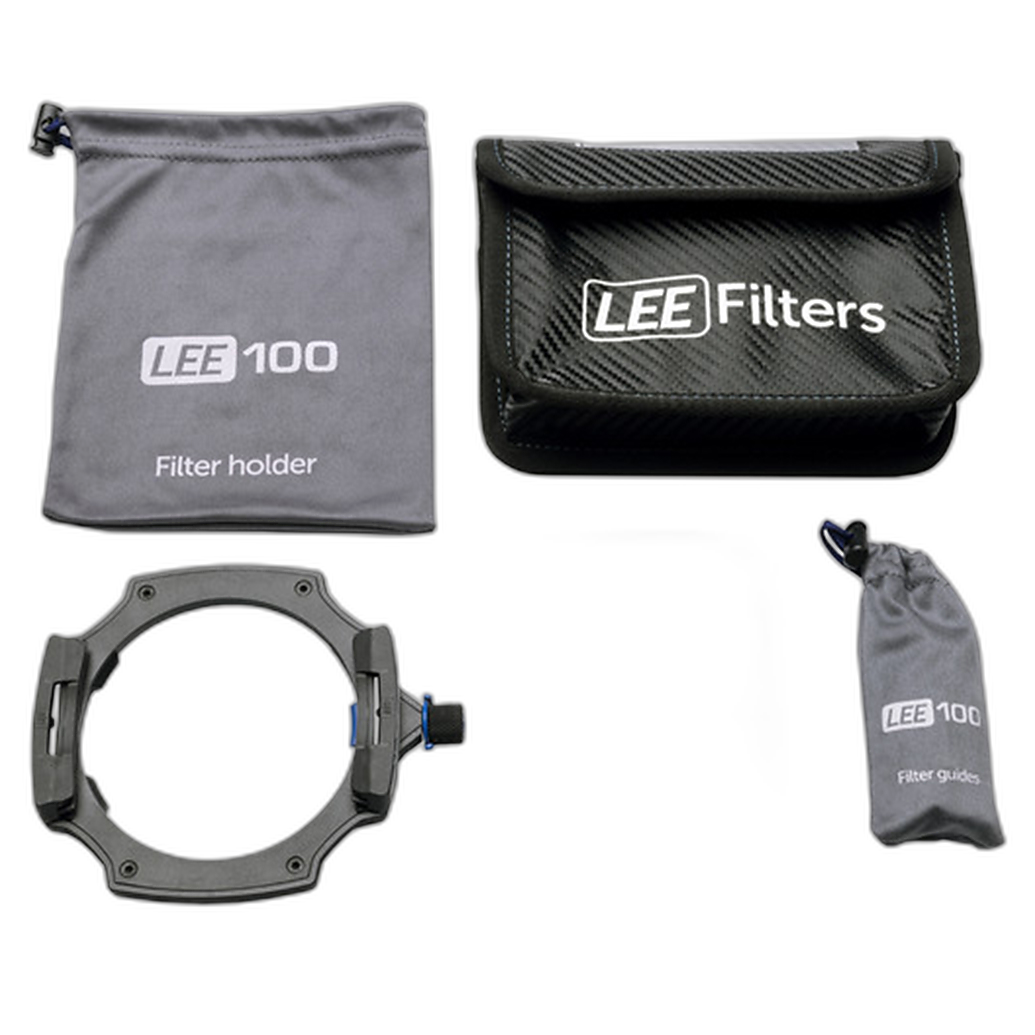
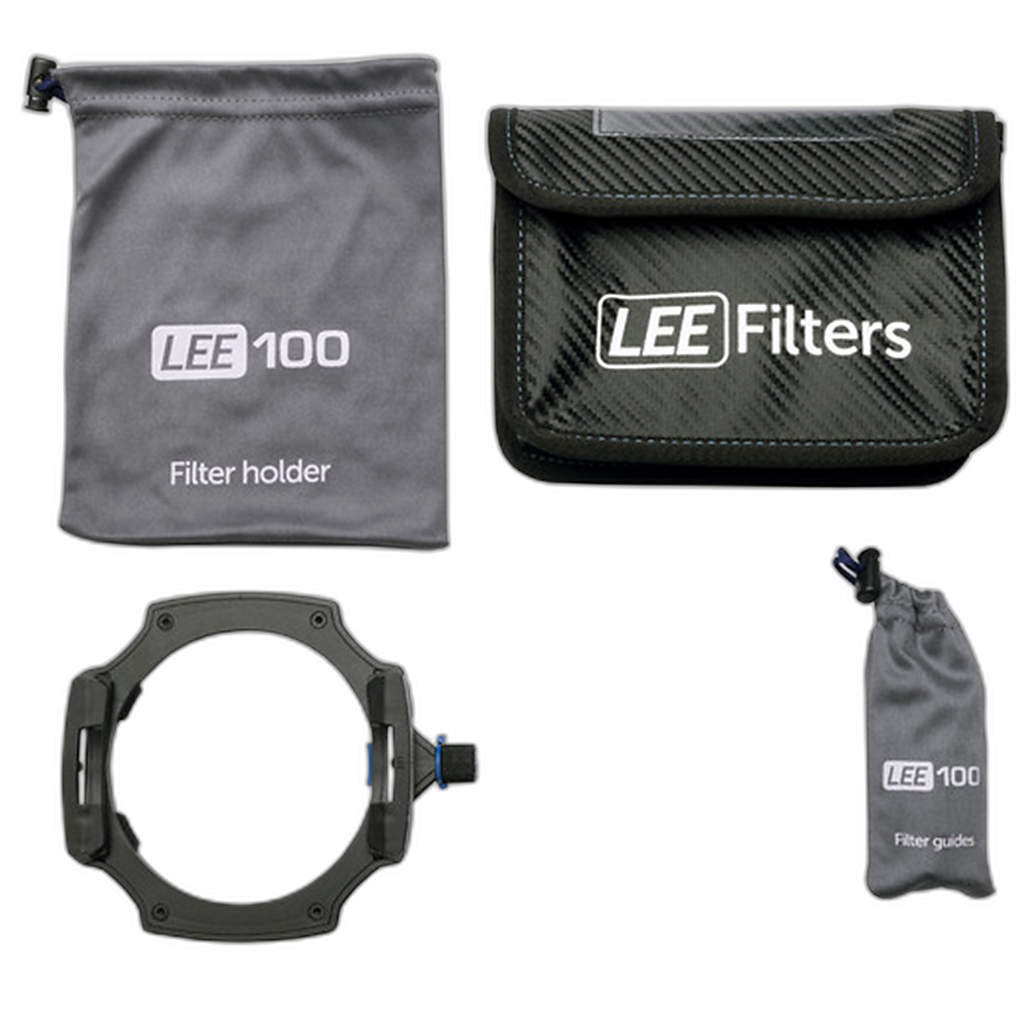
| LEE Filters LEE100 Landscape Kit | Filter holder kit | Traditional landscape shooters | Established square filter workflow for graduated and long-exposure work | Bulkier than compact screw-in options |
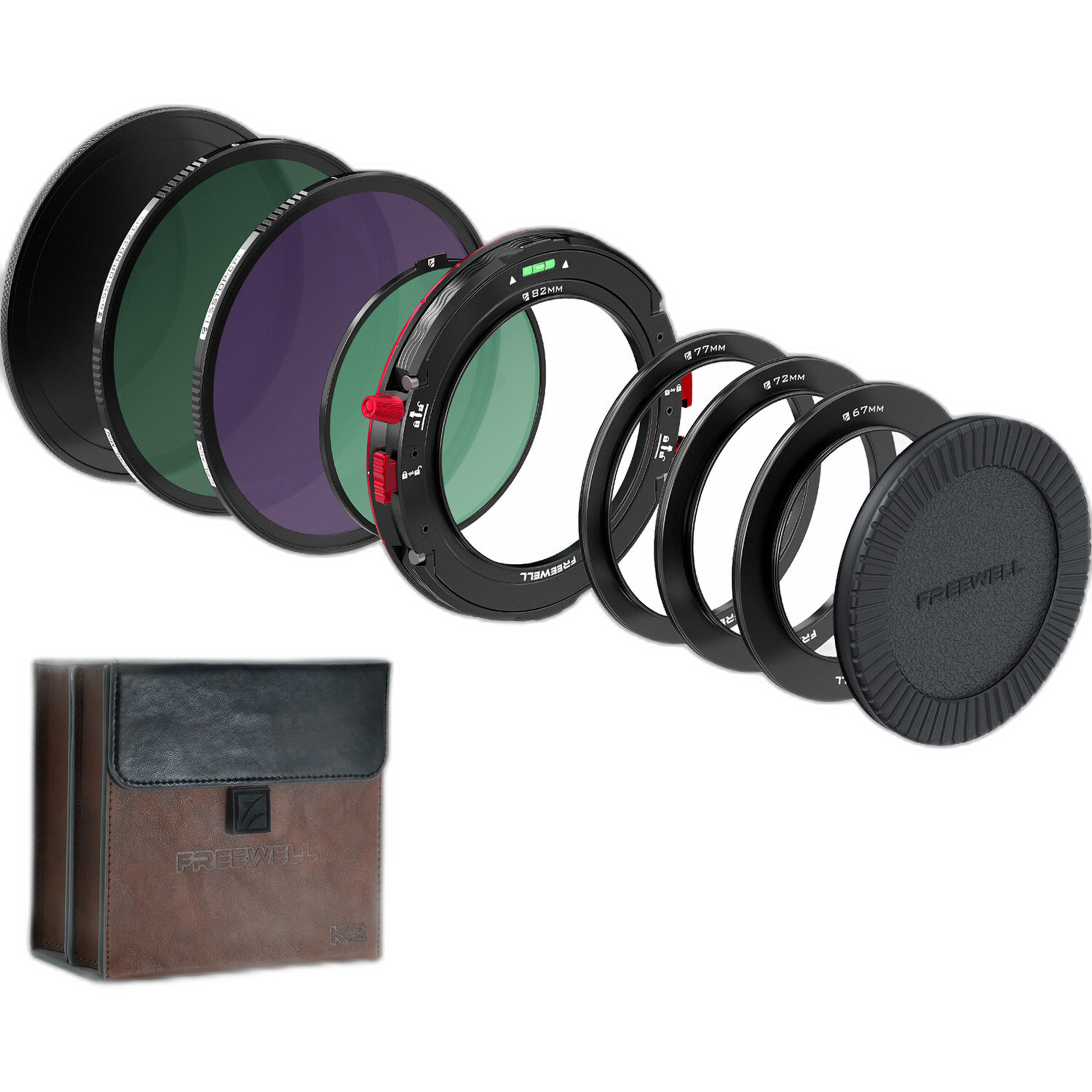
| Freewell K2 Versatile Magnetic Filter System | Magnetic filter system | Fast-paced outdoor shooting | Quick filter changes in the field | Less traditional than classic holder systems for some users |
| Freewell Brandon Li Variable ND/CPL Basic Kit - 82mm | Variable ND/CPL combo filter kit | Travel and hybrid landscape/video creators | Combines light control and polarization in one portable setup | 82mm sizing may require step-up rings for smaller lenses |
| Tiffen 72mm Black and White Filter Kit | Screw-in filter kit | Creative monochrome landscape work | Simple threaded design and black-and-white tonal control | Specialized use compared to ND or graduated filter systems |
| Tiffen 77mm Black and White Filter Kit | Screw-in filter kit | Creative monochrome landscape work on larger lenses | Similar tonal-control benefits with broader lens compatibility for 77mm users | Still more niche for modern color landscape shooters |
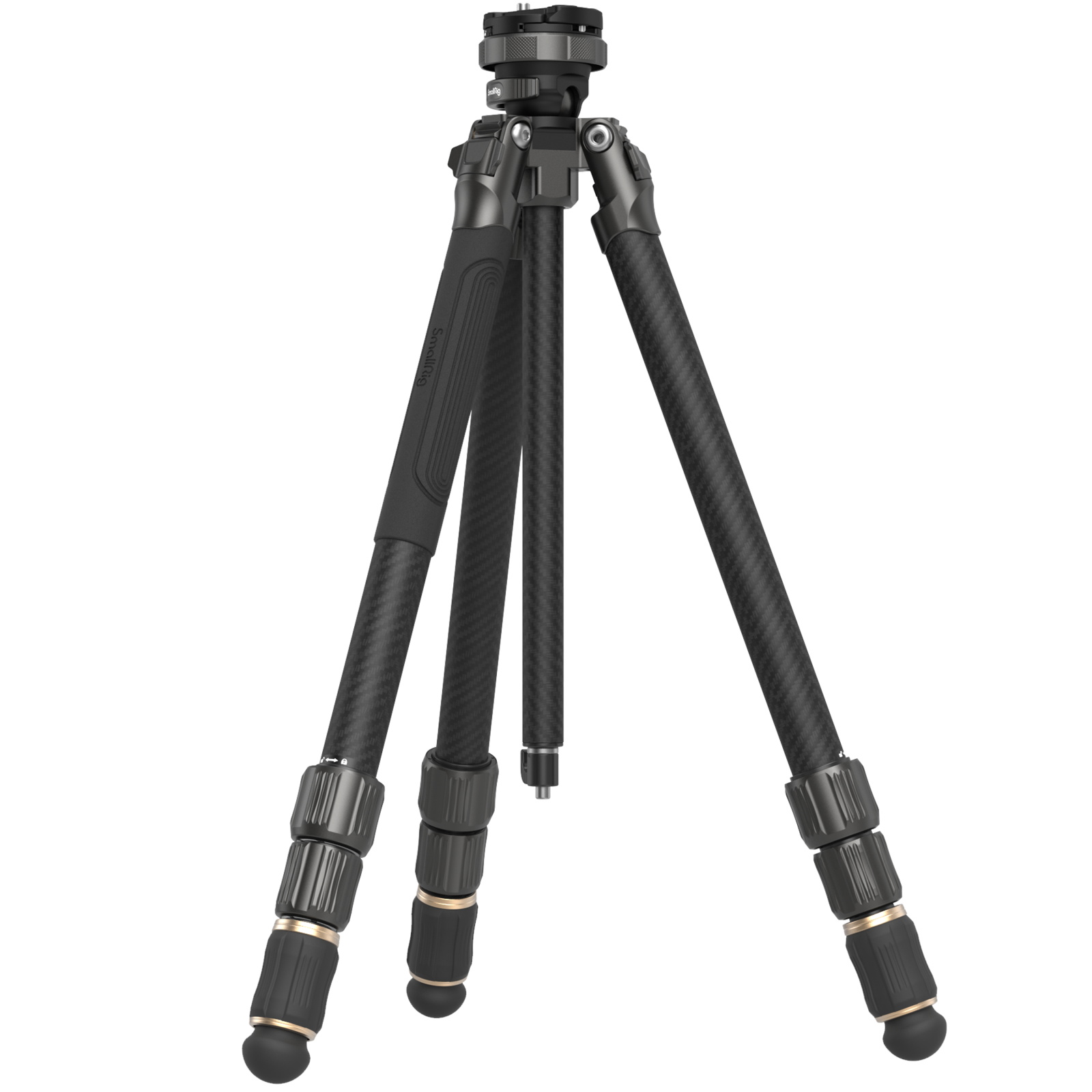
| SmallRig FreeRover Travel Tripod 4353 | Travel tripod | Hikers and traveling landscape photographers | Portable support for field shooting | Travel tripods can trade some rigidity for packability |
| Tilta BT05 Carbon Fiber Travel Tripod - Forest Green | Carbon fiber travel tripod | Photographers prioritizing lightweight support | Carbon fiber design is appealing for long carry days | Less information available here on included head/features |
| Art Science Craft of Great Landscape Photo - Glenn Randall | Photography book | Learning composition and landscape technique | Strong educational value for improving results in the field | Not a gear solution by itself |
Comparing Landscape Filters
LEE Filters LEE100 Landscape Kit vs Freewell K2 Versatile Magnetic Filter System
The LEE Filters LEE100 Landscape Kit is aimed at photographers who want a classic landscape filter workflow. Systems like this are especially popular for graduated filters, balancing bright skies against darker foregrounds, and carefully building a refined image in-camera. For sunrise, sunset, and scenes with an uneven horizon, that traditional holder-based approach remains highly effective.
The Freewell K2 Versatile Magnetic Filter System, by contrast, leans into speed and convenience. Magnetic attachment can be a big advantage when light is changing quickly and you need to swap filters with minimal interruption. That makes it a compelling option for photographers who move fast between compositions, or who want a more streamlined field workflow than a conventional square-filter setup.
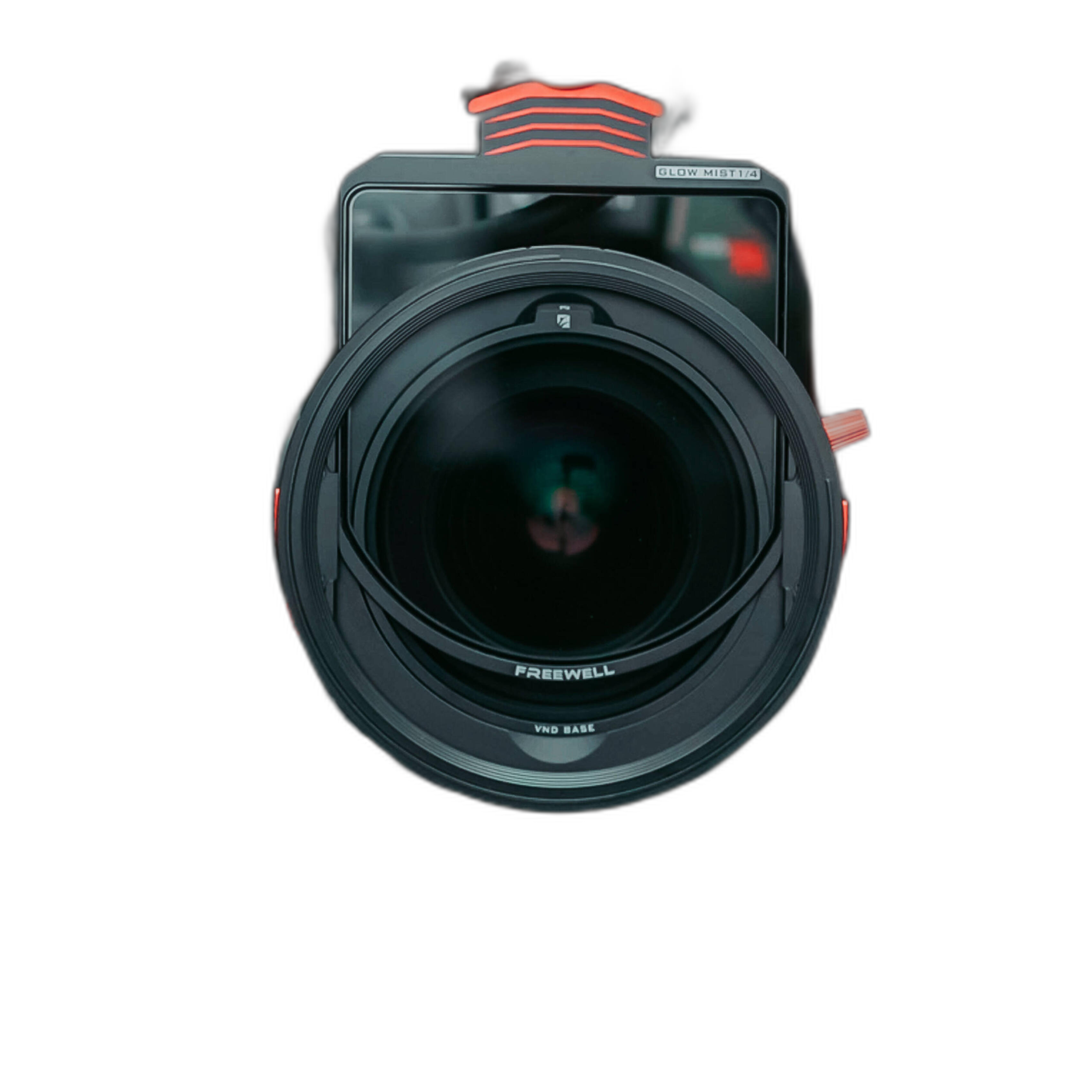
Bottom line: choose the Lee system if you prefer a tried-and-true landscape method centered on careful graduated-filter control. Choose the Freewell K2 if you value speed, modularity, and easier handling in changing outdoor conditions.
Freewell Brandon Li Variable ND/CPL Basic Kit - 82mm vs Traditional Systems
The Freewell Brandon Li Variable ND/CPL Basic Kit - 82mm is a different kind of landscape tool. Rather than focusing on a holder-based square system, it combines variable neutral density and circular polarization into a more compact format. For photographers who also shoot video, moving water, or handheld travel landscapes, this can be a very attractive setup.
A CPL is useful in landscape photography for reducing glare on leaves, rocks, and water while adding contrast and saturation to skies. ND control helps lengthen shutter speeds for motion blur in waterfalls, waves, and clouds. In a compact travel kit, combining those capabilities can reduce bulk and setup time.
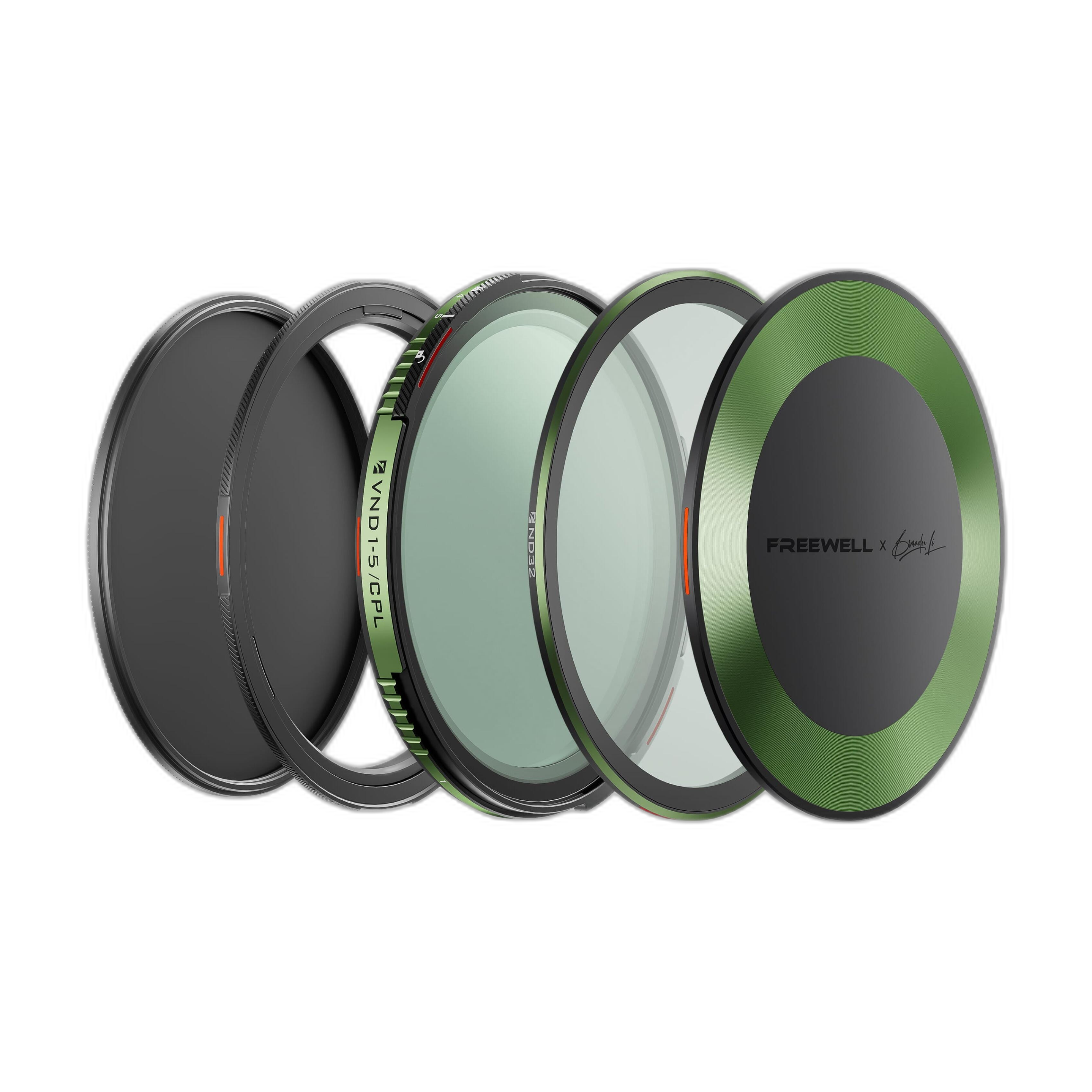
This type of kit is ideal for creators who want flexibility and portability over the more deliberate precision of a full square-filter system.
Tiffen 72mm vs Tiffen 77mm Black and White Filter Kits
The Tiffen 72mm Black and White Filter Kit and Tiffen 77mm Black and White Filter Kit are more specialized than the ND and landscape-oriented systems above, but they still have a place in landscape photography. Black-and-white contrast filters can dramatically alter tonal separation in skies, foliage, clouds, and stone, helping photographers craft stronger monochrome images straight out of camera.
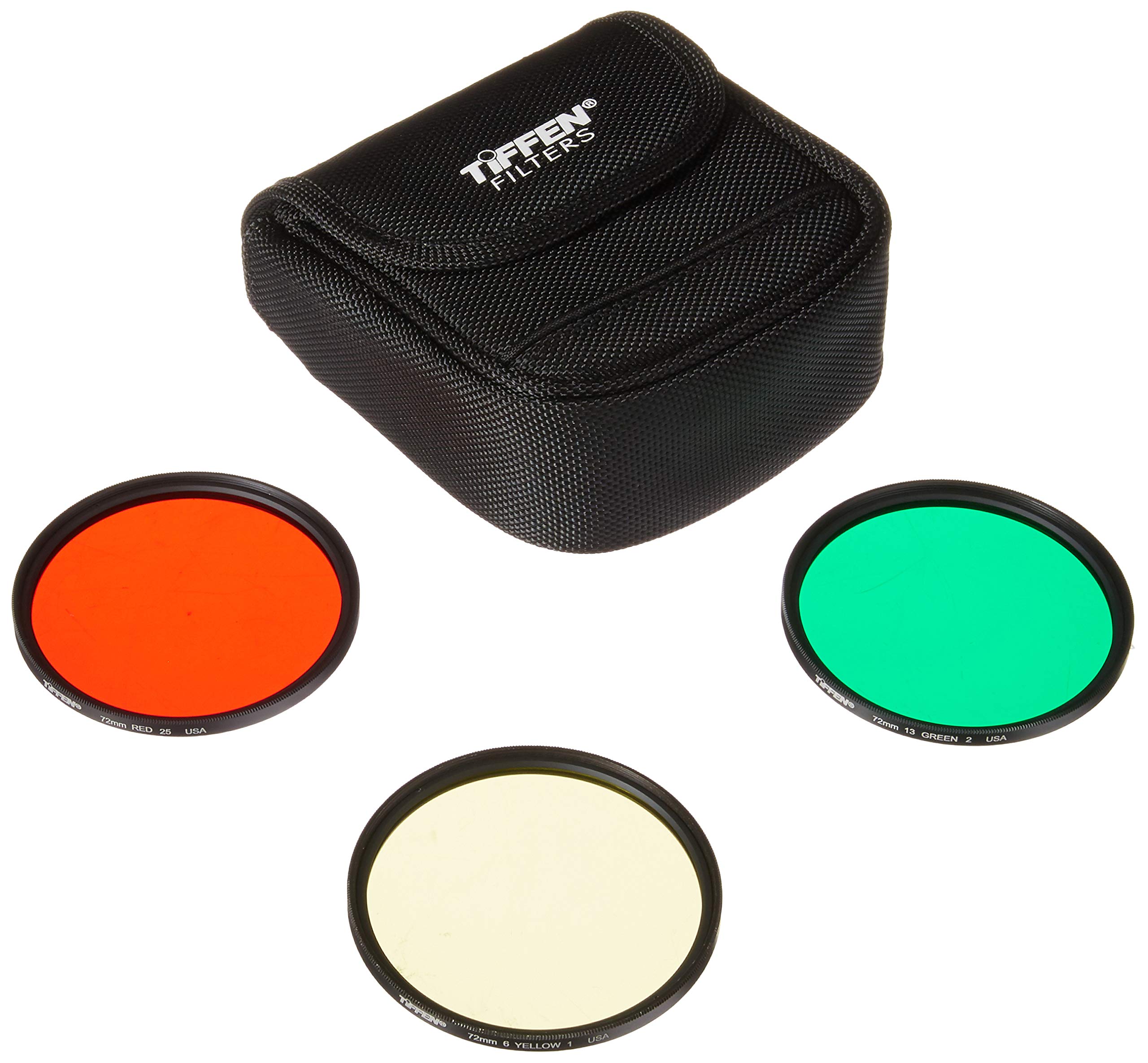
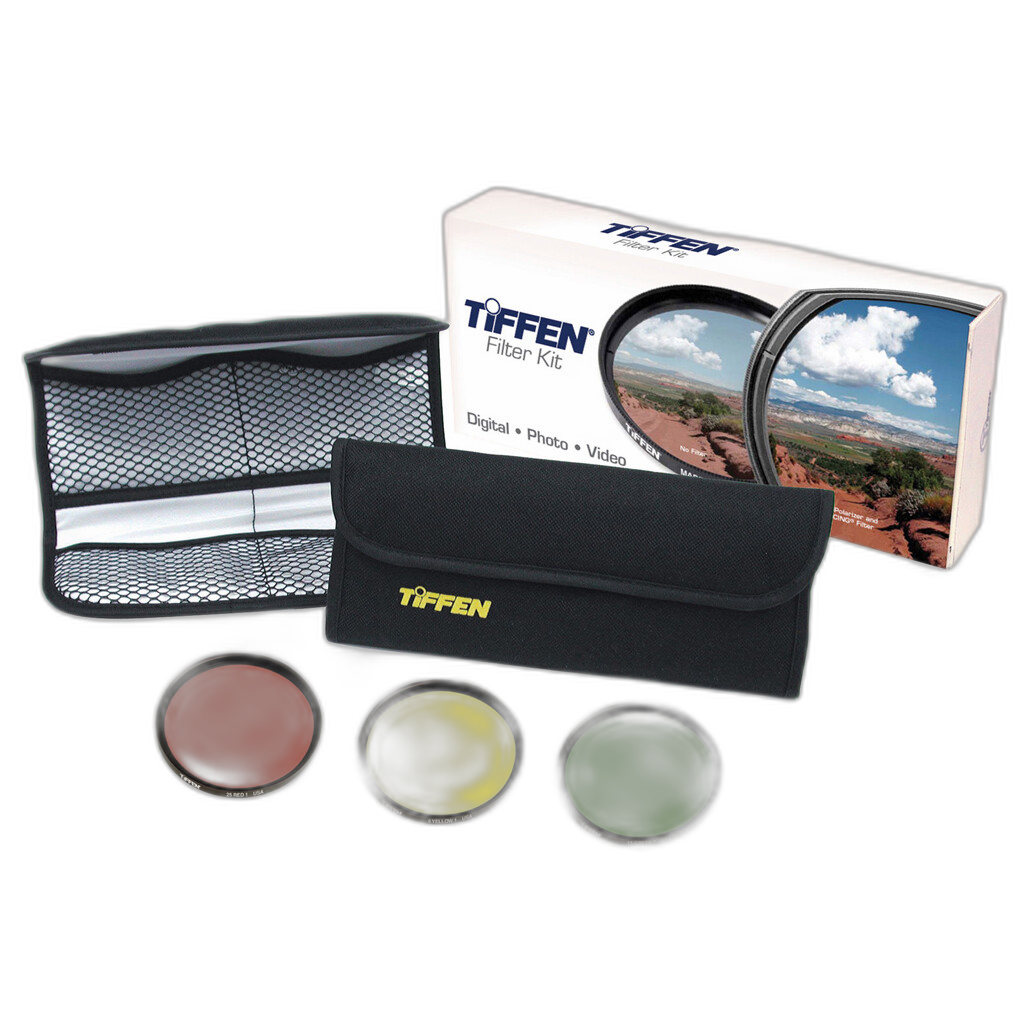
The main difference between the two is simply thread size. If your primary landscape lens uses 72mm threads, the 72mm kit is the straightforward choice. If your lens takes 77mm filters, the 77mm version will be the better fit. These are best for photographers who intentionally shoot black-and-white or want to explore classic filter effects with compatible lenses.
Comparing Travel Tripods for Landscape Work
SmallRig FreeRover Travel Tripod 4353 vs Tilta BT05 Carbon Fiber Travel Tripod
In landscape photography, a tripod is not just about low-light support. It is also one of the best tools for refining composition, slowing down your process, and maximizing image quality at base ISO. Both the SmallRig FreeRover Travel Tripod 4353 and the Tilta BT05 Carbon Fiber Travel Tripod - Forest Green are travel-oriented options designed for photographers who need support without carrying a full-size studio tripod into the field.
The SmallRig FreeRover stands out as a practical option for photographers who want a dedicated travel tripod from a brand known for value-oriented support gear. It looks well suited for photographers balancing portability and general outdoor stability.
The Tilta BT05 Carbon Fiber Travel Tripod has a clear appeal for landscape use thanks to its carbon fiber construction, which is especially valuable for long hikes, destination travel, and photographers who need to keep pack weight under control. Carbon fiber is often favored for outdoor support because it offers a strong balance of light weight and vibration resistance.
Bottom line: if value and all-around travel utility are your priority, the SmallRig is a strong contender. If low weight is the bigger deciding factor for hiking and location work, the Tilta’s carbon fiber design gives it an edge.
Landscape Shooting Tips for Better Results
Use Filters with Intention
Not every landscape scene needs a filter. A polarizer can deepen skies and control reflections, but overusing it can create uneven results with wide lenses. ND filters are best when motion is part of the composition, such as waves, waterfalls, or drifting clouds. Graduated filters are most useful when the brightness difference between sky and land is too great to manage cleanly in a single exposure.
Stability Improves More Than Sharpness
A tripod helps with long exposures, but it also improves your ability to fine-tune framing. Once the camera is locked down, you can better evaluate edges, foreground balance, and distracting elements. This is especially important in landscape work, where small compositional changes can make a big difference.
Watch the Light Before the Location
A great location under flat midday light often looks less compelling than a modest scene under directional sunrise or sunset conditions. Plan around weather, cloud cover, and sun angle. Filters and tripods help, but light is still the foundation of a memorable landscape photograph.
Study the Craft
For photographers who want to improve beyond gear choices, Art Science Craft of Great Landscape Photo - Glenn Randall is a smart addition to the kit. A solid landscape book can help strengthen composition, visualization, and decision-making in the field.
Our Pick
Best overall filter choice for dedicated landscape photographers: LEE Filters LEE100 Landscape Kit. It earns the nod for photographers who want a classic, proven landscape setup that supports careful, high-quality image crafting in the field.
Best filter choice for speed and convenience: Freewell K2 Versatile Magnetic Filter System. If your workflow favors fast changes and streamlined handling, this is the most modern and flexible option in the group.
Best tripod pick for travel-minded landscape shooters: Tilta BT05 Carbon Fiber Travel Tripod - Forest Green. Carbon fiber makes a lot of sense when you are carrying gear over distance, especially for hiking and destination landscape work.
Conclusion
The best landscape setup depends on how you shoot. If you prefer deliberate tripod-based work at sunrise and sunset, the LEE100 and a lightweight travel tripod make a strong pairing. If you move quickly and want easier filter changes, Freewell’s magnetic system is especially appealing. For monochrome specialists, the Tiffen black-and-white kits offer a more creative, niche route. And for anyone looking to improve the art behind the gear, Glenn Randall’s book is a valuable resource.
Whether you’re upgrading filters, choosing a travel tripod, or building a complete landscape kit, Unique Photo is a great place to compare tools for your next outdoor adventure.