Is Sony Lens Comparison Beta Helpful for Video Shooters?
Choosing the right lens for video is about more than focal length. Filmmakers also need to think about framing flexibility, stabilization, low-light performance, focus behavior, and how a lens fits into a real production workflow. Sony’s lens comparison tools can be useful for narrowing options, but they work best when paired with practical knowledge about how lenses behave on set.
At Unique Photo, we help creators look beyond spec sheets and compare lenses based on the way they actually shoot. If you are deciding between Sony full-frame lenses for documentary work, gimbal shooting, interiors, travel video, or hybrid photo/video use, this FAQ can help you make a more confident choice.
What can a lens comparison tool tell video shooters?
A lens comparison tool is a good starting point because it helps you evaluate focal length range, maximum aperture, lens size, and other core specifications side by side. For video shooters, that is especially useful when deciding whether you need an ultra-wide option for architecture, real estate, and gimbal work, or a standard zoom for interviews, events, and run-and-gun production.
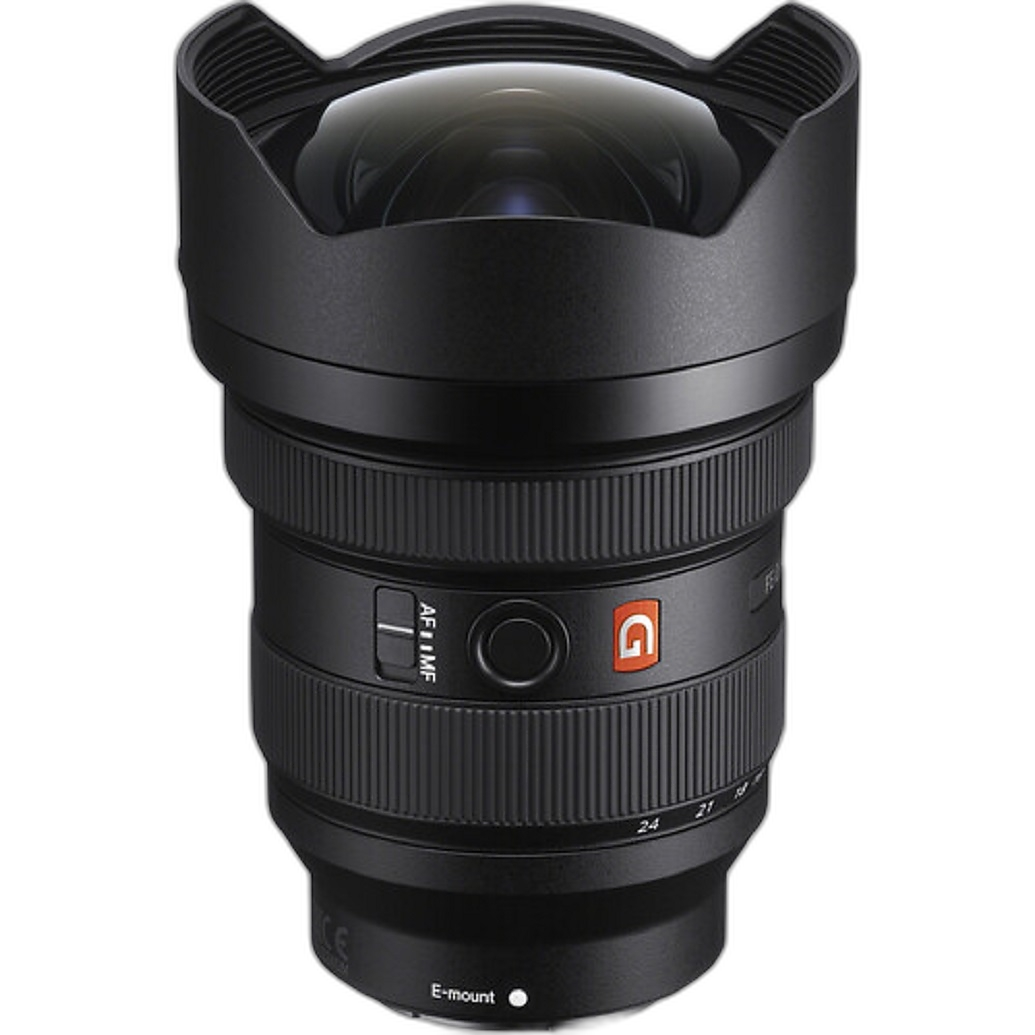
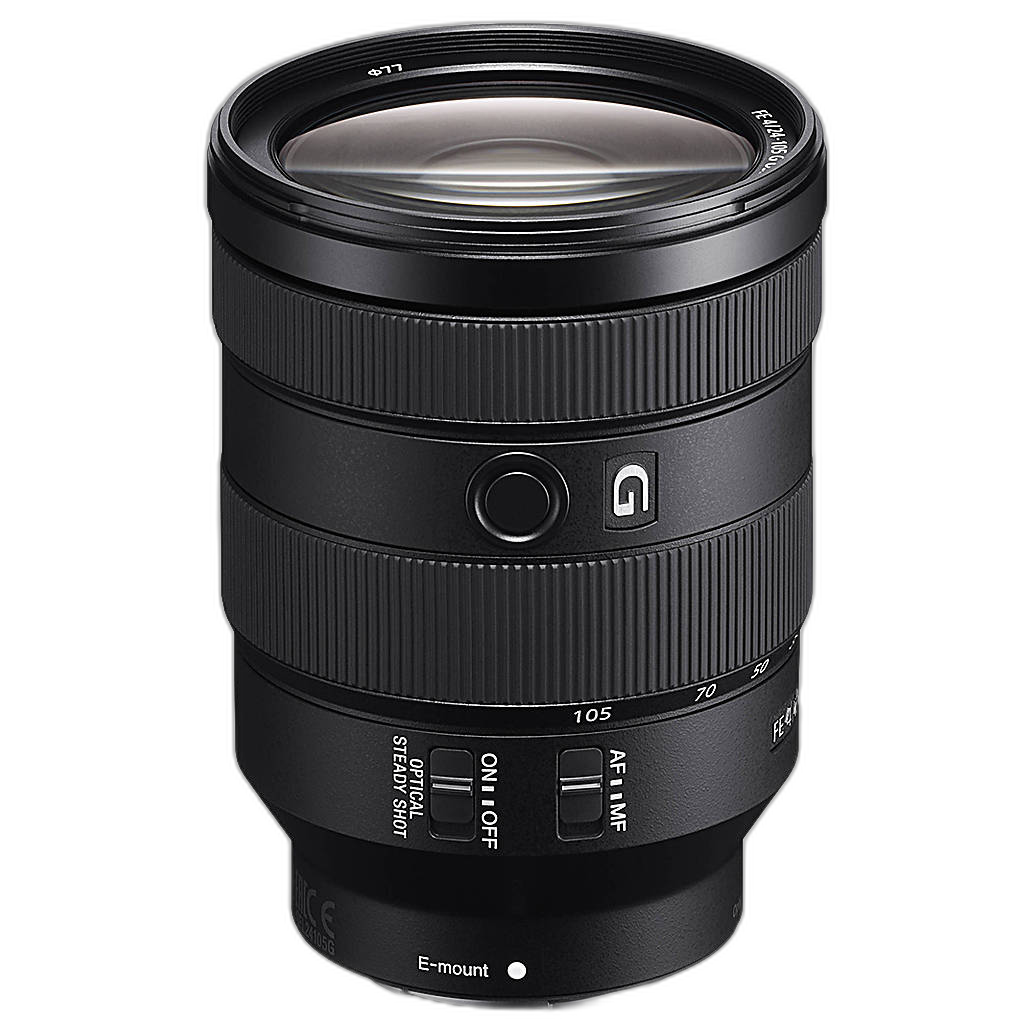
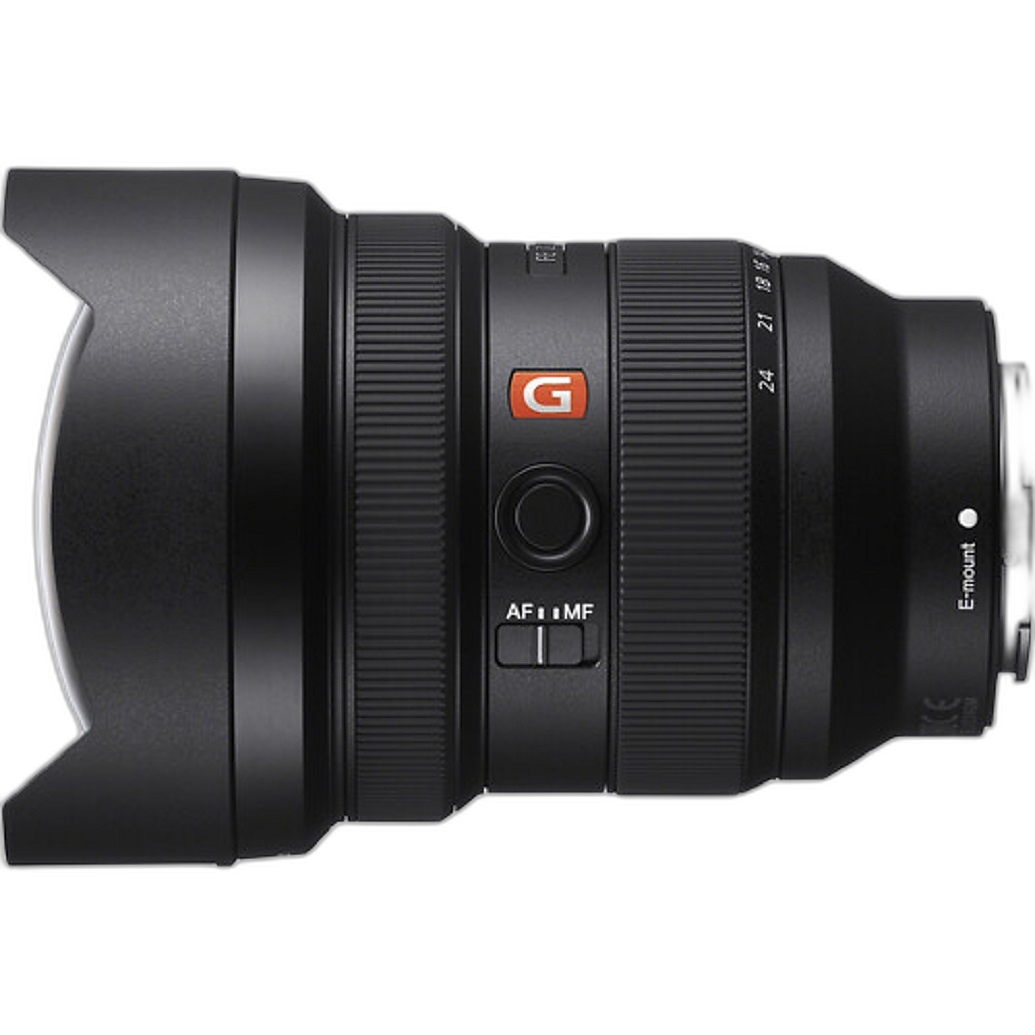
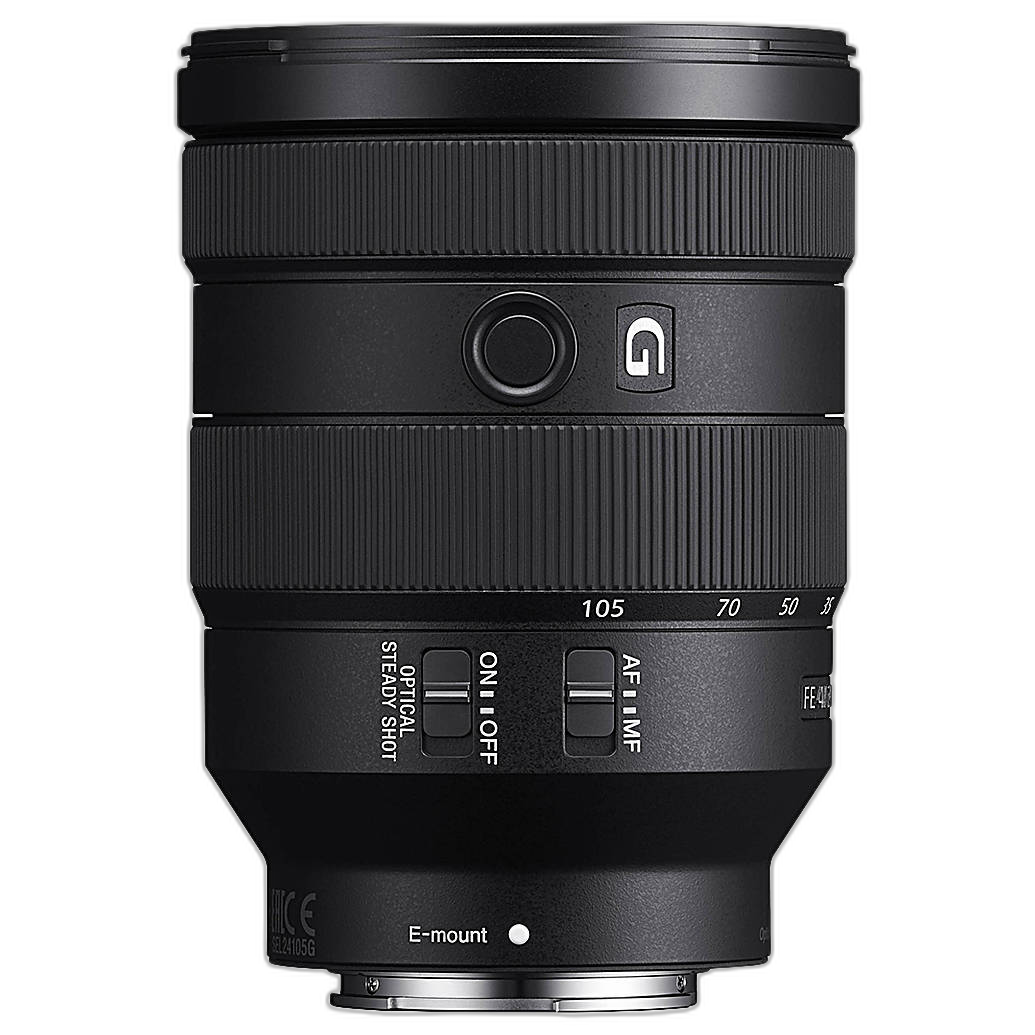
What these tools do best is simplify the shortlist. For example, a lens like the Sony FE 12-24mm f/2.8 GM immediately stands out if your work demands dramatic wide perspectives and strong low-light performance. On the other hand, the Sony FE 24-105mm f/4 G OSS covers a much broader everyday range that many videographers prefer for single-lens setups.
What can’t a comparison tool show about video performance?
Specs alone do not fully explain how a lens feels in production. Video shooters should also think about focus breathing, autofocus smoothness, balance on a gimbal, resistance to flare, and whether the zoom range fits their shooting style. Some tools may summarize lens characteristics, but they cannot replace hands-on evaluation of how a lens transitions focus or how practical it is during a long day of shooting.
That is why many creators use comparison tools as step one, then refine their decision based on real workflow needs. At Unique Photo, we often recommend asking a simple question: will this lens solve the majority of your actual assignments? A lens that looks perfect on paper may still be too wide, too specialized, or not flexible enough for your projects.
Is the Sony FE 12-24mm f/2.8 GM a good choice for video?
Yes, for the right type of production it is an outstanding video lens. The Sony FE 12-24mm f/2.8 GM is especially strong for gimbal work, establishing shots, interiors, architecture, landscapes, and any situation where you want immersive wide-angle coverage. The fast f/2.8 aperture is also helpful when shooting in dim environments or when you want to keep ISO under control.
For filmmakers using Sony full-frame cameras, this lens can produce a dramatic cinematic look that is difficult to match with narrower zooms. It is not the most universal everyday lens, but it is a premium solution when wide framing is central to your style or client work.
Is the Sony FE 24-105mm f/4 G OSS better for most video shooters?
For many creators, yes. The Sony FE 24-105mm f/4 G OSS is one of the most practical all-around video lenses in the Sony full-frame system because it covers wide, normal, and short telephoto perspectives in one package. That makes it a smart option for interviews, events, corporate video, travel filmmaking, and documentary-style production.
Its Optical SteadyShot stabilization can also be valuable for handheld work, especially when combined with in-body stabilization on compatible Sony cameras. While it does not offer the ultra-wide drama of the 12-24mm, its versatility often makes it the better first lens for video shooters who need to handle a variety of assignments without frequent lens changes.
How should video shooters choose between ultra-wide and standard zoom lenses?
The best choice depends on what you shoot most often. If your work centers on interiors, real estate, travel scenes, action, or handheld gimbal movement in tight spaces, an ultra-wide lens like the Sony FE 12-24mm f/2.8 GM may be the more important creative tool. It gives you room to work and helps deliver a sweeping perspective.
If you shoot interviews, branded content, weddings, events, or general-purpose video, a standard zoom like the Sony FE 24-105mm f/4 G OSS usually makes more sense. It gives you far more framing flexibility during fast-moving productions. Many professionals eventually carry both types, using the 24-105mm as the everyday workhorse and the 12-24mm when they need a more specialized wide look.
Does lens stabilization matter when comparing video lenses?
Absolutely. Stabilization can make a major difference in real-world shooting, especially for handheld video, walk-and-talk segments, and documentary coverage. When comparing lenses, it is worth noting whether the lens includes optical stabilization or relies entirely on the camera body.
That is one reason the Sony FE 24-105mm f/4 G OSS remains so popular. Its stabilization adds practical value for hybrid shooters and solo creators who do not always have a rig, tripod, or gimbal available. By contrast, a specialized ultra-wide lens may still perform beautifully for video, but it may fit best in a more controlled or intentionally wide-angle workflow.
Should beginners trust a comparison tool when buying their first video lens?
Beginners should use comparison tools as a guide, not the final word. The most important thing is to match the lens to your shooting goals. If you are starting out and want one lens that can handle a little of everything, a flexible zoom is usually the safer investment. If you already know your style leans heavily into cinematic wide shots or interiors, then a premium ultra-wide may be worth prioritizing.
A good buying strategy is to look at your last few projects and ask what focal lengths you actually needed. If most of your clips would have benefited from zoom flexibility, the Sony FE 24-105mm f/4 G OSS is an easy recommendation. If your biggest limitation was not being able to go wide enough, the Sony FE 12-24mm f/2.8 GM may be the smarter step.
Can used or adapted lenses make sense for video shooters?
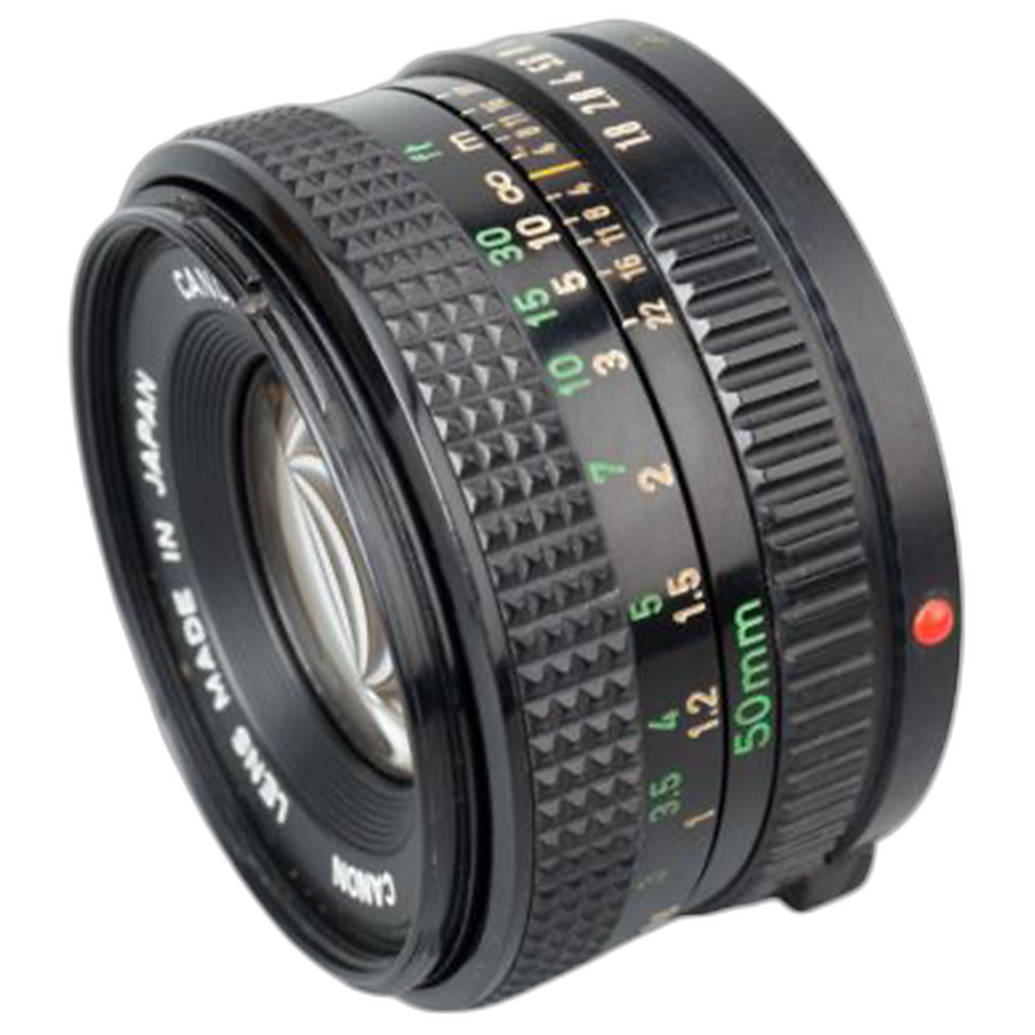
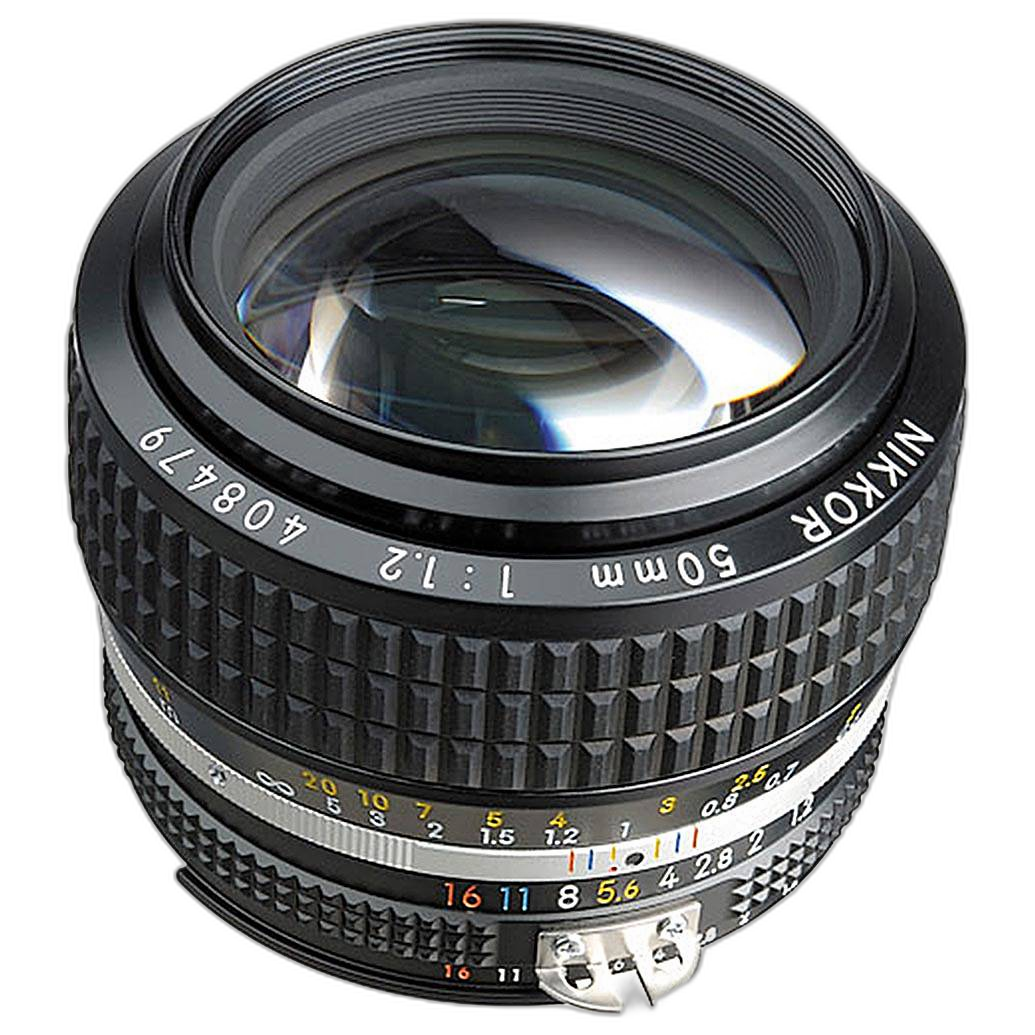
They can, especially for creators who want a distinct look or who are building a budget-conscious kit. Manual-focus vintage lenses are often appealing for narrative filmmaking because they can deliver character and a slower, more intentional shooting experience. For example, used lenses such as the Canon FD 50mm f/1.8 or Nikon 50mm f/1.2 Ai may interest filmmakers exploring adapted vintage glass for controlled productions.
That said, comparison tools built around modern native lenses will not always reflect the tradeoffs of adapted gear. Vintage lenses can be excellent creative tools, but they generally require more setup, manual operation, and compatibility planning. If you are shooting client work where speed and autofocus matter, native Sony options are often the more dependable choice.
What is the best way to use comparison tools before buying from Unique Photo?
Use them to narrow your shortlist to two or three realistic options, then think through how each lens fits your actual productions. Consider your most common subjects, whether you shoot handheld or on a gimbal, how often you work in low light, and whether you need one lens or a multi-lens kit. From there, it becomes much easier to identify the right investment.
For many Sony video shooters, the conversation often comes down to a specialized lens like the Sony FE 12-24mm f/2.8 GM versus a do-it-all option like the Sony FE 24-105mm f/4 G OSS. Both are excellent, but they solve different problems. At Unique Photo, we recommend choosing the lens that supports the way you shoot now while leaving room to grow into future projects.
If you are ready to upgrade your video kit, explore Sony lenses and used gear at Unique Photo. Our team can help you compare real-world lens choices and find the right match for your camera, workflow, and creative style.