If you are shopping for your first serious video camera for YouTube, TikTok, or vlogging, the biggest challenge is not finding options—it is narrowing them down. Most aspiring creators want the same balance: strong video quality, an approachable learning curve, useful autofocus, solid stabilization, and a price that does not wipe out the rest of the budget for lenses, audio, lighting, and storage.
At Unique Photo, we regularly help new videographers compare these trade-offs. The most common debate usually comes down to sensor size versus stabilization, along with questions about how much camera a beginner really needs. The good news is that there is no single perfect camera for everyone. The right choice depends on the kind of content you plan to make, how you shoot, and how much room you want to leave in your budget for accessories.
What aspiring videographers should look for in a camera
Before comparing camera categories, it helps to understand the features that matter most for beginner and intermediate video creators.
- Video quality: Look for clean 4K recording, good color, manageable rolling shutter, and enough detail for modern platforms.
- Ease of use: A camera with intuitive menus, reliable autofocus, and simple auto modes can make a huge difference when you are learning.
- Stabilization: In-body image stabilization, lens stabilization, or electronic stabilization can help smooth handheld footage for vlogging and walk-and-talk videos.
- Audio options: A microphone input is essential for anyone taking content creation seriously.
- Flip screen: Front-facing or vari-angle screens are especially useful for solo creators on YouTube and TikTok.
- Battery life and power: Long shoots, livestreams, and repeated takes often require extra power solutions.
- Lens ecosystem: Interchangeable lens cameras offer more creative flexibility, but lenses add cost.
When you are comparing models at Unique Photo, it is smart to think beyond the camera body alone. A beginner-friendly camera that leaves room in the budget for lighting, audio, and support gear can often produce better real-world results than a more expensive body used with no accessories.
Sensor size vs stabilization: the trade-off many creators debate
One of the biggest camera recommendation questions is whether to prioritize a larger sensor or stronger stabilization. Both matter, but they solve different problems.
Larger sensors—such as full-frame—typically offer better low-light performance, shallower depth of field, and a more cinematic look. That can be appealing for YouTube interviews, studio videos, and polished brand content.
Smaller sensors—such as APS-C or Micro Four Thirds—can still deliver excellent 4K video while often lowering the total system cost. In many cases, they also pair with lighter lenses and more compact bodies, which is useful for vlogging and travel content.
Stabilization becomes critical if you shoot handheld, film yourself walking, or produce social-first content quickly. A camera with strong in-body stabilization may be more helpful to a solo vlogger than a larger-sensor model without it.
That is why the “best” camera is often about usage, not specs in isolation. If you mostly shoot indoors on a tripod, larger sensor benefits may matter more. If you film yourself on the go, stabilization and ease of use may be the bigger priority.
Best camera type for YouTube beginners
For new YouTube creators, mirrorless cameras are usually the most versatile recommendation. They balance image quality, autofocus, lens choice, and portability better than most alternatives.
What makes a mirrorless camera ideal for YouTube?
- Reliable continuous autofocus for talking-head videos
- 4K recording for sharp uploads and future-proofing
- Interchangeable lenses for wide-angle vlogging, portraits, or product shots
- Compact size compared to traditional cinema setups
- Flip-out screens for solo production
If your content includes reviews, tutorials, interviews, or studio work, a mirrorless camera often gives the best balance of quality and convenience. At Unique Photo, many creators also ask about entry-level or midrange hybrid cameras because they can handle both photo and video work in one body.
Best camera features for TikTok and short-form video creators
TikTok creators and vertical-video shooters usually benefit from a slightly different priority list. While image quality still matters, speed and simplicity often matter more.
For TikTok and short-form content, focus on:
- Fast autofocus with face and eye detection
- Good handheld stabilization
- Compact size for quick setup and casual shooting
- High-quality video in good and mixed lighting
- Easy transfer to a phone or computer
- Simple framing for vertical content
For creators publishing frequently, a lighter setup can be a major advantage. A camera that is easy to carry and fast to power on may help you create more consistently than a more advanced but heavier system.
What vloggers should prioritize: autofocus, flip screen, and stabilization
Vlogging puts very specific demands on a camera. When you are filming yourself, you need confidence that the camera will keep you in focus and frame without constant adjustments.
The most important vlogging camera features include:
- Accurate autofocus: Especially important when moving toward or away from the camera
- Vari-angle screen: Lets you monitor framing while recording yourself
- Wide-angle lens compatibility: Helps fit your face and background in frame at arm’s length
- Strong stabilization: Reduces distracting shake during handheld clips
- Microphone input: Better audio can make a bigger difference than a small jump in video specs
If you plan to walk with the camera, stabilization can be just as important as sensor size. Many beginner vloggers discover that smooth footage and clean sound improve viewer experience more than chasing the most cinematic background blur.
Is a full-frame camera worth it for beginner videographers?
Full-frame cameras are often attractive because of their low-light capabilities and premium image quality. But for aspiring videographers, they are not always the smartest first purchase.
Reasons full-frame can be worth it:
- Better low-light performance
- More control over shallow depth of field
- Excellent image quality for commercial or cinematic work
Reasons it may not be the best first step:
- Higher camera body cost
- More expensive lenses
- Larger, heavier kits for everyday vlogging
- Budget may get stretched too thin for audio, lighting, and storage
For many YouTube and TikTok creators, APS-C or Micro Four Thirds systems offer a better overall value. These formats can still look excellent while leaving room in the budget for the tools that complete a video setup. At Unique Photo, this is a common recommendation for creators who want strong results without overspending.
Are APS-C and Micro Four Thirds cameras good for content creation?
Yes—very much so. In fact, these formats are often ideal for aspiring videographers.
APS-C cameras often hit a sweet spot between cost, size, and image quality. They are popular for YouTube creators who want interchangeable lenses and a step up from phones without going all-in on full-frame pricing.
Micro Four Thirds cameras are frequently praised for compact builds, lighter lenses, and, in many cases, excellent stabilization. For handheld creators and vloggers, that combination can be extremely practical.
Both formats can produce professional-looking content when paired with good lighting, thoughtful framing, and strong audio. That is an important reminder for new creators: platform success usually depends more on storytelling, consistency, and presentation than on sensor size alone.
Why stabilization matters more than many beginners expect
Many first-time buyers focus almost entirely on resolution, but shaky footage can hurt perceived quality faster than a small difference in sensor performance. Stabilization helps your footage look more polished, especially when shooting handheld.
There are several forms of stabilization:
- In-body image stabilization (IBIS): Built into the camera body
- Optical lens stabilization: Built into certain lenses
- Electronic stabilization: Digital correction, sometimes with a crop
- External stabilization: Gimbals, tripods, monopods, and rigs
For many aspiring creators, a camera with strong built-in stabilization reduces the need for extra gear at the start. That said, no stabilization system replaces intentional movement and good handheld technique.
Don’t forget the hidden costs of building a video kit
Your camera body is only part of the investment. One reason Unique Photo emphasizes system planning is that videographers often need a complete workflow, not just a camera.
Common add-on expenses include:
- Extra batteries and charging solutions
- Memory cards and storage drives
- Microphones and audio accessories
- Lenses
- Bags and straps
- Lighting and modifiers
- Power adapters for studio recording
- Protection plans and warranties
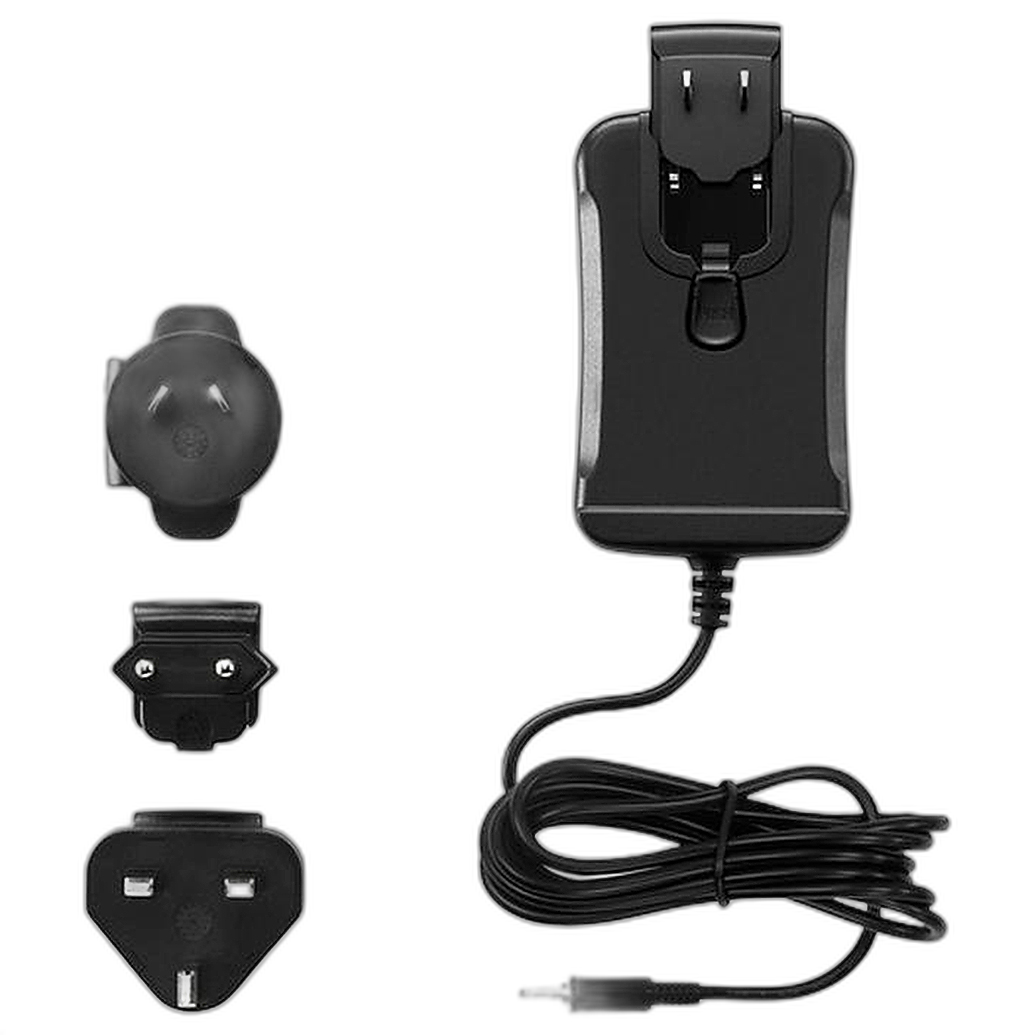
For example, creators working with compact cinema systems or long recording sessions may need reliable power accessories like the Blackmagic Design Power Supply for Pocket Cinema Camera.
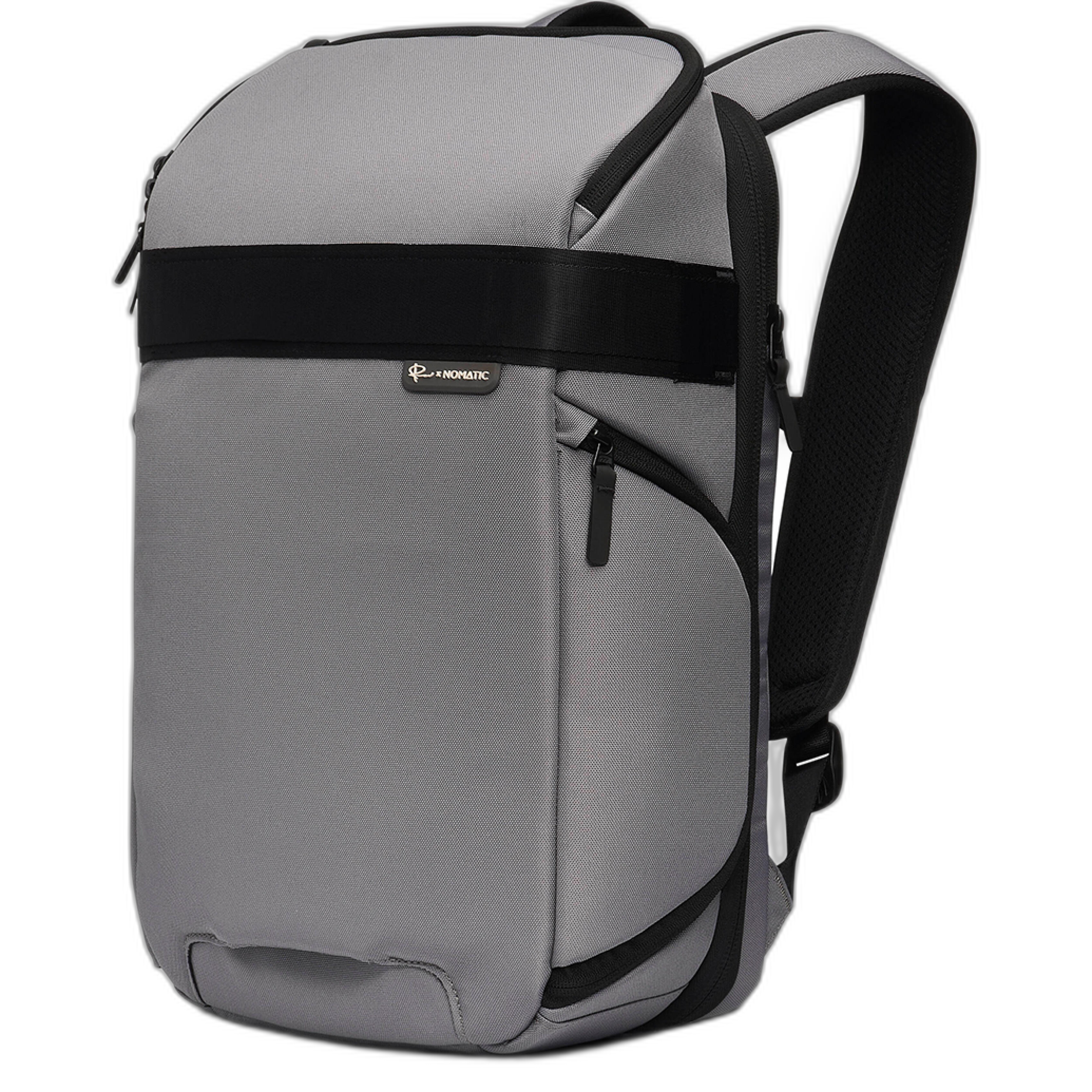
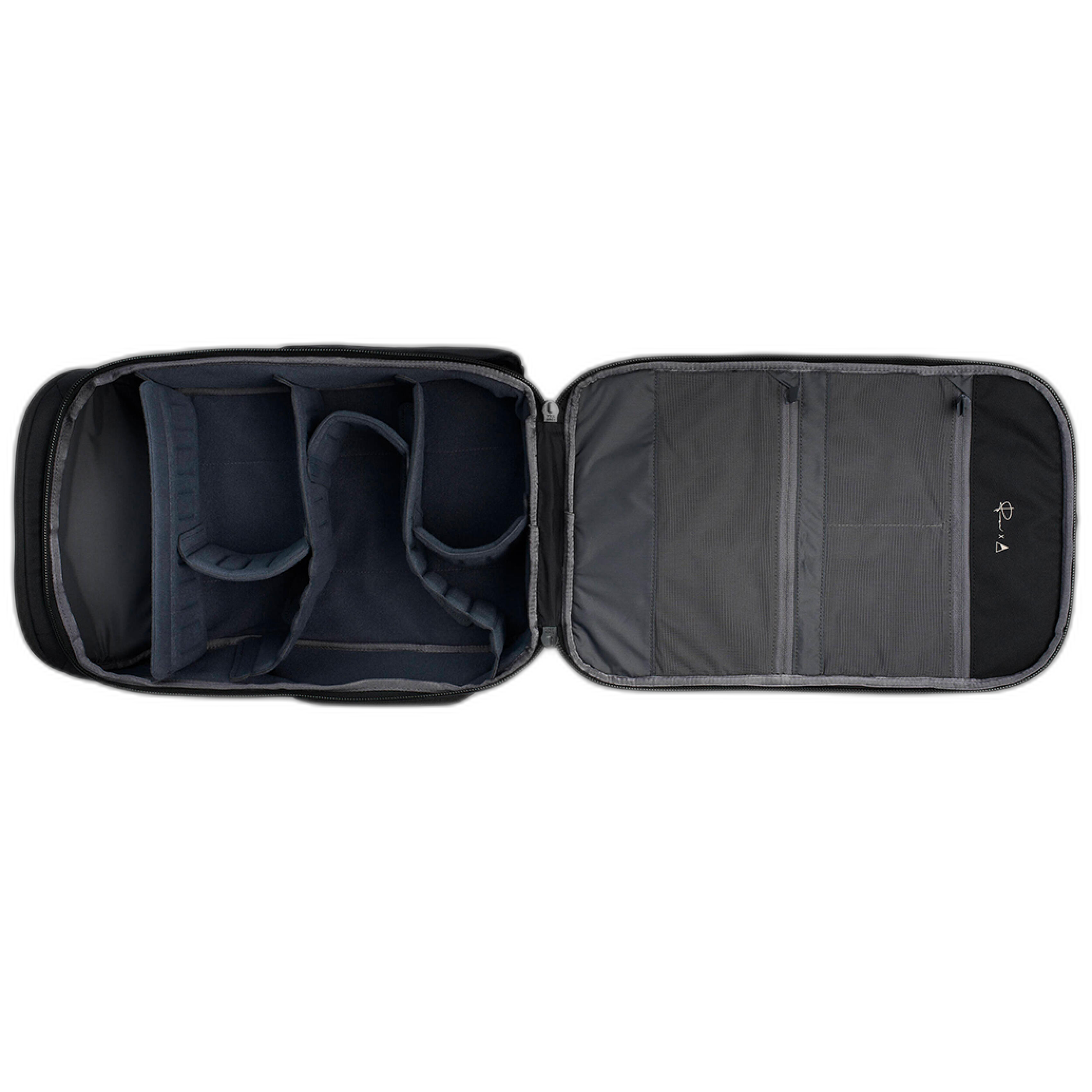
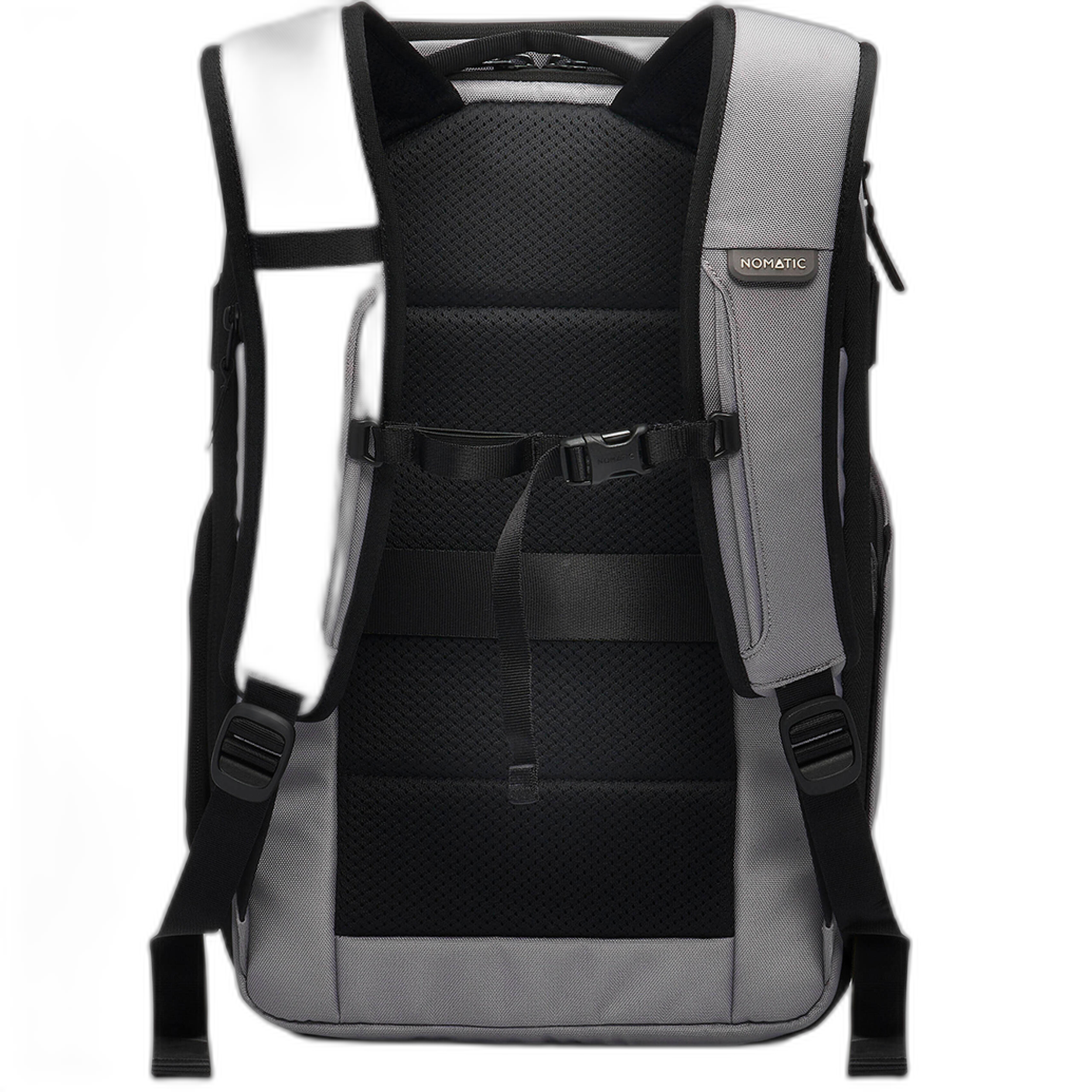
If you are carrying gear between shoots, a dedicated bag can make daily production much easier. The Nomatic Luma Camera Pack 18L - Stone is the kind of accessory many growing creators appreciate once their kit expands beyond just a camera and one lens.
And for creators investing in higher-end gear, protection matters too. Options such as the RED Extended Warranty - KOMODO-X show how professionals think beyond the purchase price and plan for long-term reliability.

Ease of use vs advanced features: what actually helps you grow
It is easy to get pulled toward cameras with the longest spec sheets, but aspiring videographers often benefit most from cameras they can learn quickly and use confidently. A technically advanced camera is not automatically the best beginner video camera.
Features that genuinely help new creators include:
- Simple menus
- Custom presets for fast setup
- Reliable subject detection autofocus
- A clear touchscreen interface
- Easy file transfer and workflow
- Solid auto exposure options while learning manual control
If a camera helps you record consistently, stay in focus, and spend less time troubleshooting, it may be a better fit than a more complex alternative with more niche features.
How to choose the best camera for your content style
Here is a practical way to narrow your decision:
- For studio YouTube videos: Prioritize image quality, autofocus, clean HDMI if needed, and lens flexibility.
- For travel vlogging: Prioritize portability, stabilization, battery efficiency, and a flip screen.
- For TikTok and short-form social content: Prioritize speed, autofocus, ease of use, and lightweight handling.
- For cinematic passion projects: Prioritize dynamic range, lens options, color workflow, and audio control.
- For livestreams and long recordings: Prioritize overheating resistance, power options, and recording reliability.
At Unique Photo, this kind of use-case approach usually leads to better buying decisions than comparing specs line by line without context.
Final thoughts: the best beginner video camera is the one you will actually use
Aspiring videographers often ask for one perfect recommendation, but the truth is that the best camera is the one that fits your workflow, your budget, and your content goals. If you are deciding between larger sensors and stronger stabilization, think first about how you shoot. If you are deciding between premium specs and beginner-friendly controls, think about how quickly you want to start creating with confidence.
For YouTube, TikTok, and vlogging, it is usually smarter to build a balanced kit than to overspend on the body alone. Strong autofocus, useful stabilization, solid 4K quality, and room in the budget for accessories will often serve aspiring creators better than chasing the most expensive option.
Unique Photo is a great place to compare camera systems, power solutions, bags, and long-term protection options as your content setup grows. For helpful next steps, consider exploring internal links to your mirrorless camera selection, video accessories, on-camera microphones, creator lighting kits, camera bags, and warranty options so readers can build a complete setup around their needs.