Is a Full-Frame Camera Worth It? FAQ for Photo and Video Creators
Full-frame cameras are often treated like the automatic next step for serious creators, but the right upgrade depends on what you shoot, how you work, and what matters most to your final results. At Unique Photo, we help photographers and filmmakers weigh the practical benefits of full-frame systems against size, cost, lens investment, and real-world shooting needs.
If you are trying to decide whether full-frame is necessary or simply appealing, this FAQ breaks down the strengths, tradeoffs, and best use cases so you can make a confident decision.
What does “full-frame” mean, and why do people want it?
A full-frame camera uses an imaging sensor roughly the size of traditional 35mm film. Compared with smaller sensor formats, that larger sensor can deliver advantages in low light, dynamic range, and depth-of-field control. In practical terms, many users choose full-frame because it can make it easier to shoot with cleaner high-ISO files, create stronger background blur with the same framing, and get a wider field of view from lenses at their stated focal lengths.
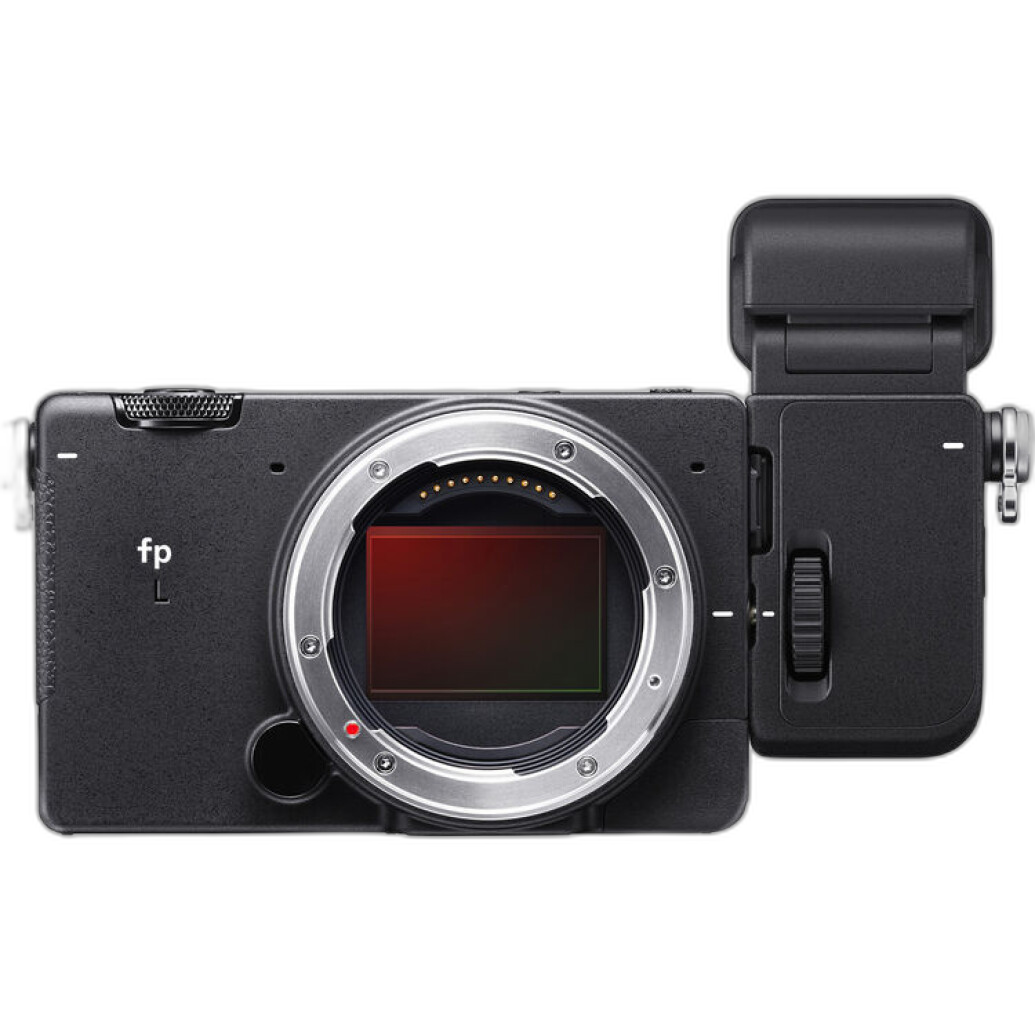
That does not mean full-frame is automatically better for every creator. Sensor size is only one part of the image pipeline. Autofocus, codec options, ergonomics, stabilization, and lens selection can matter just as much. For hybrid users and filmmakers looking for a compact full-frame platform, a model like the Sigma fp L can be especially appealing thanks to its small footprint and flexible shooting style.
Will a full-frame camera improve image quality?
It can, but the improvement depends on your starting point and your shooting conditions. Full-frame cameras often show their biggest benefits in scenes with challenging light, high contrast, or situations where you want subject separation. You may see smoother tonal transitions, more flexibility when editing shadows and highlights, and cleaner files at higher ISO settings.
However, if you mainly shoot in good light, share online, or already use a modern camera with a strong sensor, the difference may be more subtle than expected. Technique, lens quality, lighting, and post-processing still have a huge impact. A full-frame upgrade makes the most sense when it solves a real limitation in your workflow rather than simply checking a spec-box.
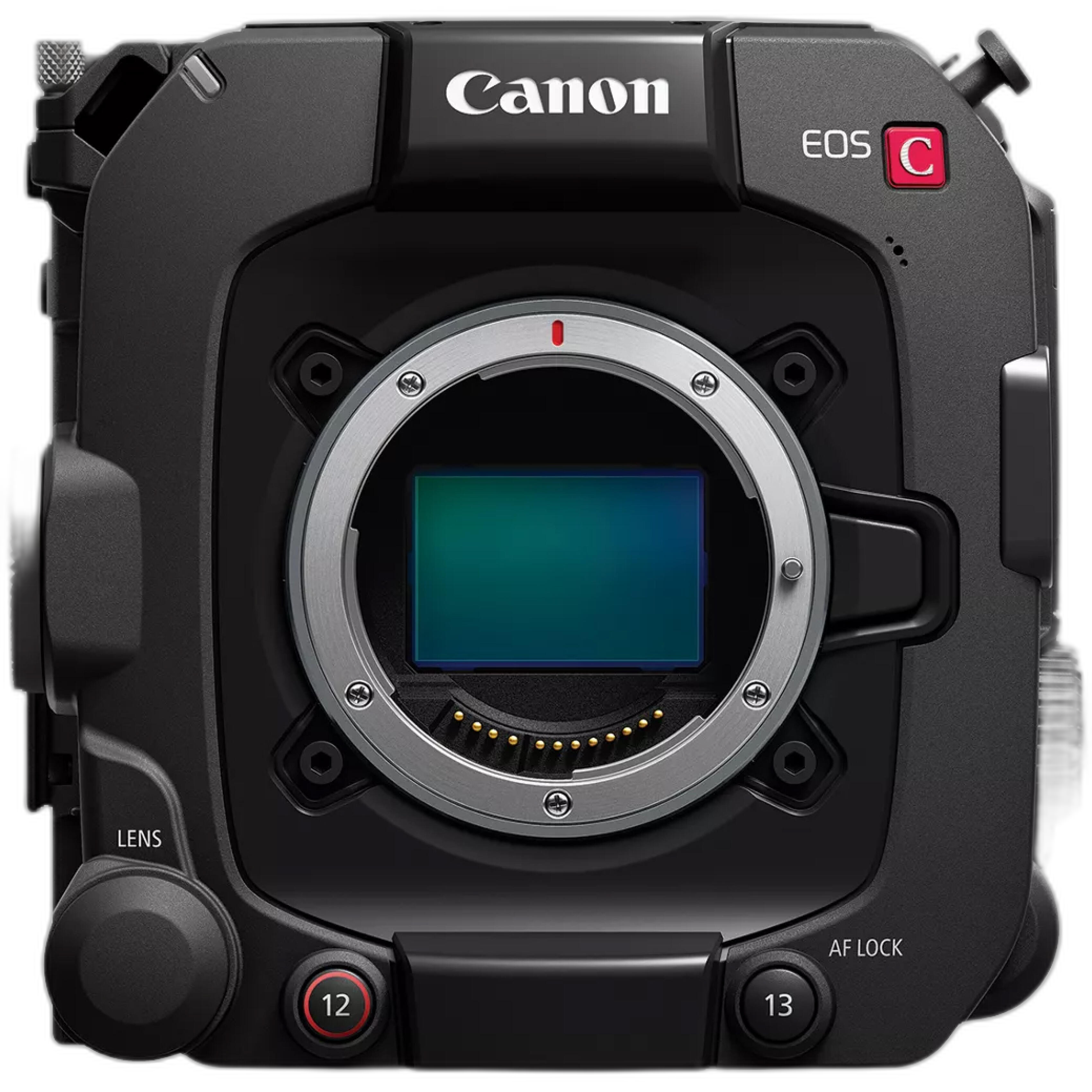
For creators who need full-frame performance in demanding professional environments, cinema-oriented options such as the Canon EOS C400 6K Full-Frame Digital Cinema Camera are designed to maximize the sensor’s advantages with advanced recording tools and production-ready features.
Is full-frame better in low light?
In general, yes. A larger sensor can gather more light, and many full-frame cameras perform very well at elevated ISO settings. That can help when shooting events, interiors, night scenes, or documentary-style work where adding light is not practical. The benefit is often cleaner detail, less visible noise, and more usable files in difficult conditions.
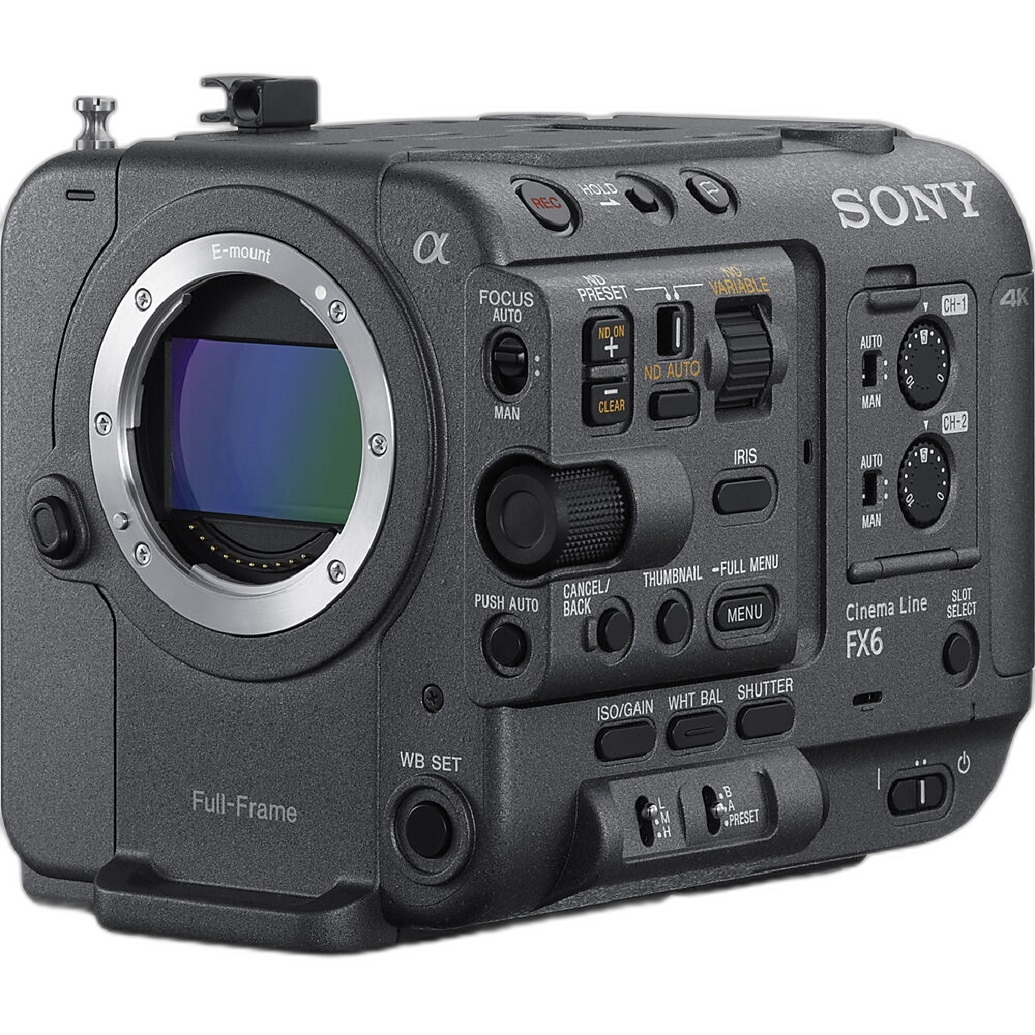
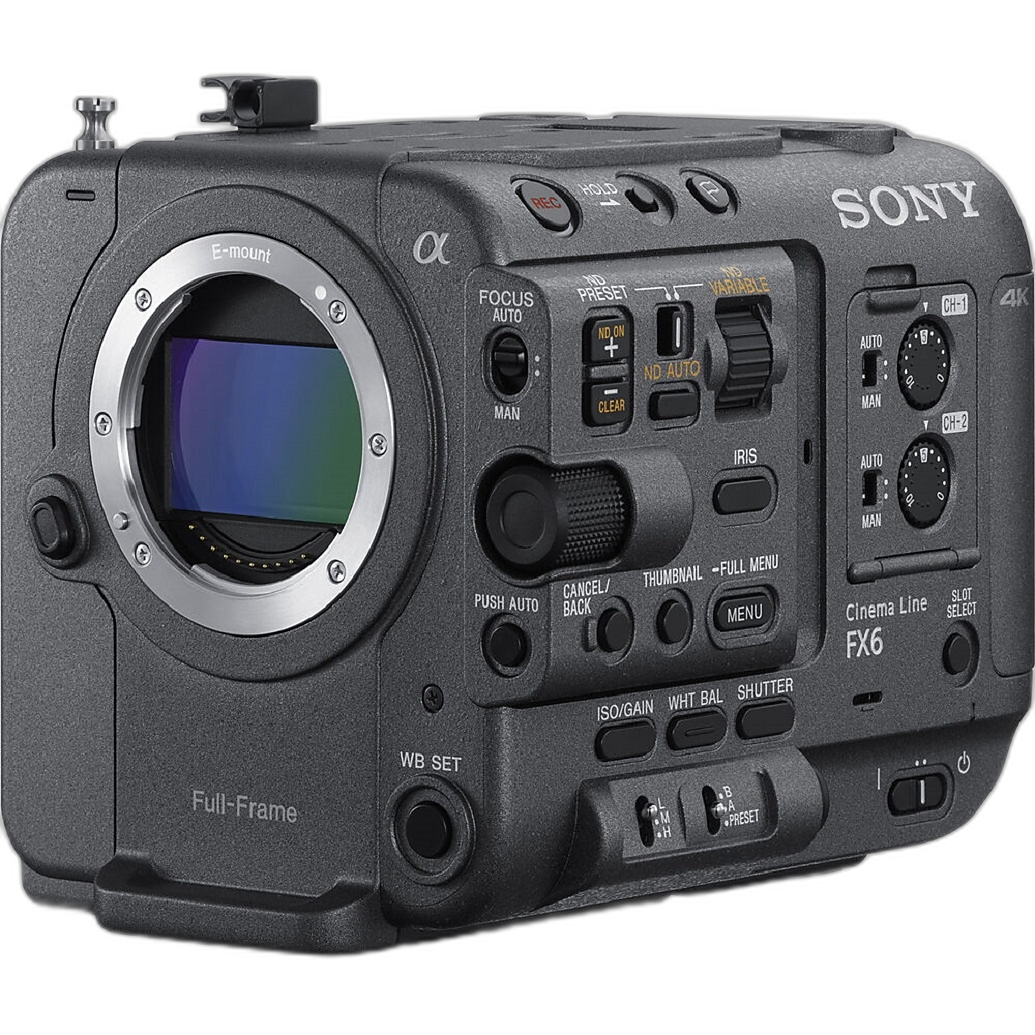
That said, low-light performance is not determined by sensor size alone. Lens aperture matters enormously, and newer camera designs can outperform older full-frame models. If low-light video is a priority, full-frame cinema cameras are particularly popular because they pair larger sensors with strong codecs, professional monitoring tools, and robust autofocus. The Sony FX6 is a great example of a full-frame cinema camera widely chosen for documentary, corporate, and run-and-gun production, and used options can be a smart way to move into that tier more affordably.
Do full-frame cameras give better background blur?
Full-frame cameras can make it easier to achieve shallow depth of field, especially when you are using fast lenses and composing portraits, interviews, detail shots, or cinematic scenes. Because you often use a longer focal length or move closer to maintain the same framing compared with smaller sensors, the background can appear softer and more separated.
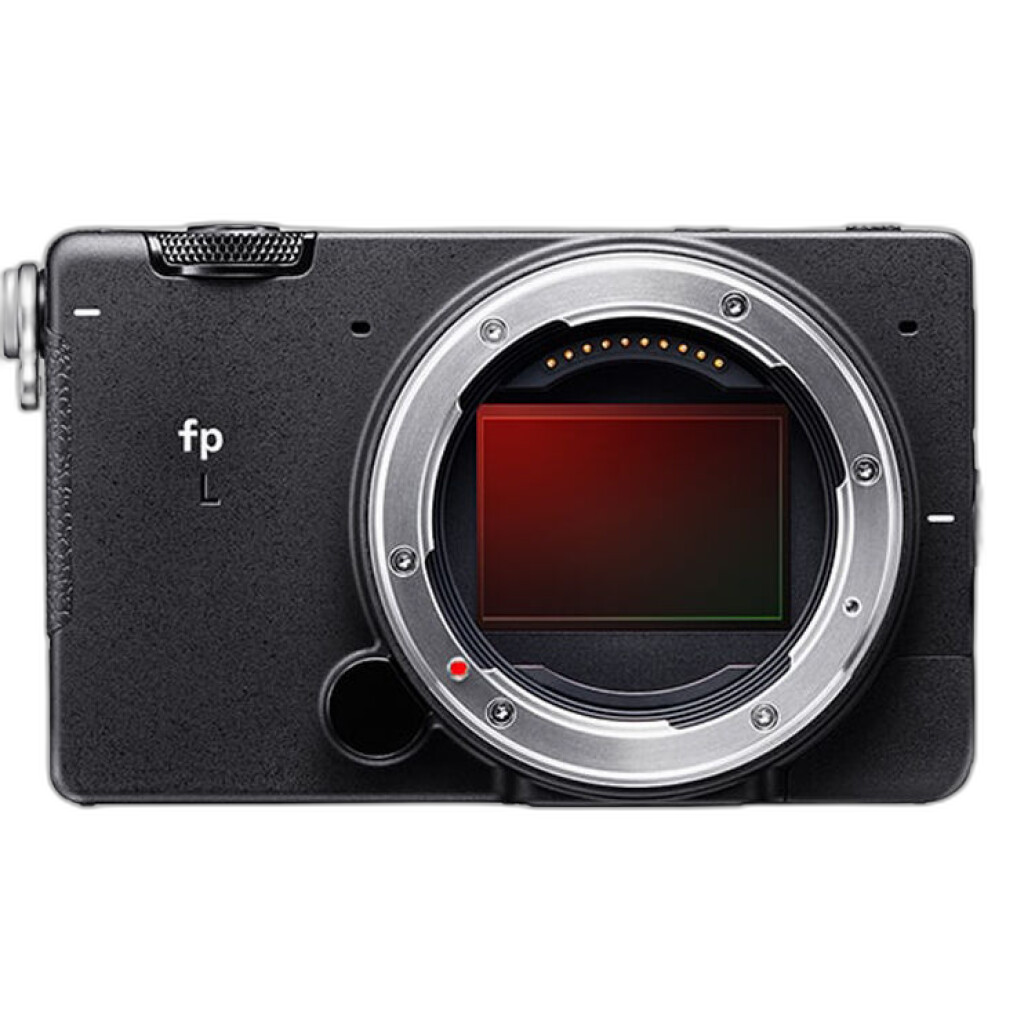
But this is not magic. Lens choice, aperture, subject distance, and background distance all play a major role. If you love the look of subject isolation and want a compact full-frame body for creative stills or video, the Sigma fp L is worth a look. Its full-frame sensor gives you access to that distinctive shallow-depth-of-field look while keeping the camera package impressively small.
What are the downsides of upgrading to full-frame?
The main drawbacks are cost, system size, and lens investment. Full-frame bodies are often more expensive than APS-C or Micro Four Thirds alternatives, and full-frame lenses can also be larger and pricier. If you are changing mounts or moving into a more advanced video ecosystem, accessories such as media, cages, batteries, and support gear can add up quickly.
There is also the question of whether you truly need the upgrade. If your current setup already meets your needs for travel, sports reach, casual shooting, or web delivery, full-frame may not dramatically change your results. In some cases, a smaller format remains the more practical tool. The right move is to match the camera to the job rather than assume bigger is always better.
Is full-frame worth it for video creators?
For many video creators, yes—especially if you value low-light performance, cinematic depth of field, wide-angle coverage, and strong dynamic range. Full-frame has become especially popular for interviews, branded content, commercial filmmaking, documentaries, weddings, and streaming setups where a polished image matters.
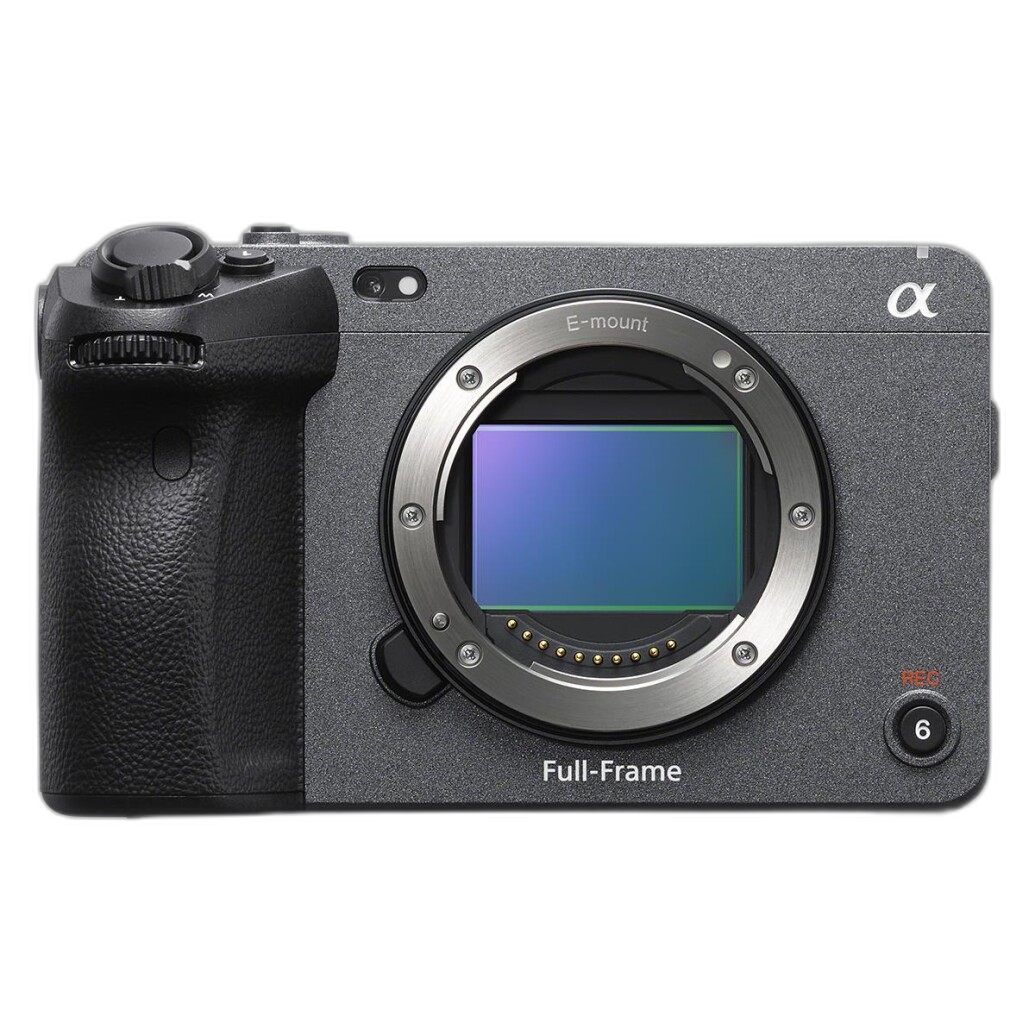
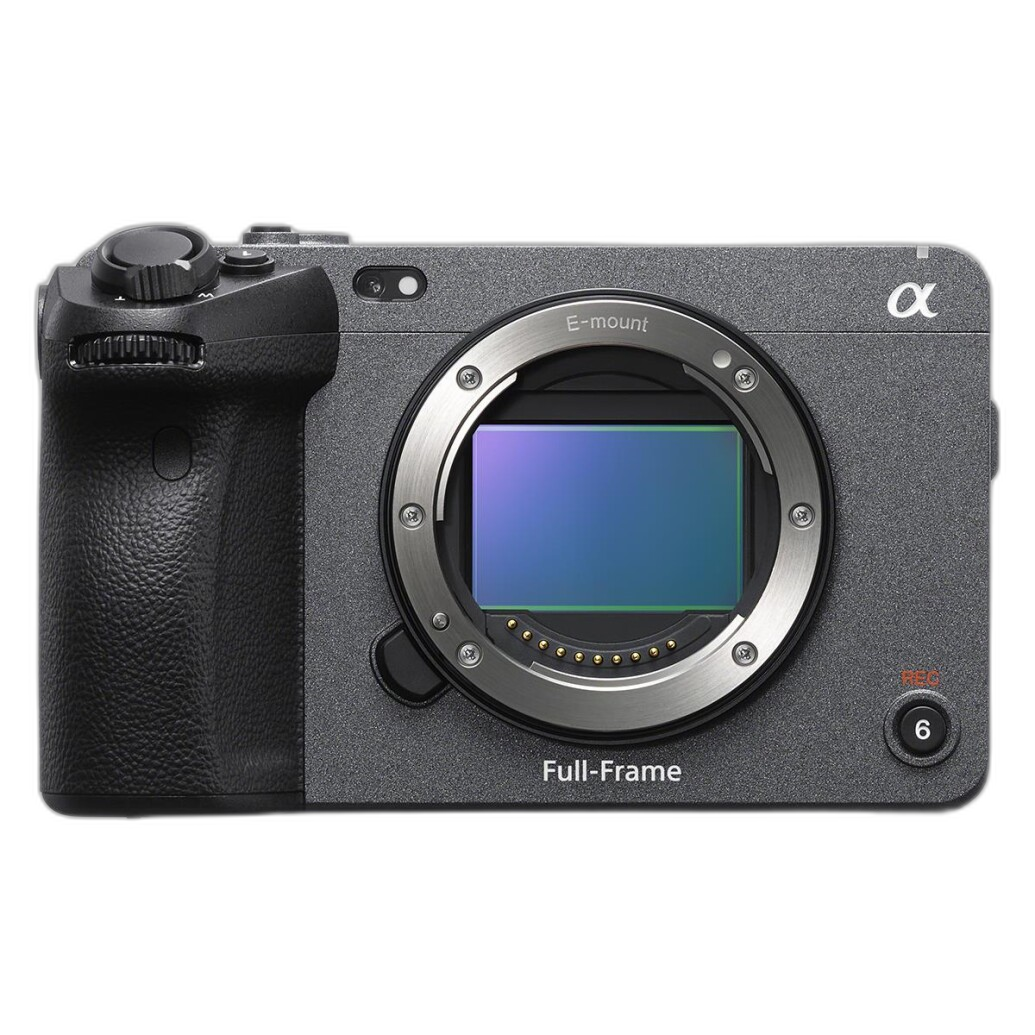
At the same time, the best full-frame video camera depends on your production style. A solo shooter may prefer a compact body like a used Sony FX3 or FX3A for mobility and gimbal use, while a more traditional production team might lean toward an FX6 or Canon EOS C400 for their richer set of professional connections and monitoring tools.
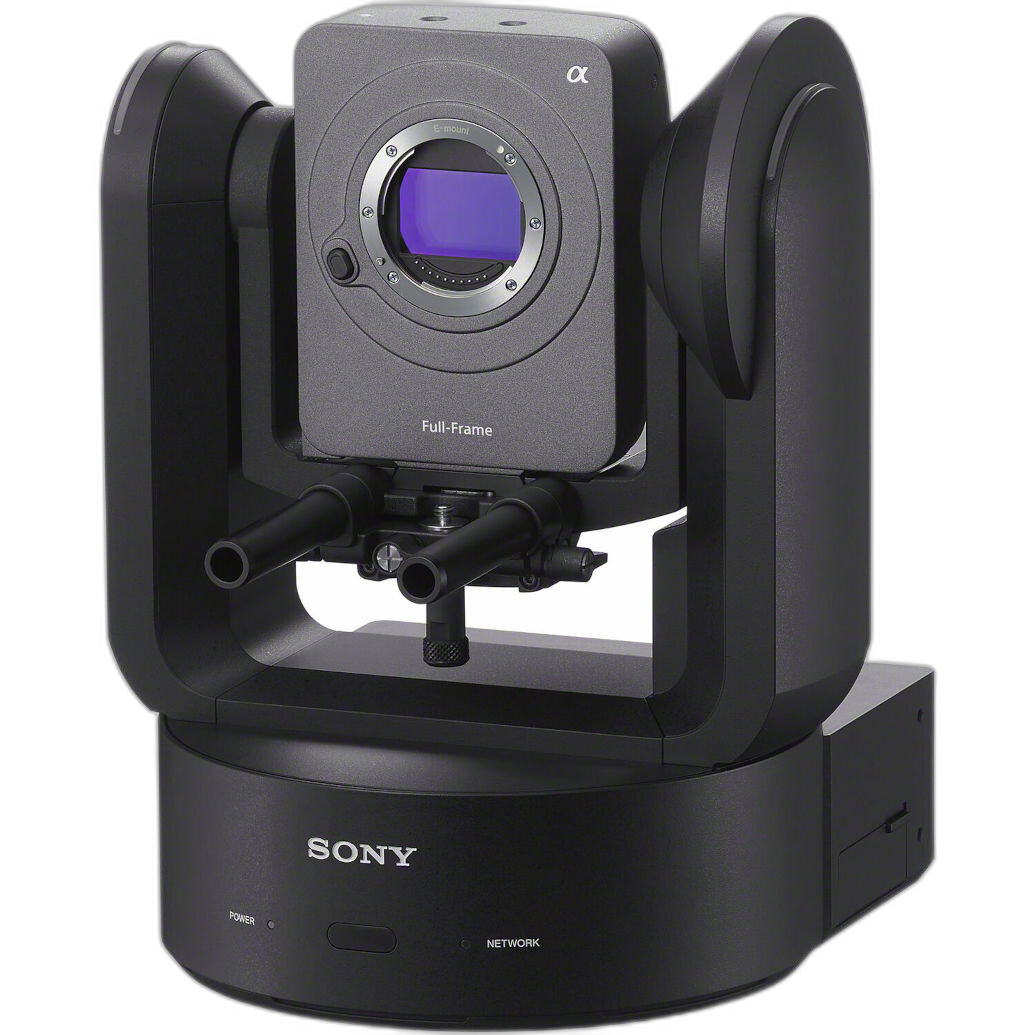
For productions that need remote operation in houses of worship, studios, event venues, or multi-camera installations, a specialized option like the Sony FR7 brings full-frame image quality to a PTZ workflow.
Do I need full-frame if I am not a professional?
No. Plenty of enthusiasts and content creators make excellent work without ever moving to full-frame. If you shoot family photos, travel, social content, or occasional projects, your money may go farther by investing in lenses, lighting, audio, or education. Full-frame becomes more compelling when you have clear priorities such as low-light shooting, a specific rendering style, or professional deliverables that benefit from the extra performance headroom.
If you do want to step into full-frame without jumping straight to a brand-new flagship body, shopping used can be a practical option. A used Sony FX3 or FX6 from Unique Photo can offer access to high-end full-frame video capabilities at a more approachable price point, depending on condition and availability.
How should I decide whether to upgrade now or wait?
Ask yourself what is limiting you today. If you regularly struggle with noise in low light, need more dynamic range for post-production, want a more cinematic look, or are building a professional video kit, a full-frame upgrade may be justified right now. If your current camera still delivers the quality you need, waiting could be the smarter move, especially if you would rather allocate budget toward lenses or lighting first.
It also helps to think in terms of total system value. A camera body is only part of the investment. Before upgrading, consider the lenses you want to use, storage requirements, support equipment, and whether you need features like internal professional codecs, SDI, timecode, or remote control. Choosing the right body from the start can save money and frustration later.
Which full-frame camera is right for my type of work?
The best choice depends on the way you shoot. If you want a compact, unconventional full-frame mirrorless camera for stills, video, and modular rigging, the Sigma fp L is a distinctive option. If you need a professional cinema camera with advanced production features, the Canon EOS C400 is built for serious filmmaking and commercial workflows. If you want strong low-light performance and a trusted full-frame video platform at a lower cost, a used Sony FX6 or FX3-series body can be an excellent entry into the Sony Cinema Line ecosystem. And if your work centers on remote production or fixed installs, the Sony FR7 offers a unique full-frame PTZ solution.
The most important thing is choosing the tool that fits your actual assignments, not just the one with the biggest hype. At Unique Photo, we can help you compare full-frame options, explore used gear, and build a system that makes sense for your creative goals and budget.
Still deciding whether full-frame is the right move? Visit Unique Photo to compare current full-frame cameras, explore used cinema gear, and get expert guidance on the best upgrade path for your photography or video workflow.