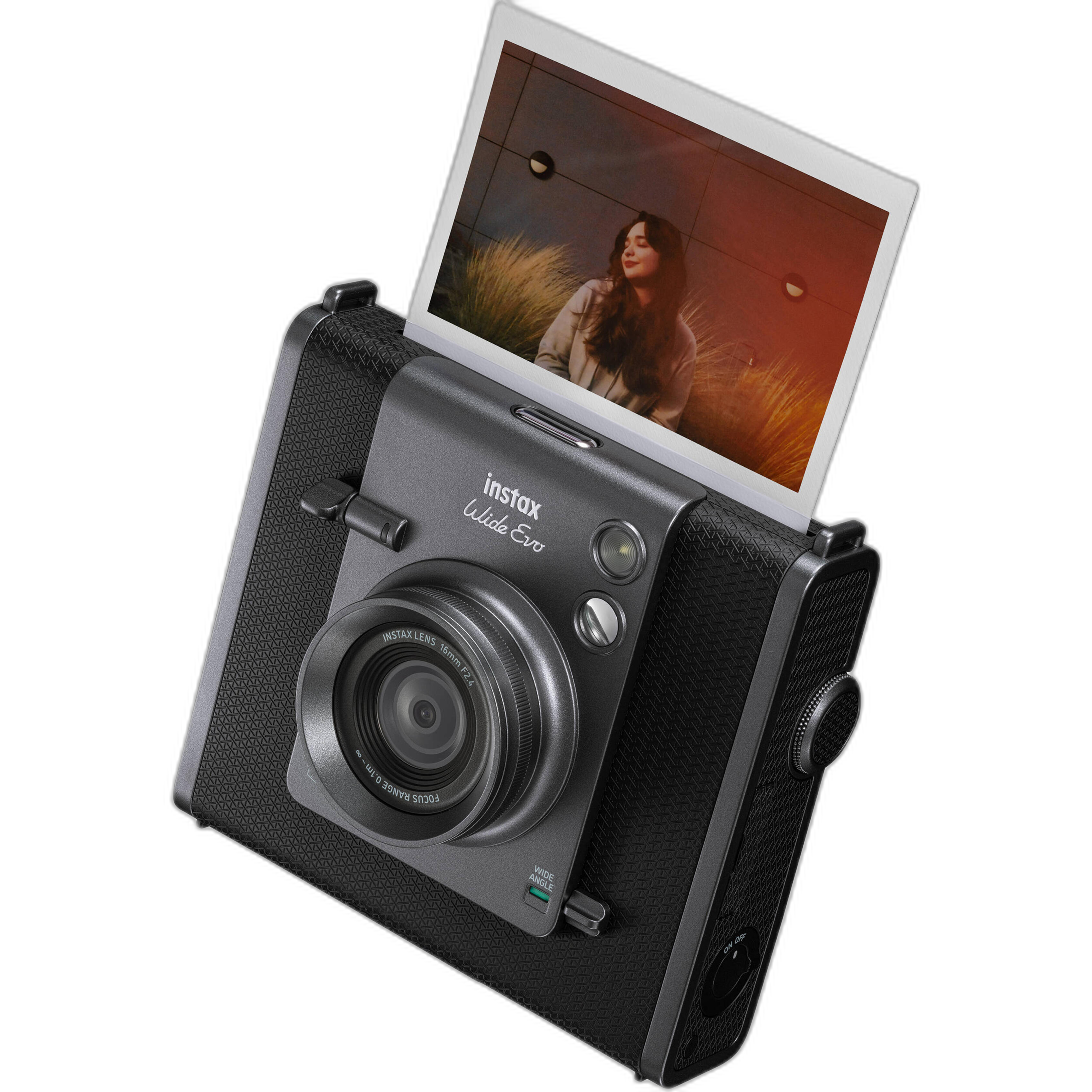
As Fujifilm continues to expand its Instax system, one format stands apart for photographers who want more room in the frame: Instax Wide film. Introduced in 1999, Instax Wide brought a larger instant print to a category that often favored compact novelty over usable image area. For families, event photographers, scrapbookers, and anyone frustrated by tiny group shots on smaller instant formats, this film answered a very practical question: what if an instant print could feel a little more like a real photograph?
That is the appeal of Instax Wide. It keeps the convenience and immediate gratification of integral instant color film, but with a noticeably broader image area that makes portraits, travel scenes, party snapshots, and table-top pictures easier to compose and easier to share. In an era when instant photography was reinventing itself for a new generation, Wide offered the biggest Instax print and a distinctly useful alternative to smaller formats.
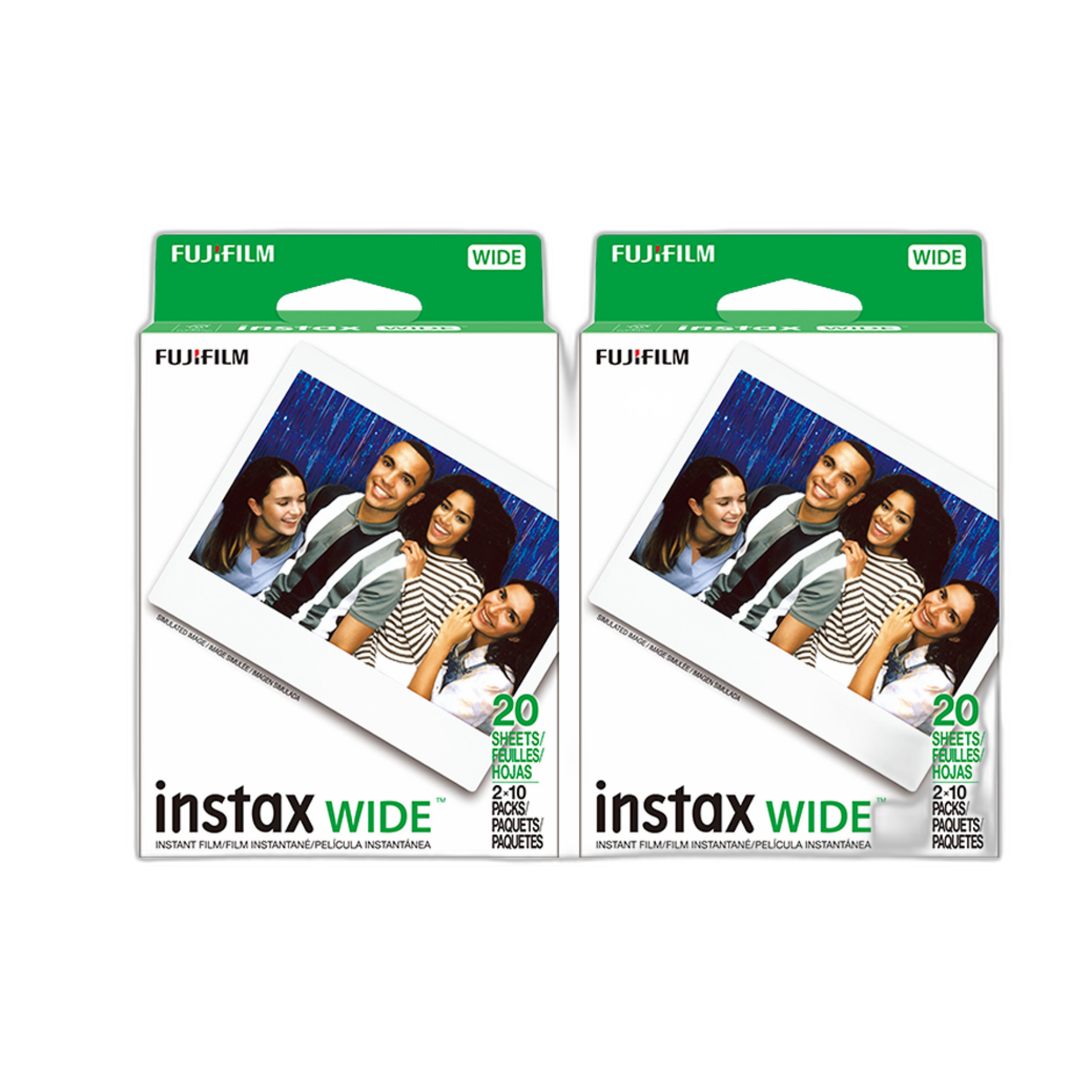
What Instax Wide Film Is
Fujifilm Instax Wide is an instant color film with a rated sensitivity of ISO 800. Each sheet measures 108 x 86 mm, with an image area of 99 x 62 mm. Film is sold in packs of 10 exposures, and it is designed to fit Instax Wide cameras and the Link Wide printer.
Those numbers tell the story. The outer sheet is broad and substantial in the hand, and the image area gives the photographer more horizontal space than other Instax formats. That extra width changes how the film behaves in real-world use. A pair of people can fit more comfortably in the frame. A dinner table scene can include context instead of clipping plates and hands. A landscape can feel more open. Even a simple portrait benefits because there is room for gesture, background, and atmosphere.
Why the Bigger Print Matters
When instant photography is discussed, much of the attention often goes to style and nostalgia. Those qualities are certainly part of the experience, but the success of a film format is also determined by something simpler: can it make pictures that are easy to read and enjoyable to live with?
Instax Wide succeeds because the larger print reduces some of the compromises associated with small instant photographs. Faces are easier to recognize. Group shots are more practical. Details in clothing, decorations, signage, and settings remain more legible. For wedding guest books, party favors, classroom projects, and travel journals, that can make the difference between a fun gimmick and a genuinely useful print.
In 1999, that distinction mattered. Instant film was no longer only about replacing conventional snapshots; it was increasingly about creating objects to share on the spot. A larger print had social value. It could be passed around a room without asking everyone to squint. It could be written on and displayed. It could function as a keepsake rather than merely a curiosity.
Core Specifications at a Glance
Film Type
Instax Wide is instant color film. It is intended to produce a finished color print directly from the camera or compatible printer, preserving the immediacy that defines the instant category.
ISO 800 Speed
With a rated speed of ISO 800, the film is positioned for flexible everyday use. That speed gives cameras and printers a practical baseline for indoor snapshots, flash photography, and general handheld shooting. In the real world, ISO 800 helps support the casual, spontaneous style that instant photography encourages.
Sheet and Image Dimensions
Each sheet measures 108 x 86 mm, while the actual image area is 99 x 62 mm. This is the defining characteristic of the format. It is the largest Instax print size, and it gives images a more spacious, less cramped presentation.
10 Exposures Per Pack
Each pack contains 10 shots. That is in keeping with the familiar rhythm of instant photography: every frame counts, but there are enough exposures in a pack to document a gathering, a day trip, or a portrait session with intention.
Compatibility
Instax Wide film fits Instax Wide cameras and the Link Wide printer. Historically, the camera side of the format defined the look and purpose of the film, while later printer compatibility expanded its usefulness for a generation blending digital capture with physical instant output.
When Instax Wide Is Worth Choosing
The most important question with any film format is not whether it is good in the abstract, but when it is the right tool. Instax Wide is at its best when the scene benefits from breadth, readability, and a stronger physical presence.
Group Portraits and Family Pictures
This is perhaps the clearest use case. Small instant formats can be charming for one person or a tightly framed detail, but once more people enter the frame, composition becomes difficult. Instax Wide gives breathing room. Heads are less likely to crowd the edges, and the image retains a more relaxed feeling.
Events and Parties
At birthdays, reunions, dinners, and celebrations, instant prints often become part of the event itself. Guests exchange them, sign them, and tuck them into books or pockets. A larger print simply works better for that purpose. It is easier to see, easier to write on, and more satisfying as a souvenir.
Travel and Environmental Portraiture
One of the pleasures of travel photography is placing a subject within a location. Instax Wide is well suited to environmental portraits because the frame can hold both person and place. Streets, storefronts, markets, and landscapes have room to register without reducing the subject to a tiny figure.
Tabletop, Scrapbooking, and Display
The broader image area also makes Instax Wide appealing for craft use. Scrapbookers and journal keepers often want a print that can anchor a page rather than disappear into it. On a refrigerator, bulletin board, or studio wall, a Wide print has more visual presence than smaller instant formats.
The Character of the Format
Every instant film system develops its own visual culture. Instax Wide has always leaned a little less toward miniature novelty and a little more toward straightforward photographic utility. Its proportions encourage horizontal compositions, social pictures, and scenes with context. The white border still gives the print that recognizable instant-film object quality, but the image itself feels less constrained.
That distinction helps explain the loyalty the format has earned over time. Some photographers come to Wide after discovering that smaller instant pictures are fun but limiting. Others begin with Wide because they want the immediacy of instant photography without giving up too much framing flexibility. In both cases, the format’s reason for being is clear: more image, more information, more usefulness.
Instax Wide in the Broader Instant-Film Story
Seen historically, Instax Wide occupies an interesting position. By the end of the 1990s, instant photography was entering a new phase. Compactness and convenience were important, but so was differentiation. A larger-format instant print gave Fujifilm a way to serve users who wanted more than a novelty-sized picture. It broadened the Instax concept and established that instant film could be playful without being cramped.
That larger print also helped keep instant photography relevant in settings where people wanted tangible results they could actually appreciate. Teachers, families, small businesses, and event users all benefited from a print with enough scale to communicate clearly. In that sense, Instax Wide was not merely bigger; it was more practical.
Final Thoughts
Fujifilm Instax Wide film remains defined by one central advantage: it delivers the biggest Instax print. With ISO 800 speed, 108 x 86 mm sheet size, a 99 x 62 mm image area, and 10 exposures per pack, it is a format built for instant photographers who want more room to compose and more satisfying prints to share. Whether used in Instax Wide cameras or with the Link Wide printer, it stands as one of the most practical and enduring options in the Instax family.
For photographers, collectors, and instant-film fans interested in adding Instax Wide to their kit or learning more about Fujifilm film formats, Unique Photo is a great place to buy, compare, and explore the history of the gear.