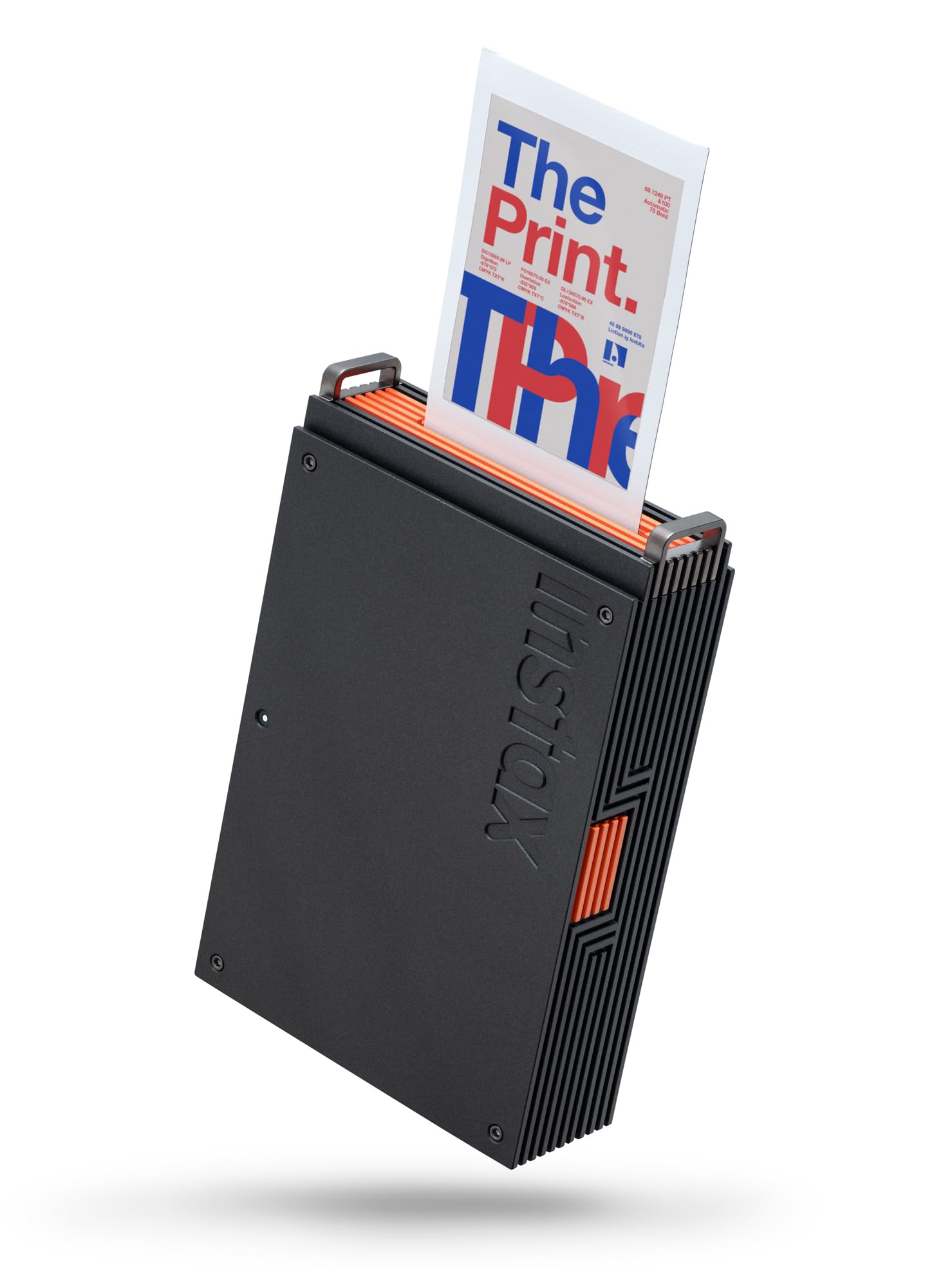
When Fujifilm introduced Instax Mini film in late 1998, it brought a fresh, compact take on instant color photography. Smaller than the larger peel-apart and integral instant formats many photographers already knew, Instax Mini was designed for portability, casual shooting, and easy sharing. Its credit-card-like proportions made each print feel personal and collectible, while the speed and convenience of instant development fit the social spirit of the era.
As an archival look back at the format’s early appeal and enduring strengths, this guide covers the essentials of Instax Mini film: its size, how it differs from the image area it produces, what to expect from the pack format, and how to make the most of its ISO 800 sensitivity. We will also touch on the growing appeal of special-edition frame designs that helped make Instax Mini not just a film stock, but a creative object in its own right.
What Instax Mini Film Is
Instax Mini is an instant color film format from Fujifilm. Each sheet contains the chemistry and layers needed to produce a finished color print shortly after exposure and ejection from the camera. In practical use, that means the photograph is exposed in the camera, pushed through rollers as it exits, and then begins its development process immediately.
From the start, Instax Mini’s appeal has been its balance of convenience and image quality. It was made for photographers who wanted the immediacy of instant photography without the larger bulk associated with some earlier instant systems. That compactness became one of the format’s defining characteristics and a major reason for its popularity.
Instax Mini Size: Film Size vs. Image Size
One of the most important things to understand about Instax Mini film is the difference between the overall sheet size and the actual image area.
Overall Film Size
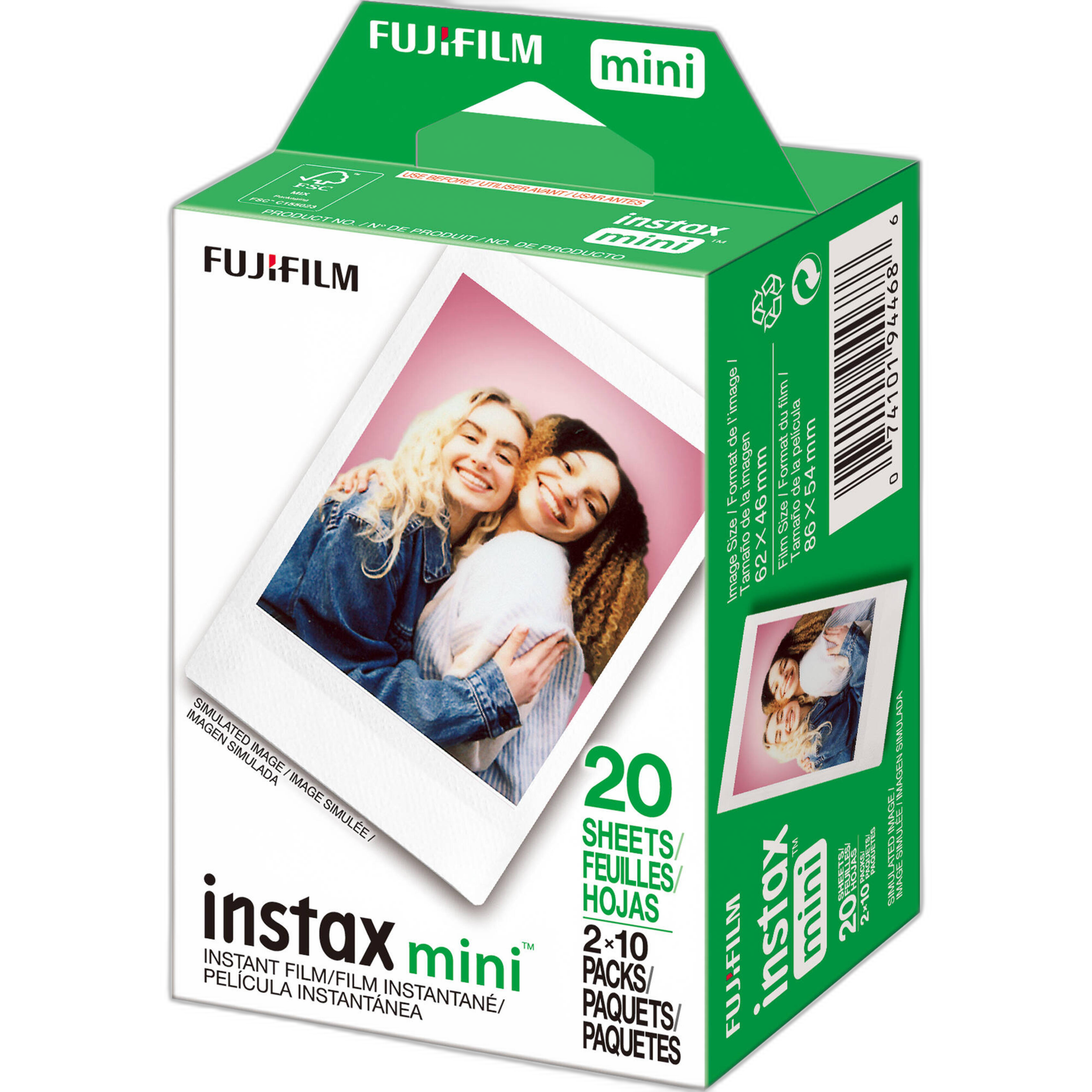
The full film size is 86 x 54 mm. This includes the white border around the photograph, which is part of the signature instant-print look. The outer dimensions are often compared to a wallet card or business-card-sized keepsake, which helps explain why Instax Mini prints are so easy to carry, store, or tuck into a notebook or small frame.
Actual Image Area
The image itself measures 62 x 46 mm. This is the exposed portion in the center of the print, surrounded by the familiar border. For composition, this means every element in the frame matters. Because the picture area is modest in size, uncluttered subjects and clear visual hierarchy usually work best.
The small image area is not a limitation so much as a creative characteristic. Instax Mini rewards direct, simple compositions: portraits, close group shots, table-top still lifes, travel snapshots, and visual notes from daily life. In that sense, the format encourages decisiveness and charm over technical fussiness.
Film Speed and Exposure Character
Instax Mini film is rated at ISO 800, a practical speed for instant photography. This sensitivity gives cameras flexibility across a wide range of lighting situations, from daylight scenes to indoor gatherings. For consumers and casual photographers in the late 1990s, that was a major advantage. Instead of needing bright sun for every shot, users could work in ordinary real-world conditions with far more confidence.
ISO 800 also reflects the format’s intended use: parties, outings, portraits of friends, family moments, and spontaneous social images. With an instant system, the ability to react quickly is part of the fun. A faster film helps support that spontaneity.
At the same time, instant film generally looks best when photographers avoid underexposure. Even with a relatively fast rating, it is wise to seek good light whenever possible. If you have a choice, shoot near a window indoors, step into open shade outdoors rather than deep shadow, and be attentive to strong backlighting that can leave faces too dark.
How Many Shots Per Pack?
Each pack of Instax Mini film contains 10 exposures. That pack-based loading system is central to the instant experience. You load a cartridge, close the camera, and work through a fixed number of shots before replacing it.
Ten frames may sound modest compared to roll film, but it changes the rhythm of shooting in useful ways. Photographers become more selective. Every frame carries a little more intention. That restraint is part of what has always made instant photography special: the print is not just captured, it is earned.
For events and social occasions, keeping an extra pack or two on hand has always been wise. Instant film invites participation, and once people see prints emerging in real time, they usually want another shot.
Compatibility and the Growth of the System
Instax Mini film fits all Instax Mini cameras + Mini Link printers. From a historical perspective, that broad compatibility is one of the format’s greatest strengths. It gave the system longevity and helped Fujifilm build a consistent platform around the film size.
For archival readers looking back, it is worth noting how unusual and valuable this kind of continuity can be. Film formats often become fragmented or short-lived. Instax Mini, by contrast, established itself as a stable standard. That consistency helped the format remain accessible to new users while still serving longtime fans.
The addition of Mini Link printers in later years expanded the meaning of the format even further. Instax Mini was no longer only a camera film; it became a bridge between digital capture and physical print culture. Even so, the essential appeal remained the same: a small, immediate color print you can hold in your hand.
Special Editions and Frame Designs
One reason Instax Mini developed such a devoted following is that the film itself became expressive. Beyond standard white-border packs, special-edition frame designs gave photographers new ways to match the print to the occasion. Decorative borders, themed releases, and limited visual treatments turned the print into part photograph and part object.
This mattered more than it might seem at first glance. Because instant prints are often exchanged, gifted, pinned to walls, or collected in albums, the border design becomes part of the memory. A special-edition frame can make a birthday portrait feel festive, a travel shot feel playful, or a keepsake portrait feel more personal.
From a historian’s view, these editions also show how Fujifilm understood instant photography as a social medium. The print was never only about image reproduction. It was about sharing, display, and emotional value. Special-edition packs reinforced that identity and helped distinguish Instax Mini from conventional film photography.
How to Get Great Shots on Instax Mini Film
Favor Good, Even Light
Instant film thrives on clear illumination. Outdoors, bright overcast conditions or open shade often produce flattering portraits with balanced contrast. Indoors, window light is usually your friend. If you are photographing people, turn them toward the light rather than placing the light behind them.
Move Closer and Simplify
Because the image area is relatively small, distant subjects can lose impact. Fill the frame with your subject when possible. Clean backgrounds and strong shapes tend to read better on a 62 x 46 mm image than busy, highly detailed scenes.
Watch the Background
Small prints benefit from visual clarity. Before releasing the shutter, look for distractions near the edges of the frame. A simple wall, foliage, or uncluttered room can make the main subject stand out more effectively.
Be Thoughtful With Every Exposure
With 10 shots per pack, Instax Mini encourages a deliberate approach. Pause for a moment before shooting. Check expressions, framing, and light. That little extra care often makes a big difference.
Handle Prints Gently as They Develop
Part of the magic of instant photography is watching the image appear. Let the print develop naturally and avoid unnecessary bending or rough handling. Treat the finished print as both photograph and keepsake.
Why Instax Mini Endured
Instax Mini succeeded because it answered a timeless photographic desire: the wish to make a picture and share it immediately. Its 86 x 54 mm sheet size, 62 x 46 mm image area, ISO 800 speed, and 10-shot pack format created a system that was practical, portable, and appealingly distinctive.
Just as importantly, it gave photographers a format with personality. The small print size encouraged intimacy. The white border gave each image a recognizable presence. Special editions expanded the aesthetic possibilities. And broad compatibility across Instax Mini cameras and later Mini Link printers ensured the film would remain relevant well beyond its introduction.
For photographers, collectors, and anyone curious about the history of modern instant imaging, Instax Mini remains one of the defining film formats of its era. To buy Fujifilm Instax Mini film or learn more about instant photography past and present, visit Unique Photo.