Who this guide is for
If you’re a portrait shooter, wedding filmmaker, or event photographer on Sony E-mount trying to decide between a single do‑it‑all zoom and the classic fast standard zoom, this guide is for you. We break down how the Tamron 35–150mm f/2–2.8 Di III VXD and the Sony FE 24–70mm f/2.8 GM II stack up in real portrait and event scenarios—from look and speed to handling and longevity—so you can buy with confidence.
The contenders, in brief
Tamron’s 35–150mm f/2–2.8 is a unique lens: a fast, event‑ready zoom that stretches from environmental portraits at 35mm to flattering headshots at 135–150mm—all in one piece of glass. Sony’s FE 24–70mm f/2.8 GM II is the second‑generation gold standard for a fast standard zoom: smaller, lighter, and sharper than the original, with outstanding AF and video niceties.
Specs and handling at a glance
| Feature | Tamron 35–150mm f/2–2.8 (Di III VXD) | Sony FE 24–70mm f/2.8 GM II |
|---|---|---|
| Focal range | 35–150mm | 24–70mm |
| Max aperture | f/2–2.8 (variable) | f/2.8 (constant) |
| Weight | Approx. 1.1–1.2 kg | Approx. 695 g |
| Length | Approx. 158 mm | Approx. 120 mm |
| Filter size | 82 mm | 82 mm |
| Min focus distance | Approx. 0.33 m (wide) to 0.85 m (tele) | Approx. 0.21 m (wide) to 0.30 m (tele) |
| Stabilization | None (uses camera IBIS) | None (uses camera IBIS) |
| AF drive | VXD linear motor | XD Linear Motors (4) |
| Controls | Custom switch, Focus Set button, USB‑C Tamron Lens Utility | De‑clickable aperture ring, custom buttons, smooth/tight zoom |
| Notable strengths | Massive range for portraits/events, f/2 at the wide end, one‑lens coverage | Class‑leading sharpness, compact/light, minimal breathing, refined ergonomics |
| Typical street price | Often less than a GM zoom | Flagship pricing |
Note: Dimensions and weights are approximate. Always verify the latest specifications for your camera body and shooting needs.
Portrait performance: look, compression, and subject isolation
- Tamron 35–150mm f/2–2.8: This lens is a portrait specialist disguised as an event zoom. At 50–85mm you get a bright f/2–f/2.2 aperture that delivers a noticeably shallower look than f/2.8, great for low light and subject separation. The long end (100–150mm) adds flattering compression for headshots across a room without swapping lenses. Bokeh is smooth and rendering is flattering; expect stronger vignetting wide open at the very fast settings, which many portrait shooters actually like for edge falloff.
- Sony 24–70mm f/2.8 GM II: At 24–35mm you can capture environmental portraits; 50–70mm covers classic half‑body to tight head‑and‑shoulders. The GM II’s across‑the‑frame sharpness and refined contrast make skin tones pop without harshness. Its minimal focus breathing and excellent close‑focus (especially at 24–35mm) let you create near‑macro detail shots of rings, makeup, and florals during portrait sessions.
Events: speed, versatility, and real‑world handling
- Tamron 35–150mm f/2–2.8: For weddings, conferences, and stage events, this is the definition of less‑lens‑swapping, more‑moment‑catching. Go from dance‑floor candids at 35mm to back‑of‑the‑aisle close‑ups at 150mm in a quarter turn. AF is quick and accurate for face/eye detection on modern Sony bodies, and the extra light at f/2–f/2.2 in the mid‑range helps keep ISO down. The tradeoff is mass: after a full day, your shoulders will feel it.
- Sony 24–70mm f/2.8 GM II: The event workhorse. Its compact size and reduced weight are a joy for 10‑hour days, gimbals, and travel. AF is lightning fast; focus breathing is extremely well‑controlled for video, and the de‑clickable aperture ring is ideal for run‑and‑gun storytelling. Coverage tops out at 70mm, so many pros pair it with a 70–200mm or a fast prime for reach.
Which one should you buy?
Choose the Tamron 35–150mm f/2–2.8 if you:
- Want one lens to cover couples’ sessions, ceremonies, and receptions with minimal swaps.
- Prioritize mid‑range speed (f/2–f/2.2) and flattering compression at 85–150mm.
- Can manage a heavier setup to gain versatility.
Choose the Sony FE 24–70mm f/2.8 GM II if you:
- Value a lighter, more compact kit with top‑tier sharpness and AF consistency.
- Shoot hybrid photo/video and want an aperture ring, minimal breathing, and polished handling.
- Already pair your standard zoom with a 70–200mm or fast primes for reach.
Field‑of‑view on APS‑C (Sony Super 35)
Using these full‑frame E‑mount lenses on an APS‑C/Super‑35 body (1.5× crop) changes coverage: the 35–150mm behaves like roughly 52.5–225mm, emphasizing tight portraits and reach; the 24–70mm behaves like roughly 36–105mm, a strong general‑purpose range for portraits and events.
Recommended pairings and companions from Unique Photo
While our main comparison focuses on lenses, the right body or compact companion can elevate your portrait/event kit. Here are editor‑curated picks you can find at Unique Photo.
Sony FX30 Super 35 Digital Cinema Camera with XLR Handle Unit
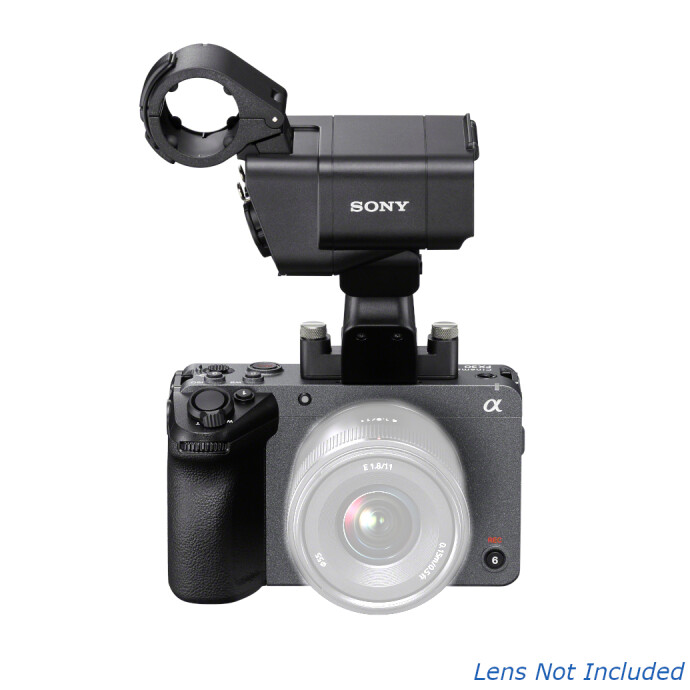
A video‑first Super‑35 body that plays nicely with both lenses for hybrid storytellers. Expect snappy AF, in‑body stabilization, and pro audio via the included XLR handle—great for ceremonies, speeches, and highlight films.
Sony RX1R III Premium Compact Camera
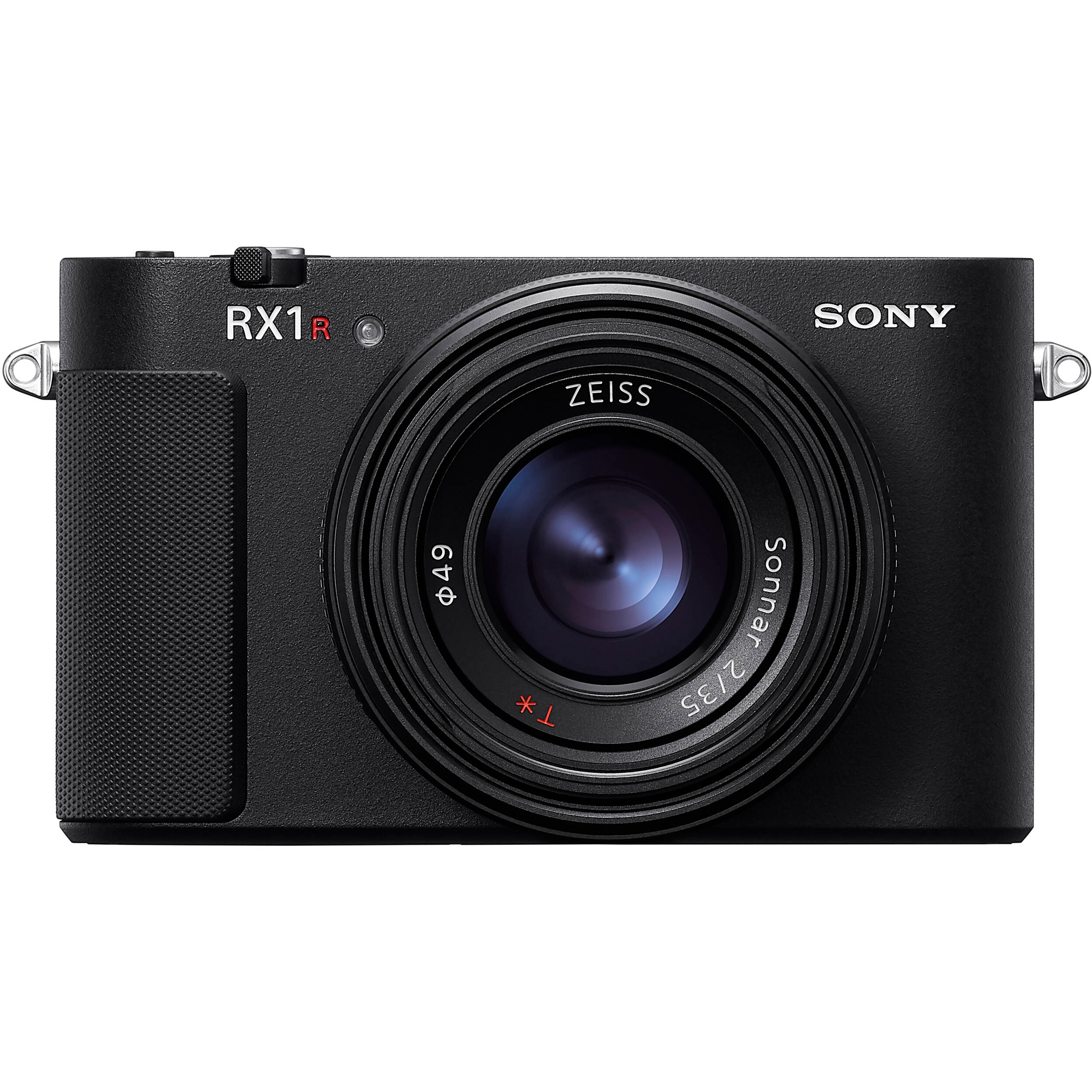
A premium, fixed‑lens full‑frame compact (35mm) that’s discreet for candid coverage and street‑style portraits when you want to travel light alongside your main kit.
Sony ZV-1F Vlog Camera (Black)
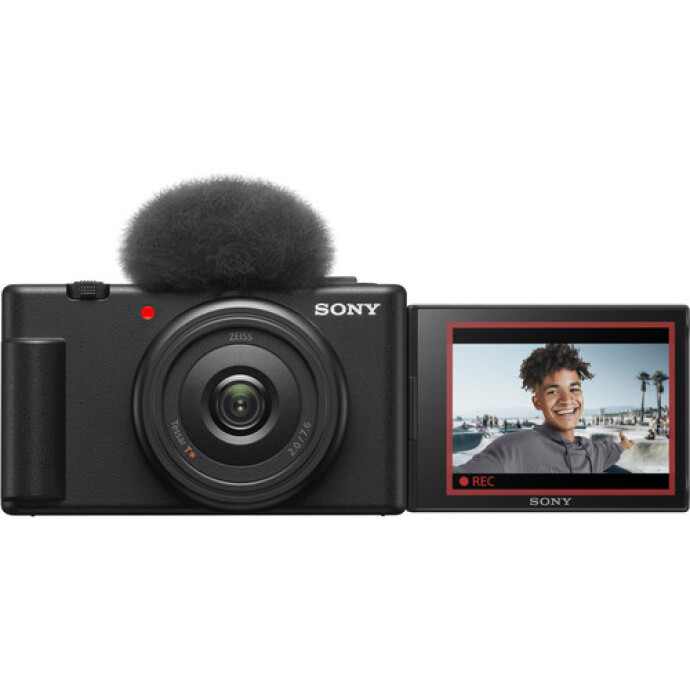
A pocketable wide‑angle companion for behind‑the‑scenes content, venue walkthroughs, and social clips without touching your main setup.
Sony ZV-1F Vlog Camera (White)
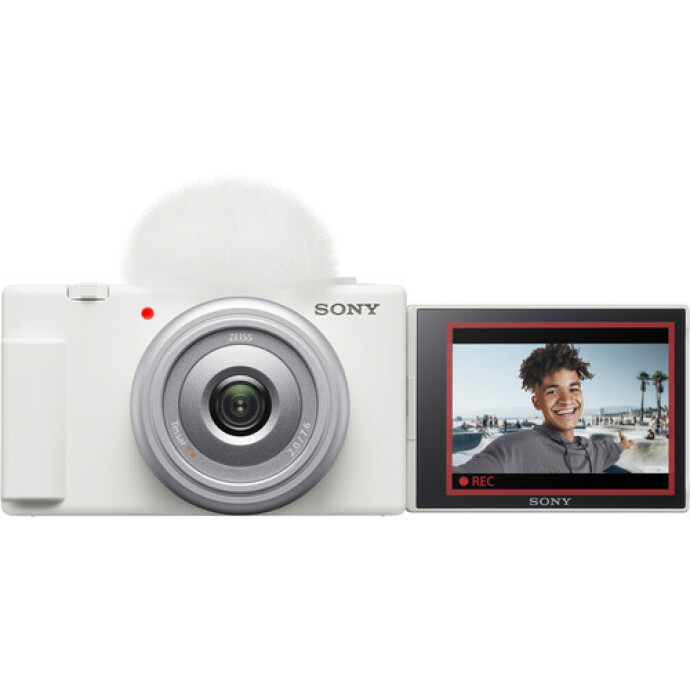
Same creator‑friendly features in a clean white finish—ideal for on‑camera pieces, vendor interviews, and fast event recaps.
Final take
If you’re a portrait and event specialist who wants one lens to cover nearly everything, the Tamron 35–150mm f/2–2.8 is the most transformative choice. If you prize a lighter, more compact workhorse for all‑day shoots or hybrid video work, the Sony FE 24–70mm f/2.8 GM II is the polished standard zoom to beat. Still unsure? Visit Unique Photo online or in store—our experts can help you handle both options, suggest body/lens pairings, and build the perfect portrait/event kit.