Best Lightweight Travel Tripods for Landscape Photography in 2024
Whether you’re hiking to a ridge at sunrise or city-hopping with a carry‑on, a great lightweight travel tripod helps you capture sharper, more dramatic landscapes with long exposures, bracketing, and panoramas—without weighing you down. This guide is for photographers who want maximum stability in the smallest, lightest package and need to understand which specs matter most in 2024.
How to choose a lightweight travel tripod
- Weight and carry comfort: Aim for 2.5–3.5 lb (1.1–1.6 kg) for all-day hikes. Ultralight options under 2.5 lb exist but often trade stability in wind.
- Folded length: Under 18–19 inches fits diagonally in most carry-ons and easily straps to a backpack.
- Max height vs. sections: Five-section legs fold smaller, but four-section legs are a touch faster and stiffer. Target eye-level height without the center column extended.
- Material: Carbon fiber costs more but damps vibration and saves weight. Aluminum is budget-friendly but heavier.
- Leg locks: Twist locks are slimmer for packing and quick to operate with one hand; lever locks are easy to see at a glance.
- Center column: Removable or short columns allow low-angle work. Hooks are useful for hanging weight to add stability.
- Feet and spikes: Rubber feet are travel-friendly; optional spikes help in dirt, sand, and ice.
- Head choice: A compact ball head with friction control and panoramic base is ideal for landscapes. Arca‑type compatibility keeps plate swapping simple.
- Load rating (realistic): Look for a conservative 1.5–2× your typical kit weight rather than chasing inflated numbers.
- Weather resistance and serviceability: Anodized hardware, sealed locks, and user-serviceable leg sections make life easier after sand and surf.
Quick comparison: travel tripod archetypes
| Archetype | Weight | Folded Length | Max Height | Realistic Load | Best For |
|---|---|---|---|---|---|
| Ultralight Carbon Fiber | 1.8–2.4 lb | 13–16 in | 50–55 in | 4–6 lb kits | Fastpacking, long distances, minimal wind |
| Balanced Carbon Fiber (Travel) | 2.5–3.0 lb | 16–18 in | 55–62 in | 6–10 lb kits | Most landscape shooters; best stability/size trade-off |
| Budget Aluminum (Travel) | 3.2–3.9 lb | 17–19 in | 55–63 in | 6–10 lb kits | Value-focused travelers, occasional use |
Field tips for rock‑solid shots on the road
- Stabilize smartly: Use the center-column hook to hang your bag low and close, but avoid swing by keeping it in contact with the ground.
- Mind the leg angle: Wider leg angles counter wind; keep the center column down for maximum rigidity.
- Use a remote and delay: Self-timer or a remote release prevents shake; enable electronic shutter/EFCS when possible.
- Dial in technique: Turn off lens IS on a tripod for long exposures if recommended by your lens maker; use mirror-up for DSLRs.
- Maintain on the move: After sand or salt, rinse locks with fresh water and let the tripod dry before collapsing fully.
Recommended learning and resources from Unique Photo
Gear is only half the story. Sharpen your landscape skills and post‑processing so your travel tripod work truly shines. These Unique Photo classes and resources pair perfectly with your new support system.
Macro and Landscape Photography at Duke Farms with Michael Downey

Practice real-world tripod techniques—from low‑angle foregrounds to telephoto compression—in a beautiful outdoor setting. Great for learning how to deploy a travel tripod quickly and compose with purpose.
- Hands-on instruction in the field
- Ideal for learning panoramic and long-exposure workflows
Editing and Enhancing Landscape and Nature Photography with Photoshop

Turn your tripod-captured RAW files into striking final images. Master exposure blending, color grading, and sharpening that preserves detail without artifacts.
- Focuses on landscape-specific post techniques
- Complements bracketed and long-exposure tripod work
UUOnline: Astrophotography 4-Part Series with Temu Nana (Session 2)

Nightscapes demand a steady, portable support. Learn how to select settings, balance stability, and manage dew and wind—skills that translate directly to your travel tripod in the field.
- Best practices for starry skies and Milky Way
- Tripod setup for tracking and time-lapse foundations
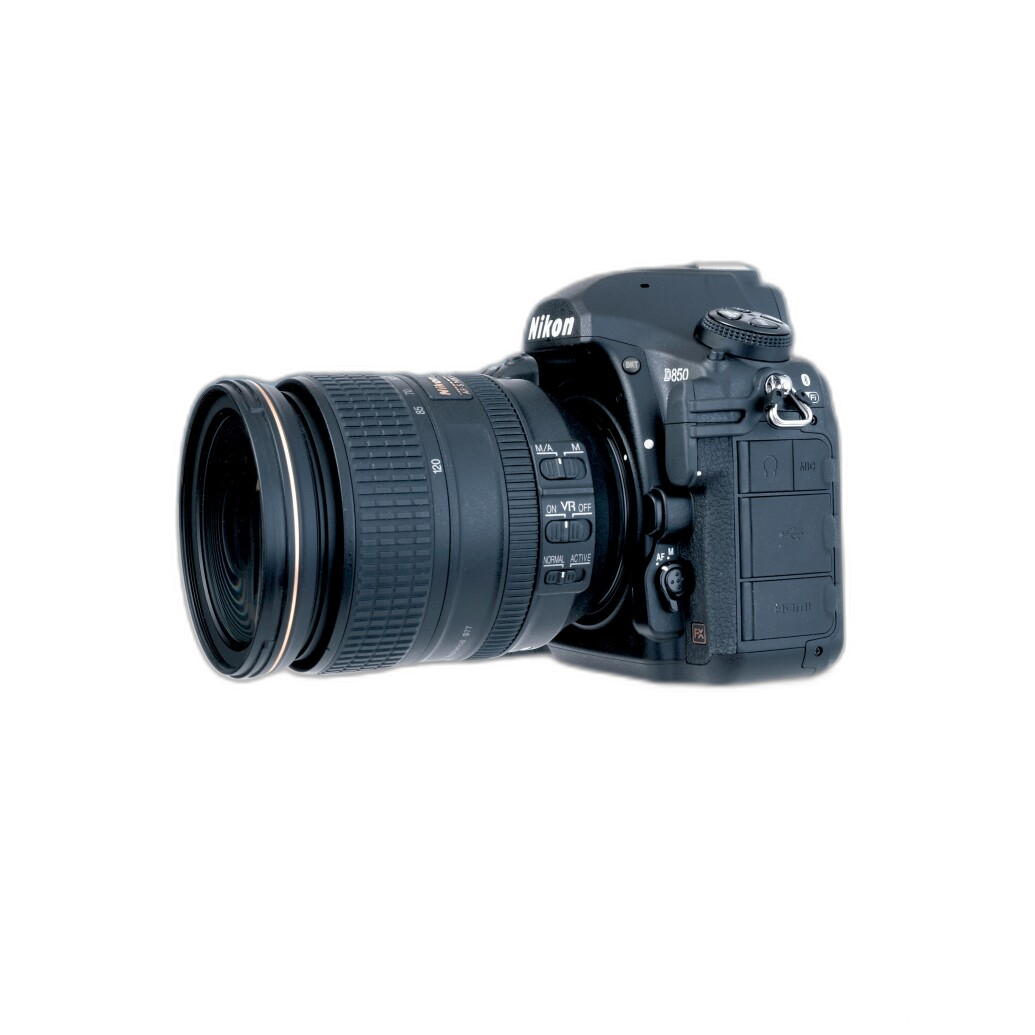
Nikon D850 Guide to Digital SLR Photography by David Busch
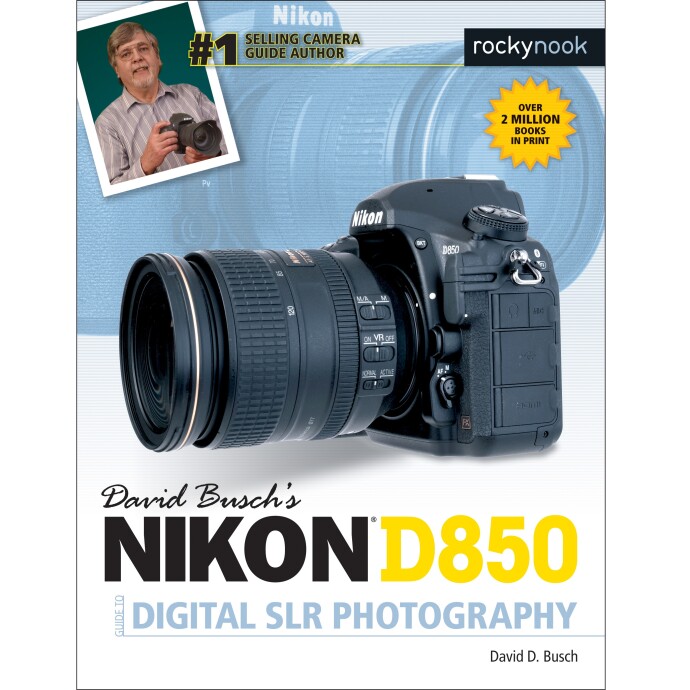
If you shoot a D850, this deep dive helps you get the most from features that pair beautifully with tripod work: focus peaking in Live View, exposure bracketing, and mirror-up techniques.
- In-depth control explanations and field tips
- Applies to tripod-centric landscape workflows
A note for hybrid photo/video travelers
If you also build compact video rigs, a dovetail system can speed swaps between supports. While not a travel tripod, this accessory is helpful in specialized setups.
Tilta 10 Lightweight Dovetail Plate (Black)
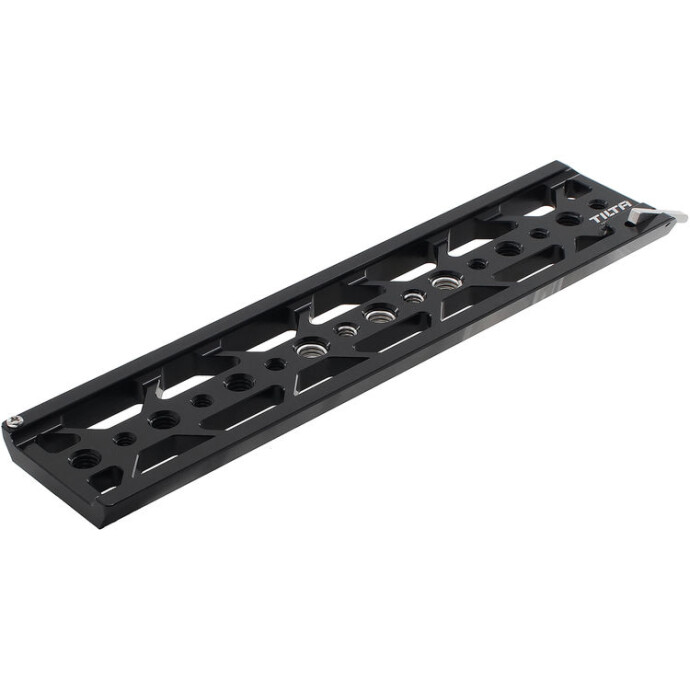
ARRI‑standard dovetail for quick, secure mounting on compatible cinema bases. Best for dedicated video rigs rather than general travel landscape tripod use.
- Lightweight, durable construction
- Facilitates fast rebalancing of heavier setups
Conclusion: the right travel tripod pays for itself in keepers
A well-chosen carbon‑fiber travel tripod—around 2.5–3.0 lb with a compact Arca‑compatible ball head—offers the best balance of packability and stability for landscape photography in 2024. Start with that “balanced” class, test leg locks and height in person, and consider your heaviest lens. Then round out your skills with a landscape workshop or editing class so every frame counts.
Ready to find your match? Visit Unique Photo online or in-store to compare today’s best travel tripods, get hands-on advice from our experts, and bundle the right education to elevate your landscape work.