Field Safety for Photojournalists: Essential FAQs for Risky Assignments
Covering protests, disasters, and volatile breaking news requires sharp instincts and a solid safety plan. As New Jersey’s camera authority, Unique Photo helps photojournalists prepare with practical guidance and purpose-built gear so you can come home safe—and with the story.
What precautions should I take before arriving at a protest or disaster scene?
Start with a risk assessment. Research the location, current alerts, and any road closures or curfews. Identify multiple exit routes and safe havens (hospitals, transit hubs, well-lit businesses). Ensure your press credentials are visible but easy to conceal if the climate becomes hostile. Dress neutrally; pack PPE such as a helmet, impact-rated goggles, and a respirator when conditions may include debris, smoke, or chemical irritants. Whenever possible, work with a partner and designate a remote contact for scheduled check-ins.
How do I balance getting the shot with personal safety?
Set non-negotiable safety thresholds before you step out of the car. Use longer focal lengths to maintain standoff distance, and choose elevated or lateral positions rather than front-line proximity. Stay mobile with a streamlined kit—one camera body with two lenses and a small pouch often beats a bulky backpack. Respect police lines and emergency crews, and keep your head on a swivel; no image is worth ignoring your instincts.
Which gear choices help minimize risk in volatile environments?
Pick robust, weather-sealed bodies and lenses, add a protective UV or clear filter, and carry a compact rain cover. If you deploy drones for context shots, transport them in rugged cases to prevent damage during fast movement and crowding. Unique Photo carries dedicated safety carrying cases like the PGYTECH DJI Mavic 3, Air 3, and Mini 3 Safety Carrying Cases, as well as the Tilta Armor Man 3.0 Waterproof Safety Case for mission-critical protection. Keep batteries organized, label your gear with contact info, and use a small headlamp with a red mode for night work.
What insurance coverage should freelancers consider for high-risk assignments?
At minimum: equipment (inland marine) insurance for damage, theft, and mysterious disappearance; general liability for third-party injury or property damage; and, where applicable, professional liability. If you regularly travel, consider health insurance with emergency out-of-network coverage and medical evacuation. Document serial numbers, make a gear inventory, and keep receipts and images for claims.
What does a solid pre-assignment safety plan look like?
Build a brief you can revisit in the field:
- Contact tree: editor/producer, local PIO, legal aid, and an at-home check-in contact
- Check-ins: predetermined times and a missed-check protocol
- Navigation: offline maps with multiple exit routes
- Medical: allergies, blood type, and ICE info on your person
- Data plan: dual-card recording and redundant backups away from the crowd
- De-escalation: scripted phrases and a plan to disengage when tension rises
How do I clean and decontaminate my camera after dust, smoke, or chemical exposure?
Power down immediately and remove batteries and cards. Wipe exterior surfaces with a lightly damp microfiber and 70% isopropyl alcohol for soot; for pepper spray residue on the exterior, first blot with a mild dish-soap solution on a cloth, then follow with clean water on a cloth—avoid liquid ingress. Let gear air-dry thoroughly. For sensor maintenance, use purpose-made tools and avoid improvised swabs. Delicate removal of loose particles is safer with dedicated sensor wands designed for full-frame sensors.
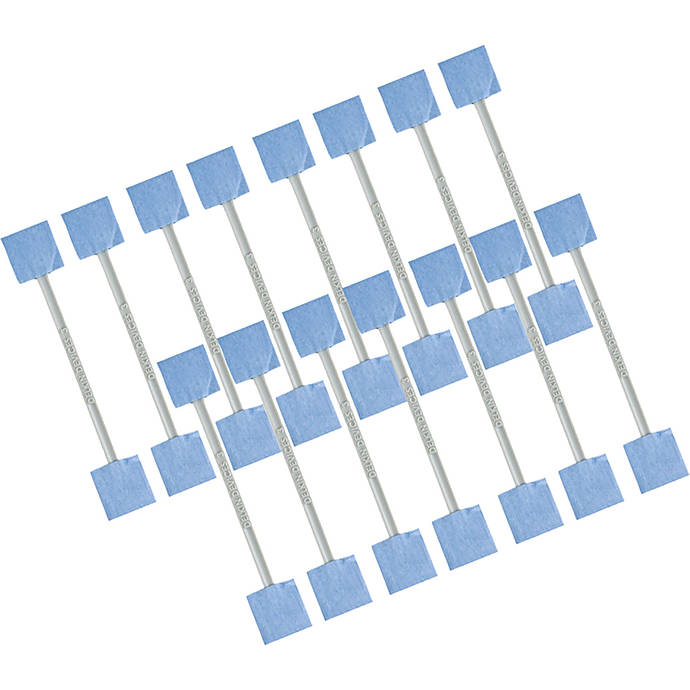
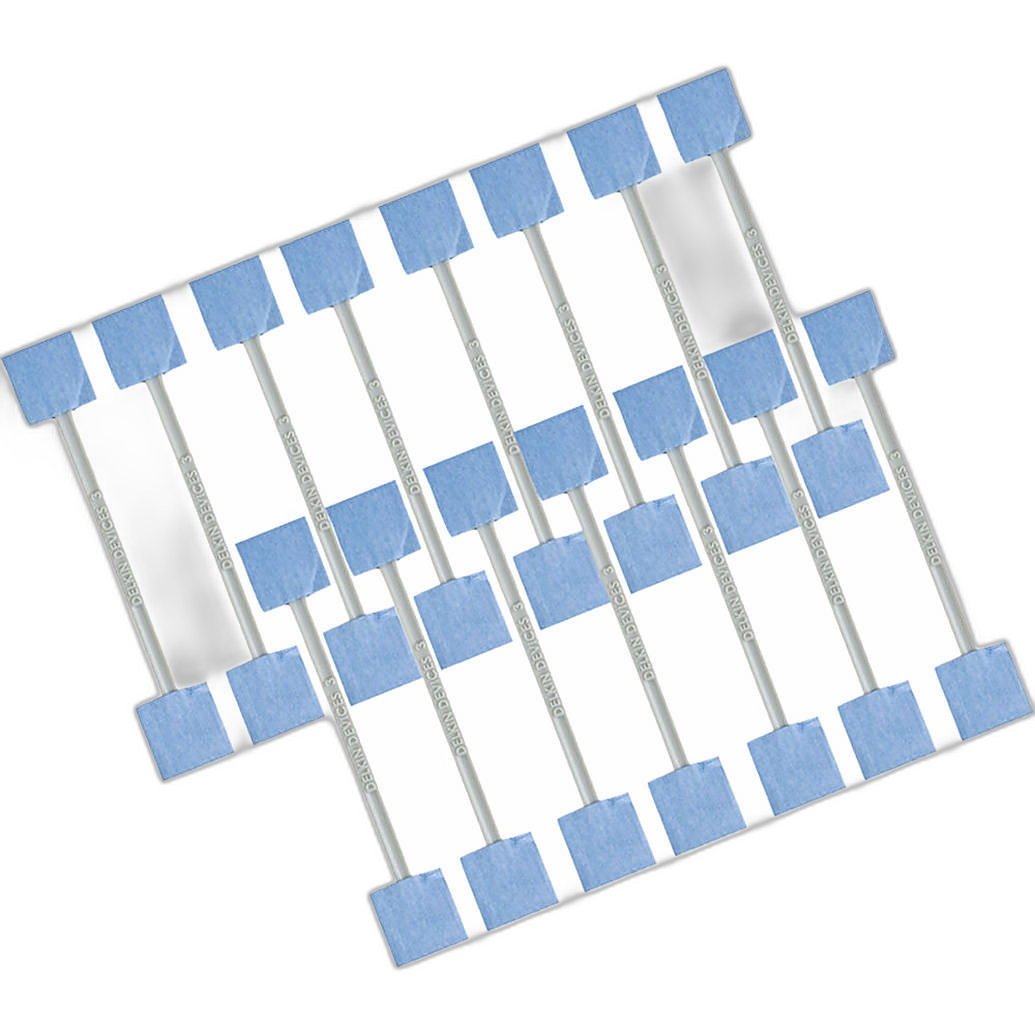
Delkin Devices SensorSafe Wands for Full Frame 24mm Sensors provide targeted, safe cleaning when dust inevitably finds its way onto your sensor during fieldwork. When in doubt, bring your camera to Unique Photo’s service desk for professional cleaning.
Are there training resources to prepare for high-risk assignments?
Yes—invest in skills before you’re under pressure. Review safety guidance from organizations like the Committee to Protect Journalists (CPJ), seek Hostile Environment and First Aid Training (HEFAT), and connect with local PIOs for incident protocols. Sharpen your on-assignment lighting and fast-paced workflow with workshops through Unique University. Courses focused on event coverage and problem-solving under changing conditions help you make faster, safer decisions in the field.

Our Unique University program, including classes like “Venue Lighting for Events with Moshe Zusman,” builds the technical confidence you need when you can’t control the environment.
Can I fly a drone around sensitive scenes safely and legally?
Confirm there are no TFRs (Temporary Flight Restrictions) and follow all FAA and local regulations. Coordinate with the incident PIO and maintain a safe perimeter; never interfere with emergency operations. Use a visual observer, pre-set geofencing limits, and maintain line-of-sight. Protect the aircraft in transit with rugged, form-fitted protection—PGYTECH Safety Carrying Cases for DJI Mavic 3, Air 3, and Mini 3 provide shock and weather resistance for rapid redeployment without loose accessories spilling in a crowd.
What’s an effective on-site communication and emergency protocol?
Keep radios or phones on a common channel with your editor or partner. Establish code words for immediate withdrawal and a time-bound “lost contact” trigger. Share your live location with a trusted contact and carry a small battery bank. Keep copies of ID, credentials, and a basic medical card in a waterproof pouch. If arrested or detained, remain calm, state your role, and request to speak with a supervisor or legal representative; have your newsroom or contact ready to confirm your assignment.
Preparedness, good judgment, and the right tools dramatically reduce risk. Visit Unique Photo in Fairfield or shop online for rugged cases, field-ready cleaning kits, and training through Unique University—so you can tell the story and get home safe.