How to Win Online Photo Contests: Expert FAQs on Selection, Editing & Submission
Submitting to online photo contests is competitive, but a thoughtful approach to image choice, editing, and presentation can dramatically raise your odds. As New Jersey's photo experts, we’ve compiled practical answers to the questions we hear most from creators aiming for the winner’s circle.
What types of images tend to perform best with contest judges?
Winning images usually pair a memorable idea with clean execution. Judges respond to photographs that convey emotion or a clear story, use light intentionally, and avoid clichés. A fresh point of view, strong moment, and purposeful color/tonality can edge out technically similar entries. Always align with the brief: if the theme emphasizes conservation, for example, weigh narrative impact over spectacle. When two images are equally strong, judges often choose the one that feels necessary, not just impressive.
Do judges prefer originality or technical perfection?
Both matter, but originality often carries the day when technical quality is competent. Great craft should support your idea without calling attention to itself. Be intentional with composition, timing, and light, then look for the angle or access others don’t have. If you’re exploring specialized genres that routinely place in contests, skill-building pays off. For event-centric or documentary themes, consider sharpening your timing and storytelling skills.
Learn techniques that help your work stand out in high-action scenarios with our seminar, How to Capture Great Festival and Event Photos with David Wells. 
For celestial and nightscape categories, solid fundamentals in planning and capture can make your entries shine. Explore our UUOnline: Astrophotography 4-Part Series with Temu Nana. 
How important is post-processing, and where is the line between enhancement and overediting?
Post-processing is essential, but it should serve truth and theme—and the contest rules. Most competitions permit global tone and color adjustments, lens corrections, cropping, and modest local refinements (dodging/burning, noise reduction, and selective sharpening). Overediting typically begins where content is altered: adding/removing subjects, excessive sky replacements, or manipulations that misrepresent the moment without disclosure. When in doubt, keep a clean RAW, document your steps, and read the rules carefully.
To refine tasteful, winning-grade adjustments, consider Editing and Enhancing Landscape and Nature Photography with Photoshop—perfect for dialing in contrast, color harmony, and detail while staying authentic to your scene. 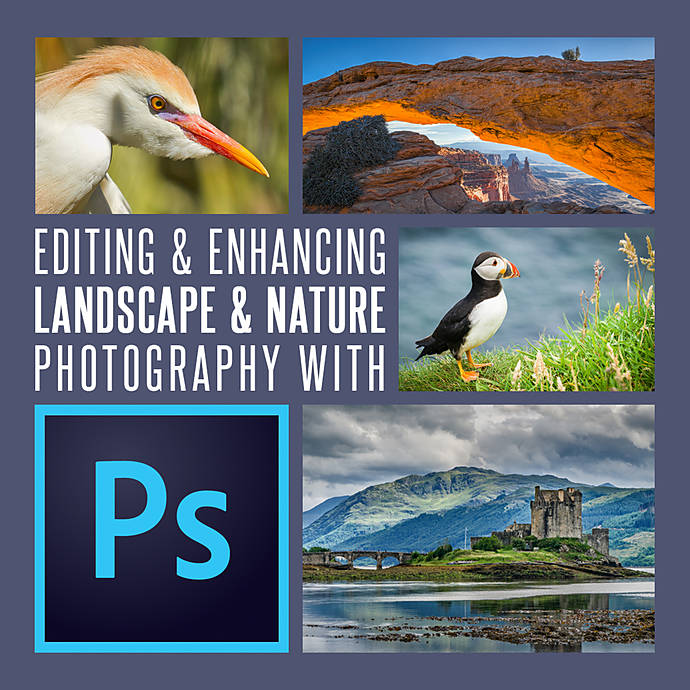
How should I pick the right photo for the specific contest theme?
Start with the brief: list the theme’s keywords and any judging criteria (originality, impact, technical excellence, storytelling). Review recent winners to understand the contest’s visual culture. From your archive, pull a broad shortlist, then reduce to 5–10 finalists with a clear, articulated reason each fits the theme. Print small proofs to assess clarity, tonal separation, and emotional hit without screen bias. Seeing images in your hands often clarifies the strongest entry.
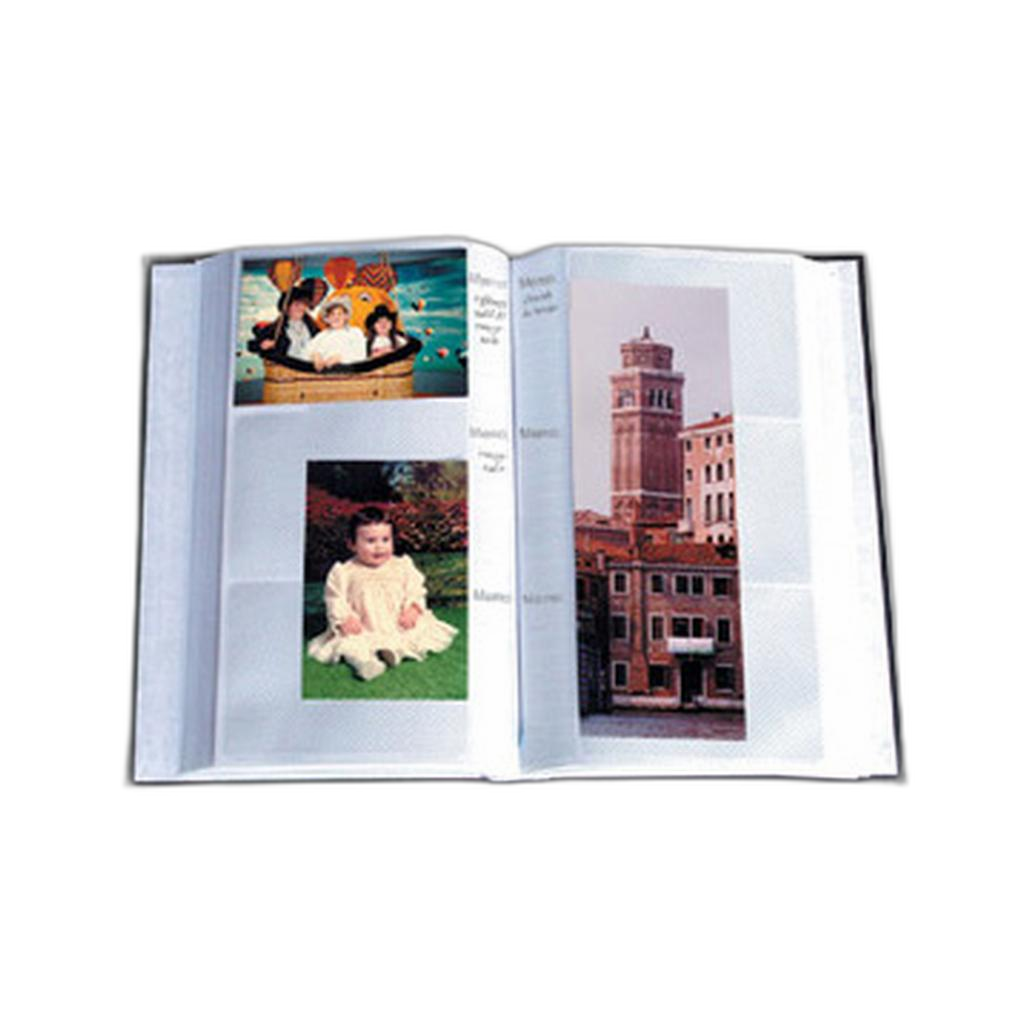
For side-by-side comparisons and sequence testing, many photographers use small prints in a simple album. Try the Pioneer 4 x 6 In. Bi-Directional Memo Photo Album (200 Photos) – Black for quick culling and note-taking alongside each image. 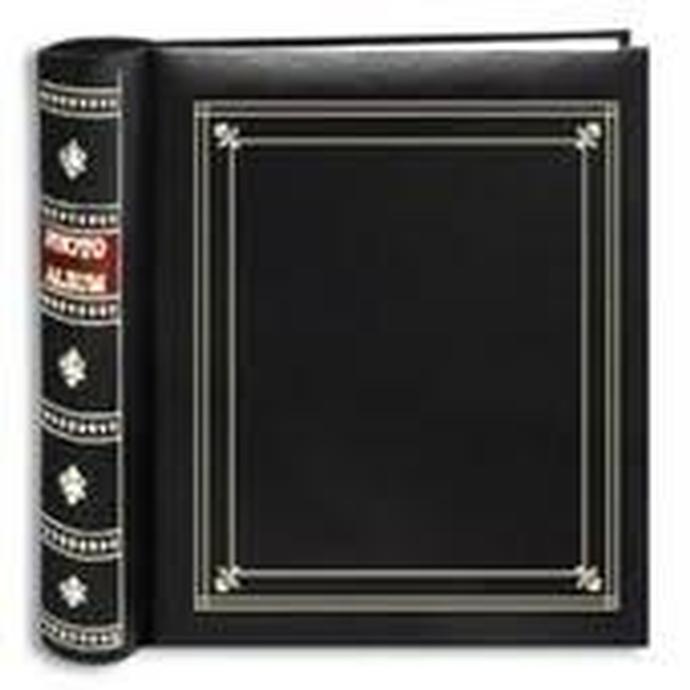
Prefer a refined presentation when evaluating finalists with peers? The Pioneer 4 x 6 In. Embossed Leather Frame Photo Album (200 Photos) – Brown offers a more formal way to review and share your contender set. 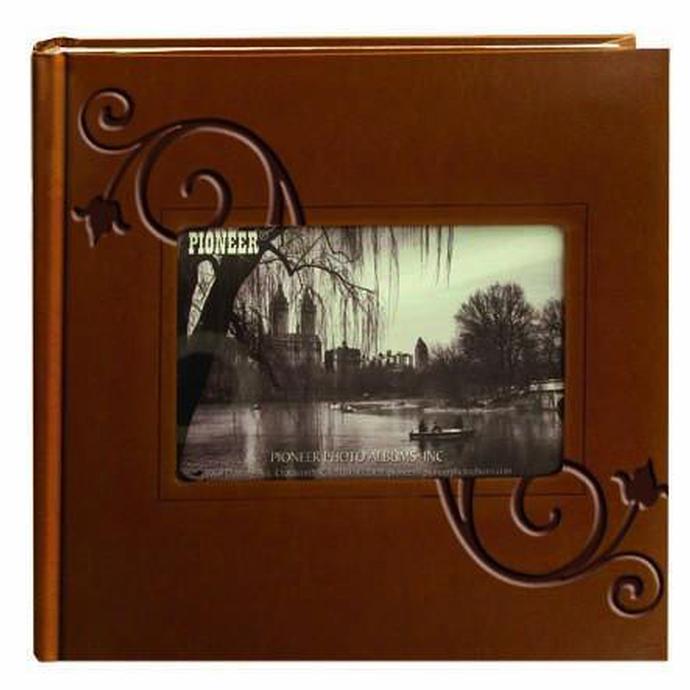
What composition choices help entries stand out?
Strong composition is rarely about rules alone—it’s about clarity. Aim for a decisive subject, clean edges, and control over background complexity. Use light direction and color contrast to guide the eye. Consider layering foreground elements, purposeful negative space, or a frame-within-a-frame to create depth. Micro-adjust your position to remove distractions and align lines; crop sparingly to strengthen emphasis without losing essential context. If a unique viewpoint tells the story better—get low, go higher, or move closer.
What are the best file settings and metadata practices for online submissions?
Always follow the contest’s technical specs. If they’re not explicit, these conservative defaults are broadly safe for judging portals:
- Color space: sRGB
- Dimensions: 2500–4000 px on the long side (72–300 ppi as requested; ppi is irrelevant to web display, but follow rules)
- Sharpening: output-sharpen for screen after resizing
- Compression: high-quality JPEG (80–90% quality)
- Metadata: keep basic EXIF and copyright; remove personal address/location if privacy matters
- Filenames: YourName_Title_Theme.jpg for quick identification
- No watermarks unless required by the contest
How do I approach series submissions versus single images?
A successful series reads like a coherent short story. Maintain a consistent visual language (light, color, focal length) and ensure each frame adds something new—establishing shot, character/subject, detail, moment, and closing image. Test alternate orders on a table or in an album to evaluate rhythm and flow. Add or remove frames to tighten the narrative until no image feels redundant.
To experiment with pacing, use physical placeholders you can move around. Pioneer Album Refill Pages for BP-200 Album (30 Photos) make it easy to reshuffle sequences and compare variations at a glance. 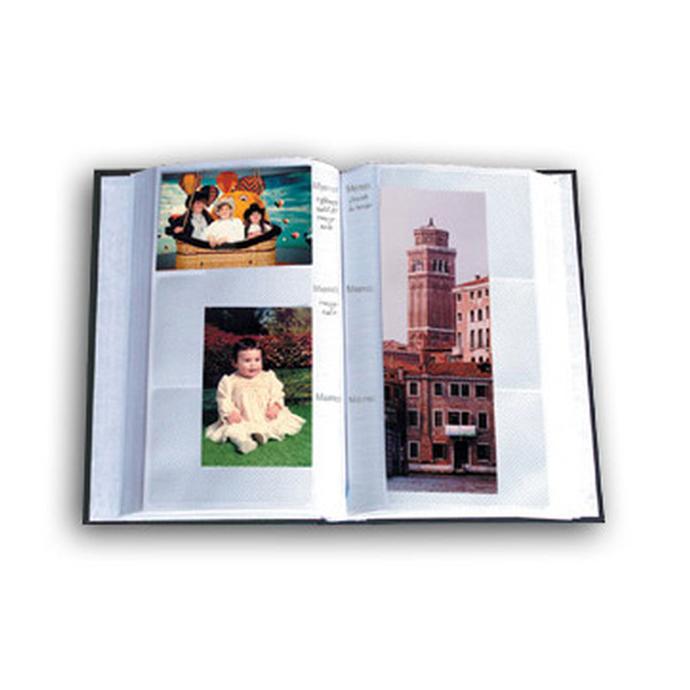
What ethical and legal issues should I consider before submitting?
Many contests require model and property releases for identifiable people or private locations; obtain them before submitting. Be transparent about composites or AI-generated elements—some contests ban them, others require disclosure or a different category. Respect local laws, festival policies, and wildlife ethics. Avoid staging or habitat disturbance. Finally, confirm you retain rights after submission and understand any licensing granted to the organizer.
Is there a quick pre-submission checklist I can follow?
- Confirm the image fits the theme and judging criteria.
- Verify eligibility (capture dates, categories, originality).
- Process within the contest’s editing rules; export to the required specs.
- Proof on a calibrated display; consider small prints to spot issues.
- Prepare releases and captions; remove watermarks if prohibited.
- Rename files clearly, double-check deadlines, and keep RAWs backed up.
Ready to level up your next entry? Explore skill-building classes through Unique University and use print-friendly albums to curate with confidence. Visit Unique Photo online or in Fairfield, NJ for expert guidance, gear, and education to help your work stand out.