Camera shake is the enemy of crisp photos and smooth video. Today’s cameras offer powerful in‑body image stabilization (IBIS), while handheld gimbals deliver motorized stabilization for truly fluid motion. So which do you actually need? Here’s a practical, real‑world guide from Unique Photo on IBIS vs. gimbals—and how to decide when to travel light and when extra gear is worth the carry.
IBIS explained: what in‑body stabilization can (and can’t) do
IBIS shifts the camera’s sensor along multiple axes to counteract handshake. It’s built into the body—no extra rig required—and it works for both stills and video. Modern systems can smooth micro‑jitters, steady handheld telephoto shots, and even help with slower shutter speeds in low light.
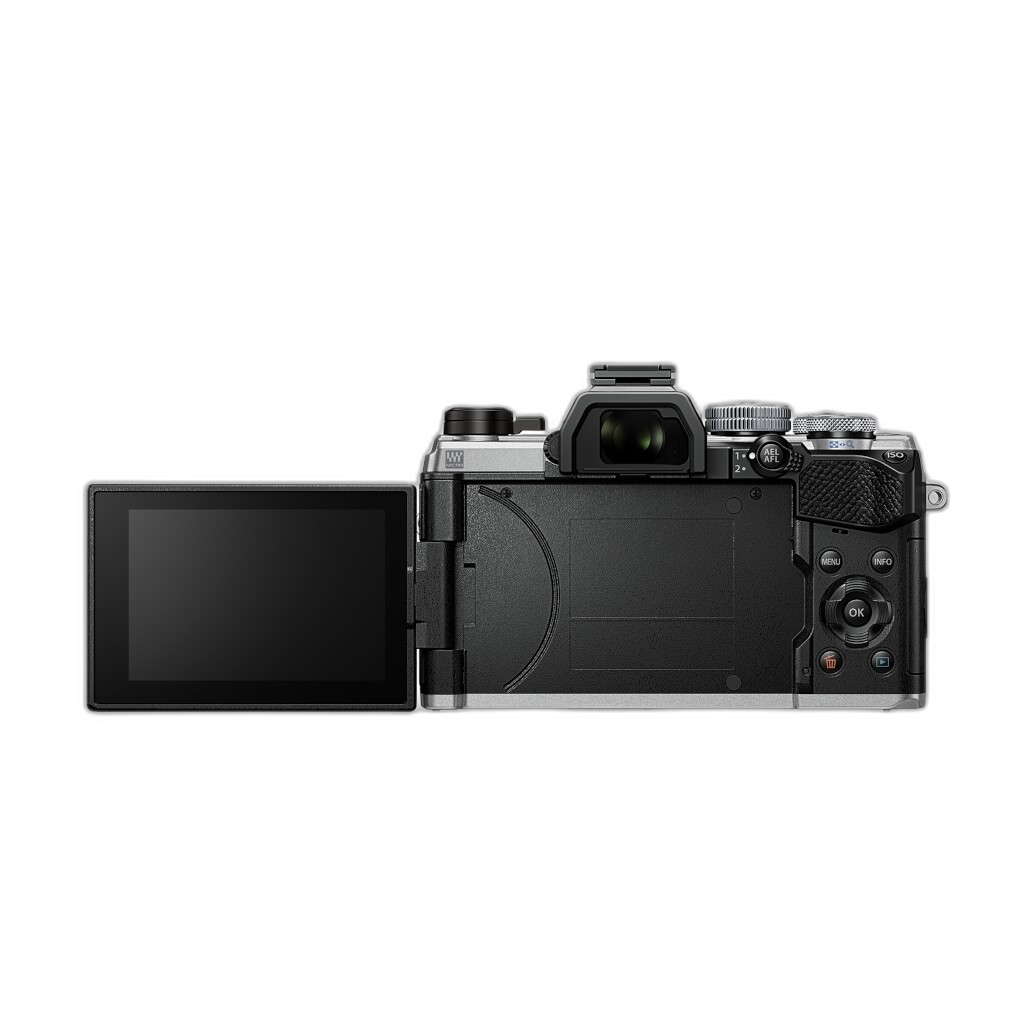
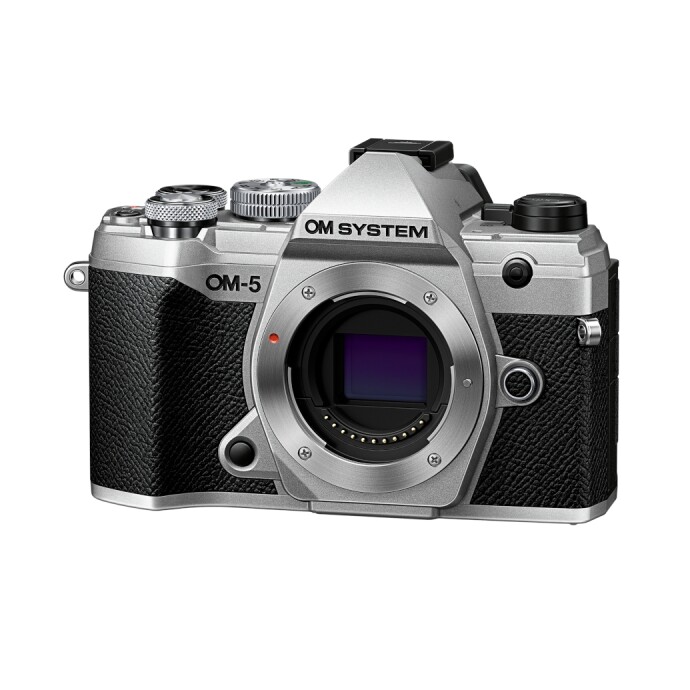
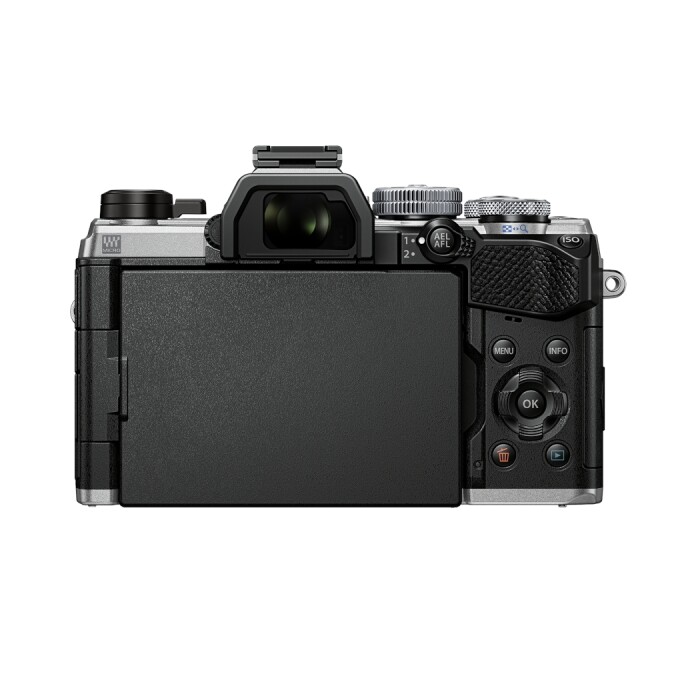
Example: the OM SYSTEM OM‑5 mirrorless camera offers class‑leading 5‑axis stabilization in a compact body—perfect for hikers, travelers, and run‑and‑gun creators who want a lightweight setup with impressive stability right out of the bag.
- Pros: always with you, works for photos and video, zero setup time, no extra batteries, great for small moves and static framings.
- Limitations: can struggle with footsteps while walking, very wide lenses can show “edge wobble,” and fast, complex moves may exceed what IBIS can correct.
What a gimbal adds for video
A gimbal uses powered motors to isolate the camera from your body’s movements, keeping the horizon level and moves buttery smooth. It shines when you’re walking, running, climbing stairs, or executing complex moves like push‑ins, orbits, and low‑to‑high reveals.
- Pros: dramatic, cinematic motion; better horizon hold; repeatable moves; great with longer lenses and heavier builds.
- Trade‑offs: added cost and weight; balance and calibration time; batteries to manage; learning curve.
IBIS vs. gimbal: how to choose for your shoot
Use this quick decision framework before you pack:
- Are you mostly static or doing gentle handheld moves? IBIS is usually enough.
- Walking/“follow” shots, parallax moves, or eye‑level to low‑angle transitions? Bring a gimbal.
- Using ultra‑wide lenses outdoors with lots of motion? Gimbal reduces edge wobble.
- Shooting telephoto video or macro? Gimbal helps suppress amplified shake.
- Moving fast between setups with minimal crew? IBIS saves time; a compact gimbal can be a smart compromise.
When you can rely on IBIS alone
There are plenty of scenarios where IBIS is the simplest, best answer:
- Static interviews, B‑roll cutaways, and detail shots.
- Vlogging with a moderately wide lens, especially on bodies with strong IBIS (e.g., OM SYSTEM OM‑5).
- Low‑light stills where you want extra hand‑holdability at slower shutter speeds.
- Travel and hiking when pack weight matters more than cinematic movement.
Tip: if your camera body doesn’t include IBIS (or its IBIS is limited), you can often get clean results by bracing against a wall, using a monopod, or engaging a lens’s optical stabilization, then add a gentle post‑stabilization pass in editing.
When a gimbal is worth the investment
Consider adding or bringing a gimbal if you need:
- Fluid walk‑and‑talks and tracking shots through crowds or hallways.
- Dynamic reveals, orbits, whip pans, and crane‑like moves without a jib.
- Consistency across fast‑paced events like weddings, real estate, or documentary run‑and‑gun work.
- Telephoto stabilization for sports and wildlife video where IBIS alone struggles.
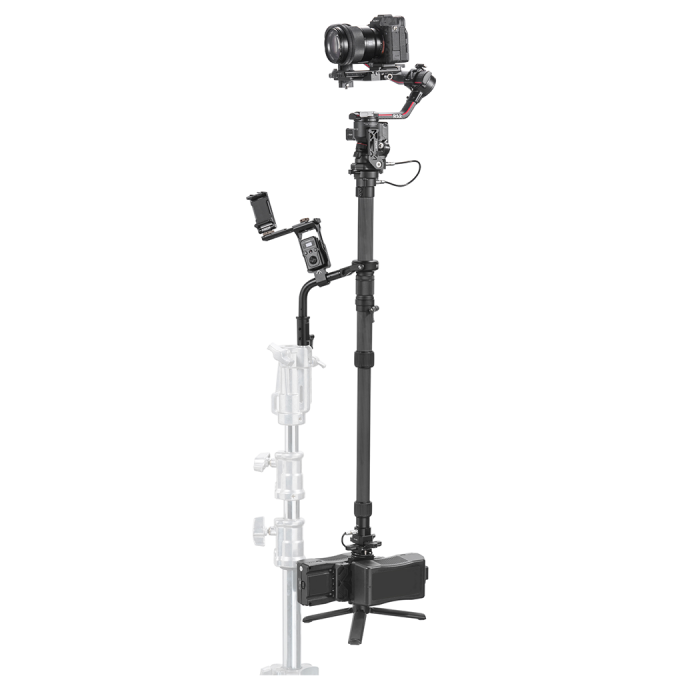
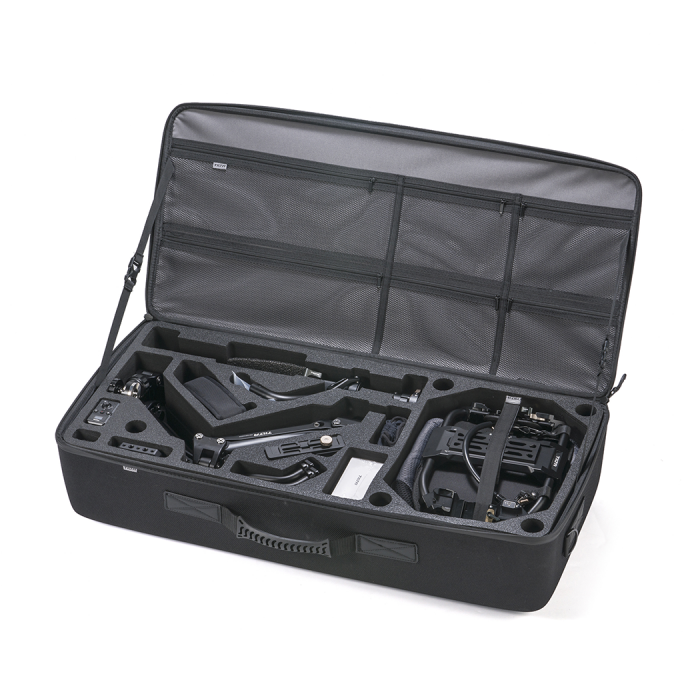
To reduce fatigue on long takes, pair your gimbal with a support system. The Tilta Float Handheld Gimbal Support System for DJI RS2/3 offloads weight to your body, improving stability and endurance for extended shoots.
Hybrid stabilization: getting IBIS, OIS, EIS, and gimbals to play nicely
Stacking stabilization can be powerful, but it’s not always as simple as turning on everything. Try these best practices:
- On a gimbal, start by disabling electronic/digital stabilization to avoid warping and crop. Many shooters also reduce or disable IBIS to prevent small “bounce” corrections; test your camera to see what looks best.
- With long lenses that have optical stabilization (OIS), try OIS + gimbal while limiting IBIS. Some systems coordinate well; others fight. A quick A/B test is worth it.
- For ultra‑wide lenses, avoid the most aggressive “boost” IBIS modes during walking shots to minimize edge wobble.
- Set the correct focal length if your IBIS lets you enter it manually (important for adapted/manual lenses).
Buying checklist: choosing the right gimbal and accessories
Before you buy, consider:
- Payload headroom: add your heaviest body, lens, mic, and accessories, then choose a gimbal with 20–50% margin.
- Balance and quick‑release: look for axis locks, fine‑tuning, and plates that speed swaps between tripod and gimbal.
- Battery life and ecosystem: swappable batteries, remote control, focus motors, and vertical shooting options.
- Support: if you’re shooting all day, a 4th‑axis or vest/arm solution like the Tilta Float can dramatically reduce fatigue.
- Power and mounting: a ring adapter and battery plate keep accessories tidy and extend runtime. Tilta’s Gimbal Ring Adapter for Mini V‑Mount Battery Plate is a compact way to mount power where you need it.
Real‑world kits from Unique Photo
- IBIS‑first travel kit: a compact body with strong stabilization, like the OM SYSTEM OM‑5, plus a mid‑wide zoom. Keep it simple, light, and fast.
- Event/gimbal kit: a modern mirrorless on a gimbal, supported by the Tilta Float system for long, fluid moves and a more comfortable shooting day.
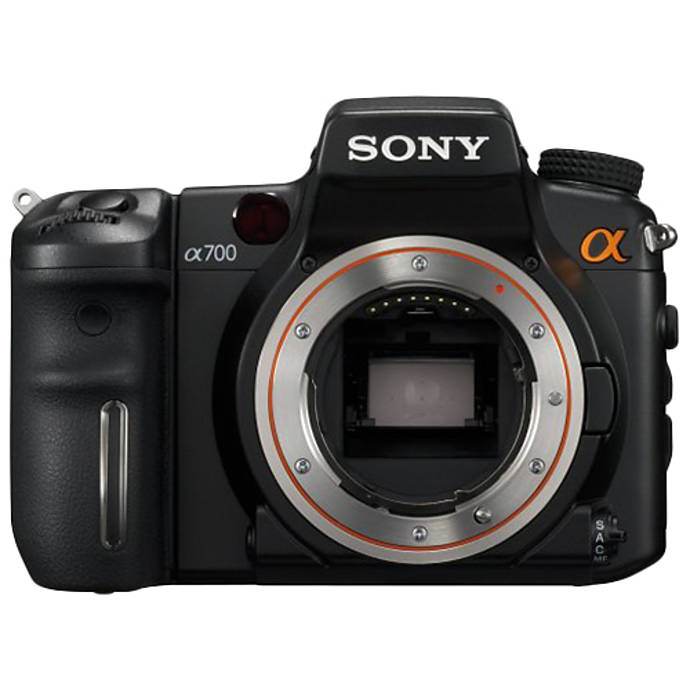
- Upgrading from a non‑IBIS body: if you’re using an older DSLR like the Sony A700, a gimbal can be the single biggest jump in video stability without replacing your camera.
Don’t forget practical add‑ons that make life easier on set and in transit:
- Power and mounting: ring adapters and mini V‑mount plates streamline cabling and balance.
- Protection: consider coverage like Canon’s CarePAK PLUS for higher‑end bodies—repairs and support can save a shoot.
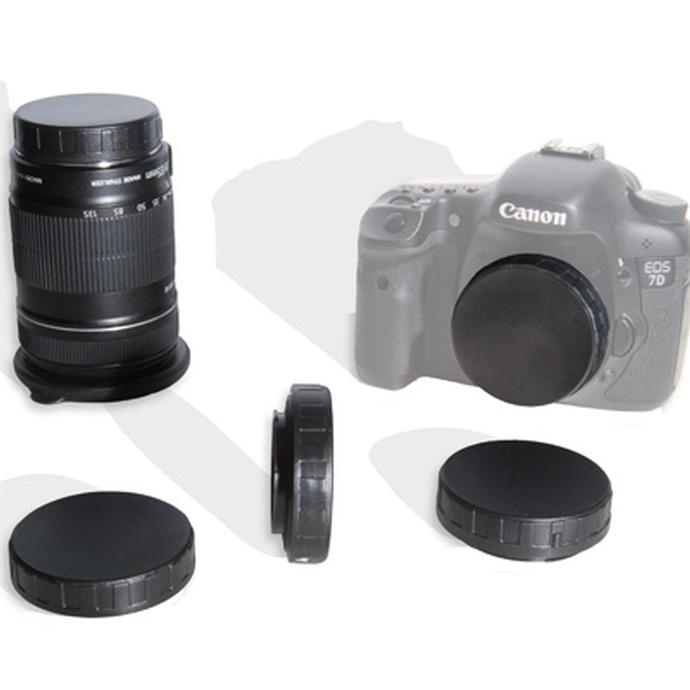
- Small essentials: a body cap keeps your camera sealed while balancing or swapping lenses.

FAQ: IBIS vs. gimbal
Do I need a gimbal if my camera has IBIS? Not always. For static or gentle handheld work, IBIS often suffices. For walking shots, complex moves, or telephoto video, a gimbal is usually better.
Is a gimbal useful for photography? For stills, a tripod or monopod is usually more practical. A gimbal shines for video motion.
Why does ultra‑wide video sometimes look wobbly with IBIS? With very wide‑angle lenses, edge distortion and rolling shutter can interact with stabilization, causing “wobble.” A gimbal helps by keeping the whole camera stable instead of constantly correcting the sensor.
Can I use IBIS and a gimbal together? Yes, but test your camera. Many shooters prefer gimbal + lens OIS, with IBIS reduced or off for the smoothest results.
Bottom line: travel light or gear up?
If your project is primarily static or lightly handheld, travel light and rely on IBIS. If your story is told through motion—tracking subjects, moving through spaces, or working with longer lenses—a gimbal (and possibly a support system) is a smart investment. Unique Photo carries a curated selection of stabilized camera bodies, gimbals, accessories, and protection plans to build the right kit for your workflow and budget.
Suggested internal links from Unique Photo
- Gimbals & Stabilizers
- Mirrorless Cameras (including OM SYSTEM)
- Used Cameras & Trade‑In
- Power & Mounting Accessories (V‑mount, plates, adapters)
- Protection Plans & Warranties
- Workshops & Rentals