Local photography contests are a fantastic way to sharpen your eye, grow your reputation, and see your work through a judge’s perspective. Whether you’re shooting landscapes, portraits, or still life, the winners usually blend strong storytelling with clean technique and polished presentation. Use these practical tips to lift your entries from good to gallery-worthy—and discover a few tools and classes that can help along the way.
Plan With Purpose
1) Study the rules and past winners
Read every guideline—file sizes, borders, color space, and any limits on edits. Then review past winners to spot themes judges favor: storytelling, emotion, and technical control. Use that insight to shape your approach without copying what’s already been done.
2) Define the story before you shoot
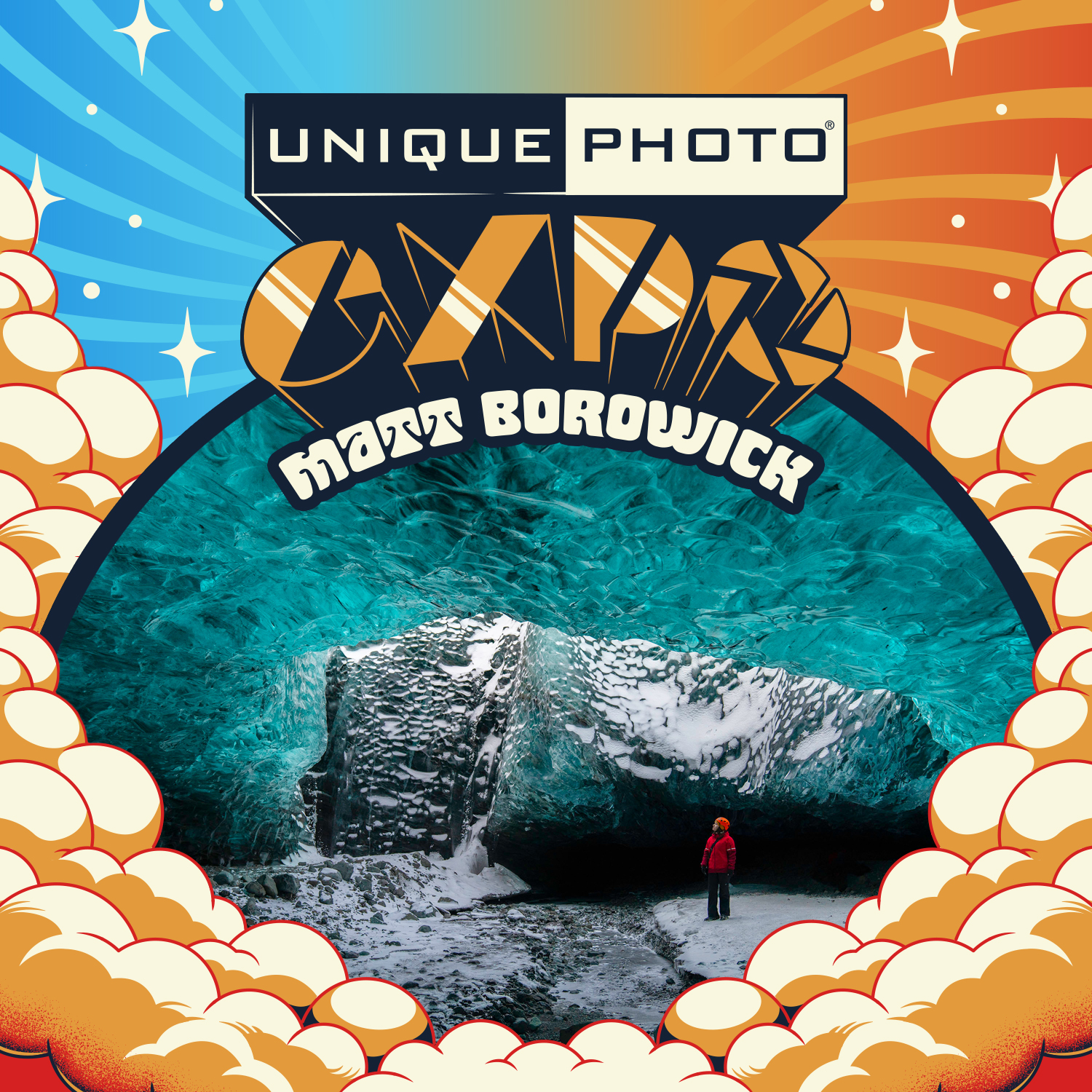
Ask what you want viewers to feel. Sketch your concept, list key elements, and plan for light and timing. If storytelling is your weak spot, consider attending talks that broaden your creative vision, like EXPO: Stories from the Road – Photography Across Worlds with Matt Borowick.
3) Scout and pre-visualize
Visit your location at the exact time you plan to shoot. Note sun angles, clutter, and access. Pre-visualization helps you arrive with a clear plan and frees you to respond creatively to the moment.
Capture Clean, Competition-Ready Frames
4) Keep it sharp and steady
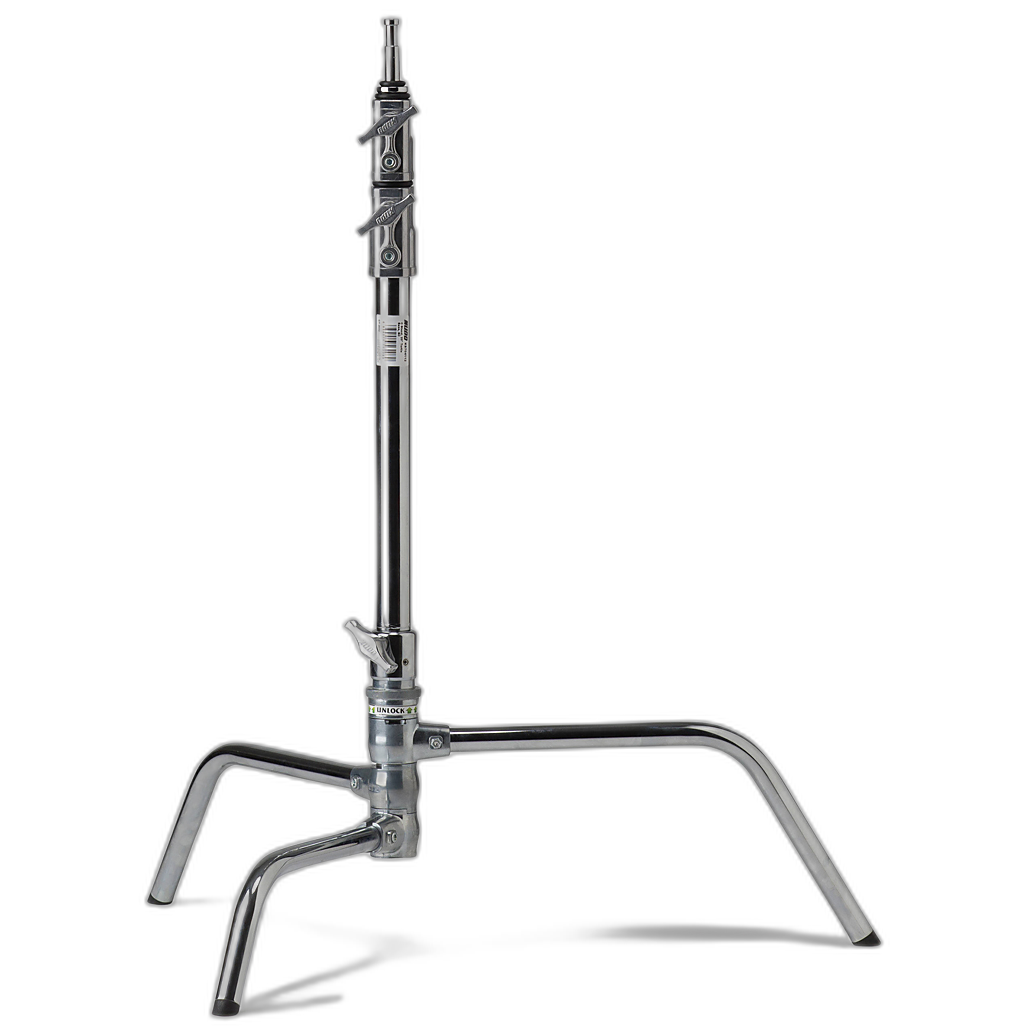
Soft images rarely place. Use a solid support that suits your scene: a compact studio solution like the Kupo 20 Inch C-Stand with Turtle Base is rock-steady for portraits, product shots, or controlled sets. For overhead or higher placements, the Kupo High Overhead Roller Stand provides reach and mobility. On-the-go? A wheeled option like the Godox 240FS Light Stand with pistol grip handle makes quick adjustments simple on location.
5) Sculpt your light
Judges look for control—detail in highlights, open shadows, and deliberate contrast. For tabletop or small-object categories, a copy stand with adjustable lighting arms, like the Kaiser Lamp Arms for Copy Stand, gives precise, repeatable light placement and helps eliminate glare or uneven falloff.
6) Compose with intent
Simplify. Remove distractions, watch your edges, and lead the eye using lines, layers, and light. Use foreground elements thoughtfully and avoid mergers. Don’t be afraid to change your vantage point by a foot or two—it can transform the frame.
Choose the Right Glass and Perspective
7) Use focal length to design perspective
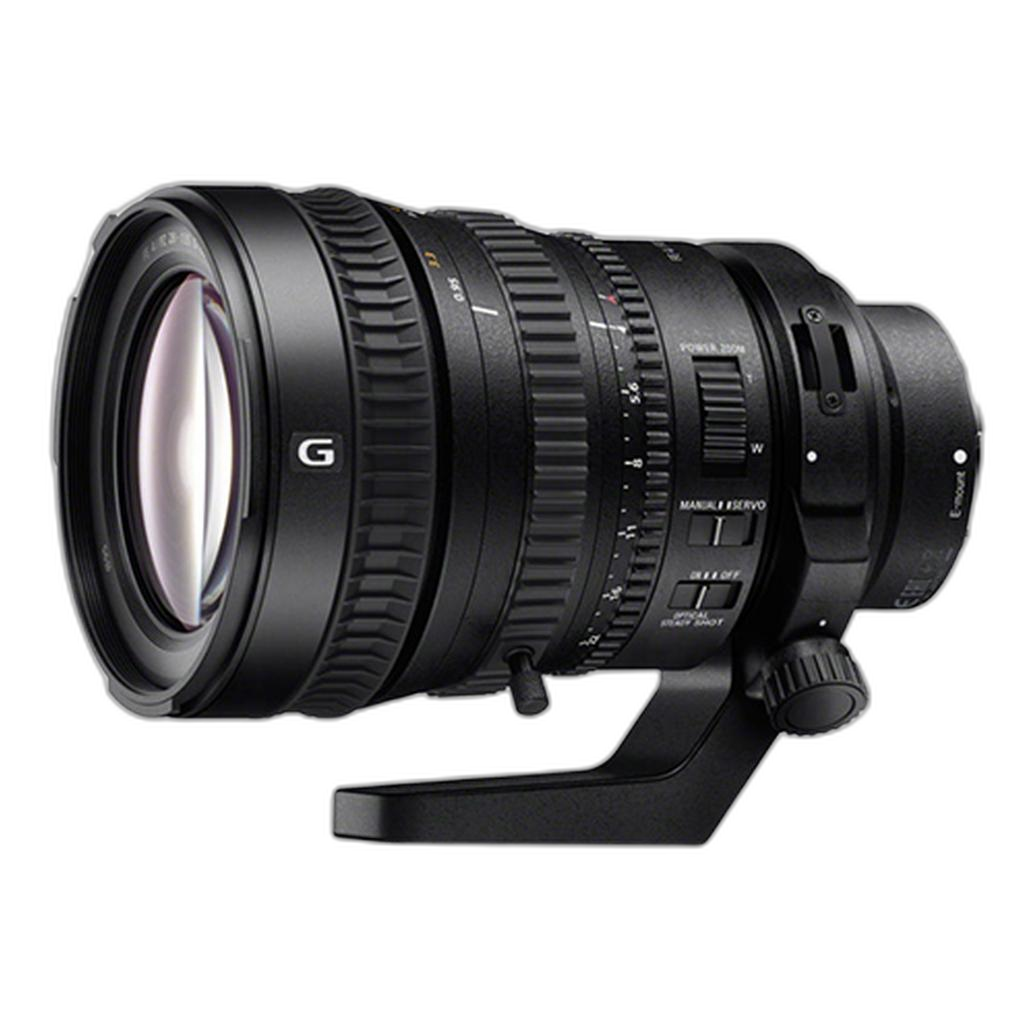
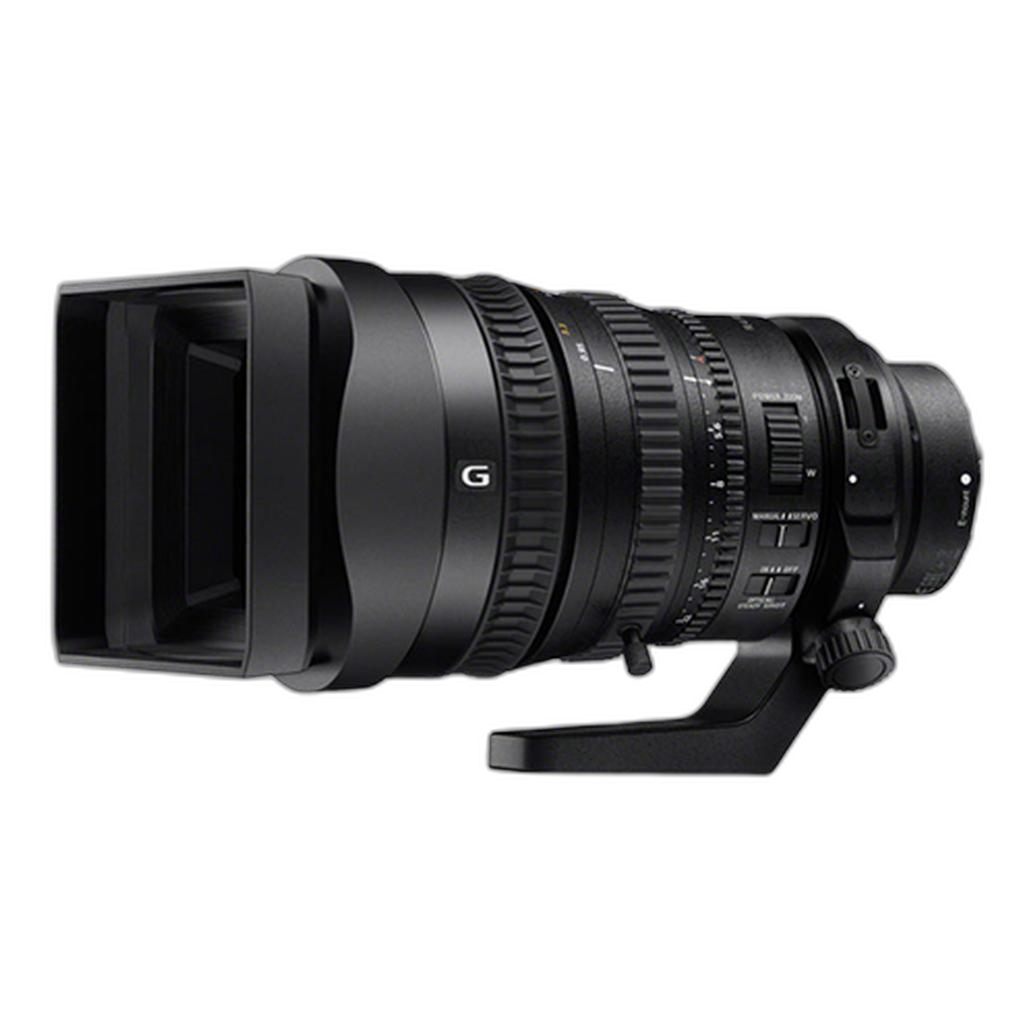
Judges notice perspective choices. A versatile zoom helps you dial in framing and compression from a fixed position—especially in crowded or time-sensitive scenes. A cinema-bred option like the Used Sony FE PZ 28–135mm f/4 G OSS delivers smooth, precise framing and edge-to-edge sharpness that reads well in prints and projected judging.
8) Wait for the decisive light
Great timing elevates ordinary scenes. Build in time to watch for the right cloud break, traffic gap, or expression. When in doubt, return to the location—consistency and patience are differentiators.
Edit With Restraint
9) Polish, don’t smother
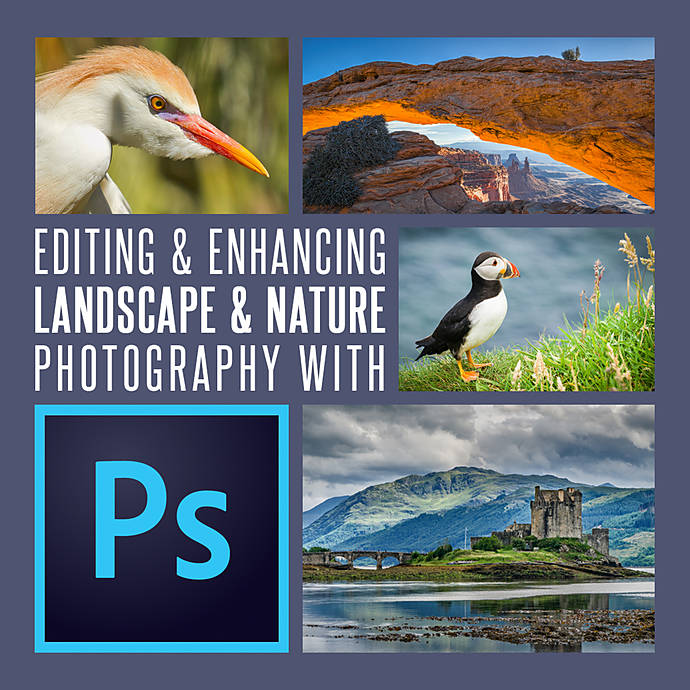
Keep edits transparent: correct color, manage contrast, dodge and burn with intent, and remove true distractions. Heavy-handed effects can push judges away from the image’s core idea. If you want to sharpen your finishing workflow, consider Editing and Enhancing Landscape and Nature Photography with Photoshop (Unique University).
10) Export and proof like a pro
Match the contest’s color space and resolution. For prints, soft-proof, choose the right paper for your image, and inspect under neutral light. Tiny details—sensor spots, halos, or banding—are magnified in judging.
Present and Keep Growing
11) Title and caption with purpose
A crisp title and one-line caption can frame how judges read your image without over-explaining it. Keep it concise and relevant to the story in the frame.
12) Seek feedback and keep learning
Join critiques, meetups, and workshops to test ideas and push your craft. Field experiences like Macro and Landscape Photography at Duke Farms with Michael Downey help you practice composition and timing in real conditions. Inspirational talks such as EXPO: Stories from the Road reinforce narrative thinking and broaden your visual vocabulary.
Final Frame
Standing out isn’t about gimmicks—it’s about a clear idea, careful capture, thoughtful edits, and professional presentation. Start with a compelling story, control your technique, and polish the details that judges notice. When you’re ready to level up, explore gear and learning opportunities at Unique Photo to support every step of your contest journey. Good luck—and have fun creating!