How to Pick Your Best Photo for a Contest: Expert FAQ
Choosing a single image to represent your vision in a competition can be tougher than making the photograph itself. As judges and educators, we’ve helped countless photographers refine their entries. Use this expert FAQ to evaluate, refine, and present your strongest shot with confidence.
What criteria should I use to decide my strongest shot?
Judge your image against clear, repeatable criteria so you’re not relying on a vague “gut feeling.” Consider:
- Clarity of subject: Is the main idea unmistakable at first glance?
- Story and timing: Does the moment communicate emotion, mood, or narrative?
- Composition: Are lines, balance, framing, and negative space working together?
- Light and color: Does light shape the subject? Do colors support the mood (or is B&W stronger)?
- Technical execution: Is focus where it must be? Are exposure and noise under control?
- Originality: Is there a perspective, technique, or subject that feels fresh?
- Relevance to the brief: Does it fit the category and rules without stretching?
Score each criterion from 1–5, then compare contenders. A consistent, structured review prevents “favorite child” bias.
Should I trust my instincts or ask for feedback?
Use both—instinct to shortlist, feedback to select the final. Start with a self-critique (why this photo, what the viewer should feel, what could distract). Then seek 3–5 opinions from people who understand your goals. Ask them to describe what they notice first, what they remember, and what—if anything—pulled them out of the moment.
Make feedback more objective by reviewing small physical prints side by side. Subtle differences in gesture, micro-focus, or tonal separation are easier to judge in print.
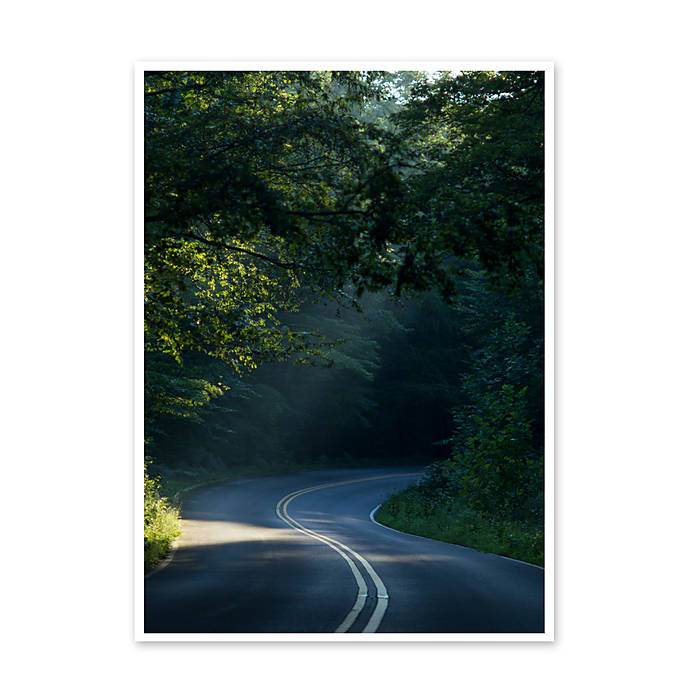 Order a set of inexpensive 4x6 test prints from the Unique Photo Lab to compare contenders under consistent lighting. Mark the backs with codes so you can gather blind feedback.
 Slip those tests into a simple album so you can shuffle, sequence, and review without screens influencing perception.
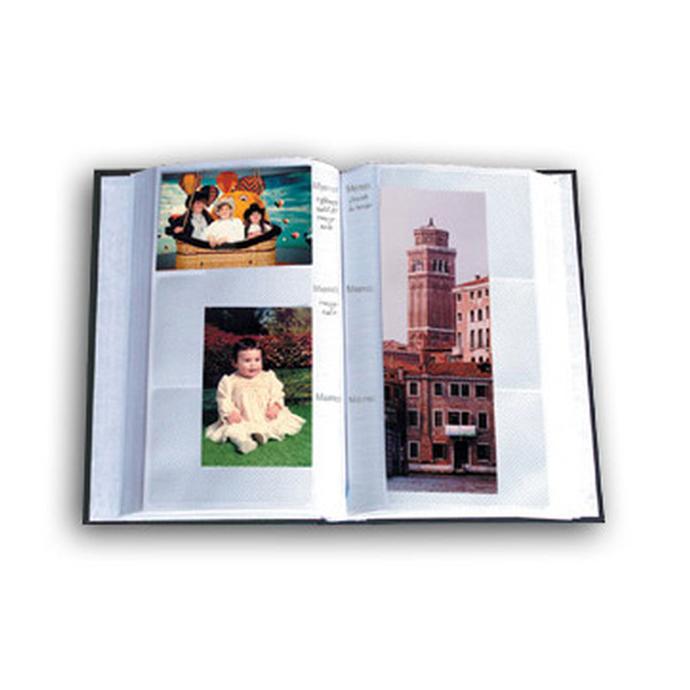 Refill pages let you swap finalists quickly as you narrow to a winner.
How do I make my image stand out among hundreds of entries?
Standout images make immediate, memorable statements. Eliminate anything that doesn’t serve the subject. Lean into bold composition (clean backgrounds, strong gesture, decisive edges) and evocative light. If the contest involves print presentation, finishing choices matter.
 For high-impact color, metallic papers can add dimension and sparkle—especially with night scenes, city lights, macro minerals, and saturated landscapes.
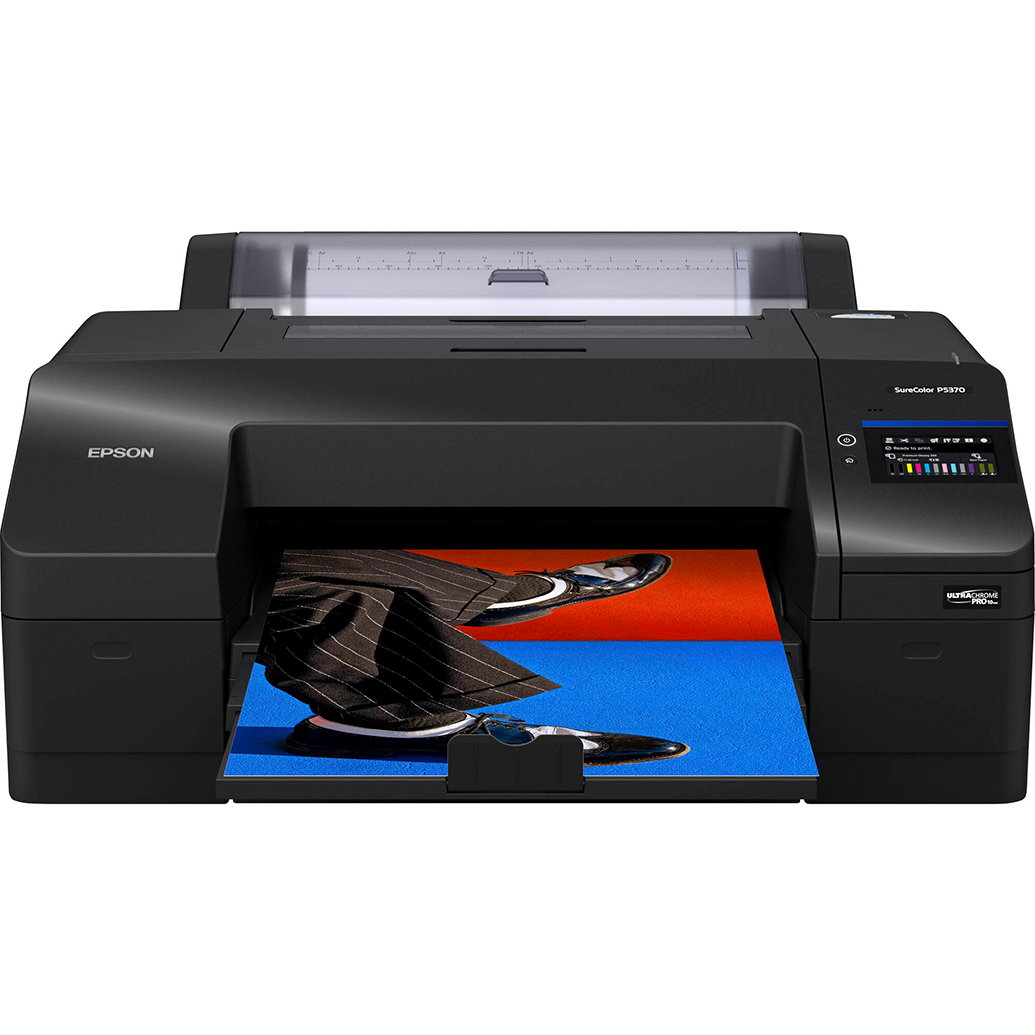 Controlling your own output with a profiled, wide-gamut printer gives you consistent color and contrast. Fine-tune local dodging/burning and micro-sharpening on your final print until it “reads” at both arm’s length and up close.
Are there themes judges often reward?
While every panel is different, judges consistently respond to: a clear subject and story; commanding light; clean composition; strong moment/gesture; and authenticity over gimmicks. Projects or images with a fresh point of view—especially familiar subjects rendered in unexpected ways—tend to rise to the top. Above all, entries that fit the brief and feel intentional earn higher marks.
What matters more: technical perfection or emotion?
Emotion wins attention; craft wins the tie. Minor noise or grain can be acceptable if it supports the mood. Critical focus, exposure, and distracting elements are less negotiable—if they undermine the story, fix them or choose a different frame. Ask, “What’s the first thing I notice—and is it the right thing?” If not, crop, retouch minimal distractions, or pick a stronger take.
How should I prep my file (or print) for submission?
- Read the rules twice: color space, dimensions, DPI, file size, borders, naming, metadata.
- Crop intentionally; don’t rely on judges to imagine a better frame.
- Tone for the target: sRGB for web, or soft-proof for your chosen paper if printing.
- Sharpen last, at final size. Use subtle output sharpening to avoid halos.
- Check blacks/whites for detail; avoid blocked shadows or clipped highlights unless stylistic.
- Caption/title smartly; concise context can deepen impact without explaining the photo.
How can I create more original work judges haven’t seen?
Originality often comes from depth, not novelty. Commit to a subject or place, study it in changing conditions, and experiment with perspective and technique.
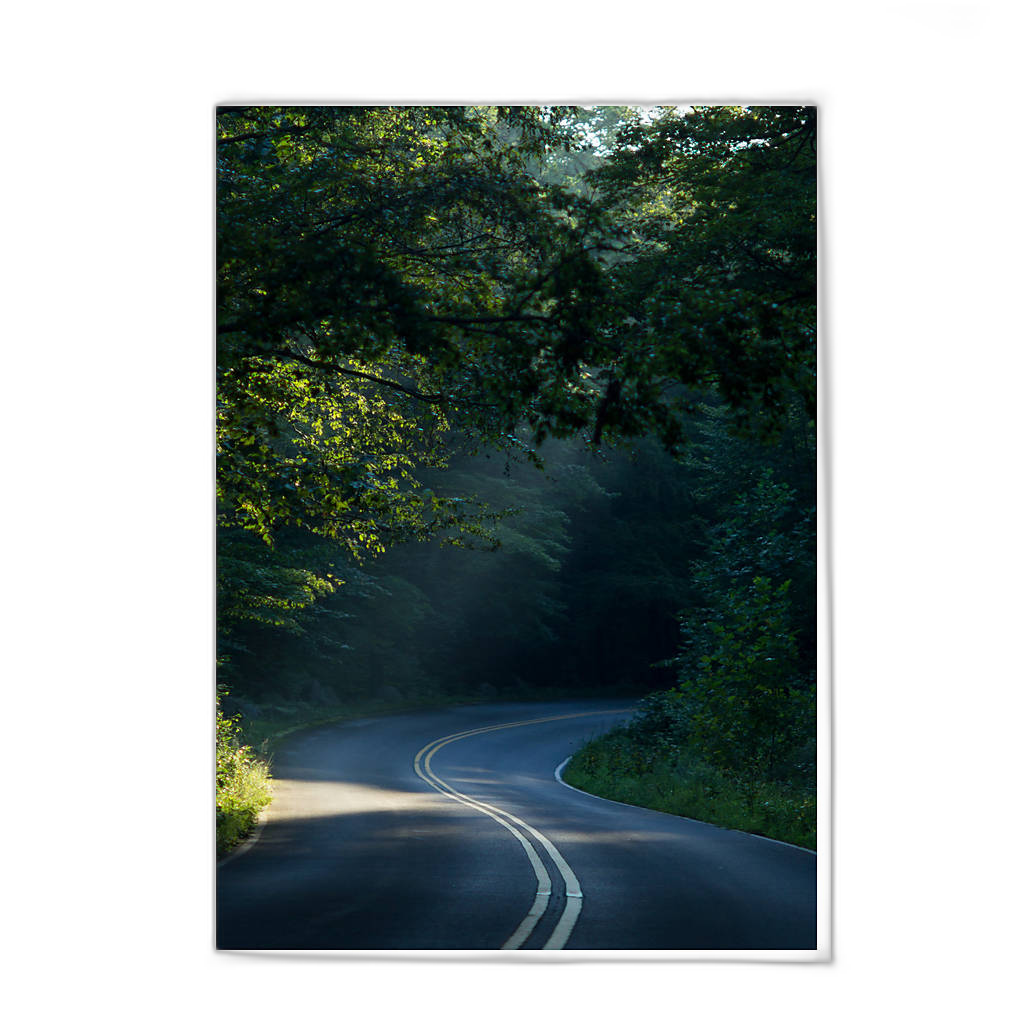 Field classes like Macro and Landscape Photography at Duke Farms help you refine composition, macro technique, and natural-light control—skills that translate directly to stronger contest entries.
 Unique excursions—such as photographing fluorescent zinc ore underground—offer uncommon subjects and lighting scenarios that can set your work apart.
What’s a practical shortlist workflow to pick a winner?
- First pass: Rapidly cull anything with fatal flaws.
- Second pass: Score the remaining images against clear criteria (subject, story, light, composition, craft, originality, brief).
- Context test: View at thumbnail size for read-quick impact; then at full size for detail.
- Print test: Make small proofs of your top 6–10 and compare side by side under neutral light.
- Rest and re-evaluate: Step away for a day; fresh eyes catch biases and distractions.
- Finalize: Pick the strongest single statement, craft a concise title/caption, and confirm all submission specs.
Consistency is key—use the same process for every contest so your selections improve over time.
Ready to submit your best? Visit Unique Photo for pro printing, fine papers, calibrated printers, practical albums for proofs, and hands-on classes that sharpen your eye. Our experts are here to help your entry look its absolute best.