How to Win Photo Contests: Judge-Proven Tips, Themes, Titles, and Prints
Entering local or online photo contests is a great way to sharpen your craft, grow your audience, and earn recognition. At Unique Photo, we’ve helped thousands of photographers refine their images, presentations, and prints for competition success. Use this FAQ to prepare entries that stand out for judges—before they even zoom in.
What do contest judges consistently look for in a winning image?
Judges reward photographs that combine technical excellence with a clear idea. That means confident composition (clean edges, intentional framing), compelling light, and a decisive moment or mood. Attention to detail is critical: eliminate distractions, manage color casts, and ensure the subject reads immediately at thumbnail size and holds up at 100% view. Finally, show authorship—your choice of perspective, timing, or treatment should feel unmistakably yours.
How strictly should I adhere to the contest theme?
Very. A strong entry makes its connection to the theme obvious within a second. Start literal to ensure eligibility, then add a distinctive angle or story to lift your image above similar submissions. If a theme is broad (e.g., “Motion”), anchor it with a specific subject and visual cue (blur, gesture, leading lines). For tight themes, don’t stretch the concept—if you must explain the connection in a paragraph, it’s probably not the right frame.
Are some genres more likely to win than others?
Any genre can win when it pairs excellence with originality. However, in popular categories (landscape, wildlife, street), differentiation is tougher. Look for underrepresented viewpoints or rarer conditions: unusual weather, off-season light, or distinctive local stories. Specialty subjects can also stand out—fluorescent minerals, for example, create striking, science-meets-art visuals that judges remember. Consider sharpening genre skills and broadening your subject access through guided shoots and workshops.
Our Unique University programs are designed to help you craft standout images in the field. Explore macro and landscape techniques in a hands-on setting at Duke Farms, where you’ll practice compositions that score with judges.
Want a subject that jumps off the judging table? Photograph fluorescent zinc ore underground—few entries look like this, and the results are unforgettable.
How important are titles and descriptions for contest entries?
Short, specific, and evocative titles help judges “read” your photo faster, especially in themed categories or juried shows that display captions. Skip clichés and wordplay that doesn’t add clarity. Use descriptions sparingly to provide critical context (location, species, process, or access) without telling the viewer what to feel. A great rule: if the caption is required to understand the theme, choose a different image or re-edit for clarity.
What file and print prep details can make or break an entry?
Follow the rules precisely—dimensions, color space, and naming conventions. For online submissions, sRGB is typically safest, exported at the maximum allowed long edge with careful sharpening for screen. For print competitions, consistency matters from edit to paper choice. If you print at home, a dedicated photo printer with reliable color and deep blacks will preserve the intent of your edit.
The Epson SureColor P5370 is a competition-grade 17-inch printer that delivers excellent tonal control and archival inks for gallery-ready output.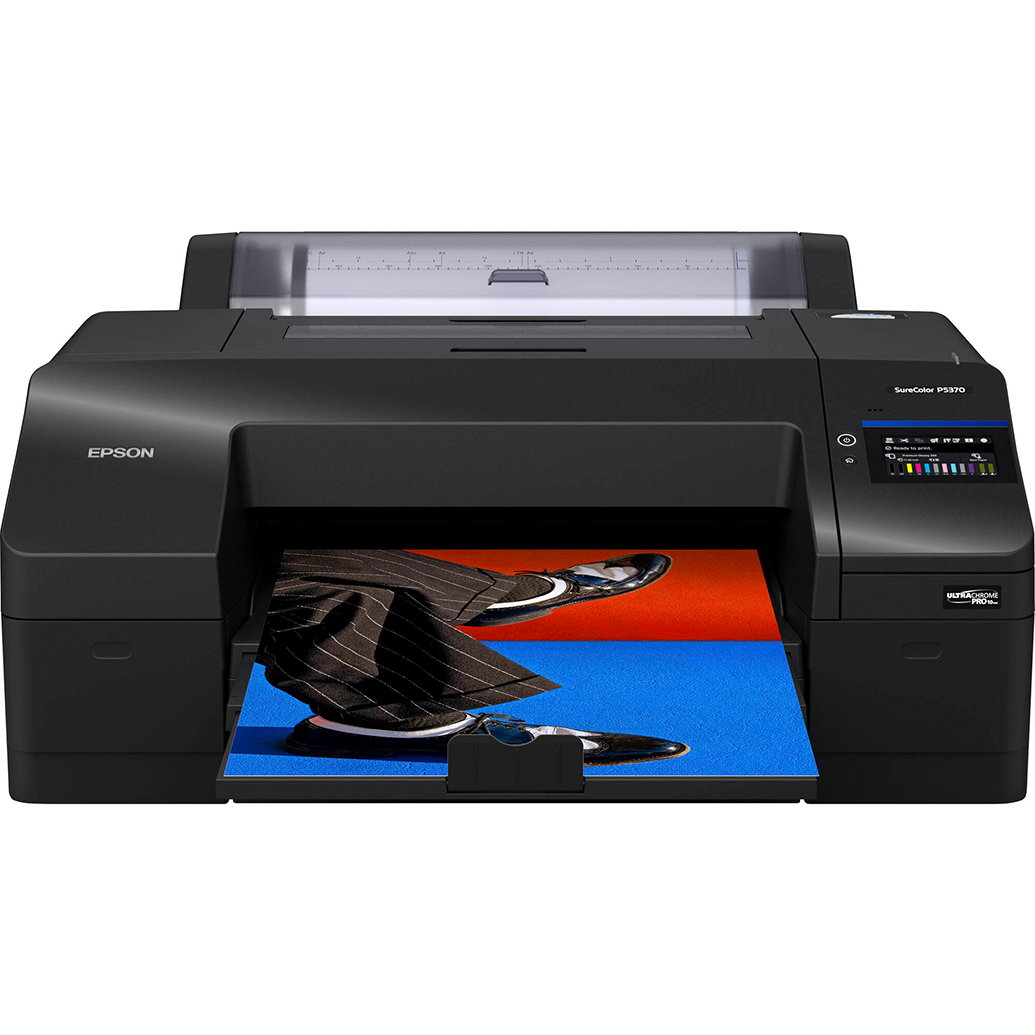
Paper selection can subtly influence scoring. High-gloss metallic papers enhance contrast, specular highlights, and saturated color—great for night cityscapes, automotive, and high-impact portraits or abstracts. Consider Kodak Professional Metallic for images where shine and depth amplify your story.
How can I ensure my colors and tones translate as expected on the judging table?
Proof before you print big. Order small test prints of critical frames to evaluate color, density, and sharpening in real light. Hold them against a neutral background and assess in daylight and warm indoor light; adjust your master file accordingly.
Our Unique Photo Lab 4x6 Glossy prints are a fast, affordable way to proof your edits before committing to larger competition prints.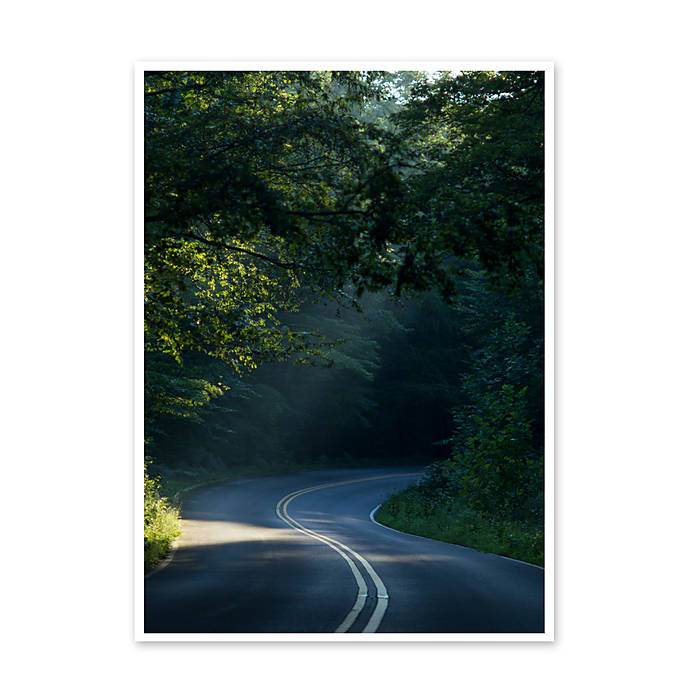
Does presentation really affect scoring in print competitions?
Yes—presentation frames the work. Clean borders, consistent margins, and undamaged surfaces prevent avoidable point deductions. If portfolio reviews or club judging are part of your path, keep a tidy, easy-to-handle set that protects prints and communicates titles clearly.
A versatile way to present and iterate is with a memo-style photo album that lets you caption each print and swap sequences as you refine your set. The Pioneer 4x6 Bi-Directional Memo Album holds 200 photos with space to note titles and themes—ideal for practicing your narrative flow before final mounting.
When you need to refresh a sequence, add or replace pages easily with compatible refill pages for your album, keeping your competition portfolio current and scuff-free.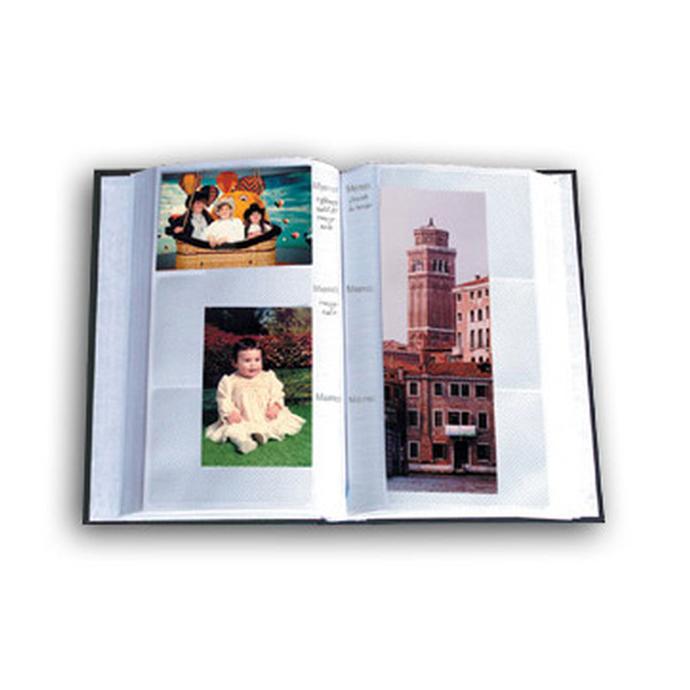
How many images should I enter, and should I vary my submissions?
Enter your strongest work within the rules—quality over quantity. If multiple entries are allowed, avoid near-duplicates that compete with each other. Instead, submit distinct approaches that align with the theme from different angles (e.g., a wide environmental story and a tight detail). Sequence matters in portfolio-style judging: open with your most legible, high-impact image to earn attention quickly.
What ethical and rule considerations can disqualify an otherwise great photo?
Read the fine print. Common pitfalls include adding or removing elements beyond the contest’s allowable editing, using AI-generated content in non-AI categories, failing to secure model/property permissions, or entering images created on guided sessions where assistance exceeds the contest’s rules. When in doubt, disclose process details concisely and provide RAW files if requested.
Ready to elevate your next entry? Visit Unique Photo online or in-store for expert guidance, pro printing, competition-ready papers, presentation solutions, and hands-on learning with Unique University. We’ll help you turn great photographs into winning submissions.