If you are new to entering photo competitions, choosing the right photography contests can feel almost as challenging as making the images themselves. There are thousands of contests online, from local camera club showcases to major international awards, and not all of them are worth your time, money, or creative energy. The good news is that amateur photographers can absolutely benefit from contests when they choose them strategically.
In this guide, Unique Photo breaks down how to find photography contests, how to evaluate whether a competition is reputable, and how to decide which opportunities match your skill level, style, and goals.
Why amateur photographers should enter photography contests
For amateurs, photography contests can provide motivation, deadlines, feedback, exposure, and a reason to edit your portfolio more carefully. Even if you do not win, entering the right contest can help you sharpen your vision and understand how your images compare in a broader field.
Some of the biggest benefits include:
- Building confidence as a photographer
- Creating a stronger portfolio with intentional image selection
- Learning to follow briefs, themes, and submission rules
- Gaining publication or exhibition opportunities
- Potentially winning gear, classes, print credits, or cash prizes
At Unique Photo, we often encourage emerging photographers to treat contests as a learning experience, not just a competition. That mindset helps you choose opportunities that support growth rather than just chasing prestige.
How to find photography contests for amateurs
If you are searching for the best photography contests for beginners or amateur photographers, start with trusted sources instead of random listings. A few smart places to look include:
- Photography magazines and reputable photography websites
- Camera clubs and local arts organizations
- Museums, galleries, and nonprofit art centers
- Brand-sponsored contests from known photography companies
- Photography schools, workshops, and retailer communities like Unique Photo
- Social media accounts for photo festivals and juried exhibitions
Look for contests that clearly explain:
- Eligibility requirements
- Theme or category descriptions
- Entry fees
- Judging criteria
- Deadlines
- Prize structure
- Image rights and usage terms
If a contest page is vague, poorly written, or missing legal terms, that is a red flag. Reputable photography contests are transparent.
How to tell if a photography contest is legitimate
One of the most important steps is learning how to identify a legitimate photography contest. Not every competition is scammy, but some are designed to collect entry fees, harvest images, or offer meaningless awards.
Here is what to check before entering:
- Organizer reputation: Search the host organization. Do they have a real history in photography, arts education, publishing, or exhibitions?
- Past winners: Can you see previous winning images and photographers?
- Judges: Are the judges named, and do they have credible industry experience?
- Terms and conditions: Read image rights carefully. Avoid contests demanding full ownership of your photo simply for entering.
- Prize value: Are the prizes realistic and clearly described?
- Excessive categories: If every entrant seems to get an award opportunity for another fee, be cautious.
A fair contest may ask for limited usage rights to promote the competition, winners, or exhibition. That is normal. What you want to avoid is broad language that lets the organizer use your image forever, for any commercial purpose, without compensation.
What makes a photography contest right for your skill level
The best photography contests for amateurs are not always the biggest ones. The right contest is one where your images fit the style, the categories are accessible, and the competition level aligns with where you are now.
Ask yourself these questions:
- Is this contest specifically open to amateurs, students, or non-professionals?
- Does my work fit the theme naturally?
- Have I created images that are strong enough for this category?
- Would I benefit from the exposure, judge feedback, or community recognition?
- Is the entry fee reasonable for what I may gain?
If you mostly shoot family portraits, entering a wildlife competition may not be the best use of your budget. If you love street, landscape, or macro photography, prioritize contests where your strongest work has a real chance of standing out.

How to match photography contests to your niche
Choosing photography contests becomes easier when you narrow them by genre. Instead of entering everything, focus on categories that support your strengths. Common contest types include:
- Portrait photography contests
- Landscape photography contests
- Wildlife and nature photography contests
- Street photography contests
- Travel photography contests
- Macro photography contests
- Black and white photography contests
- Mobile photography contests
- Local and community storytelling contests
If you are still developing your eye, consider building your skills before entering more competitive categories. Workshops and educational experiences can help refine your work. For example, Unique Photo often offers classes and events that can inspire stronger submissions, including genre-specific learning opportunities.
It can also help to study lens choice and image style. If you are exploring what focal lengths support your preferred contest categories, resources such as Canon Lenses: Finding the Right Lens for You can help photographers think through creative options and image-making approaches.

How much should you spend on contest entry fees?
Entry fees are one of the biggest questions amateur photographers have. Some excellent contests are free, while others charge modest fees to cover judging, administration, exhibitions, or prizes. That said, paying more does not automatically mean a contest is better.
A practical approach is to create a small annual contest budget. Then evaluate each opportunity based on:
- Reputation of the organizer
- Quality of judges
- Visibility for winners and finalists
- Whether there is an exhibition, publication, or portfolio review attached
- How well the category fits your best images
For many amateurs, it is smarter to enter three carefully chosen contests than ten random ones. Be selective and prioritize quality over quantity.
How to read photography contest rules before you submit
Before uploading a single file, read the rules in full. This is where many photographers make preventable mistakes. Common rule areas include:
- Image capture dates
- File size and format requirements
- Allowed editing and retouching
- AI or compositing restrictions
- Whether watermarks are prohibited
- Model or property release requirements
- Limits on prior publication
If a contest says minimal editing only, do not submit heavily composited work. If it requires RAW verification for finalists, be prepared to provide it. Simple compliance can give you a real advantage because many entries are disqualified on technicalities.
How to choose your best photos for a contest
One of the most valuable contest skills is editing your own work. Amateur photographers often submit too many similar images or choose photos based on personal memory instead of visual strength.
To pick stronger images:
- Start with technical quality: sharpness, exposure, color, and clean processing.
- Then evaluate impact: does the image grab attention quickly?
- Check originality: does it feel fresh or thoughtful within the category?
- Match the brief: even a great photo can fail if it does not fit the theme.
- Ask for feedback from trusted photographers or mentors.
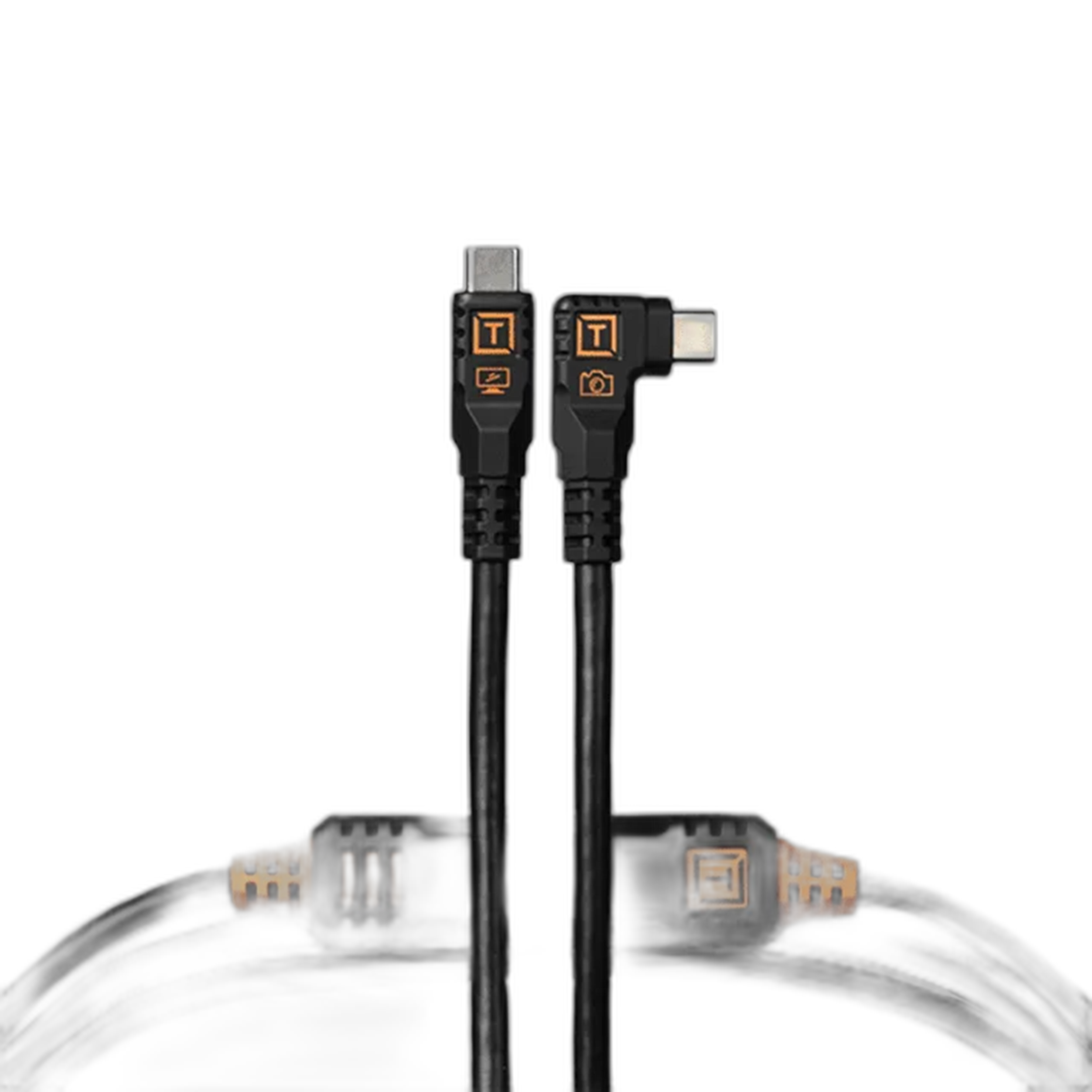
When reviewing and selecting final files, a dependable tethered workflow can help if you are shooting specifically for submissions and want to inspect images carefully on a larger screen. Accessories like the Tether Tools Optima 10G USB-C 15ft Straight to Right can be useful for studio or tabletop photographers refining competition work.
Should you enter local, national, or international photography contests?
Amateur photographers often assume international competitions are the most valuable, but local and regional contests can be excellent starting points. A local contest may offer better odds, more community recognition, and the chance to exhibit physically. National and international contests may bring broader exposure, but they also attract a much larger field.
A balanced strategy could look like this:
- Local contests: great for early confidence and networking
- Regional contests: useful for building your resume and exhibition history
- National contests: strong for visibility if your portfolio is becoming consistent
- International contests: best entered selectively with your absolute strongest work
Unique Photo customers often benefit from mixing local opportunities with a few larger contests each year, especially as they build experience.
What prizes and outcomes actually matter in a photography contest?
Winning money is nice, but it should not be the only factor when choosing where to enter. For amateur photographers, some of the most useful contest outcomes are:
- Exhibition opportunities
- Publication in a respected magazine or website
- Portfolio reviews or judge feedback
- Features from photography organizations
- Scholarships, classes, or educational credits
- Recognition you can add to your website or artist bio
Sometimes a contest connected to education or community can be more valuable than a larger one with a flashy prize. Experiences like talks, workshops, and story-driven events can shape stronger future submissions too, which is one reason many photographers stay connected to the educational side of Unique Photo.
Common mistakes amateur photographers make when entering contests
If you want to improve your odds and avoid frustration, watch out for these common mistakes:
- Entering contests without reading the rights agreement
- Submitting images that do not fit the theme
- Using weak edits or overprocessing
- Ignoring file naming and export requirements
- Sending too many similar photos
- Entering only huge global competitions
- Expecting instant validation from every result
Not placing in a contest does not mean your photography lacks value. Judging is subjective. Use each submission cycle to learn more about your taste, your strengths, and how your work communicates.
How to build a contest strategy as a beginner photographer
If you are serious about improving, create a simple contest plan instead of entering on impulse. A smart beginner strategy might include:
- Choose two or three genres you want to focus on this year.
- Research ten reputable contests in those genres.
- Read the rights terms and entry fees carefully.
- Shortlist only the contests that fit your goals and budget.
- Prepare your files early and double-check rules.
- Track submissions, deadlines, and results in a spreadsheet.
- Review what worked and refine your image selection over time.
This turns contests into part of your development as a photographer rather than a random gamble.

Final thoughts on choosing the best photography contests for amateurs
The right photography contest should support your growth, respect your rights, fit your style, and offer a realistic return for your time and money. As an amateur, you do not need to enter every competition you find. You just need to enter the right ones.
Start with reputable organizations, read the fine print, focus on categories that match your strongest work, and think of every submission as a chance to improve your editing and storytelling. Over time, you will develop a better eye not only for making photographs, but for recognizing which opportunities are genuinely worth pursuing.
For photographers looking to continue learning before their next submission, Unique Photo is a great place to explore classes, events, and gear that can help strengthen your images and workflow.
Internal linking suggestions: Link this article to Unique Photo class pages, photography workshops, lens buying guides, tethering accessories, camera bags, printing services, and local events for photographers who want to improve their portfolios before entering contests.