Introduction: Choosing the Right Solo-Filmmaker Audio Setup
For solo filmmakers, audio gear has to do more than simply sound good. It needs to be fast to deploy, easy to monitor, compact enough to carry, and reliable when you do not have a dedicated sound mixer on set. That is why the ideal setup depends less on one “best” product and more on how you shoot: run-and-gun, interviews, mobile content, documentary work, or more controlled productions.
In this comparison, we are looking at several practical audio approaches for one-person crews, from compact wireless systems like the Hollyland LARK MAX 2 Solo and Sennheiser XSW-D Portable ENG Set, to more expandable options like the Sennheiser Profile 2-Person Clip-On Wireless Audio System and Saramonic K9-US, plus support tools such as the Saramonic SR-AX100 passive adapter and a recorder-based setup using a Used Tascam DR-701D with a Used Sennheiser Shotgun Microphone System. We also include the Rode Vlogger Kit Universal for creators shooting primarily on smartphones.
If you are trying to figure out the ideal audio setup for solo filmmaking, this head-to-head breakdown will help you match the right gear to the way you actually work.
Side-by-Side Comparison
| Product | Type | Best For | Key Strength | Potential Trade-Off |
|---|---|---|---|---|
| Hollyland LARK MAX 2 Solo Wireless Microphone - Space Gray | Single-subject wireless mic system | Solo creators, run-and-gun shooting, fast setup | Compact, streamlined wireless workflow for one-person productions | Less suited to two-person dialogue than dual-channel kits |
| Sennheiser XSW-D Portable ENG Set Digital Cam-Mount Combo Mic Setup 2.4 GHz | ENG-style digital wireless combo setup | Camera-mounted documentary and field production | Flexible Sennheiser workflow with camera-focused operation | More traditional configuration than ultra-compact creator systems |
| Sennheiser Profile 2-Person Clip-On Wireless Audio System | Dual wireless clip-on system | Interviews, two-person scenes, creators needing expansion | Built for two voices right out of the box | Can be more than a solo operator needs for basic one-person shooting |
| Saramonic SR-AX100 - 2-Channel Passive Audio Adapter | Camera audio adapter | Filmmakers combining multiple wired audio sources | Adds simple on-camera input flexibility | Not a microphone or recorder by itself |
| Rode Vlogger Kit Universal Filmmaking Kit for Smartphones with 3.5mm Ports | Smartphone vlogging kit | Mobile-first creators and entry-level solo filmmaking | All-in-one convenience for phone-based shooting | Less expandable for advanced production audio workflows |
| Saramonic K9-US Professional Dual Digital UHF Wireless Mic System | Professional dual wireless system | Higher-end productions, multi-talent flexibility | Pro-oriented dual-channel wireless capability | More robust than some solo shooters need for lightweight setups |
| Used Sennheiser Shotgun Microphone System - Good + Used Tascam DR-701D 6-Track Field Recorder - Excellent | Shotgun plus field recorder setup | Narrative, documentary, and controlled location sound | Most traditional filmmaking-style audio path with expandability | Largest footprint and highest setup complexity for a solo operator |
The Main Contenders for Solo Filmmakers
Solo filmmakers usually end up choosing between four broad audio philosophies:
- Ultra-portable wireless: fastest for self-shooting and social/video content
- Camera-centric wireless ENG: better for documentary and hybrid field use
- Dual wireless systems: ideal when a solo creator also records interviews
- Shotgun plus recorder: strongest traditional production workflow when sound quality and control matter most
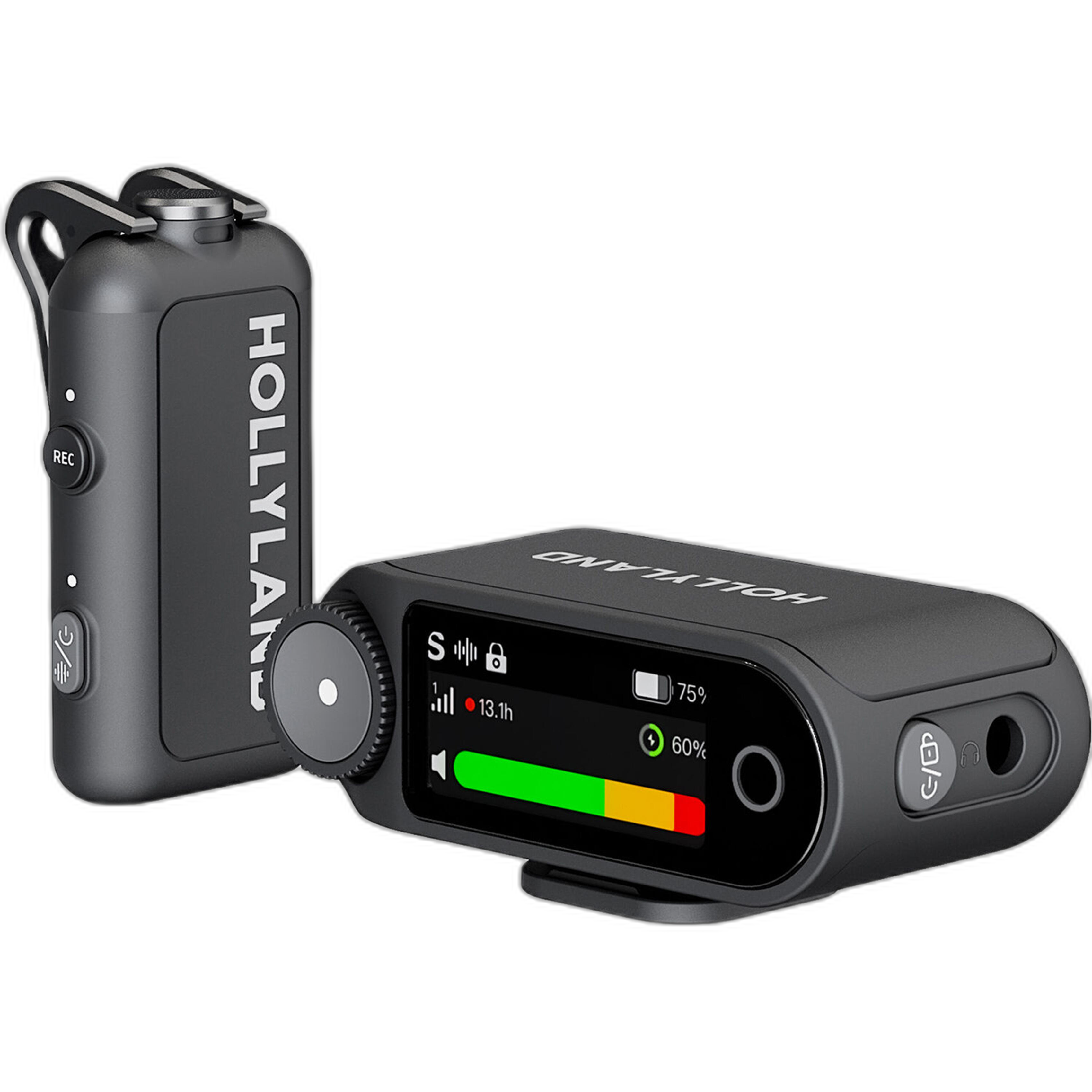
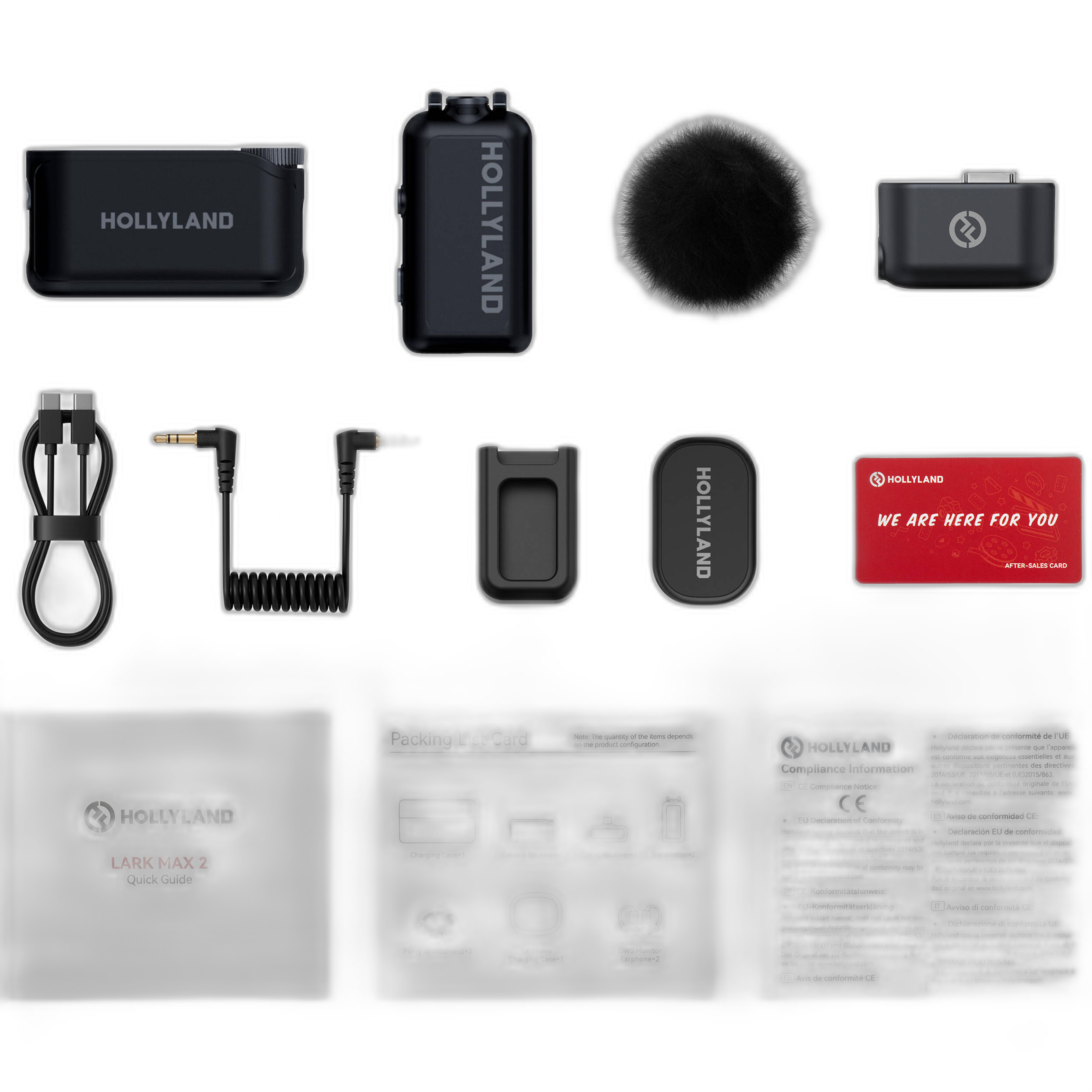
1) Best for Fast One-Person Setup: Hollyland LARK MAX 2 Solo
If your version of solo filmmaking means filming yourself, grabbing quick interview clips, or moving fast between locations, the Hollyland LARK MAX 2 Solo Wireless Microphone is one of the most logical options here. Its biggest advantage is that it is purpose-built around simplicity. You do not need a large bag, a separate recorder, or a complicated signal chain to start capturing clean dialogue quickly.
That makes it especially attractive for creators who wear many hats on a shoot: directing, operating camera, presenting, and monitoring audio all at once. A compact wireless system reduces friction, and reduced friction usually means better consistency in real-world use.
The trade-off is that a single-subject-oriented wireless setup is not automatically the ideal choice if your work regularly expands into sit-down interviews, multi-person scenes, or more advanced production audio routing.
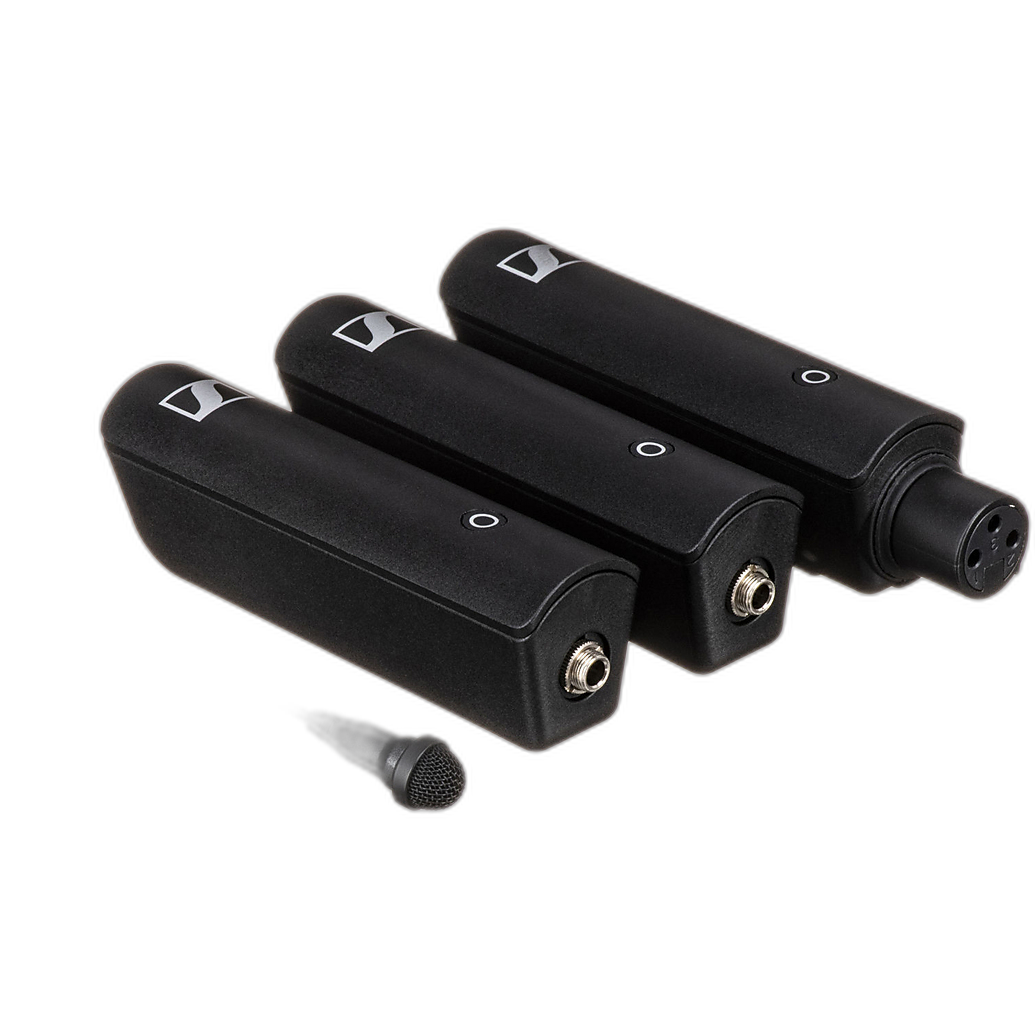
2) Best for Documentary-Style Camera Operation: Sennheiser XSW-D Portable ENG Set
The Sennheiser XSW-D Portable ENG Set Digital Cam-Mount Combo Mic Setup is a strong fit for solo filmmakers who think more like documentarians or news-style shooters. Instead of leaning fully into creator-style compactness, this kit better aligns with traditional camera-mounted field acquisition.
That can be a major advantage if you shoot with dedicated cameras rather than phones, need a more familiar ENG-style workflow, or want a system from a brand long associated with location sound. For event coverage, documentary pieces, and on-the-move interviews, this type of setup often feels more natural than tiny social-first wireless kits.
Compared to the Hollyland, it may feel less optimized for ultra-light self-shooting. But if your priority is camera integration and dependable field use, the Sennheiser makes a compelling case.
3) Best for Solo Filmmakers Who Also Shoot Interviews: Sennheiser Profile 2-Person Clip-On Wireless Audio System
Many solo filmmakers are not only filming themselves. They are also conducting interviews, recording clients, capturing testimonials, or shooting two-person conversational content. That is where the Sennheiser Profile 2-Person Clip-On Wireless Audio System stands out.
Its clear advantage is built-in readiness for two people. Instead of buying a solo mic system now and outgrowing it later, this route gives you immediate flexibility for creator-plus-guest workflows. If your projects alternate between self-recorded pieces and interview-based storytelling, a dual wireless system can be the most efficient long-term investment.
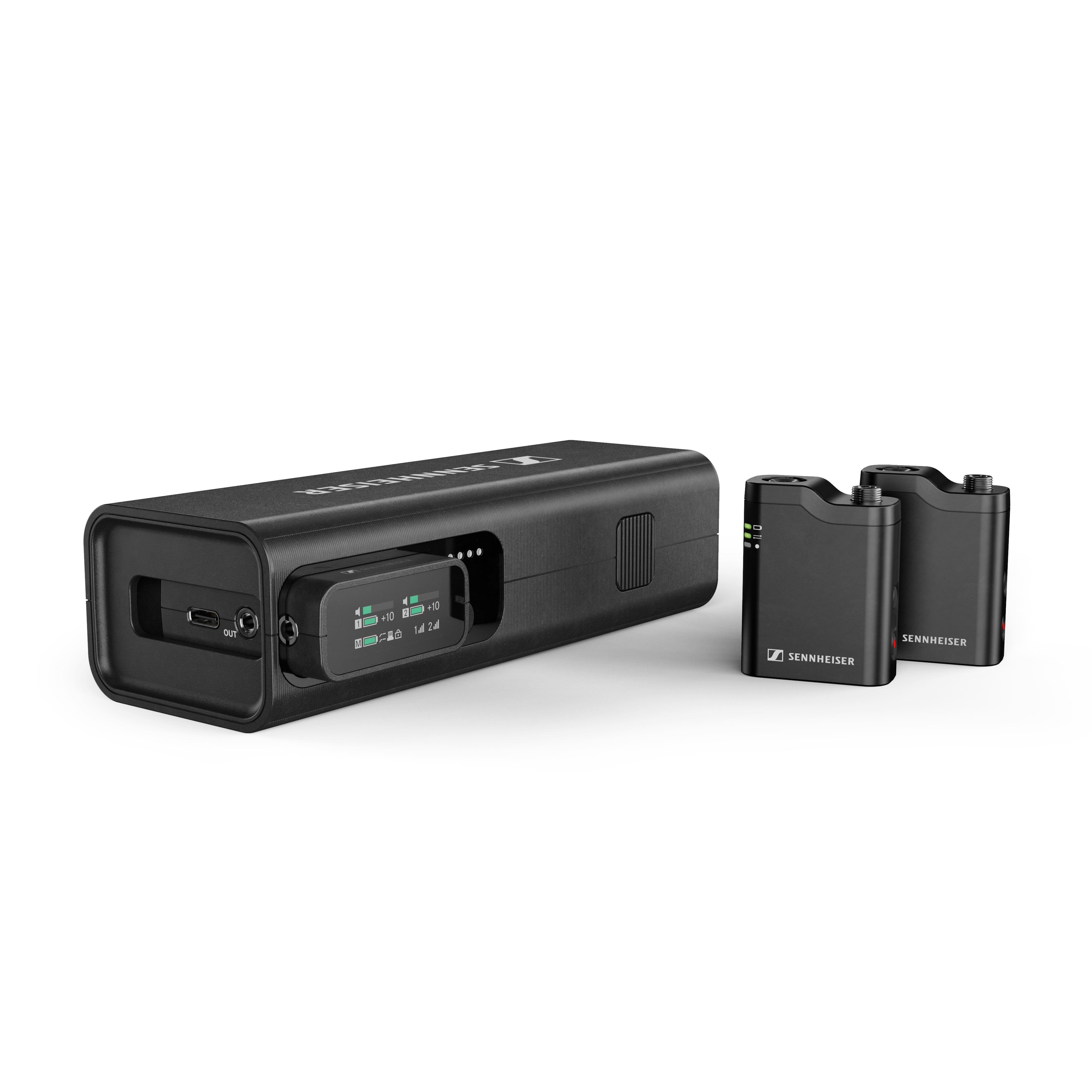
The trade-off is size, budget, and complexity relative to a solo-only kit. If you almost never mic a second person, it may be more system than you need. But for hybrid creators, this is one of the smartest all-around options in the comparison.
4) Best for a More Professional Dual Wireless Path: Saramonic K9-US
The Saramonic K9-US Professional Dual Digital UHF Wireless Mic System takes the dual-channel concept further toward professional production needs. For solo filmmakers working on client jobs, branded content, documentary interviews, or higher-stakes productions, a more advanced wireless platform can be worth the extra complexity.
Its appeal is not just that it is dual-channel. It is that it is positioned as a more professional wireless solution for filmmakers who may need stronger flexibility on set. If your “solo filmmaker” workflow includes larger cameras, more formal interview setups, or recurring commercial work, the K9-US may fit your production style better than smaller creator-focused systems.
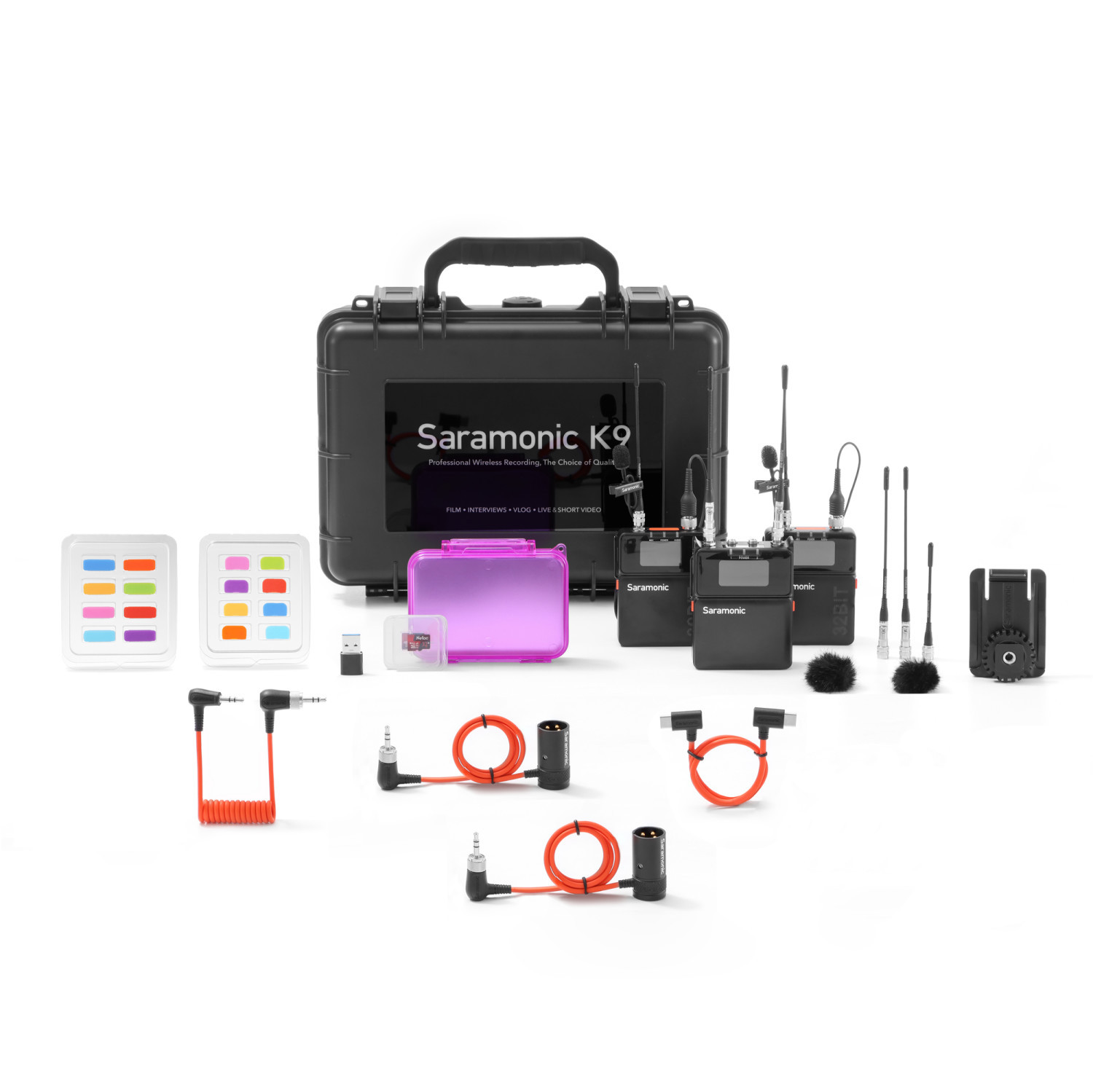
The downside is that this is not necessarily the easiest or lightest route for every creator. If portability and speed are everything, a simpler wireless system can still be the better choice.
5) Best for Smartphone-First Solo Creators: Rode Vlogger Kit Universal
If your filmmaking starts and ends on a smartphone, the Rode Vlogger Kit Universal Filmmaking Kit for Smartphones with 3.5mm Ports deserves serious consideration. For solo creators who want an affordable, straightforward path to better mobile production value, convenience matters as much as sound quality.
This kit is attractive because it is a more complete content-creation package rather than just a microphone purchase. For travel video, behind-the-scenes clips, casual social content, and entry-level filmmaking, that all-in-one design can be ideal.
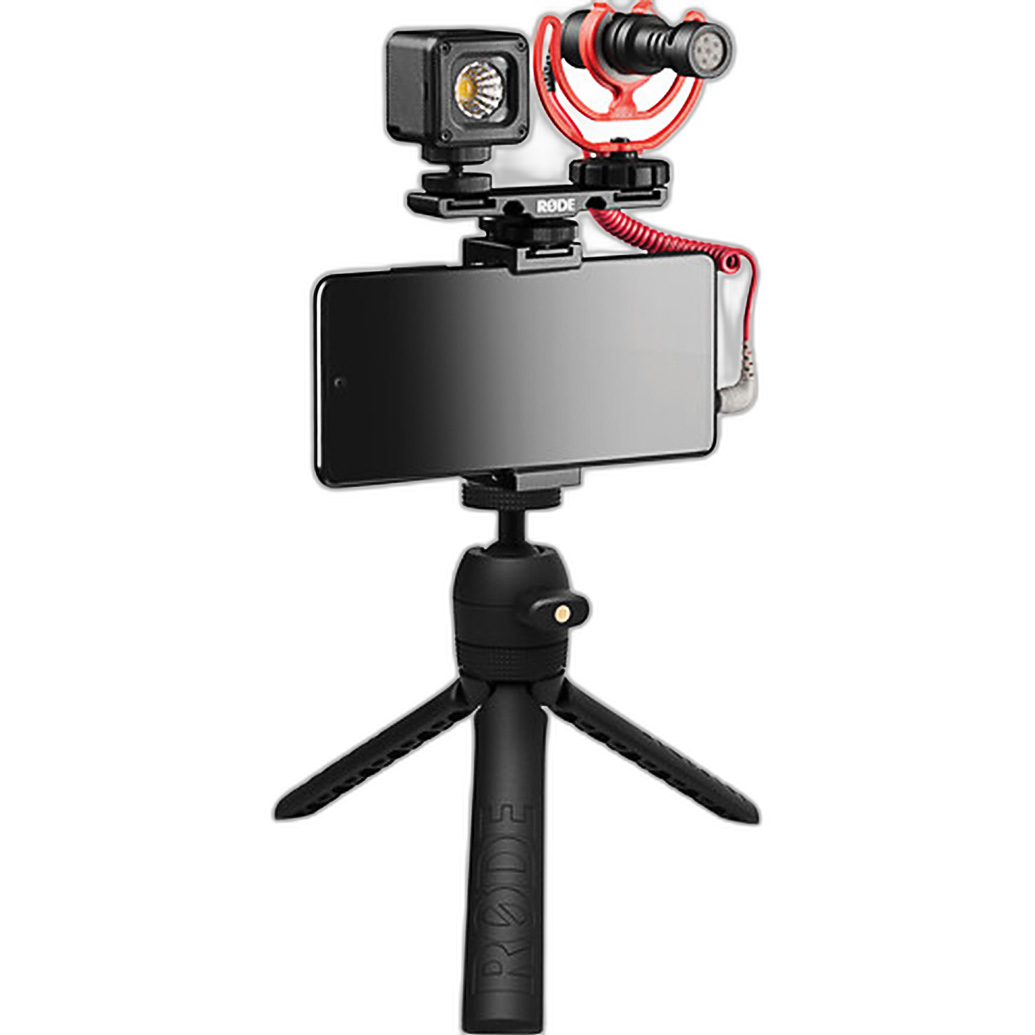
It is not the most expandable system here, and filmmakers who move into mirrorless cameras, multi-person interviews, or pro audio routing will likely outgrow it. Still, for phone-based solo production, it is a practical and approachable starting point.
6) Best for Traditional Filmmaking Audio Control: Used Sennheiser Shotgun Microphone System + Used Tascam DR-701D
For some solo filmmakers, the ideal setup is not a wireless clip-on system at all. It is a shotgun microphone paired with a dedicated field recorder. That is where the Used Sennheiser Shotgun Microphone System and Used Tascam DR-701D 6-Track Field Recorder become especially interesting.
This approach gives you a more classic production-sound workflow: directional mic capture, dedicated recording hardware, and more room for control and expansion. If you shoot narrative scenes, controlled interviews, B-roll with voiceover, or documentary work where you can take an extra moment to set up properly, this can produce a more “filmmaking-first” audio chain than creator-style wireless systems.
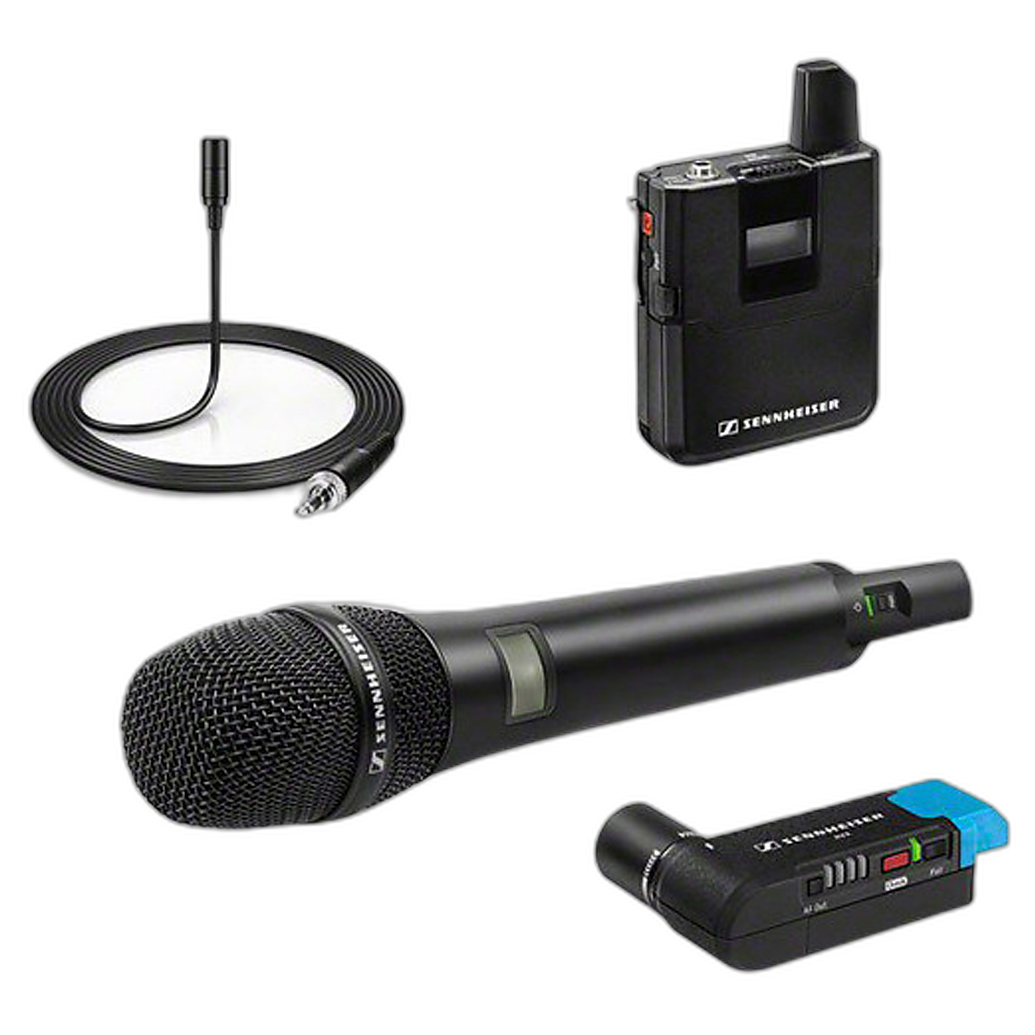
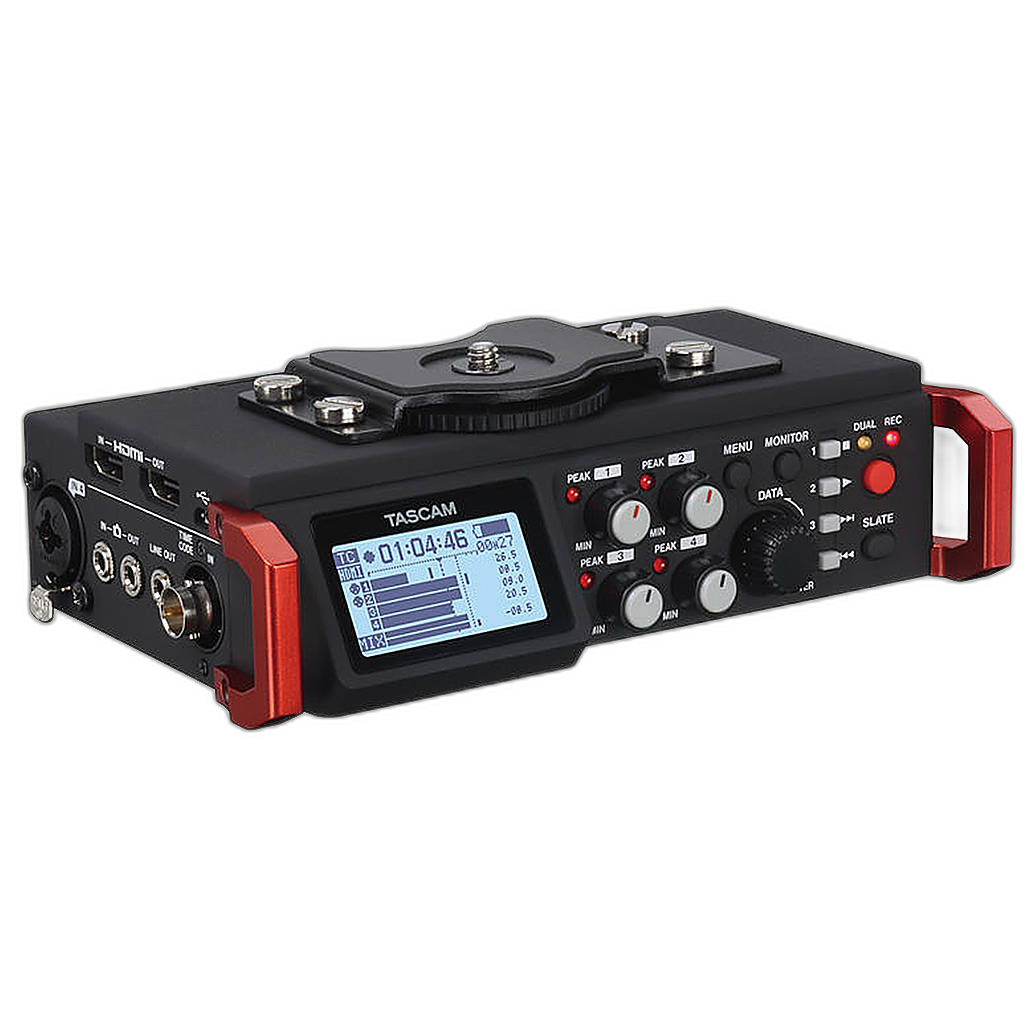
However, it is also the least convenient route for a one-person crew in motion. Monitoring, placement, mounting, syncing, and handling all require more attention. For filmmakers who prioritize control and quality over speed, it is a great solution. For fast solo content creation, it can be overkill.
7) Where the Saramonic SR-AX100 Fits In
The Saramonic SR-AX100 2-Channel Passive Audio Adapter is not a complete audio setup by itself, but it can still play an important role for solo filmmakers using wired microphones or trying to combine multiple sources into a camera. If you are building a budget-conscious rig and want simple on-camera input management, an adapter like this can be useful.
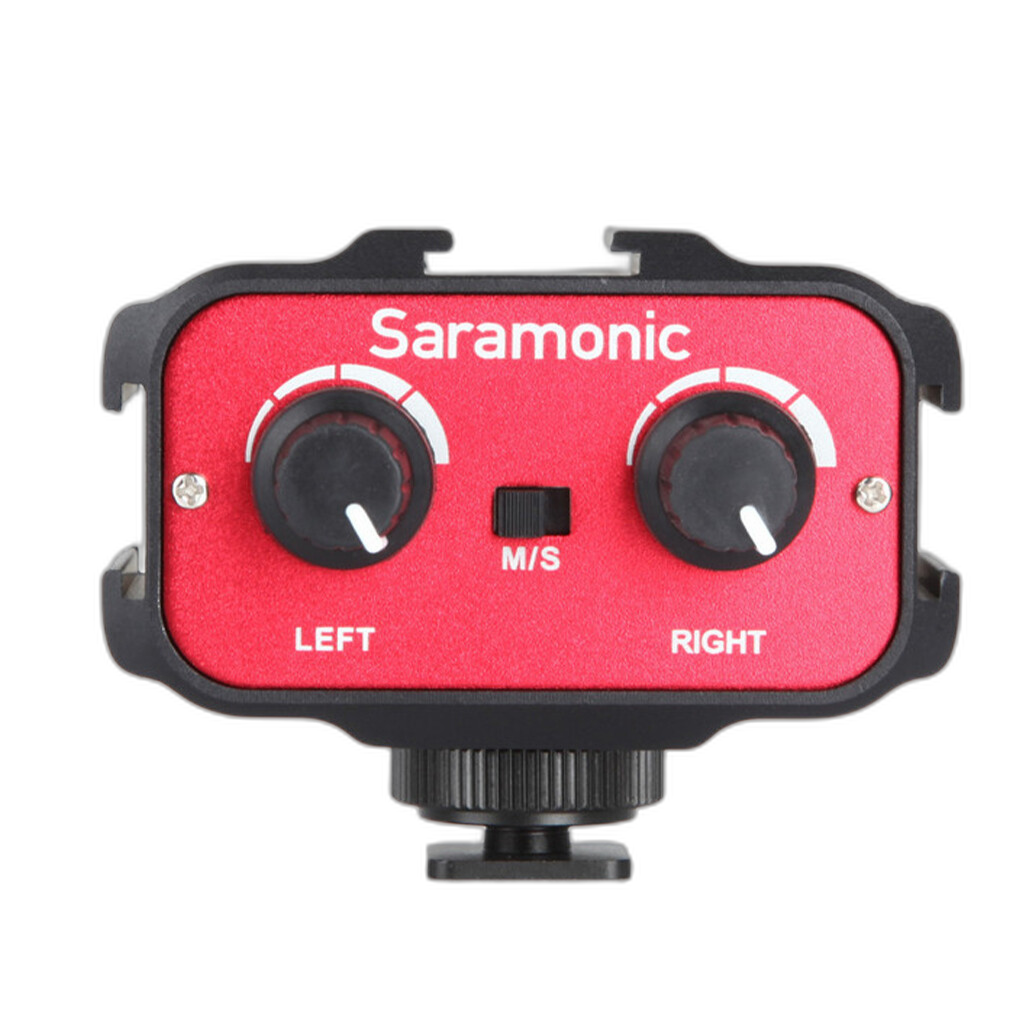
It makes the most sense as an accessory within a broader system rather than as the centerpiece of your audio plan. For example, it can support a more modular camera rig when you are not ready for a dedicated field recorder but still want better source management than plugging in a single mic directly.
Which Setup Is Ideal for Different Solo Filmmakers?
For self-shooting creators and run-and-gun filmmakers
Best fit: Hollyland LARK MAX 2 Solo
This is the strongest option for speed, simplicity, portability, and minimal setup friction.
For documentary shooters and camera-first operators
Best fit: Sennheiser XSW-D Portable ENG Set
This is the better match for filmmakers who want a more traditional camera-mounted field audio workflow.
For solo filmmakers who regularly record two people
Best fit: Sennheiser Profile 2-Person Clip-On Wireless Audio System
This gives you immediate flexibility for interviews and conversational content without adding a second system later.
For client work and more advanced wireless productions
Best fit: Saramonic K9-US
This is the more production-oriented wireless option for filmmakers who need a stronger professional pathway.
For smartphone-only filmmakers
Best fit: Rode Vlogger Kit Universal
This is the easiest all-in-one route for mobile video creators using phones with 3.5mm connectivity.
For the most traditional filmmaking audio workflow
Best fit: Used Sennheiser Shotgun Microphone System + Used Tascam DR-701D
This is best for filmmakers who value control, directionality, and a more classic production-sound setup.
Our Pick
Our Pick: Sennheiser Profile 2-Person Clip-On Wireless Audio System
If we are choosing the most ideal overall audio setup for solo filmmakers, the Sennheiser Profile 2-Person Clip-On Wireless Audio System is the most versatile recommendation. While a solo creator may not always need two microphones, the ability to handle both self-recording and interviews makes this system more adaptable than a strictly single-subject setup. It is the sweet spot between simplicity and growth.
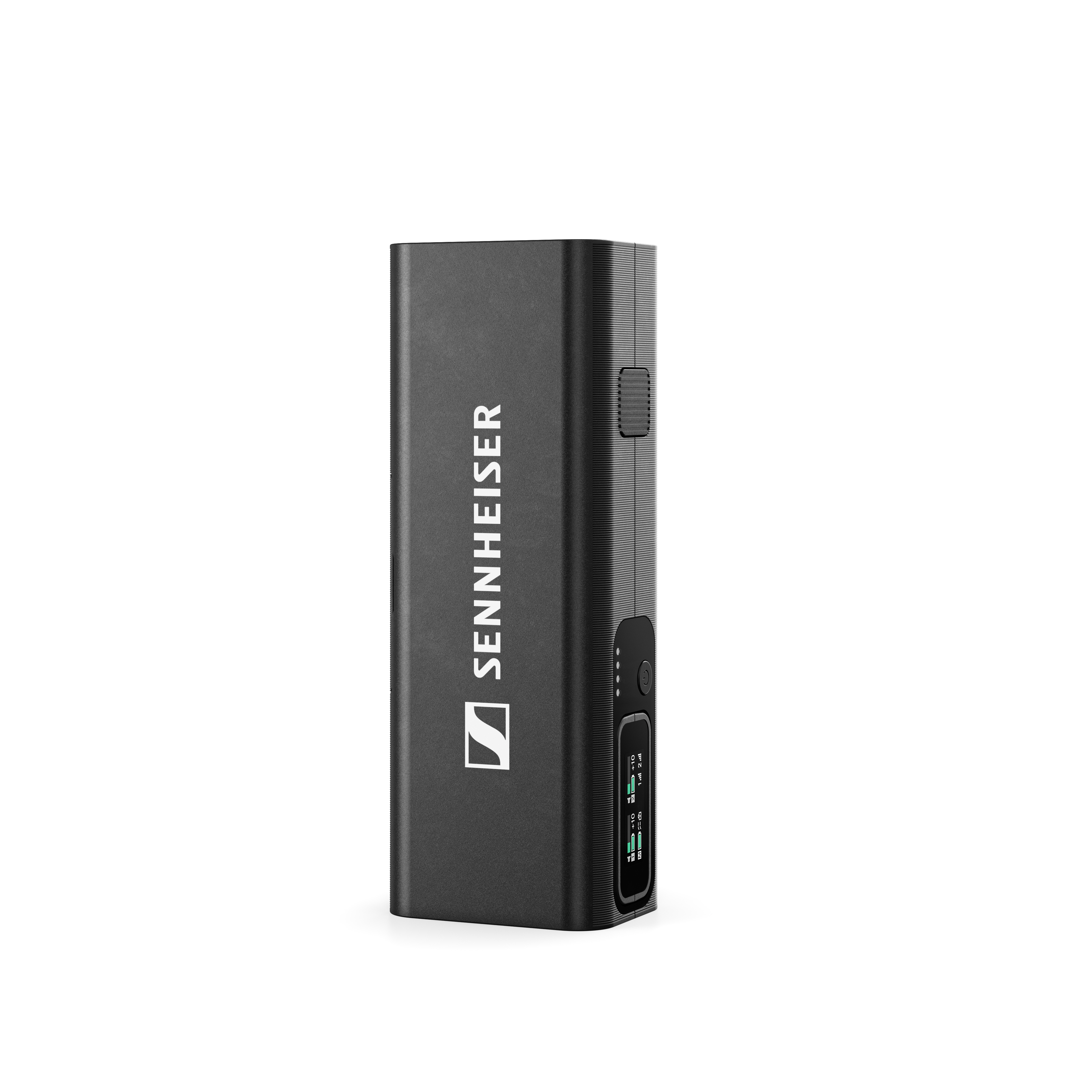
If your needs are narrower, the Hollyland LARK MAX 2 Solo may be the better pick for pure portability, and the Tascam-plus-shotgun route may be better for more cinematic productions. But for the widest range of real solo-filmmaker scenarios, the Sennheiser Profile 2-Person kit offers the best balance.
Conclusion
The ideal audio setup for solo filmmakers depends on how you shoot, how quickly you need to work, and whether your projects center on self-recording, interviews, documentary capture, or more traditional production sound. Compact wireless kits like the Hollyland LARK MAX 2 Solo prioritize speed. Camera-focused systems like the Sennheiser XSW-D fit field production. Dual wireless options like the Sennheiser Profile 2-Person and Saramonic K9-US offer room to grow. And a shotgun mic plus field recorder remains a powerful choice for filmmakers who want maximum control.
If you are ready to build the right audio kit for your workflow, Unique Photo offers a strong selection of microphones, wireless systems, adapters, and field recorders to help solo filmmakers level up their sound.