Essential Lenses Every Photographer Should Own in 2024
Building a lens kit can feel overwhelming, especially when every genre of photography seems to demand something different. The good news is that most photographers do not need every lens at once—they need the right starting points, a smart upgrade path, and a clear understanding of how each lens serves their style.
At Unique Photo, we help photographers sort through lens choices every day, from first-time buyers looking for an everyday lens to advanced shooters assembling portrait, wildlife, or hybrid photo/video kits. Below, we answer the most common questions about which lenses are truly essential in 2024.
What is the most versatile lens for everyday photography?
For most photographers, the most versatile everyday option is a standard zoom. A lens in the wide-to-short-telephoto range lets you capture family moments, travel scenes, street photography, landscapes, and casual portraits without changing lenses constantly. That convenience is exactly why a standard zoom is often the first lens we recommend after a camera body.
If you are still deciding which focal lengths make the most sense for your camera system, a buying guide can save time and money. Unique Photo's Canon lens guide is a helpful starting point for understanding how different focal lengths fit real-world shooting needs.
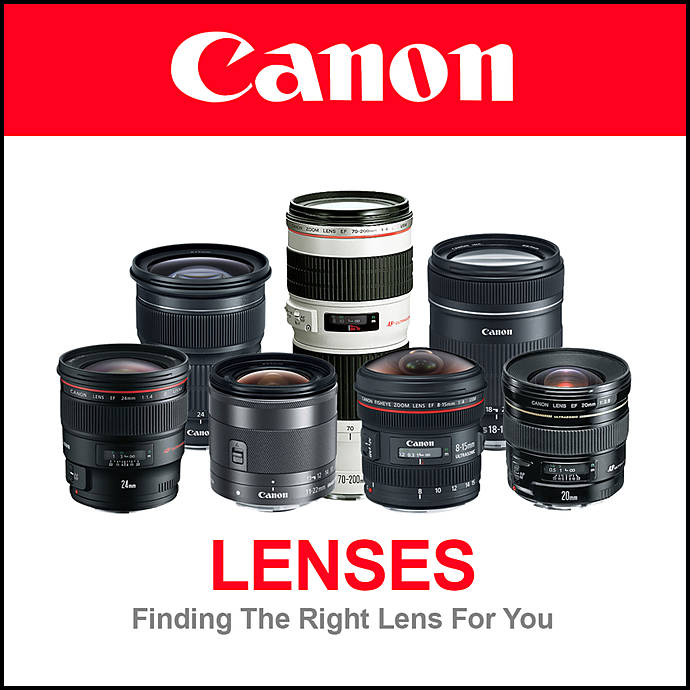
In practical terms, an everyday lens should help you move quickly. If you shoot events, family activities, vacations, or content on the go, a zoom usually offers the flexibility that makes photography easier and more enjoyable.
Should I buy a fast prime or stick with a zoom lens?
The answer depends on how you shoot. A zoom lens is the better all-around tool if you need flexibility, speed in changing situations, and fewer lens swaps. A fast prime is the better creative tool if you want stronger background blur, improved low-light performance, and a simpler, more intentional shooting experience.
Many photographers eventually own both because they solve different problems. A zoom handles the unpredictable moments, while a fast prime excels for portraits, indoor shooting, and creating a more cinematic look. If your budget only allows one purchase right now, choose the lens that matches your most frequent shooting situation rather than chasing specifications alone.
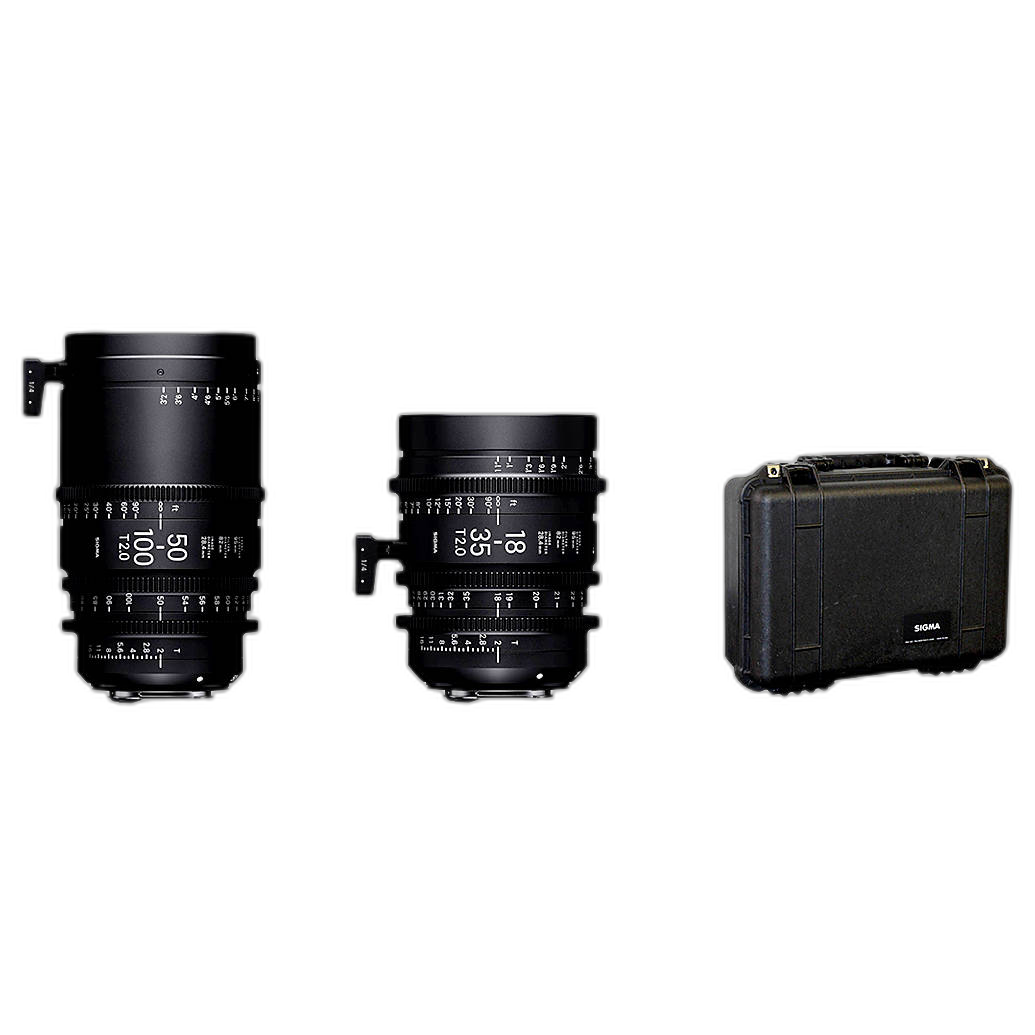
For video-focused creators or photographers who also work on productions, fast lens sets can be especially valuable. The Sigma 18-35mm T2 and 50-100mm T2 lens kit is a strong example of how fast optics can cover a useful focal range while maintaining excellent low-light capability and visual consistency.
Are third-party lenses worth considering?
Yes—third-party lenses are absolutely worth considering, especially if you want strong optical performance, unique focal length options, or better value for your budget. Brands like Sigma have earned their place in serious camera bags because they often deliver impressive sharpness, fast apertures, and specialized lens designs that appeal to both photographers and filmmakers.
The key is to shop carefully and match the lens to your camera system, autofocus needs, and intended use. If you shoot portraits, events, or video and want to stretch your budget further, third-party options can be an excellent choice. For many photographers, they are not a compromise at all—they are a deliberate, smart purchase.
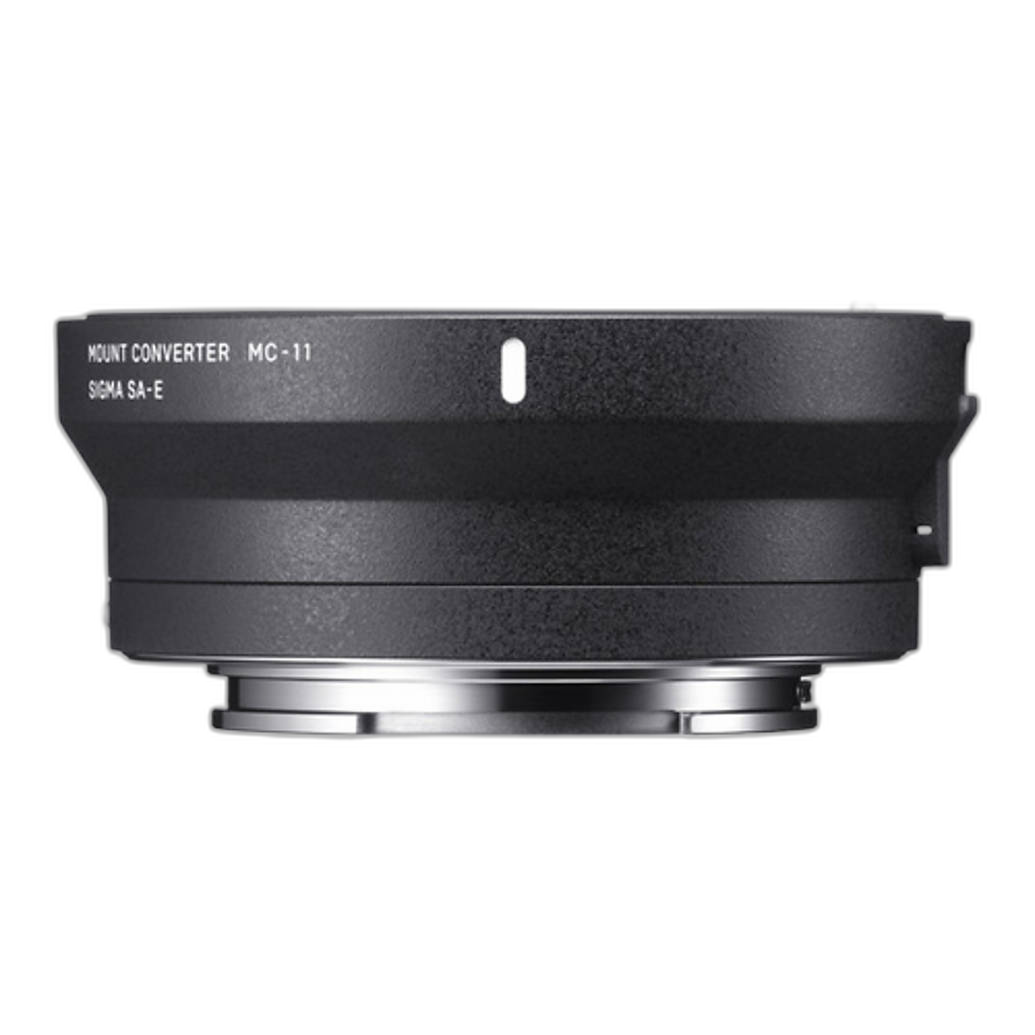
If you are adapting lenses between systems, accessories matter too. For example, the used Sigma MC-11 Mount Adapter can help photographers use Canon EF-mount lenses on Sony E-mount cameras, which may be a practical option for those transitioning systems or extending the life of lenses they already own.
Which lens should portrait photographers prioritize first?
Portrait photographers should usually prioritize a lens that flatters facial features and offers enough aperture control to separate the subject from the background. In many systems, that means a short-telephoto prime or a zoom that reaches into the classic portrait range. A lens that performs well between standard and short telephoto focal lengths gives you room for headshots, half-body portraits, and environmental portraits.
If portraits are your main focus, investing in better light control can make just as much difference as buying another lens. A strong portrait setup often combines a quality lens with dependable lighting tools. For creators building a studio or content setup, the Godox Litemons LA150R RGB LED Light 2-Light Kit can complement portrait work by giving you more consistent, controllable illumination.
Portrait shooters may also benefit from diffusion or polarizing filters depending on style and location. Creative accessories can refine contrast, tame reflections, and help shape the overall mood of your images.
Which lens should wildlife photographers prioritize first?
Wildlife photographers should prioritize reach before almost anything else. Subjects are often distant, unpredictable, and moving quickly, so a longer telephoto lens is usually the most important part of the kit. While wide and standard lenses still have value for environmental scenes or habitat storytelling, a telephoto lens is what gives you access to the moments most wildlife photographers are after.
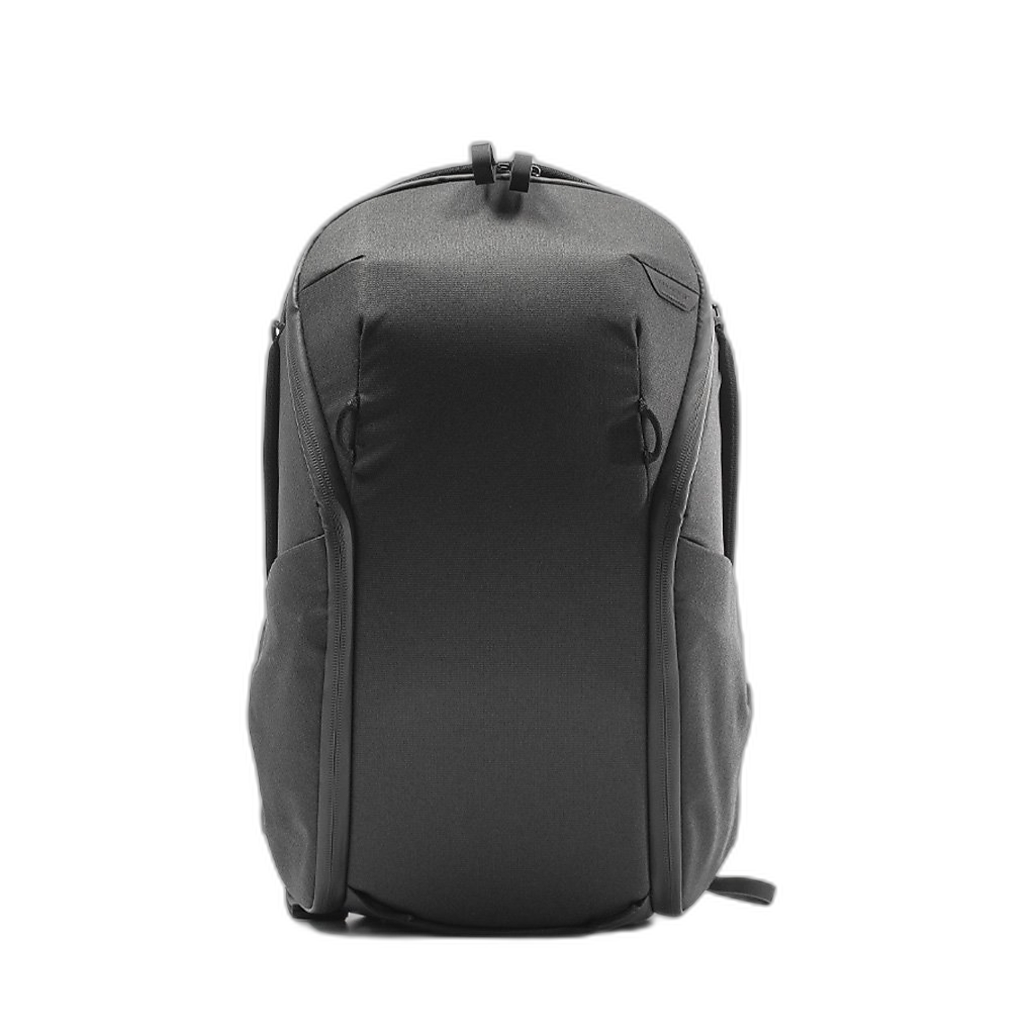
That said, wildlife photography is also demanding on support gear and carrying comfort. Longer lenses and camera bodies add up fast, so protecting and organizing your equipment matters. A bag like the Peak Design Everyday Backpack 20L Zip can be a smart addition for photographers who need a compact, well-organized way to carry a body, extra lens, and accessories in the field or on day trips.
If wildlife is your primary genre, it often makes sense to buy fewer lenses overall and spend more on one telephoto solution that truly meets your needs.
How many lenses does a well-rounded photography kit really need?
For many photographers, a well-rounded kit starts with just two or three lenses. A standard zoom covers everyday life, a fast prime adds low-light and portrait capability, and a telephoto expands your reach for sports, nature, or more compressed portrait looks. That combination can handle an enormous percentage of what most people actually shoot.
You do not need to build a complete collection in one purchase. In fact, it is often better to work with a small, purposeful kit first, then add lenses based on the shots you are consistently missing. That approach keeps your setup lighter, your spending more efficient, and your lens choices more intentional.
Do filters and accessories matter when building a lens kit?
They do. While lenses deserve most of the attention, a few carefully chosen accessories can help you get more out of the lenses you already own. Protective and creative filters can improve shooting flexibility outdoors, while storage and transport solutions keep your investment safe.
For example, the Tiffen 46mm Photo Essentials Kit is a practical accessory for photographers who want to explore foundational filter options. If your style leans more cinematic or you want a softer, more stylized rendering, the Polar Pro 49mm Shortstache Everyday Filter offers a creative combination of effects that can be useful for both stills and video workflows.
When evaluating accessories, think about whether they solve a problem you already have: glare, harsh contrast, lack of portability, or the need for a more polished look straight out of camera.
What is the best lens buying strategy if I am on a budget?
The smartest budget strategy is to buy according to your real shooting habits, not your aspirational wish list. Start with the lens that will spend the most time on your camera. For many people, that is a standard zoom. If you shoot mostly portraits, your first upgrade may be a fast prime. If you regularly photograph birds, sports, or distant subjects, save for a telephoto instead of making smaller purchases that do not solve your core need.
Budget-conscious shoppers should also consider used gear, system adapters, and third-party options where appropriate. These can open up more possibilities without forcing you to compromise on results. The goal is not simply to collect lenses—it is to build a kit that helps you shoot more confidently and effectively.
Is it better to buy for photography only, or think about hybrid photo/video use?
In 2024, many creators benefit from thinking beyond still photography. If you also shoot video, lens choices may shift toward smoother focal-length coverage, faster apertures, and accessories that support production work. That is where cine-oriented lens options and support gear can become especially useful.
A hybrid creator might pair versatile lenses with practical production accessories such as external audio. For example, the Zoom H6Essential Series recorder can be a smart addition for creators who are expanding from stills into interviews, documentaries, or multimedia storytelling.
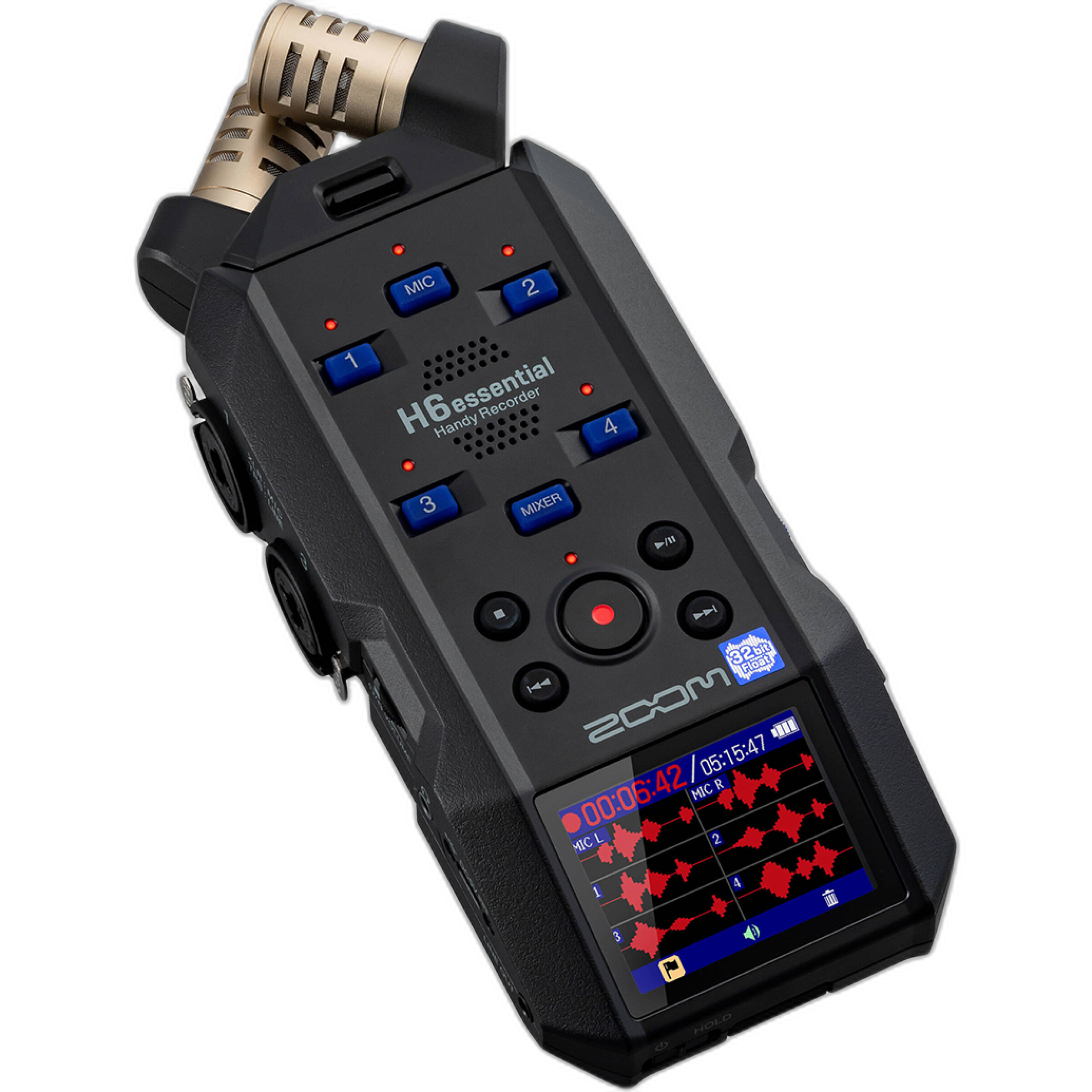
If your work crosses between photo and video, it is worth choosing gear that keeps those doors open as your projects grow.
The best lens kit is the one that fits the way you actually create. Whether you are building an everyday setup, stepping into portraits, or preparing for wildlife and video work, Unique Photo can help you compare lenses, accessories, adapters, and carrying solutions that make sense for your goals. Explore our lens guides and gear selection to build a smarter kit for 2024 and beyond.