If you're trying to choose the best film stock for portrait photography, you're not alone. Portrait photographers regularly compare notes on skin tones, contrast, grain, and how easy a stock is to find in today's unpredictable film market. This guide is for film shooters who want flattering color, dependable results, and practical alternatives when their first-choice emulsion is out of stock. While film stocks themselves can be hard to source consistently, the portrait workflow around them still matters—from the camera you load to how you print and finish your images.
Below, we break down what photographers tend to look for in portrait film, discuss popular color directions and backup strategies, and recommend a few relevant products that support a portrait-focused film workflow.
What Portrait Photographers Usually Want From Film Stock
When photographers talk about great portrait film, a few themes come up again and again:
- Pleasing skin tones: Natural warmth without looking too red or too magenta.
- Controlled contrast: Enough separation for depth, but not so much that highlights become harsh.
- Fine or intentional grain: Depending on whether the goal is polished studio work or a more nostalgic look.
- Exposure latitude: Especially valuable for outdoor portraits and mixed lighting.
- Availability: A favorite stock is only useful if you can actually buy it consistently.
In practice, many portrait photographers gravitate toward softer, warmer color-negative films for everyday work, then keep a few alternatives in mind in case prices spike or supply tightens.
How Photographers Compare Popular Portrait Film Looks
Even with frequent market changes, portrait film discussions usually fall into a few broad camps:
| Film Look | Typical Portrait Appeal | Best For | Trade-Offs |
|---|---|---|---|
| Warm, pastel color negative | Gentle skin tones, flattering highlights, soft transitions | Outdoor portraits, lifestyle sessions, weddings | Can be expensive or hard to find |
| Neutral-to-warm professional color negative | Balanced color with strong scan flexibility | Studio and location portraits | May need careful metering for best consistency |
| Consumer color negative | Accessible color, casual feel, often more contrasty | Personal portraits, travel, candid work | Less refined skin rendering than premium options |
| Black-and-white classic grain | Timeless texture, strong emotion, focus on expression | Character studies, editorial portraits | No color information; grain can be prominent |
For many shooters, the best advice is simple: choose the look you love, then identify one or two substitutes that are close enough to keep your portrait work consistent when inventory shifts.
Availability Matters More Than Ever
One of the biggest changes in film photography is that recommendation lists are no longer just about image quality—they're also about what you can realistically buy and replenish. If your preferred portrait stock disappears for weeks at a time, it helps to build a workflow that is flexible. That may mean:
- Testing multiple ISO 160–400 color-negative options
- Accepting a slightly different color palette in exchange for consistent supply
- Using medium format when you want maximum portrait impact from a slower stock
- Leaning on printing and scanning choices to fine-tune the final look
Recommended Gear for a Portrait Film Workflow
Since film stock availability fluctuates, smart photographers often strengthen the rest of the portrait workflow: camera choice, close-focus options, and output quality. Here are a few relevant products to consider.
Used Voigtlander Perkeo I 6x6 120 Film Camera - Good
Why it fits this guide: Medium format remains one of the most rewarding ways to shoot portrait film. A 6x6 negative gives portraits a distinct tonal richness and smoother rendering that many photographers love, especially when using color-negative or black-and-white film for more deliberate sessions.
This used Voigtlander Perkeo I is particularly appealing for photographers who want to slow down and create more intentional portraits on 120 film. If your favorite portrait stock is available in medium format, a compact 6x6 folder can be an inspiring way to make the most of it.
Fujifilm MCEX-16 16mm Extension Tube for Fujifilm X-Mount
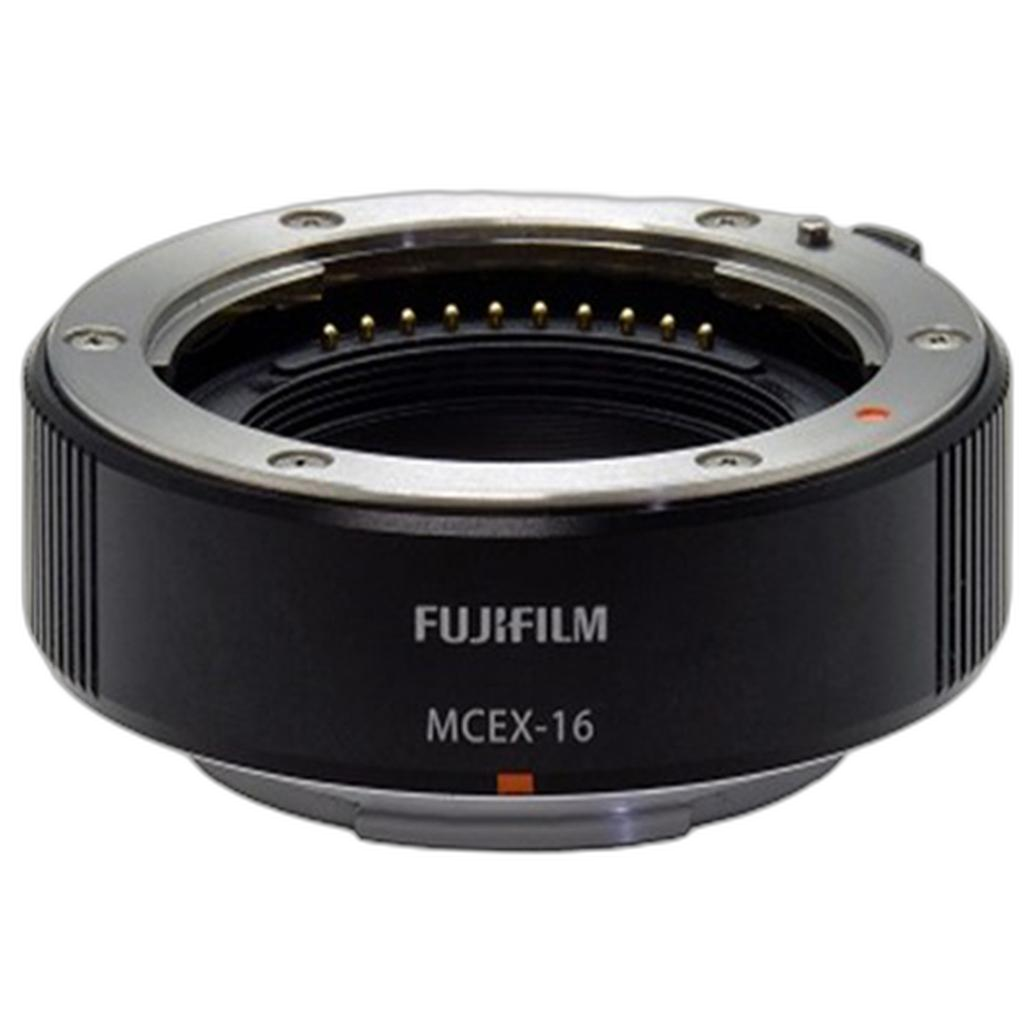
Why it fits this guide: Many film photographers also digitize negatives with a mirrorless setup. An extension tube like the Fujifilm MCEX-16 can be useful for close-focus reproduction work when scanning film with a compatible Fujifilm X-mount camera and lens.
It can also support creative close-up portrait details—hands, jewelry, eyes, and textures—if you work in a hybrid photo setup. For photographers balancing analog capture with digital finishing, this is a practical accessory.
Fujifilm DIGITAL PRO 12X354 GLOSSY
Why it fits this guide: Portrait film shines when it becomes a physical print. Glossy paper is a strong choice for vibrant portrait presentation, especially if you want color-rich output with punchier contrast and a polished finish.
If your portrait workflow includes digital scans from film and then final printing, quality paper helps preserve the personality of the stock you chose in the first place.
Fujifilm Paper Super Type Cn 4x610 NBP Matte
Why it fits this guide: Matte surfaces are often favored for softer portrait presentation. If your ideal portrait film look leans pastel, gentle, and subdued, matte paper can complement that aesthetic beautifully.
This is especially useful for photographers who prefer understated skin tones over glossy, high-impact presentation.
Fujifilm Sky Blue Ink for DX400W
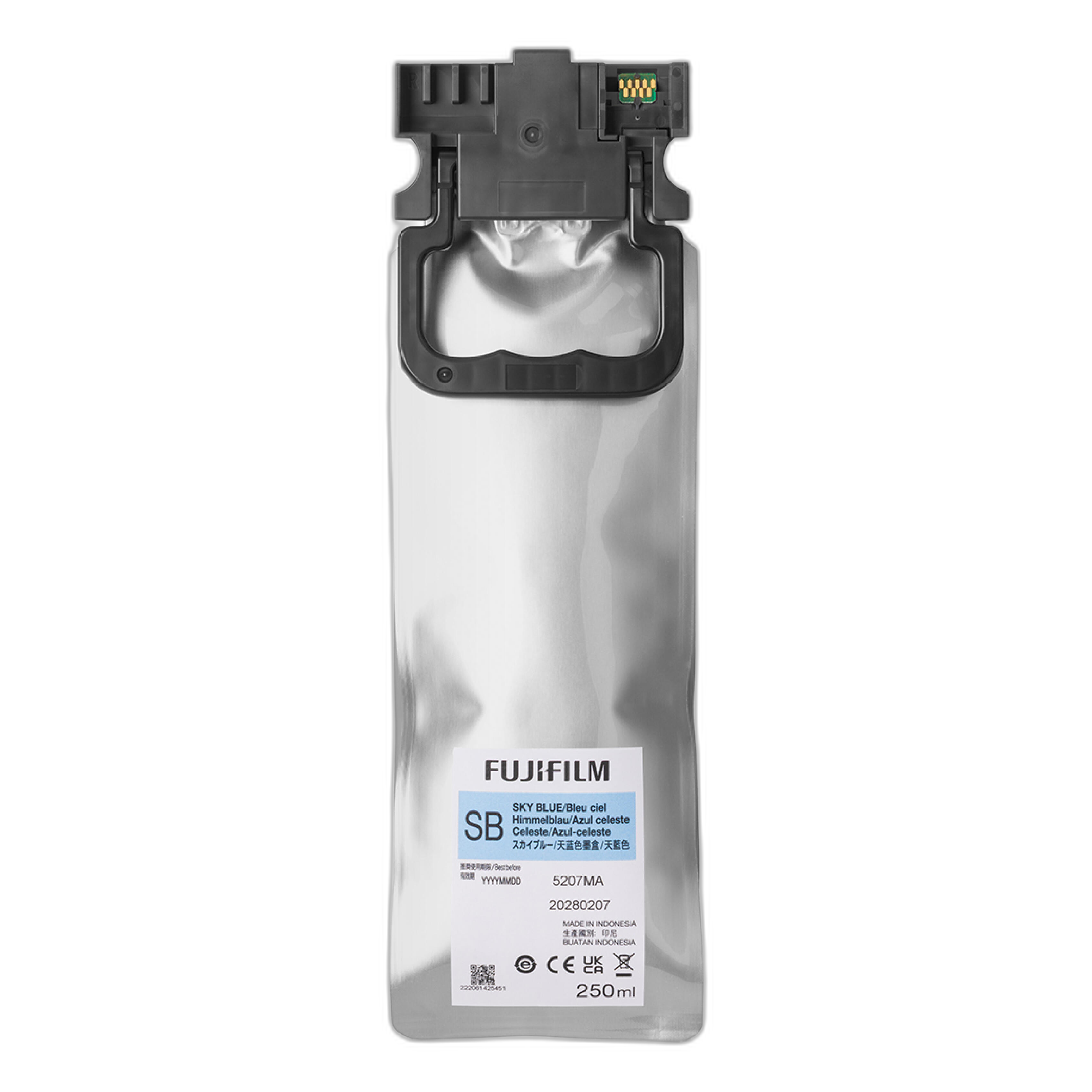
Why it fits this guide: Accurate, attractive color output matters when evaluating portrait film stocks. If you're producing prints through a compatible system, maintaining your printer with the right ink helps preserve the subtle color differences photographers care about—especially in skin tones and background gradients.
Which Workflow Products Make the Most Sense?
| Product | Best Use | Why Portrait Photographers May Want It |
|---|---|---|
| Used Voigtlander Perkeo I 6x6 120 Film Camera | Shooting medium format portraits | Large negative, classic look, slower and more intentional process |
| Fujifilm MCEX-16 16mm Extension Tube | Film digitizing or close-up portrait detail work | Supports hybrid workflows and reproduction-style capture |
| Fujifilm DIGITAL PRO 12X354 GLOSSY | High-impact portrait prints | Strong color and polished finish |
| Fujifilm Paper Super Type Cn 4x610 NBP Matte | Softer portrait presentation | Great for gentle skin-tone rendering and subdued output |
| Fujifilm Sky Blue Ink for DX400W | Print system maintenance | Helps preserve color consistency in final portrait prints |
Practical Advice on Choosing a Portrait Film Stock Today
Based on what photographers commonly share, the most reliable approach is:
- Start with the skin tones you prefer. Warm and creamy, neutral and flexible, or more saturated and vivid.
- Test one premium option and one backup. Market availability can change quickly.
- Match the format to the project. If you want maximum portrait depth and tonality, medium format is worth serious consideration.
- Don't ignore printing. The final paper surface can dramatically shape how a portrait film image feels.
- Build a repeatable workflow. Metering, scanning, and printing consistency matter just as much as film choice.
Conclusion
The best film stock for portrait photography is ultimately the one that gives you flattering skin tones, a look you can repeat, and enough availability to keep shooting with confidence. For many photographers, that means staying flexible: have a favorite stock, know your alternatives, and invest in a workflow that helps you get the most from every roll.
If you want to elevate your portrait film process beyond just the emulsion itself, the Used Voigtlander Perkeo I 6x6 120 Film Camera stands out as our top recommendation here for its medium format portrait potential. And if you're refining the scan-to-print side of your process, Fujifilm workflow accessories and print materials can make a real difference. For film photographers building a smarter portrait setup, Unique Photo is a great place to explore the tools that support your creative process.