How to Choose Your Best Contest Photo: Entry Curation FAQ
Selecting one image for a contest, themed challenge, or portfolio review can be harder than making the photograph in the first place. At Unique Photo, we recommend a deliberate process that balances personal vision, outside feedback, and practical testing so your final submission feels intentional rather than rushed.
Whether you are deciding between two excellent frames or wondering how much weight to give past winners, the goal is the same: submit the image that communicates clearly and holds attention. Here are the questions photographers ask most often when narrowing down an entry.
How do I choose between two strong images for the same theme?
Start by judging the images on the theme before you judge them on beauty alone. A photograph can be technically stronger yet still be the weaker contest choice if it does not answer the prompt as directly. Ask yourself which image reads faster, which has a clearer subject, and which creates a more memorable emotional reaction after only a few seconds of viewing.
It helps to compare your finalists side by side and score them on a short list: theme relevance, composition, impact, originality, and technical polish. If one image wins in three out of five categories, your decision usually becomes easier. If they are still tied, choose the frame with fewer distractions and stronger visual hierarchy.
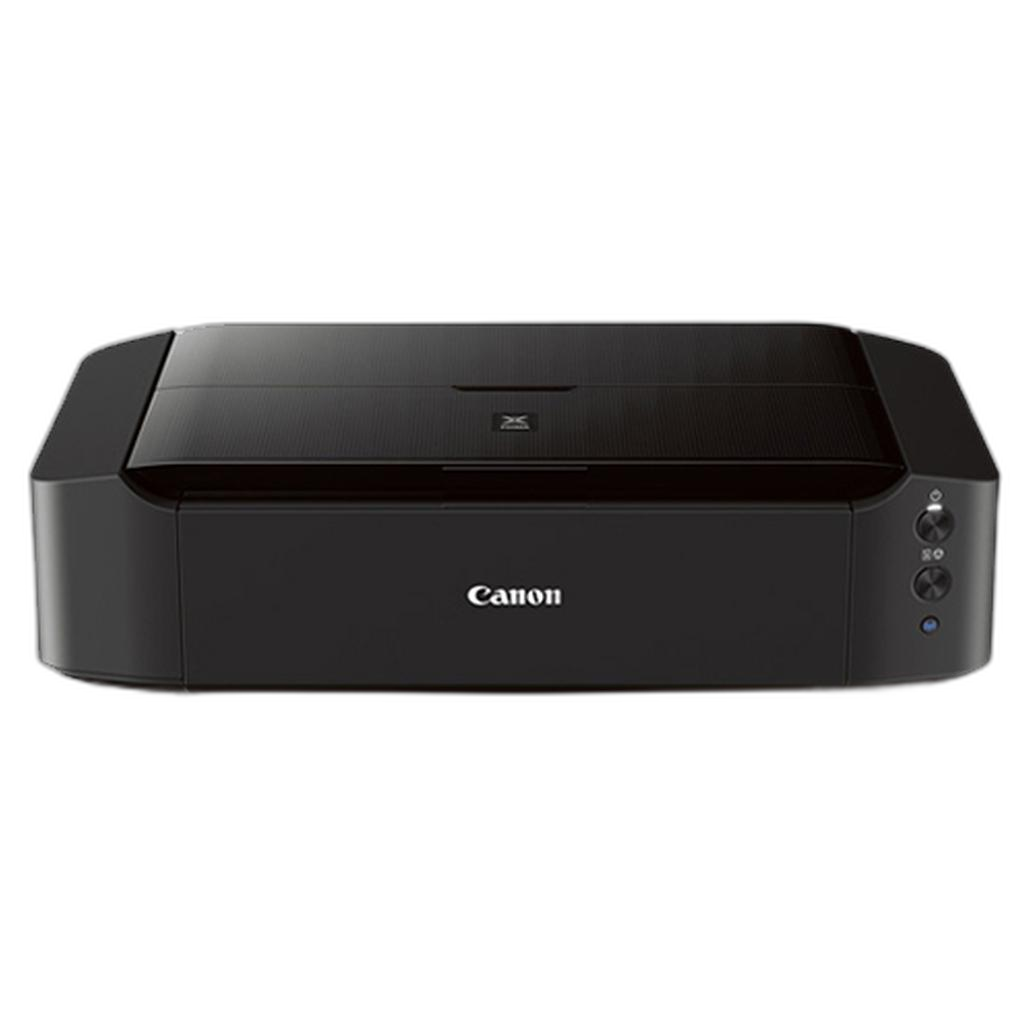
One of the most effective ways to separate close contenders is to make physical prints. Viewing on paper reveals contrast issues, edge distractions, and subtle color problems that are easy to miss on a monitor. A printer like the Canon PIXMA iP8720 Wireless Photo Inkjet Crafting Printer is a practical tool for photographers who want to evaluate finalists at home before submitting.
Should I print my finalists before making a final decision?
Yes, especially when the contest judges may also be reviewing images in a structured, comparative way. Prints slow you down and force you to see the file as an object rather than a glowing screen image. You will notice whether shadows are plugging up, whether highlights feel harsh, and whether the composition remains balanced when you step back.
Printing is also useful if you tend to over-edit. Saturation, sharpening, and local contrast that seem exciting on a bright display can look heavy-handed in print. Even a modest proof print can expose which file is more refined. For photographers who regularly review and sequence their work, keeping a printer in the studio makes the curation process more consistent.
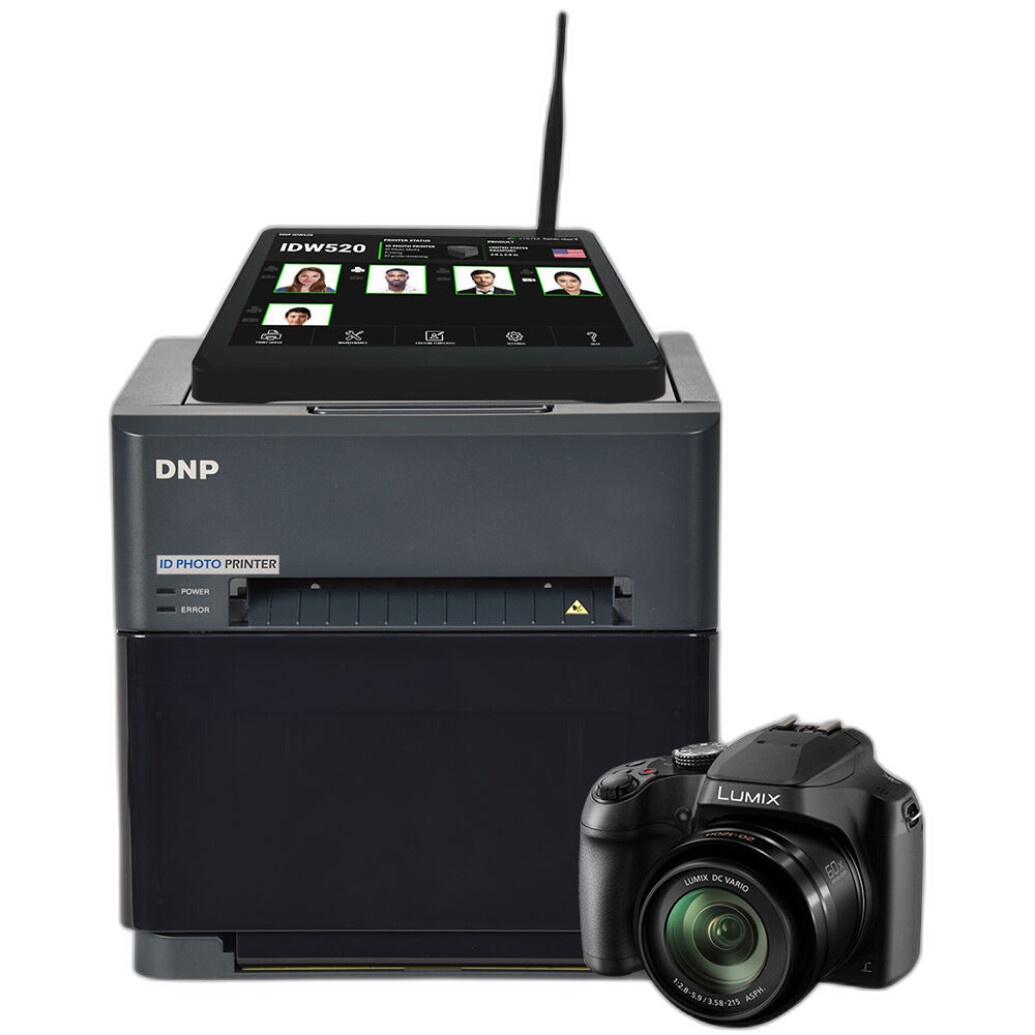
If your workflow includes portraits, headshots, or formal image evaluation for clients, specialty print solutions can also help you build disciplined review habits. Products like the DNP IDW520-SET Passport and ID Photo Solution are designed for fast, repeatable output in ID and portrait contexts, where consistency matters.
Is it a good idea to ask friends or other photographers for feedback before submitting?
Usually, yes—but be selective about whose opinion you seek. The best feedback comes from people who understand your style, the contest format, or the intended audience. Ask a small group rather than a large crowd. Too many opinions can push you toward the safest image instead of the strongest one.
When you ask for critique, avoid vague questions like, "Which one do you like?" Instead, ask targeted questions: Which image fits the theme more clearly? Which one feels more original? Which one would you remember tomorrow? Specific questions produce more useful answers and make it easier to spot patterns in the feedback.
If you are gathering opinions online, present both images in the same size and similar crop so viewers are not unconsciously influenced by formatting. You do not need ten rounds of polling; a short, thoughtful feedback loop is often enough to confirm what you already suspect.
How much should I trust my own instincts over outside critique?
Your instincts should remain central, especially if you understand why an image matters to you. Outside critique is most helpful for identifying blind spots, not replacing your judgment. If multiple reviewers flag the same issue—confusing subject placement, cluttered background, weak connection to theme—that is worth taking seriously. But if the feedback is split, your own intent should carry more weight.
A useful rule is this: let critique refine your selection, not redefine your voice. Contest entries should still feel like your work. If you choose an image only because it seems more universally acceptable, you may end up submitting a file that is polished but forgettable.
Should I study past winners before choosing my entry?
Yes, but with moderation. Looking at past winners can help you understand how the contest tends to reward storytelling, minimalism, technical perfection, or bold interpretation of the theme. That kind of research is useful because it helps you tailor your edit to the context of the competition.
The risk is over-correcting. If you chase the style of prior winners too closely, your submission can feel derivative. Instead of copying trends, look for judging patterns. Do winning images tend to be clean and direct? Are they emotionally driven? Do they rely on dramatic light, strong color, or subtle nuance? Use those observations as guidance while still choosing an image that feels authentic.
If your image selection depends partly on presentation quality, solid lighting during capture or reshoots can make a significant difference. For photographers creating highly controlled still life, conceptual, or portrait work specifically for competition, premium continuous lighting solutions such as the Aputure INFINIMAT series available from Unique Photo can help you produce consistent, repeatable results during a reshoot or refinement session.
What should I prioritize: technical perfection or emotional impact?
In most contests, emotional impact wins when the technical quality is already competent. Viewers remember images that make them feel something or understand the theme instantly. That does not mean technical flaws are irrelevant; poor focus, awkward processing, or distracting backgrounds can absolutely hurt an otherwise strong concept. But between a clinically perfect image and one with real emotional resonance, the latter often has more staying power.
As you compare finalists, ask which image keeps your attention longer. Which one would make you stop scrolling? Which one could be described in a sentence without losing its power? Strong contest images usually combine clarity with feeling, even when the subject matter is simple.
How can I test an image objectively when I am too close to the work?
Create distance. Leave the files alone for a day if possible, then return with fresh eyes. View them full screen, as thumbnails, and in print. Flip them horizontally to spot compositional imbalances. Remove filenames or editing notes so you are not biased by the amount of effort you spent making one frame versus another.
You can also build a simple ranking system. Give each image a score from one to five for theme match, first impression, composition, processing, and originality. Numbers are not artistic truth, but they can clarify a close decision. If you are still stuck, ask yourself a harder question: if this image loses, would you still be proud it represented your vision? That answer often reveals the better choice.
Does the way I capture review sessions or behind-the-scenes comparisons matter?
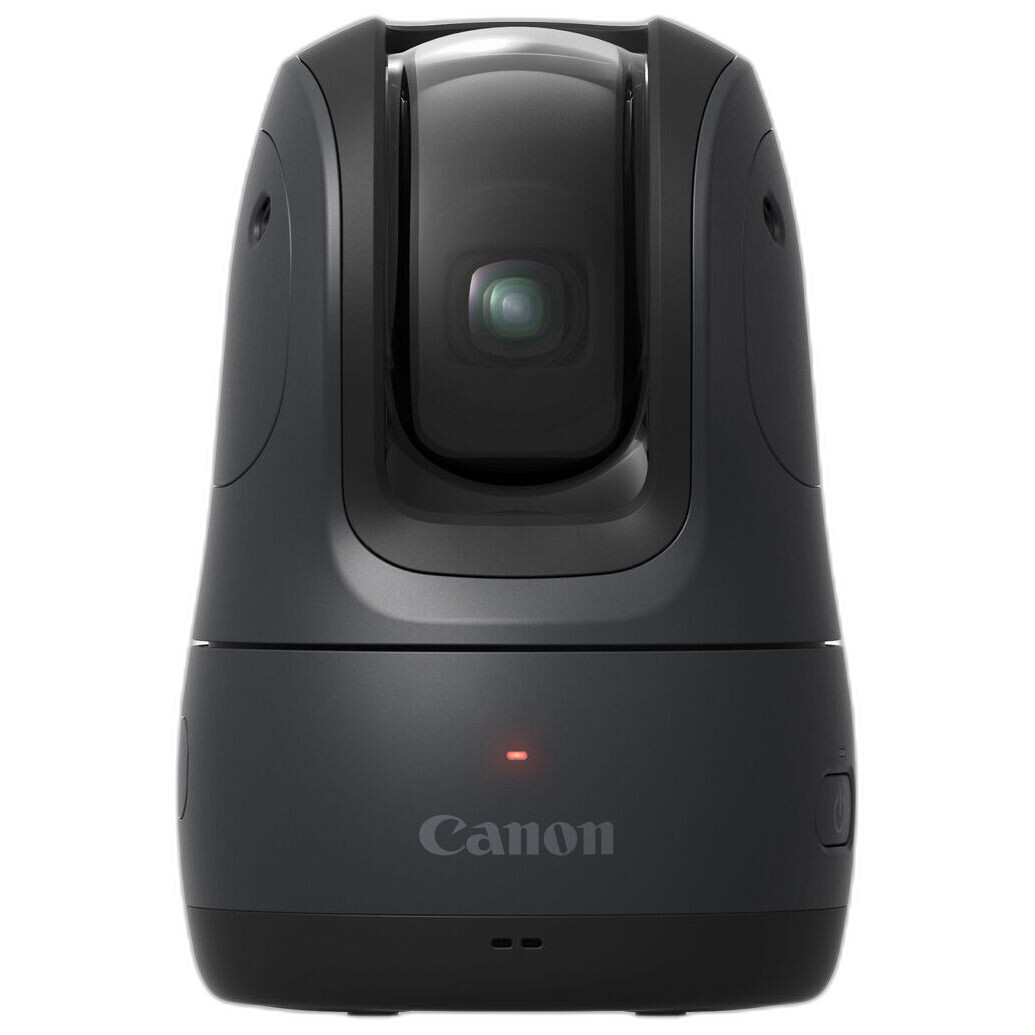
It can, especially if you like to document your workflow or review your own reactions later. A compact, hands-free camera can be useful for recording a print review table, studio setup, or informal critique session without interrupting the process. The Canon PowerShot PICK Active Tracking PTZ Camera is a smart option for photographers who want an easy way to capture behind-the-scenes footage, studio discussions, or personal workflow notes while they curate entries.
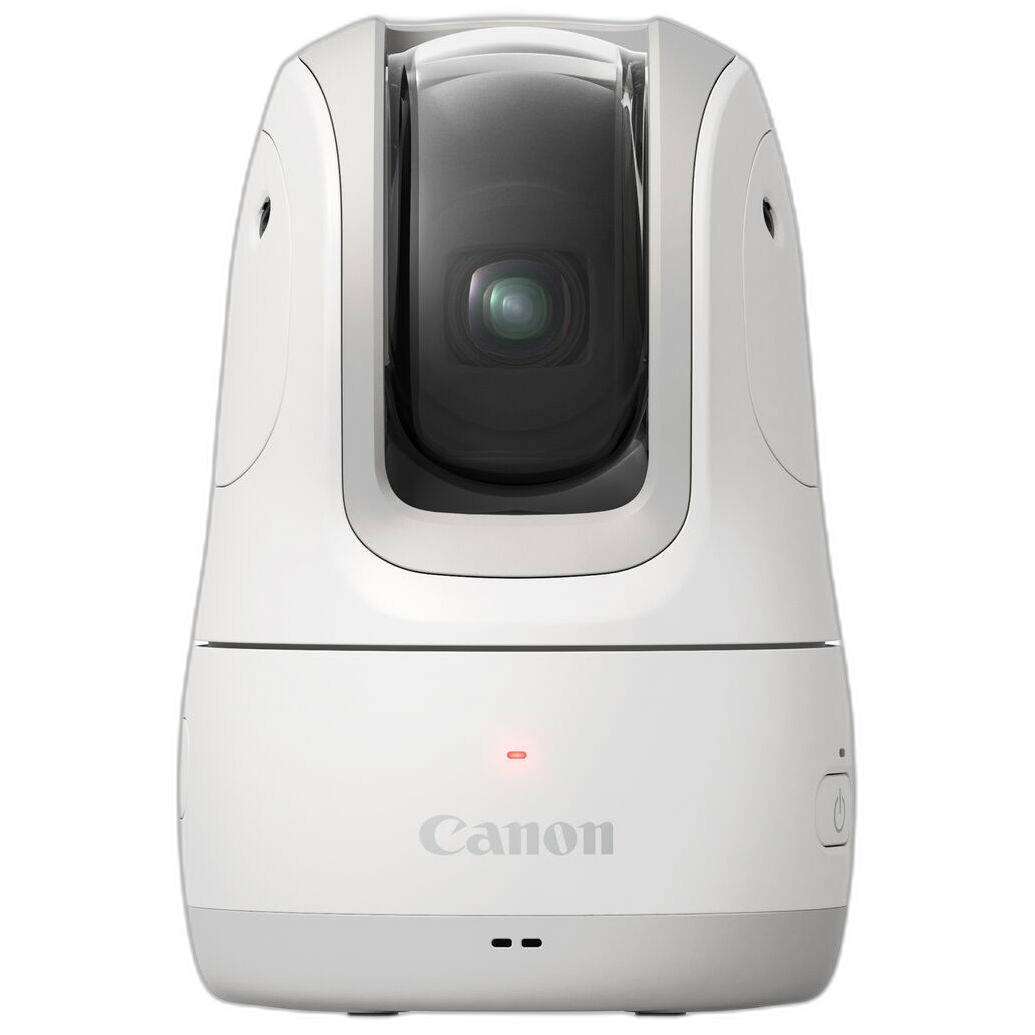
If you prefer a lighter aesthetic for your studio or workspace, the white version offers the same convenience.
What kind of workspace helps when reviewing images for contests?
A clean, organized review area makes curation easier. Whether you are laying out prints, reviewing books for inspiration, or comparing contact sheets, having a stable work surface reduces friction in the process. For photographers involved in reproduction work, archival projects, or print-based editing, studio support equipment such as the Kaiser Table for the 205631 Book Cradle can be helpful in specialized workflows where careful handling and presentation matter.
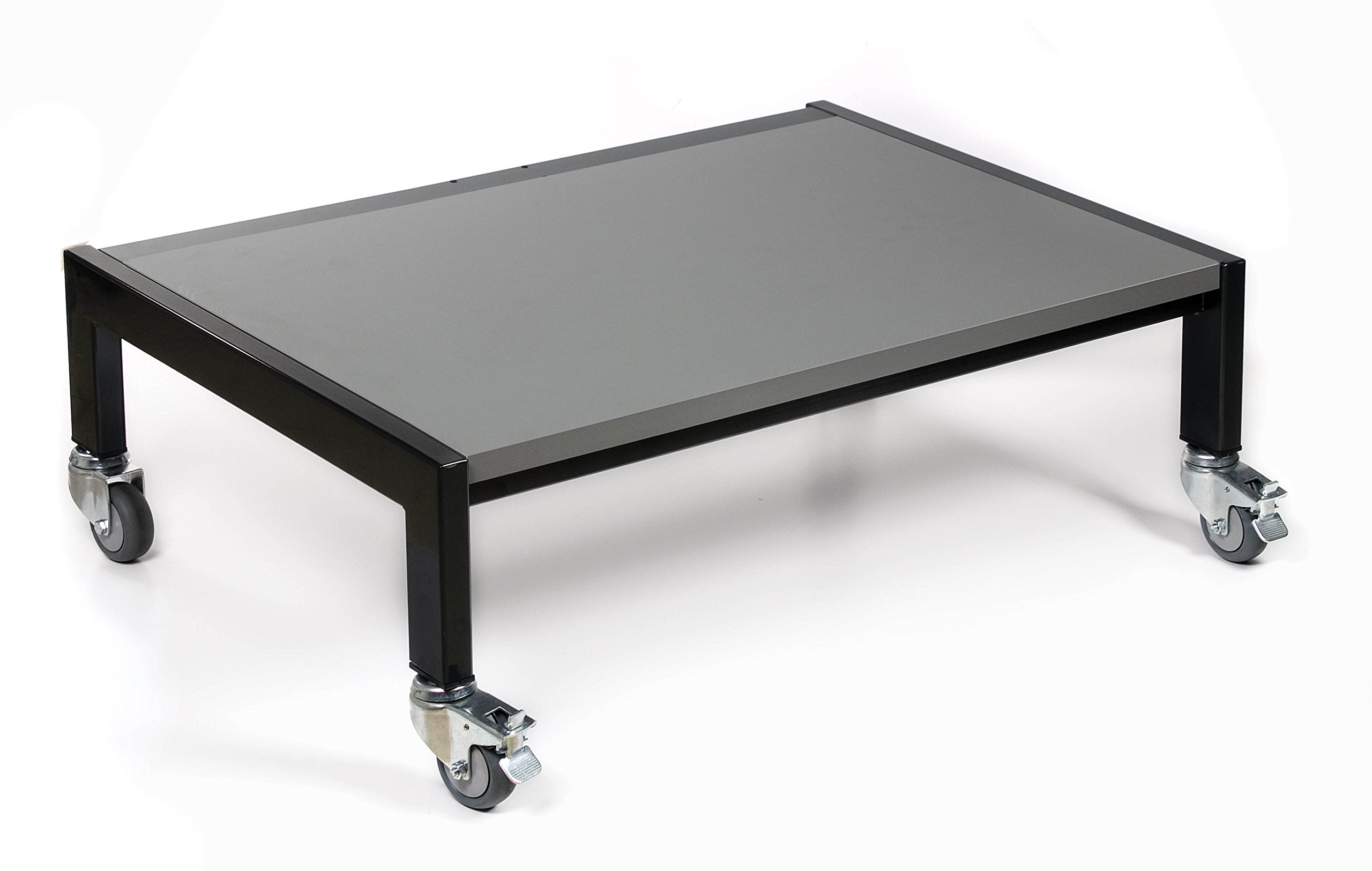
The broader point is simple: make it easy to see your work clearly. Good curation is often the product of a calm environment, not just a sharp eye.
What is the biggest mistake photographers make when selecting an entry?
The most common mistake is choosing the image with the strongest backstory instead of the strongest visual communication. You may remember the effort, travel, timing, or difficulty behind a photograph, but judges only see the final frame. If the image needs explanation to succeed, it may not be the best submission.
Another frequent error is overvaluing uniqueness at the expense of clarity. Originality matters, but if the theme connection is too obscure, the image may not land. The best entries tend to be both distinctive and immediately readable.
Finally, avoid last-minute editing changes just before submission. If you have reached the curation stage, the image should already feel resolved. Small refinements are fine; dramatic reprocessing often introduces new problems.
Choosing a contest image is part art, part editing discipline, and part self-awareness. If you want to refine your printing, studio, or review workflow, Unique Photo has the tools to help you evaluate your work with more confidence—from photo printers to lighting and studio accessories. Explore our gear selection and build a curation process that helps your strongest images rise to the top.