How to Buy Used Camera Gear: Expert FAQ from Unique Photo
Buying used camera gear can stretch your budget, unlock legendary optics, and put specialized tools in your bag—if you know what to look for. Our experts compiled this FAQ to help you evaluate condition, avoid scams, and choose pre-owned equipment with confidence.
Why buy used camera gear instead of new?
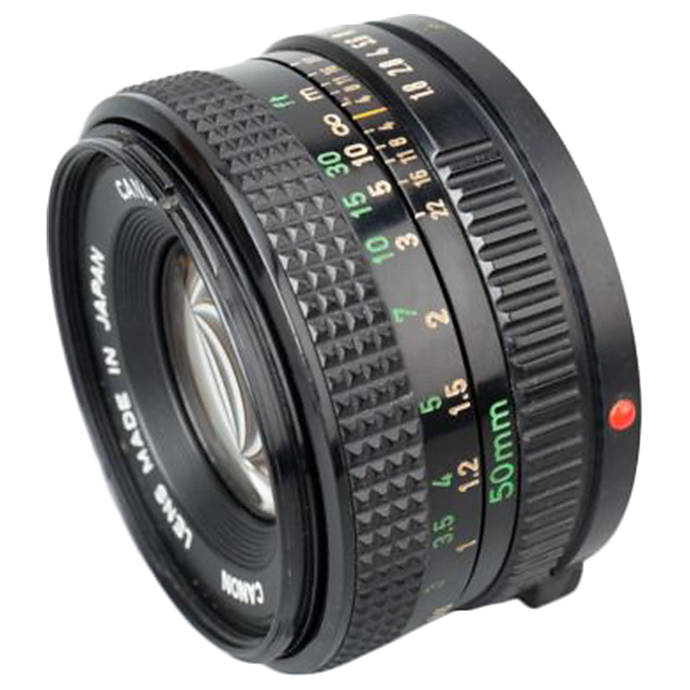
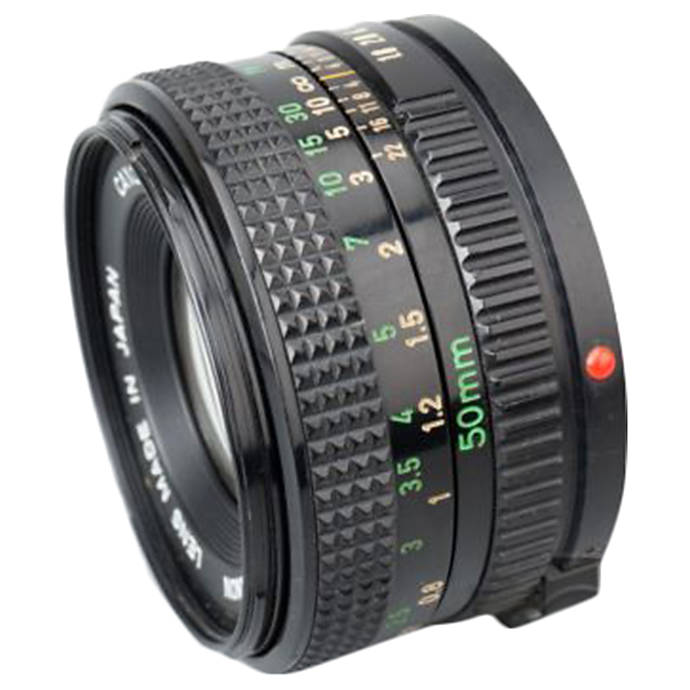
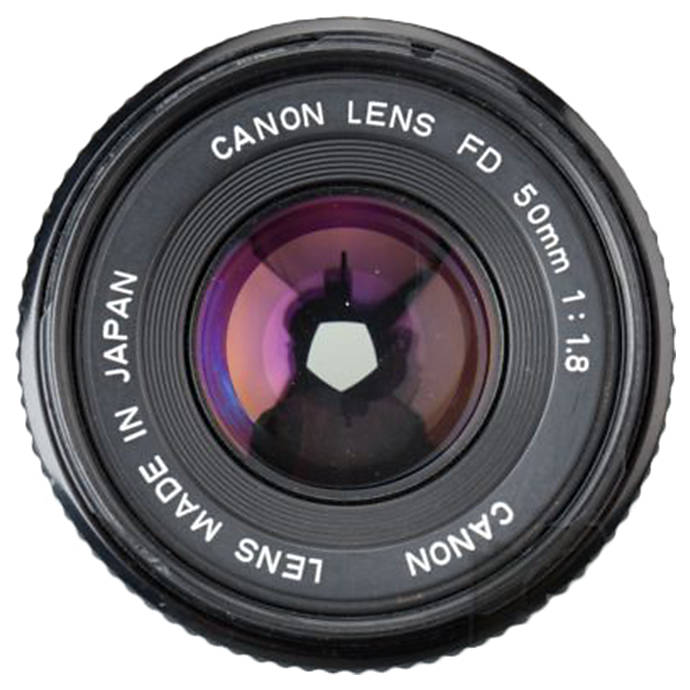
Used gear offers exceptional value, access to discontinued gems, and the freedom to experiment without paying full retail. Classic primes like the Canon FD 50mm f/1.8 are affordable ways to explore manual focus on film bodies or adapted to modern mirrorless (with the proper adapter). At Unique Photo, each used item is carefully graded so you can balance price and condition to suit your needs.
How do I evaluate a used camera body before I buy?
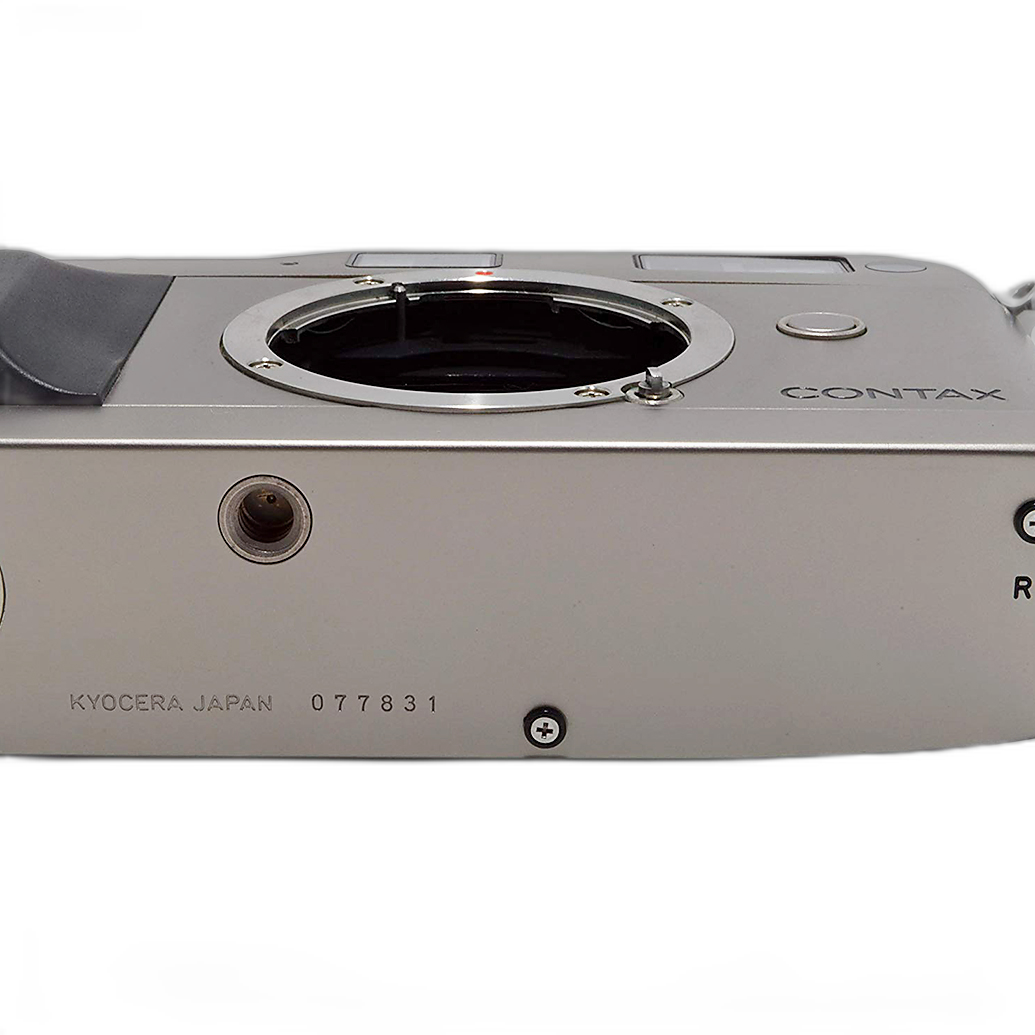
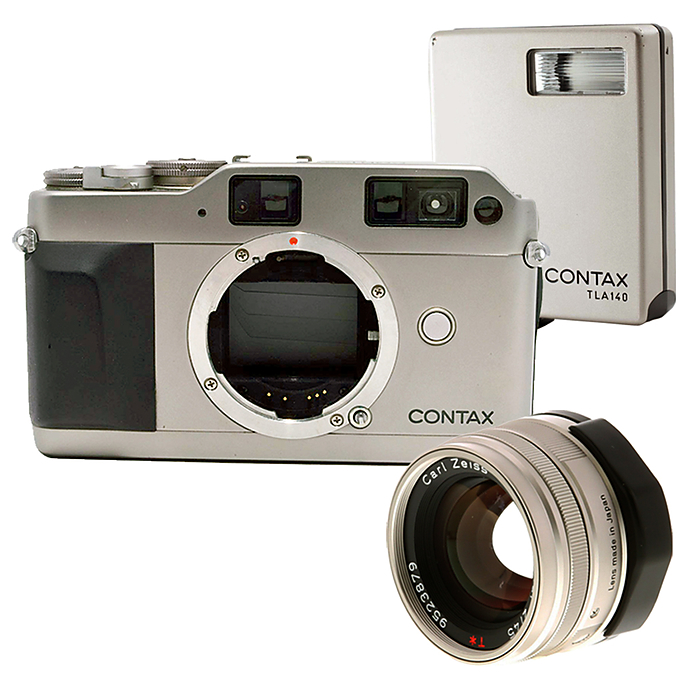
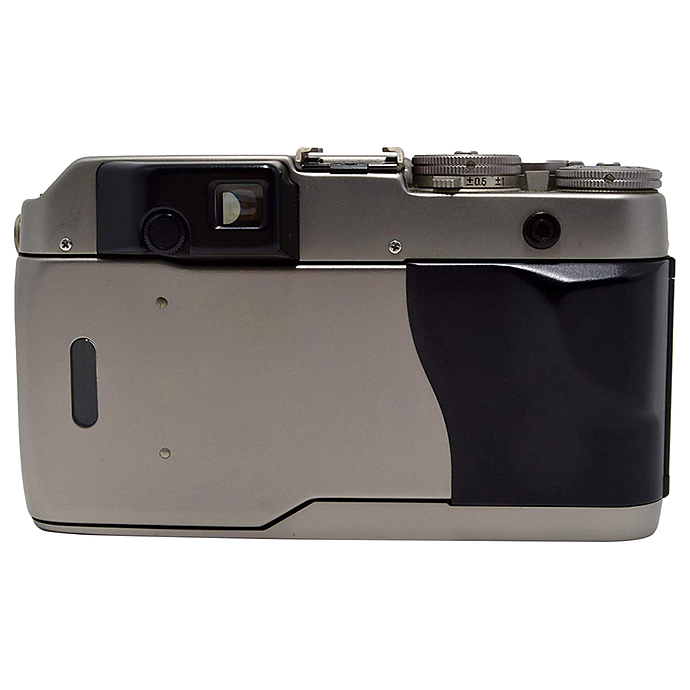
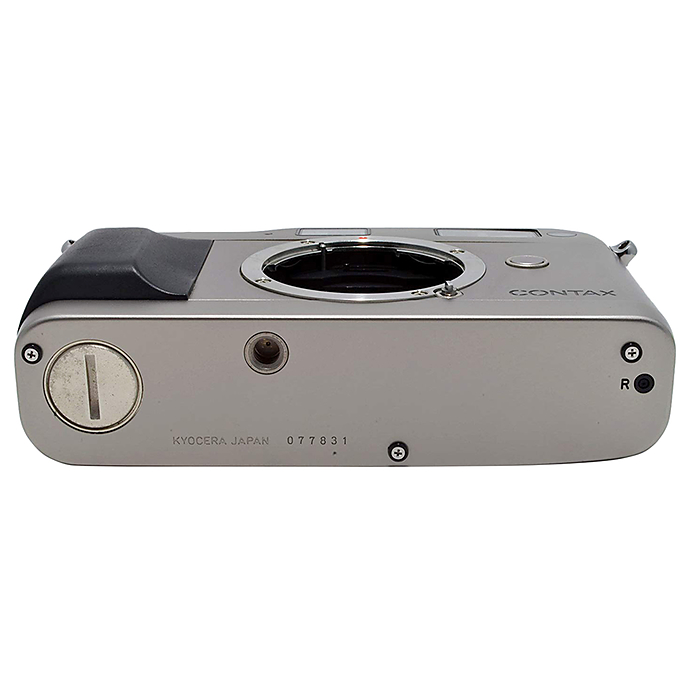
Start with exterior wear to gauge overall care: look for dents, cracked LCDs, loose grips, and corrosion in the battery compartment. Check the mount for play, test all buttons and dials, and inspect the sensor (or mirror box and shutter curtains on film bodies). Take test shots to confirm metering and exposure consistency. If it’s a film camera like the Contax G1 rangefinder, inspect light seals and run through shutter speeds for even operation and accurate timing. Buying from a trusted retailer adds protection because items are inspected and described by technicians.
What should I check on a used lens?
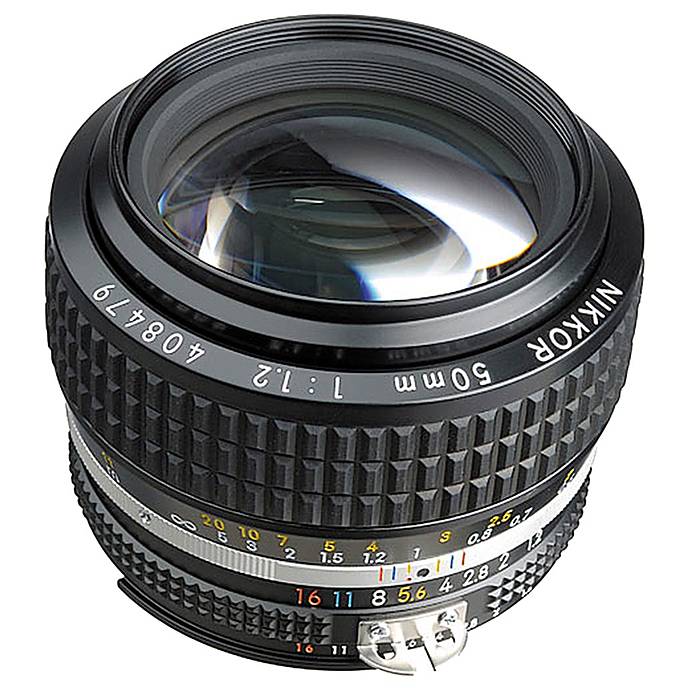
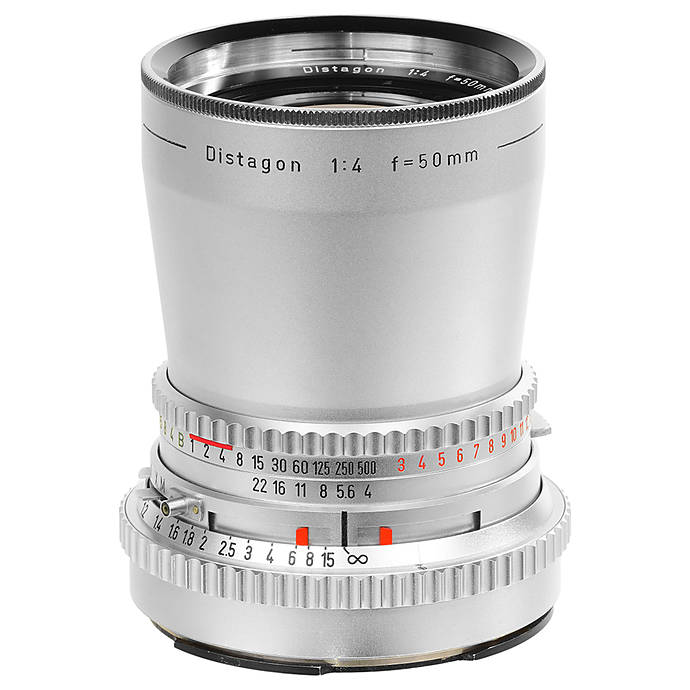
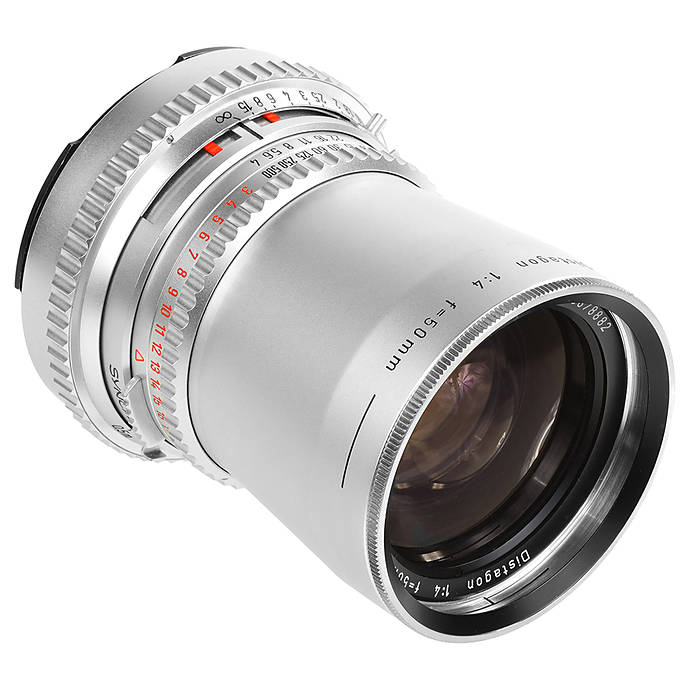
Optically: shine a small light through the lens to look for haze, fungus, separation, or deep scratches. Minor cleaning marks rarely show in images, but haze and separation can reduce contrast. Mechanically: ensure focus and zoom are smooth, the aperture ring clicks positively, and blades are snappy and oil-free. Functionally: on digital bodies, test autofocus and stabilization. For fast manual primes like the Nikon 50mm f/1.2 Ai, verify accurate infinity focus and smooth throw; for medium format glass such as the Hasselblad 50mm f/4 CF T*, check leaf shutter operation (if applicable) and T* coatings for clarity.
What do condition grades like Excellent or Good actually mean?
While every seller’s system varies, our grades are designed to set clear expectations. “Excellent” typically shows minimal cosmetic wear with full functionality—ideal for working pros and collectors. “Good” may show visible signs of use but remains fully operational—great value for everyday shooters. “As-Is” indicates known issues or untested items and is best for tinkerers or parts buyers. Compare the listing photos and description to the grade, and when possible, handle the item in-store to confirm it meets your standards.
How can I avoid scams and ensure I’m buying from a reputable source?
Stick with established retailers who inspect gear, clearly grade condition, and provide purchase support. Scrutinize listings for complete photos, accurate serials, and realistic pricing. Avoid sellers who refuse basic tests or rush for off-platform payment. When meeting locally, test the gear thoroughly in a safe, well-lit place. Buying from Unique Photo means your purchase is backed by expert evaluation and a straightforward return process for added peace of mind.
What tests can I do in-store to verify a lens or body on the spot?
Bring a formatted memory card and a fully charged battery for your camera. For lenses, shoot a detailed subject wide open and stopped down to check sharpness and decentering; review at 100% for uneven corners. For bodies, test every shutter speed, burst mode, and autofocus modes (single/continuous), and confirm port and slot functionality. With compact mirrorless kit lenses like the Canon EF-M 15–45mm IS STM, test stabilization on and off, zoom creep, and AF accuracy at both ends of the zoom.

Will this used gear fit my camera, and what about adapting?
Confirm mount compatibility before you buy. Native lenses like Canon EF-M 15–45mm fit EF-M mirrorless bodies without adapters. Manual-focus classics such as Canon FD or Nikon Ai lenses can often be adapted to modern mirrorless systems with simple mechanical adapters (metering and AF functions vary). Some systems—like the Contax G mount—require specialized adapters and may have limitations. When in doubt, ask our staff to check flange distance, adapter availability, and functional trade-offs (focus direction, EXIF, stabilization).
What accessories should be included, and do they affect value?
Original caps, hoods, batteries, chargers, straps, and cases add value and convenience. Missing essentials can reduce the price but plan to budget for replacements (for example, a proprietary charger or uncommon hood). Flash units included with a camera, such as a compact TTL flash, are a bonus—verify operation and compatibility with your system. Always review the listing’s “Included” section so there are no surprises.
How do I judge a fair price on a used item?
Compare prices across reputable retailers for the same model and condition, factor in accessories, and consider market demand. Specialty or collectible items may command premiums even with cosmetic wear, while common kit lenses should be priced more modestly. Condition, functionality, and seller support all influence fair value—sometimes paying a little more to buy from a trusted source saves money in the long run.
Ready to shop smart? Explore Unique Photo’s curated selection of tested, graded used cameras and lenses online or visit our New Jersey superstore to handle items in person. Our team will help you find the right fit, answer compatibility questions, and make sure you leave confident in your purchase.