Sony’s Lens Compare Beta is a genuinely useful idea: narrow down lens choices by shooting style, focal length, and priorities, then get pointed toward a likely fit. But like any recommendation tool, its value depends on how closely its suggestions match real-world use. After a hands-on look at the kinds of lenses photographers actually cross-shop, the takeaway is simple: the recommendations can be impressively helpful, but they’re most accurate when you understand what the tool is really comparing—and what it can’t know about your personal shooting habits.
If you’re trying to decide whether the Beta is steering you in the right direction, these practical tips will help you read its suggestions more critically and shop smarter.
1. Start by asking whether the recommendation matches your shooting style
Use-case accuracy matters more than spec-sheet accuracy
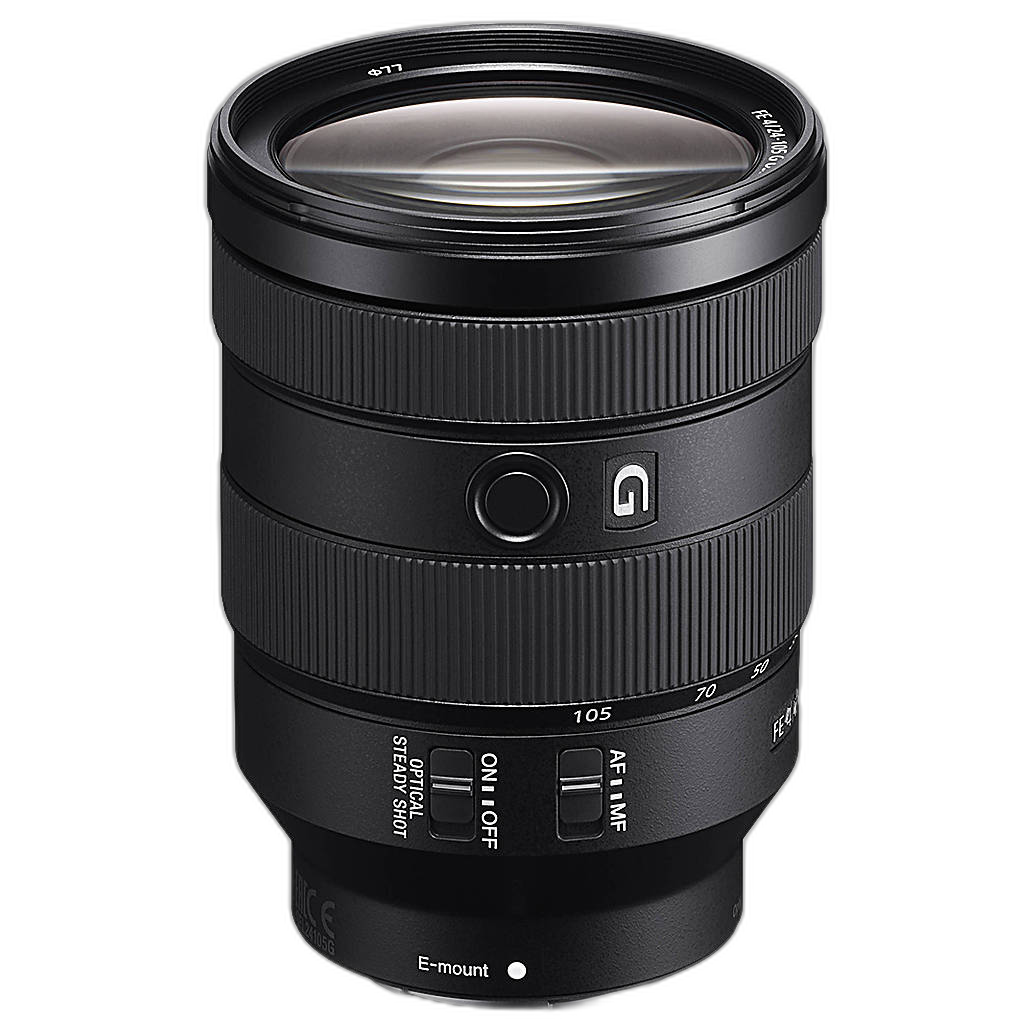
A lens recommendation can be technically correct and still be wrong for you. For example, if the tool points you toward an ultra-wide option like the Sony FE 12-24mm f/2.8 GM Lens, that may be a great fit for architecture, interiors, dramatic landscapes, and video work where immersive perspective matters. But if your day-to-day shooting is travel, portraits, events, and casual walkaround photography, a more general-purpose zoom like the Sony FE 24-105mm f/4 G OSS Lens may be the more accurate recommendation in practice.
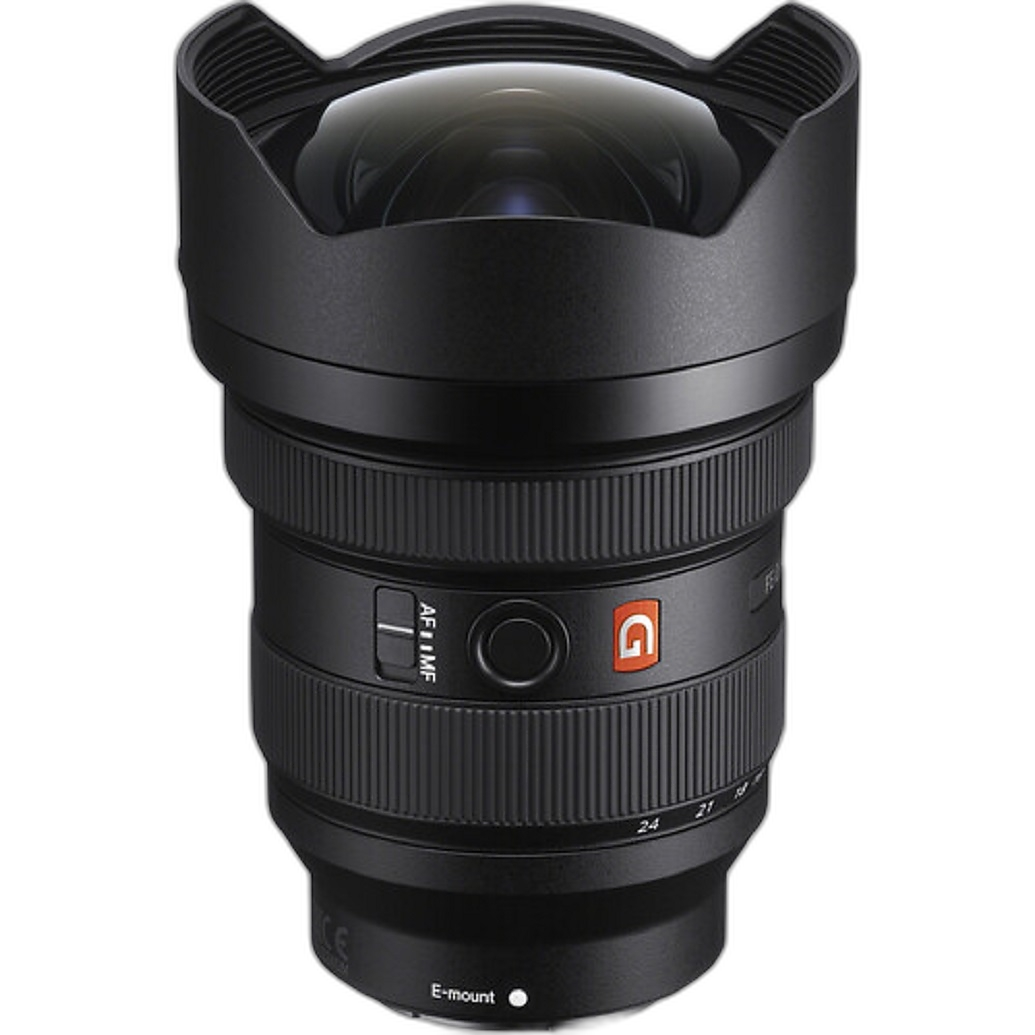
That’s the first test for Sony Lens Compare Beta: does it understand your intent, not just your interest in a focal length? A 12-24mm lens and a 24-105mm lens can both be excellent, but they solve very different problems.
2. Treat focal length suggestions as a starting point, not a final answer
Wide, standard, and all-in-one lenses create different compromises
One of the most useful parts of any comparison tool is helping you visualize where a lens sits in a lineup. Still, recommendations become more accurate when you think in terms of tradeoffs. The Sony FE 12-24mm f/2.8 GM Lens gives you premium speed and a dramatic field of view, but it’s specialized. The Sony FE 24-105mm f/4 G OSS Lens covers a much more everyday range, making it easier to leave on the camera for an entire outing.
To judge how accurate the Beta is, ask yourself:
- Do I often wish I could go much wider?
- Do I regularly zoom past 35mm, 50mm, or 70mm?
- Am I buying for one specialty job or for the way I shoot every week?
Recommendation engines are best when they guide you toward a category. Your real choice still depends on whether you value range, speed, size, or specialization.
3. Pay attention to whether the tool favors versatility over excellence
Sometimes the “best match” is simply the safest match
In hands-on use, recommendation tools often lean toward the lens that will satisfy the broadest number of users. That usually makes sense. A lens like the Sony FE 24-105mm f/4 G OSS Lens is a classic example of a safe, sensible pick because it covers landscapes, portraits, documentary work, and travel without asking you to swap lenses often.
But that doesn’t mean it’s the most exciting or best optical fit for a specific niche. If your work is heavily weighted toward ultra-wide dramatic compositions, the Sony FE 12-24mm f/2.8 GM Lens may be the more accurate recommendation even if it feels less versatile on paper. In other words, if the Beta keeps suggesting the practical middle-ground option, that doesn’t necessarily mean it’s wrong—it may just be optimizing for the average user.
4. Compare the recommendation against lenses outside the Sony ecosystem for perspective
Cross-brand thinking helps you understand what the tool values
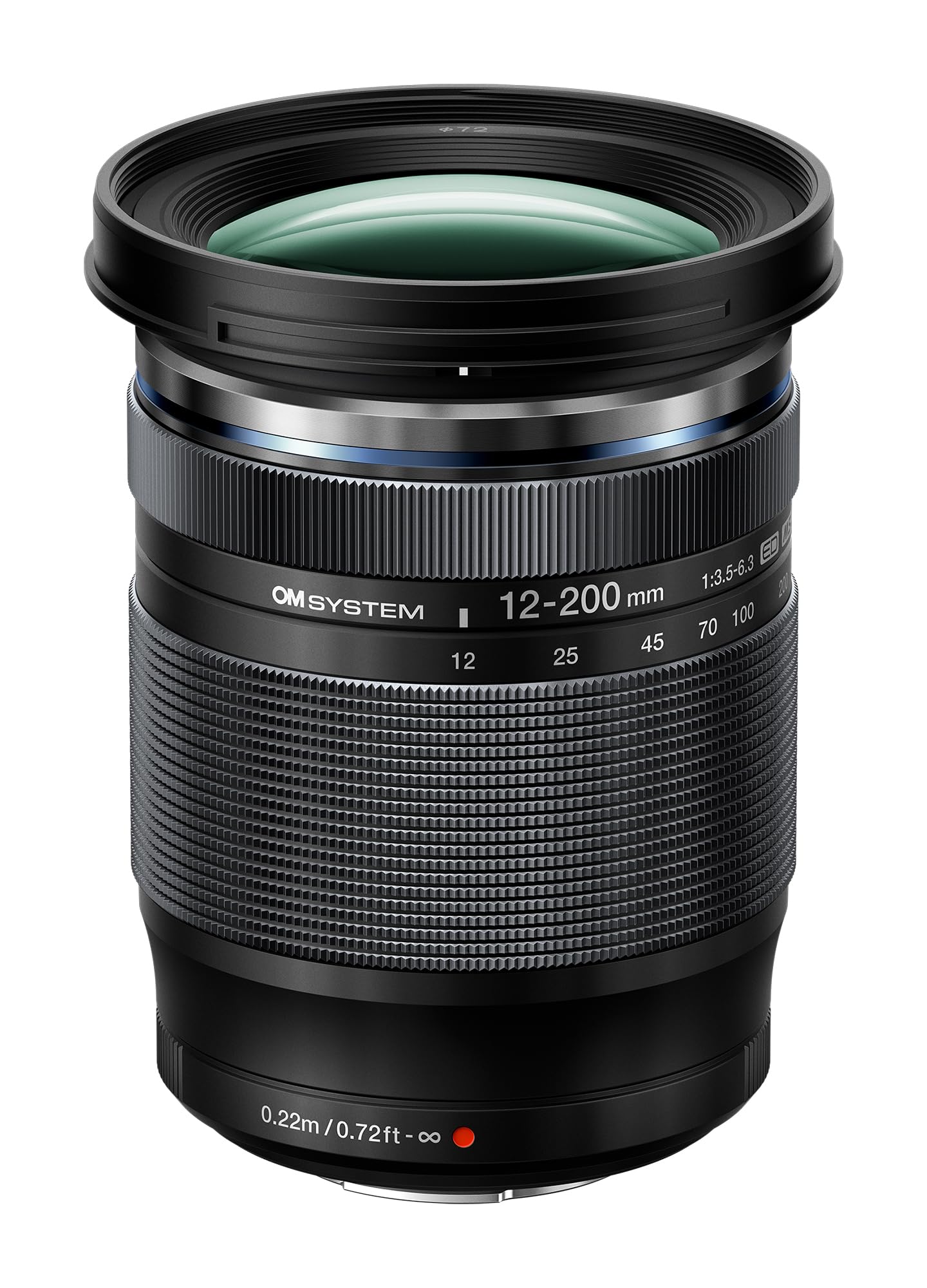
Even though Sony Lens Compare Beta is focused on Sony choices, it helps to think about how similar buying logic appears in other systems. An all-in-one lens such as the OM SYSTEM M.Zuiko Digital ED 12-200mm f/3.5-6.3 Lens represents the extreme end of convenience. It prioritizes range and simplicity over the kind of bright aperture or specialized rendering you’d expect from a premium Sony G Master lens.
Likewise, a lens like the Zeiss 28mm f/1.4 OTUS Manual Focus Lens for Nikon ZF.2 sits at the opposite end of the spectrum: highly specialized, premium, and less about convenience than image character and precision. Thinking this way helps reveal whether Sony’s Beta is recommending based on flexibility, speed, optical ambition, or likely purchase practicality.
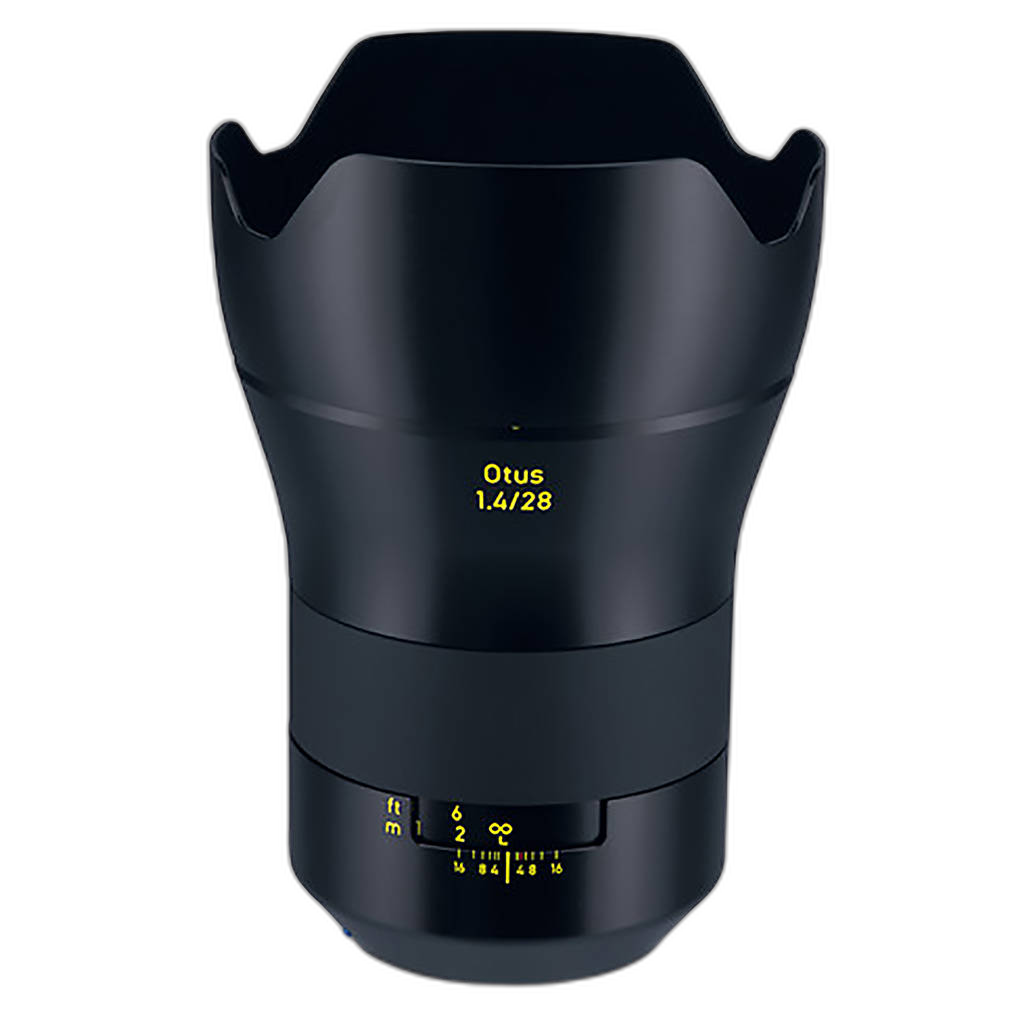
That perspective makes the Beta easier to interpret. It’s not just choosing a lens—it’s choosing a philosophy of shooting.
5. Don’t ignore the importance of handling and real-world usability
A recommendation is only accurate if the lens fits how you work in the field
This is where many comparison tools hit their limit. They can estimate needs based on focal length, aperture, and feature set, but they can’t fully predict whether a lens feels right on your camera for a long shooting day. If you’re someone who values a one-lens solution, the Sony FE 24-105mm f/4 G OSS Lens often feels more practical in daily use than carrying a specialty ultra-wide. On the other hand, if your photography depends on striking perspective, the size and commitment of the Sony FE 12-24mm f/2.8 GM Lens may be completely justified.
This is also why many photographers still enjoy experimenting with older or manual options. A lens like the Used Canon FD 50mm f/1.8 Lens - Good reminds us that the shooting experience itself—focus feel, pacing, visual character—can influence satisfaction just as much as a recommendation algorithm.
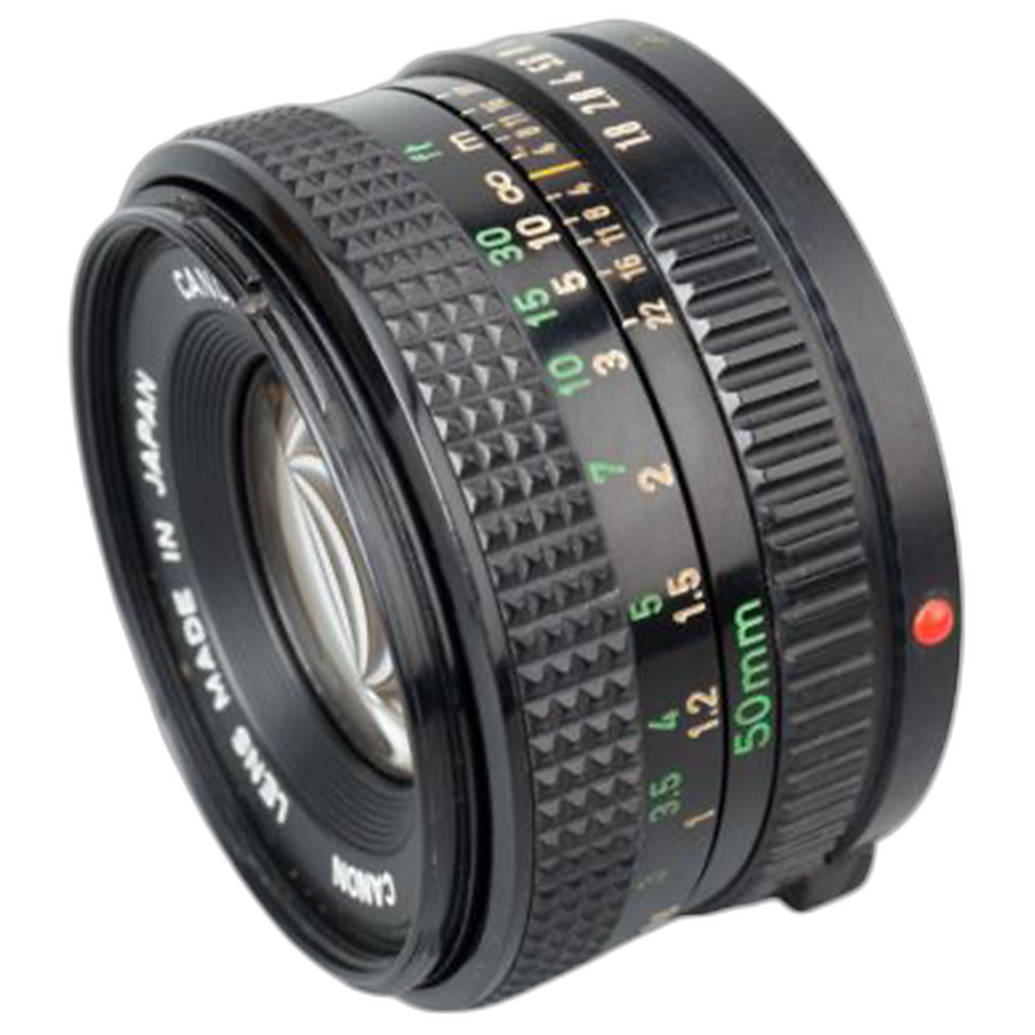
If the Beta’s suggestion looks right on paper, the next question is whether it suits your workflow in your hands.
6. Use the Beta to narrow choices, then verify with image goals
Ask what kind of pictures you want to come home with
A strong recommendation should help you imagine your final images more clearly. If your goal is expansive foreground-to-background storytelling, the Sony FE 12-24mm f/2.8 GM Lens is likely a very accurate suggestion. If your goal is to move from wide environmental shots to tighter documentary or portrait-style frames without changing lenses, the Sony FE 24-105mm f/4 G OSS Lens may be the smarter result.
That distinction sounds obvious, but it’s exactly how to measure the usefulness of a recommendation tool. Don’t just ask, “Is this lens good?” Ask, “Will this lens help me make the pictures I actually want next weekend?”
7. Remember that accessories and system context still matter
Lens recommendations don’t exist in isolation
One subtle limitation of comparison tools is that they rarely account for the rest of your setup. Hood design, filters, stabilization needs, bag space, tripod support, and even the way you travel all affect whether a recommendation feels right. While an accessory like the Canon ES-22 Lens Hood for EF-M 28mm f/3.5 Macro IS STM Lens is from another system entirely, it’s a good reminder that a lens purchase is rarely just about focal length. Usability often comes from the complete shooting package.
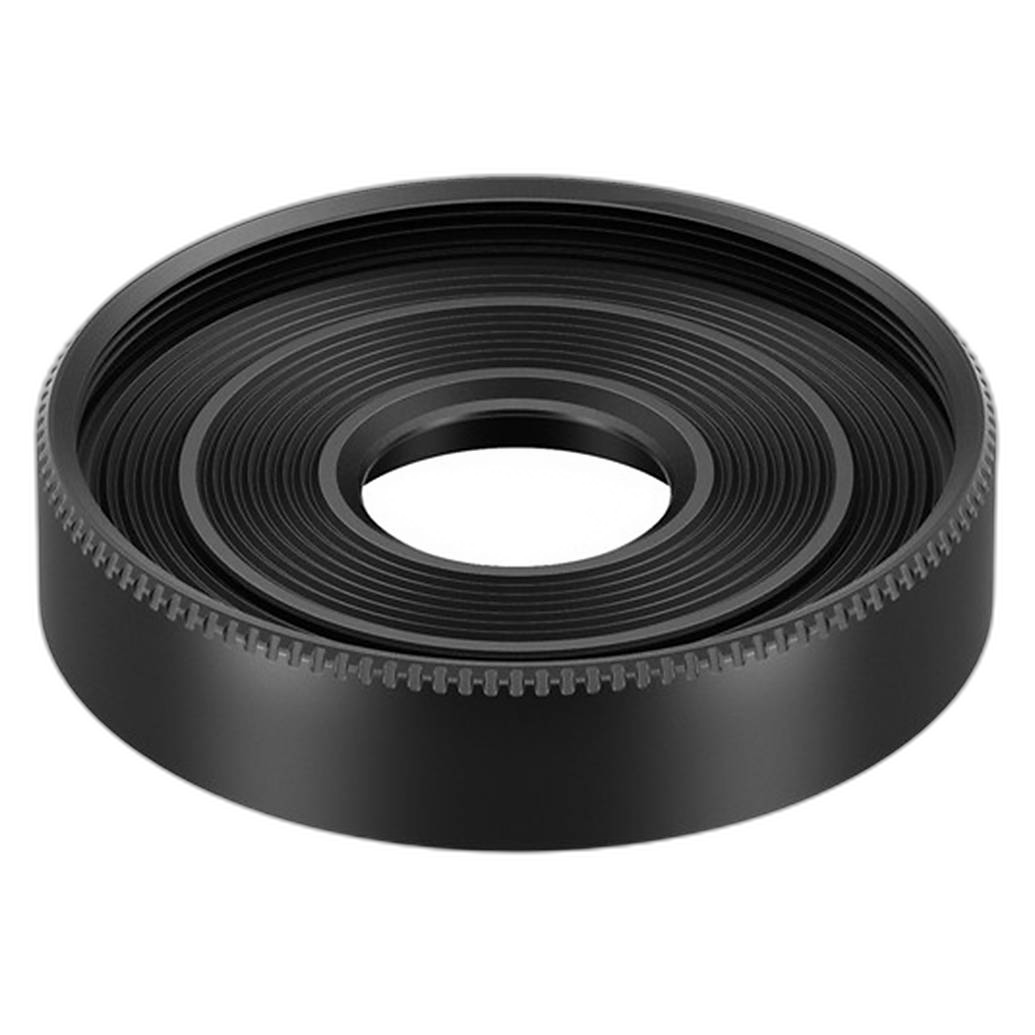
So if Sony Lens Compare Beta suggests a lens that seems perfect, make sure it also fits the way you carry, protect, and use your gear in the real world.
Conclusion
So, how accurate are the recommendations in Sony Lens Compare Beta? In our impression: fairly accurate when your needs are straightforward, less definitive when your priorities are highly personal or specialized. It does a good job of pointing photographers toward sensible matches like the Sony FE 24-105mm f/4 G OSS Lens for broad everyday use or the Sony FE 12-24mm f/2.8 GM Lens for creators who clearly need ultra-wide performance. The key is to treat the tool as a guide, not a verdict.
If you’re comparing Sony lenses and want to go beyond the algorithm, spending time with real product listings, specs, and expert guidance can make all the difference. Explore your options at Unique Photo, where you can dig deeper into lenses, compare gear thoughtfully, and choose the setup that genuinely fits the way you shoot.