If you photograph birds in flight, mammals at dawn, or fast-moving wildlife in unpredictable conditions, the mirrorless-versus-DSLR debate is more than internet chatter—it directly affects how many keepers you bring home. Wildlife photographers tend to care most about four things: autofocus performance, battery life, lens selection, and durability. While many experienced shooters still respect DSLR strengths, today’s mirrorless systems have made major gains in subject detection, frame rates, and portability.
This guide is for wildlife photographers who want practical buying advice based on real field priorities rather than spec-sheet hype. Since the products available here are mirrorless options, we’ll focus on how modern mirrorless bodies stack up against traditional DSLR expectations, and which models make the most sense for different wildlife shooting styles.
Mirrorless vs DSLR for Wildlife: The Core Differences
Autofocus: Mirrorless cameras now lead in subject recognition for birds, animals, and eye detection. For erratic subjects, this can be a major advantage over older DSLR AF systems, especially when tracking across the frame.
Battery life: DSLRs still traditionally hold an edge because optical viewfinders consume less power. Mirrorless bodies require more battery management, especially during long stakeouts or cold-weather sessions.
Lens selection: DSLRs built their reputations on years of telephoto lens development. Mirrorless systems have rapidly caught up, but your best experience depends on whether your chosen mount offers the long lenses and converters you need.
Durability and field use: Many wildlife photographers still appreciate DSLR-like ergonomics, deep grips, and robust pro bodies. That said, several mirrorless cameras now offer strong weather resistance and lighter carrying weight for long hikes.
What Wildlife Photographers Should Prioritize
| Priority | Why It Matters | Mirrorless Advantage | Traditional DSLR Advantage |
|---|---|---|---|
| Autofocus Tracking | Critical for birds in flight and unpredictable animals | Advanced AI subject detection and frame-wide tracking | Pro DSLR AF remains reliable in proven systems |
| Battery Life | Important during long waits in blinds or remote locations | Improving, but often requires spare batteries | Usually better endurance per charge |
| Lens Ecosystem | Telephoto options define wildlife capability | Growing native lens support and adapter flexibility | Long-established telephoto lens catalogs |
| Portability | Useful for hiking, travel, and handheld shooting | Typically smaller and lighter systems | Larger bodies can balance big lenses well |
| Durability | Wildlife work often involves dust, moisture, and cold | Many modern bodies are well sealed | Pro DSLRs have a long reputation for ruggedness |
Our Pick
Best overall wildlife choice here: Sony a7R VI Mirrorless Camera. For photographers prioritizing autofocus intelligence, high-resolution cropping flexibility, and a modern mirrorless feature set, this is the strongest fit in this group. Wildlife shooters often need to crop heavily when subjects are distant, and a high-resolution body with advanced tracking can be a powerful combination.
Recommended Cameras for Wildlife Photographers
Sony a7R VI Mirrorless Camera
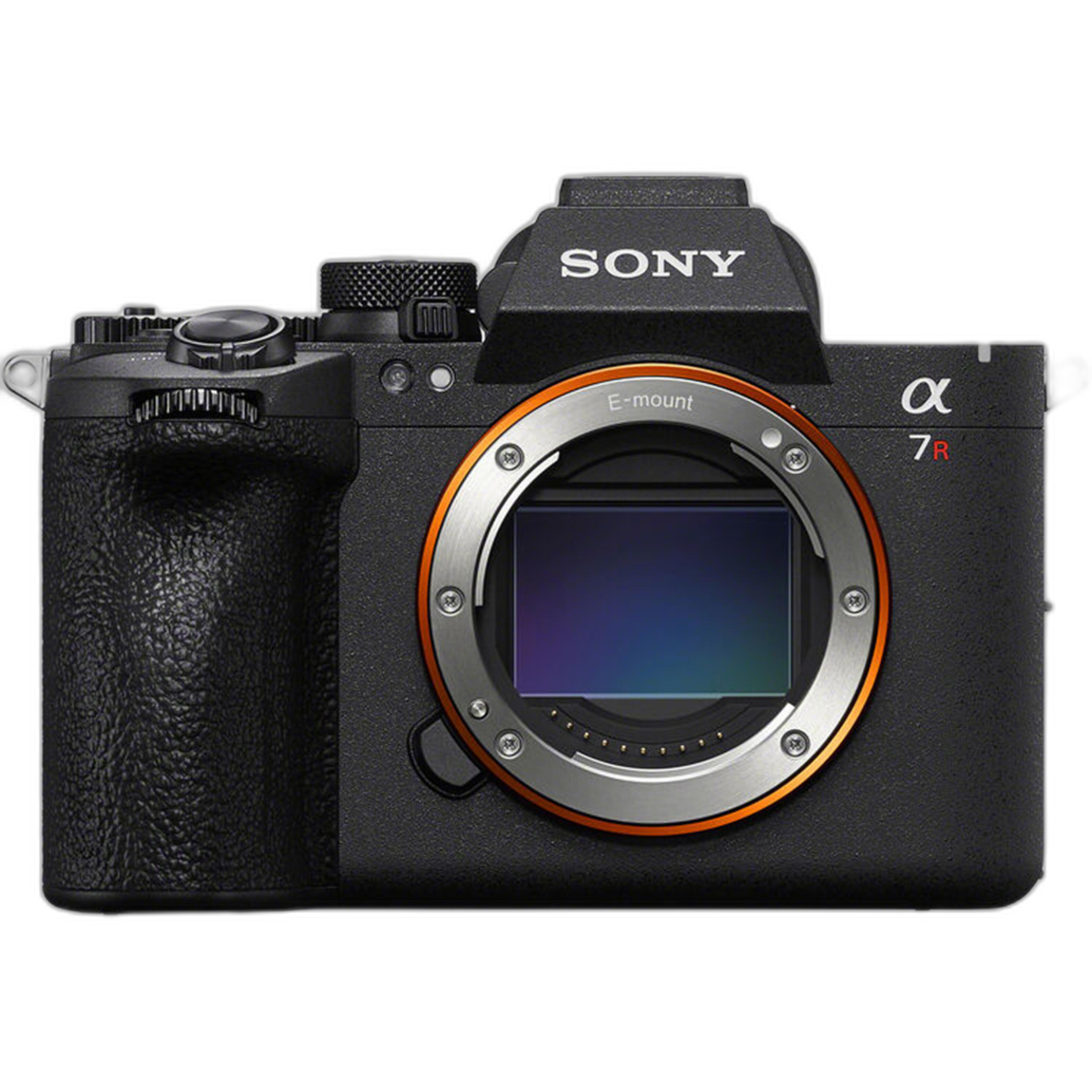
The Sony a7R VI stands out for wildlife photographers who want top-tier mirrorless autofocus and the freedom to crop aggressively without giving up detail. That combination is especially valuable for birding and distant wildlife where even long lenses may not fill the frame.
Why it works for wildlife: Sony’s mirrorless ecosystem is highly respected for subject detection and tracking performance. For fast-moving wildlife, that can mean more consistent focus on eyes and heads, even during erratic motion. It also benefits photographers who shoot a mix of wildlife and landscapes and want one high-end body for both.
Best for: Serious enthusiasts and advanced shooters who want premium autofocus and high resolution in a modern mirrorless system.
Trade-off: As with many high-performance mirrorless bodies, battery planning is still important compared to classic DSLR expectations.
Used Fair Canon EOS R3 Mirrorless Digital Camera (Body Only)

If your wildlife shooting demands a more professional body style with speed-oriented handling, the used Canon EOS R3 is one of the most compelling options listed. It is the kind of camera that appeals to photographers who historically loved pro DSLRs for their grip, control layout, and durability, but now want mirrorless autofocus advantages.
Why it works for wildlife: This is the mirrorless type of body that can ease the transition for long-time DSLR shooters. Its pro-oriented design makes sense for action-heavy fieldwork, and Canon’s animal-focused autofocus technologies are especially attractive for birds and mammals.
Best for: Experienced wildlife photographers who want speed, confidence, and a pro-body shooting experience in mirrorless form.
Trade-off: It is a used option, so condition and long-term battery health should be part of your decision process.
OM SYSTEM OM-5 Mirrorless Camera (Silver, Body Only)
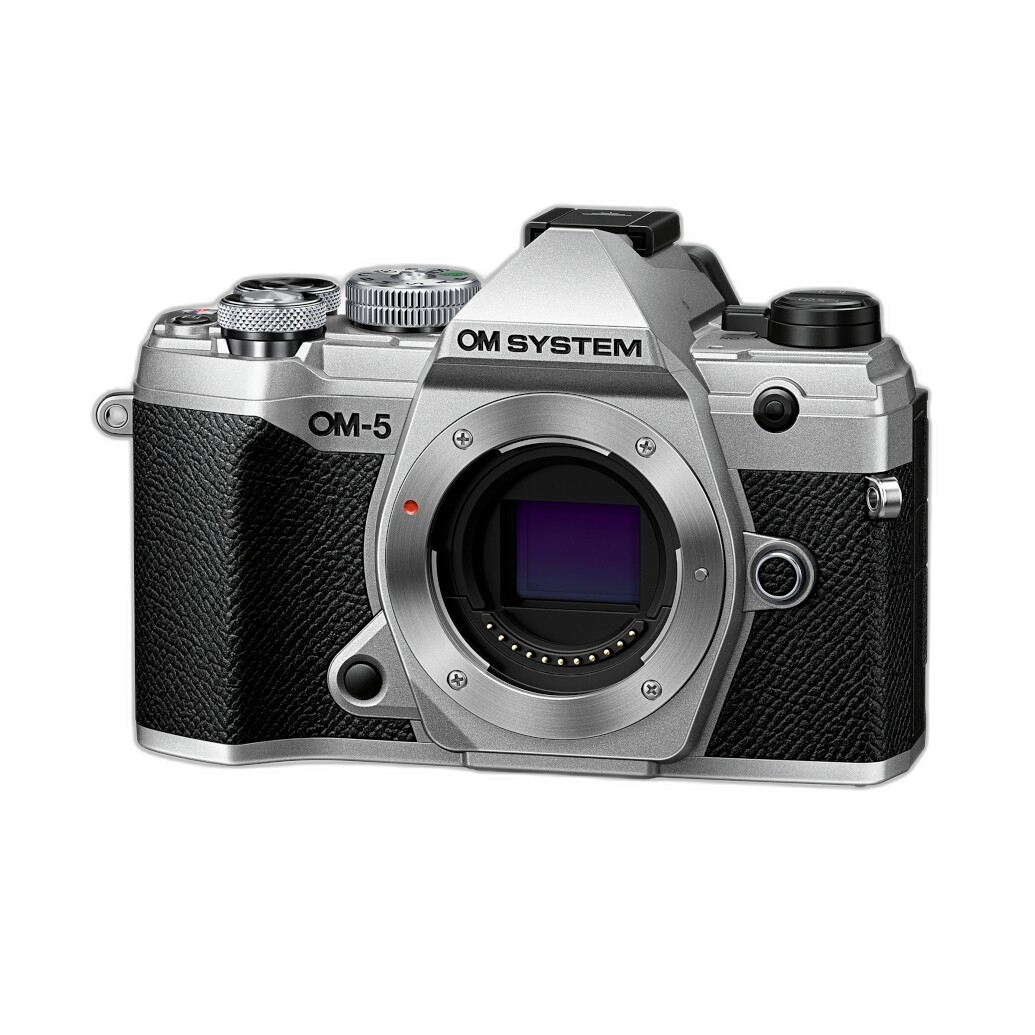
The OM SYSTEM OM-5 is a smart choice for wildlife photographers who hike long distances, travel frequently, or prioritize a lightweight field kit. Smaller systems can be especially appealing when paired with telephoto lenses that keep the entire setup manageable over a full day outdoors.
Why it works for wildlife: Portability matters more than many photographers expect. If a lighter setup gets you farther down the trail or lets you stay ready longer, that translates into more opportunities. OM SYSTEM cameras are also known for outdoor-friendly design, making them attractive for nature work.
Best for: Travel wildlife photographers, hikers, and nature shooters who want a compact mirrorless setup.
Trade-off: If you regularly shoot in very low light or want the largest possible files for deep cropping, larger-sensor alternatives may be more appealing.
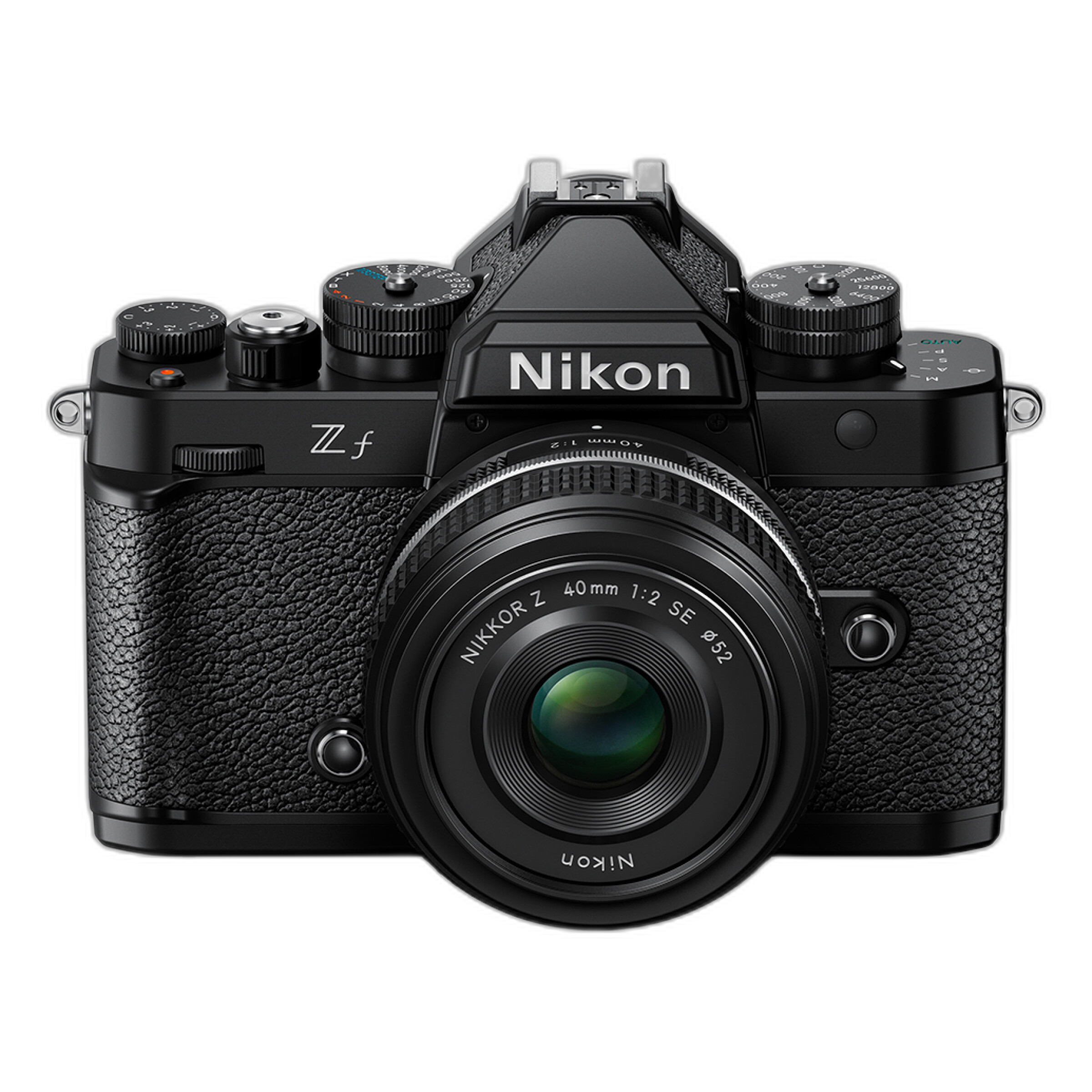
Used Nikon Zf Mirrorless Camera with 40mm f/2 SE Lens - Excellent
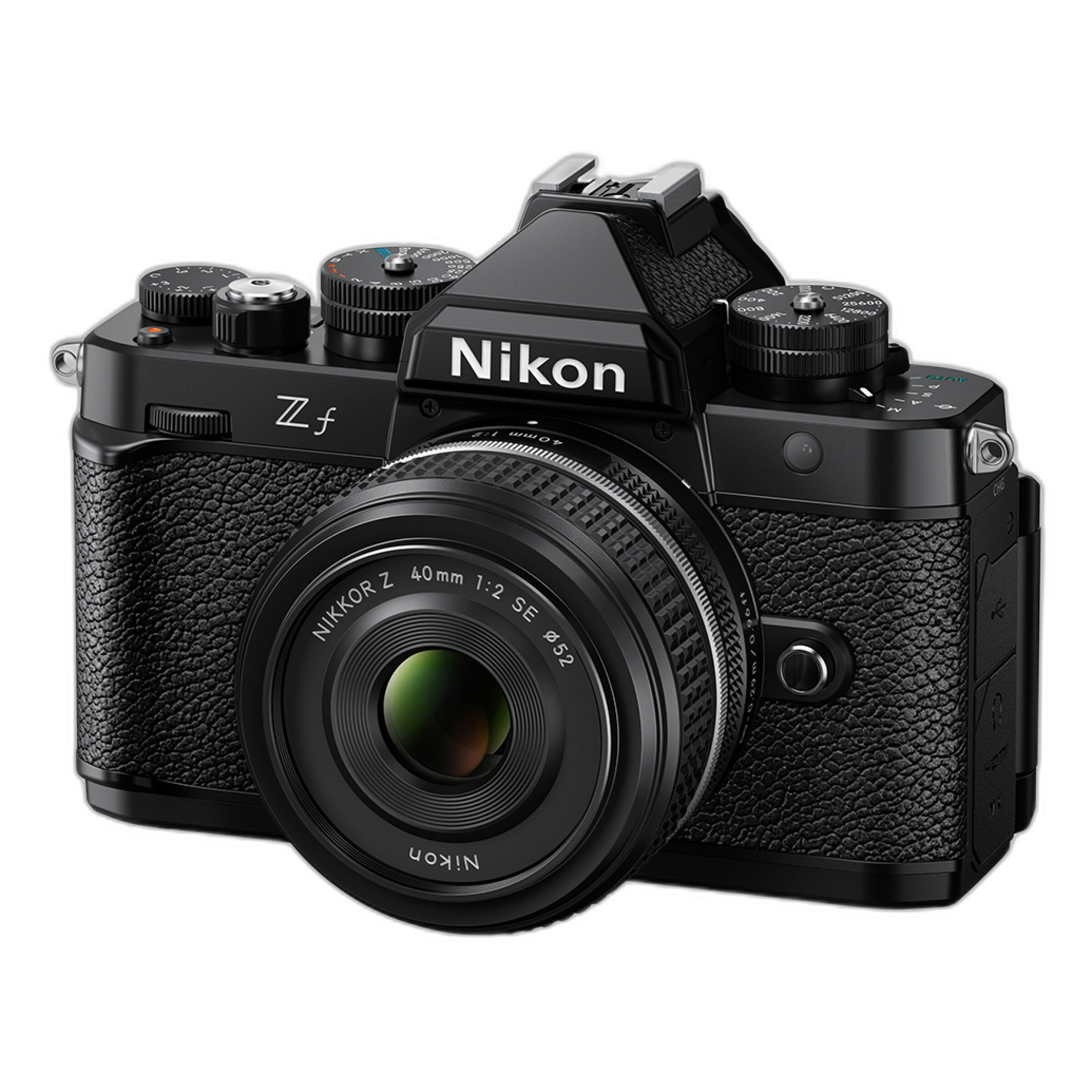
The Nikon Zf is not a conventional wildlife-first recommendation, especially with a bundled 40mm lens, but it can still appeal to photographers who split their time between wildlife, travel, and everyday shooting. It offers a stylish body and modern mirrorless performance for users entering or expanding within Nikon’s Z system.
Why it works for wildlife: As a gateway into Nikon mirrorless, it can make sense for shooters planning to build toward longer Z-mount lenses over time. If wildlife is only one part of your photography mix, the Zf may offer broader lifestyle value than a pure specialist body.
Best for: Hybrid shooters who want Nikon mirrorless performance and plan to add telephoto glass later.
Trade-off: The included 40mm lens is not a wildlife lens, so budget for telephoto expansion if wildlife is your priority.
Used Panasonic LUMIX S9 Mirrorless Camera (Body Only)
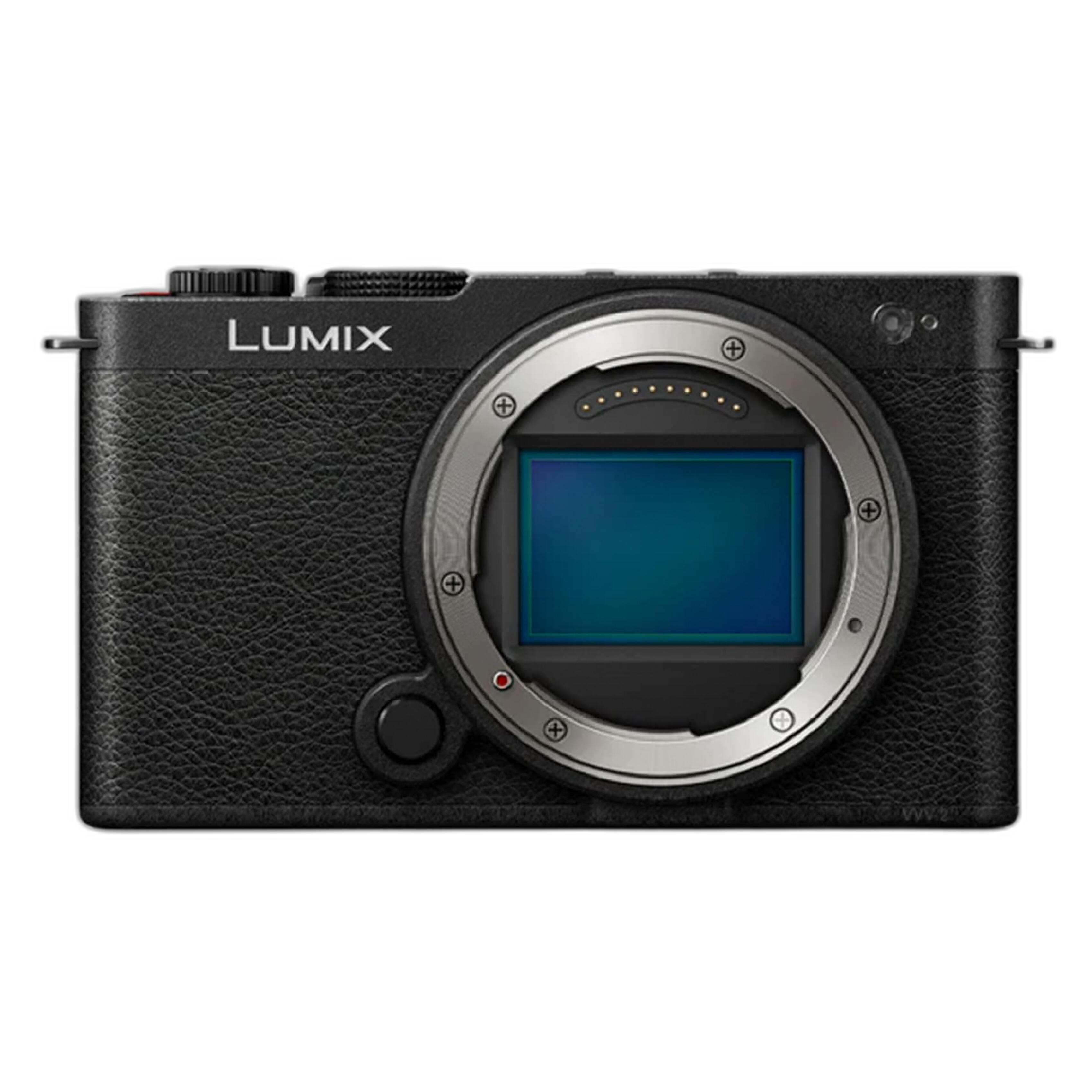
The Panasonic LUMIX S9 is better suited to creators who want a compact full-frame mirrorless body than to photographers building a dedicated wildlife rig. Still, for casual wildlife shooters who also value portability and full-frame image quality, it may deserve a look.
Why it works for wildlife: It can be part of a lightweight full-frame kit for opportunistic nature photography, especially if wildlife is not your only subject.
Best for: Multi-purpose shooters who occasionally photograph wildlife rather than specializing in it.
Trade-off: Dedicated wildlife photographers will likely want a body with a stronger action-first reputation and ergonomics built around longer lenses.
Quick Comparison
| Product | Best Use | Wildlife Strength | Main Consideration |
|---|---|---|---|
| Sony a7R VI | High-end wildlife and birding | Advanced AF plus high-resolution cropping flexibility | Bring spare batteries for long field days |
| Canon EOS R3 (Used) | Professional action wildlife | Pro handling and strong animal AF potential | Used purchase considerations |
| OM SYSTEM OM-5 | Travel and hiking wildlife | Compact outdoor-friendly system | Less ideal for those wanting maximum sensor size |
| Nikon Zf (Used) | Hybrid photography with future wildlife expansion | Access to Nikon Z system | Included lens is not wildlife-oriented |
| Panasonic LUMIX S9 (Used) | Occasional wildlife in a multi-use kit | Portable full-frame option | Not the most action-specialized choice here |
Helpful Add-Ons for Wildlife and Mirrorless Users
Think Tank V2 Mirrorless Mover 10 Cool Grey
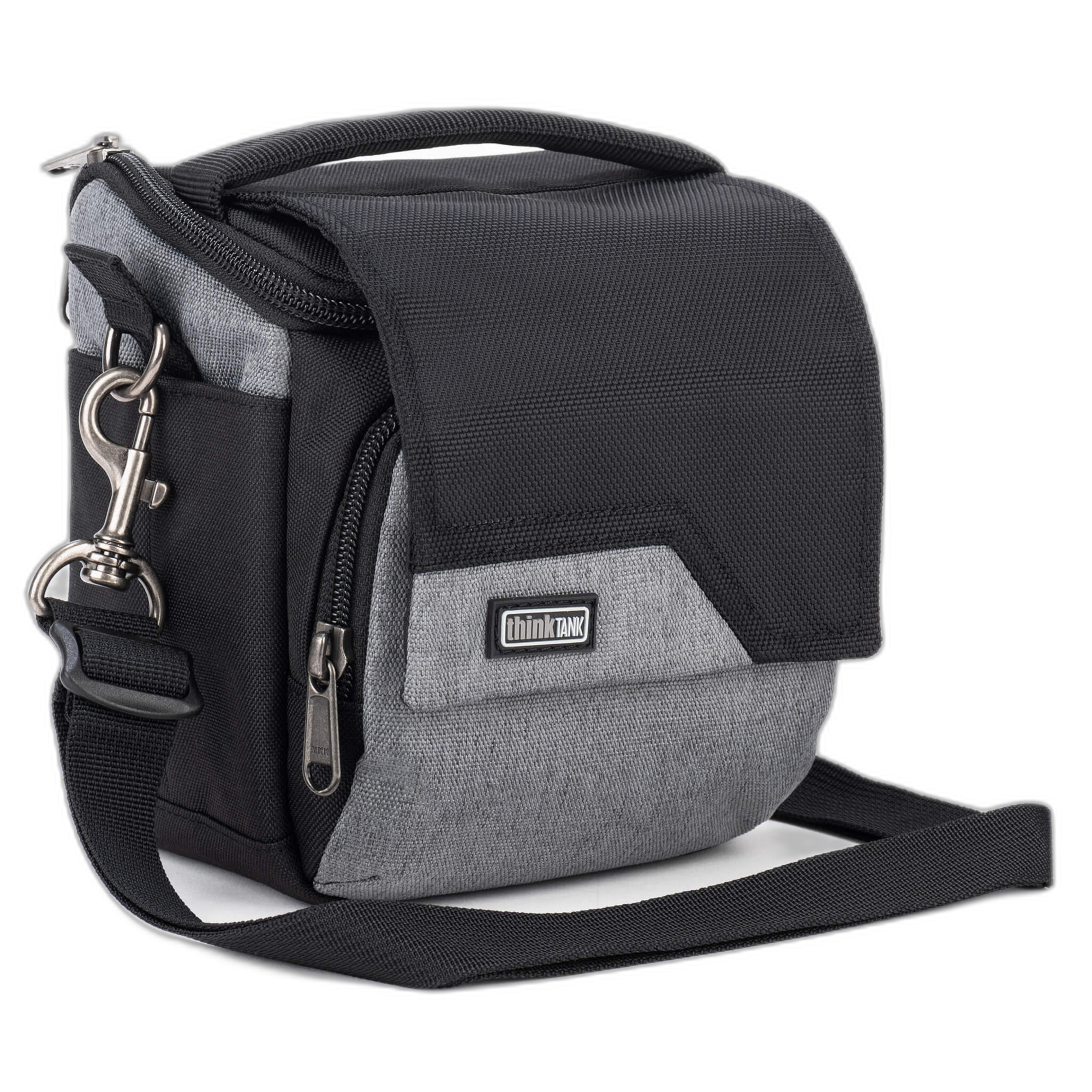
A compact protective bag matters when you’re moving quickly between locations or want a lighter carrying option for a smaller mirrorless kit. This Think Tank bag is a practical match for photographers who want to keep a body and small accessory load protected on the go.
Understanding Your Sony Mirrorless Camera: Intermediate (Sony)
Wildlife photography rewards photographers who know their autofocus settings inside and out. A class like this can be surprisingly valuable, especially if you’re moving from DSLR to mirrorless and want to get the most from subject detection, custom buttons, and tracking modes.
Final Thoughts
For wildlife photography, mirrorless cameras now offer compelling advantages over DSLRs in autofocus intelligence, tracking coverage, and overall system agility. DSLRs still retain respect for battery life and their long-established telephoto ecosystems, but for most buyers shopping current interchangeable-lens systems, mirrorless is the direction with the most momentum.
If you want the strongest all-around wildlife recommendation from this list, the Sony a7R VI is our top pick. If you prefer a more professional body style and are comfortable buying used, the Canon EOS R3 is a standout alternative. For hikers and travel-focused wildlife shooters, the OM SYSTEM OM-5 deserves serious consideration.
To choose the right wildlife camera with confidence, shop these options at Unique Photo, where you can compare bodies, used gear opportunities, and accessories all in one place.