Lens comparison tools are great for narrowing down focal lengths and feature sets, but low light is where those recommendations really get tested. If Sony Lens Compare Beta Output points you toward a wide zoom, a standard zoom, or a faster prime-style shooting approach, the next step is knowing how to use that information in the field. From indoor events to city streets after sunset, these practical tips will help you turn comparison data into sharper, cleaner, more intentional low-light images.
Start by Matching the Lens to the Type of Darkness
1. Use ultra-wide coverage when the scene matters as much as the light
Low light does not always mean you need the tightest framing or the longest reach. If the compare output suggests a fast wide zoom, the Sony FE 12-24mm f/2.8 GM Lens makes a lot of sense for interiors, night architecture, astrophotography, and dramatic environmental portraits. That constant f/2.8 aperture gives you more flexibility than a slower wide-angle option, and the expansive field of view helps you include available light sources creatively instead of fighting them.
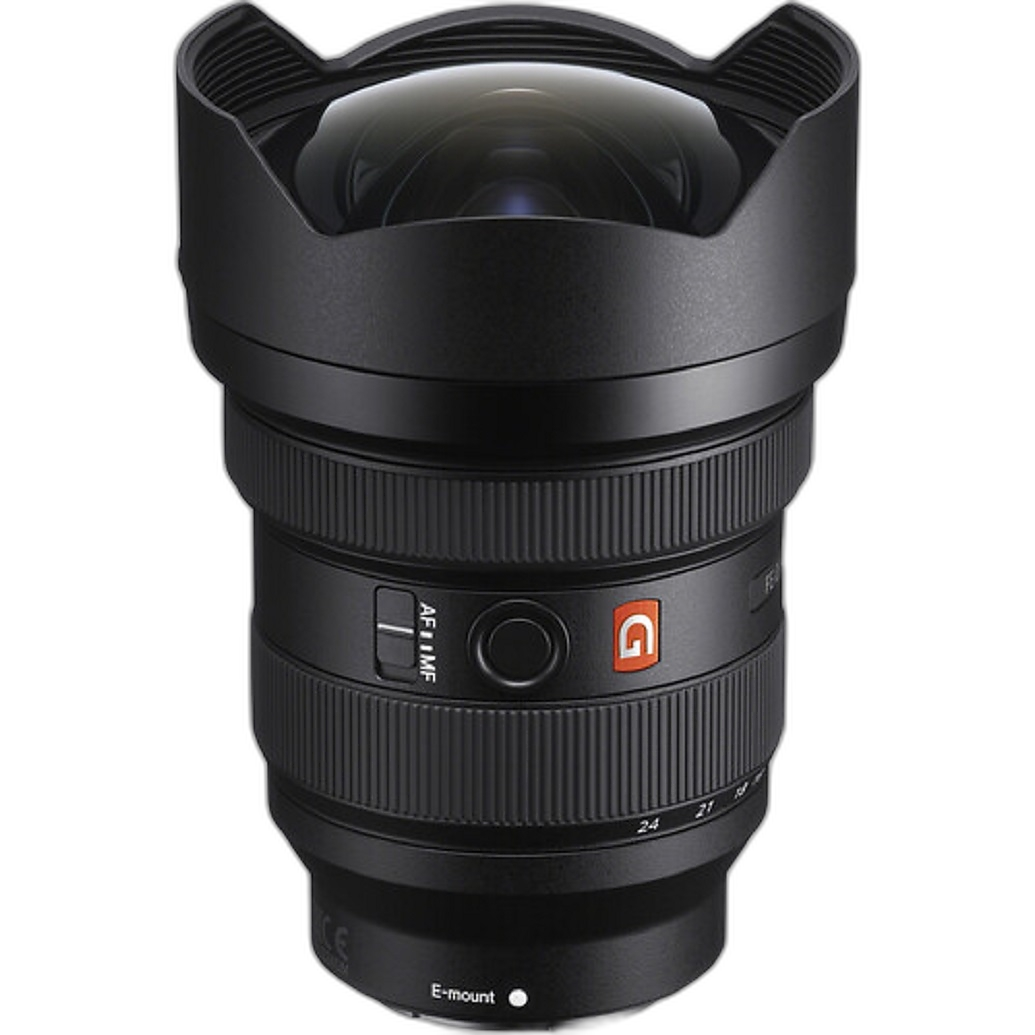
In practice, this means you can work at lower shutter speeds more safely because wide focal lengths tend to hide camera shake better than telephoto ones. If your comparison results highlight this lens for nighttime landscapes or dim interiors, lean into foregrounds, leading lines, and bright points of light in the frame.
Think About Stabilization and Flexibility Together
2. A stabilized standard zoom can be the smarter low-light choice than a wider aperture alone
Sometimes the compare output may favor an all-purpose lens, and that is often a realistic answer for low-light shooting. The Sony FE 24-105mm f/4 G OSS Lens pairs a versatile focal range with Optical SteadyShot, which can be extremely useful when your subject is relatively still. While f/4 is not as bright as f/2.8, stabilization can help you keep ISO lower for travel scenes, museum interiors, detail shots, and evening street images.
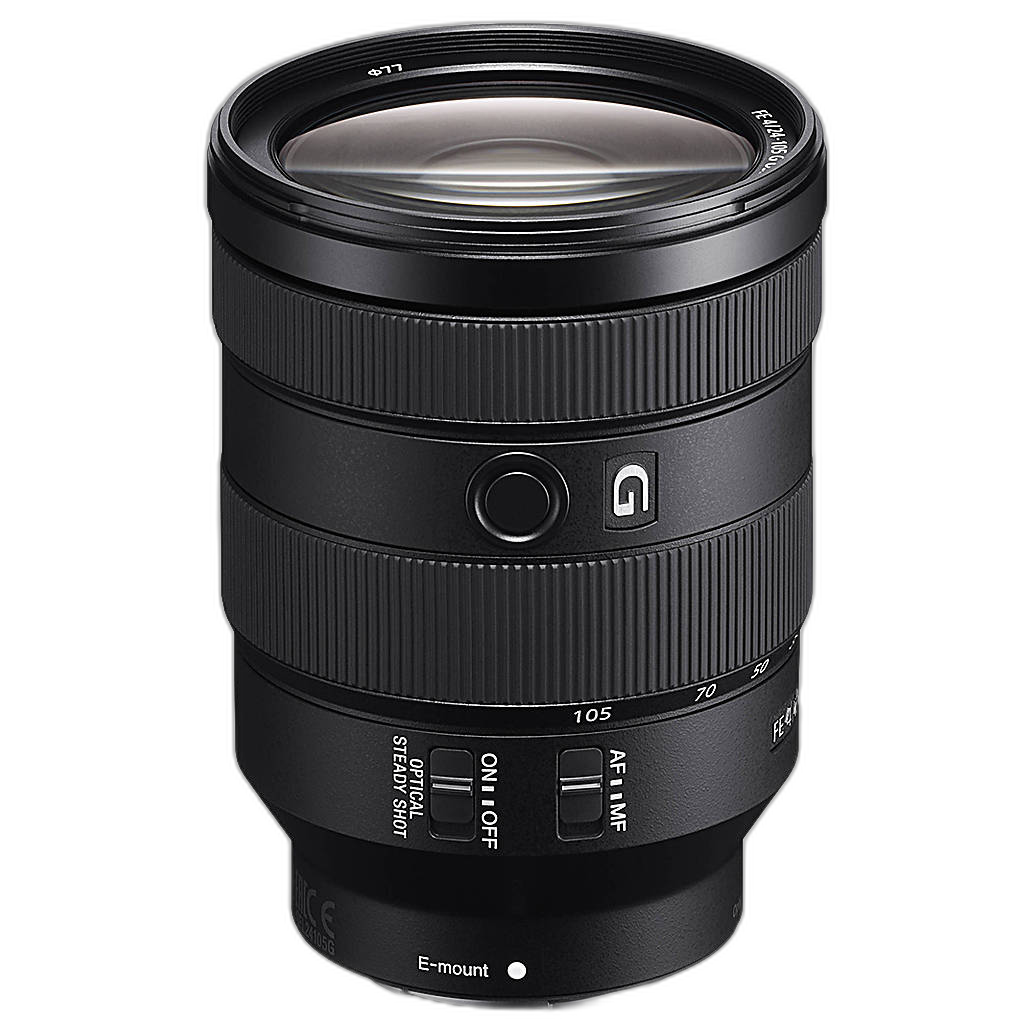
The key is to separate camera movement from subject movement. For static scenes, a stabilized zoom may outperform your expectations. For people in motion, you will still need enough shutter speed to freeze action. That is where applying comparison-tool advice intelligently matters more than reading aperture specs in isolation.
Don’t Ignore the Value of Fast Primes
3. If the tool points you toward sharpness and speed, use a fast prime mindset
Even if you primarily shoot Sony, lens comparisons often reinforce a classic truth: fast primes shine in low light. A lens like the Used Canon FD 50mm f/1.8 Lens - Good is a good reminder of how much creative flexibility a bright aperture can provide. Whether you are adapting vintage glass for a specific look or simply using the comparison output to confirm that a faster lens would benefit your workflow, wider apertures let in more light and can create stronger subject separation in dim conditions.
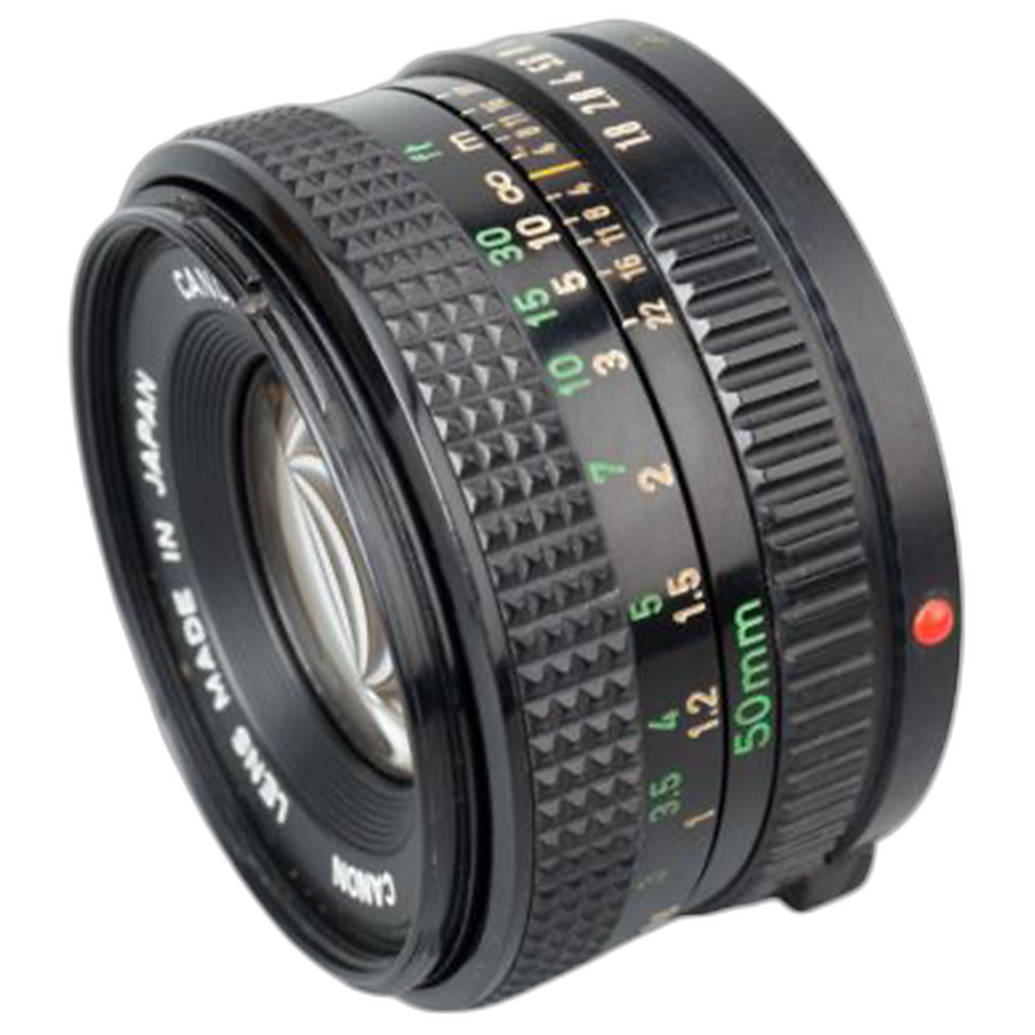
Apply this tip by asking: do you need versatility, or do you need light-gathering power? If your Sony compare results keep pushing you toward faster lenses, it is a clue that your current shooting style may benefit from working wider open and composing more deliberately.
Use Wide Apertures Carefully, Not Automatically
4. In low light, depth of field is part of the exposure decision
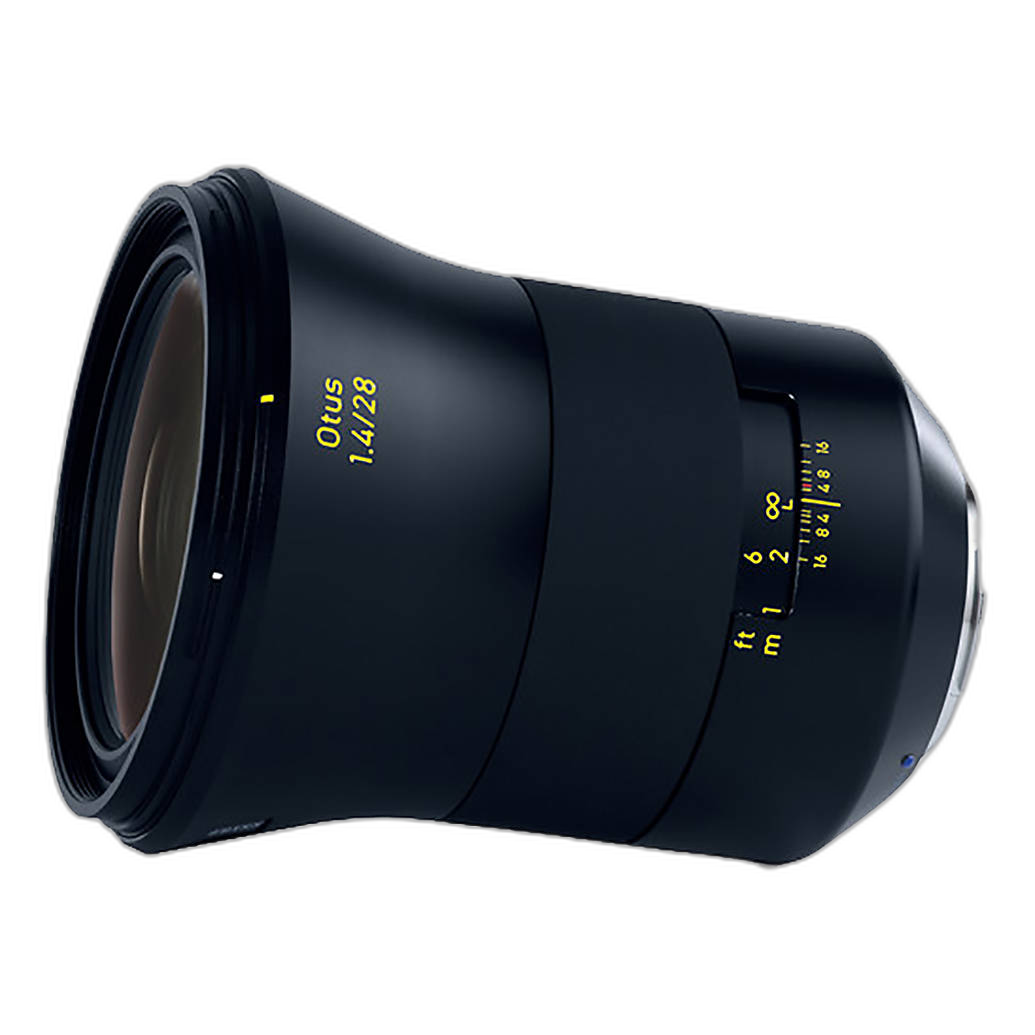
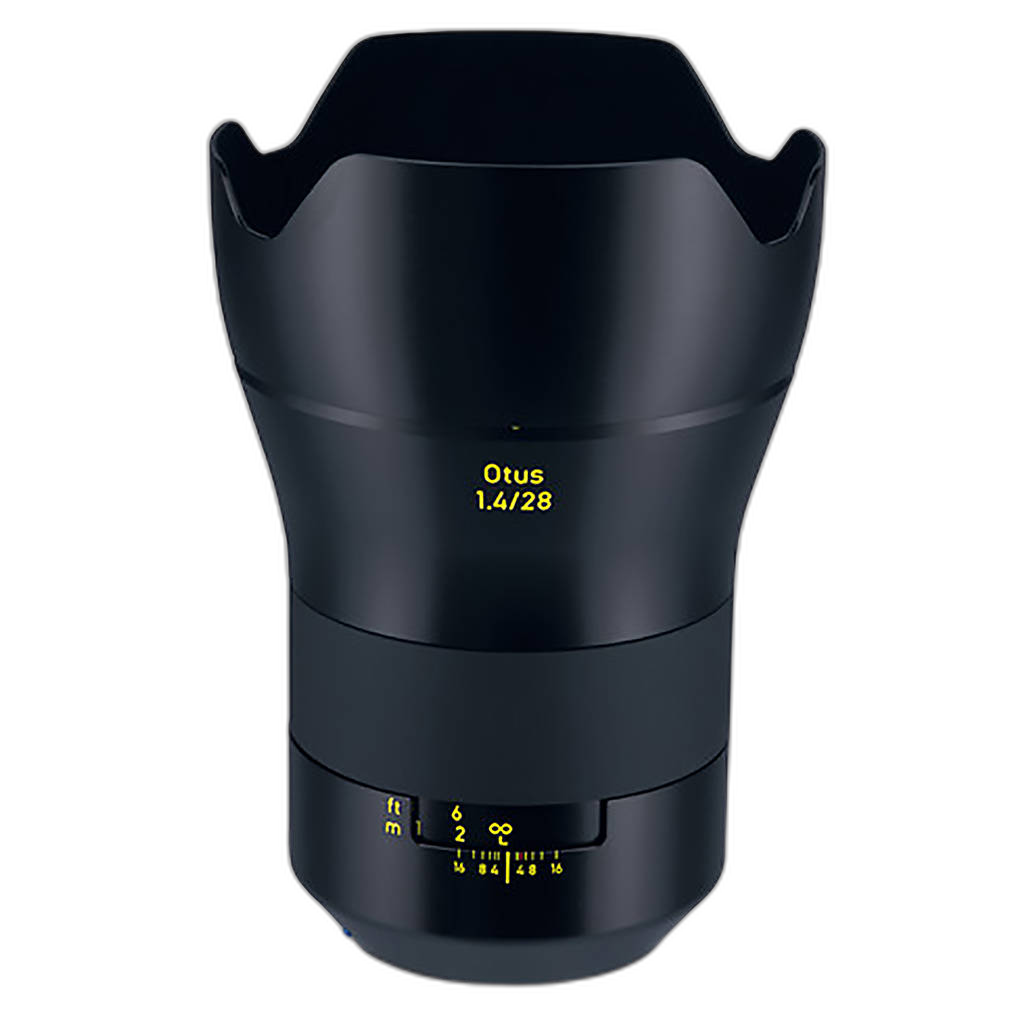
One of the easiest mistakes in dark environments is shooting every frame wide open without considering focus precision or subject depth. A fast lens is useful, but not every situation calls for the thinnest possible depth of field. If you are inspired by lenses with strong low-light credentials, like the Zeiss 28mm f/1.4 OTUS Manual Focus Lens for Nikon ZF.2, remember that wide apertures are most effective when paired with intentional focusing and composition.
- Open up fully when you need shutter speed or subject isolation.
- Stop down slightly if you need more of the scene in focus.
- Check focus critically, especially for close subjects or portraits.
This is especially important if the lens compare output emphasizes speed and optical quality. Those advantages pay off most when your focus technique keeps up.
Zoom Range Still Matters in Low Light
5. A superzoom can work if you understand its limits
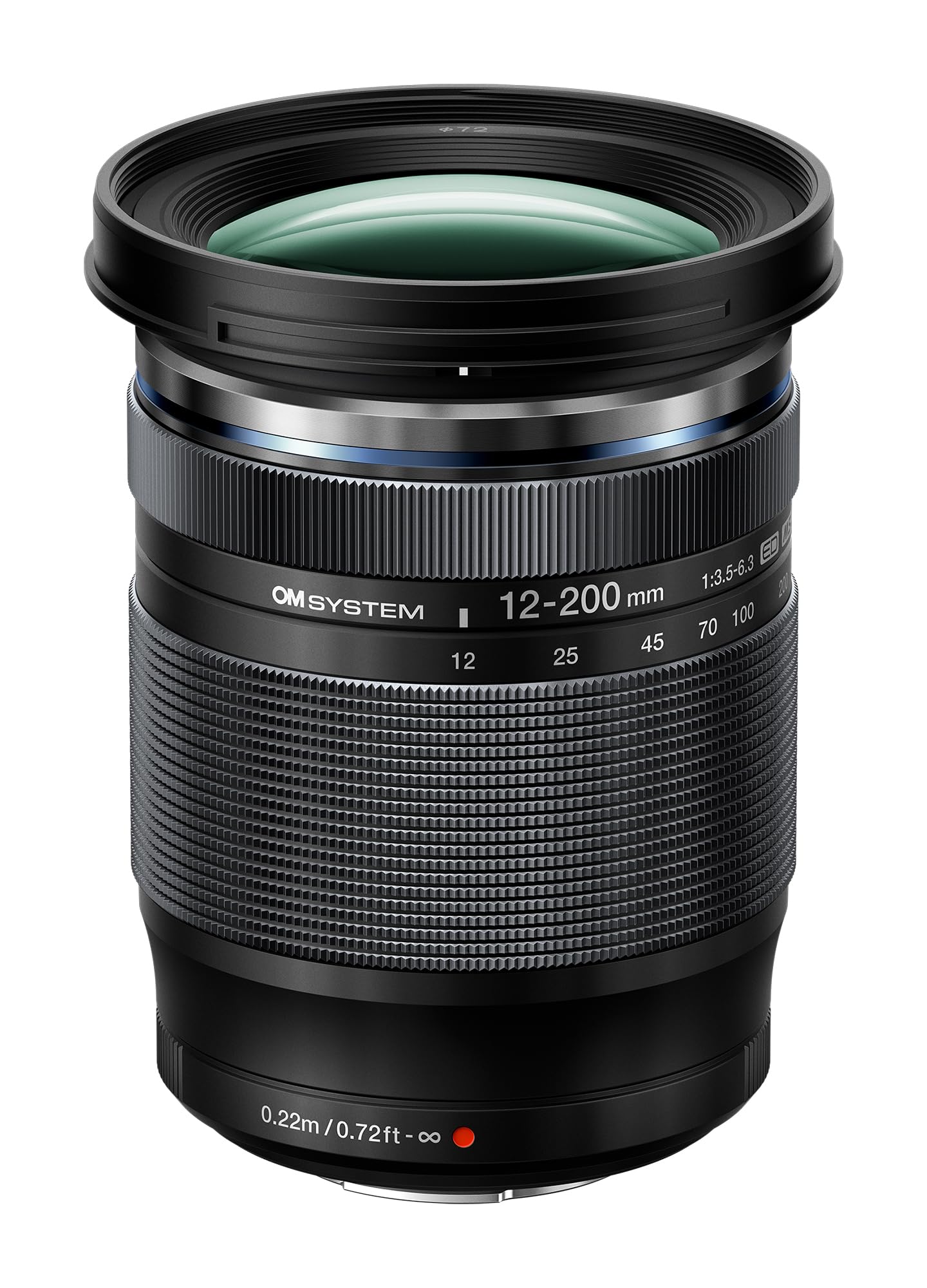
If your shooting style prioritizes convenience, travel flexibility, or not changing lenses in challenging environments, a lens like the OM SYSTEM M.Zuiko Digital ED 12-200mm f/3.5-6.3 Lens represents another useful lesson from comparison tools: no lens does everything equally well in the dark. A broad zoom range is helpful, but as the maximum aperture narrows, you may need to compensate with higher ISO, stabilization, or careful subject selection.
The practical takeaway for Sony shooters is simple: if Lens Compare Beta Output suggests you are choosing between speed and range, decide which one matters more for the assignment. For moving subjects in dim light, speed usually wins. For travel scenes and stationary subjects, a flexible zoom may still be the better real-world option.
Control Stray Light for Better Contrast
6. Low light images improve when flare and contrast loss are managed
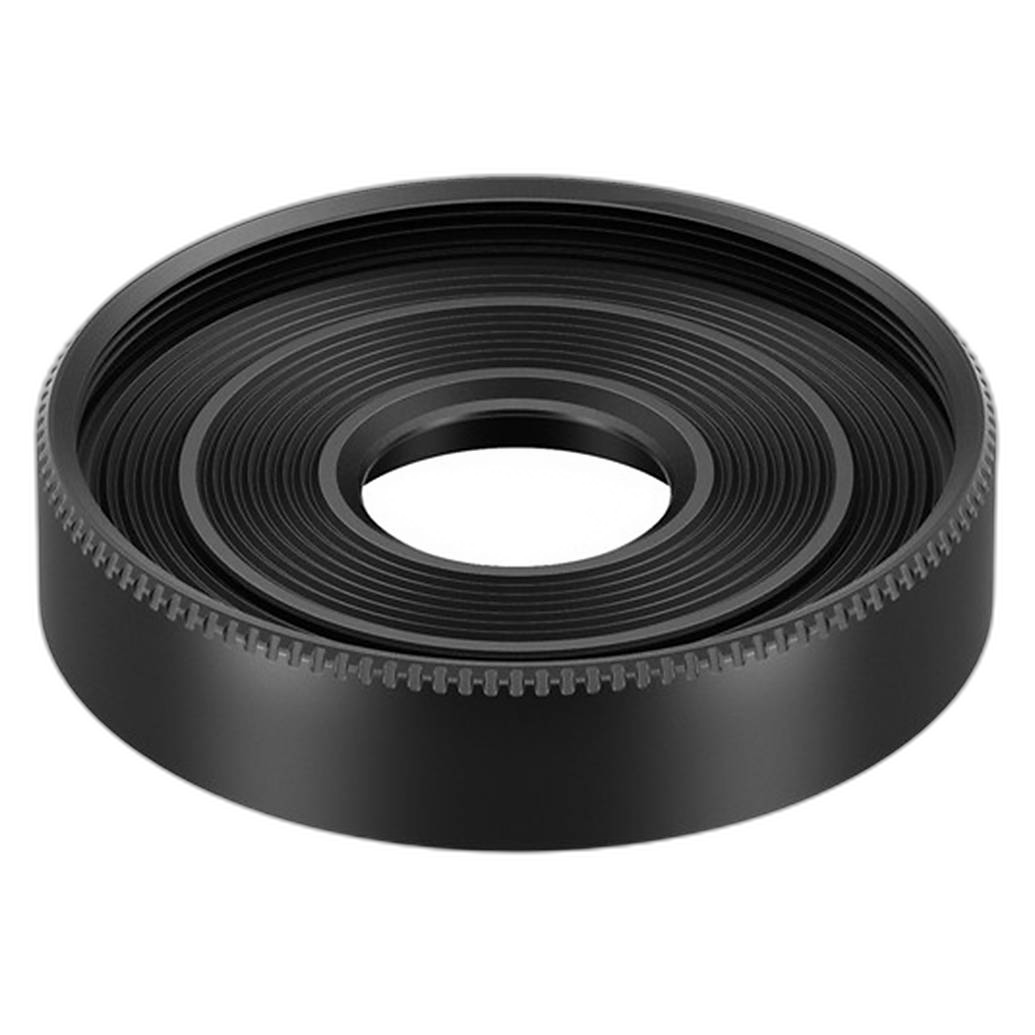
Night scenes often include streetlights, headlights, signs, and reflections. That means contrast can drop quickly if stray light hits the front element at awkward angles. Accessories matter here. Even something as simple as a lens hood, such as the Canon ES-22 Lens Hood for EF-M 28mm f/3.5 Macro IS STM Lens, illustrates an important principle: protecting the lens from off-axis light can help preserve contrast and clarity.
When applying compare-tool advice to actual shooting, do not just think about focal length and aperture. Think about how well your setup handles practical night conditions, including flare resistance, front-element exposure, and contrast under mixed lighting.
Use Support When the Scene Allows It
7. The best low-light fix is sometimes stability, not more ISO
Lens comparison tools can help identify brighter glass, but they cannot replace solid technique. For architectural scenes, landscapes, or static subjects, adding support can transform your results. Even support-oriented accessories, like the Benro FH150LRC1 Lens Ring for FH150C1, point to a larger truth: stable shooting setups matter when exposure times get longer.
In practical terms:
- Lower your shutter speed for still subjects.
- Use stabilization if your lens offers it.
- Brace against walls, railings, or tables when a tripod is not available.
- Shoot bursts at marginal shutter speeds to increase the odds of one sharp frame.
If your comparison results suggest a lens that is not especially fast, this technique becomes even more important.
Use Available Light Creatively Instead of Avoiding It
8. Look for light sources that define mood and shape
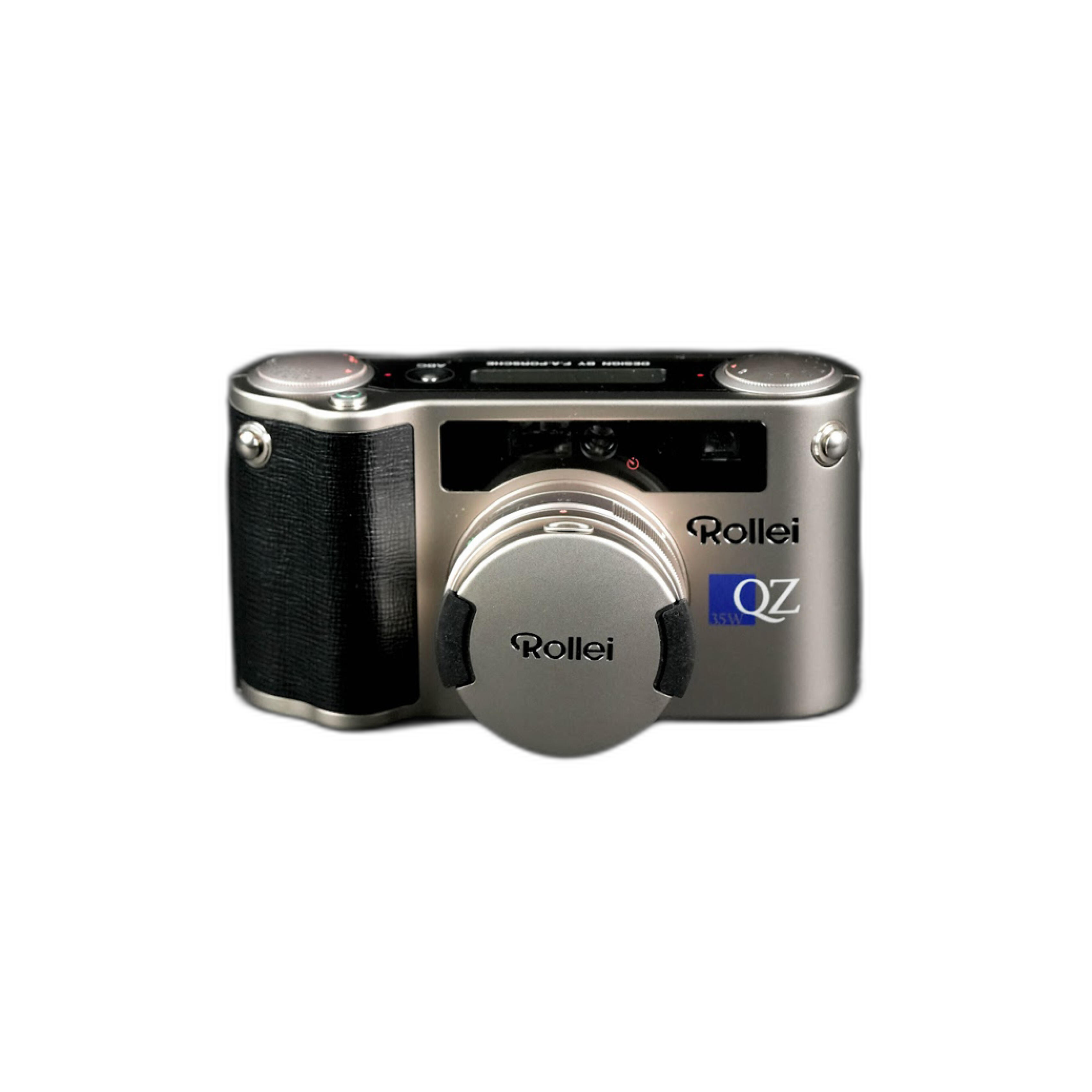
Low light photography is not just about technical survival. It is also about seeing what the darkness adds. Neon, window light, practical lamps, and illuminated backgrounds can all become compositional tools. A compact camera setup like the Used Rollei 35QZ W W/ 28-60mm F/2.8-5.6 Lens, 20QF Flash, Box - Excellent is a reminder that photographers have long worked creatively with limited light by embracing atmosphere instead of flattening it.
When applying Sony Lens Compare Beta Output, think beyond specifications. If the tool helps you choose the lens, your job is then to place subjects where existing light gives shape to faces, depth to backgrounds, and texture to the scene.
Build a Better Low-Light Workflow From the Comparison Results
9. Translate lens specs into shooting decisions before you arrive on location
The smartest way to use any compare output is to turn it into a simple plan:
- Fast wide zoom like the Sony FE 12-24mm f/2.8 GM: use for interiors, dramatic night scenes, and handheld environmental work.
- Stabilized standard zoom like the Sony FE 24-105mm f/4 G OSS: use for flexibility, travel, events, and static subjects in dim light.
- Fast prime approach: use when subject separation, shutter speed, and light gathering matter most.
That kind of pre-shoot thinking helps you react faster once the light drops and the pressure rises.
Conclusion
Sony Lens Compare Beta Output can point you in the right direction, but the real advantage comes from knowing how to act on those insights once you are shooting in low light. Choose focal lengths based on the scene, balance aperture against stabilization, manage flare, and do not underestimate the power of technique. If you are building out a smarter low-light kit, Unique Photo is a great place to explore lenses, accessories, and used gear that fit the way you actually shoot.