Introduction: A useful comparison tool, but not the final word
Community discussions around Sony Lens Compare Beta have highlighted something important for landscape photographers: the tool is genuinely helpful for narrowing down lens choices, but it works best when you understand what the charts are telling you and where the tool stops short. If you are deciding between a specialized ultra-wide option like the Sony FE 12-24mm f/2.8 GM Lens and a more versatile all-purpose zoom like the Sony FE 24-105mm f/4 G OSS Lens, Sony Lens Compare Beta can give you a strong starting point for evaluating sharpness behavior, focal length suitability, and system fit.
That said, community members consistently point out that landscape photography is not won on charts alone. Edge-to-edge detail, flare control, field curvature, filter workflow, portability, and how a lens feels in actual sunrise or mountain conditions all matter just as much as the data. In that context, this review looks at how to leverage Sony Lens Compare Beta intelligently using these two Sony lenses as reference points, and how to combine those findings with real-world testing before buying from Unique Photo.
Product positioning: two very different landscape tools
Although both lenses can absolutely be used for landscapes, they serve different priorities.
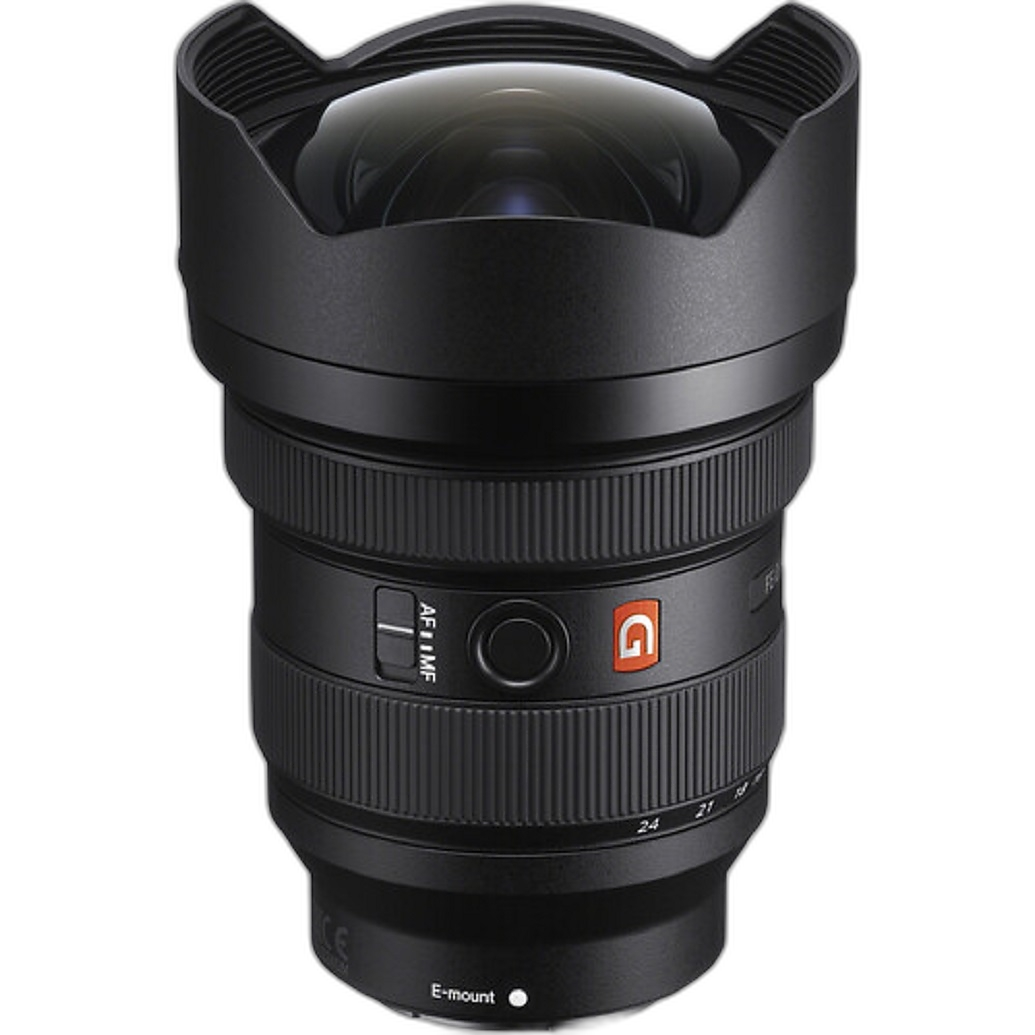
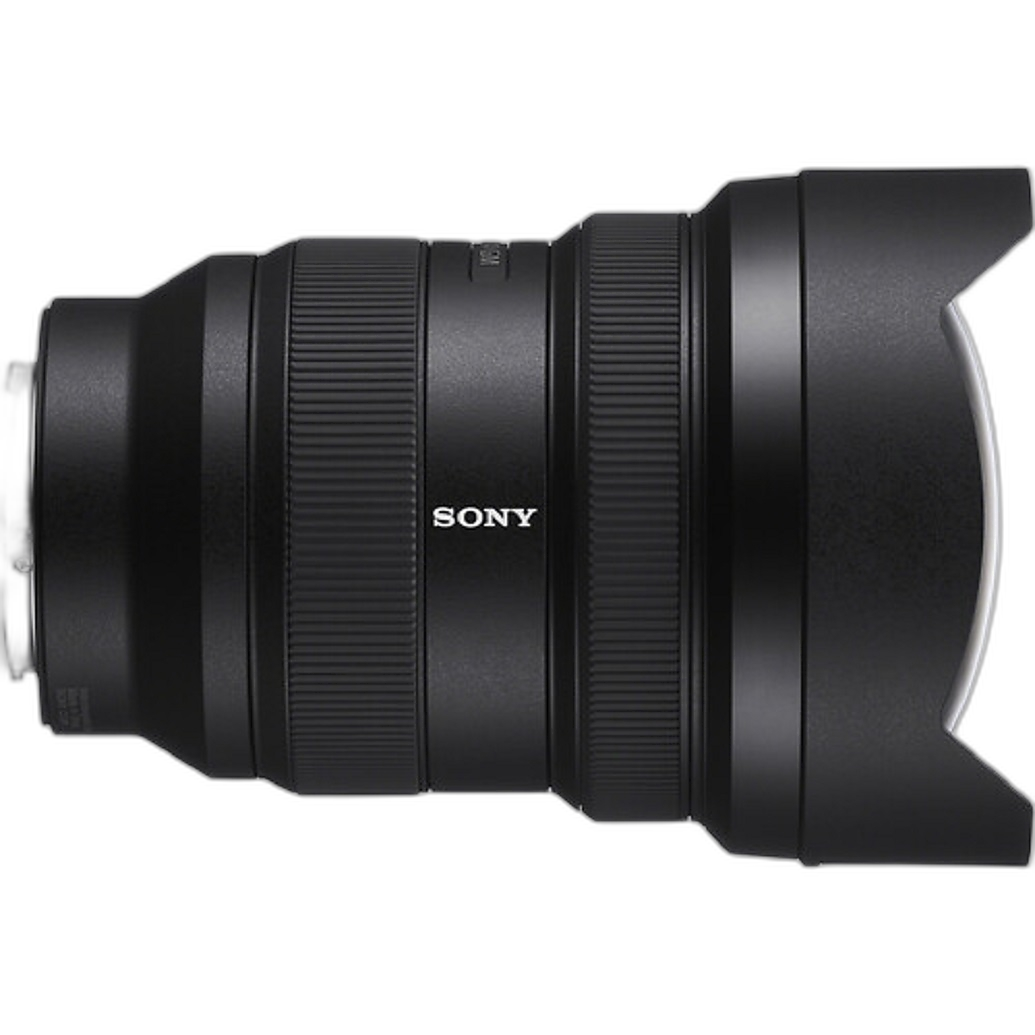
The Sony FE 12-24mm f/2.8 GM is a premium ultra-wide designed for photographers who want dramatic foreground emphasis, expansive skies, sweeping vistas, and strong optical performance at focal lengths that can completely reshape a composition. It is the kind of lens landscape specialists consider when they regularly work in tight foreground-heavy scenes, coastal environments, canyons, architecture-adjacent landscapes, and nightscape situations where the fast f/2.8 aperture may also help.
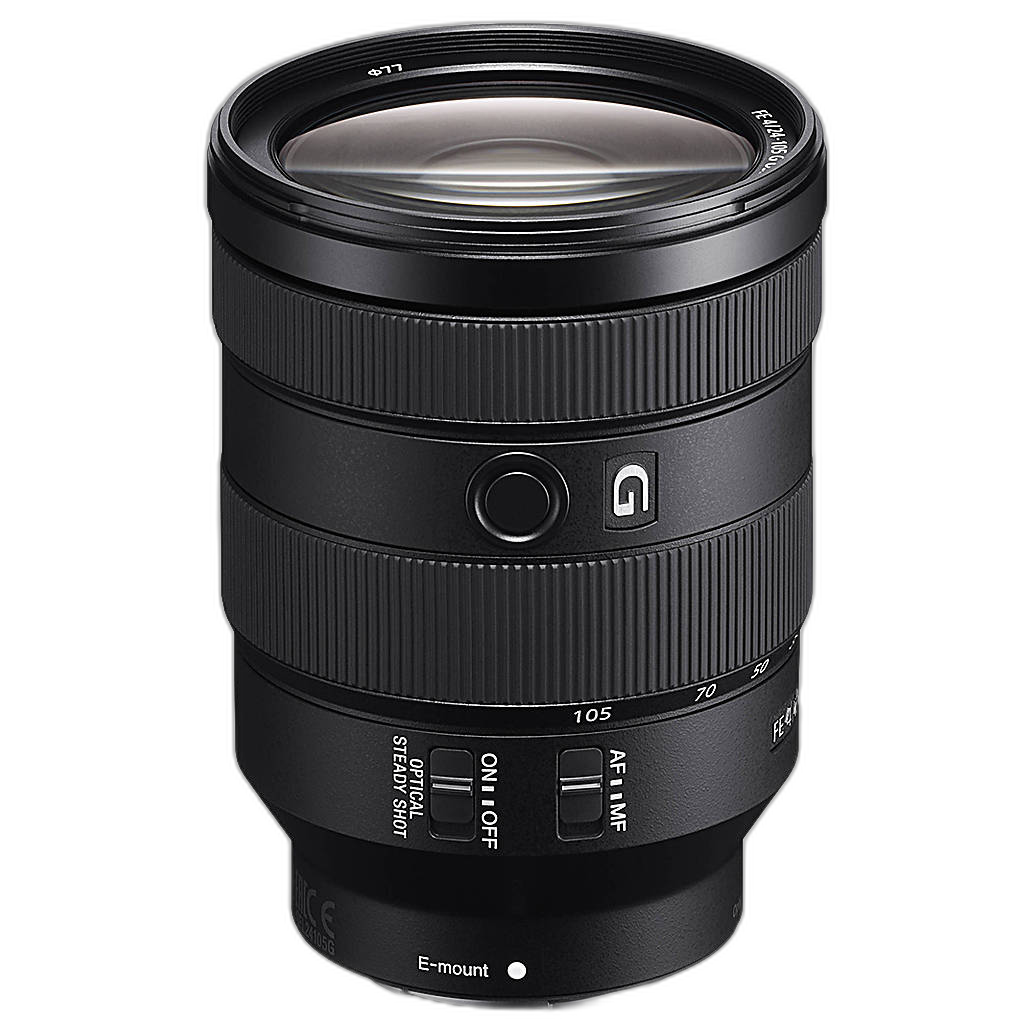
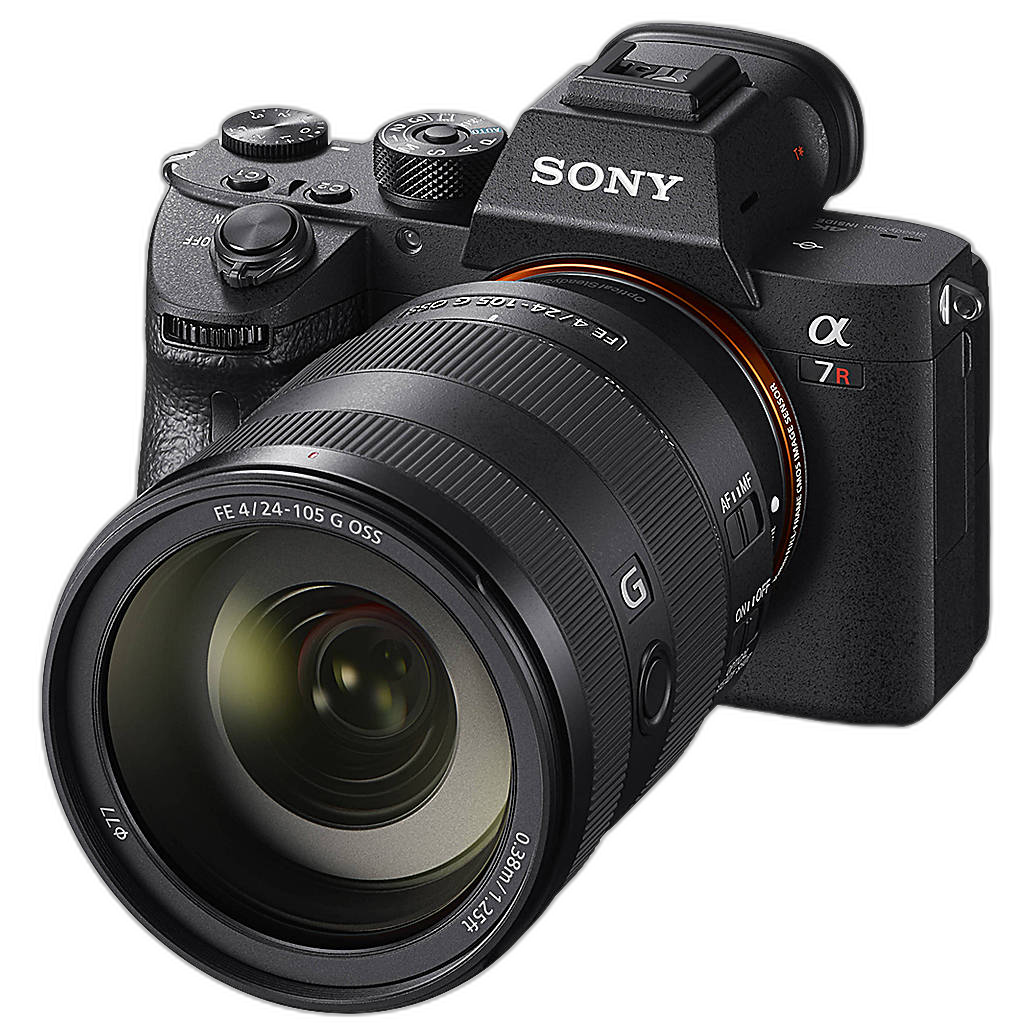
The Sony FE 24-105mm f/4 G OSS, by contrast, is the practical generalist. For many landscape photographers, this range covers the majority of real outings: wide enough for many vistas, long enough for layered mountain scenes and detail isolations, and flexible enough to stay mounted all day. In a comparison tool, it may not always look as extreme or as specialized, but in the field it can be the lens that comes home with more keepers simply because it adapts to more situations.
How community members use Sony Lens Compare Beta effectively
The most valuable feedback from photographers using Sony Lens Compare Beta is that they treat it as a decision support tool, not an automatic winner selector. In practice, they tend to use it in three stages:
- Stage one: compare focal length ranges and intended use.
- Stage two: study optical data such as center and edge behavior instead of only looking at one headline sharpness impression.
- Stage three: verify those expectations with personal shooting tests, especially at the apertures and distances they actually use for landscapes.
This approach prevents a common mistake: overvaluing a chart result that looks impressive at one focal length or aperture while ignoring how the lens will actually be used on hikes, at golden hour, or in changing weather.
Key features to focus on when interpreting Sony Lens Compare Beta
1. Focal length tells you more than charts do
One of the clearest lessons from community discussion is that focal length choice often matters more than slight optical differences. The FE 12-24mm f/2.8 GM opens up compositions the FE 24-105mm simply cannot reproduce at the wide end. If your style depends on exaggerated perspective, leading lines entering from the corners, and immersive foreground drama, the 12-24mm range may matter more than whether another lens is marginally stronger in one measured area.
On the other hand, photographers who shoot layered landscapes, compressed ridgelines, desert patterns, waterfalls at mid-distance, or travel-oriented landscape work may find the 24-105mm range much more valuable. Sony Lens Compare Beta can help show optical strengths, but it cannot tell you whether 12mm or 70mm is where your eye naturally sees a scene.
2. Pay close attention to edge and corner performance
Landscape photographers care deeply about edge-to-edge consistency, so this is one of the more relevant uses of a comparison tool. Community members note that when using Sony Lens Compare Beta, it is smart to look beyond center sharpness because many lenses can look excellent centrally. The more revealing difference is what happens toward the outer image area, particularly at focal lengths and apertures commonly used for landscapes.
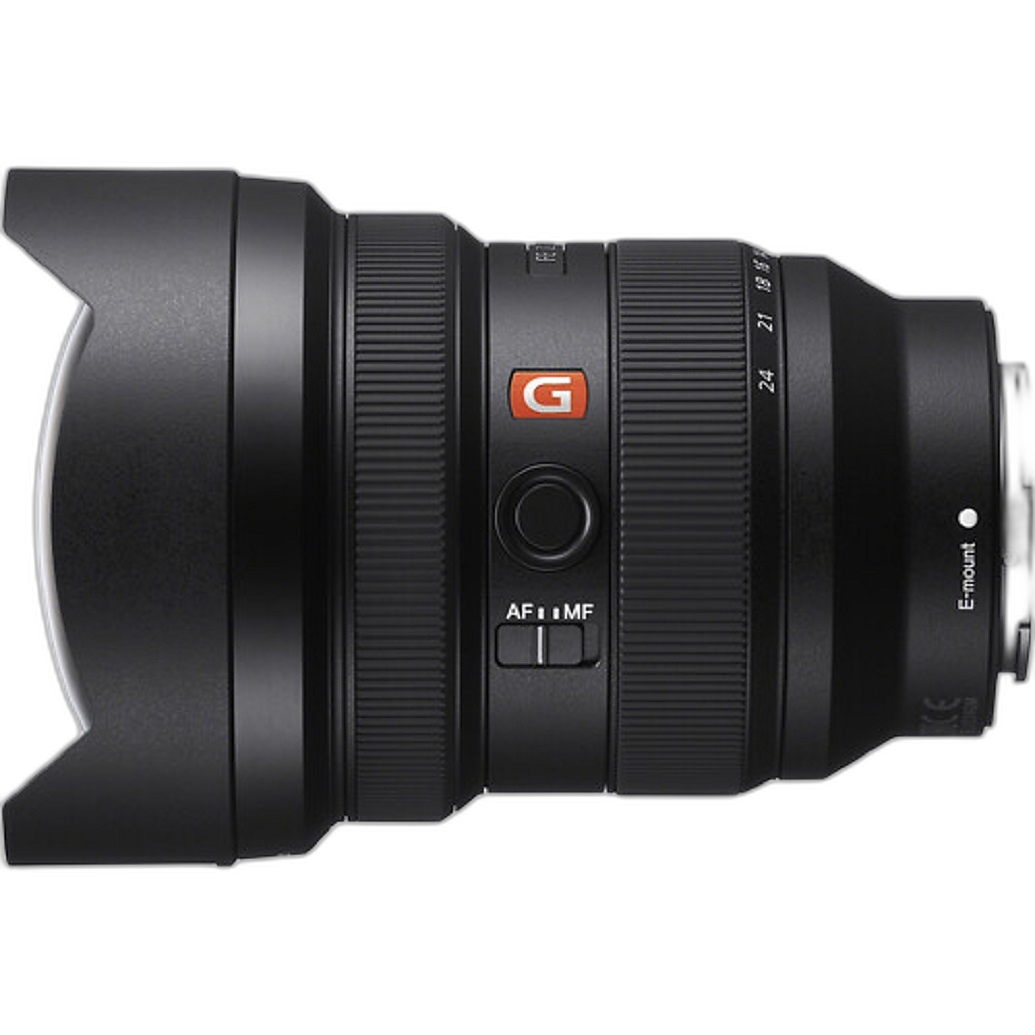
For the FE 12-24mm f/2.8 GM, edge and corner performance matters because ultra-wide compositions often place significant visual information near the borders. Rocks, flowers, trails, and shoreline elements often sit close to the frame edges. A chart suggesting strong border behavior can be encouraging, but users still advise confirming with real captures because field curvature and scene distance can affect the outcome in practice.
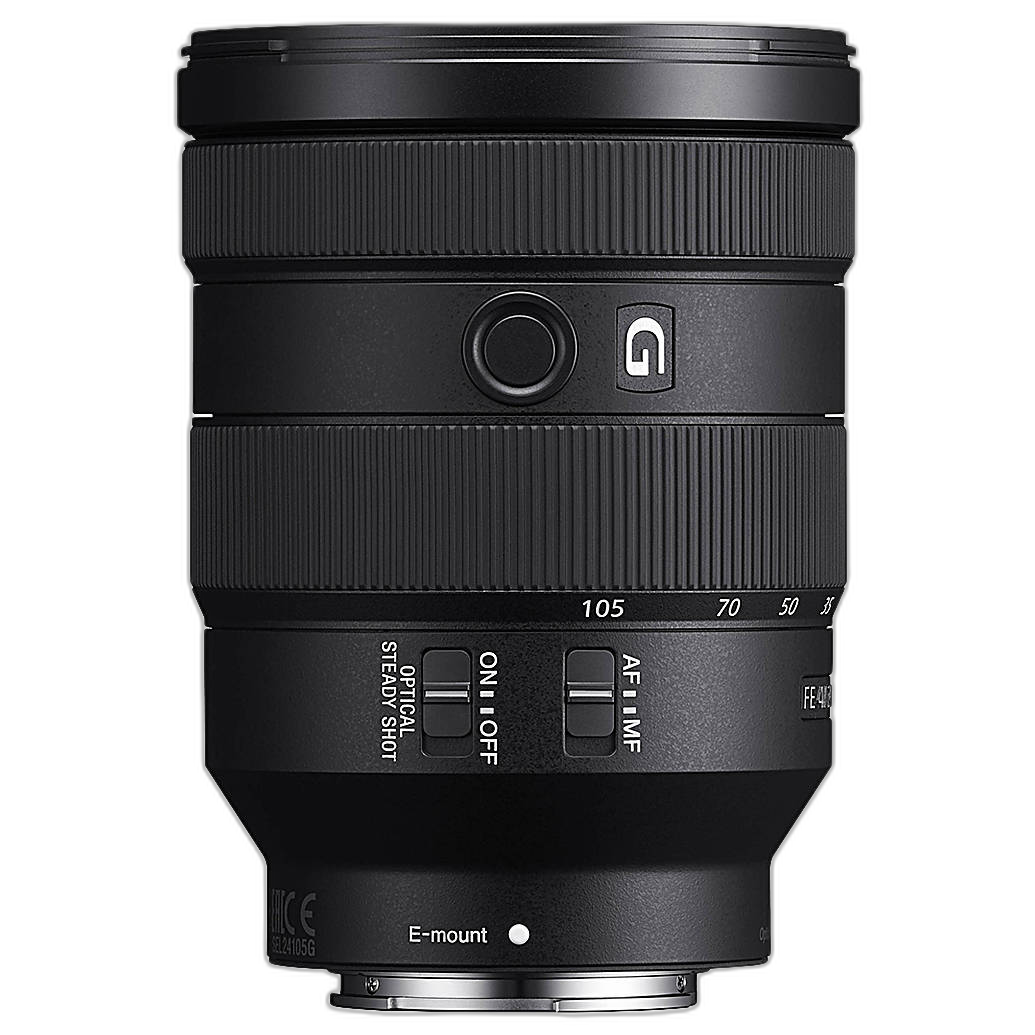
For the FE 24-105mm f/4 G OSS, edge performance may be less make-or-break at longer focal lengths, depending on composition, but it still matters for broad scenic views at 24mm. The takeaway is to compare the right part of the frame for the way you actually compose.
3. Compare at realistic apertures, not just maximum aperture
A frequent community recommendation is to avoid over-fixating on wide-open performance unless you specifically shoot nightscapes or low-light environmental scenes. Many landscape images are made around f/8 or f/11, sometimes f/5.6 depending on subject distance and sensor resolution. If Sony Lens Compare Beta allows aperture-specific evaluation, photographers suggest prioritizing the settings you use most often rather than assuming the lens with the most impressive wide-open result is automatically the best landscape choice.
This is where the FE 12-24mm f/2.8 GM can be especially interesting. Its f/2.8 aperture is valuable, but if your daytime landscape work is mainly stopped down, the premium may be justified less by aperture alone and more by focal range, optical consistency, and build quality. Meanwhile, the FE 24-105mm f/4 G OSS may look even more compelling when evaluated at the apertures where many landscape photographers live.
4. Remember that distortion and correction can affect the story
Ultra-wide lenses are often heavily dependent on optical design tradeoffs and sometimes digital correction strategies. Community users caution that a clean-looking result in a manufacturer comparison environment may not fully communicate how a lens behaves before correction or how stretching near frame edges affects real-world detail. For landscape shooters, this matters if you print large, crop heavily, or photograph scenes with lots of fine edge detail such as forests, rocks, or architectural elements in natural settings.
The FE 12-24mm f/2.8 GM is exactly the kind of lens where this nuance matters. The dramatic field of view is a creative advantage, but lens comparison outputs should be interpreted with awareness that geometry and edge rendering are part of the total experience, not just a chart score.
5. Flare, sunstars, and weather use are outside the chart
Landscape photographers often shoot directly into low-angle light. Community members repeatedly mention that Sony Lens Compare Beta cannot fully judge flare resistance, veiling flare behavior, contrast retention against bright skies, or the aesthetic quality of sunstars. Those qualities can radically affect satisfaction with a lens in actual use.
The FE 12-24mm f/2.8 GM, likely to be pointed toward dramatic skies and sunlit horizons, should be tested in the exact lighting conditions you love to shoot. The FE 24-105mm f/4 G OSS also benefits from this kind of test because flare can influence telephoto landscape work just as much as wide scenes.
Reviewing the Sony FE 12-24mm f/2.8 GM as a landscape choice
The FE 12-24mm f/2.8 GM stands out as the more specialized and more ambitious landscape option in this pair. Sony Lens Compare Beta is useful here because it helps validate whether the lens delivers the kind of edge performance expected from a premium ultra-wide. For photographers who know they need 12mm, this lens is less about compromise and more about unlocking compositions unavailable to standard zooms.
Its biggest strength is compositional freedom at the ultra-wide end. At 12mm, foreground placement becomes a central creative tool. You can transform small rocks, wildflowers, tide pools, and winding paths into dominant structural elements while still including a huge sky or mountain backdrop. In community discussion, this is often the argument that no chart can replace: if the focal length changes the image fundamentally, even a technically excellent standard zoom cannot substitute.
The lens also appeals to shooters who cross between landscapes, interiors, architecture, and nightscapes. The f/2.8 aperture broadens its role, though whether that matters to you depends on your shooting style. For dedicated landscape specialists, its limitations are practical rather than optical: cost, size, and the realities of an ultra-wide workflow.
Reviewing the Sony FE 24-105mm f/4 G OSS as a landscape choice
The FE 24-105mm f/4 G OSS often emerges in community recommendations as the more balanced choice, especially for photographers who want one lens to cover most landscape outings. Sony Lens Compare Beta can help confirm that it performs strongly enough across its range, but the real attraction is versatility. For many photographers, this lens aligns more closely with how landscapes are actually photographed over a full day: a wide frame in the morning, a mid-range composition by noon, and distant compressed detail by evening.
That flexibility makes it a compelling travel and hiking lens. Instead of forcing every landscape into an ultra-wide visual language, it supports a broader set of compositions. This is especially helpful for photographers learning to be more selective with framing rather than relying on dramatic width alone.
The f/4 aperture is rarely a major drawback for tripod-based daytime landscapes, and optical stabilization can be useful in mixed handheld use. Community members often frame the 24-105mm as the lens that wins on practicality, even if another lens wins on specialization.
Where Sony Lens Compare Beta has clear limitations
It cannot measure your field technique
If one photographer uses a sturdy tripod, optimal focus placement, and careful aperture selection, while another shoots quickly in wind at marginal shutter speeds, the final image quality difference may exceed the measured difference between the lenses themselves. Community members wisely remind each other not to blame or praise a lens for technique-related issues.
It does not replace subject-specific testing
Charts do not fully reveal how a lens renders foliage, fine rock texture, water reflections, haze transitions, or backlit branches. Those are exactly the kinds of details landscape photographers care about. Personal testing with your own subjects remains essential.
It may underrepresent workflow factors
Things like packability, comfort on long hikes, compatibility with your filter system, and confidence in rough weather can influence which lens you actually carry. The best landscape lens is often the one that consistently leaves the bag and gets used.
It cannot decide creative preference
Some photographers naturally see in ultra-wide perspectives; others prefer moderate wide to short telephoto framing. Sony Lens Compare Beta can support that decision, but it cannot make it for you.
How to combine the tool with personal testing
The strongest community advice is to use Sony Lens Compare Beta to create a shortlist, then do practical testing around your own landscape habits. A good test plan includes:
- Shooting sunrise or sunset scenes to assess flare and contrast.
- Testing corners with foreground subjects placed near the edges.
- Comparing results at the apertures you most often use, not only wide open.
- Making prints or at least reviewing files at meaningful magnification.
- Evaluating whether the focal length range matches how you naturally compose.
- Considering your carrying style, tripod use, and travel needs.
This is where a retailer like Unique Photo becomes relevant beyond just purchase convenience. When choosing between premium Sony lenses, it helps to buy from a knowledgeable camera retailer that understands how photographers actually use this gear and can help guide the decision.
Pros and cons
Sony FE 12-24mm f/2.8 GM Lens
- Pros: exceptional ultra-wide coverage, premium landscape and nightscape potential, strong creative impact, ideal for foreground-heavy scenic compositions, high-end build and positioning.
- Cons: premium price, specialized range may not suit every photographer, larger commitment for shooters who only occasionally need ultra-wide perspectives.
Sony FE 24-105mm f/4 G OSS Lens
- Pros: highly versatile focal range, practical one-lens landscape solution, well suited for travel and hiking, useful balance of wide to short telephoto framing, easier all-day choice for many shooters.
- Cons: not ultra-wide enough for the most dramatic expansive compositions, less specialized for extreme perspective work, f/4 may be less attractive for photographers who also prioritize nightscape shooting.
Verdict and recommendation
As a community-guided review topic, the biggest conclusion is simple: Sony Lens Compare Beta is best used as an informed starting point, not a final verdict engine. It is especially valuable for understanding comparative optical behavior and narrowing your options, but landscape photographers should interpret its data with care. Look at edge performance, compare realistic apertures, and never forget that flare, handling, focal length preference, and real-scene rendering can matter more than a small chart advantage.
If your photography depends on dramatic scale, immersive foregrounds, and the unmistakable visual language of ultra-wide landscapes, the Sony FE 12-24mm f/2.8 GM Lens is the more compelling choice. If you want the more adaptable lens for a wide variety of landscape situations and prefer versatility over specialization, the Sony FE 24-105mm f/4 G OSS Lens is likely the smarter all-around buy.
Either way, the best path is to use Sony Lens Compare Beta to guide the shortlist, then confirm your choice with hands-on priorities in mind. For photographers ready to buy, Unique Photo is the place to shop for these Sony lenses and get expert support along the way.