One of the best parts of shooting film is that every stock brings its own personality to the frame. Some render skin beautifully, some make landscapes glow, and others deliver the kind of grain and contrast that instantly feels nostalgic. If you’re still figuring out which emulsions fit your style, these tips can help you narrow down your favorites and enjoy the process even more—whether you’re shooting 35mm or loading 120 into a classic camera like a used Voigtlander Perkeo I 6x6 film camera.
Start with the look you want most
1. Pick film by mood, not just speed
A great way to find a favorite film stock is to think about the emotional feel you want from your images. For bright, natural color and flexible exposure latitude, many photographers love consumer color negative stocks for everyday shooting. If you prefer rich saturation and punchy contrast, slide film or bolder color negatives may be more your speed. For timeless texture and strong tonal separation, black-and-white stocks are hard to beat.
If you’re shooting medium format, a folding camera like the used Voigtlander Perkeo I 6x6 film camera can make those film characteristics even more noticeable, especially in portraits and landscapes where the larger negative really shines.
Match the stock to the subject
2. Use color negative film for portraits and daily photography
Color negative film is often the easiest place to start because it handles varied lighting gracefully and scans well. Stocks with softer contrast and warm tones tend to be especially flattering for skin, while cleaner, more neutral options work well for travel and lifestyle photography. If you’re photographing friends, family, street scenes, or weekend outings, this category is a reliable favorite for good reason.
3. Save black-and-white film for light, texture, and storytelling
Black-and-white film has a way of simplifying the frame and emphasizing composition. It’s ideal when you want to focus on shape, light, shadow, weather, architecture, or expressive portraiture. If you love grain, dramatic skies, and that classic documentary feel, this may quickly become your go-to choice.
Think about format and shooting experience
4. Try your favorite emulsions in 120 when possible
If you already know you like a certain film in 35mm, it’s worth trying the 120 version. Medium format often gives you smoother tonality, a different depth feel, and an overall look that many film shooters fall in love with. Cameras like the used Voigtlander Perkeo I 6x6 film camera make that experience especially rewarding, pairing compact portability with the distinctive square format.
Test and compare consistently
5. Shoot the same scene on multiple stocks
One of the fastest ways to discover your favorites is to run a simple comparison. Photograph the same subject in similar light using different films, then compare color, contrast, grain, and skin tones. You’ll start to notice patterns in what you’re drawn to. Some photographers love a film because it makes greens pop; others love how a stock handles overcast days or late afternoon light.
Once your negatives are processed, presentation matters too. If you enjoy making physical prints, products like  Fujifilm DIGITAL PRO glossy paper can help showcase the differences between stocks in a tangible way.
Consider how you’ll finish the image
6. Your scanning and printing workflow can shape your favorite
Some film stocks scan with very little effort, while others reveal more character in the darkroom or through careful post-processing. If you love making prints, your paper choice affects the final impression just as much as the film itself. A glossy paper can make saturated color stocks feel more vibrant and polished, while matte papers often complement softer palettes and classic black-and-white aesthetics.
For photographers working in hybrid or lab environments, output materials and finishing tools influence how a film stock is ultimately experienced. Even printer consumables, such as 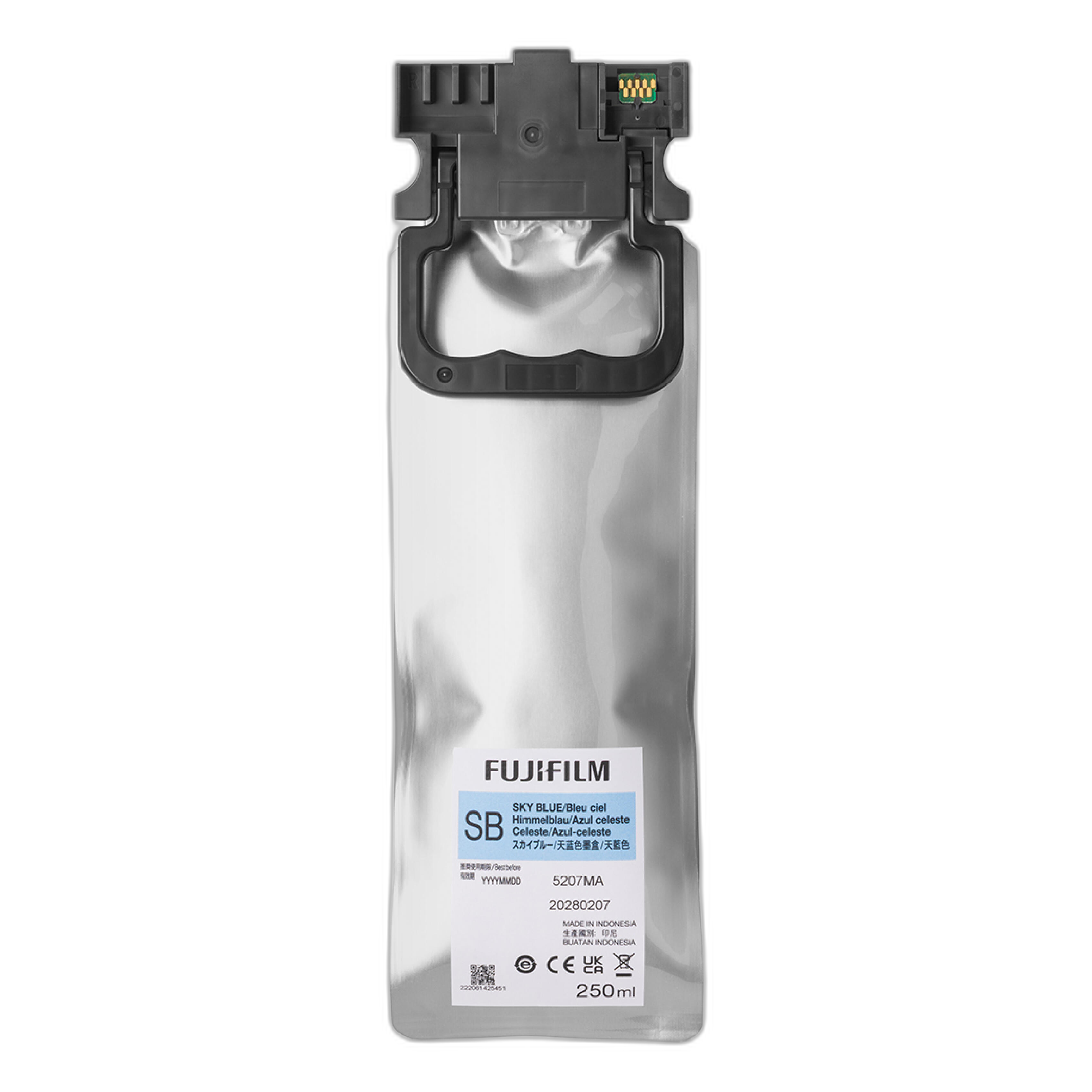 Fujifilm Sky Blue Ink for DX400W, play a role in how color-rich images are reproduced.
Keep a few practical favorites on hand
7. Build a small rotation instead of chasing every stock
It’s easy to get caught up trying every emulsion available, but most photographers are happiest with a short list of dependable favorites. A smart rotation might include one versatile color negative film, one black-and-white stock, and one film you save for special occasions. That approach helps you learn each stock more deeply and shoot with more confidence.
If you’re balancing digital and film in the same kit, accessories for your other system still matter. For example, Fujifilm X users might keep pieces like the 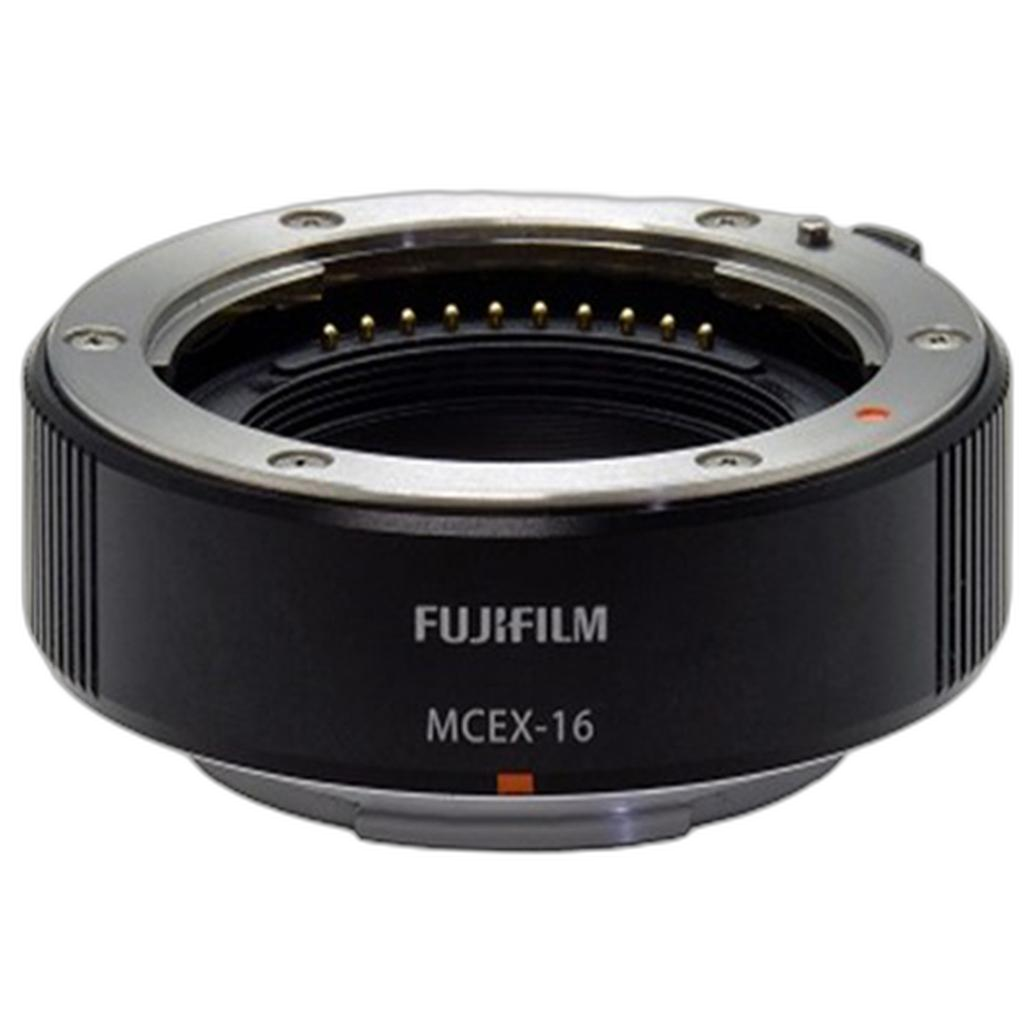 Fujifilm MCEX-16 extension tube or a
 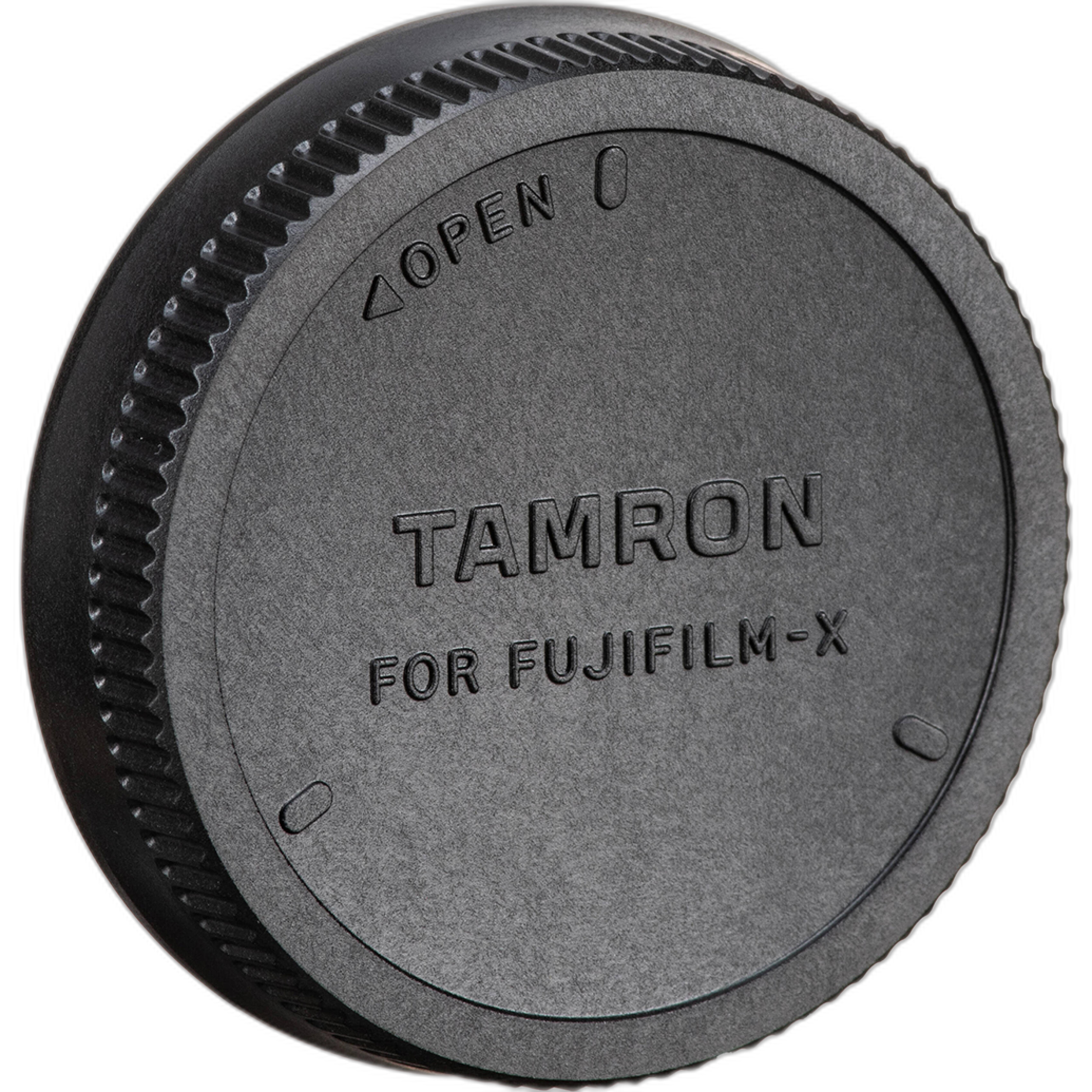 Tamron rear lens cap for Fujifilm X Mount nearby when switching between digital macro details and slower film shooting days.
Pay attention to the emotional response
8. Your favorite film stock is the one that makes you want to shoot more
Technical qualities matter, but your favorite film stock is often the one that keeps inspiring you to load another roll. Maybe it’s the warmth of the colors, the way highlights bloom, or the texture of the grain. Maybe it simply makes ordinary scenes feel special. That connection is part of why film remains so compelling.
And if you’re using medium format, loading a beautiful stock into a camera like the used Voigtlander Perkeo I 6x6 film camera can make the whole process feel even more intentional and enjoyable.
Conclusion
Finding your favorite film stocks is part experimentation and part instinct. Start simple, compare results, and pay attention to which emulsions match your subjects, workflow, and creative taste. Whether you love clean color negatives, moody black-and-white, or the special feel of medium format, the best choice is the one that keeps you excited to keep shooting. For film gear, accessories, and photo finishing tools to support your process, explore more from Unique Photo.