Feature stories unfold in unpredictable light, tight spaces, and fleeting moments. Choosing the right lens—prime or zoom—can be the difference between a strong human story and a missed beat. Here’s how to build a go-to lens approach that keeps you fast, flexible, and visually consistent.
When to Reach for Prime Lenses
1) Use fast primes to conquer low light and isolate subjects
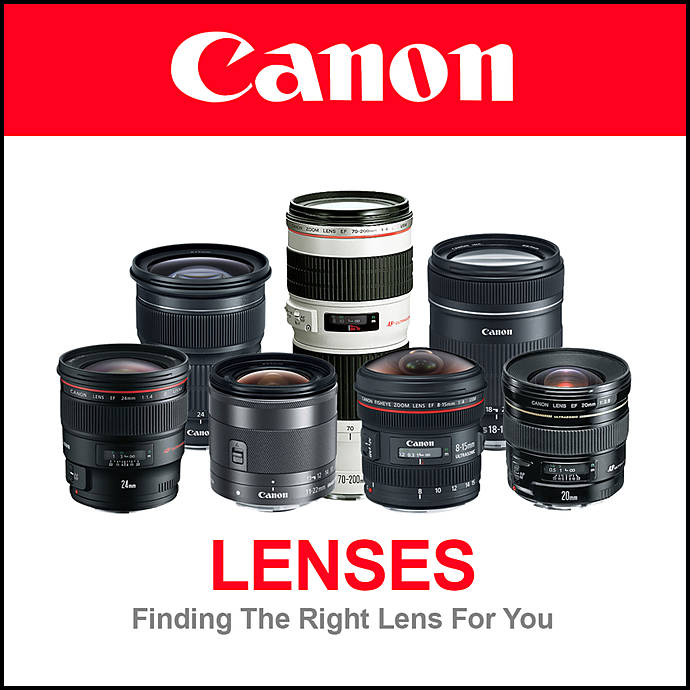
In dim interiors, evening events, and backlit scenarios, a fast prime (f/1.4–f/2) keeps ISO lower and backgrounds clean. A 35mm or 50mm prime excels for intimate environmental portraits; an 85mm is great for layered depth at a respectful distance. If you’re sorting out focal length basics, explore lens fundamentals in an approachable format with a session like Canon Lenses: Finding the Right Lens for You—ideal even if you’re cross-shopping brands to understand how focal length shapes perspective.
2) Commit to a focal length for visual consistency
One prime for a whole day forces consistency in framing and visual rhythm. Your audience begins to feel “inside” the story because the perspective stays coherent. Try a 35mm for immersive scenes, or a 50mm for a classic, human-scale perspective. Build variety with distance and height instead of switching lenses.
When a Zoom Lens Is the Smart Play
3) Use a versatile zoom when the story is moving fast
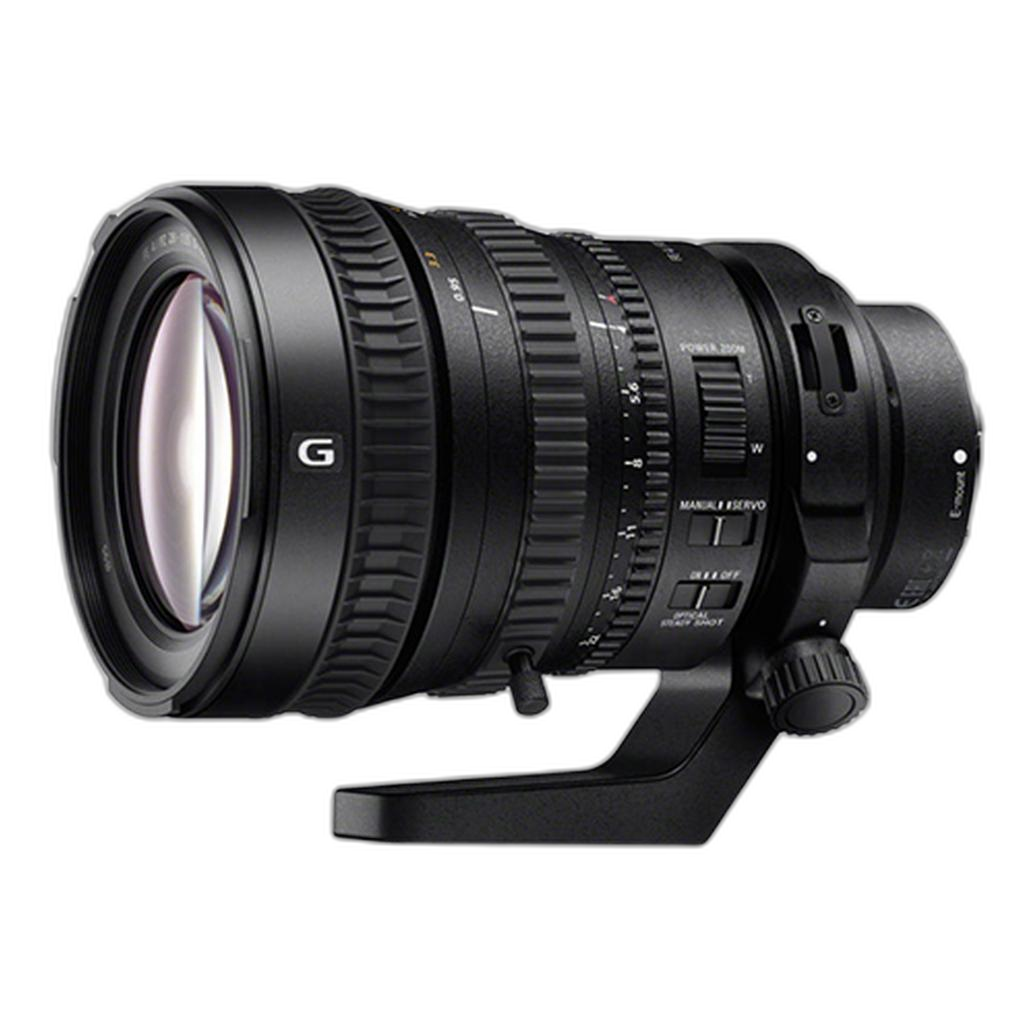
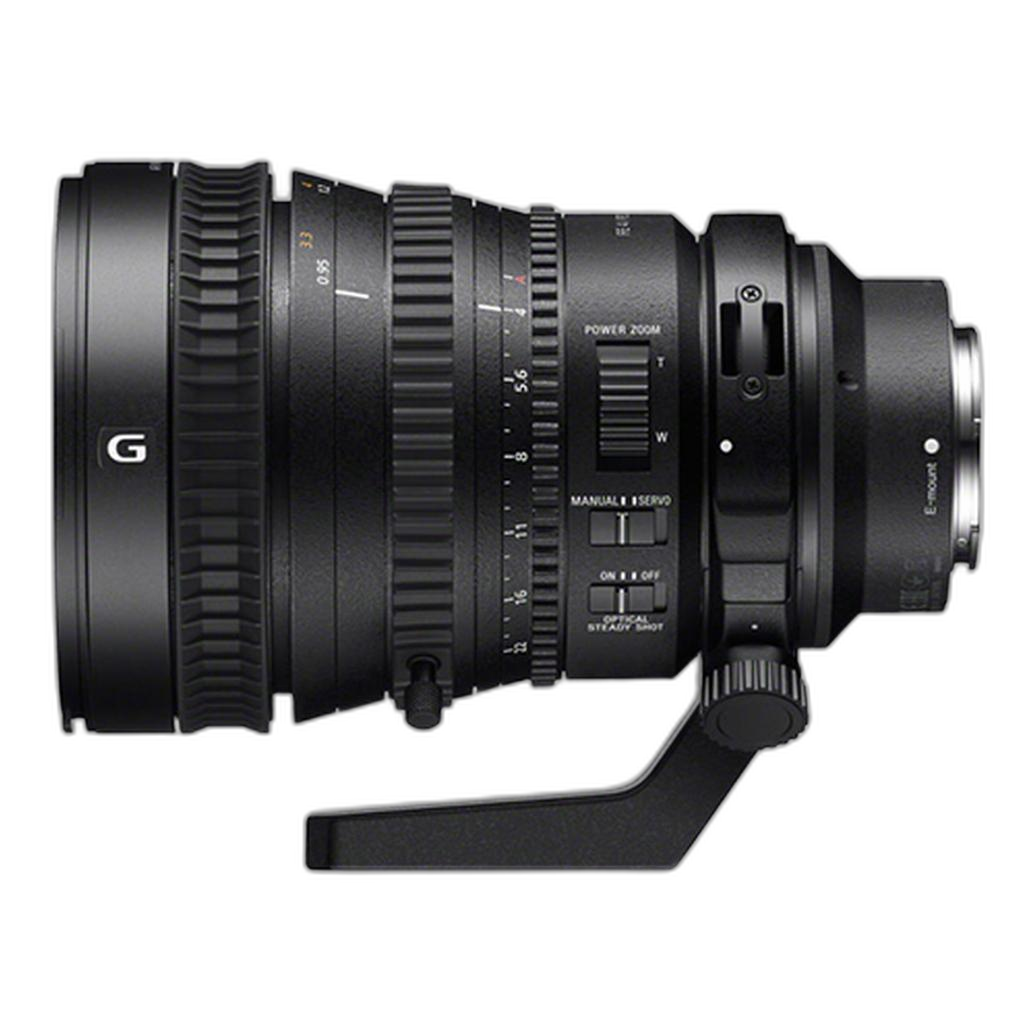
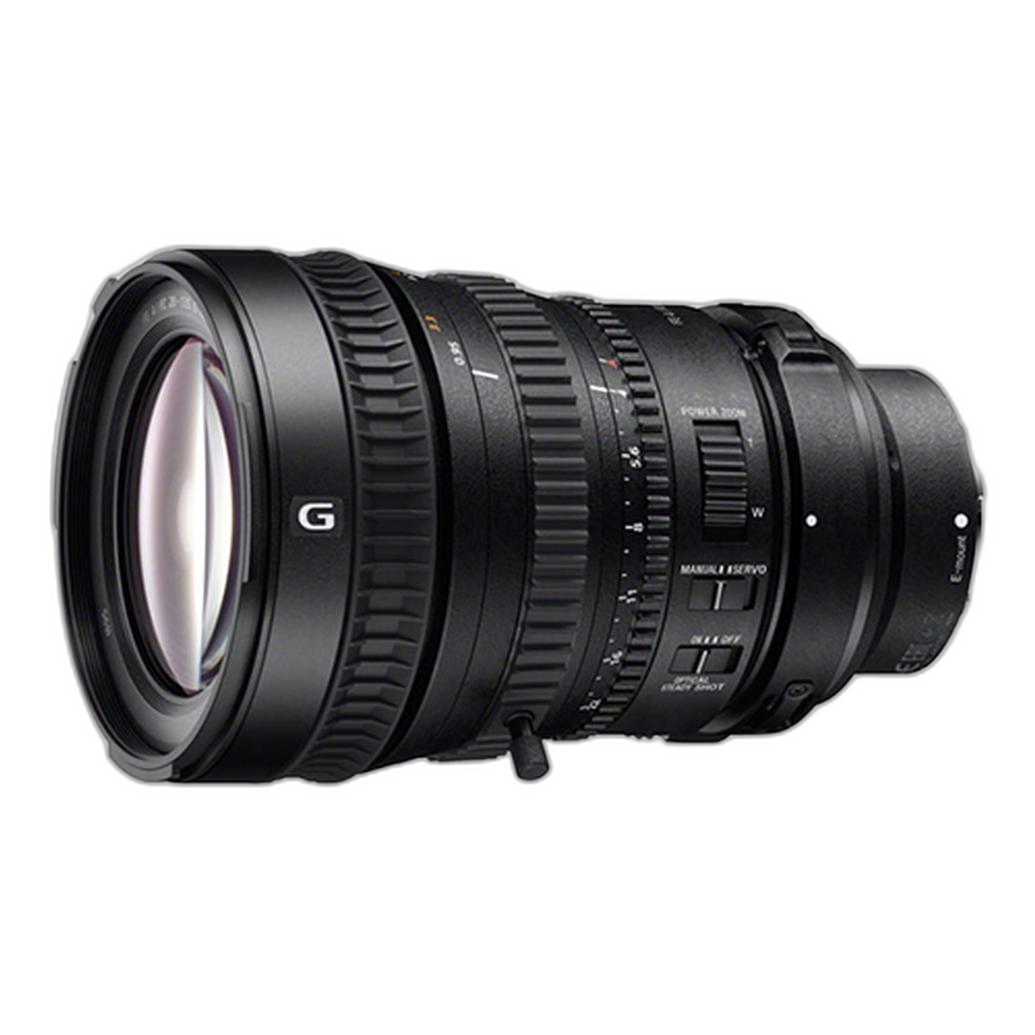
In dynamic situations—parades, community events, or quick transitions from wide scene-setters to tight details—a midrange zoom is gold. A 28–135mm range covers wide-to-tight without lens swaps. The Sony FE PZ 28–135mm f/4 G OSS is a great example of a documentary-friendly zoom that balances reach, sharpness, and control for both stills and hybrid video work.
4) Stabilization and power zoom features help with hybrid storytelling
For multimedia features, optical stabilization smooths handheld frames and the parfocal design on certain cinema-leaning zooms keeps focus consistent while zooming. A power-zoom mechanism is quieter and more controlled—handy for video cutaways during interviews.
Fieldcraft That Elevates Any Lens Choice
5) Build a two-lens kit for speed: one prime + one zoom
A pragmatic feature kit often pairs a fast 35mm or 50mm prime with a flexible midrange zoom. Use the prime for portraits and mood; deploy the zoom for scene coverage. Keep one on each body when possible to reduce swaps and missed moments. For on-the-road inspiration and real-world storytelling approaches, events like EXPO: Stories from the Road – Photography Across Worlds can spark ideas for kit choices that match your narrative style.
6) Practice focus and framing drills before the assignment
Set aside time to practice fast focus, shooting through foregrounds, and composing from low and high angles with both primes and zooms. Workshops such as Macro and Landscape Photography at Duke Farms challenge you to work edges and textures—skills that translate directly into stronger feature detail shots.
7) Mind your working distance
Primes make you move; zooms let you reframe from one spot. Be intentional: step closer with a 35mm to place the viewer in the scene, or stay back with a 85–135mm field of view to preserve moments. Match distance to the emotion you want to convey.
Budget, Workflow, and Continuing Education
8) Stretch your budget with quality used glass
Feature assignments reward reliability. Used pro zooms can deliver sharp results and durable mechanics at a friendlier price. A used Sony FE PZ 28–135mm f/4 G OSS, for example, offers a cinema-leaning build for hybrid reporters who bounce between stills and motion.
9) Refine in post without changing your look
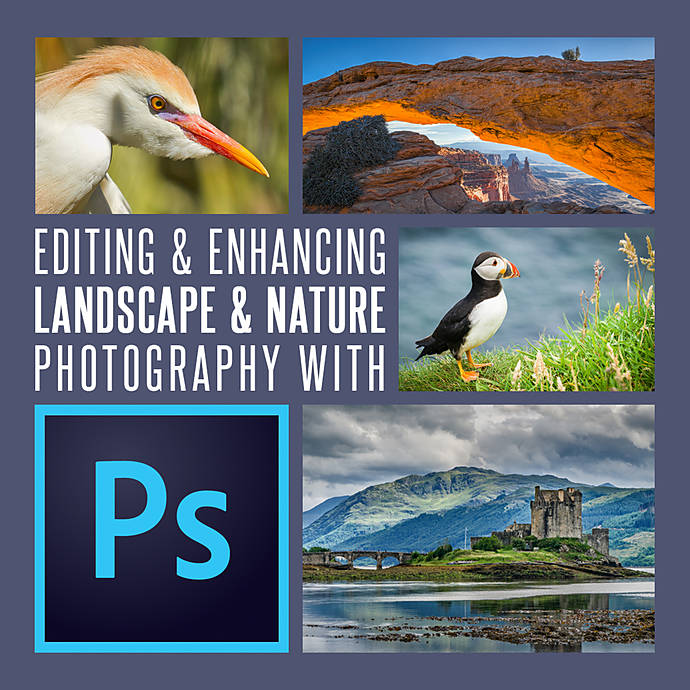
Keep a consistent color and contrast curve across images so the story flows. Learn selective dodging/burning to guide the eye and gently balance mixed light—especially helpful when mixing fast primes and stabilized zooms. If you want to deepen your workflow, consider a class like Editing and Enhancing Landscape and Nature Photography with Photoshop—the masking and tonal control techniques apply directly to feature storytelling.
10) Know your camera’s AF settings for each lens type
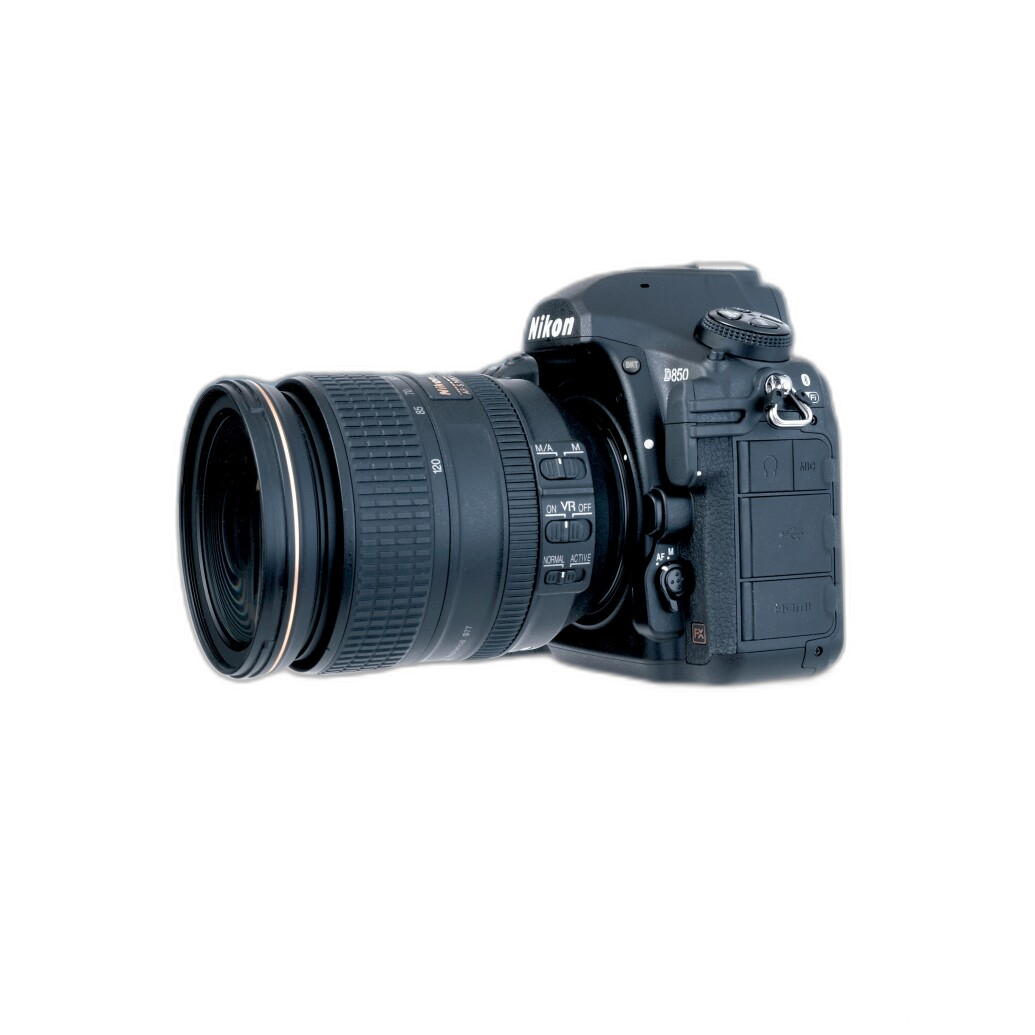
Dial in AF-C behavior, subject detection, and back-button focus with both primes and zooms. Fine-tune how your body tracks faces versus general subjects. Camera-specific resources—like the Nikon D850 Guide to Digital SLR Photography—can accelerate your mastery of setup, customization, and lens pairing.
11) Consider adding audio for richer features
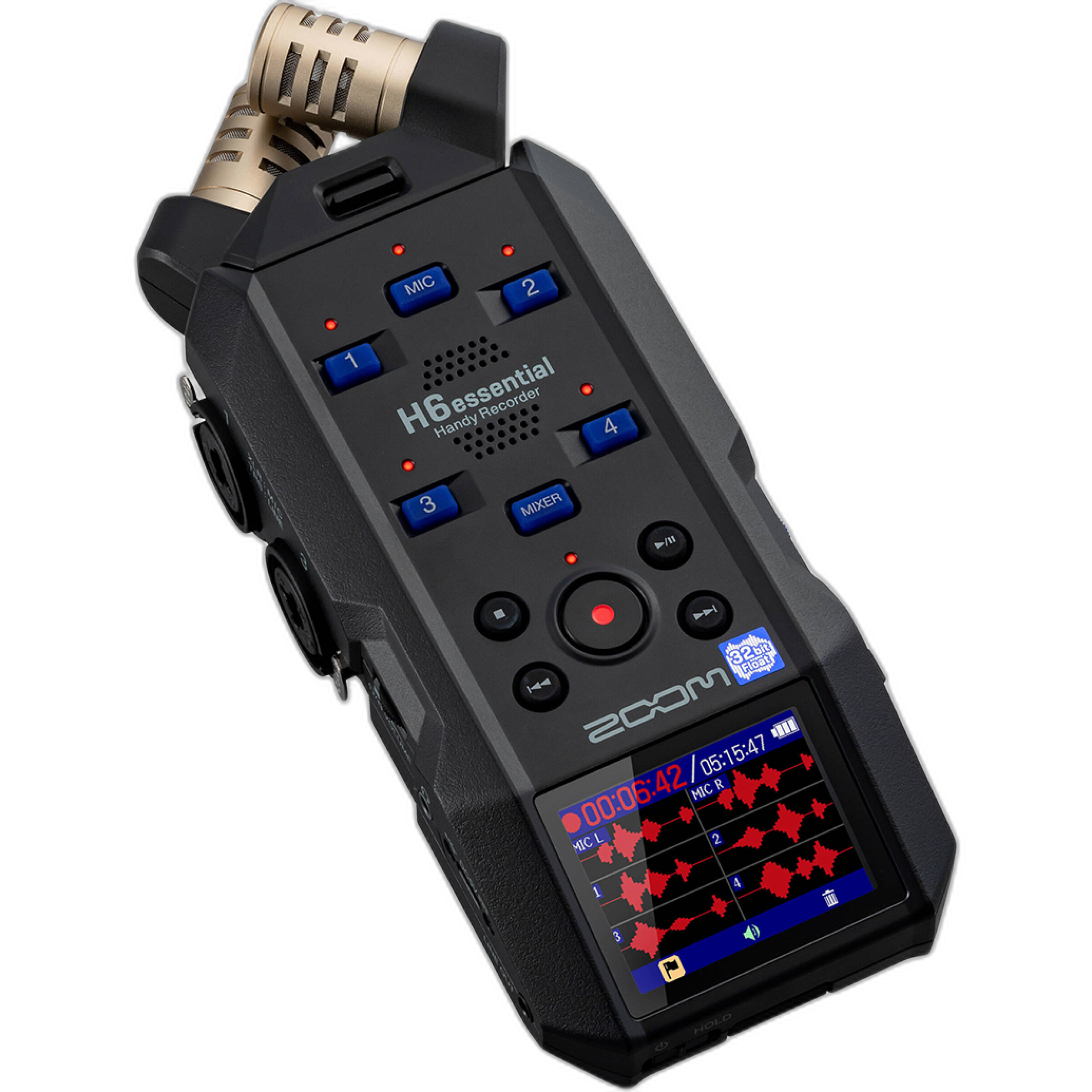
When a story demands ambient sound or quick interviews, a compact recorder rounds out your package. A handheld unit like the Zoom H6Essential Series 6-Track 32-Bit Float Handheld Recorder captures clean audio for multimedia packages without overcomplicating your stills workflow.
Final Take
Prime lenses give you speed and character; zooms bring adaptability and coverage. The strongest feature photographers learn when to switch—and when to commit. Build a nimble two-lens kit, practice with purpose, and keep learning. When you’re ready to refine your setup or explore classes and used gear, visit Unique Photo for hands-on advice and trusted support.