Capture Real Moments, Not Stiff Poses
Authentic feature photos feel like a great conversation—honest, specific, and alive. The secret isn’t just in your camera settings; it’s in how you guide people. These field-tested direction techniques help subjects relax, express, and forget the camera, so you can tell a story that reads true.
Field-Tested Tips for Natural Performances
1) Start with intent, not poses
Before you lift the camera, ask open prompts: “What’s a moment from this week you’re proud of?” Give each mini-scene a purpose—celebrate, reflect, anticipate—so your subject can focus on feeling, not “looking right.”
2) Use verbs and scenarios, not static commands
“Walk toward me like you’re greeting an old friend,” “Pause at the window and exhale,” “Show me how you usually sit when you unwind.” Verbs activate the body, scenarios unlock authentic expressions.
3) Warm up with movement
A 60-second walk, a gentle stretch, or a slow spin loosens shoulders and jaw tension. Keep the first frames light and disposable—no pressure equals better moments later.
4) Prompt with sound to keep flow natural
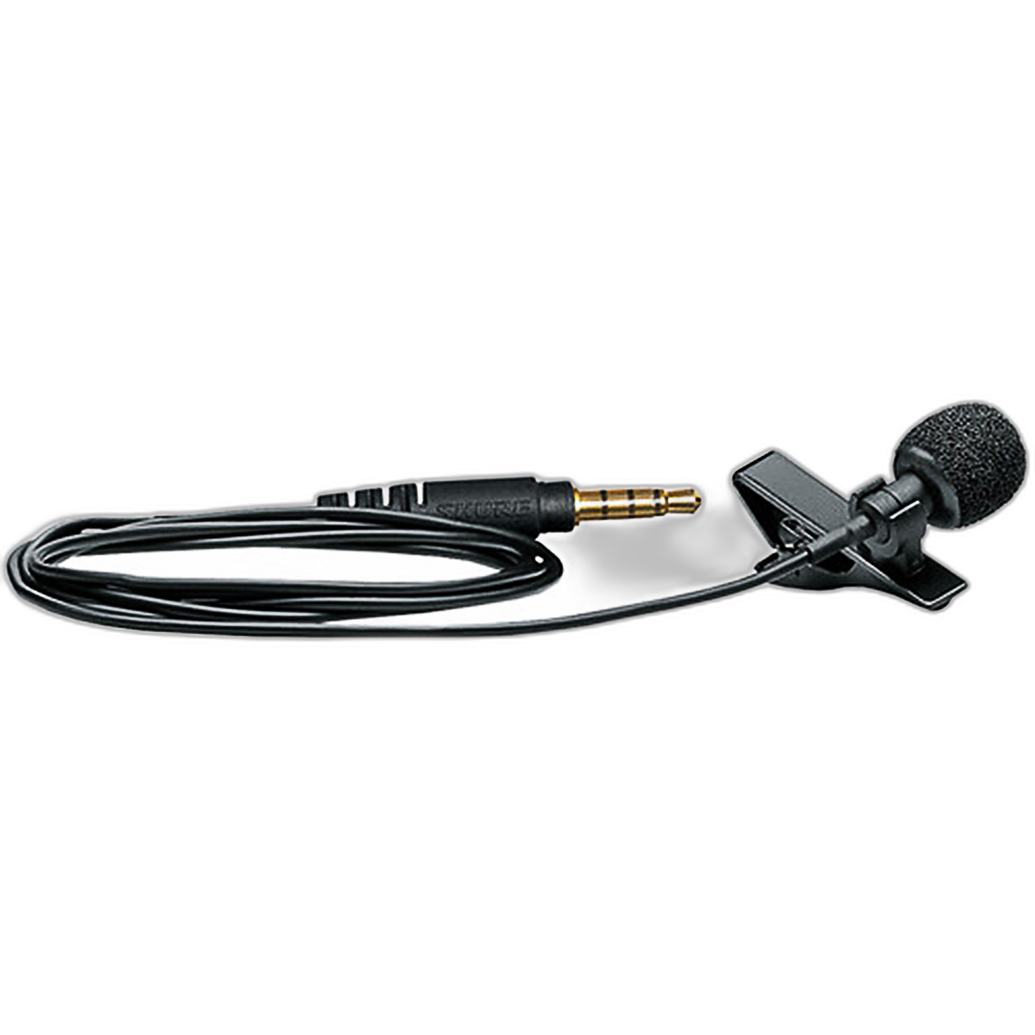
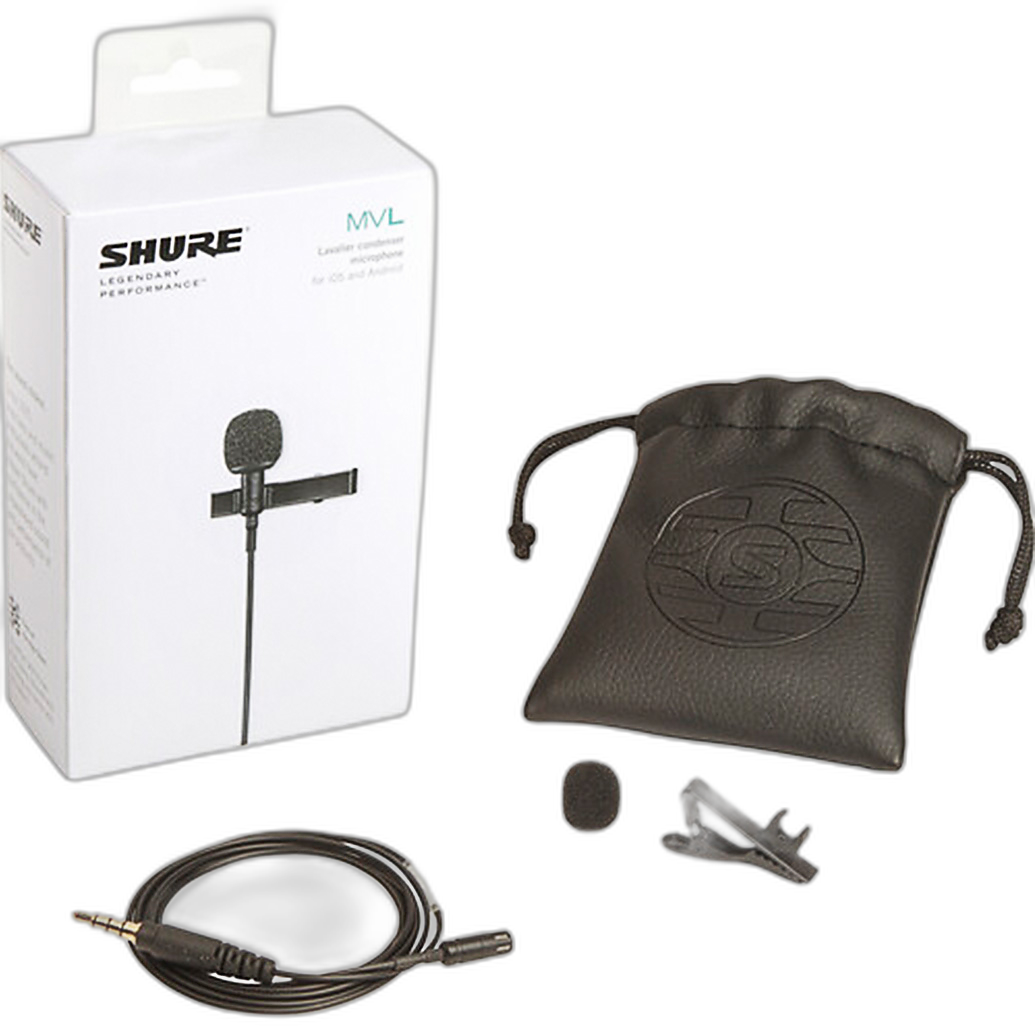
When it’s noisy or you need hands-free direction, capture simple audio cues. A tiny lav mic like the Shure MOTIV MVL keeps your voice clear for off-camera prompts and lets you record quick voice notes for story details you don’t want to forget later.
5) Anchor hands with meaningful props
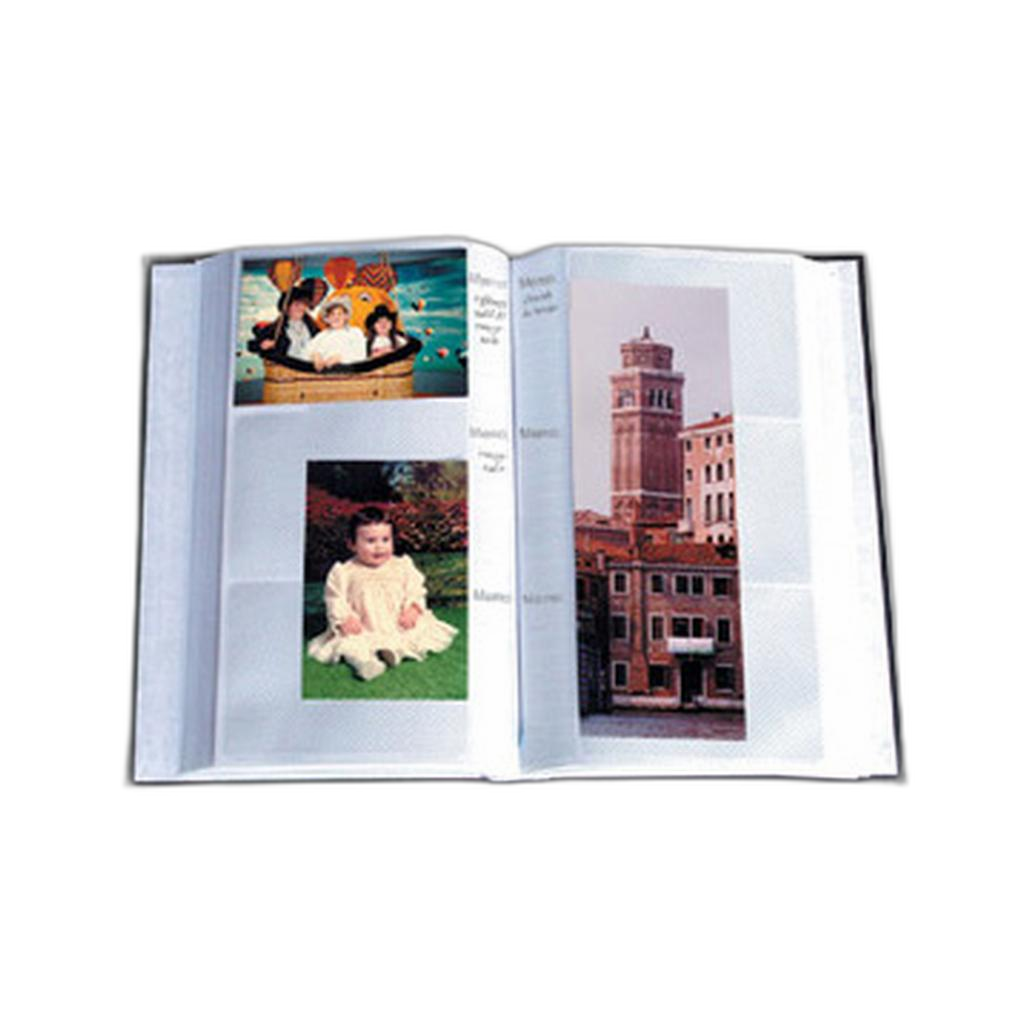
Empty hands often feel awkward. Use objects tied to the subject’s story—coffee mug, tool, or a photo album. Flipping through an album naturally draws eyes down, softens posture, and sparks real smiles.
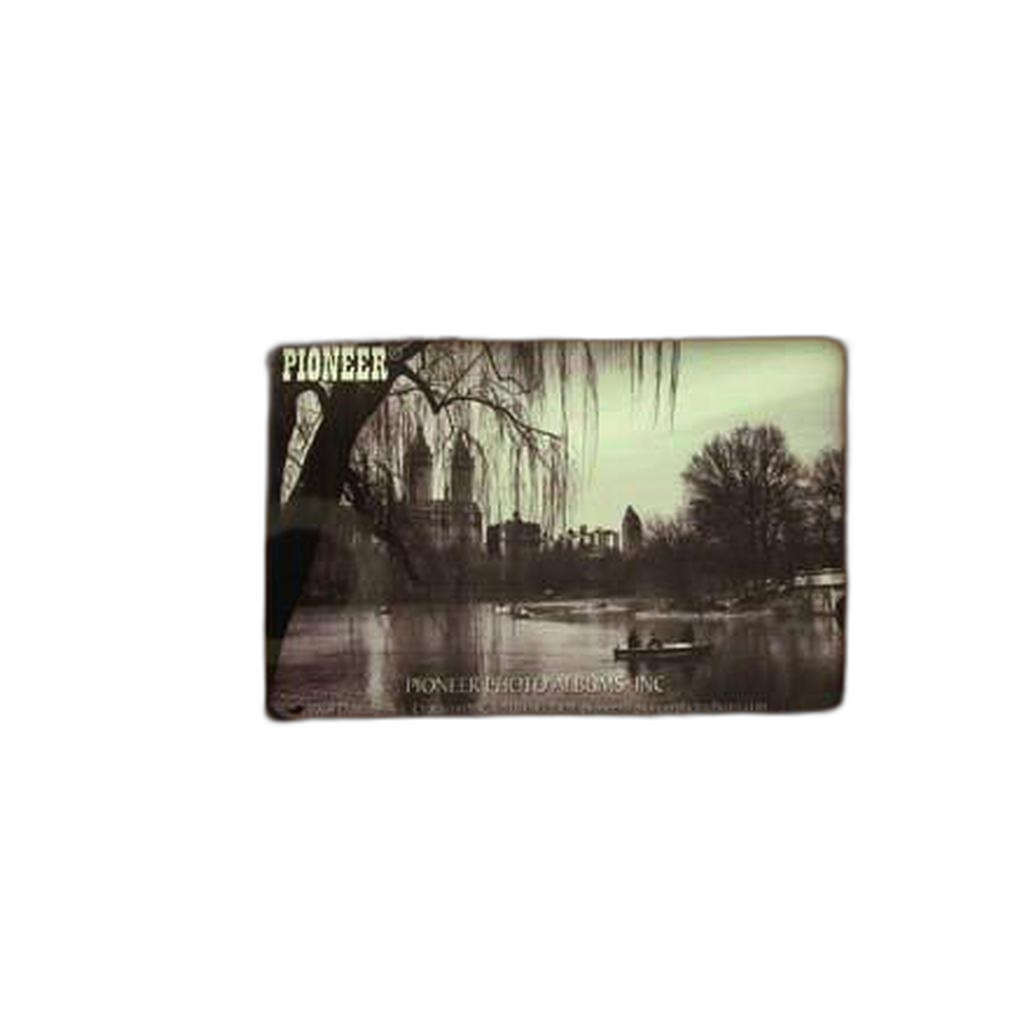
For personal features, a compact album like the Pioneer 4 x 6 In. Bi-Directional Memo Photo Album is great on set—small enough to hold, with memo spaces that invite tiny captions or dates that prompt conversation.
6) Direct with micro-adjustments
Fix one thing at a time: “Drop the right shoulder,” “Chin slightly down,” “Soften the hands.” Then stop. Over-correcting stalls emotion. Count subjects into action (“3…2…now look up”) to catch transitions—the most honest frames often happen between beats.
7) Ask for a story, then listen
Invite a 30-second anecdote and keep shooting through the telling; authentic emotion blooms mid-sentence. If laughter feels forced, ask for a fake laugh first—real laughter usually follows.
8) Embrace environmental rhythm
In public or event settings, direct lightly—guide your subject toward good light or a cleaner background, then step back and wait for their natural behavior to resume. For more real-world tactics in crowds, workshops like “How to Capture Great Festival and Event Photos with David Wells” can sharpen your people-direction and timing.

9) Show a quick preview to build trust
A 15-second peek at a strong frame reassures nervous subjects and gives you leverage to nudge a small change: “Perfect. Let’s try that again with your shoulders square to the light.” Keep the pace brisk so momentum doesn’t drop.
10) Sequence the story you shot
After the session, curate a sequence that mirrors the experience: wide for context, medium for connection, tight for detail. Deliver as a simple print set or a keepsake album so the subject sees themselves in a narrative, not just as isolated images.
A classic, tactile option is the Pioneer 4 x 6 In. Embossed Leather Frame Photo Album for a refined, long-form story; add Pioneer Album Refill Pages if you expand the feature over time. Ring-bound styles, like DF Albums’ 2-up Classic Album, make it easy to reshuffle sequences as the story grows.
Polish Without Losing the Feel
11) Edit to preserve honest tone
Keep skin tone natural, retain micro-expressions, and avoid over-smoothing. If you want guided feedback on subtle portrait retouching that keeps realism intact, a session like UUOnline: Photoshop Mentoring can help refine your finishing decisions.
Bring It Home
Authentic direction starts with empathy and specific prompts. Guide with verbs, use meaningful props, and protect the natural rhythm of the moment. When you’re ready to deepen your skills or find tools that support your workflow—from compact albums to on-set audio—Unique Photo has you covered online and in-store. Go make something honest.