Gimbal vs. Tripod: Which Stabilization Tool Is Better for Cinematic B-Roll?
When filmmakers talk about cinematic B-roll, stabilization is usually one of the first gear decisions that matters. A tripod delivers locked-off precision, clean compositions, and repeatable framing. A gimbal, on the other hand, adds fluid motion, walking shots, push-ins, reveals, and tracking sequences that can instantly make footage feel more immersive. If you are trying to decide which tool is the must-have option for your workflow, the answer depends on the kind of B-roll you shoot most often.
For this comparison, we are focusing on the gimbal side of the equation using several popular handheld stabilizers available from Unique Photo, then contrasting their real-world strengths against what a tripod traditionally does best. If your goal is dynamic cinematic movement, these gimbals represent compelling alternatives to static support.
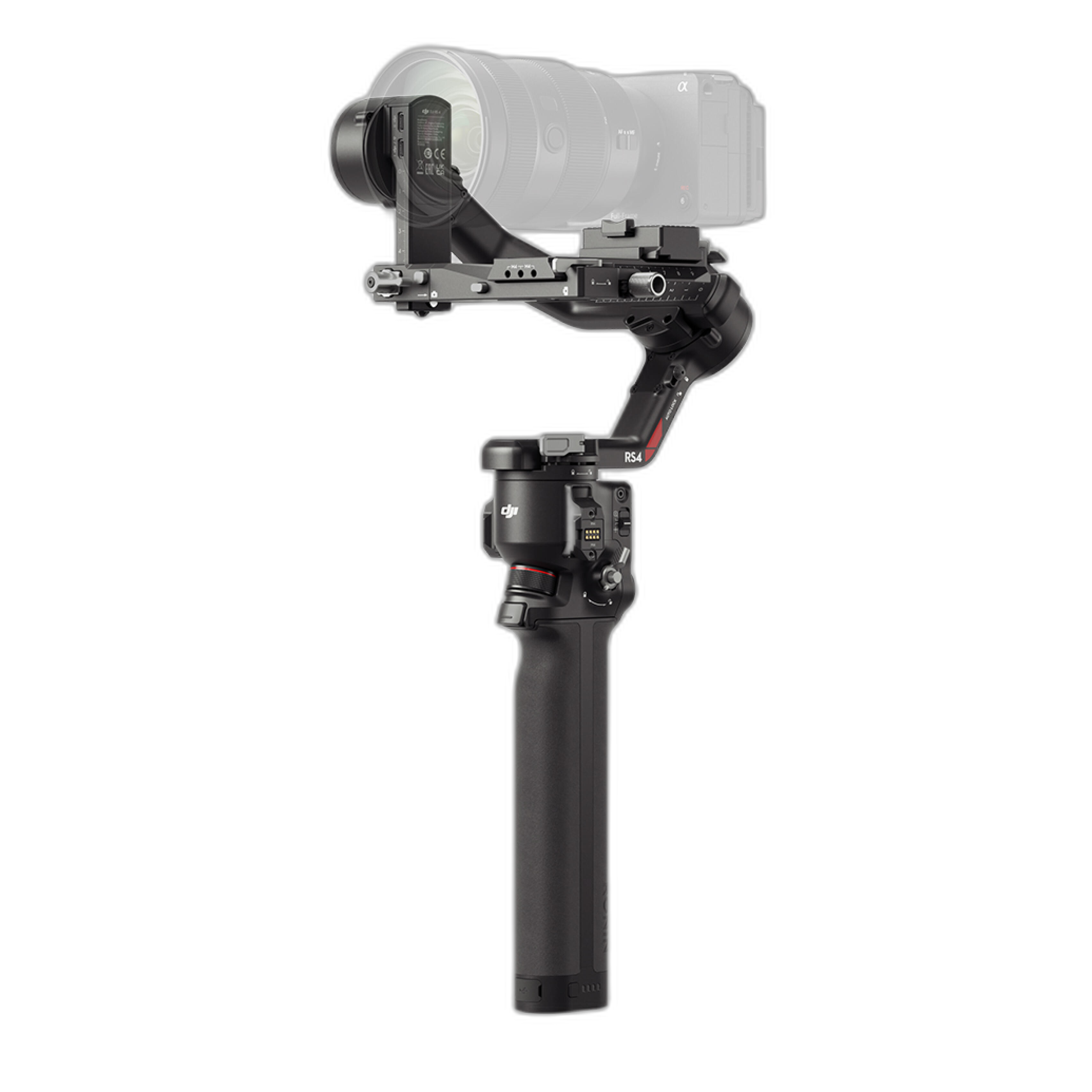
At-a-Glance Comparison
| Product | Type | Best For | Key Advantage | Compared to a Tripod |
|---|---|---|---|---|
| DJI RS 4 Gimbal Stabilizer | 3-axis gimbal | Professional cinematic B-roll | Modern stabilization and advanced shooting flexibility | Far better for motion shots; tripod still wins for static interviews and long locked shots |
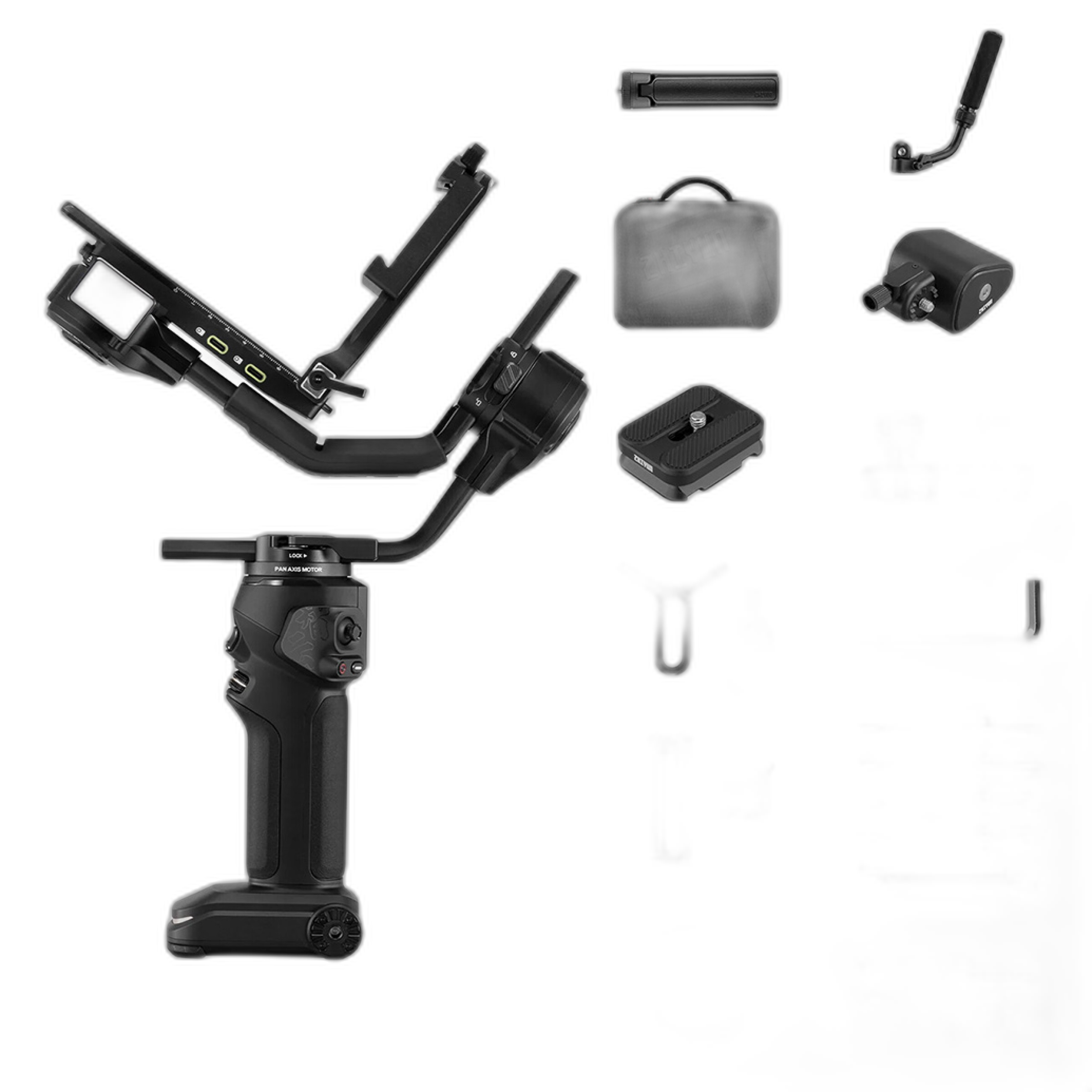
| Zhiyun CRANE 4 3-Axis Handheld Gimbal Stabilizer Combo Kit | 3-axis gimbal | Heavier video setups and accessory-rich rigs | Built for more advanced handheld productions | Better for moving camera sequences; tripod is simpler for fixed framing |
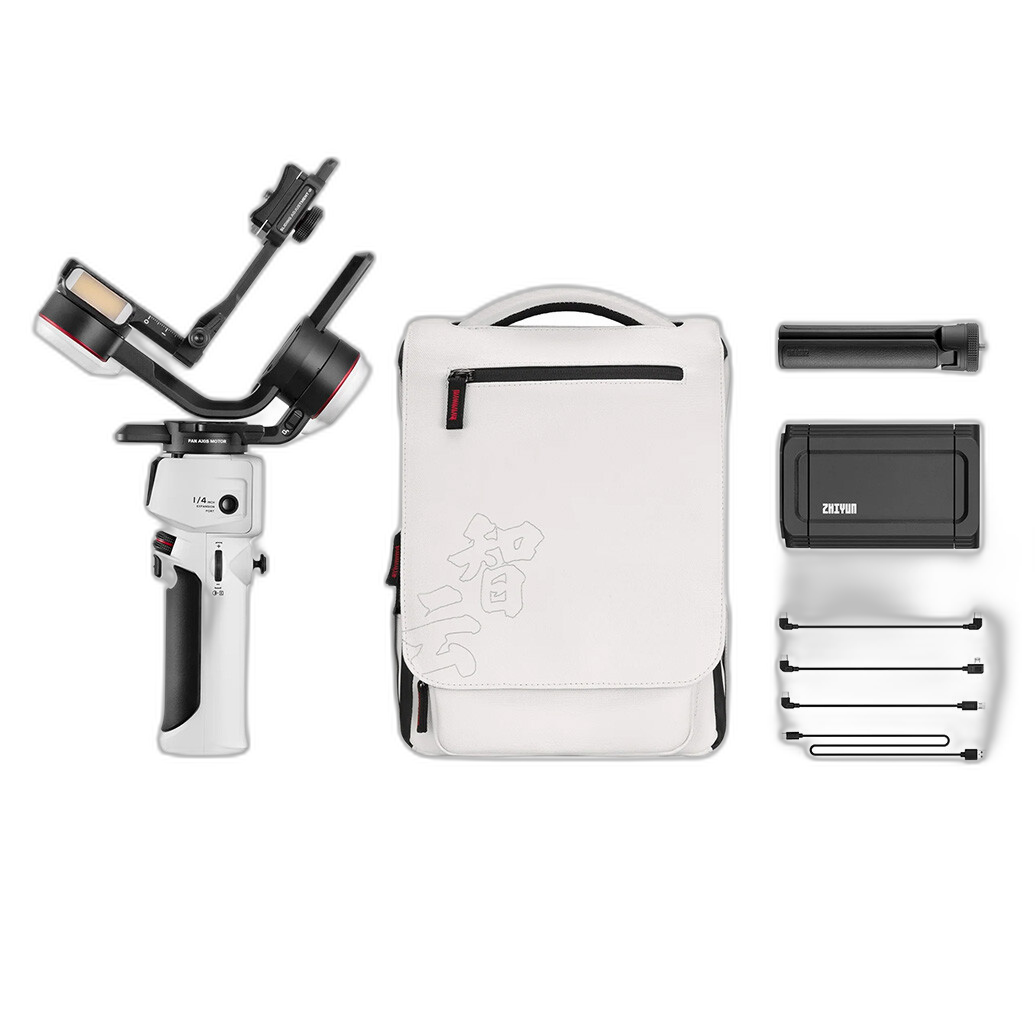
| Zhiyun CRANE M3S Handheld Gimbal Stabilizer Combo | Compact 3-axis gimbal | Lightweight mirrorless and creator setups | Portable and easier to carry all day | Much more mobile than a tripod; tripod offers steadier locked compositions |
| Open Box Zhiyun CRANE M3S Handheld Gimbal Stabilizer | Compact 3-axis gimbal | Budget-conscious shooters wanting mobility | Value-friendly entry into moving B-roll | Gives motion at lower cost, while a tripod remains ideal for static scenes |
| Used Excellent DJI RS 2 Gimbal Stabilizer Pro Combo | 3-axis gimbal | Value-minded pros | Pro-level ecosystem in used condition | More cinematic movement than a tripod, though less useful for extended stationary shots |
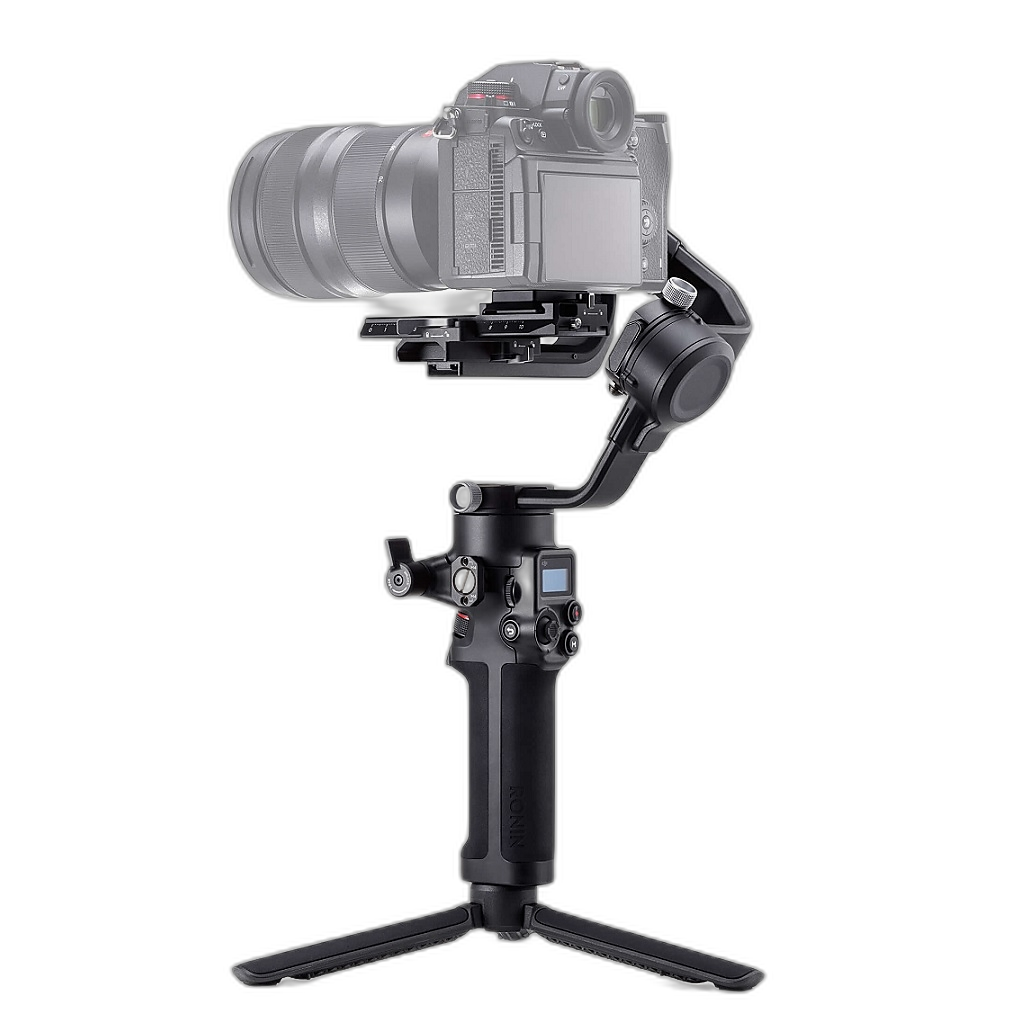
| Used DJI RSC 2 Gimbal Stabilizer - Excellent | 3-axis gimbal | Hybrid shooters and smaller rigs | Balanced portability and capability | More versatile in motion than a tripod, but tripod remains better for set-and-forget shooting |
| Used Fair DJI RS 2 Gimbal Stabilizer Pro Combo | 3-axis gimbal | Lowest-cost entry into pro gimbals | Affordable access to advanced stabilization | Wins for movement, while a tripod wins for simplicity and no-battery operation |
| Used DJI RS 2 Gimbal Stabilizer Pro Combo - Good | 3-axis gimbal | Budget-conscious filmmakers | Strong price-to-performance potential | Better for cinematic motion, tripod better for static precision |
Featured Gimbals for Cinematic B-Roll
Tripod Strengths
A tripod is still one of the most valuable tools in any video kit. For product shots, interviews, detail inserts, landscapes, time-lapses, and carefully composed static B-roll, it remains hard to beat. You do not need batteries, balancing, or motor tuning. Once the camera is set, your frame stays consistent take after take. That makes a tripod especially useful when precision matters more than motion.
Tripods also reduce operator fatigue. If you are shooting long sessions, fixed lighting setups, or multiple takes from the same angle, a tripod can keep your workflow fast and dependable.
Gimbal Strengths
Where a tripod stops, a gimbal starts. Cinematic B-roll often benefits from subtle movement: a slow orbit around a subject, a glide through a space, a reveal past foreground objects, or a steady follow shot. These are the kinds of visuals that can make edited sequences feel more polished and more expensive.
That is why many filmmakers consider a gimbal the must-have stabilization tool specifically for B-roll. It gives you motion without the shake of handheld footage, and it opens creative options that a tripod simply cannot provide on its own.
Category-by-Category Comparison
1. Best for Static Shots vs. Moving Shots
If you mainly shoot locked product footage, talking heads, overhead setups, or repeatable scenes, a tripod is the better tool. It is faster to deploy for stationary work and requires less setup. But if your B-roll style leans into motion, a gimbal is the clear winner. Smooth push-ins, low-angle tracking, and walking shots are where products like the DJI RS 4 Gimbal Stabilizer and Zhiyun CRANE 4 make the biggest impact.
2. Portability on Location
Tripods can be simple, but they are often awkward to carry through crowded spaces, events, or fast-moving shoots. A compact gimbal such as the Zhiyun CRANE M3S Handheld Gimbal Stabilizer Combo is especially appealing for creators who need to move quickly between locations. It is a stronger choice for travel B-roll, behind-the-scenes coverage, and social video production where agility matters.
3. Setup and Ease of Use
Tripods win on simplicity. Extend the legs, mount the camera, and shoot. Gimbals take more preparation, including balancing and sometimes profile adjustments depending on lens changes. For users who are new to motion stabilization, there is a learning curve. However, once dialed in, a modern gimbal can become a core part of a fast-moving production setup.
4. Creative Flexibility
This is the category where gimbals separate themselves. With a tripod, creativity comes from composition and lens choice. With a gimbal, you add directional movement to the visual language. A shot can begin low, rise into a reveal, track alongside a subject, or float through a room. For filmmakers focused on cinematic B-roll, that extra dimension is often worth the added complexity.
5. Payload and Rig Support
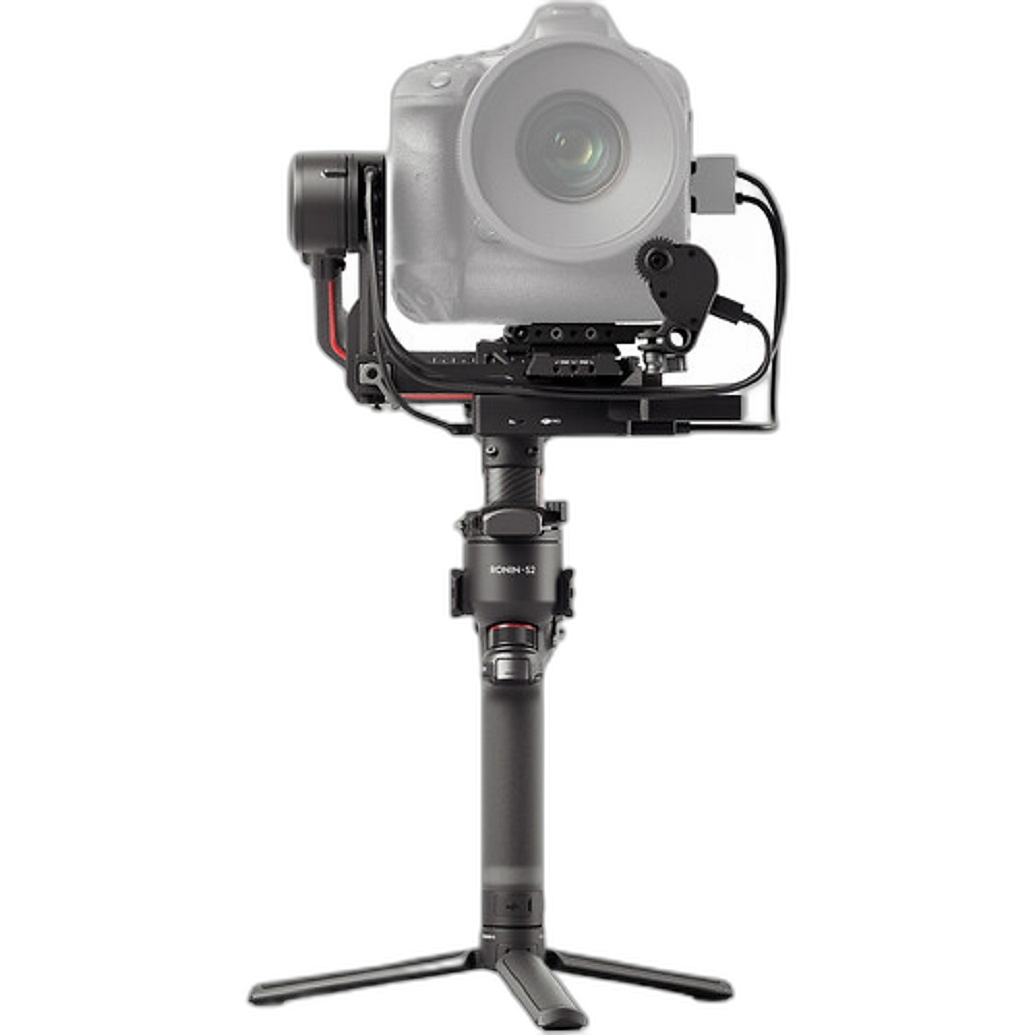
Not every gimbal suits every camera build. Shooters using larger bodies, heavier lenses, or accessory-heavy rigs should look at more robust options like the DJI RS 4 or Zhiyun CRANE 4. Those working with lighter mirrorless kits may prefer the smaller CRANE M3S. Used models like the DJI RS 2 Pro Combo and DJI RSC 2 can also be smart value picks for creators who want higher-tier stabilization without buying new.
6. Budget and Value
If cost is the deciding factor, a basic tripod is usually the most affordable path to stable footage. But if your work depends on dynamic motion, a gimbal may provide more visible production value per shoot. Open-box and used options, such as the Open Box Zhiyun CRANE M3S Handheld Gimbal Stabilizer, Used DJI RSC 2 Gimbal Stabilizer - Excellent, and the various used DJI RS 2 Pro Combo listings, can make gimbal ownership much more approachable.
Side-by-Side: Which Gimbal Fits Your Style?
| Model | Ideal User | Primary Strength | Why Choose It Over a Tripod? |
|---|---|---|---|
| DJI RS 4 Gimbal Stabilizer | Serious filmmakers and advanced creators | High-end moving shots and polished handling | For cinematic sequences where motion is central to the storytelling |
| Zhiyun CRANE 4 3-Axis Handheld Gimbal Stabilizer Combo Kit | Video shooters with more demanding rigs | Support for advanced production setups | For heavier builds that still need fluid movement |
| Zhiyun CRANE M3S Handheld Gimbal Stabilizer Combo | Travel creators and mirrorless shooters | Compact portability | For easy all-day movement and lightweight B-roll production |
| Open Box Zhiyun CRANE M3S Handheld Gimbal Stabilizer | Entry-level buyers seeking value | Affordable portability | For creators wanting moving shots without stretching the budget |
| Used Excellent DJI RS 2 Gimbal Stabilizer Pro Combo | Value-focused professionals | Feature-rich used option | For pro-style movement at a lower buy-in |
| Used DJI RSC 2 Gimbal Stabilizer - Excellent | Hybrid shooters | Balanced size and performance | For versatile handheld stabilization in a smaller package |
Our Pick
Our Pick: DJI RS 4 Gimbal Stabilizer
If your goal is to create cinematic B-roll with smooth, professional-looking motion, the DJI RS 4 Gimbal Stabilizer is the standout choice in this lineup. It offers the kind of stabilization and workflow flexibility that makes sense for filmmakers who want to move beyond static coverage and create footage with more energy and production value.
That said, if portability and budget matter more than maximum capability, the Zhiyun CRANE M3S is a smart alternative. And if your shooting style is mostly stationary, a tripod still deserves a place in your kit.
Final Verdict
For cinematic B-roll, a gimbal is often the more transformative tool because it adds motion, depth, and a polished visual feel that static support cannot replicate. A tripod remains essential for locked framing, interviews, product scenes, and long takes, but if you are choosing based on what most dramatically changes your B-roll, a gimbal usually has the edge.
Whether you want the latest DJI RS 4, a compact Zhiyun CRANE M3S, or a value-packed used gimbal, Unique Photo offers a strong selection for creators building out their stabilization kit.