Introduction: Competition Success Starts Long Before You Hit Submit
Photography competitions can be incredibly rewarding, but they are also full of avoidable pitfalls. Many strong images fail not because the photographer lacks talent, but because the final submission misses on focus, editing restraint, print quality, or even simple rule compliance. For photographers who want to move from hopeful entrant to serious contender, the best approach is to treat preparation like a gear and workflow review: identify the weak points, strengthen them, and submit with confidence.
That is where a few thoughtfully chosen products can make a real difference. In this review-style guide, we look at three especially relevant items available from Unique Photo: Photo No-Nos: Meditations on What Not to Photograph by Jason Fulford, 50 Things Photographers Need to Know About Focus by John Greengo, and the Epson SureColor P5370 17-Inch Professional Photographic Printer. Together, they address three of the most common competition mistakes: predictable image choices, technical softness, and weak final presentation.
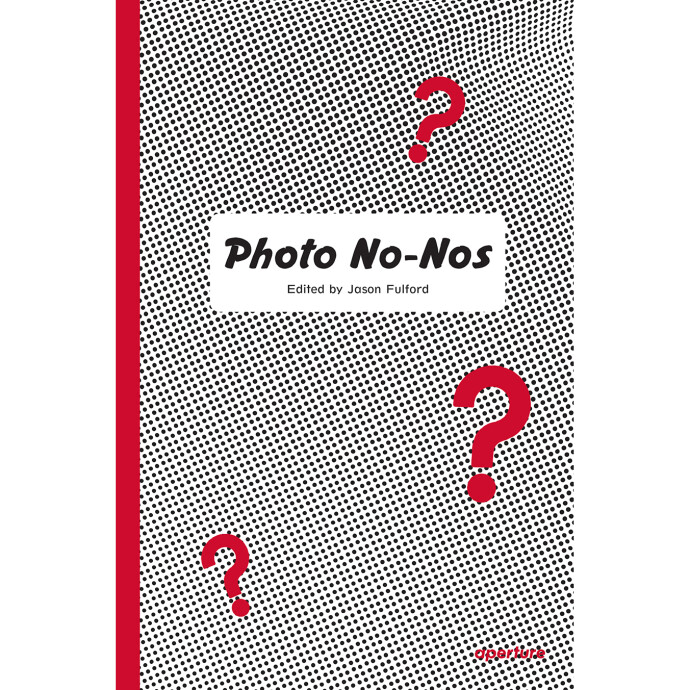
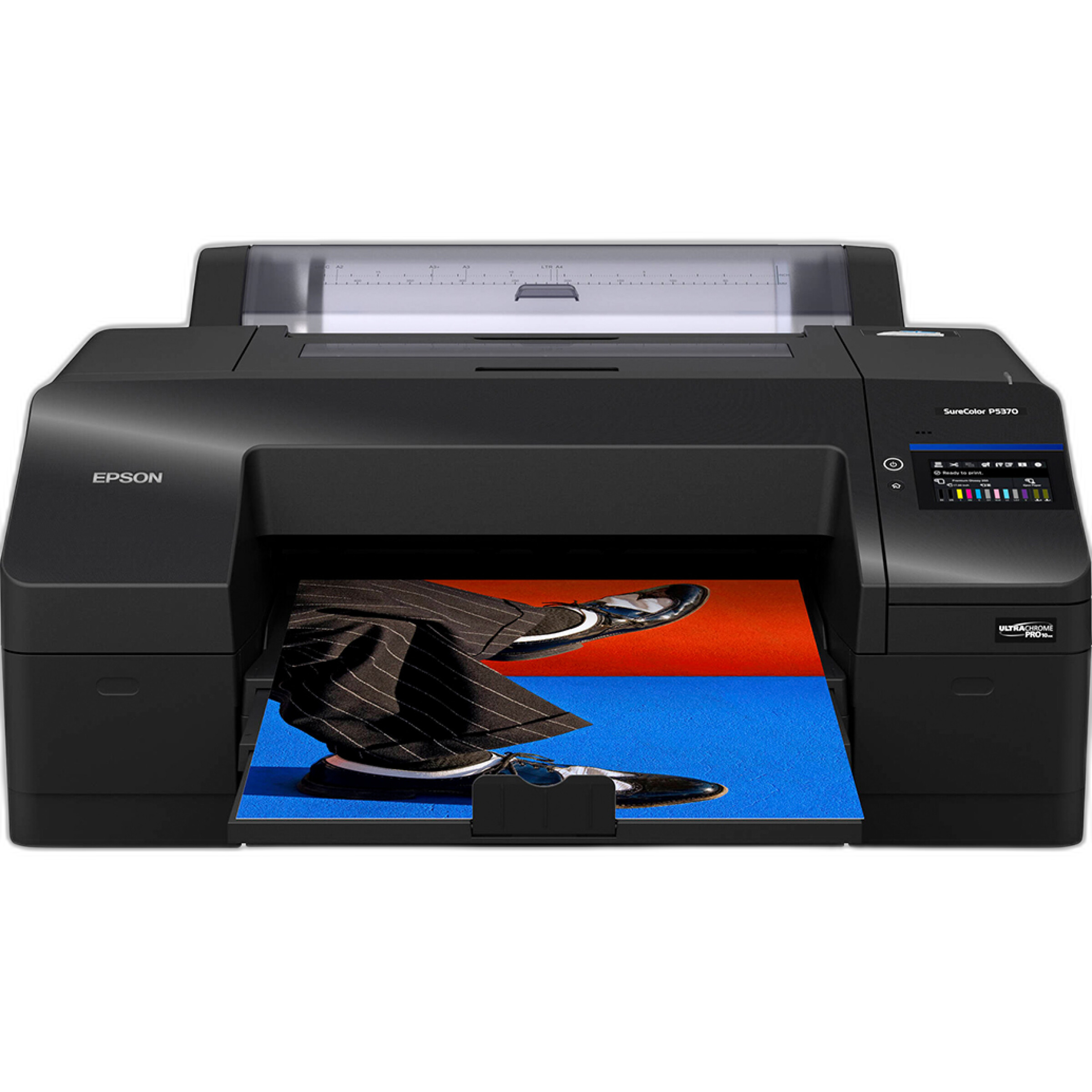
If you are serious about entering contests, these products represent a smart support system rather than impulse purchases. One helps refine your visual judgment, one sharpens your technique, and one elevates your final output. That combination is exactly what many competition entries are missing.
The Most Common Competition Mistakes
Before reviewing the products individually, it is worth identifying the errors photographers make again and again in contests:
- Submitting images that feel generic or overfamiliar
- Ignoring critical focus and technical precision
- Over-editing to the point of distraction
- Choosing the wrong image for the category
- Failing to review work at print size or final output size
- Neglecting presentation quality when physical prints are required
- Rushing entries without thoughtful curation
The products below stand out because each addresses one or more of these recurring issues in a practical way.
Product Review: Photo No-Nos: Meditations on What Not to Photograph
A Smart Resource for Avoiding Predictable Entries
Jason Fulford’s Photo No-Nos: Meditations on What Not to Photograph is one of the most useful conceptual tools a competition-minded photographer can have on the shelf. Despite the playful title, this is not a rigid rulebook. Instead, it encourages photographers to think harder about repetition, cliché, visual habits, and why certain subjects or treatments can feel tired in juried environments.
That makes it especially relevant to contests, where judges often see thousands of images that are technically competent but creatively interchangeable. Sunset silhouettes, generic street scenes, overprocessed landscapes, shallow-depth portraits with little emotional content—these are not bad subjects, but they are often presented without enough originality to stand out.
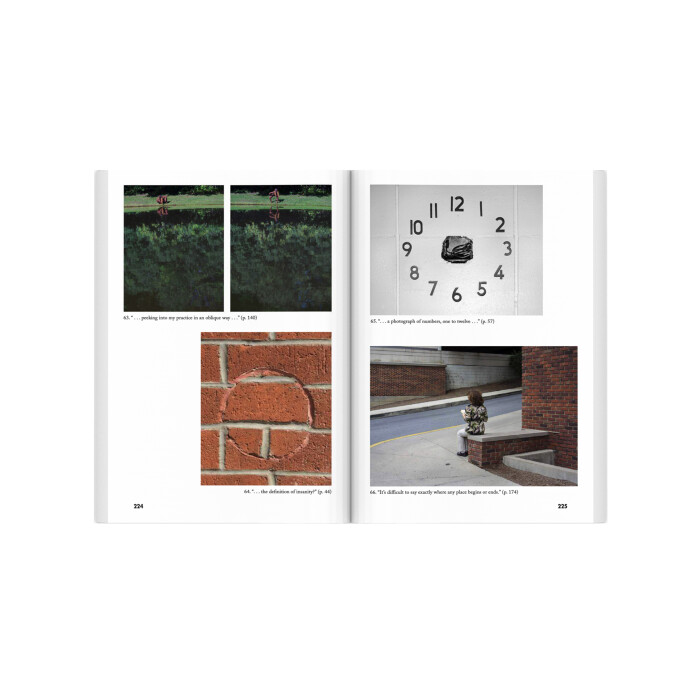
This book helps photographers examine their own instincts and ask a harder question: Is this image actually saying something, or is it just repeating something already familiar? For competition use, that is a valuable mindset shift.
How It Helps You Avoid a Major Competition Mistake
One of the biggest reasons entries fail is that photographers submit work they like personally without considering how it will read to a panel that reviews image after image. Photo No-Nos is useful because it trains you to self-edit more honestly. It pushes you to challenge obvious choices and search for photographs with stronger individuality.
Rather than offering formulaic tips, the book works as a creative reset. That makes it more enduring than many how-to titles. It is particularly strong for photographers building a shortlist for fine art, documentary, or open-theme competitions.
Pros
- Encourages better visual judgment and stronger self-editing
- Helps photographers avoid clichés and overfamiliar submissions
- Useful across many competition categories
- Thought-provoking rather than overly prescriptive
- Excellent companion for portfolio refinement
Cons
- Less technical than some photographers may expect
- Offers reflection more than step-by-step contest strategy
- Best for photographers willing to critique their own habits honestly
Product Review: 50 Things Photographers Need to Know About Focus
Technical Precision Still Matters
If cliché is one major reason entries get overlooked, poor focus is another. A competition image can have a great idea behind it and still fail if the point of focus is weak, inconsistent, or visibly misplaced. John Greengo’s 50 Things Photographers Need to Know About Focus is a practical resource aimed squarely at one of the most common technical mistakes photographers make.
In competition settings, judges tend to be unforgiving about softness unless it is clearly intentional and artistically justified. Missed focus in the eyes of a portrait, front-focused macro work, a wildlife frame with the feathers soft and the background crisp—these mistakes can knock an otherwise strong image out immediately.
This book is valuable because focus is not just about camera settings. It is about understanding subject movement, depth of field, autofocus behavior, lens characteristics, and when manual focus is the better choice. For competition photographers, that foundation is essential.
Why It Matters for Contest Entries
Many entrants review images casually on a rear LCD or phone screen and assume they are sharp enough. Competition judging exposes those assumptions quickly. A dedicated guide on focus helps photographers build habits that survive close inspection, especially when files are viewed large or printed.
Greengo’s approach is accessible and practical, making this title helpful for enthusiasts stepping into juried competitions as well as experienced photographers looking to eliminate small technical inconsistencies. It is especially useful in portrait, sports, wildlife, and macro categories where focus accuracy can make or break the frame.
Pros
- Directly addresses one of the most common technical reasons entries fail
- Useful for photographers at multiple skill levels
- Improves consistency in both capture and image review
- Applies to many genres including portrait, action, wildlife, and close-up work
- Strong value as a practical educational resource
Cons
- Narrowly focused on one technical area
- Not a substitute for broader competition strategy or editing guidance
- Best results come when readers actively practice the concepts
Product Review: Epson SureColor P5370 17-Inch Professional Photographic Printer
When Presentation Is Part of the Judging
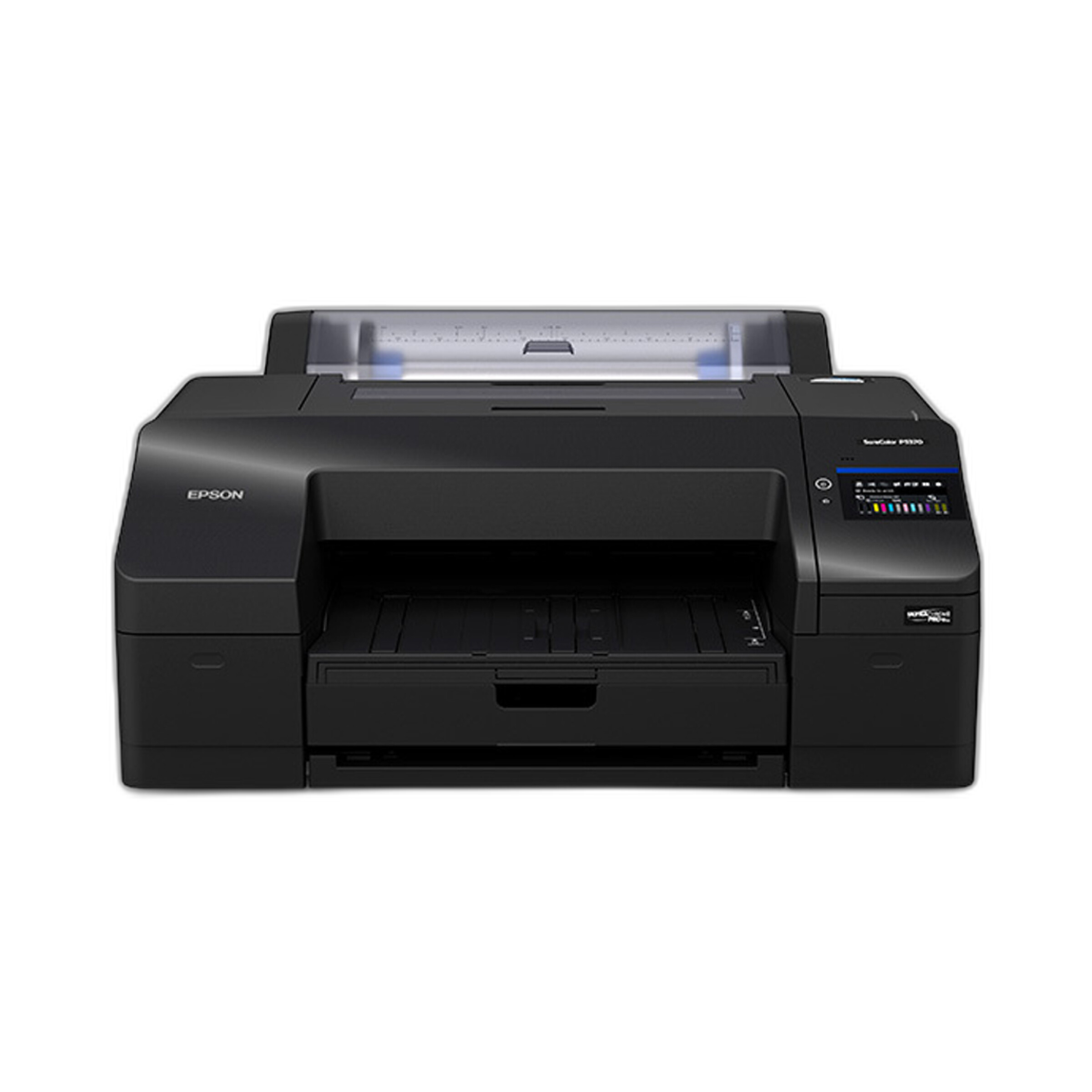
For competitions that require prints, or for photographers who want to evaluate their work more critically before submitting, the Epson SureColor P5370 is the most performance-oriented product in this group. This 17-inch professional photographic printer is not just a convenience tool. It is a serious output device for photographers who understand that the final presentation can reveal strengths and weaknesses that screens often hide.
One of the most overlooked competition mistakes is failing to inspect work in print. Tonal transitions, sharpening artifacts, blocked shadows, overly saturated colors, and edge distractions often become much more obvious on paper. A high-end printer like the P5370 helps photographers catch those issues before the judges do.
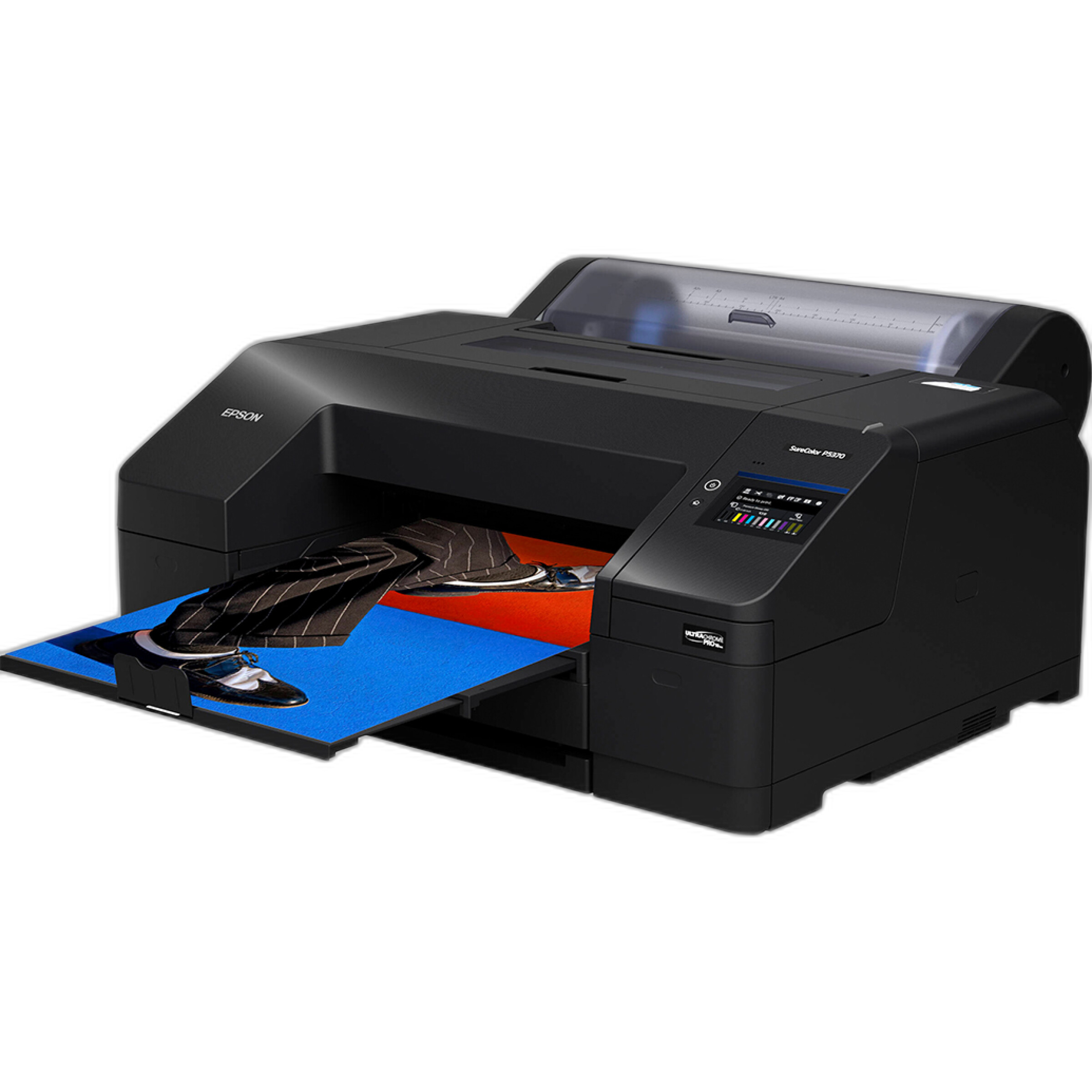
From a review standpoint, the P5370 is positioned clearly for dedicated photographers who care about gallery-quality output. It is especially appealing to competition entrants working in fine art, landscape, portrait, and black-and-white categories where print fidelity is crucial.
How It Helps You Avoid Submission Mistakes
The Epson SureColor P5370 is valuable in two ways. First, it lets you produce polished exhibition-worthy prints when the competition requires physical submission. Second, even when the entry is digital, printing your shortlisted images can improve your editing decisions dramatically. You see composition more clearly, evaluate detail more honestly, and become better at sequencing and selection.
This is the kind of tool that elevates a workflow, not just a final file. It encourages discipline. Instead of rushing a JPEG upload, you can examine a print, spot weaknesses, and revise with more intention.
Pros
- Professional-grade print output for competition and exhibition use
- Excellent for evaluating images beyond the limitations of a screen
- Strong fit for fine art and print-based contest workflows
- Helps reveal editing flaws before submission
- 17-inch format offers serious creative flexibility
Cons
- Higher investment than casual photographers may need
- Best suited to photographers who print regularly
- Requires good color management habits to realize full potential
How These Products Work Together
What makes this group compelling is that the products address different stages of the competition pipeline:
- Photo No-Nos improves concept selection and helps avoid visual clichés
- 50 Things Photographers Need to Know About Focus strengthens technical execution
- Epson SureColor P5370 improves final evaluation and presentation
That sequence mirrors the path of a successful entry. First, make stronger creative choices. Second, capture with precision. Third, review and present the work at a professional level.
Plenty of photographers focus only on one of those stages. The most successful competition entrants usually take all three seriously.
Practical Advice: How to Avoid Competition Mistakes
1. Avoid the Obvious Image
If your photo looks like a familiar version of a familiar idea, it may not survive judging. Use resources like Photo No-Nos to question whether the image is truly distinctive.
2. Check Focus at 100%
Never assume sharpness. Review files carefully and understand what critical focus should look like in your chosen genre. This is where Greengo’s focus guide becomes especially useful.
3. Print Before You Submit
Even if the contest is digital-only, making a print can help you see tonal and compositional issues that were easy to miss on screen. The Epson SureColor P5370 turns that step into a serious advantage.
4. Match the Category Carefully
A strong photo in the wrong category often underperforms. Study competition rules and judge expectations before selecting your final images.
5. Edit With Restraint
Over-sharpening, aggressive HDR effects, excessive saturation, and unnatural retouching remain common competition mistakes. Let the image speak without forcing it.
6. Curate Ruthlessly
Your favorite image is not always your best competition image. Build a shortlist, step away, review again, and seek trusted feedback.
Verdict
As a review package for photographers interested in competition success, these products are well chosen and highly complementary. Photo No-Nos: Meditations on What Not to Photograph is the strongest pick for photographers who need to escape predictable visual habits. 50 Things Photographers Need to Know About Focus is a practical technical resource that addresses one of the fastest ways an entry can be eliminated. And the Epson SureColor P5370 stands out as the premium tool for photographers who want to evaluate and present their work at a professional standard.
If you are entering competitions seriously, the best recommendation is this: start with the books to sharpen your judgment and technique, then invest in the printer if print quality and deeper image evaluation are part of your workflow. All three are worthwhile, and all three support the goal of making fewer avoidable mistakes.
For photographers looking to buy these tools and resources, Unique Photo is an excellent place to shop, with a strong selection of educational photography books and professional output gear.
Recommendation
Best for creative self-editing: Photo No-Nos: Meditations on What Not to Photograph
Best for technical improvement: 50 Things Photographers Need to Know About Focus
Best for final presentation and print competitions: Epson SureColor P5370 17-Inch Professional Photographic Printer
Taken together, they form a smart competition-prep toolkit for photographers who want to submit stronger, more polished work and avoid the mistakes that keep good images from winning.