If you are stepping into cinema cameras for the first time, the biggest challenge is rarely image quality alone. Blackmagic, Canon, and Sony all offer compelling routes into filmmaking, but they differ dramatically in workflow, usability, lens ecosystem, accessories, and long-term ownership costs. For beginners and advancing creators alike, the right choice depends on whether you prioritize raw recording and grading flexibility, dependable autofocus and color science, or hybrid-friendly versatility.
Rather than treating this as a pure spec-sheet comparison, this review looks at how each brand feels as a starting point for real-world production. Blackmagic tends to appeal to filmmakers who want a true cinema-oriented workflow at an accessible price. Canon is often the easiest recommendation for shooters who value familiar handling, trusted color, and service support. Sony remains one of the most flexible systems thanks to broad lens options, powerful autofocus, and strong crossover appeal between stills and video.
At Unique Photo, many first-time cinema buyers are really building a system, not just buying a camera body. Power solutions, monitoring tools, lenses, audio accessories, and protection plans all shape the ownership experience. That is especially important when comparing these three brands.
Blackmagic: The Filmmaker-First Entry Point
For many new filmmakers, Blackmagic is the brand that feels most "cinema" from day one. Its Pocket Cinema Camera line, in particular, helped define an affordable path to high-bit-depth recording, log workflows, and a post-production mindset that resembles higher-end digital cinema systems more than conventional mirrorless cameras.
Image Quality and Recording Flexibility
Blackmagic's biggest strength is value for the serious video shooter. You are typically getting recording formats and color flexibility that encourage learning proper exposure, color grading, and post workflows early. That makes Blackmagic an excellent educational platform for aspiring narrative filmmakers, music video directors, and commercial creators.
The tradeoff is that Blackmagic cameras usually ask more from the operator. Battery life, autofocus, and run-and-gun simplicity are not the primary focus. If you want a camera that teaches you cinema discipline, Blackmagic is arguably the strongest launchpad of the three brands.
System Considerations for Beginners
A Blackmagic setup often grows quickly. External monitoring, dependable power, rigging, and better audio integration can become part of the package sooner than with Canon or Sony. That is not necessarily a downside; it simply means the system is designed more like a production tool than an all-in-one hybrid camera.
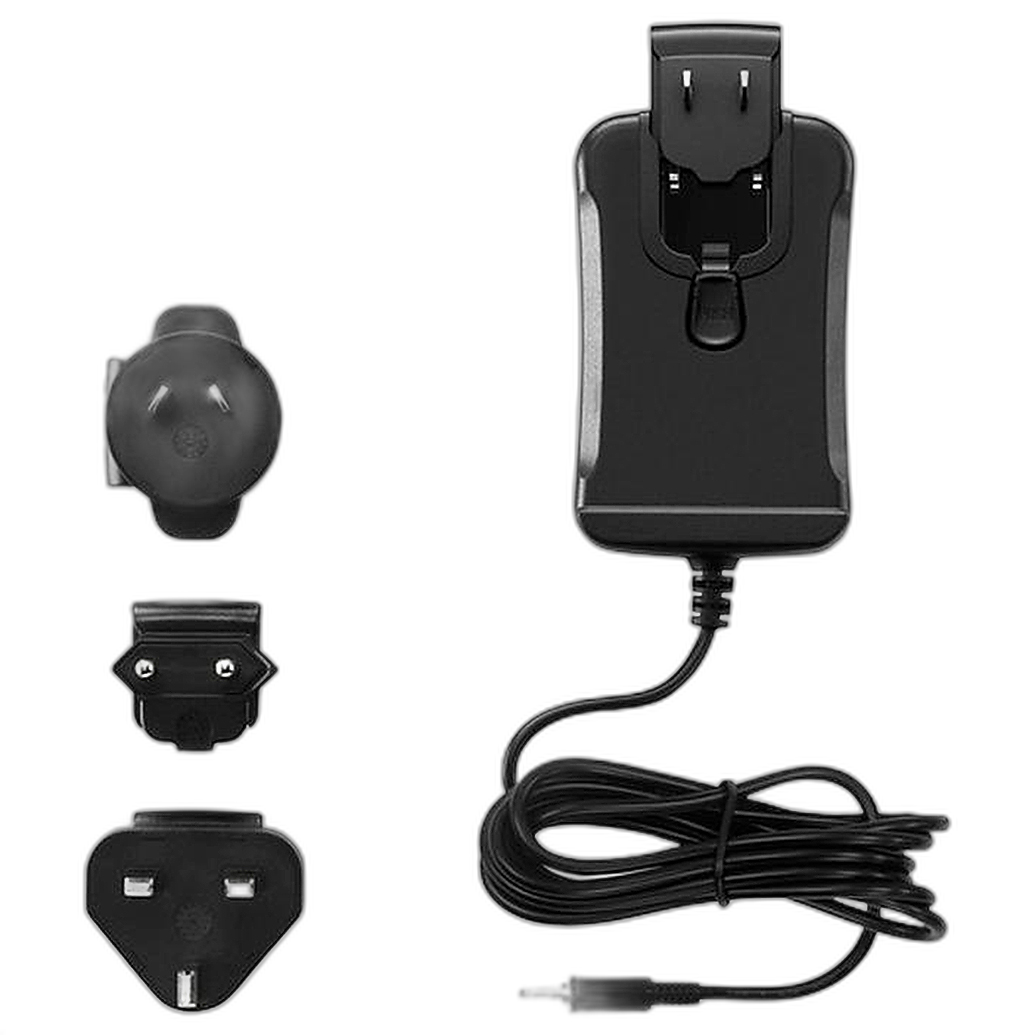
A simple but important example is reliable power. The Blackmagic Design Power Supply for Pocket Cinema Camera is a practical accessory that highlights how seriously power management matters in a Blackmagic workflow.
Likewise, monitoring can be a major upgrade path. A larger on-set display/recorder can make focusing, exposure checks, and client review easier, especially for beginners learning to work more deliberately. The Used Blackmagic Design Video Assist 7 12G-SDI/HDMI HDR Recording Monitor represents the kind of add-on that can make a Blackmagic-centered kit feel far more production-ready.


Audio and Rigging Practicality
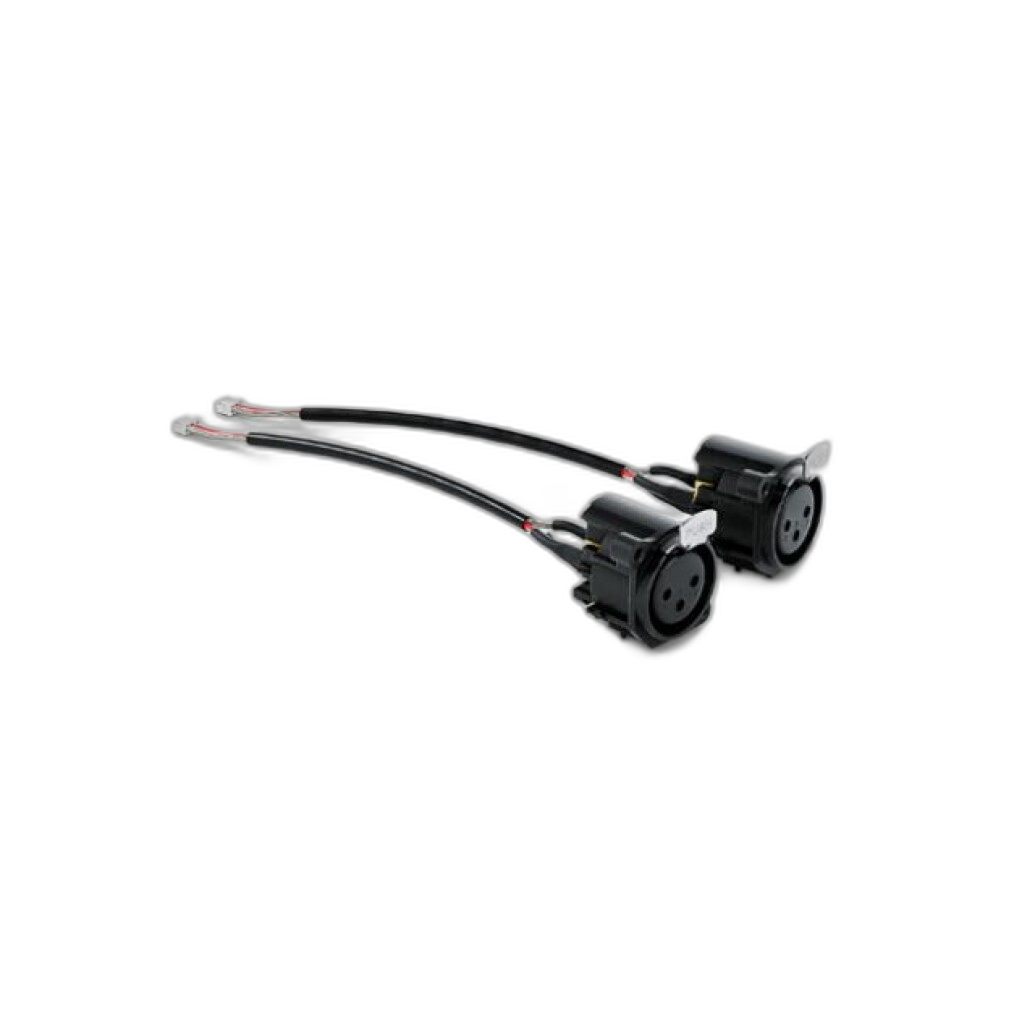
One overlooked factor when choosing a beginner cinema camera is how quickly you will need to improve audio handling. Blackmagic users often build toward external microphones and XLR-based workflows sooner, especially for interviews and short films. An accessory like the Blackmagic Camera URSA Mini - XLR Input Cable is a reminder that Blackmagic's ecosystem expects a more production-oriented approach.
Who Blackmagic suits best: filmmakers who want maximum grading flexibility, a cinema-first interface, and a strong learning platform for narrative or commercial production.
Canon: The Safe, Reliable Choice for New Cinema Shooters
Canon has long been a favorite among filmmakers who want attractive color, approachable controls, and dependable results with less setup friction. For beginners, Canon is often the easiest system to trust, especially if you are balancing paid work, interviews, documentary production, events, or solo operation.
Ease of Use and Color Science
Canon's reputation for pleasing skin tones and intuitive menus remains a major advantage. A new shooter can typically get strong-looking footage quickly, which matters when the learning curve already includes exposure, lighting, sound, and editing. Canon cinema bodies also tend to inspire confidence for client-facing work, where consistency and familiarity are just as important as theoretical dynamic range.
Ownership Confidence and Protection
Another practical point in Canon's favor is support. First-time buyers sometimes underestimate how valuable protection plans can be when investing in cinema gear. The Canon CarePAK PRO EOS Cinema Cameras - 4000-5499.99 - 2 year warranty is especially relevant here, because it speaks directly to peace of mind. For professionals and serious enthusiasts, warranty coverage can make Canon an even more attractive entry point.

That support-oriented ecosystem is one reason Canon remains such a strong recommendation for creators who want fewer surprises and more straightforward ownership.
Why Beginners Often Start Here
Canon tends to be the easiest brand to recommend to shooters who want a dedicated cinema tool but do not want to fight their gear. If your priorities include dependable ergonomics, strong out-of-camera color, and a smoother path to client work, Canon is extremely compelling.
Who Canon suits best: solo shooters, documentary creators, event videographers, and professionals who value reliability, color, and support over the most experimental workflow flexibility.
Sony: The Most Versatile System for Hybrid Creators
Sony's strength in this comparison is flexibility. While Blackmagic leans cinema-pure and Canon leans dependable and intuitive, Sony often lands in the sweet spot for creators who shoot across multiple disciplines. If you produce video, stills, commercial content, travel work, and social media deliverables, Sony's ecosystem is hard to ignore.
Autofocus, Lens Choice, and System Growth
Sony is often the best option for users who need high-performing autofocus and a wide path for expansion. The E-mount ecosystem is enormous, with options ranging from compact native lenses to high-end cinema-oriented glass. That breadth gives beginners room to start small and scale intelligently.
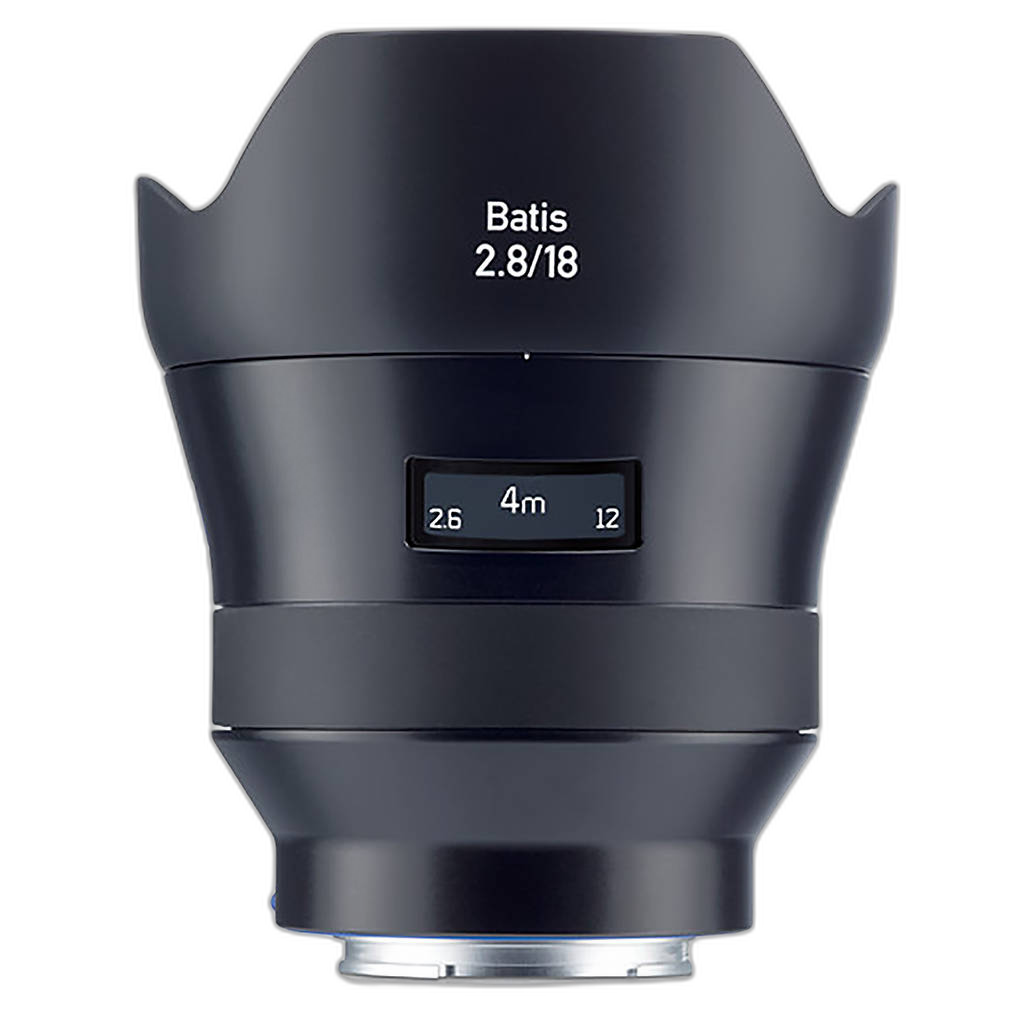
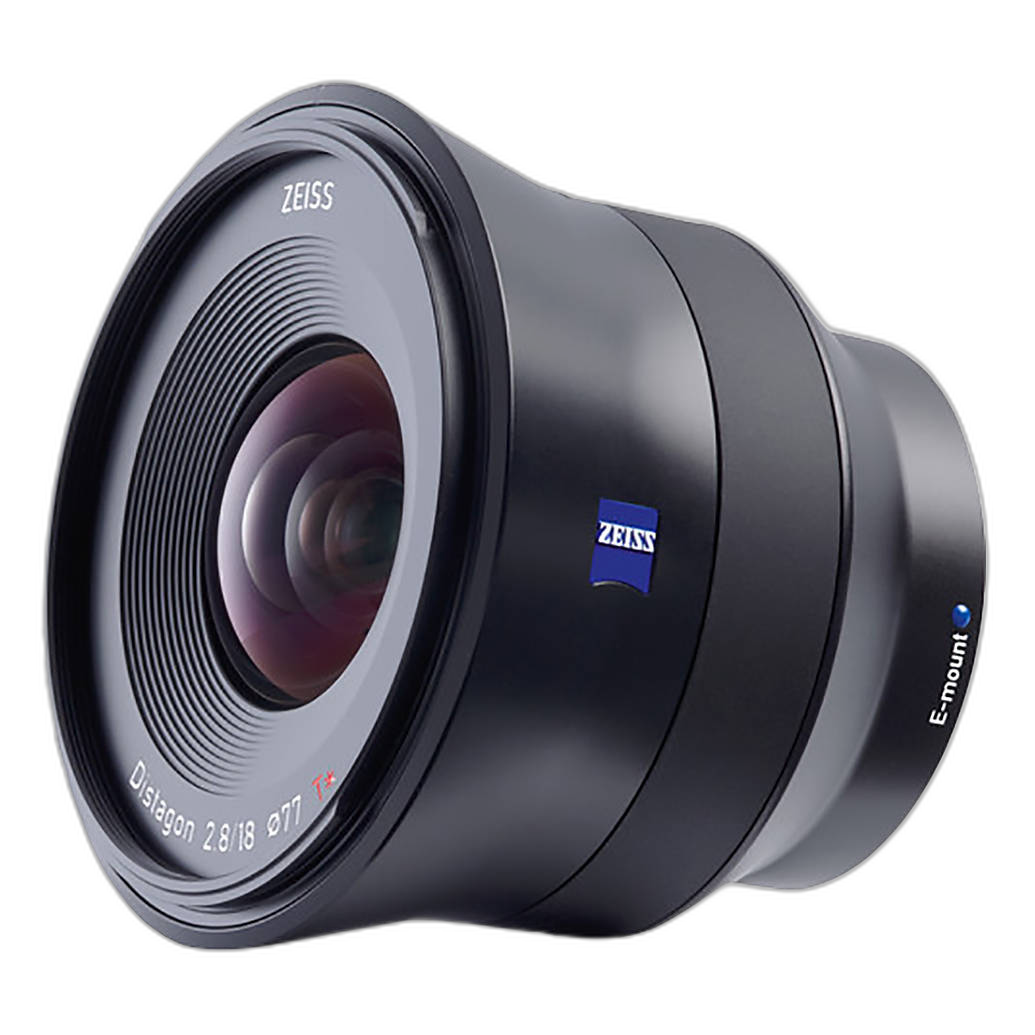
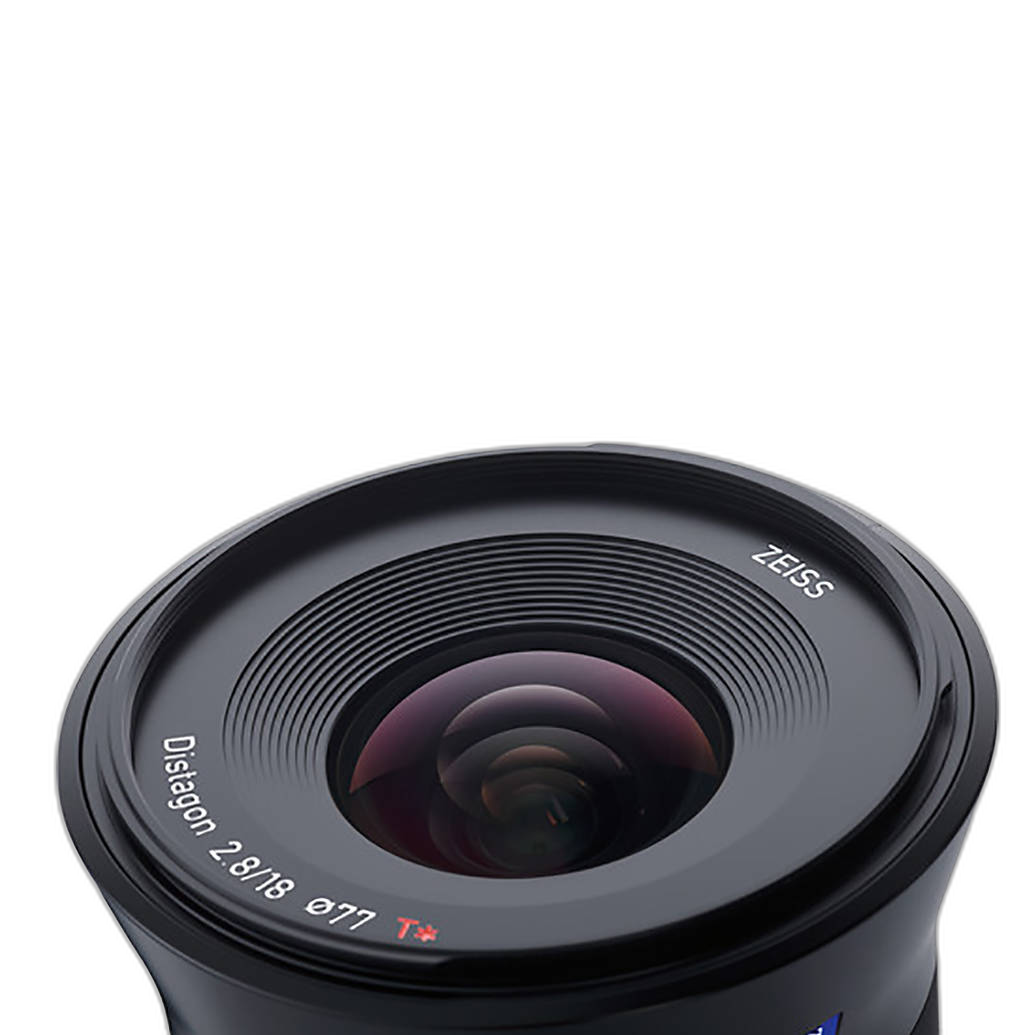
A good example is the Zeiss Batis 18mm f/2.8 AF lens for Sony Full Frame E-Mount Cameras. While not a cinema lens in the traditional sense, it represents one of Sony's greatest advantages: access to premium optics that can support high-end video work while still fitting into a lightweight, modern mirrorless ecosystem.
Best for Fast-Paced Production
For beginners who expect to work handheld, gimbal-mounted, or in unpredictable environments, Sony can be the easiest path to getting usable footage quickly. Strong autofocus and a mature lens ecosystem reduce technical barriers during live production. That matters if your work includes weddings, branded content, YouTube, corporate interviews, or lightweight travel production.
Who Sony suits best: hybrid shooters, fast-moving creators, and users who want strong autofocus plus one of the deepest lens ecosystems available.
Pros and Cons
Blackmagic Pros
- Excellent value for serious video recording formats and post-production flexibility
- Cinema-first design philosophy encourages proper filmmaking workflow
- Strong choice for narrative, music video, and studio-style production
- Pairs well with monitoring and audio accessories for a scalable rig
Blackmagic Cons
- Often requires more accessories for ideal operation
- Less forgiving for run-and-gun beginners
- Power management and rigging can add cost and complexity
Canon Pros
- Excellent color science and pleasing skin tones
- Intuitive operation and dependable ergonomics
- Strong support ecosystem and warranty options
- Great choice for client work and professional reliability
Canon Cons
- Can be less aggressive on value than Blackmagic in pure recording specs
- Lens and body combinations may become expensive quickly
- Less appealing for users who want the most experimental workflow freedom
Sony Pros
- Outstanding lens ecosystem, especially in E-mount
- Strong autofocus for solo operators
- Excellent flexibility for hybrid photo/video creators
- Easy to scale from lightweight setups to advanced productions
Sony Cons
- Can feel less cinema-specialized than Blackmagic
- Menu systems and setup depth may feel intimidating to some beginners
- Best results often come from careful lens and accessory selection
Verdict
If your goal is to learn cinema technique in the purest way, Blackmagic is the most filmmaker-centric starting point. It rewards intention, teaches discipline, and delivers impressive image flexibility for the money. If your goal is dependable professional production with fewer operational headaches, Canon is the safest and most confidence-inspiring route. If you want one system that can handle video, stills, autofocus-heavy shooting, and long-term lens growth, Sony is the most versatile investment.
For most first-time buyers, the best answer is not which brand is objectively best, but which one best fits your workflow. Blackmagic is best for learning cinema language. Canon is best for dependable professional ease. Sony is best for all-around creative flexibility.
If you are ready to build your first cinema kit, Unique Photo is an excellent place to buy. Beyond camera systems themselves, accessories such as power supplies, external monitors, audio adapters, lenses, and protection plans all matter, and Unique Photo offers the broader ecosystem that helps new filmmakers get started the right way.
Recommendation
Choose Blackmagic if you want the strongest cinema-learning platform. Choose Canon if you want reliability, support, and polished results with less friction. Choose Sony if you want the most flexible system for hybrid and fast-paced content creation. All three can be the right first cinema path, but your workflow should make the final decision.