
Choosing the right image for a photography contest can be just as important as capturing it. Many strong photographers miss out on awards because they submit images that are technically solid but not the best fit for the competition, category, or judging criteria. At Unique Photo, we regularly see photographers improve their contest results simply by becoming more intentional about image selection. If you want better odds in juried exhibitions, local photo contests, camera club competitions, or international awards, the strategies below can help you choose images with more impact.
How to choose the best photo for a competition
The best competition image usually combines three things: technical excellence, emotional or visual impact, and a strong match with the contest theme. A photo can be beautifully edited and tack sharp, but if it does not align with the category or fails to stand out against hundreds of entries, it may not advance.
Start by reviewing the contest rules carefully. Look for:
- Theme or subject requirements
- Allowed editing standards
- File size, format, and crop rules
- Whether composites or AI-assisted edits are permitted
- Judging criteria such as originality, storytelling, composition, and technical quality
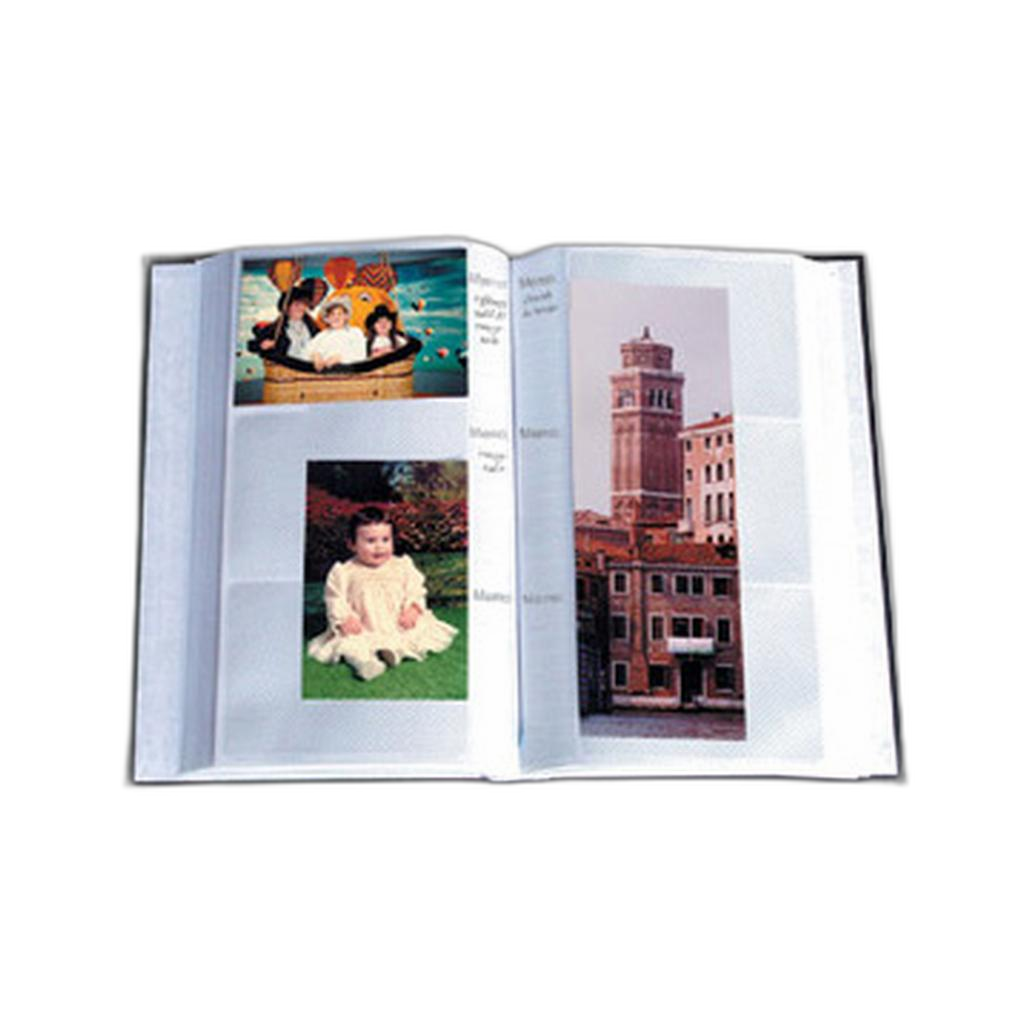
Before you narrow your shortlist, create a broad working edit. Some photographers find it useful to print small proofs or organize candidate images in physical albums for side-by-side comparison. A product like the Pioneer 4 x 6 In. Bi-Directional Memo Photo Album (200 Photos) - Black can be a practical way to review a large number of contest candidates away from the screen.

What judges look for in photography competitions
Although every contest is different, most judges respond to a similar set of qualities. Understanding these can help you evaluate your own work more objectively.
- Immediate impact: Does the image grab attention quickly?
- Clear subject: Is it obvious what the viewer should focus on?
- Strong composition: Are framing, balance, and visual flow working together?
- Technical execution: Is focus intentional, exposure controlled, and processing refined?
- Originality: Does the image feel fresh rather than overly familiar?
- Story or mood: Does it create emotion, curiosity, or meaning?
One of the most effective strategies is to ask which image keeps a viewer engaged after the first glance. Competition winners are often images with both instant appeal and lasting depth.
How to narrow down a shortlist of competition photos
When photographers ask Unique Photo for advice on contest submissions, one common challenge is having too many strong options. A structured process makes the final choice easier.
- Make a first cut fast. Remove near-duplicates, weak expressions, technical misses, and anything that does not fit the category.
- Build a shortlist. Choose 10 to 20 images that have the strongest impact.
- Step away. Revisit the shortlist after a few hours or the next day.
- Compare side by side. Look for the one image that feels strongest at both thumbnail size and full resolution.
- Score each image. Rate fit, originality, emotion, composition, and technical quality.
If you like reviewing physical prints, album systems can help organize multiple contest ideas over time. The Pioneer Album Refill Pages for BP-200 Album are useful for expanding an image review workflow if you already maintain a print archive.
Why the best image is not always your favorite image
Many photographers choose photos based on personal memories rather than competitive strength. That stunning landscape from a memorable trip or the portrait from a meaningful session may be emotionally important to you, but judges only see the final image. They do not know the effort behind it unless the image communicates on its own.
Try this question: If I had no personal connection to this photo, would I still rank it first? This mindset helps separate emotional attachment from competitive merit.
It can also help to physically sort and label prints in a dedicated album, especially when comparing similar images from one project. The Pioneer 4 x 6 In. Embossed Leather Frame Photo Album (200 Photos)-Brown is a simple option for keeping your best selects organized by theme, genre, or contest season.
How to match your photo to the contest theme and category
A frequent reason good images fail in competition is poor category fit. If the contest calls for street photography, a travel portrait may not score well even if it is beautiful. If the category is wildlife behavior, a static animal portrait may not be competitive against more dynamic entries.
Ask these questions before submitting:
- Does the image clearly belong in this category?
- Will a judge understand the theme without explanation?
- Does the photo offer a unique angle on a common subject?
- Would this image still stand out if shown among 100 similar entries?
The more specific the competition, the more important category precision becomes. For example, event and festival photography contests often reward anticipation, timing, and layered storytelling. Photographers looking to strengthen that skill set may benefit from educational resources like Seminar: How to Capture Great Festival and Event Photos with David Wells, available through Unique Photo.

Best way to evaluate technical quality before entering a contest
Even highly creative images can lose points if presentation issues distract the judges. Before submission, inspect every finalist carefully at full size.
Check for:
- Critical focus where it matters most
- Distracting highlights or blocked shadows
- Color casts or white balance issues
- Dust spots, halos, or oversharpening
- Awkward crops or edge distractions
- Noise reduction that smears detail
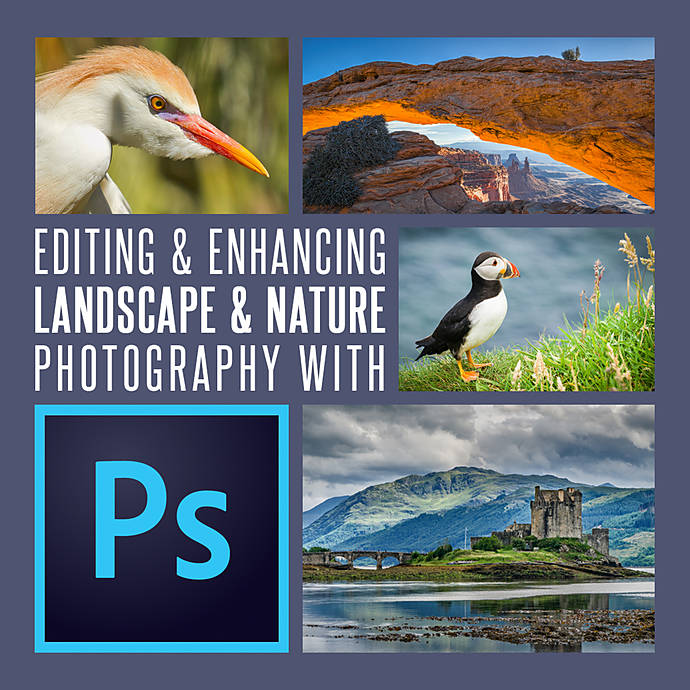
Subtle improvements can make a strong image competition-ready. If you are entering landscape or nature work, a course like Editing and Enhancing Landscape and Nature Photography with Photoshop from Unique Photo can help refine files without pushing them too far.
Should you ask other photographers to help choose contest images?
Yes, but choose your reviewers carefully. Feedback works best when it comes from people who understand photography competitions rather than friends who simply pick what they personally like.
Ask reviewers specific questions such as:
- Which image has the strongest first impression?
- Which one feels most original?
- Which file looks most polished without feeling overedited?
- Which image best fits the contest category?
If you want more detailed help with post-processing and final presentation, guided learning can be extremely useful. UUOnline: Photoshop Mentoring (Session 3) is one example of a resource that can support photographers preparing images for submission through better editing decisions.

How much editing is too much for competition photos?
The answer depends on the contest rules, but in general, competition editing should enhance the image rather than call attention to itself. Heavy-handed processing can reduce credibility and distract from subject matter. This is especially true when judges see many entries in sequence.
Be careful with:
- Overly saturated colors
- Excessive clarity or texture
- Artificial-looking skies
- Unnatural skin retouching
- Aggressive vignettes or blur effects
Creative tools have their place, but only if they support the concept and are allowed by the rules. The goal is to present a finished image that feels intentional, believable, and polished.
How to build a stronger competition portfolio over time
Successful contest photographers rarely rely on a single lucky image. They build an organized archive of standout work, revisit older files, and track what types of images perform well. Unique Photo often encourages photographers to create a repeatable review process after every shoot or personal project.
Helpful habits include:
- Tagging your best images immediately after editing
- Creating separate folders for contest-ready files
- Printing top selects for physical review
- Keeping notes on past contest results
- Studying winning images without copying trends
Physical albums can still play a valuable role here, especially for evaluating body of work consistency and sequencing. Seeing your images off-screen often reveals strengths and weaknesses you may miss in a digital grid.
Common mistakes when selecting photos for competitions
Avoid these frequent errors:
- Submitting too many similar images
- Ignoring the contest theme
- Choosing sentimental favorites over stronger photographs
- Overediting to create impact
- Missing file prep details like color space or resolution
- Failing to crop with intention
- Not getting outside feedback before submission
The strongest contest entry is usually the image that balances craft, creativity, and relevance. It does not need to be your most complex image. It needs to be your clearest, most compelling one.
Final tips for choosing winning competition photos
If you want to improve your odds in photography competitions, focus on selection with the same care you give to shooting and editing. Start with the rules, create a disciplined shortlist, compare images objectively, and seek feedback from trusted photographers. Then refine the presentation so your final file looks polished but natural.
At Unique Photo, photographers can find not only tools for organizing prints and reviewing selects, but also educational resources that support stronger shooting and editing decisions over time. Building better contest entries is often the result of a better overall workflow.
For readers exploring the next step, consider visiting Unique Photo pages related to photo albums, Unique University classes, and camera filters for more ways to organize, refine, and elevate your work before competition deadlines.