Photo contests can be exciting opportunities to gain exposure, build credibility, and challenge your creative skills. But one of the most common reasons strong images get disqualified has nothing to do with composition or technical quality—it comes down to post-processing limits for contest submissions. If you have ever wondered what editing is allowed in photography contests, what counts as over-editing, or how much retouching is too much, this guide will help you make safer decisions before you upload your work.
At Unique Photo, we work with photographers across genres—from landscape and wildlife to portrait, editorial, and fine art—and the same concern comes up again and again: Where is the line between acceptable enhancement and risky manipulation? The answer depends on the contest, but there are reliable principles you can follow.

What do photo contests usually allow in post-processing?
Most photography competitions allow basic global edits that improve presentation without materially changing the scene. In many cases, accepted edits include:
- Exposure correction
- White balance adjustment
- Contrast and tonal refinement
- Highlight and shadow recovery
- Moderate color correction
- Sharpening
- Noise reduction
- Lens correction
- Sensor dust spot removal
- Standard cropping, if permitted by the rules
These are generally viewed as normal darkroom-style or digital workflow adjustments. They help your file look polished but do not alter the underlying truth of the image. If a contest emphasizes authenticity, documentary integrity, or journalistic standards, these types of edits are usually the safest.
Still, even “basic” adjustments can become risky if pushed too far. Extreme contrast, oversaturation, aggressive skin smoothing, halo-heavy sharpening, or unnatural sky recovery may trigger scrutiny. A good rule is simple: if the final image no longer reflects what a reasonable viewer would expect from the captured scene, it may be challenged.
What post-processing edits are risky for contest submissions?
Risky edits are usually those that add, remove, relocate, or substantially transform visual elements. These often include:
- Compositing multiple images without explicit permission
- Replacing skies
- Adding or removing people, animals, or objects
- Moving elements within the frame
- Heavy cloning beyond dust or minor sensor cleanup
- Face reshaping or body alteration
- Excessive beauty retouching
- AI-generated or AI-expanded content, unless clearly allowed
- Selective edits that misrepresent documentary reality
- Using textures or overlays that materially change the scene
Some contests also treat focus stacking, HDR blending, panorama stitching, and long-exposure stacking as restricted or category-dependent. In fine art or open creative competitions, these may be acceptable. In wildlife, travel, journalism, or nature contests, they may be disallowed—or allowed only with disclosure.
The biggest mistake photographers make is assuming that because an edit is common on social media, it will be accepted in a contest. Contest judging standards are often stricter than portfolio or client work standards.
How much retouching is allowed in photography contests?
This depends heavily on the genre. For example:
- Portrait contests: Light blemish cleanup may be accepted, but aggressive skin smoothing, facial reshaping, or body modification can be risky.
- Wedding contests: Tonal correction and stylistic grading may be fine, while removing major scene elements may not be.
- Nature and wildlife contests: Authenticity is critical. Removing distracting branches, adding atmosphere, or replacing backgrounds can easily cause disqualification.
- Photojournalism contests: Standards are usually the strictest. Even subtle content-altering edits can violate the rules.
- Fine art contests: More latitude may exist, but disclosure is still important if the work includes compositing or significant manipulation.
When in doubt, ask yourself: Am I improving the file, or changing the facts? Improvements are often acceptable. Changed facts are where problems begin.

Why RAW files and original captures matter
Many contests now request RAW files, original JPEGs, or layered working files from finalists. That means your editing choices may be reviewed in detail. If your submission cannot be supported by the original capture, you could lose eligibility even after advancing.
To protect yourself:
- Keep the original RAW or untouched source file
- Save edit history when possible
- Export high-quality finals without overwriting originals
- Retain alternate versions in case judges request clarification
- Review metadata before submission
This is one reason education matters. A structured editing workflow can help you create stronger images while staying within ethical and category-specific limits. Unique Photo offers learning opportunities such as Product Photography and Post Production Editing with Blake Taylor, which can help photographers sharpen both technical editing skills and judgment.
Are cropping and black-and-white conversions allowed?
In many contests, yes—but not always. Cropping is commonly permitted as long as it does not violate aspect ratio rules or significantly distort the story of the scene. Black-and-white conversion is also often allowed, especially in open categories, artistic competitions, and monochrome divisions.
However, some contests require minimal processing or want the image to remain true to the original capture context. A dramatic crop that removes key context in documentary work could be considered misleading. Likewise, monochrome conversion in certain scientific, record, or journalism applications may be viewed differently than in art categories.
Always read the category rules, not just the general contest rules. Different divisions within the same contest may have different editing standards.
Can you remove dust spots, distractions, or background clutter?
This is one of the most searched questions around photo contest editing rules. The short answer: dust spot removal is usually safe, but removing scene content is often risky.
Examples of edits that are usually acceptable:
- Sensor dust cleanup
- Minor hot pixel correction
- Lens profile corrections
Examples of edits that may be prohibited:
- Removing a trash can from a street scene
- Cloning out a branch behind a bird
- Erasing power lines in a documentary image
- Cleaning up footprints in a nature frame
Even if a distraction seems small, if it was part of the original scene, removing it can cross the line in many contests. The more documentary the category, the more important this distinction becomes.
Are AI tools allowed in photo contests?
This is now one of the most important questions photographers can ask. Some contests ban AI-generated imagery entirely. Others allow certain AI-assisted tools for noise reduction, sharpening, or masking, but prohibit generative fill, content-aware expansion, or synthetic additions.
Because rules are changing quickly, review the contest language carefully. Watch for phrases like:
- “No AI-generated content”
- “Images must originate from a single exposure”
- “No addition or removal of elements”
- “Disclosure required for computational or composite techniques”
AI can make editing faster, but it can also make violations easier to detect. If a tool invents pixels or meaningfully changes scene content, your entry may be at risk. If the rules are unclear, contact the organizer before submitting.
How to read contest rules without missing hidden restrictions
Many photographers scan only for deadlines and file sizes. That is a mistake. The details that matter most are often buried in the eligibility and ethics sections. Before entering, look for:
- Whether composites are allowed
- Whether AI tools are restricted
- Whether RAW files may be requested
- Whether edits must preserve factual accuracy
- Whether cropping is allowed
- Whether monochrome conversions are permitted
- Whether image capture dates matter
- Whether film scans and darkroom techniques are accepted
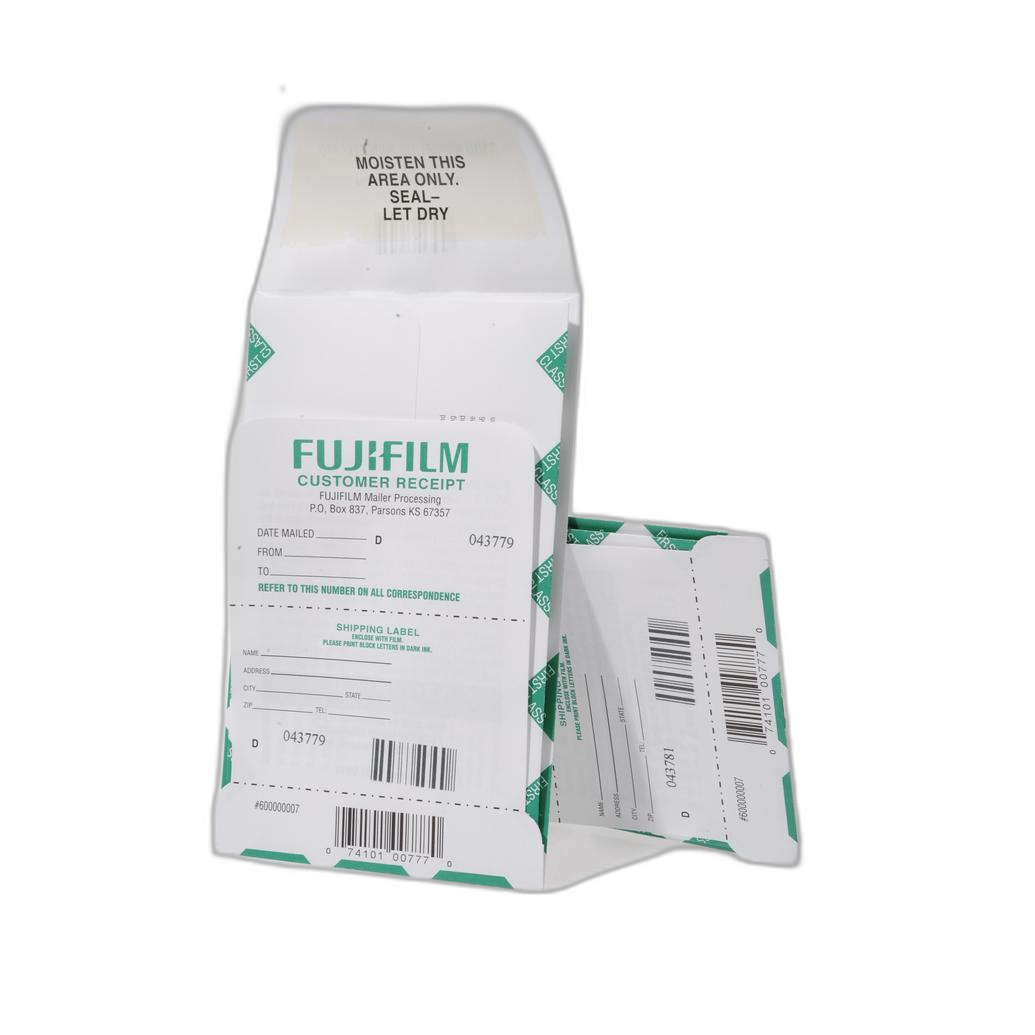
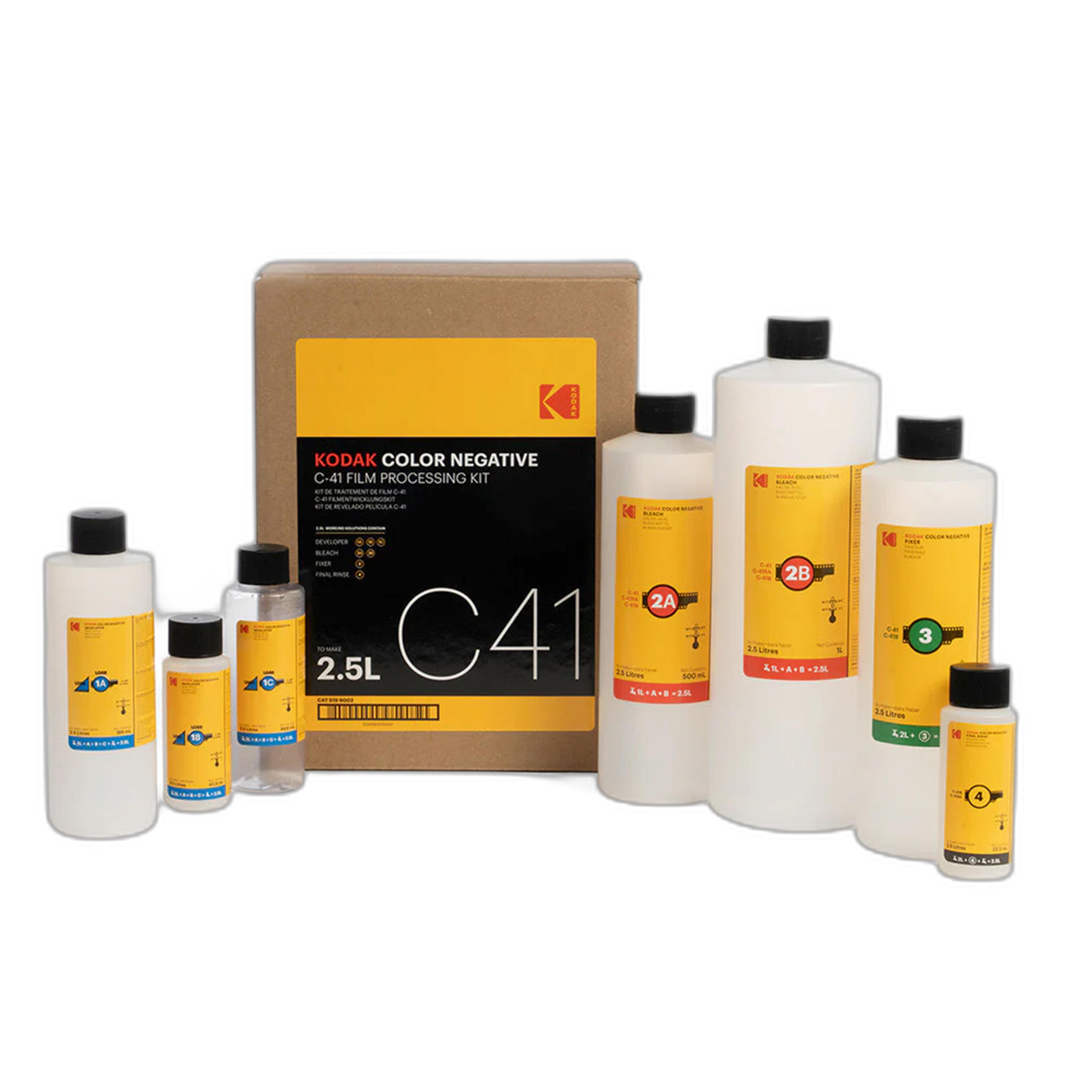
If you shoot film, make sure the contest does not unfairly assume a digital-only workflow. Traditional processing can still be fully legitimate in many competitions. Unique Photo supports analog photographers too, with options like the Fujifilm Pre-Paid Processing Mailer 36 Exp(or 120) E-6/FujiChrome/Ektachrome and the Kodak Color Negative C-41 Film Processing Kit - 2.5 Liters for photographers maintaining a careful, transparent film workflow.
Best practices for editing contest photos safely
If you want to minimize the chance of disqualification, follow a conservative workflow:
- Start with the contest rules. Edit for the specific competition, not for social media.
- Keep your original file intact. Never overwrite the source capture.
- Limit content-altering tools. Avoid cloning and healing beyond technical cleanup unless explicitly allowed.
- Use subtle adjustments. Heavy-handed processing often looks suspicious even when technically allowed.
- Document your process. Save layered files, sidecars, or versions.
- Disclose when necessary. If the rules invite explanation, be honest.
- Review at 100% and at normal viewing size. This helps catch halos, artifacts, and over-retouching.
One smart habit is to create two edits: a personal expressive version and a contest-safe version. This prevents you from accidentally submitting a file that fits your portfolio style but exceeds contest guidelines.
What judges and organizers often notice first
Contest judges may not inspect every image pixel-by-pixel during the first round, but finalists often receive much closer review. Common red flags include:
- Unnatural edges from masking
- Repeating clone patterns
- Inconsistent lighting after compositing
- Oversmoothed skin or foliage
- Unrealistic color transitions
- Missing metadata or suspicious file history
- Scene elements that appear inconsistent with the original capture
Remember, disqualification is not always about malicious intent. Sometimes photographers simply push an edit too far without realizing how a rules committee will interpret it.
Printing, presentation, and preserving your contest work
Some competitions include print submissions or exhibition components. In those cases, presentation matters just as much as file compliance. Once your image is finalized within the allowed editing limits, think about how you will archive or present it.
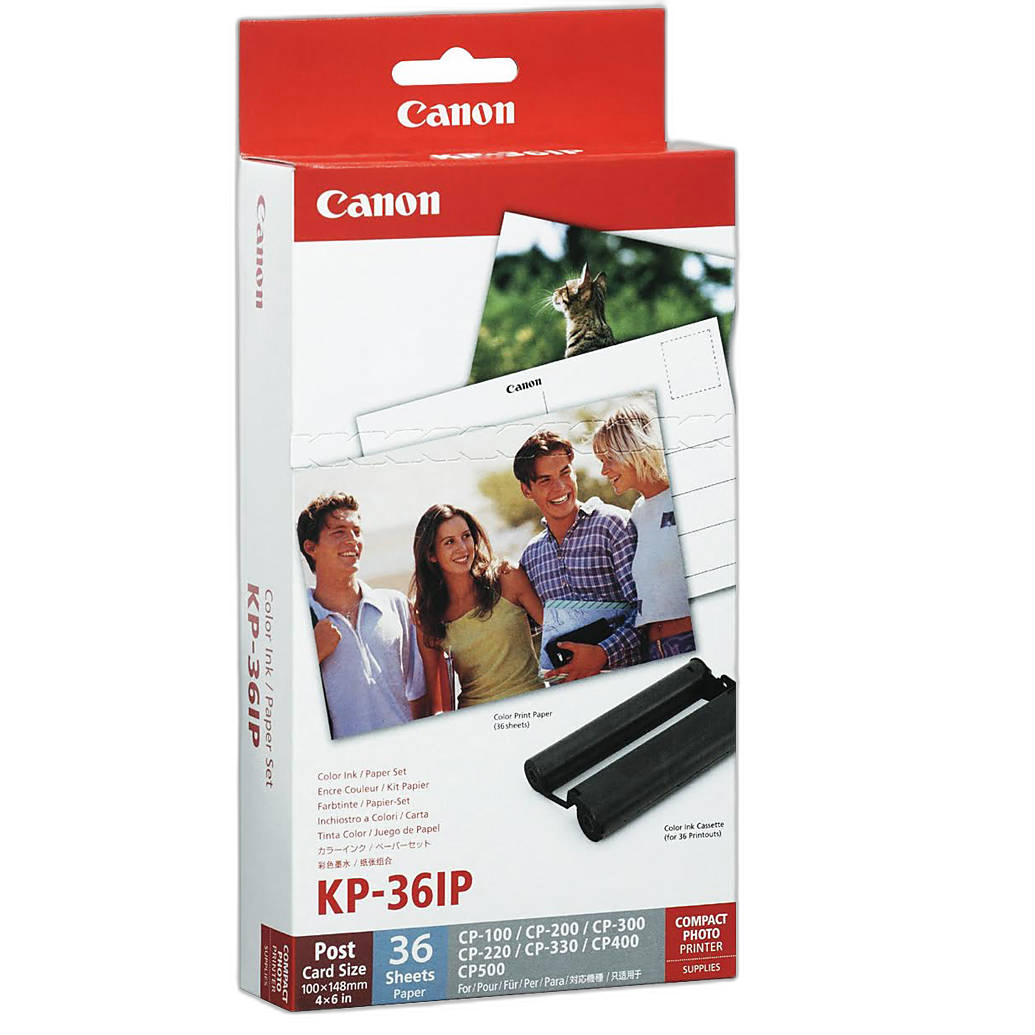
For printed keepsakes, proofs, or small presentation copies, products like the Canon KP-36IP Color Ink and Paper Set can be useful for 4x6 output. For preserving selected images after competition season, a simple option like the Pioneer Photo Albums Slim Line Post-Style Pocket Album can help organize your physical prints. While these products are not contest-rule tools, they fit naturally into a complete photographic workflow that values both craft and documentation.
Final thoughts: enter confidently, edit carefully
Understanding what’s allowed in post-processing for contest submissions is not about limiting creativity—it is about matching your workflow to the standards of the competition. In most cases, basic tonal and color adjustments are acceptable, while content-changing edits are where the real risk begins. If the category emphasizes truth, authenticity, or documentary value, be even more cautious.
At Unique Photo, we encourage photographers to build both technical skill and sound judgment. The safest path is simple: read every rule, preserve your originals, avoid unnecessary manipulation, and disclose anything that may raise questions.
If you are looking to keep improving your editing discipline and contest readiness, consider exploring more resources at Unique Photo, including internal pages such as photography classes, online learning events, film processing supplies, printing tools, and photo storage solutions. Helpful internal linking opportunities for this topic include pages related to photography classes, photo contests and events, film processing, printing paper and ink, and photo albums and archival storage.