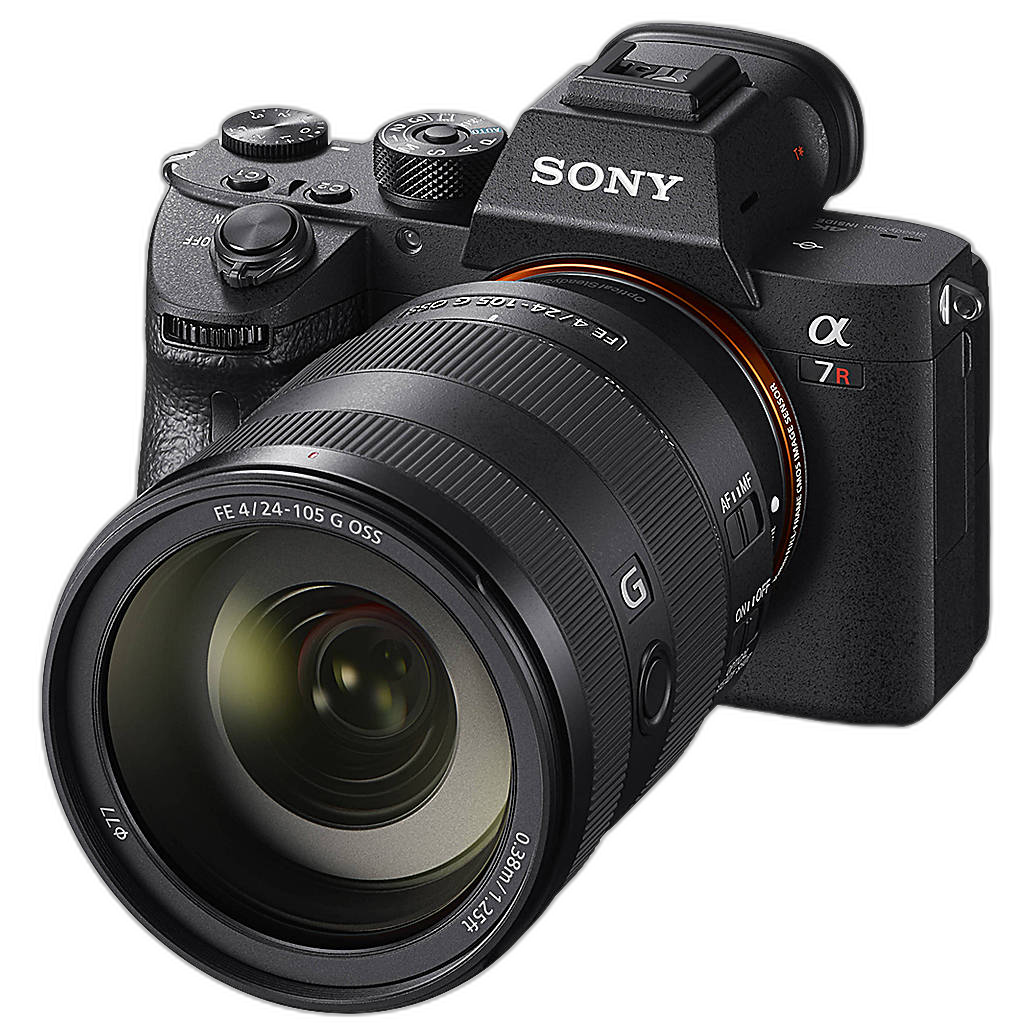
Find Your Next Sony Lens Faster: How to Use Sony Lens Compare Beta Like a Pro
If you shoot on Sony E-mount and feel overwhelmed by options, Sony’s Lens Compare Beta can speed up your decision. This guide is for creators who want to turn that comparison page into clear, confident choices—whether you’re buying your first all‑round zoom or optimizing a specialty kit. We’ll walk through smart comparison tactics, what specs actually matter, and a couple of standout lens examples to benchmark your results.
What Sony Lens Compare Beta Can Do for You
Lens Compare tools shine when you set them up thoughtfully. Expect to see side-by-side specs, feature highlights, and sometimes visual references that help you weigh tradeoffs. Use it to:
- Narrow choices by focal range, maximum aperture, stabilization, and size/weight.
- Spot differences in minimum focus distance and magnification for close-up work.
- Check feature sets like weather sealing, internal zoom/focus, and compatibility notes.
Before You Start: Prep Tips That Save Time
- Define your use case first: travel, events, video, landscapes/astro, portraits, or mixed.
- Pick your budget range and weight tolerance—both affect what “best” looks like.
- Decide if you need optical stabilization (OSS) or if your Sony body’s IBIS is enough.
- Set a focal range target. If you can’t, shortlist two ranges (for example, 16–35 vs 24–105) to compare head-to-head.
How to Compare Lenses Step-by-Step
- Shortlist 2–4 lenses that fit your focal range and budget.
- Normalize your comparison: look at performance at the same focal lengths and apertures where possible.
- Prioritize practicality specs: stabilization, focus speed/accuracy notes, minimum focus distance, filter use, and weather sealing.
- Weigh size and weight versus aperture. A faster lens isn’t “better” if you won’t carry it.
- Balance versatility and specialty: a flexible zoom can outperform a niche lens for general work.
The Specs That Matter (and Why)
- Maximum aperture: impacts low light, subject isolation, and shutter speeds.
- Stabilization (OSS): helps for video and low-light stills, especially on bodies without IBIS.
- Minimum focus distance and magnification: useful for detail shots and product/food photography.
- Filter friendliness: some ultra-wides need special holders; plan for this if you use ND/grad filters.
- Build/weather sealing: reliability for outdoor and travel shooting.
Recommended Sony Lens Starting Points
Sony FE 24-105mm f/4 G OSS Lens
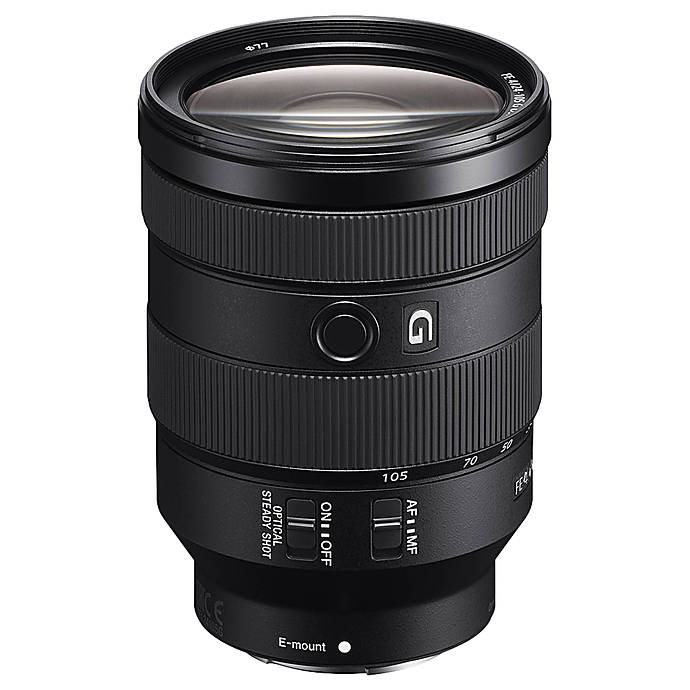
The all-in-one zoom many Sony shooters should compare first. It covers wide to short telephoto in a single lens, keeps a constant f/4 aperture, and includes Optical SteadyShot (OSS) for smoother handheld results. It’s a strong benchmark in the Lens Compare Beta when you need one lens that can do a bit of everything: travel, events, family, product, and everyday content.
- Why include it in your comparison: versatility, OSS, consistent results across focal lengths.
- Who it suits: hybrid shooters, travelers, and anyone building a one-lens kit.
Sony FE 12-24mm f/2.8 GM Lens
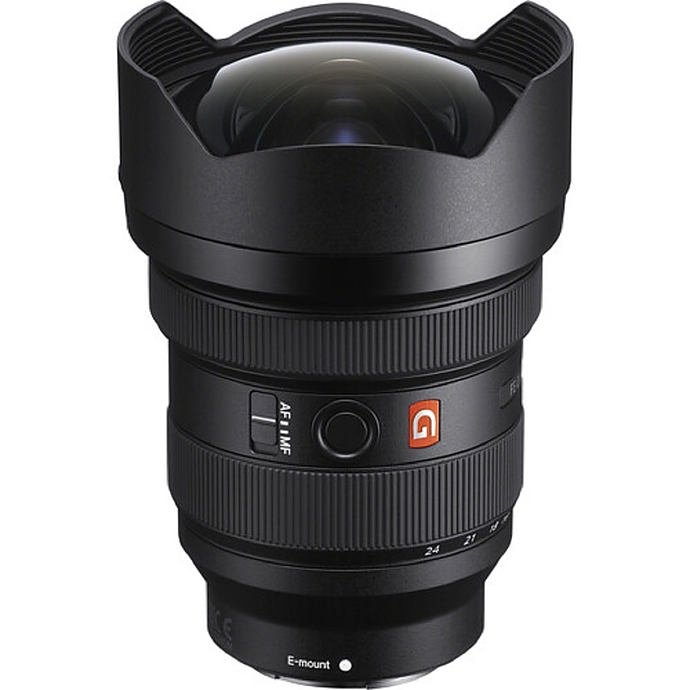
A flagship ultra-wide zoom for architecture, landscapes, interiors, and astro. The constant f/2.8 helps when light is scarce, and the field of view opens creative possibilities you can’t get from standard zooms. Use the Compare tool to understand how ultra-wide coverage and faster aperture trade off against size, cost, and the need for specialized filter solutions.
- Why include it in your comparison: unmatched width plus speed for night/astro and dramatic perspectives.
- Who it suits: landscape, real estate/interiors, astro, and creative wide-angle storytellers.
Quick Comparison: Two Great Sony Benchmarks
| Lens | Focal Range | Max Aperture | Stabilization | Best For | Advantages | Considerations |
|---|---|---|---|---|---|---|
| Sony FE 24-105mm f/4 G OSS | 24–105mm | f/4 (constant) | OSS | Travel, events, everyday, hybrid | One-lens versatility; stabilization; consistent performance | Not as bright as f/2.8; bigger than a prime |
| Sony FE 12-24mm f/2.8 GM | 12–24mm | f/2.8 (constant) | No OSS | Landscapes, interiors, astro, creative ultra-wide | Ultra-wide coverage; fast for low light/night sky | Requires thoughtful filter solutions; specialized use |
Our Pick
For most Sony creators, start with the Sony FE 24-105mm f/4 G OSS. In Sony Lens Compare Beta, it sets a strong baseline across range, size, and stabilization. If your comparisons show you’re often at the wide end and shooting in low light, then graduate to the Sony FE 12-24mm f/2.8 GM as a specialized second lens.
Pro Tips for Better Comparisons
- Match scenarios: compare lenses at the focal lengths you actually use (for example, 24mm/50mm/85mm equivalents).
- Consider post-processing: a slightly slower lens may be fine if you’re comfortable pushing ISO and noise reduction.
- Think filters: if you’re a long-exposure or landscape shooter, note which lenses accept standard screw-in filters versus specialized holders.
- Don’t over-index on a single spec: balance aperture, stabilization, and weight with your real shooting habits.
Conclusion: Make It Real at Unique Photo
Use Sony Lens Compare Beta to shortlist, then handle the lenses in person or chat with our experts to confirm ergonomics, balance, and focus feel. Our recommendation for most shooters is the Sony FE 24-105mm f/4 G OSS, with the Sony FE 12-24mm f/2.8 GM as a stellar specialty companion. Ready to level up your kit? Visit or contact Unique Photo for hands-on help and the right accessories to finish your setup.